1951 Pioneering of Denali's West Buttress by Bradford and Barbara Washburn
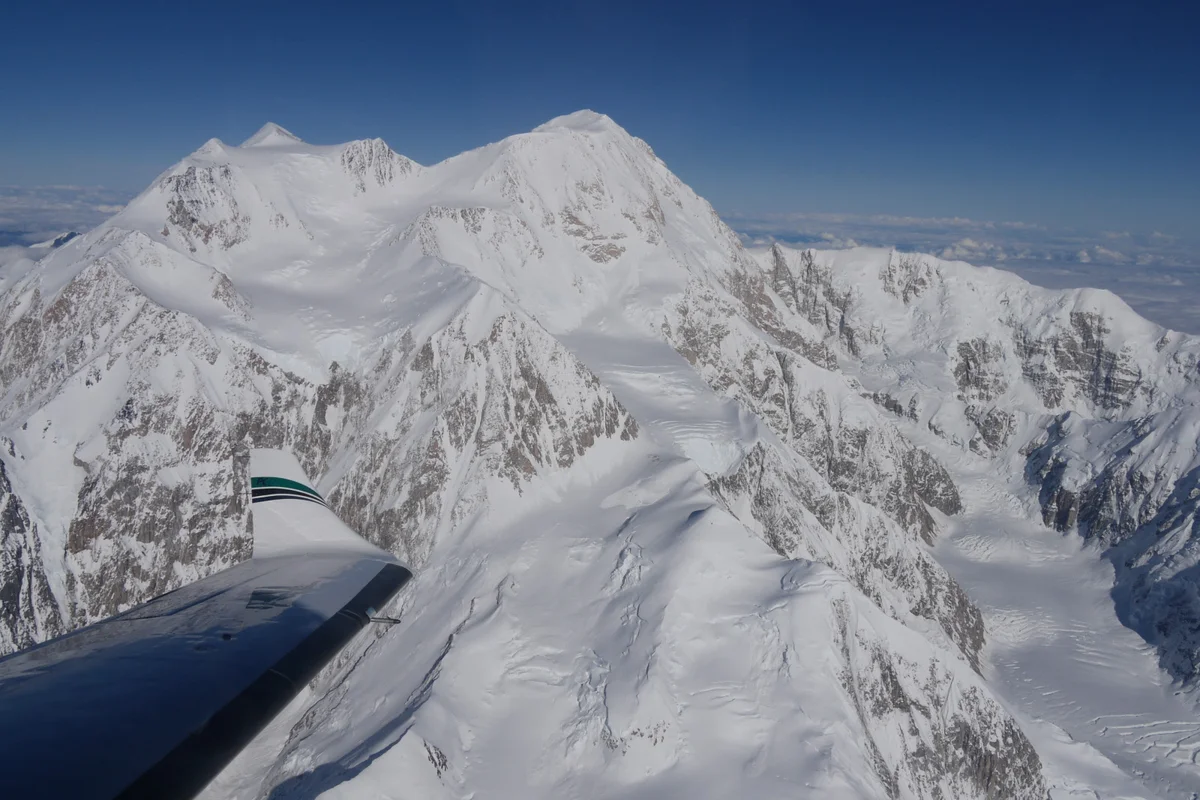
In June–July 1951, Bradford and Barbara Washburn led a joint scientific expedition that revolutionized Alaskan mountaineering by landing on the Kahiltna Glacier and pioneering the West Buttress route to Denali's 6,190-metre summit.
Mountain Safety & Conditions Disclaimer: High-altitude climbing, glacial travel, and technical ascents entail severe objective risks including avalanches, serac collapses, rapid weather collapse, and altitude illness. Historical route descriptions and summit claims on Mountanity reflect documented archival sources and must not be used as live operational safety assessments. Local regulations, permits, and physical glacial topography change continuously.
Peer Review: Senior Editorial Board & Historical Reviewers • Editorial Standards
Official Expedition Narrative & Archival Record
In the spring of 1951, renowned cartographer and explorer Bradford Washburn conceived an audacious strategy to bypass the grueling multi-week overland approaches that had historically defined expeditions to Denali. Partnering with visionary bush pilot Don Sheldon, the expedition utilized ski-equipped airplanes to touch down directly on the Southeast Fork of the Kahiltna Glacier at 7,700 feet, establishing what would become the historic gateway to the peak. Accompanied by his wife Barbara Washburn—who four years earlier had become the first woman to summit Denali—and climbers Jim Gale, Bill Hackett, and Henry Buchtel, Washburn methodically pioneered a safe pathway up the sweeping glaciated crest of the West Buttress. The team navigated the broad crevasses of the lower Kahiltna, fixed ropes up the steep 55-degree Headwall to 16,200 feet, and established a fortified high camp at 17,200 feet. On July 10, 1951, Jim Gale, Bill Hackett, and Bradford Washburn reached the North Peak and subsequently the True South Summit at 20,310 feet, with Barbara Washburn conducting vital theodolite surveys from high camps. The route proved safer, vastly more efficient, and structurally superior to the Muldrow Glacier, immediately establishing the West Buttress as the definitive classic route on North America's highest peak.
Documented Team Composition
- Bradford Washburn (Leader & Cartographer, United States)
- Barbara Washburn (Surveyor & Climber, United States)
- Jim Gale (Climber, United States)
- Bill Hackett (Climber, United States)
- Henry Buchtel (Climber, United States)
- Don Sheldon (Expedition Bush Pilot, United States)
Key Statistics & Topographic Figures
- Summit Date
- July 10, 1951
- Route Pioneered
- West Buttress of Denali
- Key Leaders
- Bradford and Barbara Washburn
- Bush Pilot
- Don Sheldon (Talkeetna, Alaska)
- Sponsoring Institution
- Boston Museum of Science
Archival Primary Source Quotations
“Landing on the Kahiltna Glacier was like stepping through a doorway into another world; the West Buttress was waiting.”
Defined Alpine Terminology & Concepts
- Ski-Plane Glacier Landing
- The aviation technique of landing fixed-wing aircraft fitted with retractable skis on unprepared mountain glaciers.
- Kahiltna Glacier Base Camp
- The airstrip and staging hub at 7,200 feet on the Kahiltna Glacier serving modern Denali climbing expeditions.
Frequently Asked Questions: 1951 Pioneering of Denali's West Buttress by Bradford and Barbara Washburn
What was the 1951 Washburn Denali expedition?
It was a pioneering expedition that revolutionized high-altitude climbing by landing on the Kahiltna Glacier and making the first ascent of the West Buttress.
Who were the climbers on the 1951 West Buttress team?
The team consisted of Bradford Washburn, Barbara Washburn, Jim Gale, Bill Hackett, and Henry Buchtel, supported by pilot Don Sheldon.
Why was the West Buttress considered a revolutionary route?
It bypassed the long overland trek of the Muldrow Glacier, offered a safer line with fewer avalanche hazards, and became Denali's standard route.
How did bush pilot Don Sheldon contribute to the expedition?
Sheldon executed historic ski-plane landings directly on the Southeast Fork of the Kahiltna Glacier at 7,700 feet, establishing modern fly-in base camps.
What scientific surveying was performed during the 1951 climb?
Barbara Washburn operated precision theodolites from high camps to record trigonometric measurements for the Boston Museum of Science's maps.
When did the team summit Denali via the West Buttress?
Jim Gale, Bill Hackett, and Bradford Washburn reached the South Summit on July 10, 1951, followed by ascents of the North Peak.
What was Barbara Washburn's climbing status prior to 1951?
She had already made history four years earlier in 1947 as the first woman ever to reach the summit of Denali.
What percentage of climbers use the West Buttress route today?
More than ninety percent of all climbers attempting Denali each season follow the West Buttress route established in 1951.
Ascent Route & Topography
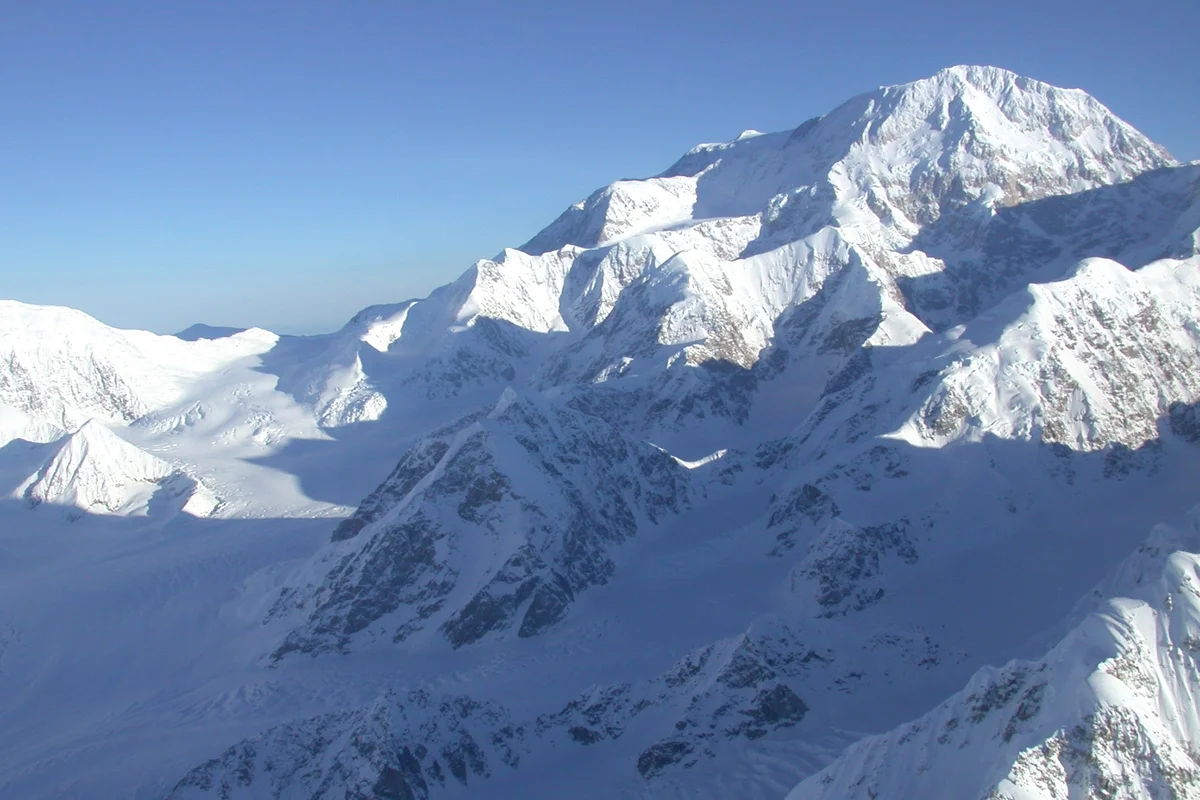
West Buttress (Denali)
The West Buttress is the premier classic mountaineering route on Denali, ascending 4,000 vertical metres from the Kahiltna Glacier to the highest point in North America at 6,190 metres. Pioneered in 1951 by Bradford Washburn, Barbara Washburn, and their team, it negotiates massive crevasse systems, the steep fixed-line ice of the Headwall, and the knife-edge granite crest above 16,000 feet amidst severe Arctic gales.
Target Objective Peak
Denali
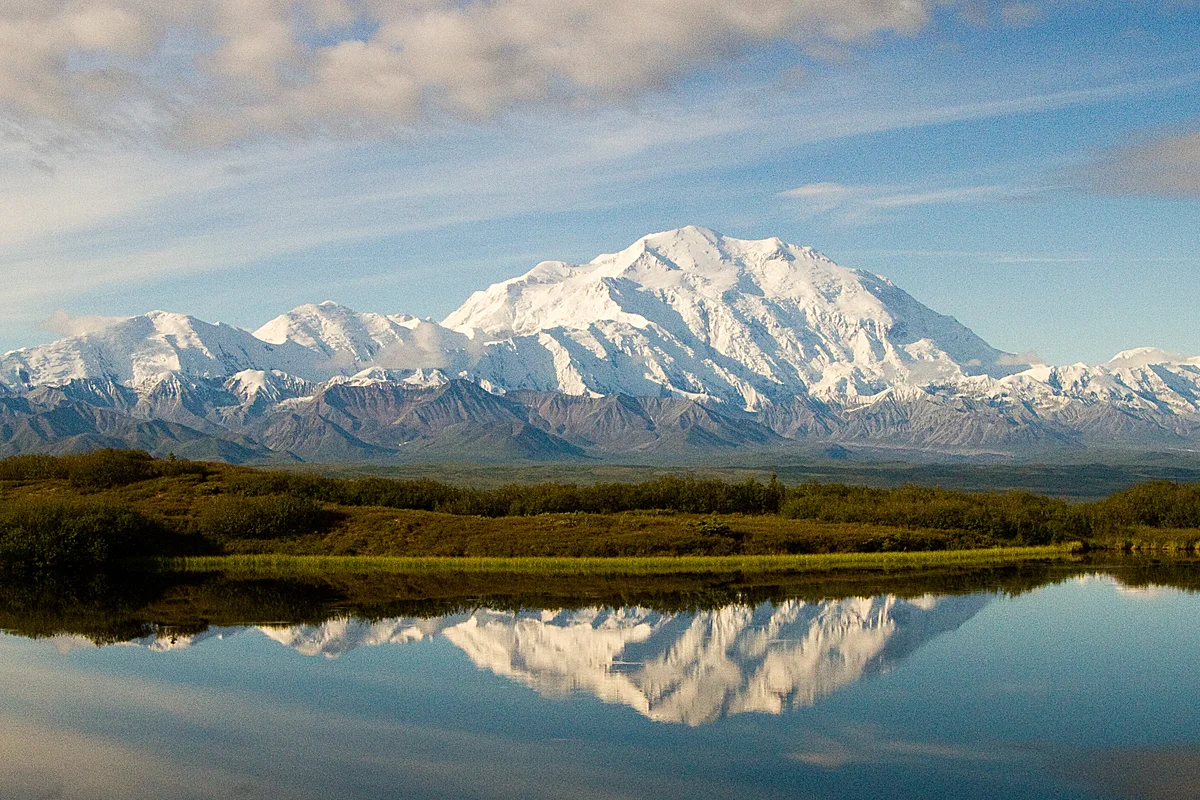
Denali is the highest mountain peak in North America, soaring to an elevation of 6,190 metres in south-central Alaska. Ranked third among the world's most topographically prominent summits, it possesses greater vertical base-to-peak relief than Mount Everest, rising over 5,500 vertical metres above the surrounding glacial plains amidst severe Arctic storms and extreme sub-zero temperatures.
Featured Expedition Climbers
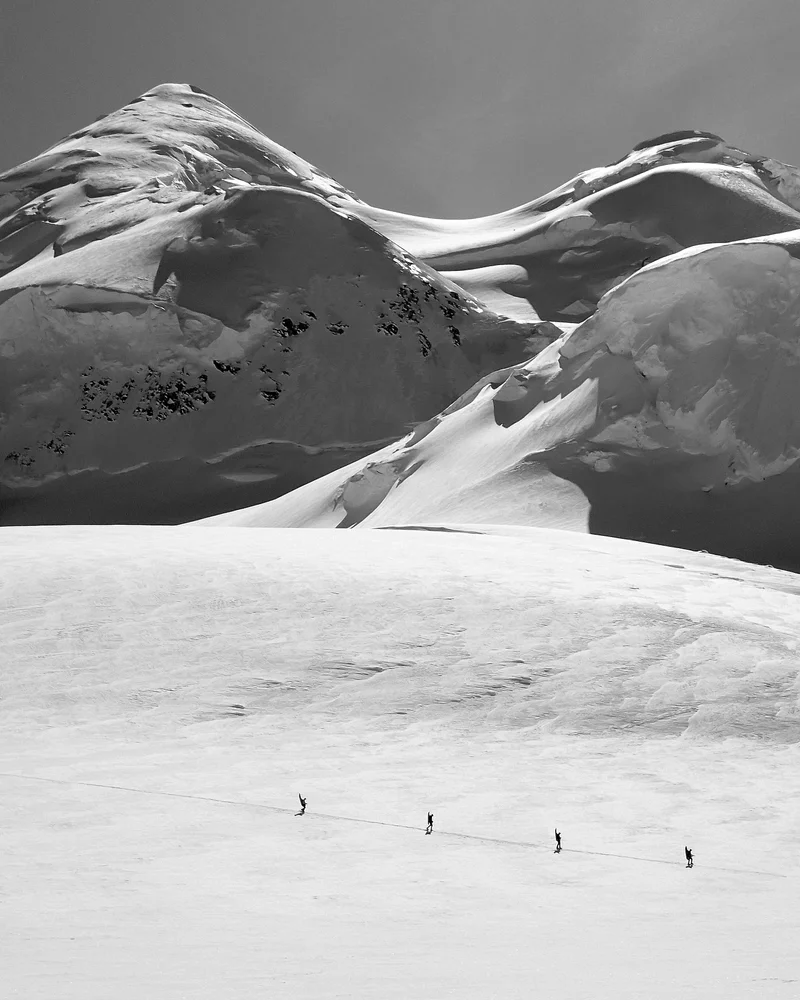
Barbara Washburn
Born on November 10, 1914, in Boston, Massachusetts, Barbara Polk graduated from Smith College in 1935 and began working as a secretary at Harvard University. In 1940, she married mountaineer and cartographer Bradford Washburn, setting off on what became a legendary partnership in science, exploration, and mountaineering. Although she had no formal climbing background prior to marriage, Washburn quickly demonstrated remarkable high-altitude endurance, technical competence, and serene composure on steep glaciated terrain. In 1940, during their honeymoon, she made the first ascent of Mount Bertha (3,110 m) in the Fairweather Range of Alaska. In 1941, she completed the first ascent of Mount Hayes (4,216 m), then the highest unclimbed peak in the eastern Alaska Range. In 1947, joining Operation White Tower, a joint military and scientific expedition to Denali, Washburn reached the 6,190-metre summit on June 6, becoming the first woman to stand atop the highest peak in North America. In 1951, she returned to Denali to co-pioneer the groundbreaking West Buttress route, spending weeks at high camps conducting theodolite survey readings for the Boston Museum of Science's seminal maps. Washburn also played an integral role in mapping the Grand Canyon and Mount Everest. She authored the celebrated memoir The Accidental Adventurer and was inducted into the Alaska Women's Hall of Fame in 2009 before passing away in September 2014 at the age of ninety-nine.
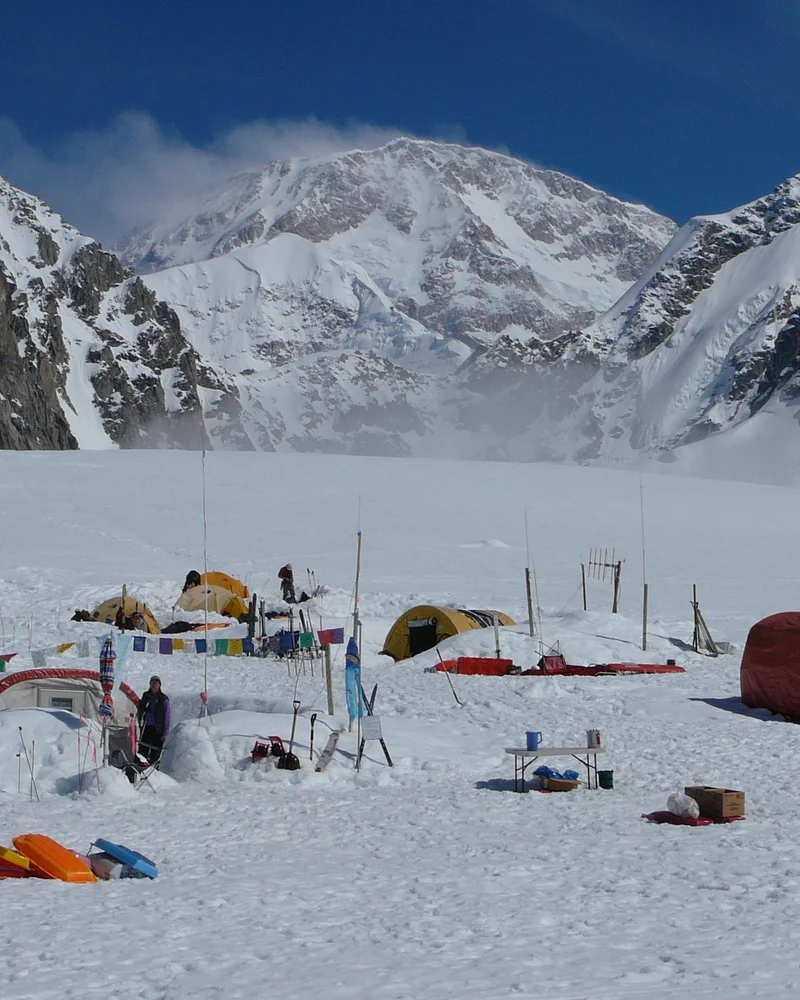
Bradford Washburn
Born on June 7, 1910, in Cambridge, Massachusetts, Bradford Washburn began climbing in the White Mountains of New Hampshire and the Alps during his teenage years, completing ascents of the Matterhorn and Mont Blanc. Earning degrees from Harvard University, Washburn pioneered the use of large-format aerial photography for high-mountain mapping, capturing breathtaking black-and-white vistas of Alaskan glaciated peaks while hanging out the open doors of airplanes in sub-zero winds. In 1937, Washburn completed the heroic first ascent of Mount Lucania (5,226 m) in the Yukon with Robert Bates, surviving an epic 150-mile wilderness trek after being abandoned by their bush pilot. Over four decades, Washburn led numerous expeditions into the Alaska Range. In 1951, collaborating with bush pilot Don Sheldon, Washburn pioneered the use of ski-equipped airplanes to land on the Kahiltna Glacier, establishing the West Buttress route on Denali alongside his wife Barbara Washburn and fellow climbers. This masterstroke avoided the perilous Muldrow Glacier approach and became the classic global standard route on the mountain. Serving as director of the Boston Museum of Science for over four decades, Washburn produced peerless topographical maps of the Grand Canyon, Denali, and Mount Everest, using laser theodolites and satellite geodesy. Washburn passed away in January 2007, remembered as one of the most prolific and visionary figures in twentieth-century mountaineering and cartography.
Associated Historical Chronicles & Stories
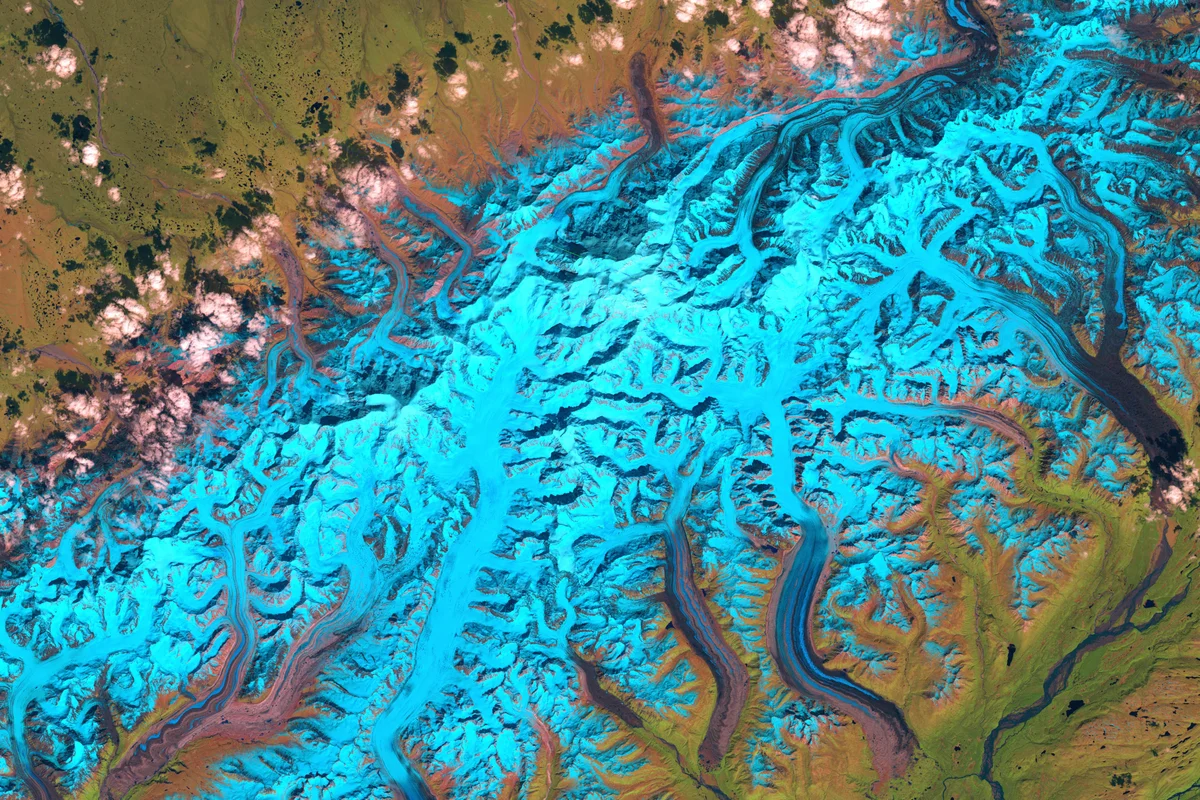
The Arctic Highway: Bradford and Barbara Washburn's West Buttress Revolution on Denali
In June 1951, Bradford and Barbara Washburn revolutionized high-altitude exploration by landing on the Kahiltna Glacier with bush pilot Don Sheldon and pioneering Denali's classic West Buttress route.
Documented Sources & Archival Citations
- Mount McKinley: The Conquest of Denali(Bradford Washburn and David Roberts / Harry N. Abrams)
Supporting claim: Primary historical account of the 1951 expedition and West Buttress discovery
Accessed/Documented: 2026 - The Accidental Adventurer(Barbara Washburn / Epicenter Press)
Supporting claim: Biographical chronicle of the Kahiltna Glacier landing and West Buttress surveying
Accessed/Documented: 2026