Denali
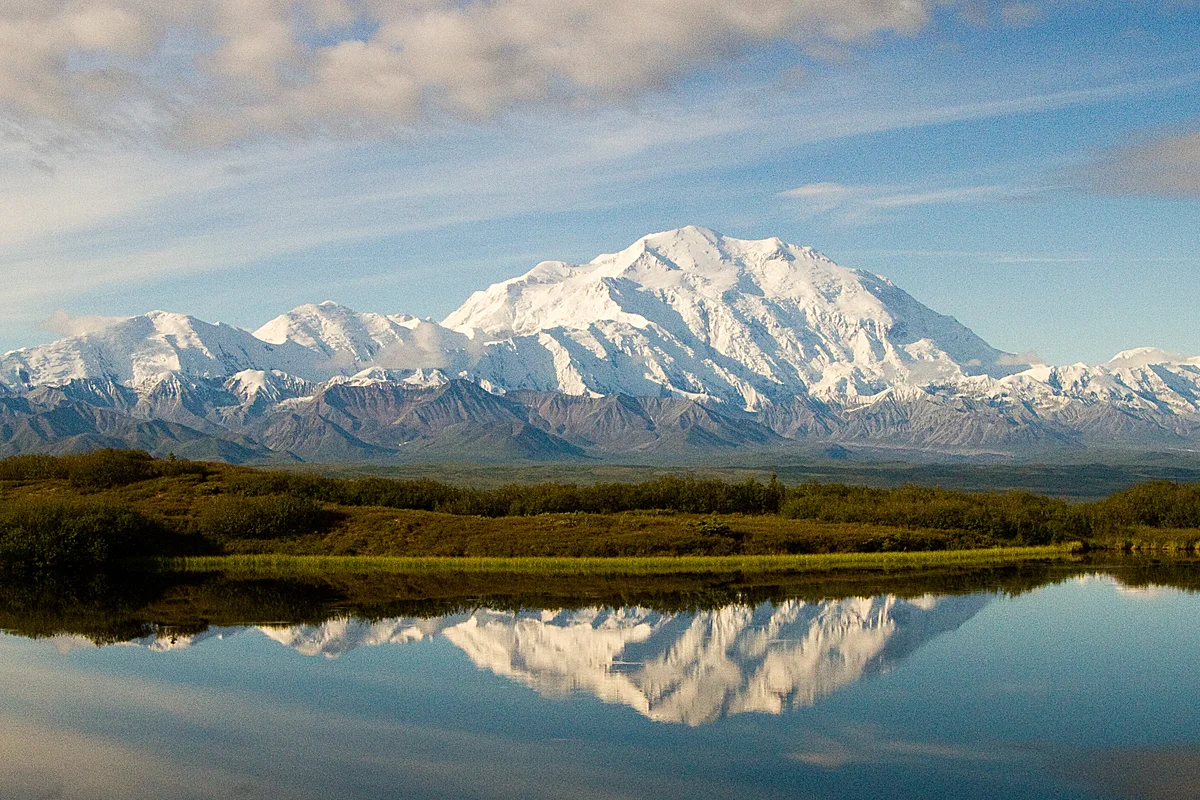
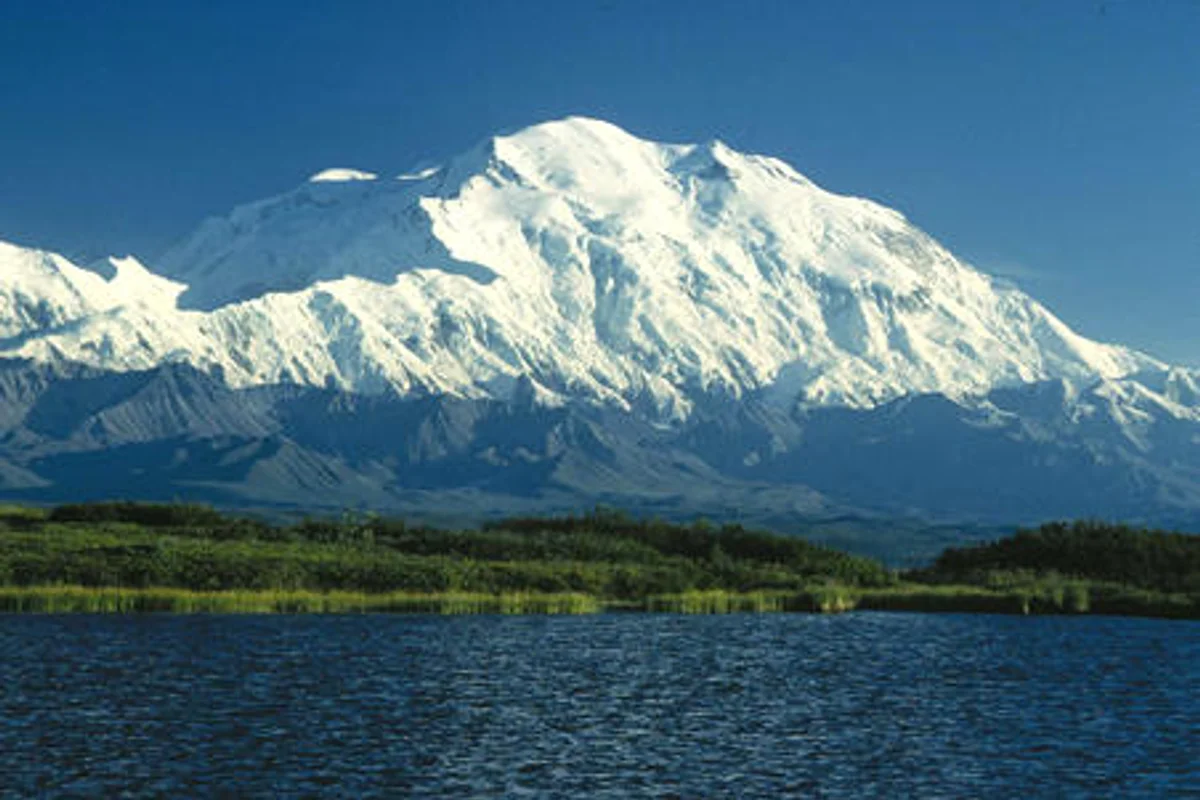
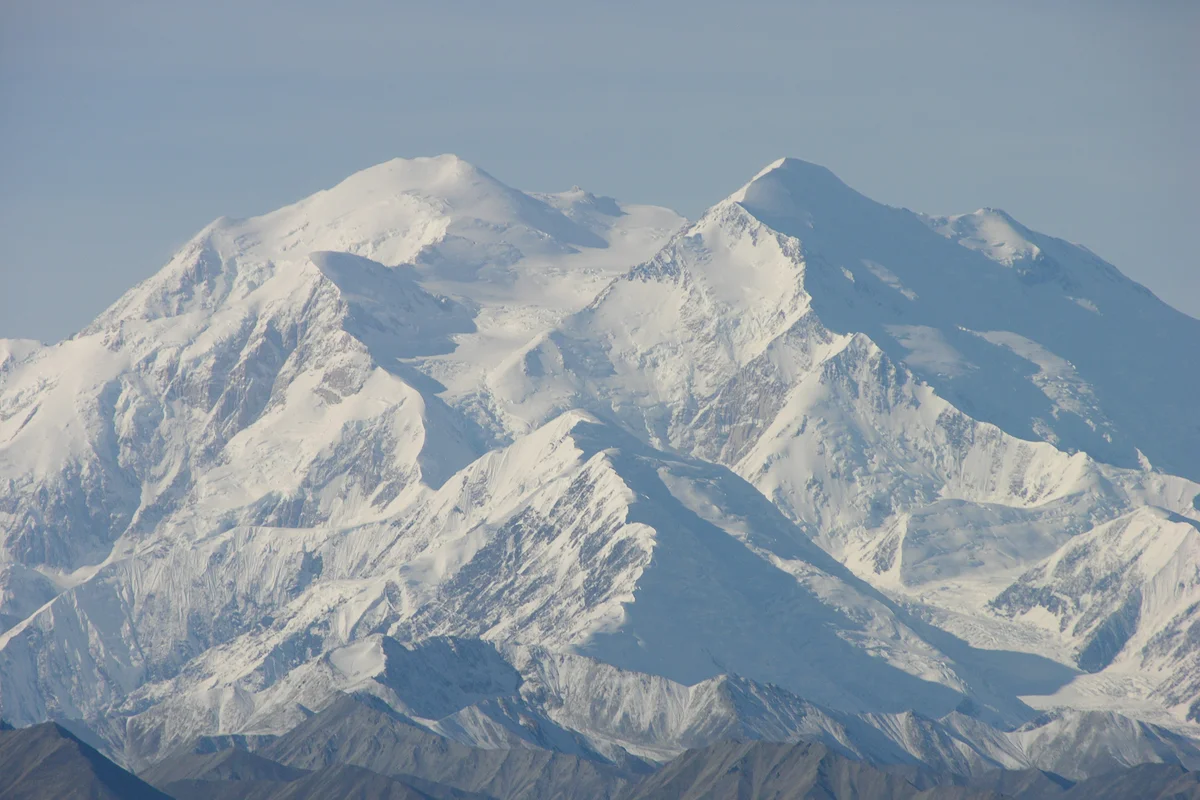
Denali is the highest mountain peak in North America, soaring to an elevation of 6,190 metres in south-central Alaska. Ranked third among the world's most topographically prominent summits, it possesses greater vertical base-to-peak relief than Mount Everest, rising over 5,500 vertical metres above the surrounding glacial plains amidst severe Arctic storms and extreme sub-zero temperatures.
 United States
Mountain Safety & Conditions Disclaimer: High-altitude climbing, glacial travel, and technical ascents entail severe objective risks including avalanches, serac collapses, rapid weather collapse, and altitude illness. Historical route descriptions and summit claims on Mountanity reflect documented archival sources and must not be used as live operational safety assessments. Local regulations, permits, and physical glacial topography change continuously.
Peer Review: Senior Editorial Board & Historical Reviewers • Editorial Standards
Geographical Setting & Topography
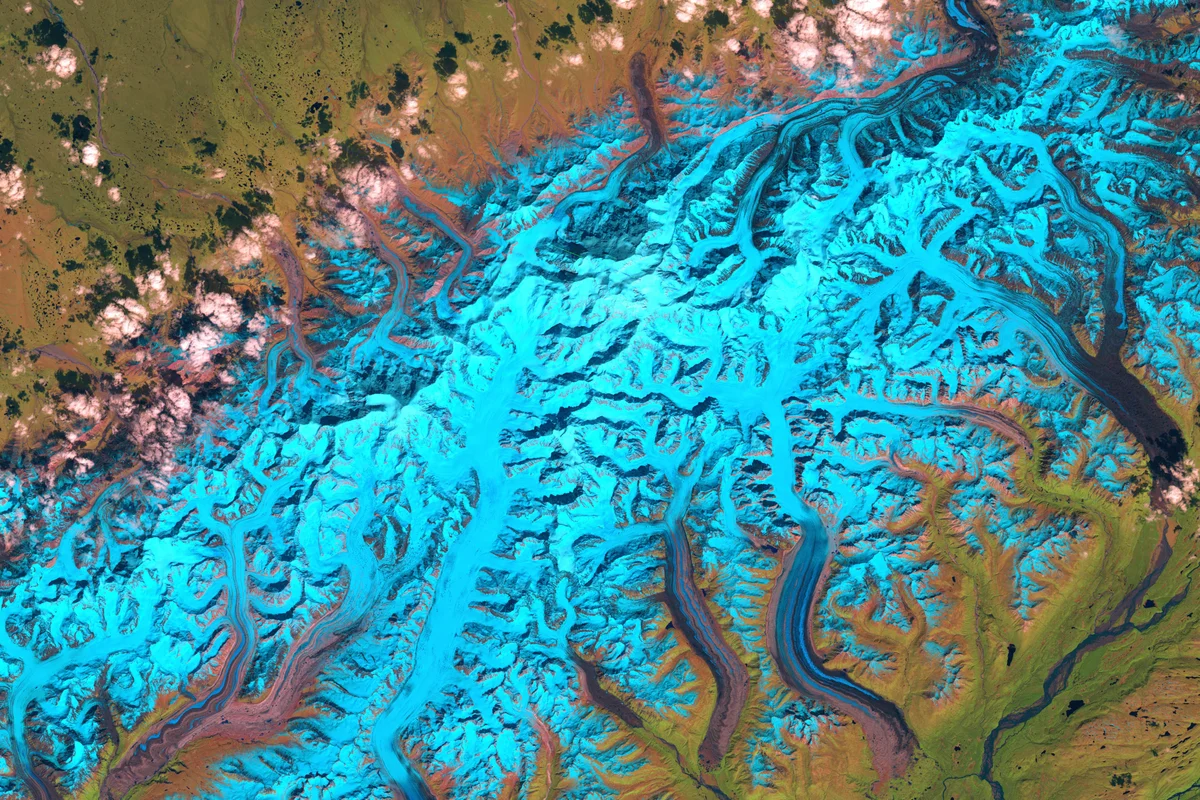
Anchored in the heart of the Alaska Range within Denali National Park and Preserve, the peak is a massive granite batholith surrounded by colossal glacier systems including the Kahiltna, Ruth, Peters, and Muldrow glaciers. Due to its extreme high latitude of 63 degrees North, atmospheric pressure at its summit is substantially lower than on equatorial peaks of comparable altitude, producing physiological hypoxia equivalent to 6,900 metres in the Himalayas.
Historic First Ascent
Date: 1913-06-07
Ascent Team: Hudson Stuck, Harry Karstens, Walter Harper, Robert Tatum
Key Statistics & Topographic Figures
- Official Summit Elevation
- 6,190 metres (20,310 feet)
- Topographic Prominence
- 6,144 metres (Rank #3 on Earth)
- First Ascent Date
- June 7, 1913
- First Climber on Summit
- Walter Harper (Koyukon Athabascan)
- Mountain Range
- Alaska Range, United States
Archival Primary Source Quotations
“The view from the top of Denali was like looking out the windows of heaven.”
Defined Alpine Terminology & Concepts
- High-Latitude Hypoxia
- Enhanced physiological oxygen depletion caused by reduced atmospheric thickness and lower barometric pressure near the Earth's polar regions.
- Bergschrund
- A large, deep crevasse where the moving ice of a glacier separates from the stagnant snow and ice apron on a mountain wall.
Denali Mountain Weather Forecast
Meteorological Feed Unavailable
Unable to reach meteorological station endpoint. Please verify your connection or retry.
Loading condition...
Target Elevation: 6,190 mSafe summit ridge climbing requires gusts below 40 km/h.
Evaluating thermal loss...
Tracking glacial freezing boundary...
Assessing whiteout and cloud immersion hazards...
High-altitude snow glare requires Category 4 glacier glasses to prevent snow blindness.
Evaluating oxygen partial pressure...
Detailed 14-Day Summit Window & Weather Timeline
Explore day-by-day summit push safety windows, wind shear analysis, and extended multi-day forecasts for Denali.
Explore Denali (6,190 m) in Interactive 3D
Inspect steep glacial walls, hanging seracs, ridge approaches, and elevation relief with 360° rotation and terrain tilt in WebGL.
Documented Climbing Routes (2)
Cassin Ridge (Denali)
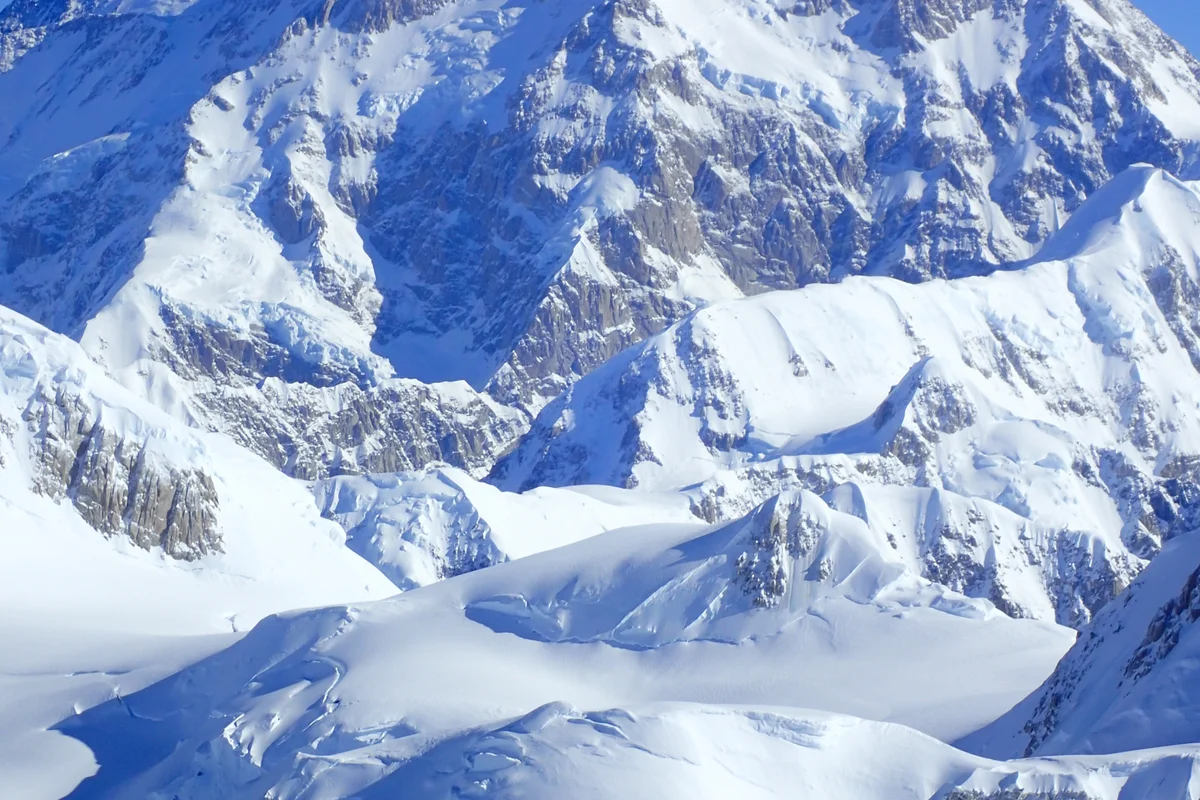
The Cassin Ridge is the undisputed crown jewel of North American alpine mountaineering, rising 2,500 vertical metres up the center of Denali's colossal South Face. First climbed in July 1961 by Riccardo Cassin and the Ragni di Lecco team, it demands sustained technical rock climbing up to 5.8, steep alpine ice up to AI4, razor-sharp snow arêtes, and relentless commitment in severe Arctic conditions.
West Buttress (Denali)
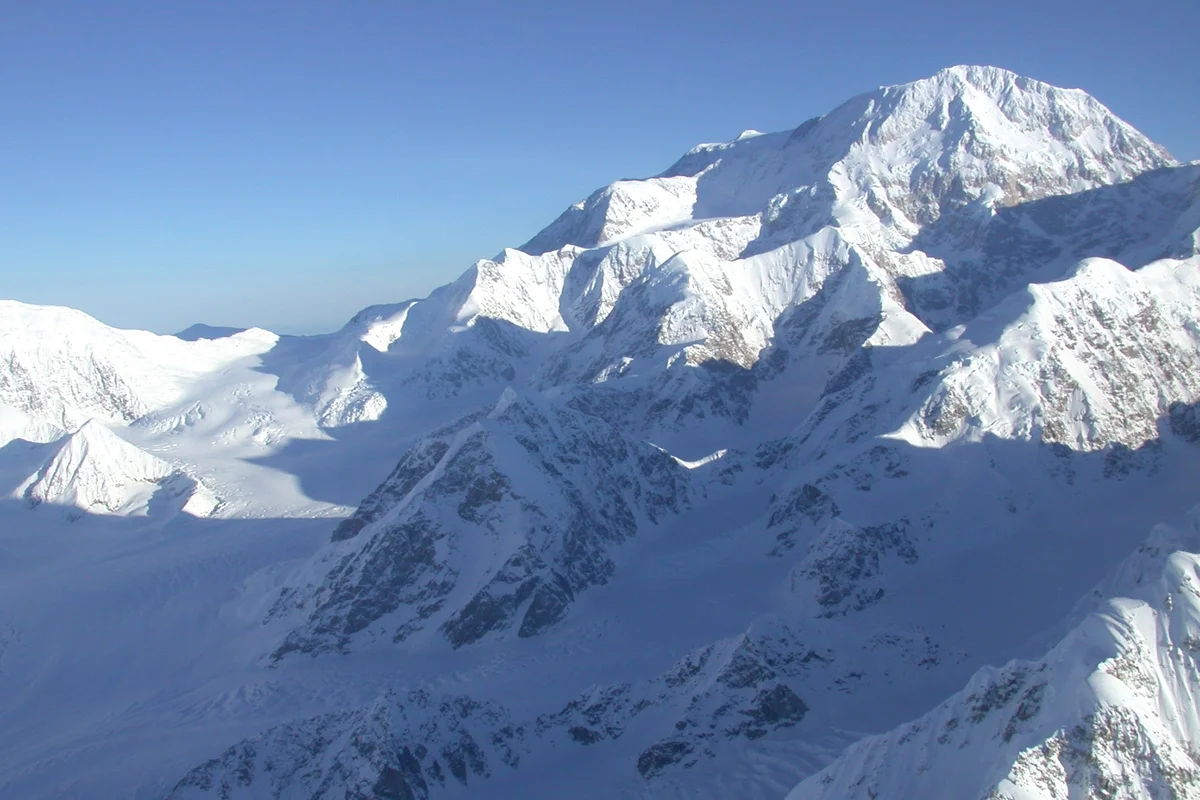
The West Buttress is the premier classic mountaineering route on Denali, ascending 4,000 vertical metres from the Kahiltna Glacier to the highest point in North America at 6,190 metres. Pioneered in 1951 by Bradford Washburn, Barbara Washburn, and their team, it negotiates massive crevasse systems, the steep fixed-line ice of the Headwall, and the knife-edge granite crest above 16,000 feet amidst severe Arctic gales.
Historical Expeditions (4)
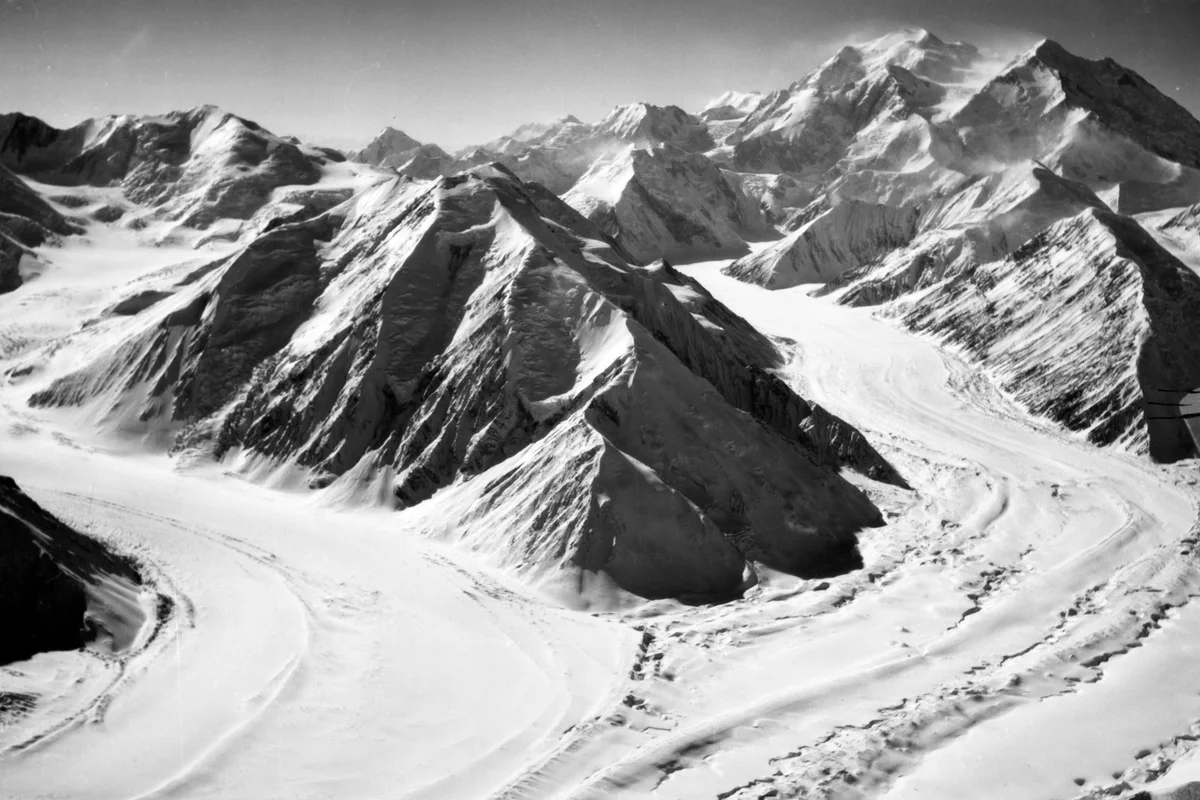
1913 Historic First Ascent of Denali via Muldrow Glacier and Karstens Ridge
On June 7, 1913, Walter Harper became the first human being to stand atop Denali, followed by Harry Karstens, Robert Tatum, and Archdeacon Hudson Stuck, conquering the shattered ice blocks of Karstens Ridge after an arduous multi-month dog-sled approach.
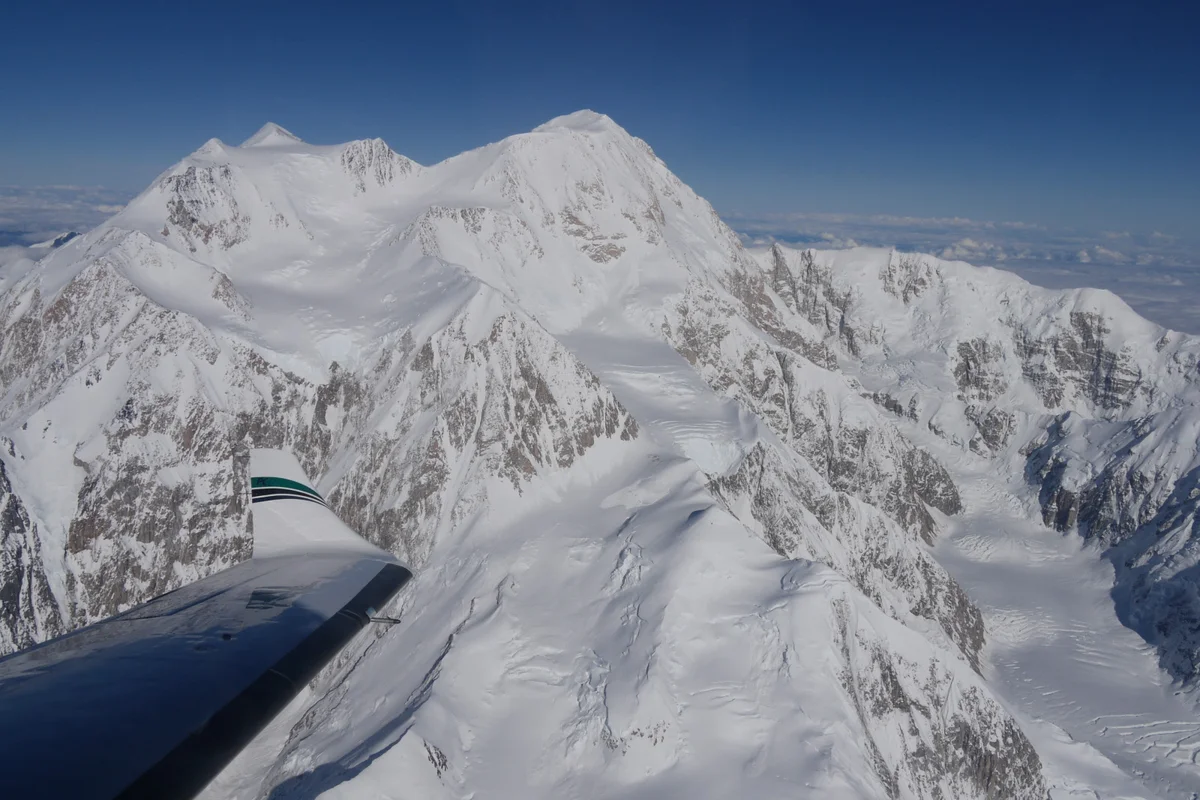
1951 Pioneering of Denali's West Buttress by Bradford and Barbara Washburn
In June–July 1951, Bradford and Barbara Washburn led a joint scientific expedition that revolutionized Alaskan mountaineering by landing on the Kahiltna Glacier and pioneering the West Buttress route to Denali's 6,190-metre summit.
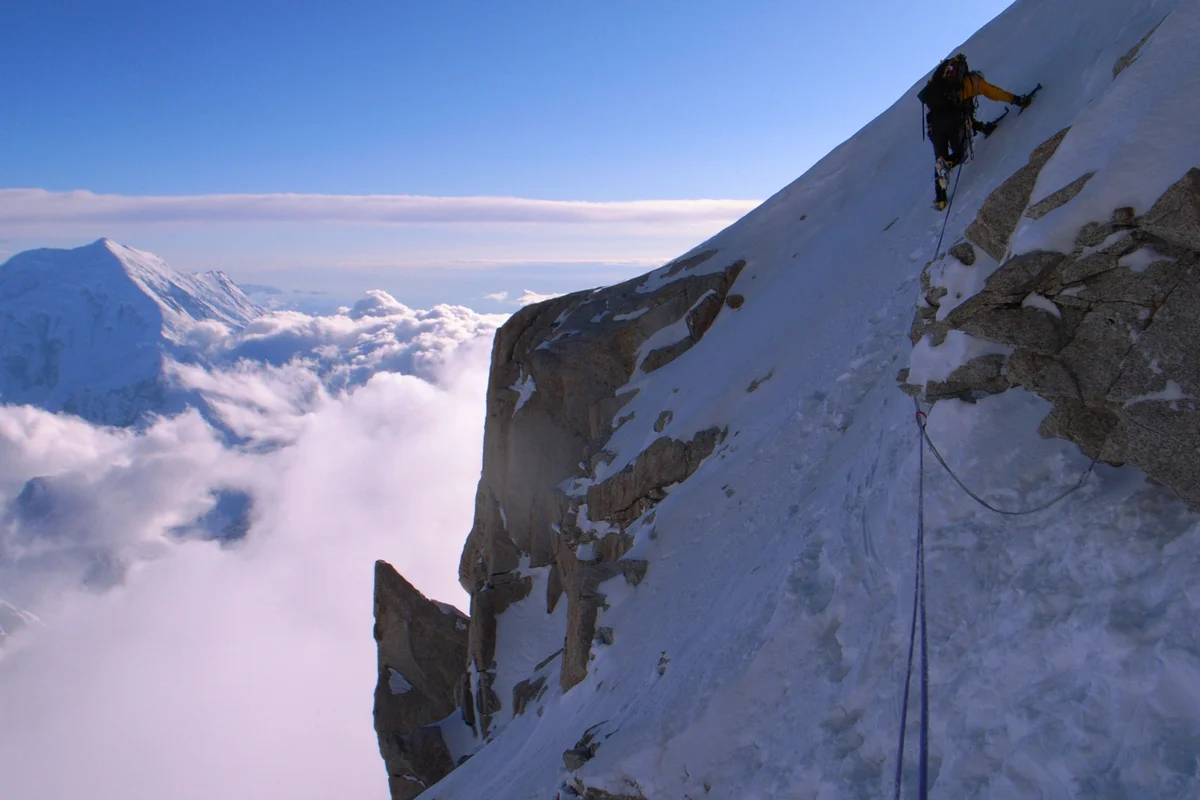
1961 First Ascent of the Cassin Ridge on Denali's South Face
In July 1961, 52-year-old Italian mountaineering legend Riccardo Cassin led a six-man team from the Ragni di Lecco to complete the heroic first ascent of Denali's South Face via the Cassin Ridge, hailed by President John F. Kennedy as a masterpiece of human endurance.
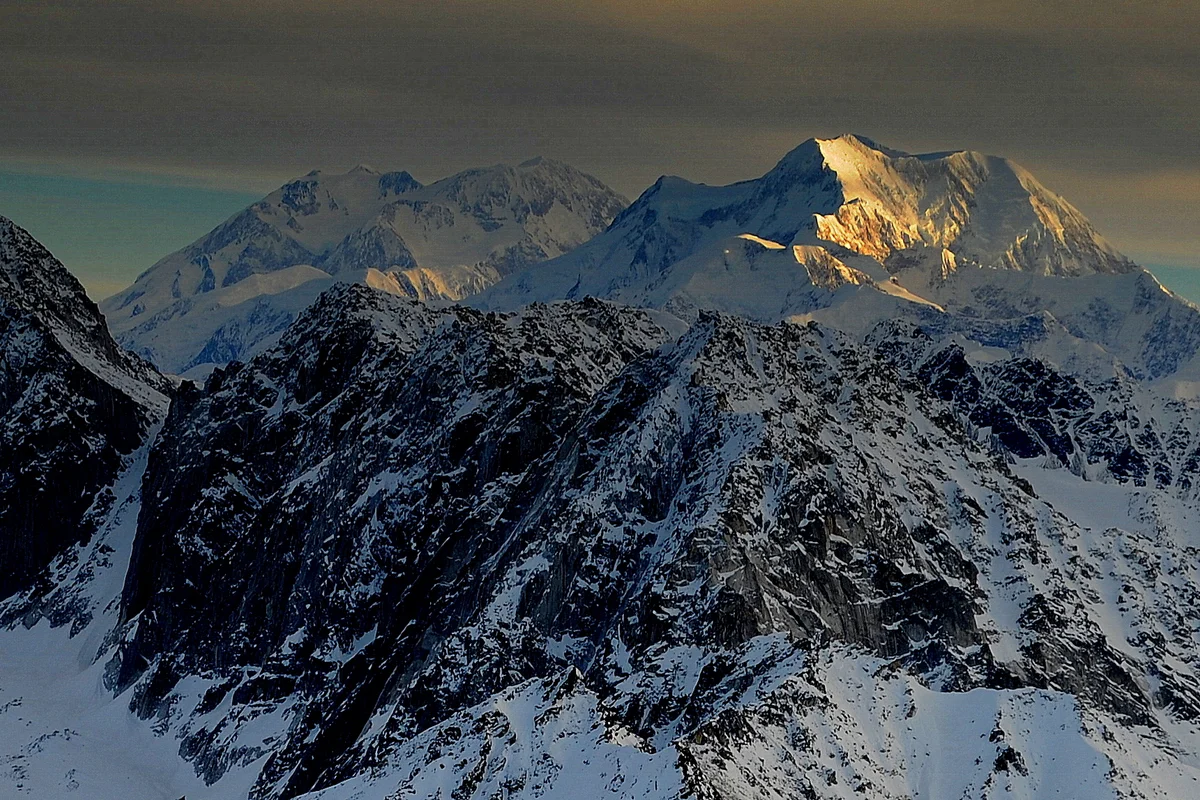
1967 First Winter Ascent of Denali and Minus 148° Survival Epic
On February 28, 1967, Art Davidson, Dave Johnston, and Ray Genet completed the first winter ascent of Denali, surviving a terrifying six-day storm trapped in an 18,200-foot snow cave in windchills below minus 148 degrees Fahrenheit.
Summit Chronicles & Stories (4)
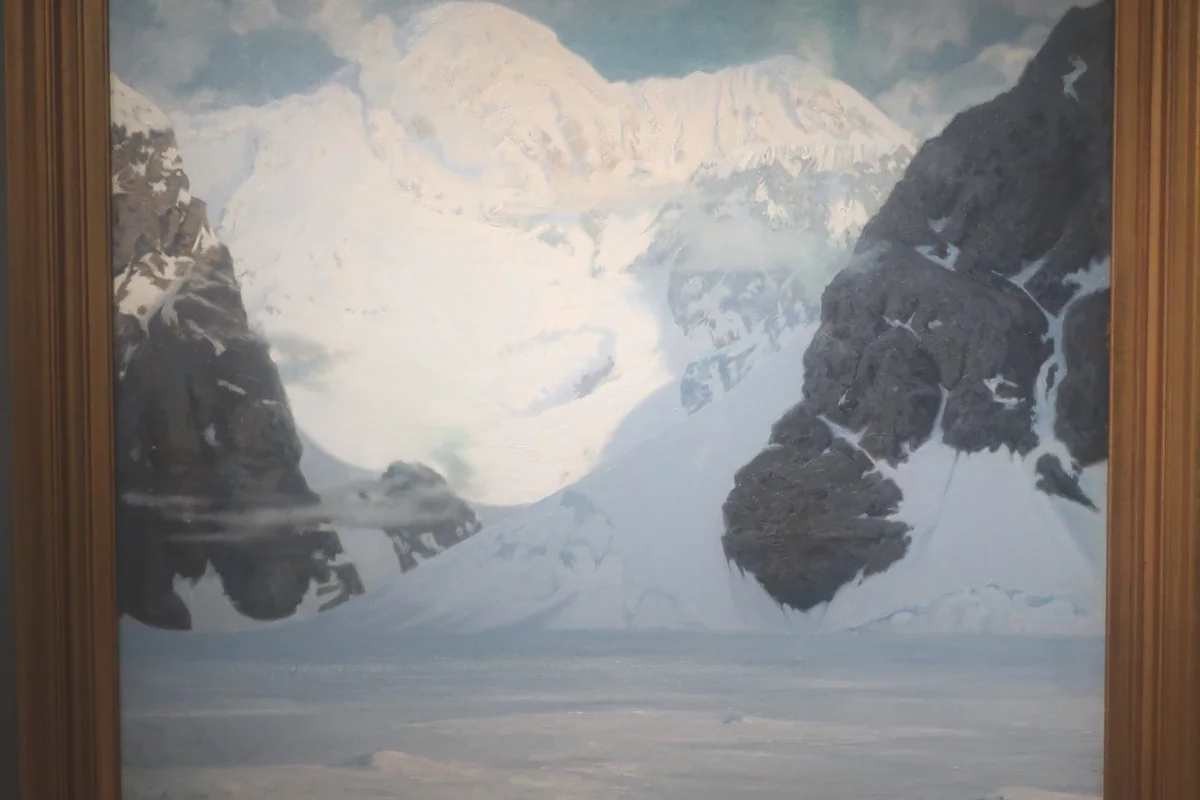
First Footsteps on the High One: Walter Harper, Hudson Stuck, and the 1913 Conquest of Denali
On June 7, 1913, twenty-year-old Koyukon Athabascan woodsman Walter Harper led Hudson Stuck and Harry Karstens onto the summit of Denali, completing the historic first ascent of North America's highest peak.
The Arctic Highway: Bradford and Barbara Washburn's West Buttress Revolution on Denali
In June 1951, Bradford and Barbara Washburn revolutionized high-altitude exploration by landing on the Kahiltna Glacier with bush pilot Don Sheldon and pioneering Denali's classic West Buttress route.
The Italian Masterpiece: Riccardo Cassin and the Ragni di Lecco on Denali's South Face
In July 1961, fifty-two-year-old Italian titan Riccardo Cassin led the Ragni di Lecco on an audacious 2,500-metre direct assault up Denali's sheer South Face, forging the legendary Cassin Ridge.
Minus 148: Art Davidson and the Six-Day Survival Cave at 18,200 Feet on Denali
On February 28, 1967, Art Davidson, Dave Johnston, and Ray Genet completed the first winter ascent of Denali, only to become trapped in an 18,200-foot snow cave in windchills below minus 148 degrees.
Frequently Asked Questions: Denali
What is Denali and where is it situated in Alaska?
Denali is the highest mountain peak in North America, rising to 6,190 metres in south-central Alaska within Denali National Park and Preserve.
What is the official elevation and prominence of Denali?
Denali stands at an official elevation of 6,190 metres with a topographic prominence of 6,144 metres, ranking third in prominence globally after Everest and Aconcagua.
Who made the historic first ascent of Denali?
The first complete ascent was accomplished on June 7, 1913, by Walter Harper, Harry Karstens, Hudson Stuck, and Robert Tatum via the Muldrow Glacier and Karstens Ridge.
Why does Denali feel colder and higher than equivalent Himalayan peaks?
Due to its high latitude of 63 degrees North, the troposphere is thinner and barometric pressure is lower, producing hypoxia equivalent to 6,900 metres in equatorial regions alongside extreme Arctic sub-zero winds.
What is the most popular climbing route up Denali?
The West Buttress, pioneered in 1951 by Bradford and Barbara Washburn, is climbed by over ninety percent of mountaineers ascending the peak.
What is the most difficult technical route on Denali?
The Cassin Ridge, a 2,500-metre Grade VI mixed rock and ice ridge on the sheer South Face first climbed by Riccardo Cassin and the Ragni di Lecco in 1961.
When did the official name change from Mount McKinley to Denali occur?
The United States Department of the Interior restored the traditional indigenous Koyukon Athabascan name Denali in August 2015, following decades of advocacy by Alaskans.
What is the standard climbing season on Denali?
The climbing season runs from late April through early July, when glacier snow bridges are firmest and temperatures are manageable before late-summer crevasse opening.
Documented Sources & Archival Citations
- The Ascent of Denali (Mount McKinley)(Hudson Stuck / Charles Scribner's Sons)
Supporting claim: Account of the 1913 first ascent of Denali
Accessed/Documented: 2026 - Mount McKinley: The Conquest of Denali(Bradford Washburn and David Roberts / Harry N. Abrams)
Supporting claim: Cartographic and climbing history of Denali
Accessed/Documented: 2026