1967 First Winter Ascent of Denali and Minus 148° Survival Epic
On February 28, 1967, Art Davidson, Dave Johnston, and Ray Genet completed the first winter ascent of Denali, surviving a terrifying six-day storm trapped in an 18,200-foot snow cave in windchills below minus 148 degrees Fahrenheit.
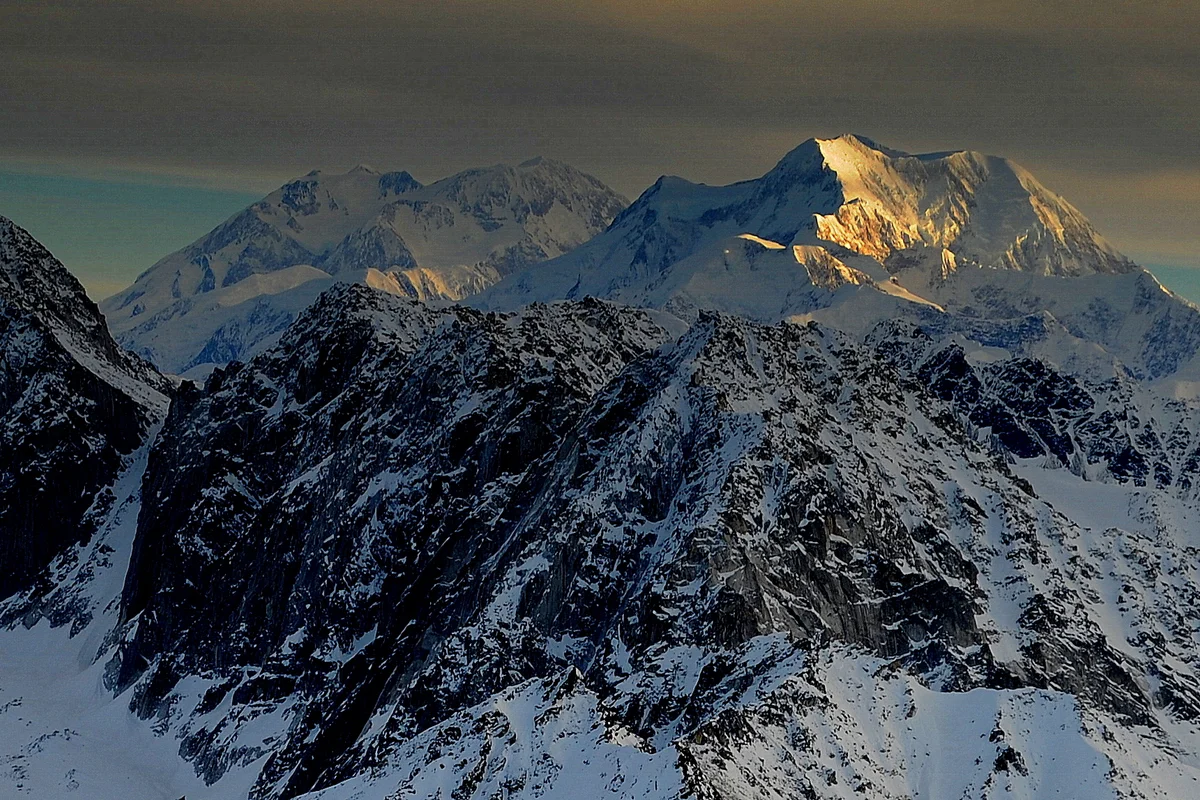
Mountain Safety & Conditions Disclaimer: High-altitude climbing, glacial travel, and technical ascents entail severe objective risks including avalanches, serac collapses, rapid weather collapse, and altitude illness. Historical route descriptions and summit claims on Mountanity reflect documented archival sources and must not be used as live operational safety assessments. Local regulations, permits, and physical glacial topography change continuously.
Peer Review: Senior Editorial Board & Historical Reviewers • Editorial Standards
Official Expedition Narrative & Archival Record
In January 1967, an eight-man expedition spearheaded by Gregg Blomberg arrived in Talkeetna to attempt the first winter ascent of Denali, a feat widely considered near-impossible due to Arctic winter darkness, perpetual jet-stream gales, and ambient temperatures regularly plummeting past minus fifty degrees Fahrenheit. Climbing via the West Buttress, the expedition suffered an early tragedy when veteran French climber Jacques Batkin fell to his death down an unspotted 150-foot crevasse near 11,000 feet. Deeply shaken, several members descended, but Art Davidson, Dave Johnston, and French-born Alaskan guide Ray Genet pushed upward through brutal sub-zero conditions. On February 28, 1967, enduring bone-chilling cold, the trio reached the 6,190-metre summit, achieving the first calendar winter ascent of North America's highest peak. However, their triumph was instantly eclipsed by a monster Arctic cyclonic storm that slammed into the mountain during their descent. Stranded at Denali Pass at 18,200 feet, they hastily excavated a cramped snow cave as 150-mile-per-hour winds roared overhead. For six agonizing days, without food, water, or stove fuel, the climbers huddled together, their sleeping bags turning into blocks of ice as ambient temperatures dropped to minus forty and windchill readings plunged past minus 148 degrees Fahrenheit. Sustained by mutual courage, they miraculously survived the storm and descended safely on March 9, creating an immortal legend of human endurance immortalized in Davidson's classic memoir Minus 148.
Documented Team Composition
- Art Davidson (Summit Climber & Author, United States)
- Dave Johnston (Summit Climber, United States)
- Ray Genet (Summit Climber & Guide, United States / France)
- Gregg Blomberg (Expedition Leader, United States)
- John Edwards (Climber, United States)
- George Wichman (Doctor & Climber, United States)
- Shiro Nishimae (Climber, Japan)
- Jacques Batkin (Climber, France - deceased on Kahiltna Glacier)
Key Statistics & Topographic Figures
- Summit Date
- February 28, 1967 (7:00 PM)
- Summit Climbers
- Art Davidson, Dave Johnston, Ray Genet
- Survival Bivouac
- Six days in a snow cave at 18,200 feet
- Recorded Windchill
- Below -148 degrees Fahrenheit
- Historical Status
- First Calendar Winter Ascent of Denali
Archival Primary Source Quotations
“For six days we lived in a world where wind was a solid wall and cold was an enemy trying to stop our hearts.”
Defined Alpine Terminology & Concepts
- Arctic Polar Jet Stream
- High-altitude, high-velocity atmospheric winds that slam directly into Denali during winter, generating extreme storms.
- Spindrift
- Fine, dry powdered snow whipped off mountain faces by hurricane-force winds, suffocating and blinding climbers.
Frequently Asked Questions: 1967 First Winter Ascent of Denali and Minus 148° Survival Epic
What was the 1967 first winter ascent of Denali?
It was the historic expedition where Art Davidson, Dave Johnston, and Ray Genet became the first climbers to summit Denali during the calendar winter.
When did the climbers reach the summit of Denali in winter?
They reached the summit on February 28, 1967, at 7:00 PM in sub-zero twilight conditions.
What was the six-day snow cave survival epic?
A hurricane-force Arctic storm trapped the three summit climbers at 18,200 feet near Denali Pass for six days in a cramped snow cave without food or stove.
What extreme weather did the climbers endure in the snow cave?
They survived ambient temperatures of -40°F and winds exceeding 150 mph that produced windchills dropping below minus 148 degrees Fahrenheit.
Who was Jacques Batkin and what tragedy occurred on the expedition?
Jacques Batkin was an experienced French climber on the team who tragically died after falling 150 feet into a crevasse on the Kahiltna Glacier.
What classic book recounts this winter climb?
Minus 148: The First Winter Ascent of Mt. McKinley, written by Art Davidson and published in 1969.
What happened to their gear inside the snow cave?
Moisture from their breathing froze continuously, turning their clothing and sleeping bags into rigid blocks of solid ice.
When did the climbers finally walk off the mountain?
The storm cleared on March 4, and the frostbitten climbers reached base camp safely on March 9 to the astonishment of the world.
Ascent Route & Topography
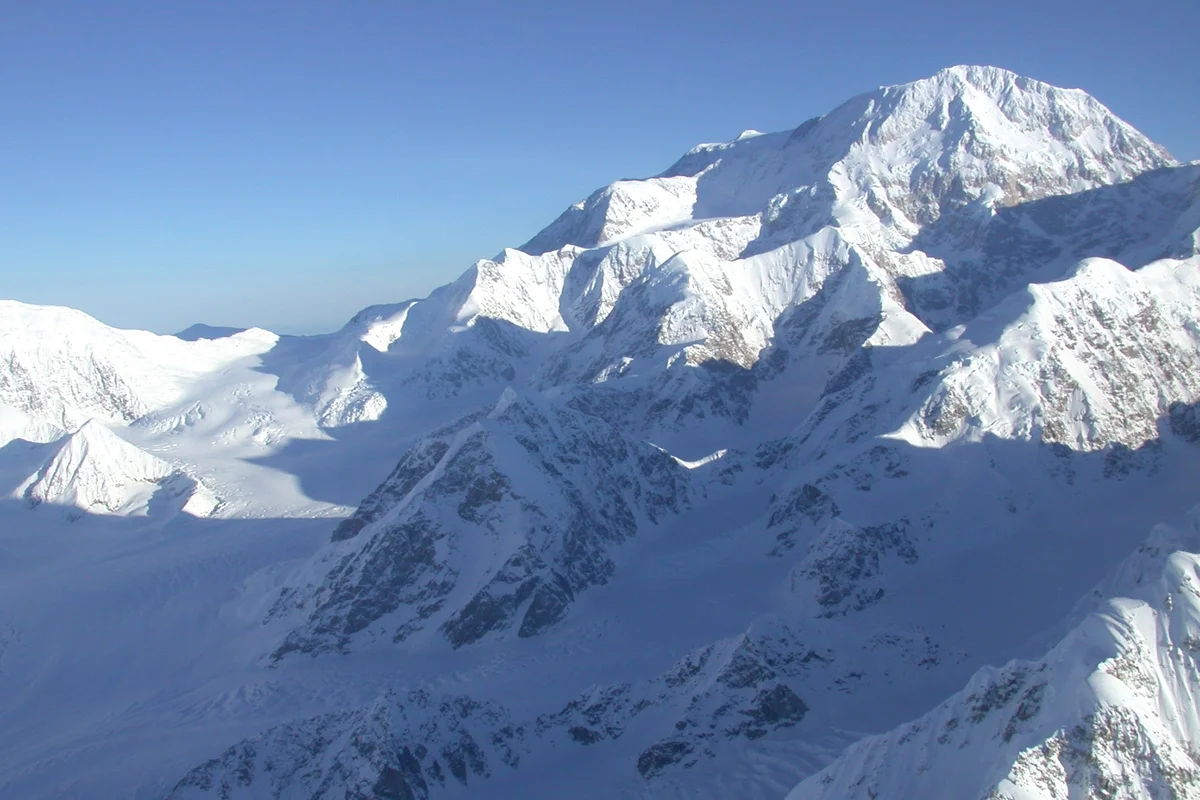
West Buttress (Denali)
The West Buttress is the premier classic mountaineering route on Denali, ascending 4,000 vertical metres from the Kahiltna Glacier to the highest point in North America at 6,190 metres. Pioneered in 1951 by Bradford Washburn, Barbara Washburn, and their team, it negotiates massive crevasse systems, the steep fixed-line ice of the Headwall, and the knife-edge granite crest above 16,000 feet amidst severe Arctic gales.
Target Objective Peak
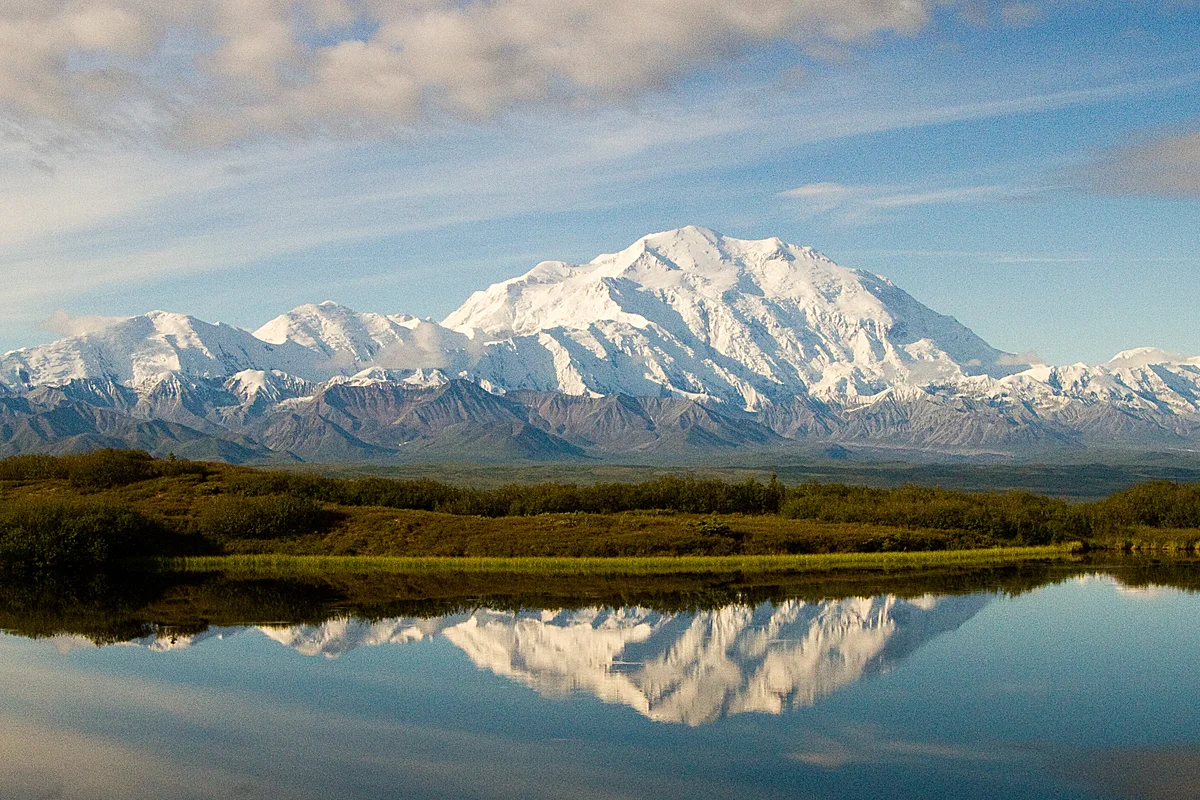

Denali
Denali is the highest mountain peak in North America, soaring to an elevation of 6,190 metres in south-central Alaska. Ranked third among the world's most topographically prominent summits, it possesses greater vertical base-to-peak relief than Mount Everest, rising over 5,500 vertical metres above the surrounding glacial plains amidst severe Arctic storms and extreme sub-zero temperatures.
Featured Expedition Climber
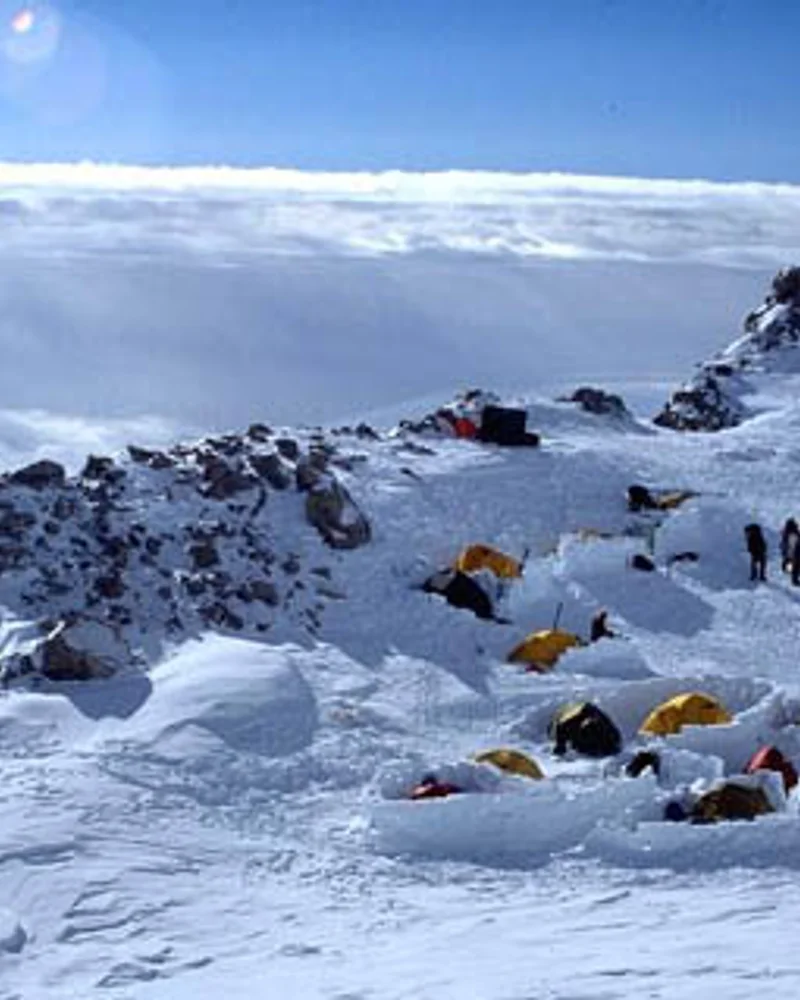
Art Davidson
Born in 1943 in Colorado, Art Davidson emerged in the 1960s as one of the boldest and most introspective figures in modern American mountaineering. Drawn to the immense scale and severe weather of the far north, Davidson joined the ambitious eight-man expedition assembled in late 1966 to attempt the first winter ascent of Denali via the West Buttress. Climbing through brutal sub-zero temperatures, intense darkness, and vicious Arctic winds, Davidson, Dave Johnston, and French-born Alaskan guide Ray Genet pushed to the summit on February 28, 1967, becoming the first mountaineers in history to stand on North America's highest peak during the calendar winter. However, their triumph turned into an agonizing battle for survival during the descent. Caught by a catastrophic blizzard at Denali Pass, the trio was forced to burrow into an improvised snow cave at 18,200 feet. For six days, trapped without food, fuel, or communication, they endured ambient temperatures of minus 40 degrees Fahrenheit and screaming jet-stream gales that generated a lethal windchill factor exceeding minus 148 degrees Fahrenheit. Miraculously surviving frostbite and hypothermia, they emerged when the storm abated to walk off the mountain. Davidson documented this harrowing ordeal in his 1969 masterpiece Minus 148: The First Winter Ascent of Mt. McKinley, universally acclaimed as one of the greatest survival narratives in mountaineering literature. Davidson subsequently dedicated his life to environmental writing and indigenous land conservation across Alaska and the Pacific Rim.
Associated Historical Chronicles & Stories
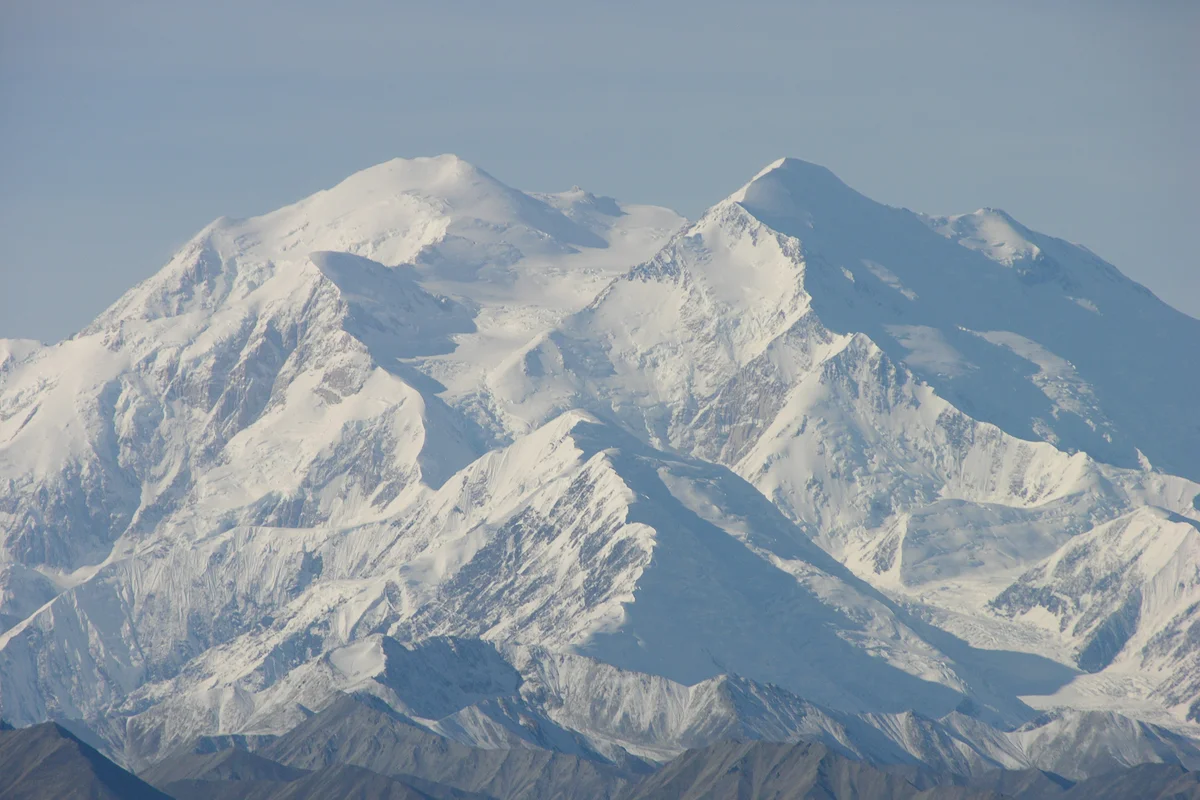
Minus 148: Art Davidson and the Six-Day Survival Cave at 18,200 Feet on Denali
On February 28, 1967, Art Davidson, Dave Johnston, and Ray Genet completed the first winter ascent of Denali, only to become trapped in an 18,200-foot snow cave in windchills below minus 148 degrees.
Documented Sources & Archival Citations
- Minus 148°: The First Winter Ascent of Mt. McKinley(Art Davidson / W. W. Norton & Company)
Supporting claim: Primary chronicle of the 1967 winter ascent and 6-day storm survival
Accessed/Documented: 2026 - American Alpine Journal: First Winter Ascent of Mount McKinley (1968)(American Alpine Club)
Supporting claim: Official expedition journal documenting the 1967 climb, tragedy, and rescue operations
Accessed/Documented: 2026