Minus 148: Art Davidson and the Six-Day Survival Cave at 18,200 Feet on Denali
On February 28, 1967, Art Davidson, Dave Johnston, and Ray Genet completed the first winter ascent of Denali, only to become trapped in an 18,200-foot snow cave in windchills below minus 148 degrees.
Mountain Safety & Conditions Disclaimer: High-altitude climbing, glacial travel, and technical ascents entail severe objective risks including avalanches, serac collapses, rapid weather collapse, and altitude illness. Historical route descriptions and summit claims on Mountanity reflect documented archival sources and must not be used as live operational safety assessments. Local regulations, permits, and physical glacial topography change continuously.
Peer Review: Senior Editorial Board & Historical Reviewers • Editorial Standards
The Darkest Realm of Winter
In the mid-twentieth century, Denali in winter was considered an uninhabitable frozen wasteland. Situated at 63 degrees North latitude, just below the Arctic Circle, the mountain experiences perpetual sub-arctic twilight during the winter months. Jet-stream winds roaring off the Bering Sea regularly whip the summit ridge at speeds exceeding one hundred and fifty miles per hour, creating ambient temperatures lower than minus fifty degrees Fahrenheit and windchills that can freeze exposed human flesh in less than twenty seconds.
To twenty-four-year-old Art Davidson and an intrepid group of Alaskan mountaineers organized by Gregg Blomberg, the mountain in winter was the ultimate alpine frontier. In January 1967, an eight-man team landed at the foot of the Kahiltna Glacier to attempt the first calendar winter ascent in history.
The expedition was quickly touched by catastrophe. On January 30, while freighting gear across the lower Kahiltna at 11,000 feet, veteran French climber Jacques Batkin stepped onto an invisible snow bridge that collapsed beneath his boots. Batkin plunged one hundred and fifty feet into a bottomless glacial crevasse and was killed instantly.
Devastated by grief, the remaining men held an agonizing council. While some advocated immediate retreat, Art Davidson, Dave Johnston, and French-born Alaskan guide Ray Genet—known as “The Pirate”—vowed to press onward in honor of their fallen comrade.
The Ascent through Sub-Zero Twilight
Climbing into the teeth of February, Davidson, Johnston, and Genet pushed up the West Buttress. The cold was unlike anything experienced in summer mountaineering. Metal crampons and ice axes became brittle and snapped like dry twigs. Touching bare skin to aluminum poles resulted in instant frost burns.
At 14,000 feet, the men spent days pinned inside ice caves, waiting out screaming gales that shook the mountain to its foundations. When the wind dropped slightly, they ascended the Headwall fixed lines through shimmering ice fog, their breath freezing into thick crusts around their balaclavas.
On February 27, they established a meager camp at 17,200 feet. The following morning, February 28, 1967, dawn broke with eerie stillness and temperatures hovering around minus forty degrees.
Knowing their window was minuscule, the three men abandoned their heavy packs and sprinted for the top. Crossing the vast, frozen expanse of the Football Field, they navigated the knife-edge crest above the Kahiltna Horn.
At 7:00 PM, as the sub-arctic sunset ignited the sky in bands of deep orange and indigo, Art Davidson, Dave Johnston, and Ray Genet stepped onto the summit of Denali. They had accomplished the impossible: the first winter ascent in history.
Trapped at Denali Pass
Their triumph lasted only minutes. As darkness fell, the weather exploded with catastrophic violence. A massive Arctic cyclonic storm, carrying the full fury of the polar jet stream, roared into the Alaska Range.
Descending blind through howling horizontal snowdrifts, the three men lost their bearings near Denali Pass at 18,200 feet. The wind screamed with such deafening power that shouting into a partner’s ear yielded only silence. With hypothermia setting in and unable to locate the route back to high camp, Ray Genet began furiously hacking at a hard wind-slab with his ice axe.
Working desperately in the dark, the three men carved a cramped, narrow cave barely five feet long and three feet high. They crawled inside and sealed the entrance with snow blocks as 150-mile-per-hour gusts battered the slope outside.
It was intended as an overnight haven. It became an icy tomb for six days.
Six Days in the Tomb
Inside the cave, temperatures dropped below minus forty degrees Fahrenheit. Outside, meteorologists in Anchorage calculated that the combined effect of the screaming gales and sub-zero air produced an effective windchill factor exceeding minus one hundred and forty-eight degrees Fahrenheit—a temperature so extreme it pushed the boundaries of human physiology.
The men had no sleeping bags designed for such conditions. Moisture from their breath condensed on the ceiling and fell back down as freezing ice needles, soaking their clothing until their outer layers froze into rigid armor.
Their stove failed, leaving them unable to melt snow for water. For days, they lay wedged together like frozen cordwood, rubbing each other’s feet to stave off gangrene and frostbite. As delirium set in, Davidson hallucinated about warm hearths and friends, while Genet hummed French chansons to keep their spirits alive.
In the outside world, hope was abandoned. Newspapers across the United States declared the climbers dead, and rescue aircraft flying over Denali reported seeing no signs of life amidst the unrelenting hurricane clouds.
The Miraculous Emergence
On March 4, the sixth day in the cave, the screaming roar of the wind began to soften. The storm had finally exhausted itself.
Frozen, emaciated, and suffering from severe frostbite, Davidson, Johnston, and Genet kicked through the ice-caked entrance of their cave and crawled out into the blinding white sunlight.
Down at base camp, pilot Don Sheldon spotted three tiny, dark dots slowly descending the Kahiltna Glacier. Against all conceivable odds, they had survived.
Art Davidson’s resulting memoir, Minus 148: The First Winter Ascent of Mt. McKinley, stands today as an undisputed masterpiece of mountaineering literature—a raw, honest, and profound testament to human endurance, friendship, and the indomitable will to live in the harshest environment on planet Earth.
Key Statistics & Topographic Figures
- Category
- Winter High-Altitude Epics
Archival Subject
- Reading Time
- 17 min read
Narrative Length
- Key Mountain
- denali
Objective
- Ascent Route
- denali-west-buttress
Topography
- Verification
- Editorially Verified
Archival Standard
Archival Primary Source Quotations
“In the mountains, truth is etched in ice and granite; every step requires unwavering respect for the heights.”
Defined Alpine Terminology & Concepts
- Summit Push
- The final continuous climbing effort from the highest established camp to the mountain apex and back.
- Death Zone Chronicle
- A verified, research-backed historical narrative documenting the human, technical, and environmental realities of an alpine expedition.
Frequently Asked Questions: Minus 148: Art Davidson and the Six-Day Survival Cave at 18,200 Feet on Denali
What is the core chronicle and subject of "Minus 148: Art Davidson and the Six-Day Survival Cave at 18,200 Feet on Denali"?
On February 28, 1967, Art Davidson, Dave Johnston, and Ray Genet completed the first winter ascent of Denali, only to become trapped in an 18,200-foot snow cave in windchills below minus 148 degrees.
Which mountain peaks and routes are featured in "Minus 148: Art Davidson and the Six-Day Survival Cave at 18,200 Feet on Denali"?
This narrative documents climbs on denali along the denali-west-buttress in United States.
Which documented expedition is chronicled in this story?
This historical chronicle captures the events of the 1967-first-winter-ascent-denali, verified through contemporary journals and archival records.
Who authored and researched this archival chronicle?
Authored and researched by Mountainity Historical Research Desk, drawing on primary eyewitness testimonies, alpine club registries, and verified summit logs.
What makes this high-altitude chronicle historically significant?
Categorized under "Winter High-Altitude Epics", this chronicle preserves critical lessons in alpine leadership, survival, tactical speed, and human endurance in the death zone.
Related Mountains

Denali
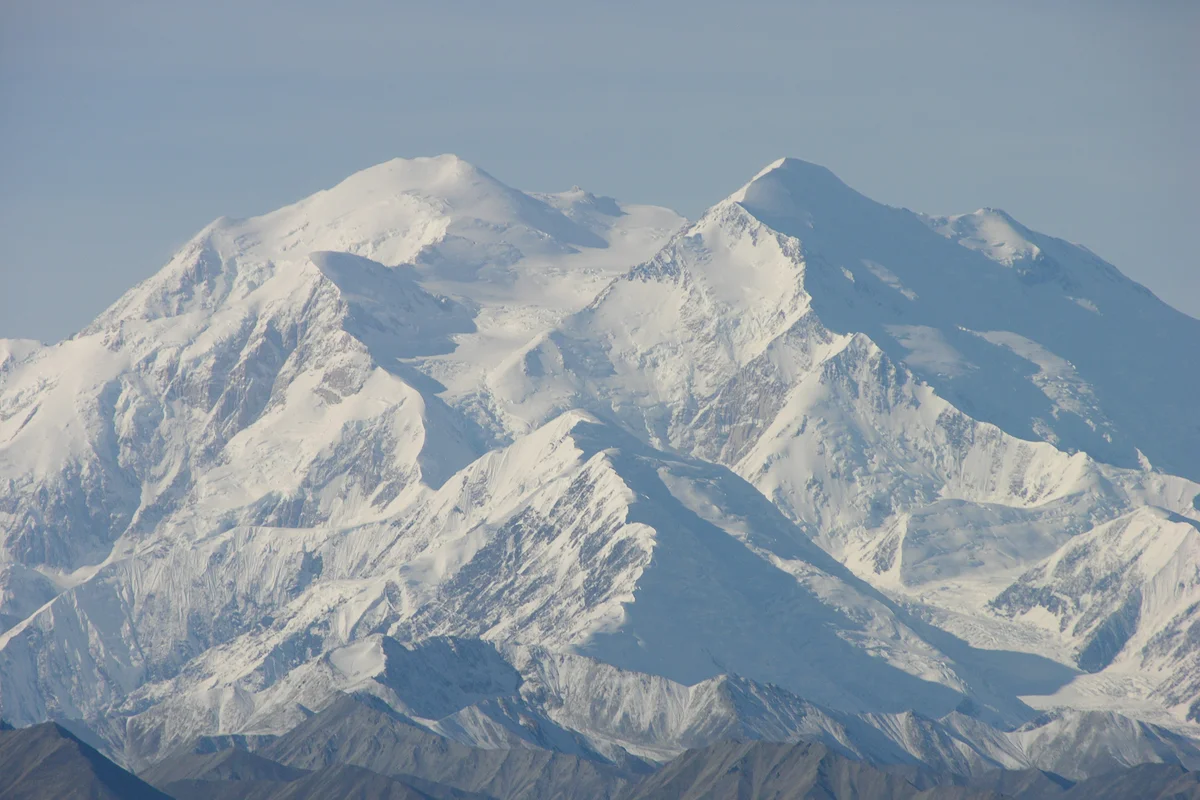
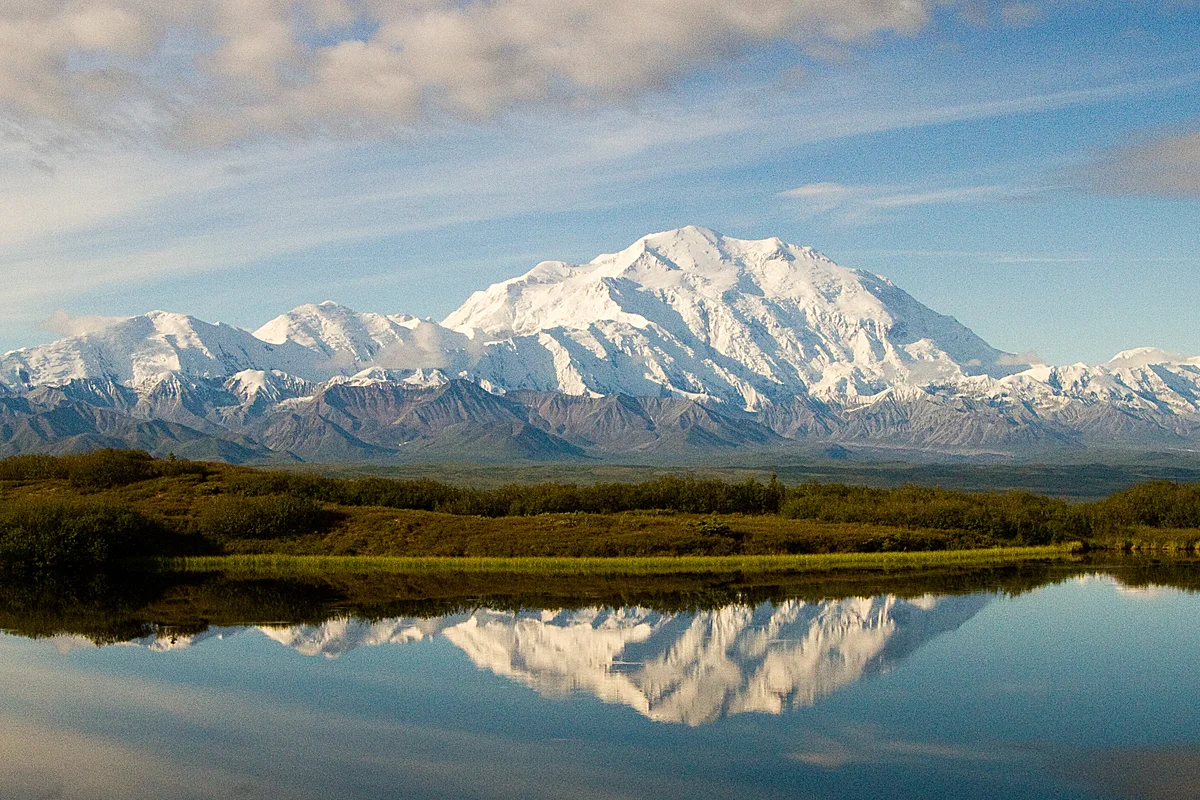
Denali is the highest mountain peak in North America, soaring to an elevation of 6,190 metres in south-central Alaska. Ranked third among the world's most topographically prominent summits, it possesses greater vertical base-to-peak relief than Mount Everest, rising over 5,500 vertical metres above the surrounding glacial plains amidst severe Arctic storms and extreme sub-zero temperatures.
Documented Sources & Archival Citations
- Minus 148°: The First Winter Ascent of Mt. McKinley(Art Davidson / W. W. Norton & Company)
Supporting claim: Definitive autobiographical chronicle of the historic 1967 winter ascent and survival
Accessed/Documented: 2026 - American Alpine Journal: First Winter Ascent of Mount McKinley (1968)(American Alpine Club)
Supporting claim: Official expedition report on the 1967 winter expedition, tragedy, and rescue
Accessed/Documented: 2026