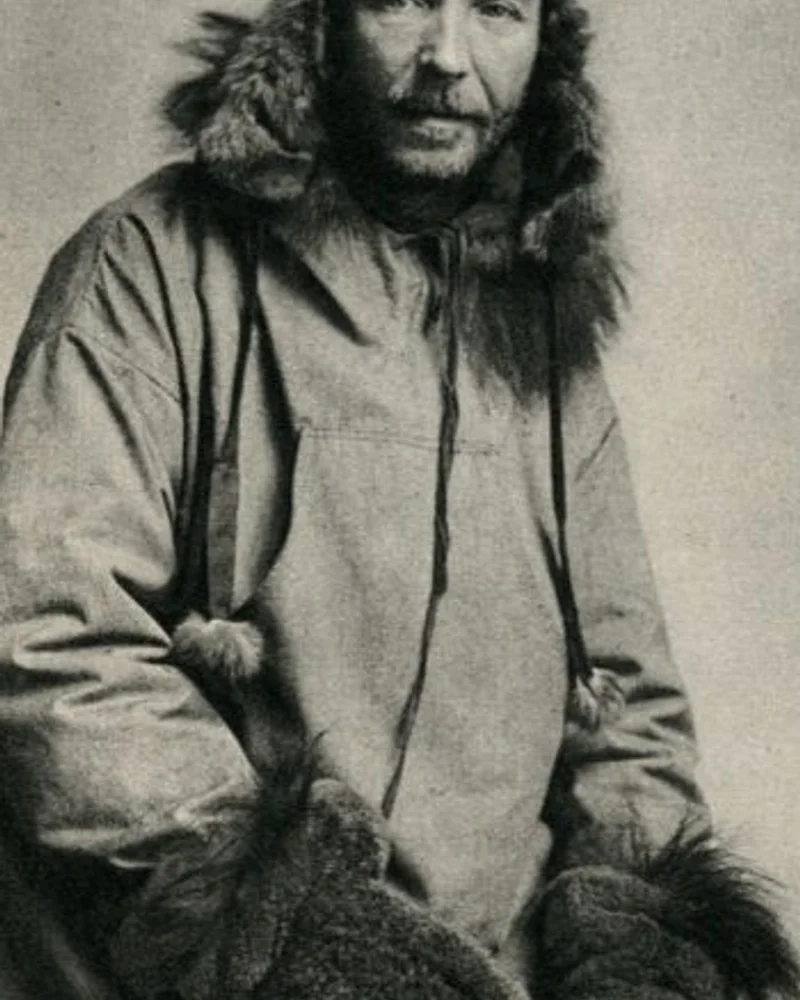
Hudson Stuck
Hudson Stuck was a British-born American Episcopal archdeacon, explorer, and mountaineer. In June 1913, he organized and co-led the expedition that achieved the historic first ascent of Denali, the highest mountain peak in North America. A passionate advocate for Native Alaskan rights, he authored The Ascent of Denali detailing the landmark summit climb.
Mountain Safety & Conditions Disclaimer: High-altitude climbing, glacial travel, and technical ascents entail severe objective risks including avalanches, serac collapses, rapid weather collapse, and altitude illness. Historical route descriptions and summit claims on Mountanity reflect documented archival sources and must not be used as live operational safety assessments. Local regulations, permits, and physical glacial topography change continuously.
Peer Review: Senior Editorial Board & Historical Reviewers • Editorial Standards
Biographical Record & Archival Chronicle
Born on November 11, 1863, in London, England, Hudson Stuck emigrated to the United States in 1885, completing theological studies at the University of the South in Sewanee, Tennessee. Ordained an Episcopal priest, he served as dean of Saint Matthew's Cathedral in Dallas, Texas, before volunteering in 1904 for missionary service in the vast sub-arctic wilderness of the Yukon and interior Alaska. Appointed Archdeacon of the Yukon, Stuck traveled thousands of miles each winter by dog team across trackless frozen tundra to minister to indigenous Athabascan communities. Entranced by the majestic bulk of Denali, which rose above the Alaskan interior, Stuck conceived an ambitious expedition to achieve its first complete ascent. Partnering with seasoned frontier dog-musher Harry Karstens, Koyukon Athabascan woodsman Walter Harper, and postulant Robert Tatum, Stuck mounted the 1913 expedition via the Muldrow Glacier. Despite suffering from chronic bronchial illness and the physical strain of extreme altitude, Stuck's leadership, spiritual fortitude, and logistical planning held the team together. On June 7, 1913, the party stood atop the highest point in North America. Throughout his life, Stuck fiercely advocated for the preservation of indigenous cultures and insisted on restoring the mountain's traditional native name, Denali.
Notable Milestones & Ascents
- Organizer and co-leader of the historic first complete ascent of Denali (6,190 m) on June 7, 1913
- Authored the mountaineering classic The Ascent of Denali (1914)
- Traveled tens of thousands of miles by dog sled across the Alaskan interior establishing medical missions and schools
- Fierce lifelong advocate for restoring the indigenous Native Alaskan name Denali over Mount McKinley
- Elected Fellow of the Royal Geographical Society
Key Statistics & Topographic Figures
- Key Milestone
- Co-Leader of the First Ascent of Denali (1913)
- Nationality
- United States (Born in United Kingdom)
- Lifespan
- 1863 – 1920
- Seminal Book
- The Ascent of Denali (1914)
- Ecclesiastical Role
- Episcopal Archdeacon of the Yukon
Archival Primary Source Quotations
“The first impression of the summit of Denali was a profound sense of privilege and thankfulness to have reached the crown of the continent.”
Defined Alpine Terminology & Concepts
- Archdeacon of the Yukon
- The senior Episcopal missionary administrator overseeing churches, schools, and hospitals across interior Alaska.
- Dog Mushing
- The traditional northern method of winter wilderness transportation using sled dogs to pull freight across frozen trails.
Frequently Asked Questions: Hudson Stuck
Who was Hudson Stuck?
Hudson Stuck was a British-born American Episcopal archdeacon, author, and explorer who organized and co-led the historic 1913 first ascent of Denali.
What role did Hudson Stuck play in the 1913 Denali first ascent?
He organized the expedition, secured funding and equipment, provided leadership and spiritual guidance, and stood on the summit on June 7, 1913.
What classic book did Hudson Stuck write about Denali?
He wrote The Ascent of Denali (Mount McKinley), published in 1914, which documented the first ascent and debunked fraudulent climbing claims.
Why did Hudson Stuck insist on using the name Denali?
Stuck fiercely respected indigenous Alaskan culture and argued passionately that the native Koyukon Athabascan name was historically and culturally superior to Mount McKinley.
How did Hudson Stuck travel through the Alaskan wilderness?
As Archdeacon of the Yukon, he traveled tens of thousands of miles during winter by dog team, visiting remote native villages across the interior.
What physical challenges did Hudson Stuck face during the 1913 climb?
Suffering from chronic bronchial illness and the effects of high altitude, he endured severe breathing difficulties but persevered to reach the top.
What was Hudson Stuck's educational and professional background?
He studied theology at the University of the South in Tennessee, served as Dean of Saint Matthew's Cathedral in Dallas, and volunteered for Alaskan missionary service in 1904.
Where is Hudson Stuck buried?
He is buried in the native cemetery at Allakaket, Alaska, among the indigenous Athabascan and Iñupiat people he served for sixteen years.
Associated Summits (1)
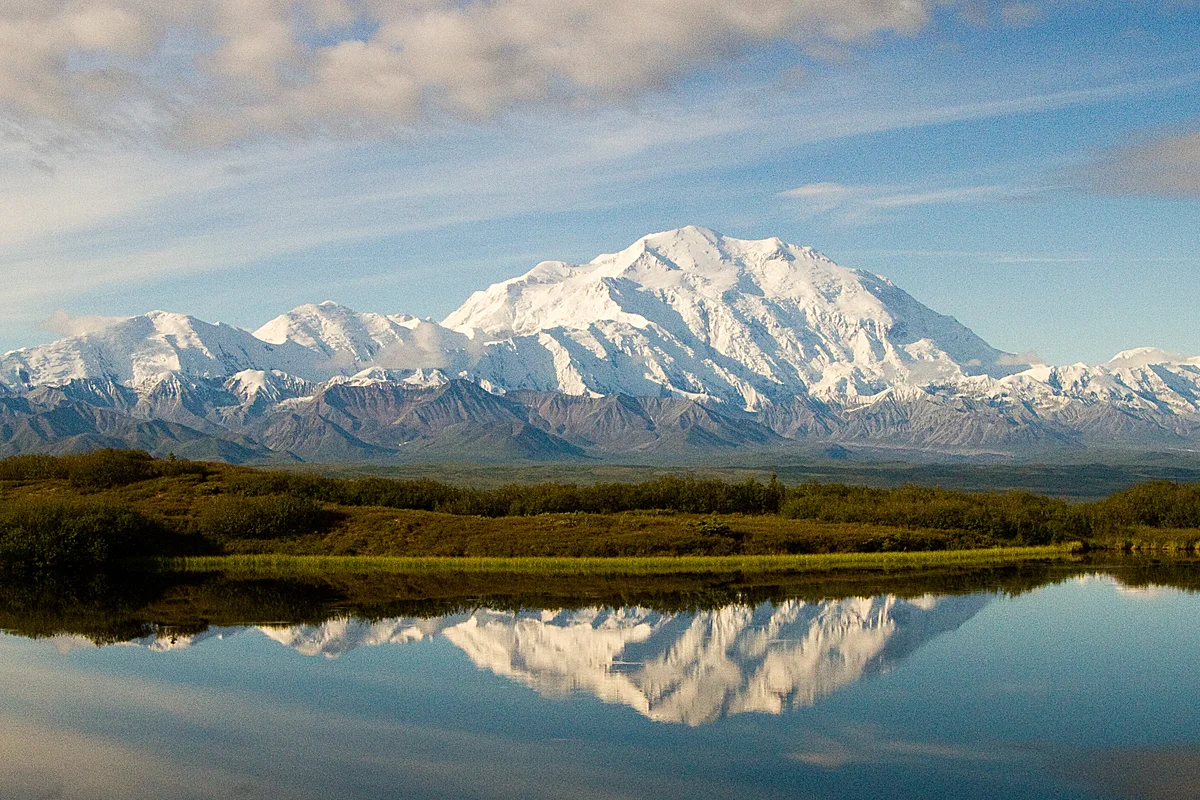

Denali
Denali is the highest mountain peak in North America, soaring to an elevation of 6,190 metres in south-central Alaska. Ranked third among the world's most topographically prominent summits, it possesses greater vertical base-to-peak relief than Mount Everest, rising over 5,500 vertical metres above the surrounding glacial plains amidst severe Arctic storms and extreme sub-zero temperatures.
Pioneered & Associated Routes (2)
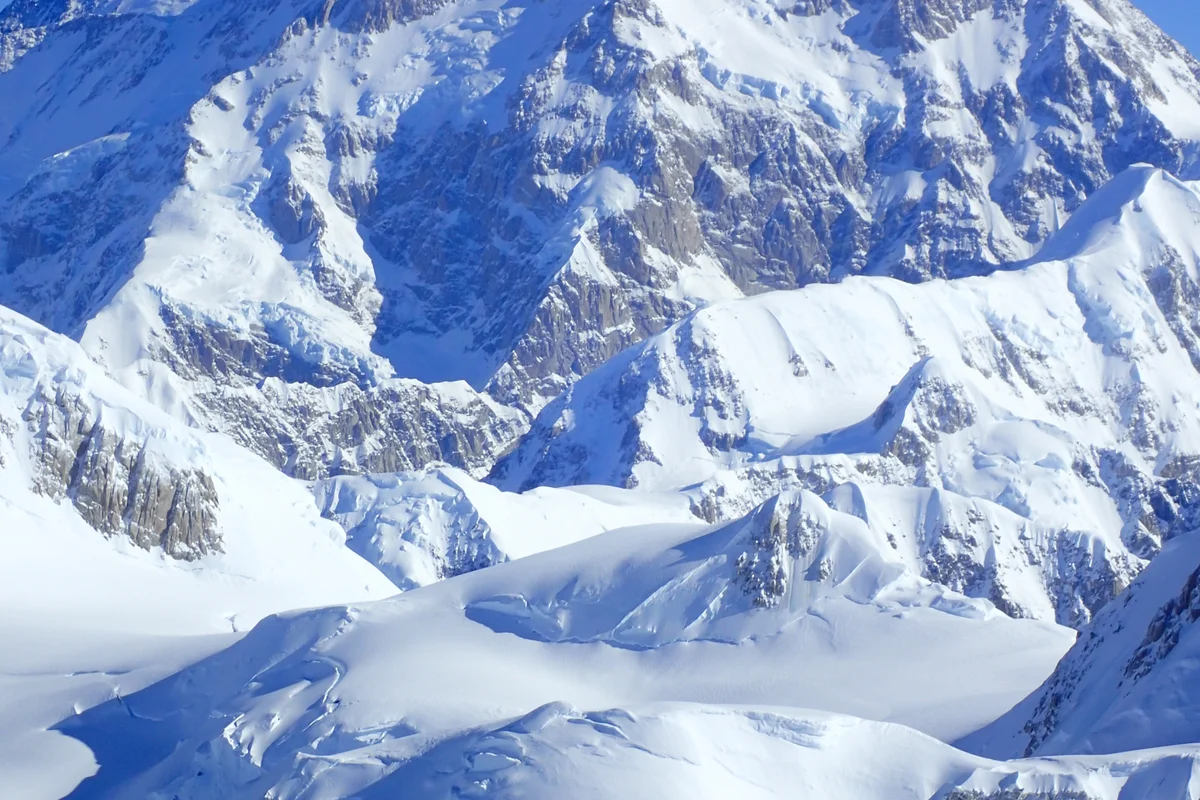
Cassin Ridge (Denali)
The Cassin Ridge is the undisputed crown jewel of North American alpine mountaineering, rising 2,500 vertical metres up the center of Denali's colossal South Face. First climbed in July 1961 by Riccardo Cassin and the Ragni di Lecco team, it demands sustained technical rock climbing up to 5.8, steep alpine ice up to AI4, razor-sharp snow arêtes, and relentless commitment in severe Arctic conditions.
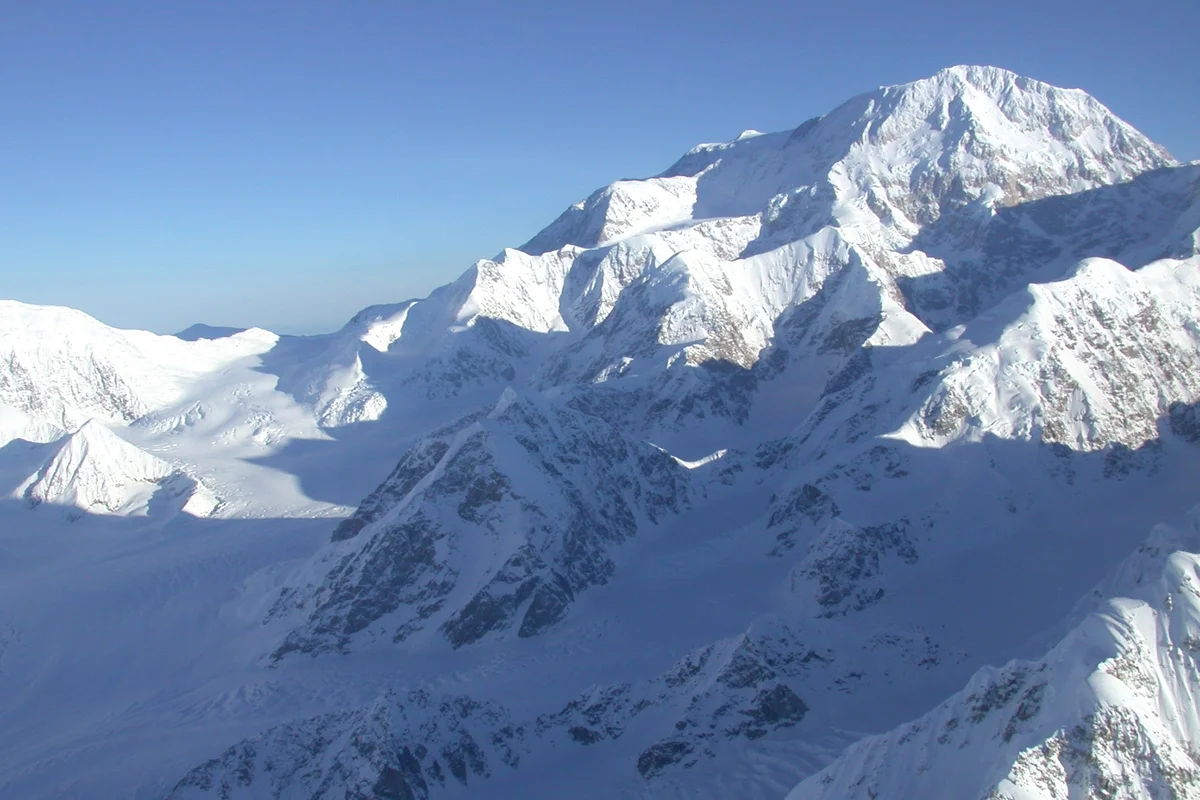
West Buttress (Denali)
The West Buttress is the premier classic mountaineering route on Denali, ascending 4,000 vertical metres from the Kahiltna Glacier to the highest point in North America at 6,190 metres. Pioneered in 1951 by Bradford Washburn, Barbara Washburn, and their team, it negotiates massive crevasse systems, the steep fixed-line ice of the Headwall, and the knife-edge granite crest above 16,000 feet amidst severe Arctic gales.
Documented Expeditions (1)
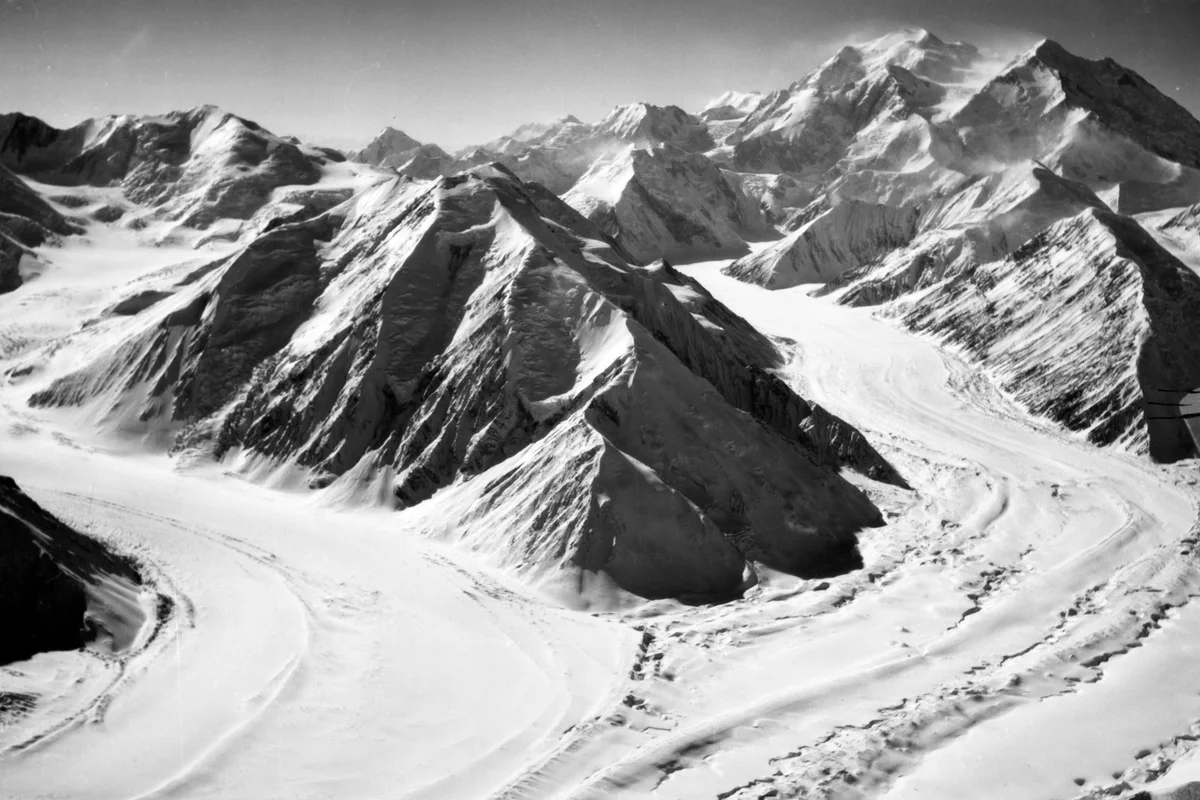
1913 Historic First Ascent of Denali via Muldrow Glacier and Karstens Ridge
On June 7, 1913, Walter Harper became the first human being to stand atop Denali, followed by Harry Karstens, Robert Tatum, and Archdeacon Hudson Stuck, conquering the shattered ice blocks of Karstens Ridge after an arduous multi-month dog-sled approach.
Associated Chronicles & Stories (1)
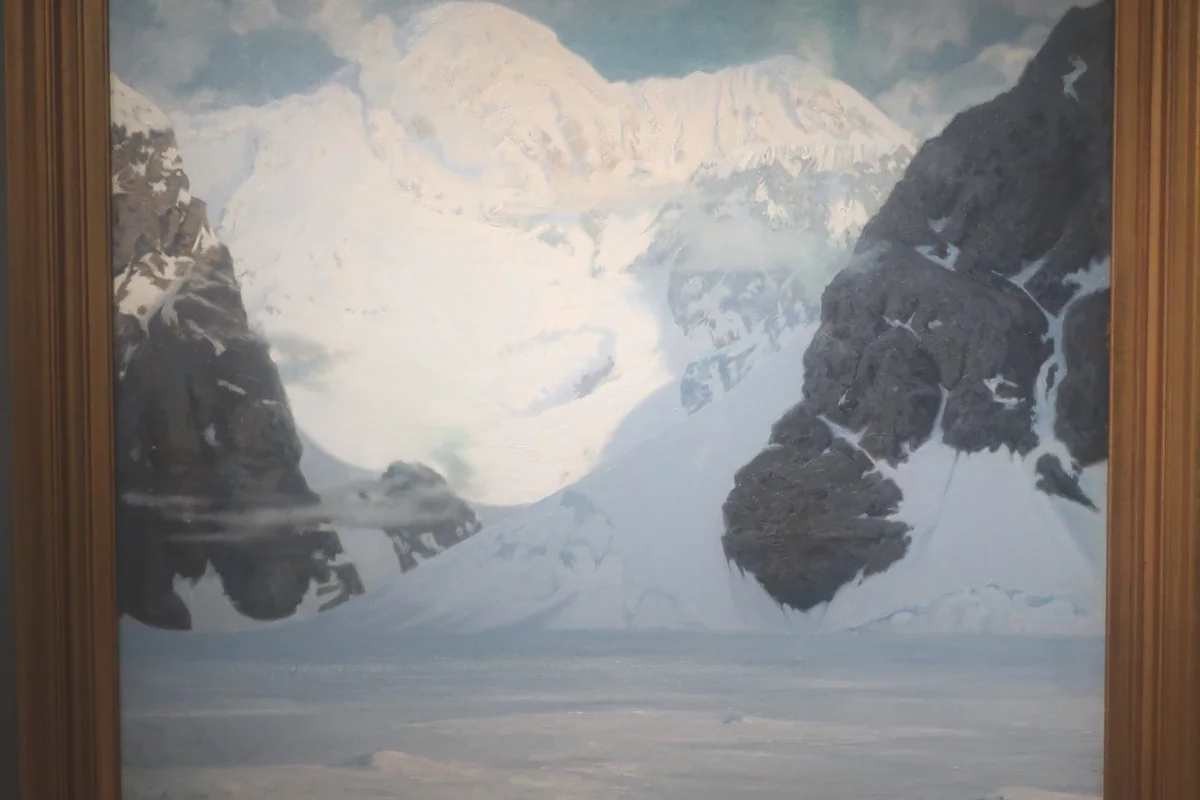
First Footsteps on the High One: Walter Harper, Hudson Stuck, and the 1913 Conquest of Denali
On June 7, 1913, twenty-year-old Koyukon Athabascan woodsman Walter Harper led Hudson Stuck and Harry Karstens onto the summit of Denali, completing the historic first ascent of North America's highest peak.
Documented Sources & Archival Citations
- The Ascent of Denali (Mount McKinley)(Hudson Stuck / Charles Scribner's Sons)
Supporting claim: Primary expedition narrative of the 1913 first ascent of Denali
Accessed/Documented: 2026 - Ten Thousand Miles with a Dog Sled(Hudson Stuck / Charles Scribner's Sons)
Supporting claim: Chronicle of winter wilderness exploration across the Alaskan interior
Accessed/Documented: 2026