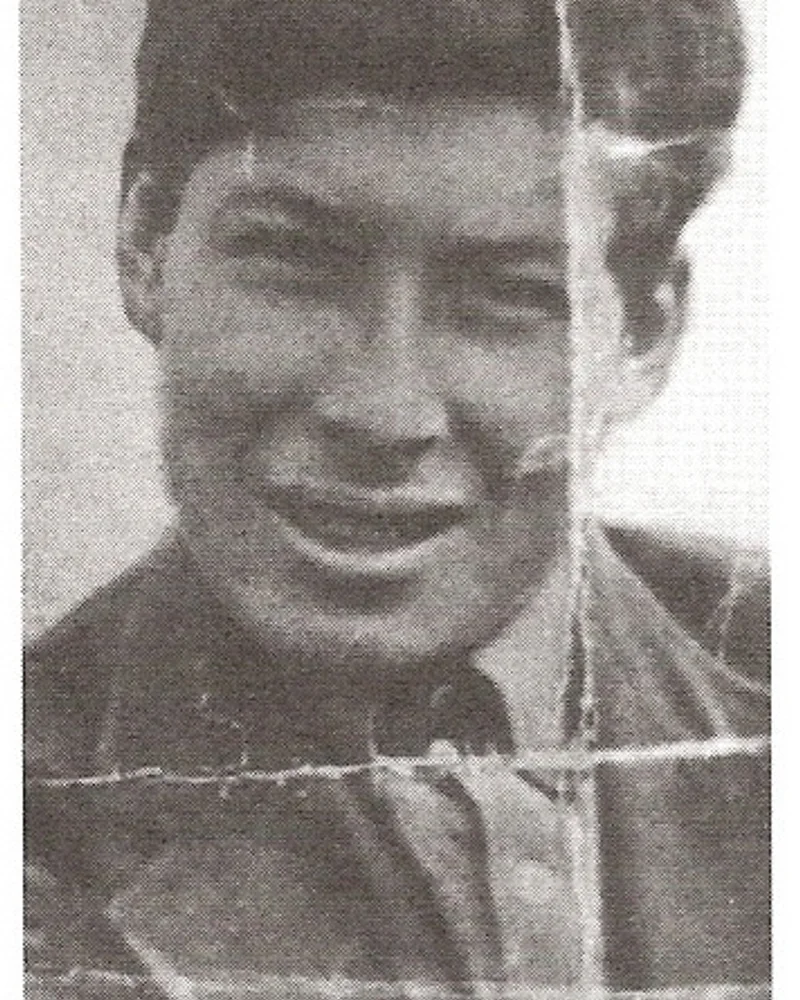
Walter Harper
Walter Harper was a trailblazing Koyukon Athabascan woodsman, dog-musher, and mountaineer from Alaska. On June 7, 1913, he achieved immortality as the very first human being in history to set foot on the summit of Denali. Leading the final rope team through thin air and sub-zero cold, he guided the Stuck and Karstens expedition to victory.
Mountain Safety & Conditions Disclaimer: High-altitude climbing, glacial travel, and technical ascents entail severe objective risks including avalanches, serac collapses, rapid weather collapse, and altitude illness. Historical route descriptions and summit claims on Mountanity reflect documented archival sources and must not be used as live operational safety assessments. Local regulations, permits, and physical glacial topography change continuously.
Peer Review: Senior Editorial Board & Historical Reviewers • Editorial Standards
Biographical Record & Archival Chronicle
Born in 1892 in Tanana, Alaska, Walter Harper was the youngest child of Koyukon Athabascan native woman Seenia and pioneer trader Arthur Harper. Possessing immense physical strength, deep traditional woodland knowledge, and extraordinary natural grace, Harper joined Archdeacon Hudson Stuck's missionary journeys as dog-musher, riverboat engineer, and expedition guide at age sixteen. In 1913, at just twenty years old, Harper was chosen as the lead scout and climbing stalwart for the historic expedition to Denali. Across grueling weeks on the Muldrow Glacier and the precarious ice steps of Karstens Ridge, Harper's relentless stamina, buoyant cheer, and sharp mountain instincts proved the backbone of the enterprise. On the morning of June 7, 1913, as the party reached the wind-swept 20,000-foot summit ridge, Stuck and Karstens insisted that Harper lead the rope onto the highest crest. At 1:30 in the afternoon, Harper became the first human being to stand atop Denali, North America's highest peak. Harper subsequently trained at the Mount Hermon School in Massachusetts with dreams of becoming a medical missionary to his people. Tragically, in October 1918, on his way to medical school in Philadelphia with his newlywed bride Frances Wells, Harper was lost at sea when the steamship Princess Sophia foundered on Vanderbilt Reef in the Lynn Canal. In 2013, on the centennial of the ascent, Harper was honored across Alaska as a foundational indigenous pioneer and national mountain hero.
Notable Milestones & Ascents
- First human being in history to stand on the summit of Denali (6,190 m) on June 7, 1913
- Lead scout and climbing stalwart of the 1913 Stuck-Karstens Denali Expedition
- Pioneered winter travel routes and dog-sled logistics across thousands of miles in the Alaskan interior
- Subject of the acclaimed biography Walter Harper, Alaska Native Son by Mary Ehrlander
- Inducted into the Alaska Sports Hall of Fame in recognition of his historic mountaineering feat
Key Statistics & Topographic Figures
- Historic Achievement
- First Person to Stand on the Summit of Denali
- Date of Summit
- June 7, 1913 (1:30 PM)
- Heritage
- Koyukon Athabascan Native Alaskan
- Lifespan
- 1892 – 1918
- Geographic Honor
- Harper Glacier on Denali
Archival Primary Source Quotations
“Walter was the first to plant his foot on the summit, and there was no one in our party who did not feel he richly deserved the honor.”
Defined Alpine Terminology & Concepts
- Koyukon Athabascan
- An indigenous Northern Athabascan people whose ancestral homelands span the Yukon and Koyukuk river drainages of interior Alaska.
- SS Princess Sophia Disaster
- The tragic shipwreck on Vanderbilt Reef in 1918 that took 353 lives, including Walter Harper and his wife Frances.
Frequently Asked Questions: Walter Harper
Who was Walter Harper?
Walter Harper was a Koyukon Athabascan woodsman, dog-musher, and mountain pioneer who on June 7, 1913, became the first human being to stand on the summit of Denali.
Where was Walter Harper born and what was his heritage?
He was born in 1892 in Tanana, Alaska, to Seenia, a Koyukon Athabascan woman, and Arthur Harper, an iconic pioneer trader and prospector.
Why did Hudson Stuck and Harry Karstens choose Harper to lead to the summit?
Harper possessed superior physical stamina, cheerfulness, and mountain instincts; the leaders felt it was only fitting that an indigenous Alaskan take the first step.
What roles did Walter Harper perform on the 1913 expedition?
He served as lead trail breaker, hunter, dog-sled driver, and step-chopper on Karstens Ridge, acting as the indispensable engine of the expedition.
What tragedy cut Walter Harper's life short?
In October 1918, while traveling to medical school in Philadelphia with his new bride Frances Wells, Harper perished when the SS Princess Sophia sank in Lynn Canal.
How is Walter Harper honored today in Alaska?
He is honored with a statue in Fairbanks, induction into the Alaska Sports Hall of Fame, and celebrated on the Harper Glacier on Denali.
What did Walter Harper plan to do after Denali?
He completed preparatory studies in Massachusetts and planned to become a medical doctor to serve native communities throughout interior Alaska.
What is the title of the definitive biography of Walter Harper?
Walter Harper, Alaska Native Son, authored by historian Mary F. Ehrlander and published by the University of Nebraska Press.
Associated Summits (1)
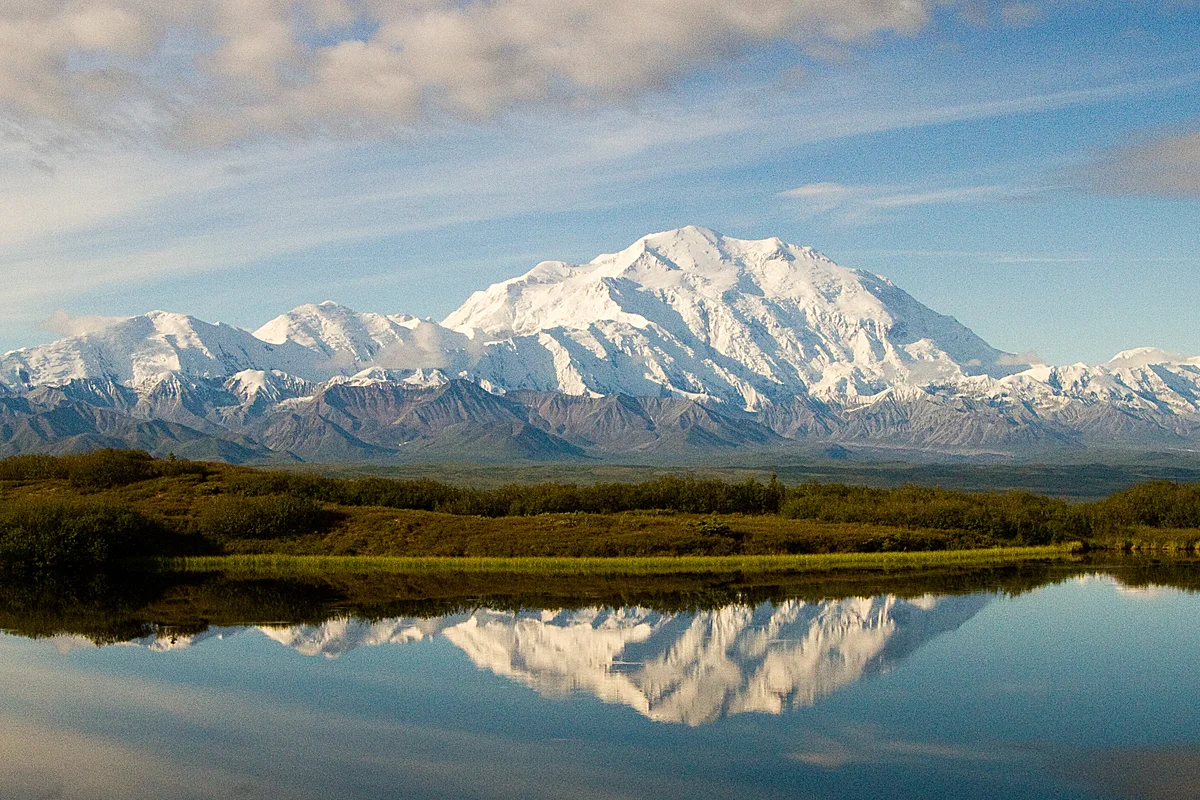

Denali
Denali is the highest mountain peak in North America, soaring to an elevation of 6,190 metres in south-central Alaska. Ranked third among the world's most topographically prominent summits, it possesses greater vertical base-to-peak relief than Mount Everest, rising over 5,500 vertical metres above the surrounding glacial plains amidst severe Arctic storms and extreme sub-zero temperatures.
Pioneered & Associated Routes (2)
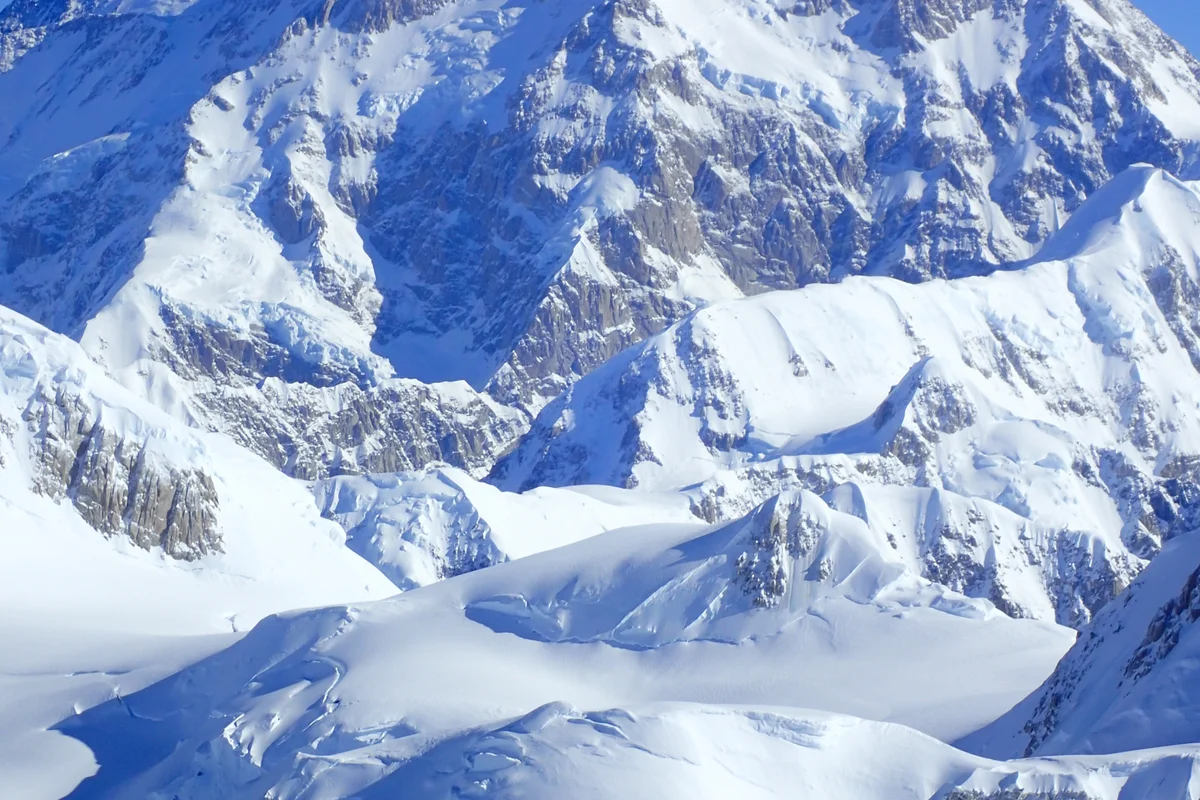
Cassin Ridge (Denali)
The Cassin Ridge is the undisputed crown jewel of North American alpine mountaineering, rising 2,500 vertical metres up the center of Denali's colossal South Face. First climbed in July 1961 by Riccardo Cassin and the Ragni di Lecco team, it demands sustained technical rock climbing up to 5.8, steep alpine ice up to AI4, razor-sharp snow arêtes, and relentless commitment in severe Arctic conditions.
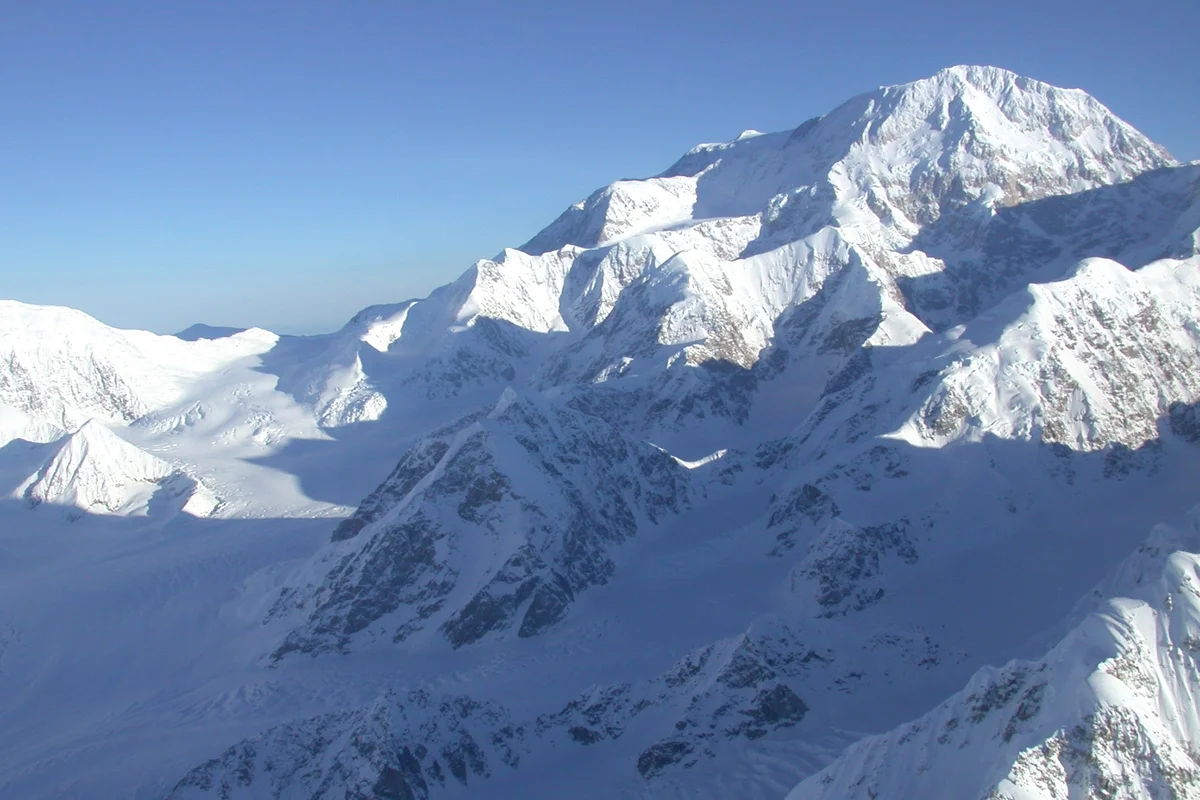
West Buttress (Denali)
The West Buttress is the premier classic mountaineering route on Denali, ascending 4,000 vertical metres from the Kahiltna Glacier to the highest point in North America at 6,190 metres. Pioneered in 1951 by Bradford Washburn, Barbara Washburn, and their team, it negotiates massive crevasse systems, the steep fixed-line ice of the Headwall, and the knife-edge granite crest above 16,000 feet amidst severe Arctic gales.
Documented Expeditions (1)
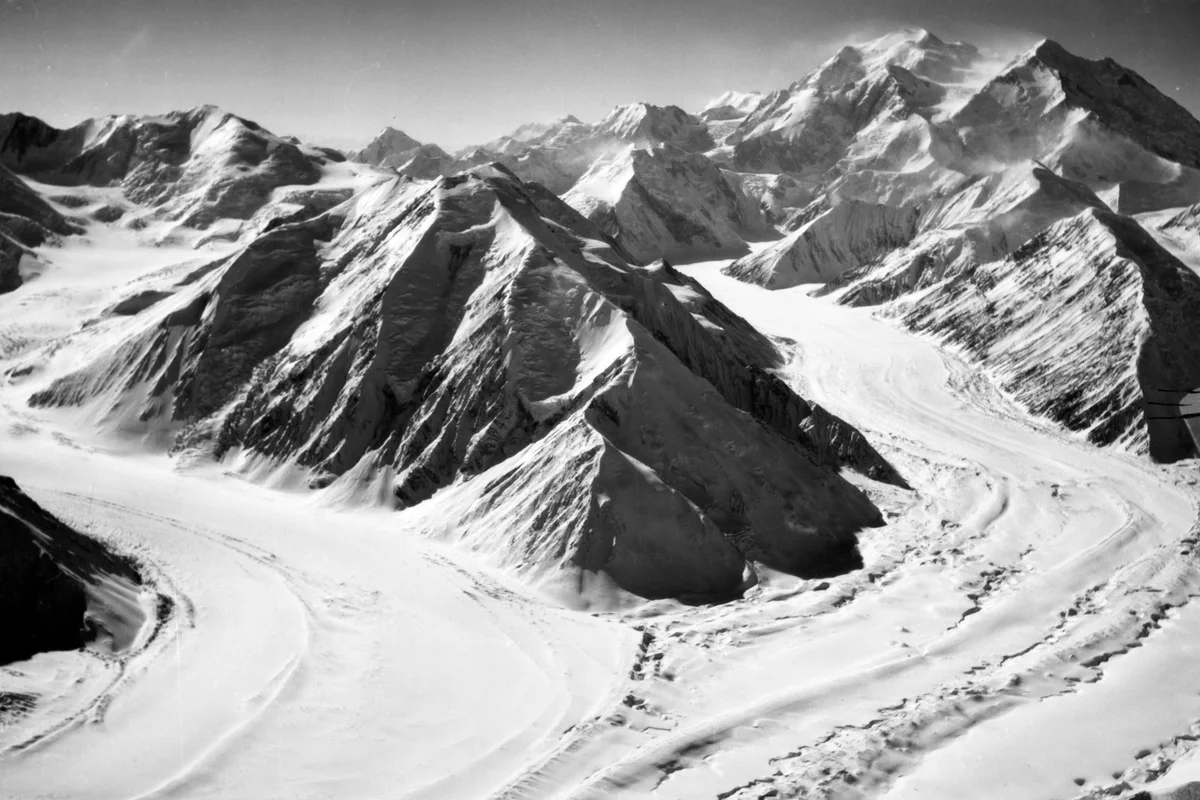
1913 Historic First Ascent of Denali via Muldrow Glacier and Karstens Ridge
On June 7, 1913, Walter Harper became the first human being to stand atop Denali, followed by Harry Karstens, Robert Tatum, and Archdeacon Hudson Stuck, conquering the shattered ice blocks of Karstens Ridge after an arduous multi-month dog-sled approach.
Associated Chronicles & Stories (1)
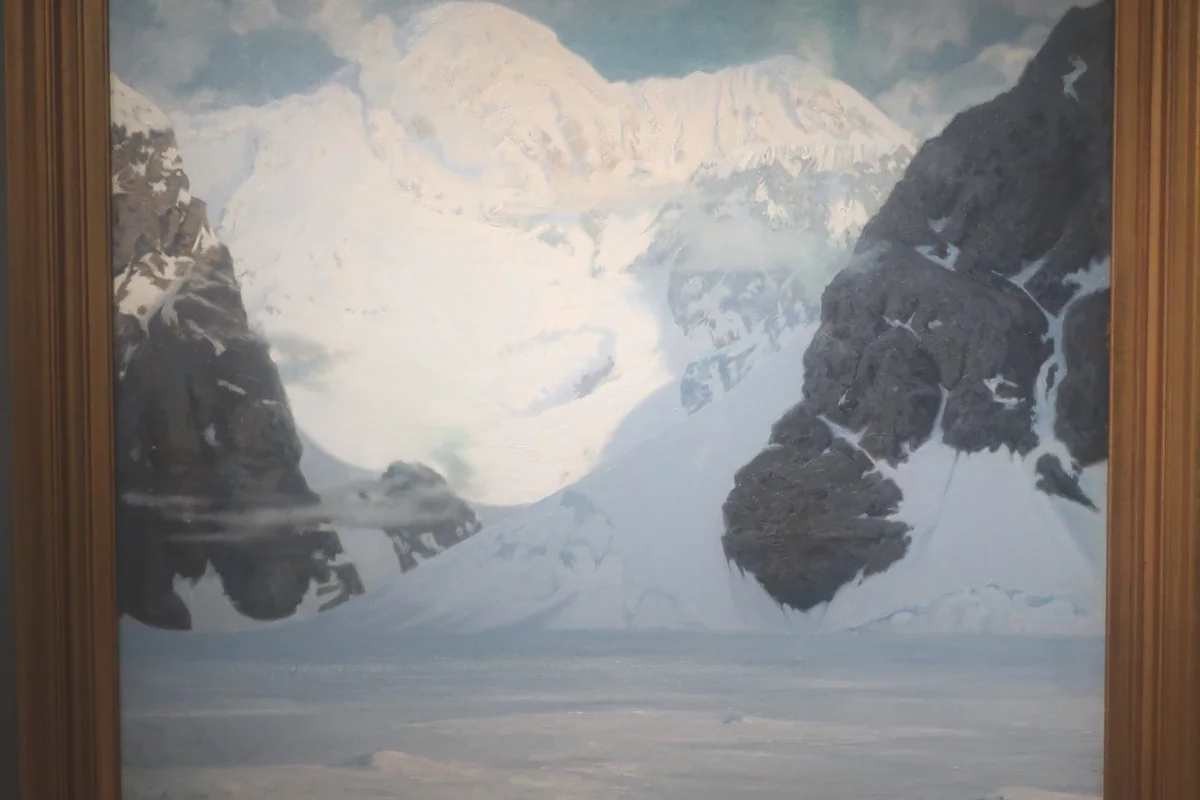
First Footsteps on the High One: Walter Harper, Hudson Stuck, and the 1913 Conquest of Denali
On June 7, 1913, twenty-year-old Koyukon Athabascan woodsman Walter Harper led Hudson Stuck and Harry Karstens onto the summit of Denali, completing the historic first ascent of North America's highest peak.
Documented Sources & Archival Citations
- Walter Harper, Alaska Native Son(Mary F. Ehrlander / University of Nebraska Press)
Supporting claim: Definitive biography of Walter Harper and historical reconstruction of the 1913 Denali ascent
Accessed/Documented: 2026 - The Ascent of Denali (Mount McKinley)(Hudson Stuck / Charles Scribner's Sons)
Supporting claim: Eyewitness account documenting Walter Harper stepping first onto the summit
Accessed/Documented: 2026