1913 Historic First Ascent of Denali via Muldrow Glacier and Karstens Ridge
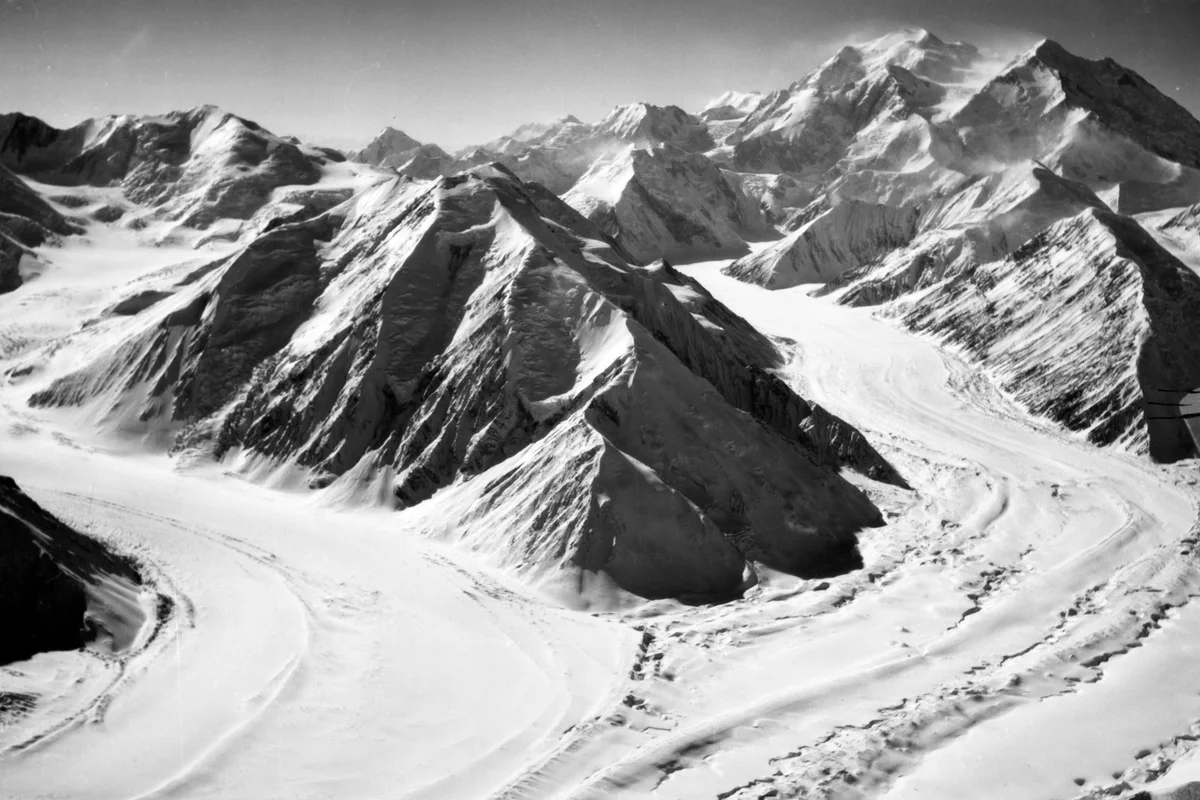
On June 7, 1913, Walter Harper became the first human being to stand atop Denali, followed by Harry Karstens, Robert Tatum, and Archdeacon Hudson Stuck, conquering the shattered ice blocks of Karstens Ridge after an arduous multi-month dog-sled approach.
Mountain Safety & Conditions Disclaimer: High-altitude climbing, glacial travel, and technical ascents entail severe objective risks including avalanches, serac collapses, rapid weather collapse, and altitude illness. Historical route descriptions and summit claims on Mountanity reflect documented archival sources and must not be used as live operational safety assessments. Local regulations, permits, and physical glacial topography change continuously.
Peer Review: Senior Editorial Board & Historical Reviewers • Editorial Standards
Official Expedition Narrative & Archival Record
In March 1913, Archdeacon Hudson Stuck and seasoned frontier musher Harry Karstens launched their historic assault on Denali from Nenana, utilizing dog teams to freight tons of supplies across frozen rivers to the base of the Muldrow Glacier. Joined by twenty-year-old Koyukon Athabascan woodsman Walter Harper and postulant Robert Tatum, the party encountered an immense unforeseen obstacle: the devastating 1912 Katmai earthquake had violently shattered the northeastern approach ridge into an impassable labyrinth of tumbled ice blocks and yawning chasms. With extraordinary grit, Karstens and Harper spent three grueling weeks hand-hewing thousands of steps through the sheer ice towers to engineer a passage up what is now known as Karstens Ridge. Moving their supplies onto the high glacier basin of the Grand Basin at 17,500 feet, the team prepared for the summit push despite Stuck suffering from severe bronchial distress and shortness of breath. On June 7, 1913, in clear, freezing skies, the four men ascended the final snow crest. At 1:30 PM, Walter Harper stepped onto the summit of Denali, becoming the first person in history to reach the highest point in North America. They erected a simple spruce-wood cross, took scientific boiling-point observations, and confirmed the fraudulent nature of Frederick Cook's 1906 claim before descending safely to Nenana.
Documented Team Composition
- Hudson Stuck (Co-Leader, United States)
- Harry Karstens (Co-Leader & Climbing Chief, United States)
- Walter Harper (Lead Climber, Koyukon Athabascan / United States)
- Robert Tatum (Climber, United States)
- John Fredson (Base Support & Dog Handler, Neets'aii Gwich'in)
- Esaias George (Support, Koyukon Athabascan)
Key Statistics & Topographic Figures
- Summit Date
- June 7, 1913 (1:30 PM)
- First Person on Summit
- Walter Harper (Koyukon Athabascan)
- Expedition Leaders
- Hudson Stuck & Harry Karstens
- Climbing Route
- Muldrow Glacier & Karstens Ridge
- Expedition Approach
- Dog sled from Nenana, Alaska
Archival Primary Source Quotations
“With a gesture of reverence and joy, Walter Harper stepped upon the top—the first human being to stand on the summit of Denali.”
Defined Alpine Terminology & Concepts
- Karstens Ridge
- The knife-edge ice and rock ridge on Denali engineered by Harry Karstens after the 1912 earthquake shattered the northeast approach.
- The Grand Basin
- The high glacier bowl at 17,500 feet between the North and South peaks of Denali staging the summit push.
Frequently Asked Questions: 1913 Historic First Ascent of Denali via Muldrow Glacier and Karstens Ridge
What was the 1913 Denali expedition?
It was the historic expedition co-led by Hudson Stuck and Harry Karstens that achieved the first complete ascent of Denali (6,190 m) on June 7, 1913.
Who was the first person to step on the summit of Denali?
Walter Harper, a twenty-year-old Koyukon Athabascan woodsman, stepped first onto the summit followed by Karstens, Robert Tatum, and Stuck.
What route did the 1913 expedition take?
They approached via the Muldrow Glacier, hacked steps up the earthquake-shattered Karstens Ridge, and ascended to the summit via the Grand Basin.
How did the 1912 Katmai earthquake affect the 1913 climb?
The earthquake had shattered the northeast ridge into chaos; Karstens and Harper spent three weeks cutting thousands of steps to engineer Karstens Ridge.
What did the climbers leave on the summit of Denali in 1913?
They erected a six-foot cross made of Alaskan birch and spruce, unfurled a small United States flag, and conducted an Episcopal prayer service.
What false claim did the 1913 ascent definitively disprove?
It disproved Dr. Frederick Cook's fraudulent 1906 summit claim by showing that his photo was taken on a small outcropping twenty miles away.
How did the expedition haul supplies to the mountain?
They used dog-sled teams driven by John Fredson and Esaias George to haul tons of pemmican and equipment over frozen rivers from Nenana.
What book chronicles this landmark expedition?
The Ascent of Denali (Mount McKinley), authored by Hudson Stuck and published by Charles Scribner's Sons in 1914.
Ascent Route & Topography
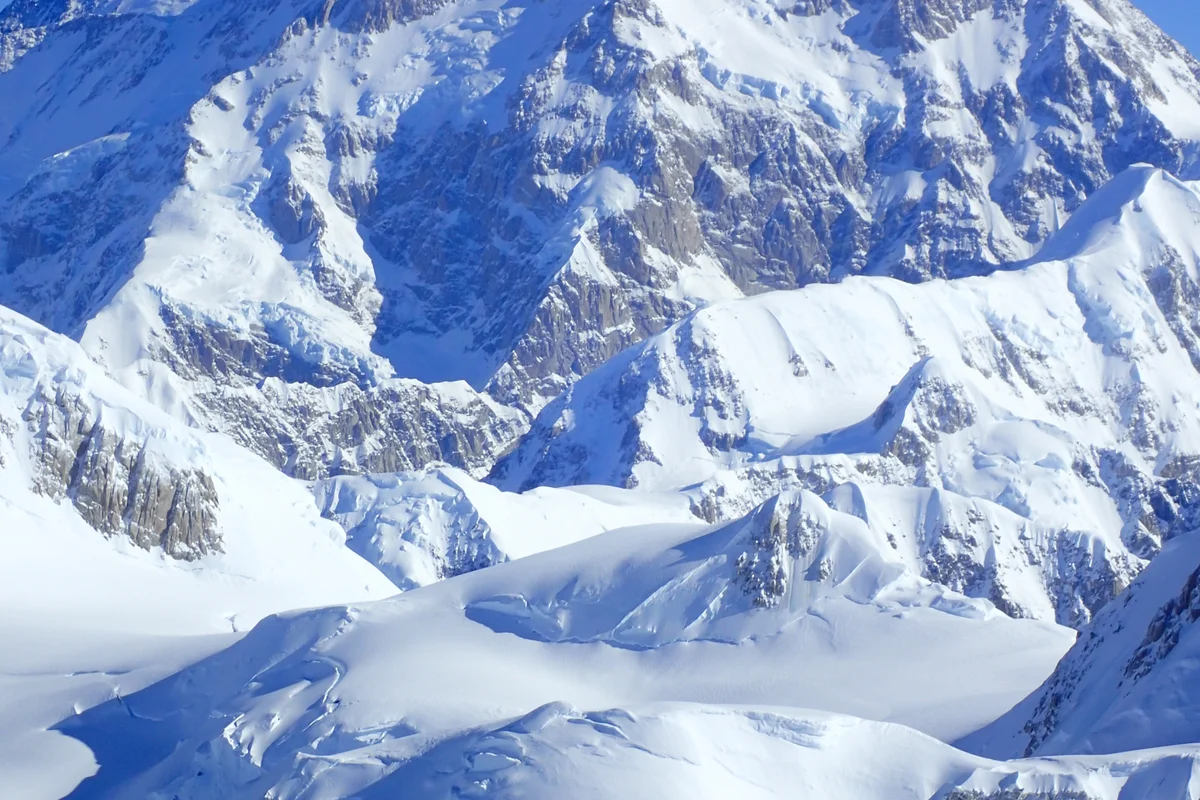
Cassin Ridge (Denali)
The Cassin Ridge is the undisputed crown jewel of North American alpine mountaineering, rising 2,500 vertical metres up the center of Denali's colossal South Face. First climbed in July 1961 by Riccardo Cassin and the Ragni di Lecco team, it demands sustained technical rock climbing up to 5.8, steep alpine ice up to AI4, razor-sharp snow arêtes, and relentless commitment in severe Arctic conditions.
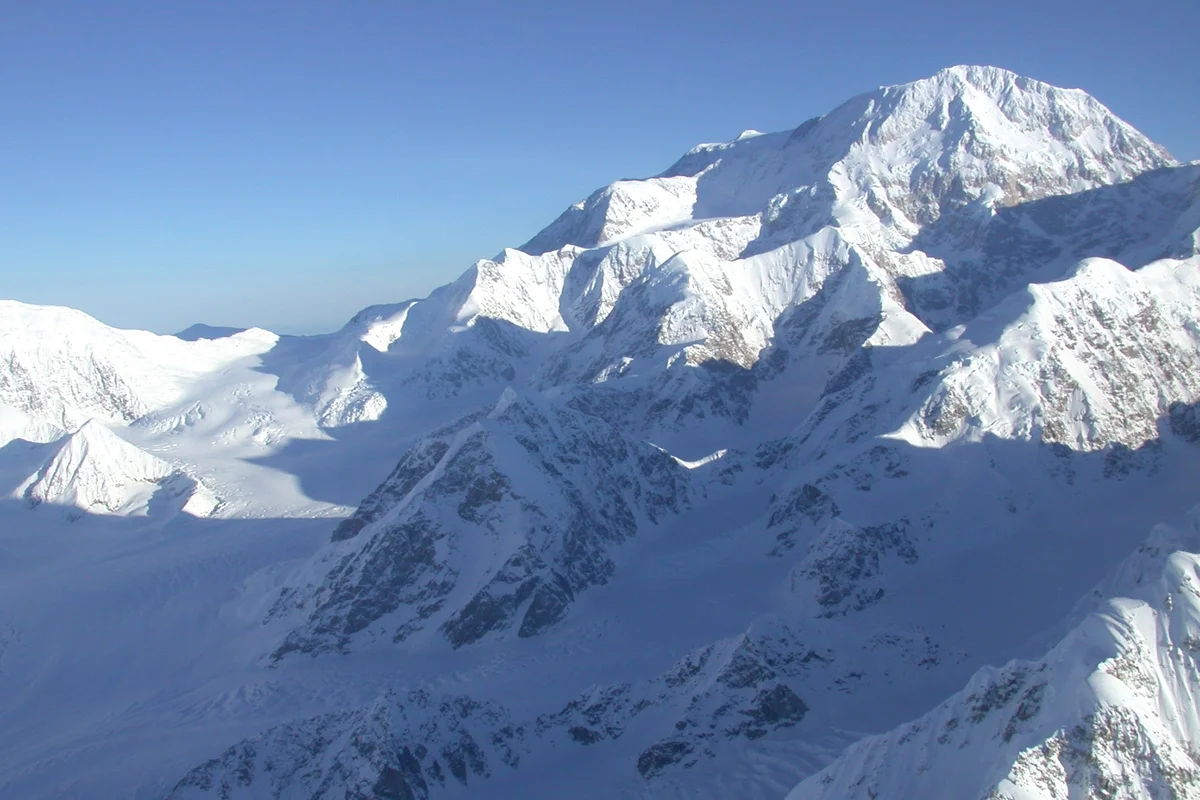
West Buttress (Denali)
The West Buttress is the premier classic mountaineering route on Denali, ascending 4,000 vertical metres from the Kahiltna Glacier to the highest point in North America at 6,190 metres. Pioneered in 1951 by Bradford Washburn, Barbara Washburn, and their team, it negotiates massive crevasse systems, the steep fixed-line ice of the Headwall, and the knife-edge granite crest above 16,000 feet amidst severe Arctic gales.
Target Objective Peak
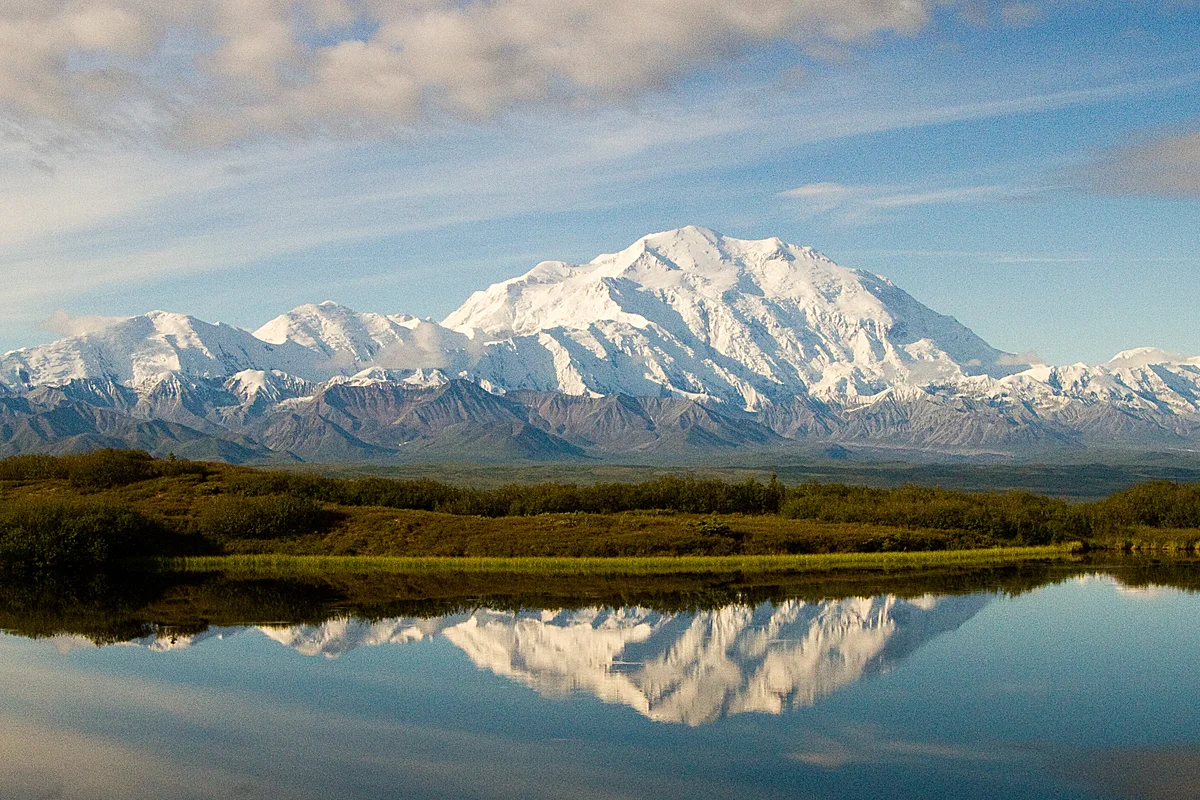

Denali
Denali is the highest mountain peak in North America, soaring to an elevation of 6,190 metres in south-central Alaska. Ranked third among the world's most topographically prominent summits, it possesses greater vertical base-to-peak relief than Mount Everest, rising over 5,500 vertical metres above the surrounding glacial plains amidst severe Arctic storms and extreme sub-zero temperatures.
Featured Expedition Climbers
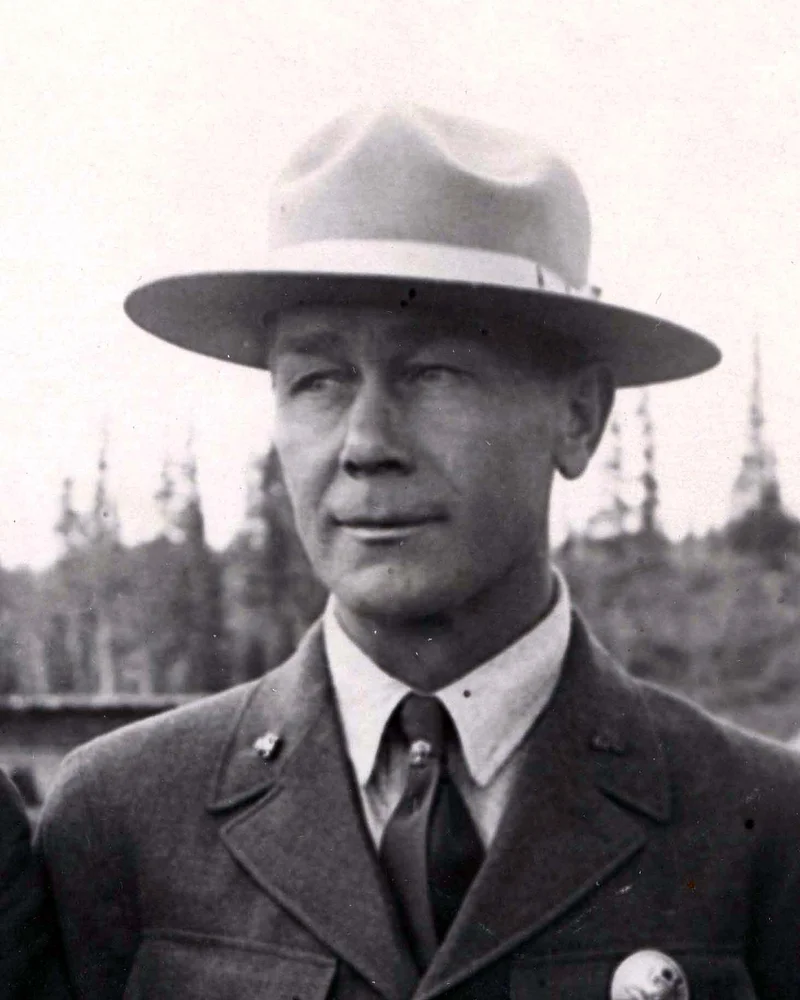
Harry Karstens
Born on September 9, 1878, in Chicago, Illinois, Harry Karstens moved to the Yukon Territory during the Klondike Gold Rush of 1897 at age nineteen. Hardy, disciplined, and possessing extraordinary northern wilderness survival skills, Karstens quickly earned the nickname The General for his iron resolution and exceptional competence as a freight hauler, dog-musher, and trail blazer. In 1906, he guided naturalist Charles Sheldon into the wilderness of the Alaska Range to study Dall sheep, an expedition that sparked the creation of Mount McKinley National Park. In 1913, Archdeacon Hudson Stuck enlisted Karstens as climbing leader and co-commander for the historic attempt on Denali. When the expedition arrived at the northeast approach to find the Muldrow Glacier ridge violently shattered into a chaotic maze of yawning crevasses and razor-edged ice pinnacles by the 1912 Katmai earthquake, Karstens spent three grueling weeks chopping thousands of steps by hand to construct a safe pathway up what became permanently immortalized as Karstens Ridge. On June 7, 1913, Karstens stepped onto the summit of Denali alongside Walter Harper, Robert Tatum, and Stuck. In 1921, Karstens was appointed the first superintendent of Mount McKinley National Park, establishing ranger patrols, enforcing wildlife protection against poachers, and laying the groundwork for modern Alaskan wilderness conservation.
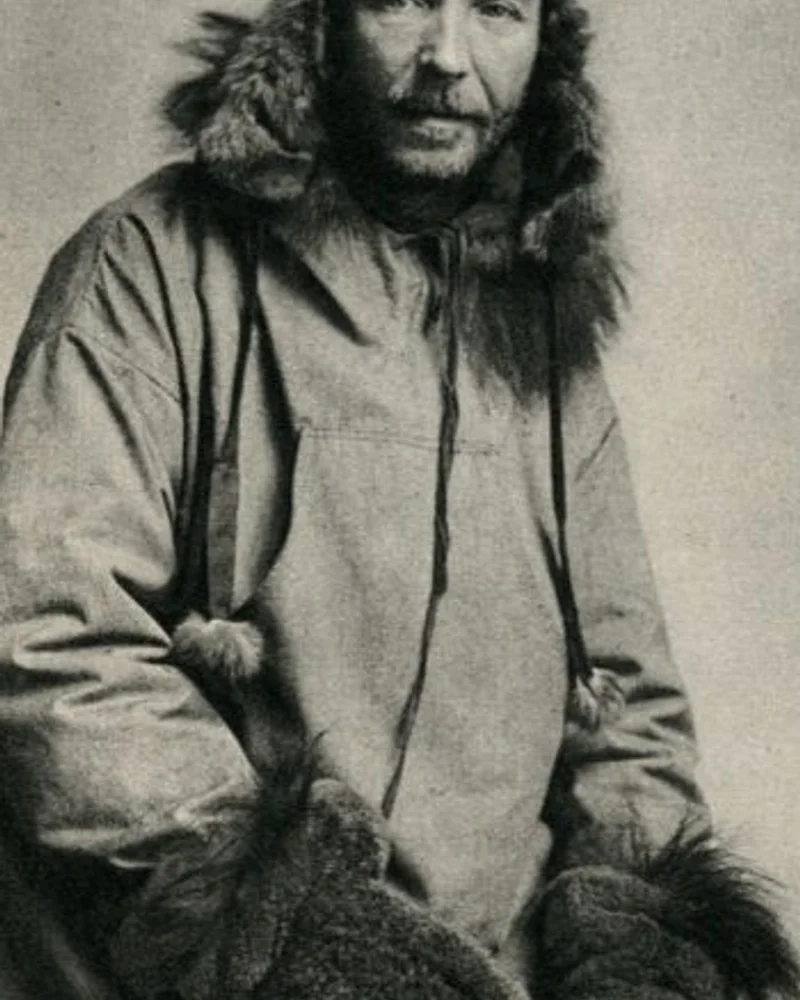
Hudson Stuck
Born on November 11, 1863, in London, England, Hudson Stuck emigrated to the United States in 1885, completing theological studies at the University of the South in Sewanee, Tennessee. Ordained an Episcopal priest, he served as dean of Saint Matthew's Cathedral in Dallas, Texas, before volunteering in 1904 for missionary service in the vast sub-arctic wilderness of the Yukon and interior Alaska. Appointed Archdeacon of the Yukon, Stuck traveled thousands of miles each winter by dog team across trackless frozen tundra to minister to indigenous Athabascan communities. Entranced by the majestic bulk of Denali, which rose above the Alaskan interior, Stuck conceived an ambitious expedition to achieve its first complete ascent. Partnering with seasoned frontier dog-musher Harry Karstens, Koyukon Athabascan woodsman Walter Harper, and postulant Robert Tatum, Stuck mounted the 1913 expedition via the Muldrow Glacier. Despite suffering from chronic bronchial illness and the physical strain of extreme altitude, Stuck's leadership, spiritual fortitude, and logistical planning held the team together. On June 7, 1913, the party stood atop the highest point in North America. Throughout his life, Stuck fiercely advocated for the preservation of indigenous cultures and insisted on restoring the mountain's traditional native name, Denali.
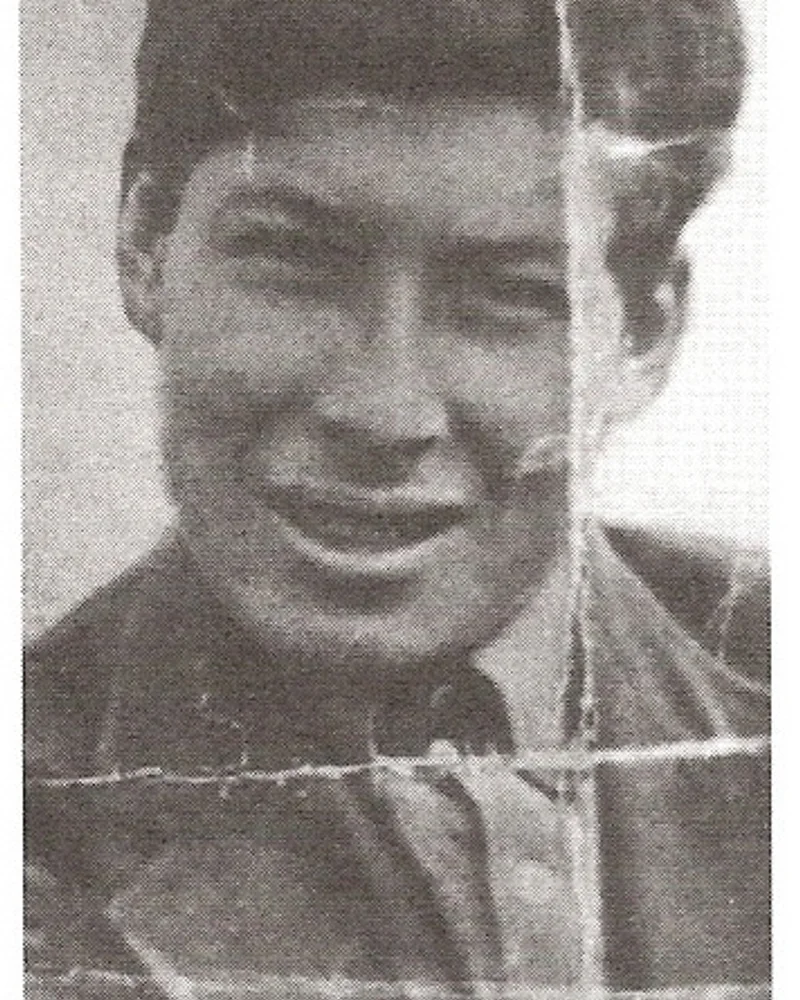
Walter Harper
Born in 1892 in Tanana, Alaska, Walter Harper was the youngest child of Koyukon Athabascan native woman Seenia and pioneer trader Arthur Harper. Possessing immense physical strength, deep traditional woodland knowledge, and extraordinary natural grace, Harper joined Archdeacon Hudson Stuck's missionary journeys as dog-musher, riverboat engineer, and expedition guide at age sixteen. In 1913, at just twenty years old, Harper was chosen as the lead scout and climbing stalwart for the historic expedition to Denali. Across grueling weeks on the Muldrow Glacier and the precarious ice steps of Karstens Ridge, Harper's relentless stamina, buoyant cheer, and sharp mountain instincts proved the backbone of the enterprise. On the morning of June 7, 1913, as the party reached the wind-swept 20,000-foot summit ridge, Stuck and Karstens insisted that Harper lead the rope onto the highest crest. At 1:30 in the afternoon, Harper became the first human being to stand atop Denali, North America's highest peak. Harper subsequently trained at the Mount Hermon School in Massachusetts with dreams of becoming a medical missionary to his people. Tragically, in October 1918, on his way to medical school in Philadelphia with his newlywed bride Frances Wells, Harper was lost at sea when the steamship Princess Sophia foundered on Vanderbilt Reef in the Lynn Canal. In 2013, on the centennial of the ascent, Harper was honored across Alaska as a foundational indigenous pioneer and national mountain hero.
Associated Historical Chronicles & Stories
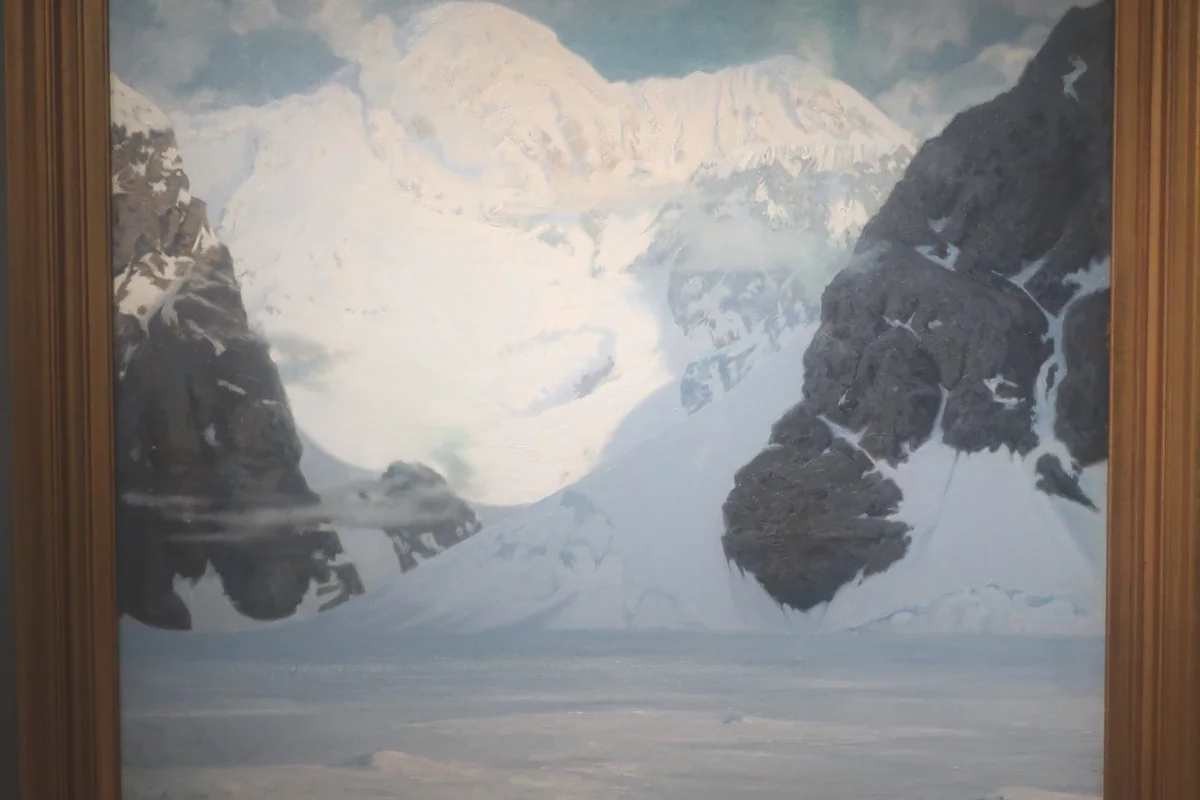
First Footsteps on the High One: Walter Harper, Hudson Stuck, and the 1913 Conquest of Denali
On June 7, 1913, twenty-year-old Koyukon Athabascan woodsman Walter Harper led Hudson Stuck and Harry Karstens onto the summit of Denali, completing the historic first ascent of North America's highest peak.
Documented Sources & Archival Citations
- The Ascent of Denali (Mount McKinley)(Hudson Stuck / Charles Scribner's Sons)
Supporting claim: Official narrative of the 1913 first ascent of Denali
Accessed/Documented: 2026 - Walter Harper, Alaska Native Son(Mary F. Ehrlander / University of Nebraska Press)
Supporting claim: Detailed reconstruction of the 1913 expedition logistics and Harper's lead summit role
Accessed/Documented: 2026