John Evans
John P. Evans is an elite American technical rock and ice mountaineer who achieved historic first ascents of Mount Vinson (4,892 m) and the treacherous Northwest Face of Mount Tyree (4,852 m) during the 1966–1967 American Antarctic Mountaineering Expedition. His audacious 22-hour continuous push on Mount Tyree with Barry Corbet established the benchmark for high-standard polar alpinism.
Mountain Safety & Conditions Disclaimer: High-altitude climbing, glacial travel, and technical ascents entail severe objective risks including avalanches, serac collapses, rapid weather collapse, and altitude illness. Historical route descriptions and summit claims on Mountanity reflect documented archival sources and must not be used as live operational safety assessments. Local regulations, permits, and physical glacial topography change continuously.
Peer Review: Senior Editorial Board & Historical Reviewers • Editorial Standards
Biographical Record & Archival Chronicle
John P. Evans was born in 1939 in Minnesota and developed into one of the most accomplished all-around technical climbers in North America during the 1960s. A standout member of the Dartmouth Mountaineering Club, Evans mastered extreme granite climbing in the Bugaboos and Canadian Rockies before joining the 1966–1967 American Antarctic Mountaineering Expedition organized by Nicholas Clinch.
On December 18, 1966, Evans roped up with Clinch, Barry Corbet, and Peter Anderson to make the maiden first ascent of Mount Vinson (4,892 m), the continental roof of Antarctica. Not content with climbing the glaciated ramps of Vinson, Evans and Corbet fixed their sights on the terrifying, dark granite obelisk of Mount Tyree (4,852 m).
On January 6, 1967, starting from an advance camp on the Patton Glacier, Evans and Corbet tackled the 2,000-metre Northwest Face in alpine style. Evans led severe technical rock pitches (5.8) wearing heavy gloves and plastic boots on frozen, brittle granite, overcoming vertical chimneys choked with blue ice. After twenty-two continuous hours of non-stop climbing in -35°C polar cold, the pair safely reached the summit and descended without fixed ropes. In recognition of his legendary contributions, the US Advisory Committee on Antarctic Names named Evans Peak (3,950 m) in the Sentinel Range in his honour.
Notable Milestones & Ascents
- Maiden first ascent of Mount Vinson (4,892 m) on December 18, 1966
- Maiden first ascent of Mount Tyree (4,852 m) via the Northwest Face on January 6, 1967, in 22 continuous hours with Barry Corbet
- Co-first ascent of Mount Shinn (4,660 m), third highest peak in Antarctica
- Pioneered high-grade 5.8 technical rock climbing in sub-zero polar conditions
Key Statistics & Topographic Figures
- Birth Year
- 1939
- Nationality
- United States
- Mount Vinson FA
- December 18, 1966
- Mount Tyree FA
- January 6, 1967 (22-hour single push)
- Namesake Feature
- Evans Peak (3,950 m)
Archival Primary Source Quotations
“On Tyree, the granite was frozen like glass. You could not afford to test a hold twice; you moved, and you believed.”
Defined Alpine Terminology & Concepts
- Evans Peak
- A high mountain peak in the Sentinel Range named in honour of American climber John Evans.
- Chromoly Piton
- A hardened alloy steel spike driven into rock fissures to establish belay anchors during technical climbs.
Frequently Asked Questions: John Evans
Who is John Evans?
John P. Evans is an American rock and ice specialist who made maiden first ascents of Mount Vinson and the 2,000-metre Northwest Face of Mount Tyree in Antarctica.
What was John Evans's major achievement on Mount Tyree?
Evans led the technical 5.8 rock cruxes on Mount Tyree's Northwest Face in sub-zero polar cold, completing the climb in 22 continuous hours with Barry Corbet.
What Antarctic mountain is named after John Evans?
Evans Peak (3,950 metres) in the Sentinel Range was officially named in recognition of his technical mountaineering achievements in Antarctica.
Associated Summits (2)

Mount Vinson / Vinson Massif
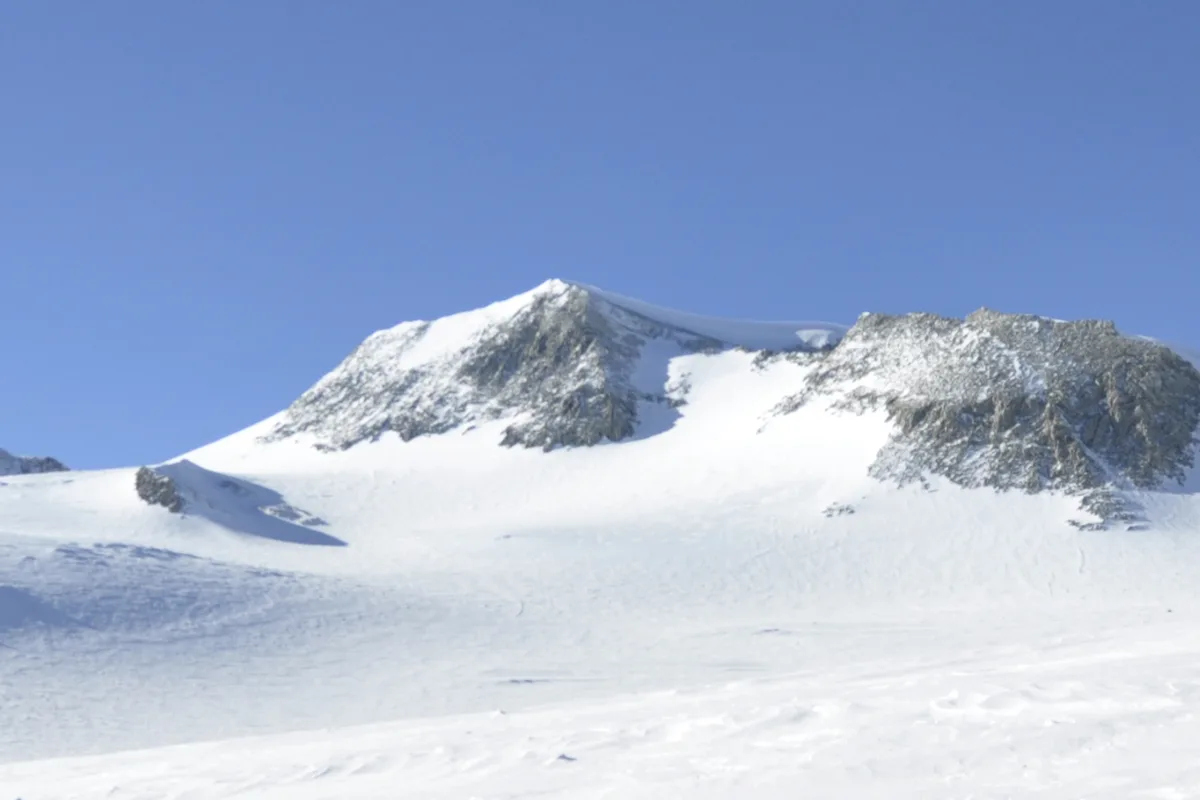
Mount Vinson is the highest peak in Antarctica at 4,892 metres (16,050 ft), situated in the Sentinel Range of the Ellsworth Mountains approximately 1,200 kilometres from the South Pole. As the summit of Antarctica, it forms one of the celebrated Seven Summits. First sighted by a US Navy aircraft in January 1958 and named after Georgia congressman Carl Vinson, the peak was conquered on December 18, 1966, by a team led by Nicholas Clinch and Barry Corbet during the historic American Antarctic Mountaineering Expedition. While technically moderate via the Branscomb Glacier, climbing Mount Vinson demands extreme endurance against temperatures plunging to -40°C and ferocious katabatic blizzards.
Mount Tyree
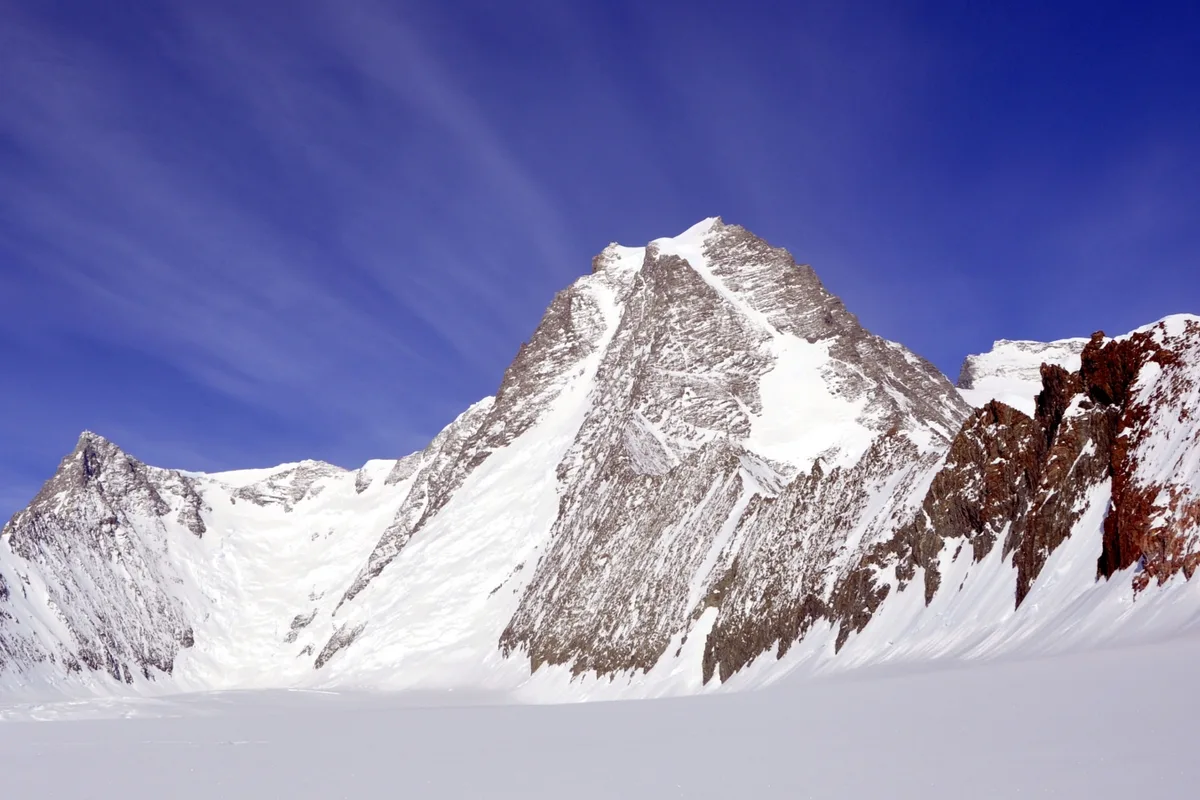
Mount Tyree is the second-highest mountain in Antarctica at 4,852 metres (15,919 ft), located just 13 kilometres northwest of Mount Vinson in the Sentinel Range. In stark contrast to the rounded, glaciated ramps of Mount Vinson, Mount Tyree is a terrifying, sheer horn of dark metamorphic rock and steep blue ice, rising over 2,000 metres directly from its surrounding glaciers. First ascended on January 6, 1967, by Barry Corbet and John Evans via the Northwest Face, it is widely acknowledged as the most technically demanding and formidable high peak in all of Antarctica, having seen fewer than twenty ascents in mountaineering history.
Pioneered & Associated Routes (2)
Northwest Face of Mount Tyree (Corbet-Evans Route)
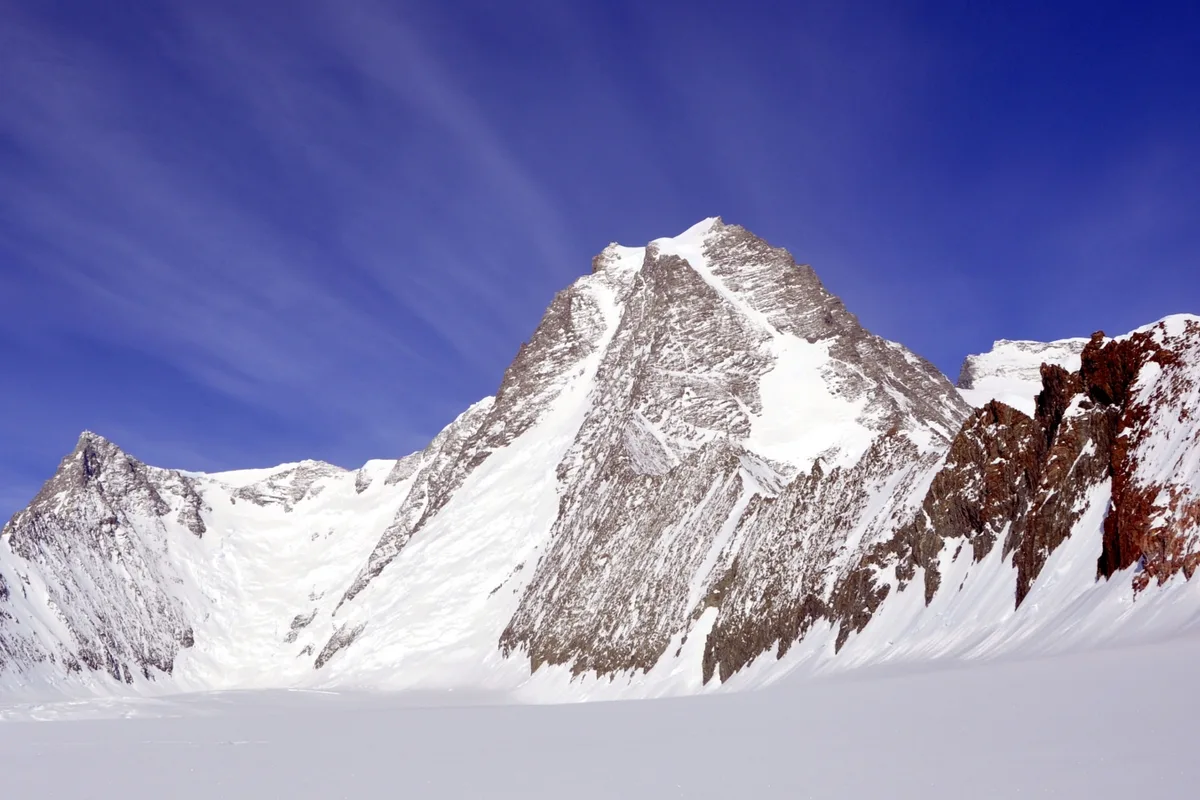
The Northwest Face is the legendary maiden route up Mount Tyree (4,852 m), the second-highest and most difficult mountain in Antarctica. Established on January 6, 1967, by Barry Corbet and John Evans, the route tackles a 2,000-metre vertical wall of shattered granite, steep snow couloirs, and brittle blue ice pitches (Grade IV, 5.8 rock and 55° ice). Pushed in a single continuous 22-hour assault in sub-zero polar temperatures without fixed ropes or camps on the face, it stands as one of the finest bold alpine achievements in polar history.
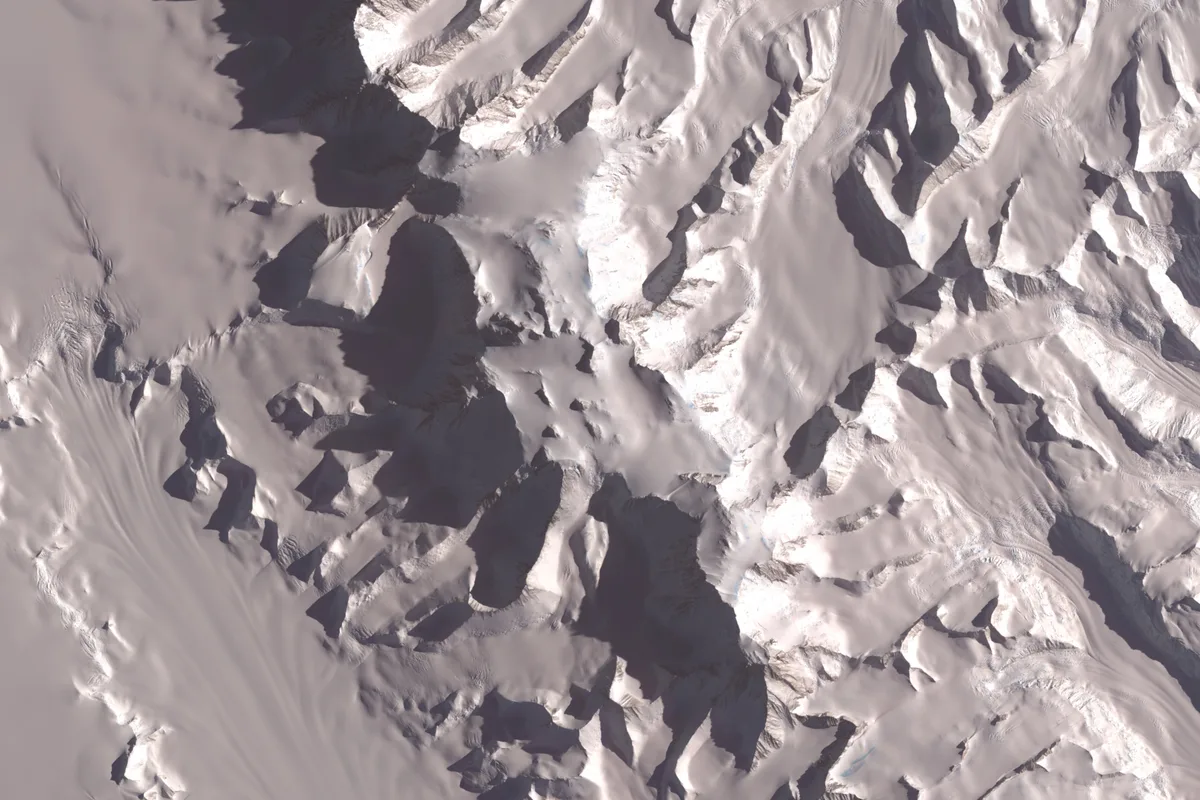
Normal Route of Mount Vinson (Branscomb Glacier Route)
The Normal Route on Mount Vinson ascends the gentle yet crevasse-riven Branscomb Glacier to gain the high saddle between Mount Shinn and Mount Vinson, continuing across the Vinson Plateau to the corniced rocky summit horn. First climbed in December 1966 by the American Antarctic Mountaineering Expedition led by Nicholas Clinch, it is the standard route for Seven Summits mountaineers. While technical climbing difficulty is moderate (Grade II alpine snow and 35° to 45° headwall ice), the objective is made profoundly serious by extreme polar cold (-40°C), ferocious katabatic gales, total geographic isolation, and the necessity of complete self-sufficiency.
Documented Expeditions (2)
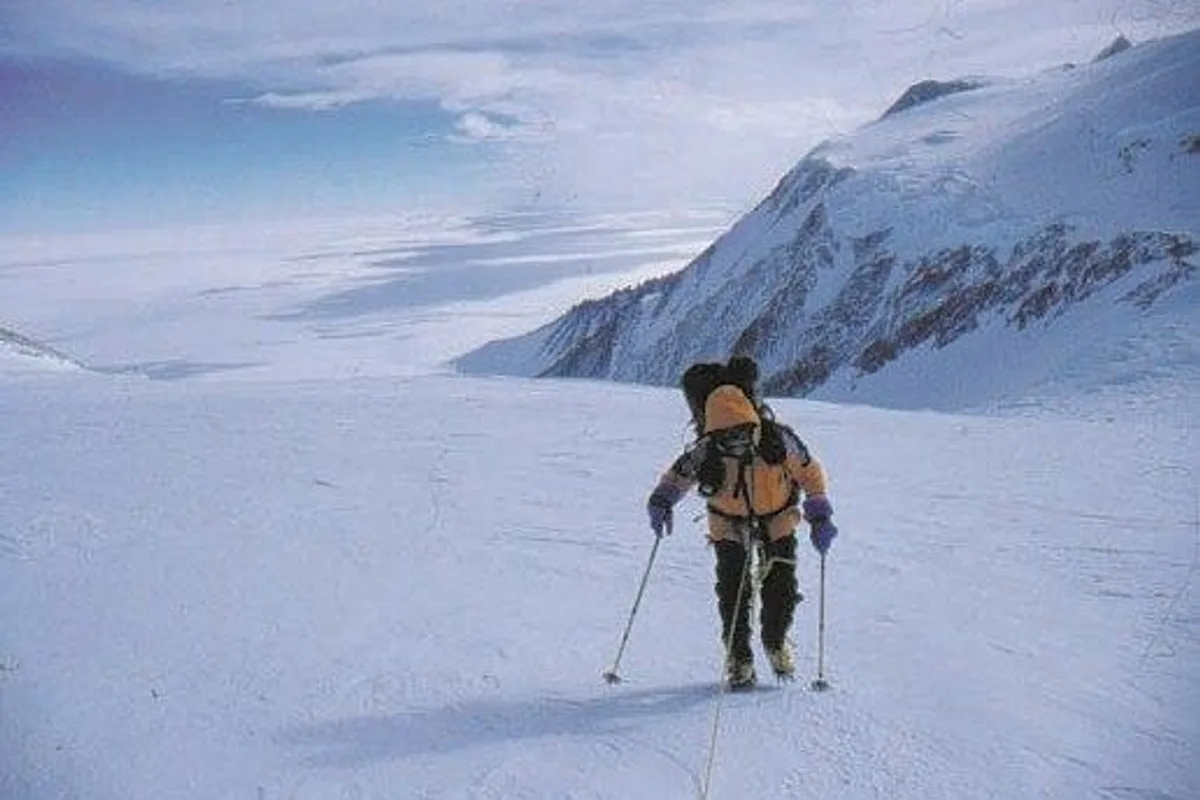
1966 Nicholas Clinch American Antarctic Expedition Historic First Ascent of Mount Vinson
On December 18, 1966, an elite four-man summit party—Nicholas Clinch, Barry Corbet, John Evans, and Peter Anderson—achieved the maiden first ascent of Mount Vinson (4,892 m), the highest point in Antarctica. Supported by the American Alpine Club, National Geographic, and the US Navy, the expedition placed all ten team members atop Vinson over consecutive days before conquering Mount Tyree and Mount Shinn in complete polar safety.
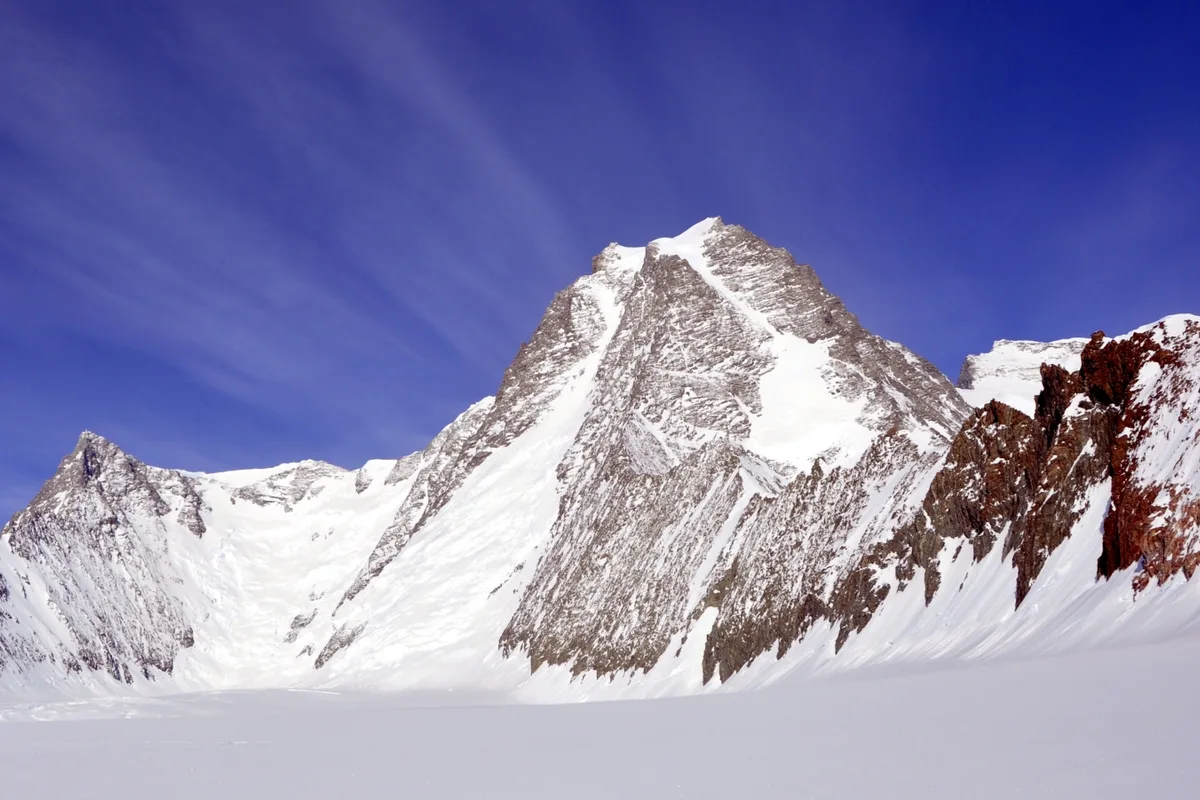
1967 Barry Corbet and John Evans Historic First Ascent of Mount Tyree
On January 6, 1967, American mountaineers Barry Corbet and John Evans completed the legendary maiden first ascent of Mount Tyree (4,852 m) via its daunting 2,000-metre Northwest Face. Pushed in a single continuous 22-hour alpine-style assault in -35°C polar cold, the pair conquered vertical 5.8 granite rock and 55° blue ice without fixed ropes, achieving one of the greatest technical climbs in polar history.
Associated Chronicles & Stories (2)
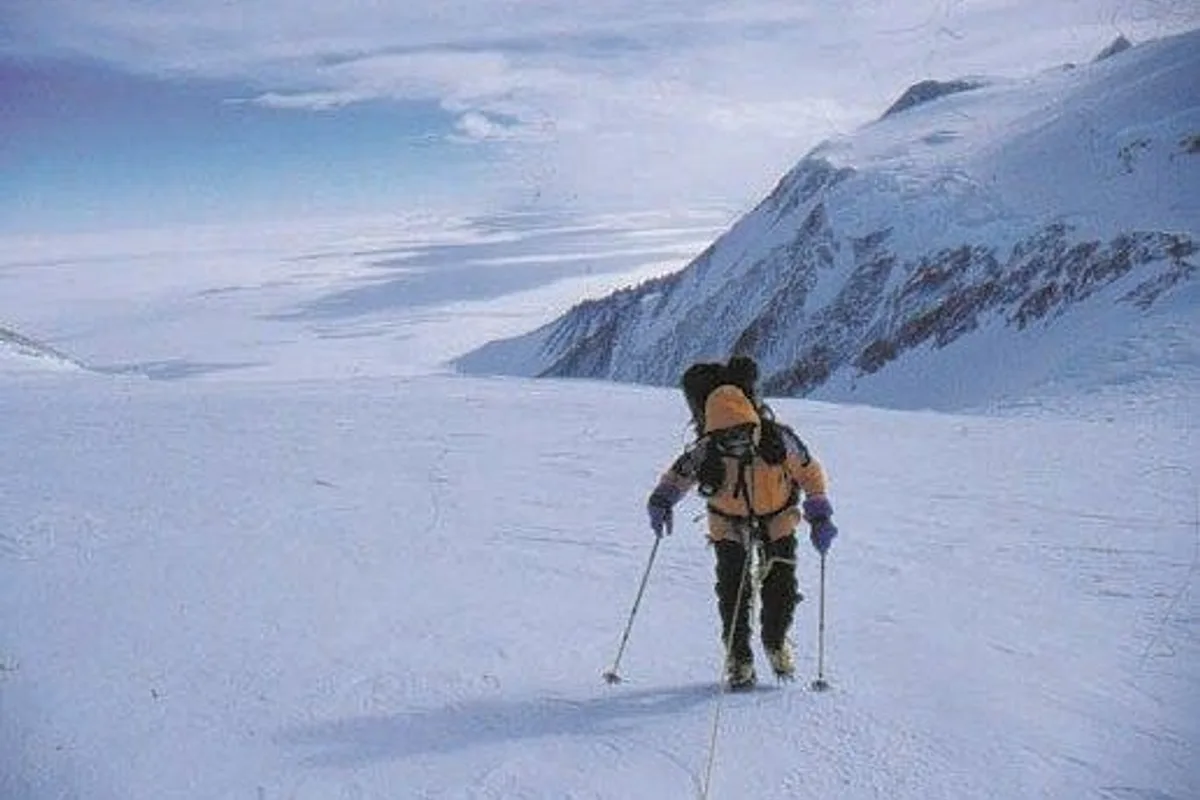
The Frozen Apex: The 1966 First Ascent of Mount Vinson
Nicholas Clinch and his ten-man American team conquer the continental roof of Antarctica in sub-zero polar storms.
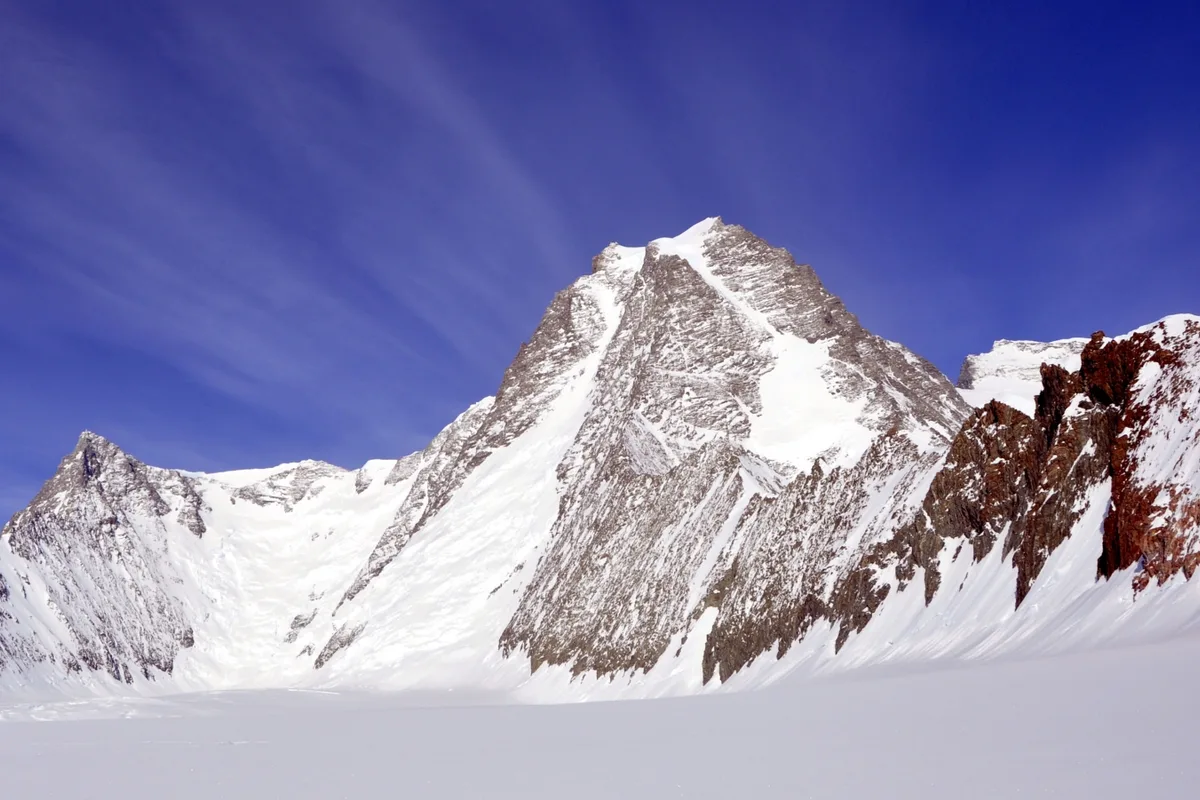
Antarctica's Hardest Peak: The 1967 First Ascent of Mount Tyree
Twenty-two continuous hours on a 2,000-metre frozen rock wall: Barry Corbet and John Evans conquer Mount Tyree in pure alpine style.
Documented Sources & Archival Citations
- The First Ascent of Mount Tyree(Barry Corbet & John Evans / American Alpine Journal)
Supporting claim: Primary technical report of the Northwest Face ascent
Accessed/Documented: 1967 - Antarctica: The Mountain Continents(American Alpine Club)
Supporting claim: Archival survey of the 1966-67 Sentinel Range first ascents
Accessed/Documented: 2016