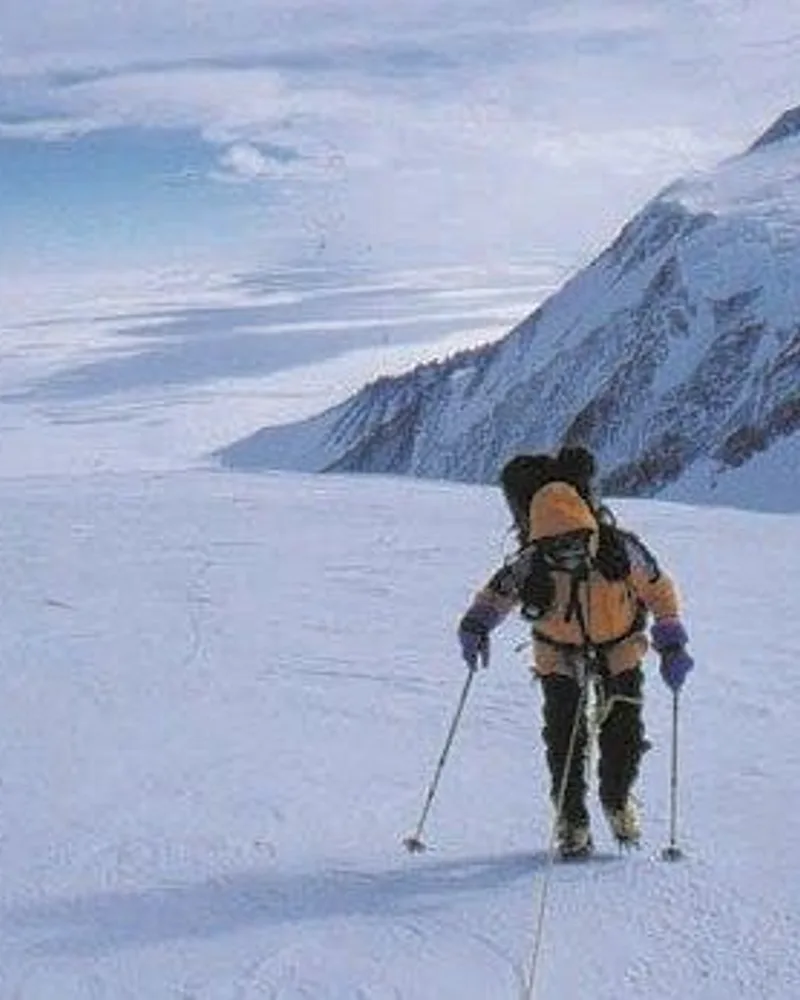
Nicholas Clinch
Nicholas Bayard Clinch III was an iconic American mountaineering leader, lawyer, author, and conservationist who organized and led the historic 1966–1967 American Antarctic Mountaineering Expedition that completed the maiden first ascent of Mount Vinson (4,892 m), the highest peak in Antarctica. Clinch remains the only American ever to have led the first ascent of an eight-thousander, having led the historic 1958 conquest of Gasherbrum I.
Mountain Safety & Conditions Disclaimer: High-altitude climbing, glacial travel, and technical ascents entail severe objective risks including avalanches, serac collapses, rapid weather collapse, and altitude illness. Historical route descriptions and summit claims on Mountanity reflect documented archival sources and must not be used as live operational safety assessments. Local regulations, permits, and physical glacial topography change continuously.
Peer Review: Senior Editorial Board & Historical Reviewers • Editorial Standards
Biographical Record & Archival Chronicle
Nicholas Bayard Clinch III was born on November 9, 1930, in Evanston, Illinois. Raised in Dallas, Texas, Clinch attended the New Mexico Military Institute before graduating from Stanford University in 1951, where he earned a law degree and discovered high-angle rock climbing with the Stanford Alpine Club in Yosemite and the Sierra Nevada. Possessing a rare genius for expedition diplomacy, fundraising, and organizational logistics, Clinch resolved in the late 1950s to organize an all-American assault in the high Karakoram.
In 1958, Clinch organized and led the historic American Karakoram Expedition that placed Pete Schoening and Andy Kauffman atop Gasherbrum I (Hidden Peak, 8,080 m) on July 5, 1958—the only maiden first ascent of an 8,000-metre peak ever achieved by an American team. In 1960, Clinch returned to Pakistan to lead the first ascent of Masherbrum (7,821 m).
In late 1966, Clinch spearheaded his greatest logistical masterpiece: the joint American Alpine Club, National Geographic Society, and US Navy American Antarctic Mountaineering Expedition. Transported into the unexplored Sentinel Range of the Ellsworth Mountains via ski-equipped LC-130 Hercules aircraft, Clinch led a ten-man team in sub-zero polar temperatures. On December 18, 1966, Clinch, Barry Corbet, John Evans, and Peter Anderson summited Mount Vinson (4,892 m), claiming the summit of Antarctica. Over the ensuing weeks, his expedition conquered Mount Tyree (4,852 m), Mount Shinn (4,660 m), and Mount Gardner (4,587 m) without a single serious injury.
Clinch served as President of the American Alpine Club (1968–1970) and executive director of the Sierra Club Foundation (1970–1981). In 2006, the US Advisory Committee on Antarctic Names designated Clinch Peak near Mount Vinson in his honour. He passed away on June 15, 2016, at age 85, revered as one of the towering statesmen of 20th-century world exploration.
Notable Milestones & Ascents
- Led and completed the maiden first ascent of Mount Vinson (4,892 m), highest peak in Antarctica, on December 18, 1966
- Organized the historic 1966–1967 Antarctic expedition that also made first ascents of Mount Tyree, Mount Shinn, and Mount Gardner
- Led the only American first ascent of an 8,000-metre peak: Gasherbrum I (8,080 m) on July 5, 1958
- Led the maiden first ascent of Masherbrum (7,821 m) in the Pakistani Karakoram in 1960
- Awarded the National Geographic La Gorce Medal (1967) and the AAC Gold Medal (2016)
Key Statistics & Topographic Figures
- Birth / Death
- 1930–2016
- Nationality
- United States
- Mount Vinson Ascent
- December 18, 1966 (Expedition Leader)
- Eight-Thousander FA
- Gasherbrum I (8,080 m) in 1958
- AAC Role
- President of the American Alpine Club (1968–1970)
Archival Primary Source Quotations
“Success on a great mountain belongs not to the man who plants the flag, but to the fellowship of everyone who carried the load.”
Defined Alpine Terminology & Concepts
- Expedition Diplomat
- A climbing leader skilled in international logistics, multi-agency coordination, and securing governmental expedition permits.
- Clinch Peak
- A prominent high-altitude peak in the Sentinel Range named in honour of Nicholas Clinch's leadership on Mount Vinson.
Frequently Asked Questions: Nicholas Clinch
Who was Nicholas Clinch?
Nicholas Bayard Clinch was an American mountaineering leader who led the maiden first ascents of Mount Vinson in Antarctica (1966) and Gasherbrum I in Pakistan (1958).
What major 8,000-metre peak first ascent did Nicholas Clinch lead?
Clinch organized and led the 1958 expedition that completed the only maiden first ascent of an 8,000-metre peak ever achieved by Americans on Gasherbrum I.
What peak in Antarctica is named after Nicholas Clinch?
Clinch Peak in the Sentinel Range near Mount Vinson was officially named in his honour by the US Advisory Committee on Antarctic Names.
Associated Summits (1)
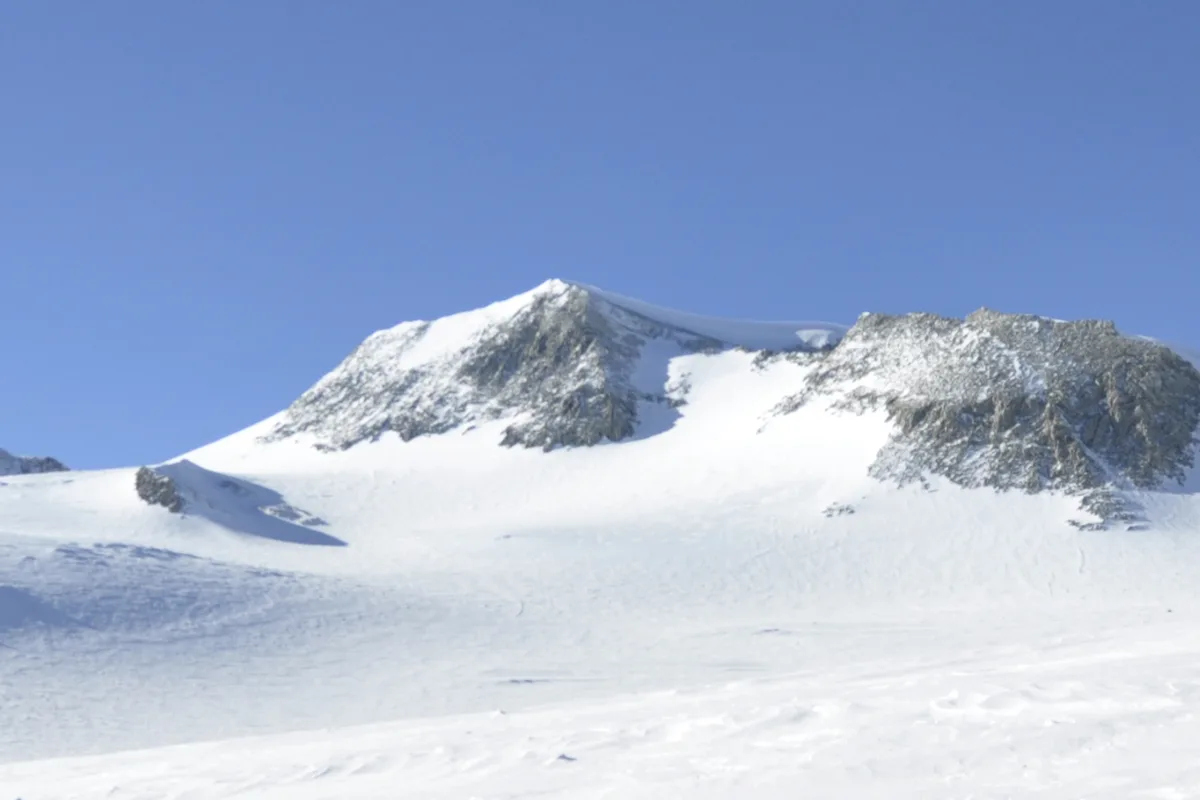

Mount Vinson / Vinson Massif
Mount Vinson is the highest peak in Antarctica at 4,892 metres (16,050 ft), situated in the Sentinel Range of the Ellsworth Mountains approximately 1,200 kilometres from the South Pole. As the summit of Antarctica, it forms one of the celebrated Seven Summits. First sighted by a US Navy aircraft in January 1958 and named after Georgia congressman Carl Vinson, the peak was conquered on December 18, 1966, by a team led by Nicholas Clinch and Barry Corbet during the historic American Antarctic Mountaineering Expedition. While technically moderate via the Branscomb Glacier, climbing Mount Vinson demands extreme endurance against temperatures plunging to -40°C and ferocious katabatic blizzards.
Pioneered & Associated Routes (1)
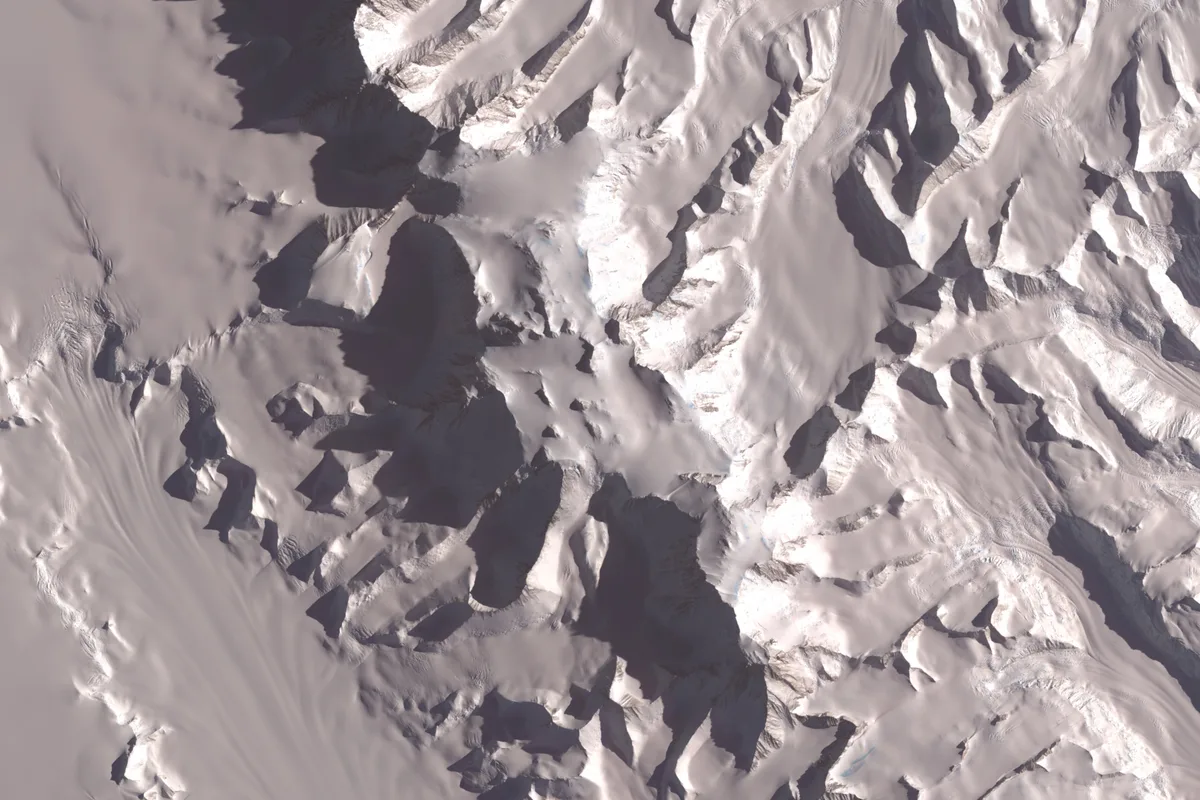
Normal Route of Mount Vinson (Branscomb Glacier Route)
The Normal Route on Mount Vinson ascends the gentle yet crevasse-riven Branscomb Glacier to gain the high saddle between Mount Shinn and Mount Vinson, continuing across the Vinson Plateau to the corniced rocky summit horn. First climbed in December 1966 by the American Antarctic Mountaineering Expedition led by Nicholas Clinch, it is the standard route for Seven Summits mountaineers. While technical climbing difficulty is moderate (Grade II alpine snow and 35° to 45° headwall ice), the objective is made profoundly serious by extreme polar cold (-40°C), ferocious katabatic gales, total geographic isolation, and the necessity of complete self-sufficiency.
Documented Expeditions (2)
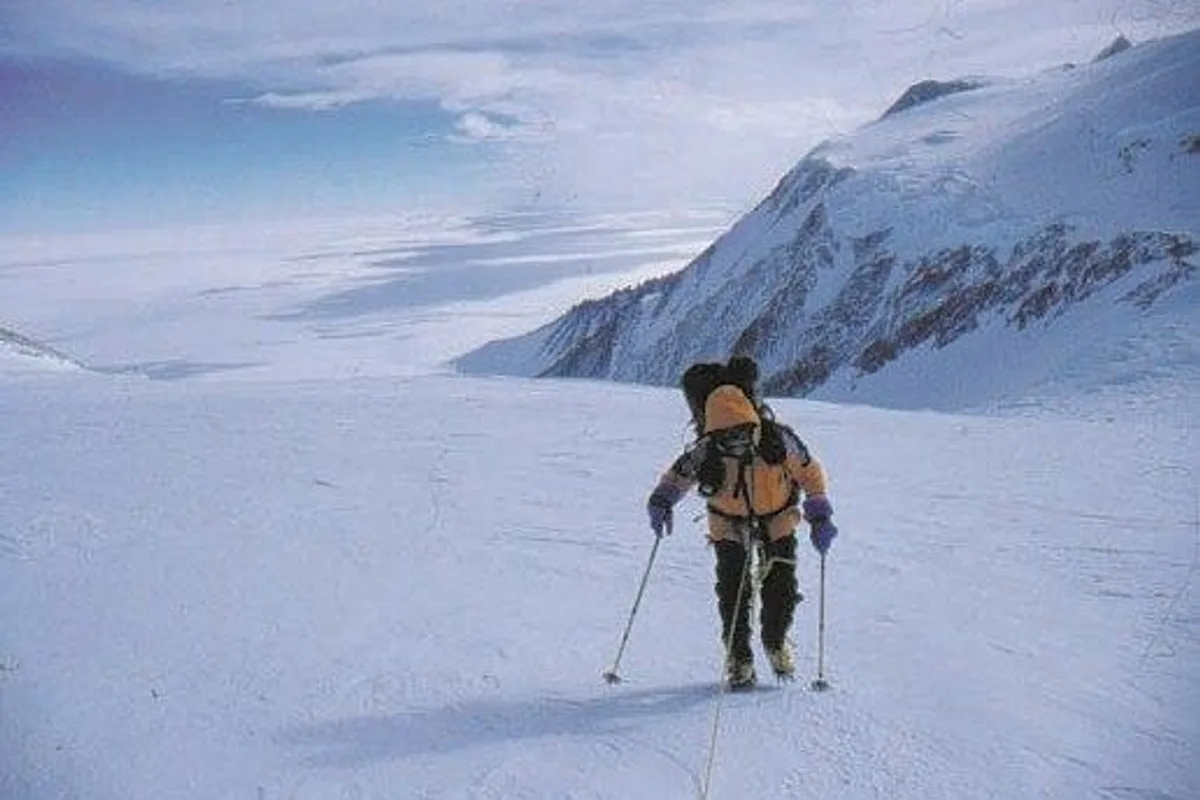
1966 Nicholas Clinch American Antarctic Expedition Historic First Ascent of Mount Vinson
On December 18, 1966, an elite four-man summit party—Nicholas Clinch, Barry Corbet, John Evans, and Peter Anderson—achieved the maiden first ascent of Mount Vinson (4,892 m), the highest point in Antarctica. Supported by the American Alpine Club, National Geographic, and the US Navy, the expedition placed all ten team members atop Vinson over consecutive days before conquering Mount Tyree and Mount Shinn in complete polar safety.
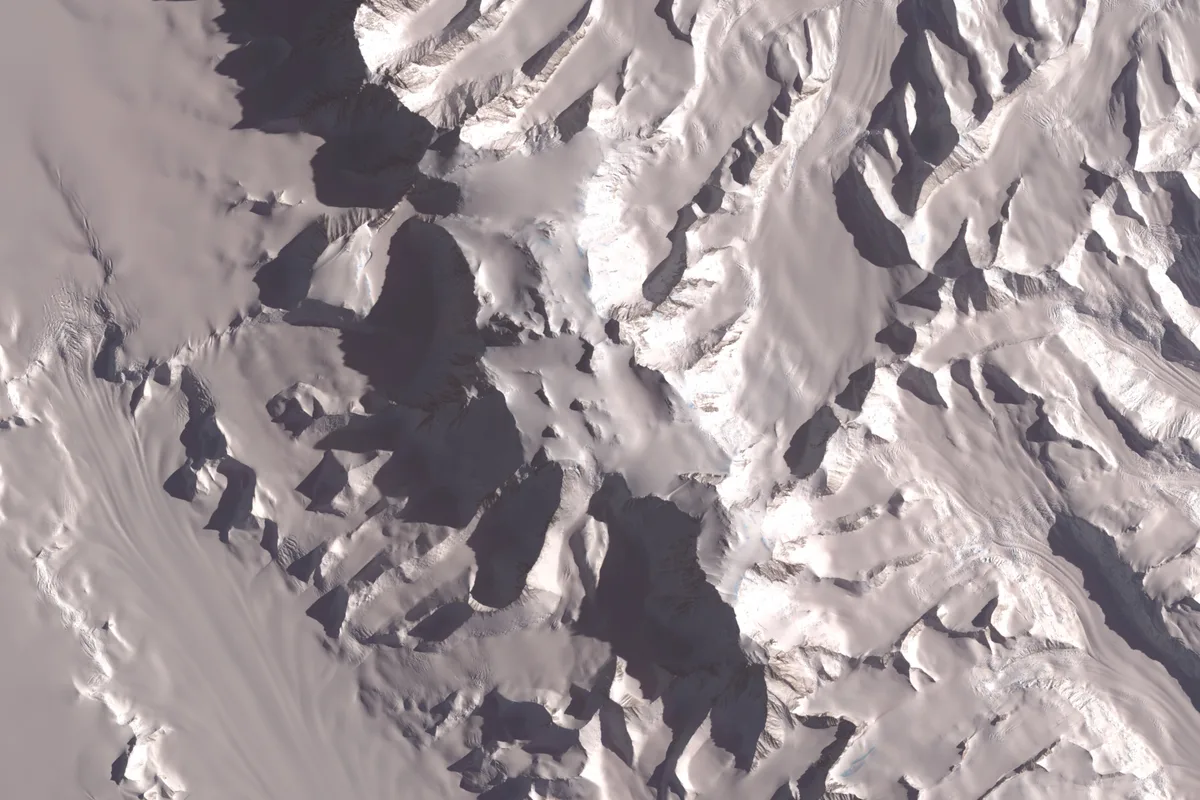
1985 Dick Bass Mount Vinson Ascent: Completion of the Original Seven Summits
On April 30, 1985, 55-year-old American businessman Dick Bass reached the summit of Mount Vinson (4,892 m) in Antarctica, accompanied by David Breashears and Giles Kershaw. The ascent finalized Bass's visionary quest to become the first human in history to conquer the highest mountain on each of the seven continents, establishing the Seven Summits as a global benchmark of endurance.
Associated Chronicles & Stories (2)
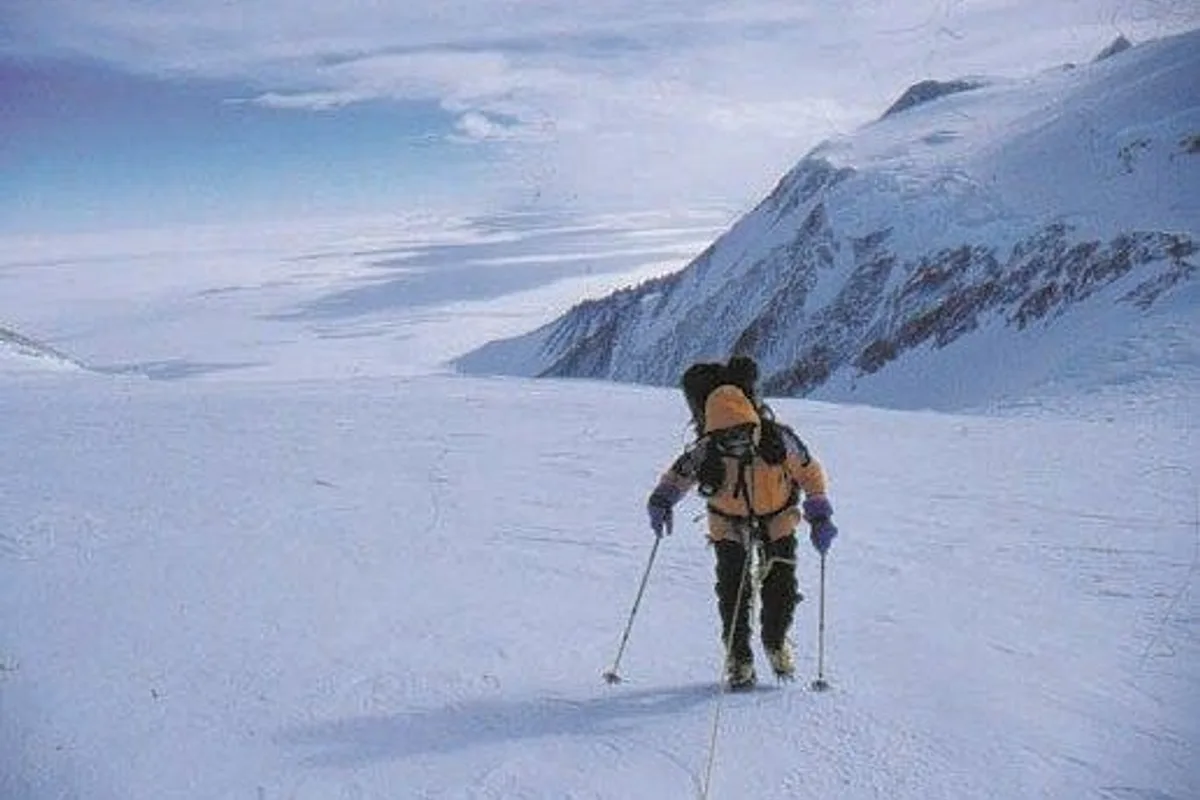
The Frozen Apex: The 1966 First Ascent of Mount Vinson
Nicholas Clinch and his ten-man American team conquer the continental roof of Antarctica in sub-zero polar storms.
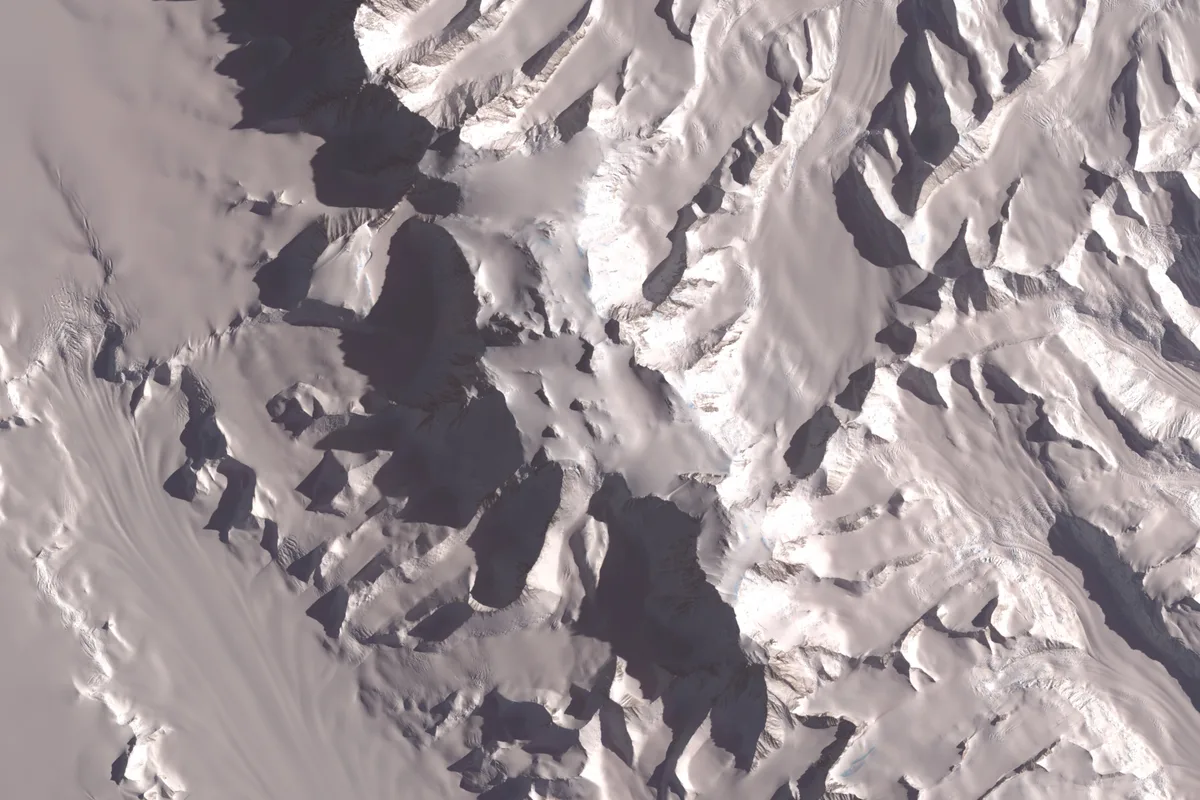
The Final Continent: Dick Bass & the Birth of the Seven Summits
How a 55-year-old Texas oilman conquered Mount Vinson on April 30, 1985, to complete the world's first Seven Summits quest.
Documented Sources & Archival Citations
- First Ascent of Mount Vinson, Antarctica(Nicholas Clinch / National Geographic)
Supporting claim: Firsthand official report of the 1966 Antarctic expedition
Accessed/Documented: 1967 - A Walk in the Sky: Climbing Hidden Peak(Nicholas Clinch / The Mountaineers Books)
Supporting claim: Classic expedition narrative of leading the 1958 Gasherbrum I first ascent
Accessed/Documented: 1982