
Antarctica
The frozen southern continent, governed under the international Antarctic Treaty as a scientific preserve dedicated to peace and exploration. Encased in ice sheets thousands of metres deep, Antarctica hosts the extreme polar summits of the Sentinel Range and Transantarctic Mountains, where climbers face sub-zero hurricane-force katabatic winds, relentless cold, and 24-hour midnight sun.
Peer Review: Senior Editorial Board & Historical Reviewers • Editorial Standards
Key Statistics & Topographic Figures
- Archive Classification
- COUNTRIES
Mountanity Knowledge Corpus
- Verification Status
- Editorially Verified
Archival Standards
- Citation Standard
- Primary Source Verified
Alpine Research Desk
Mountain Peaks in Antarctica
Technical profiles, elevations, and ascent histories for summits located in or spanning Antarctica.
Mount Vinson / Vinson Massif
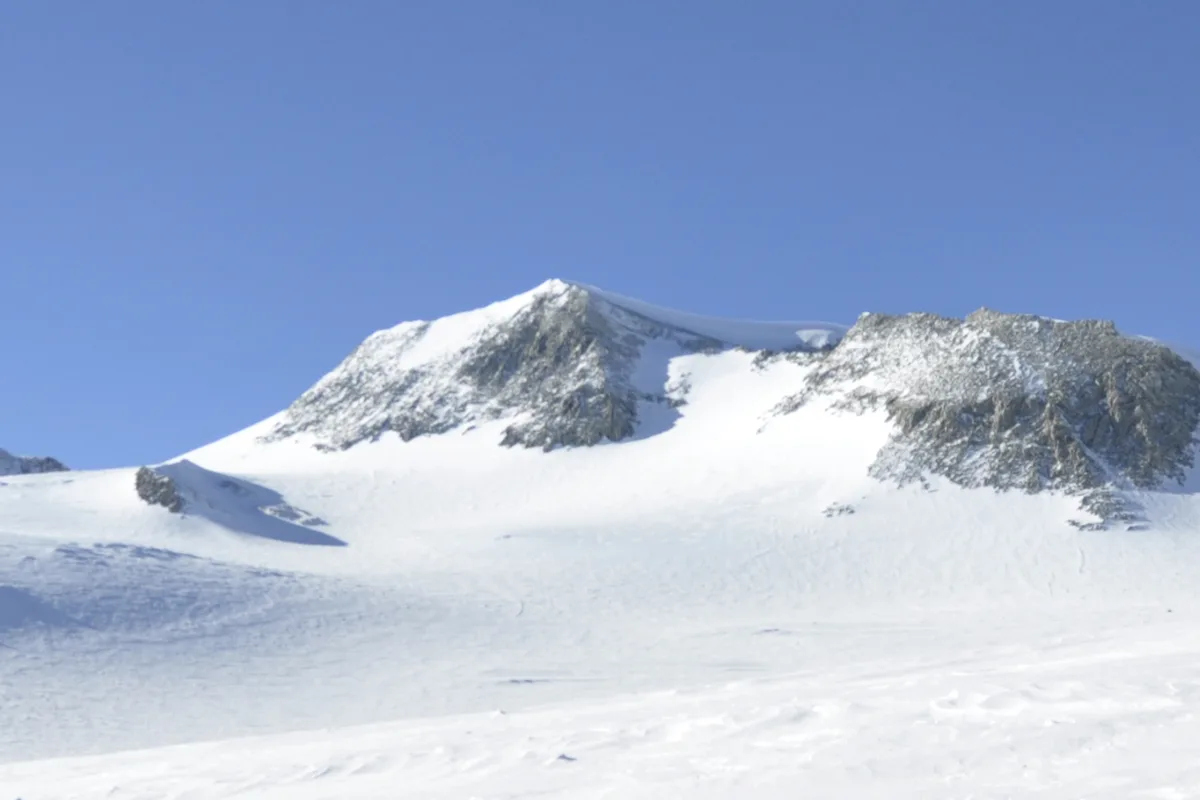
Mount Vinson is the highest peak in Antarctica at 4,892 metres (16,050 ft), situated in the Sentinel Range of the Ellsworth Mountains approximately 1,200 kilometres from the South Pole. As the summit of Antarctica, it forms one of the celebrated Seven Summits. First sighted by a US Navy aircraft in January 1958 and named after Georgia congressman Carl Vinson, the peak was conquered on December 18, 1966, by a team led by Nicholas Clinch and Barry Corbet during the historic American Antarctic Mountaineering Expedition. While technically moderate via the Branscomb Glacier, climbing Mount Vinson demands extreme endurance against temperatures plunging to -40°C and ferocious katabatic blizzards.
Mount Tyree
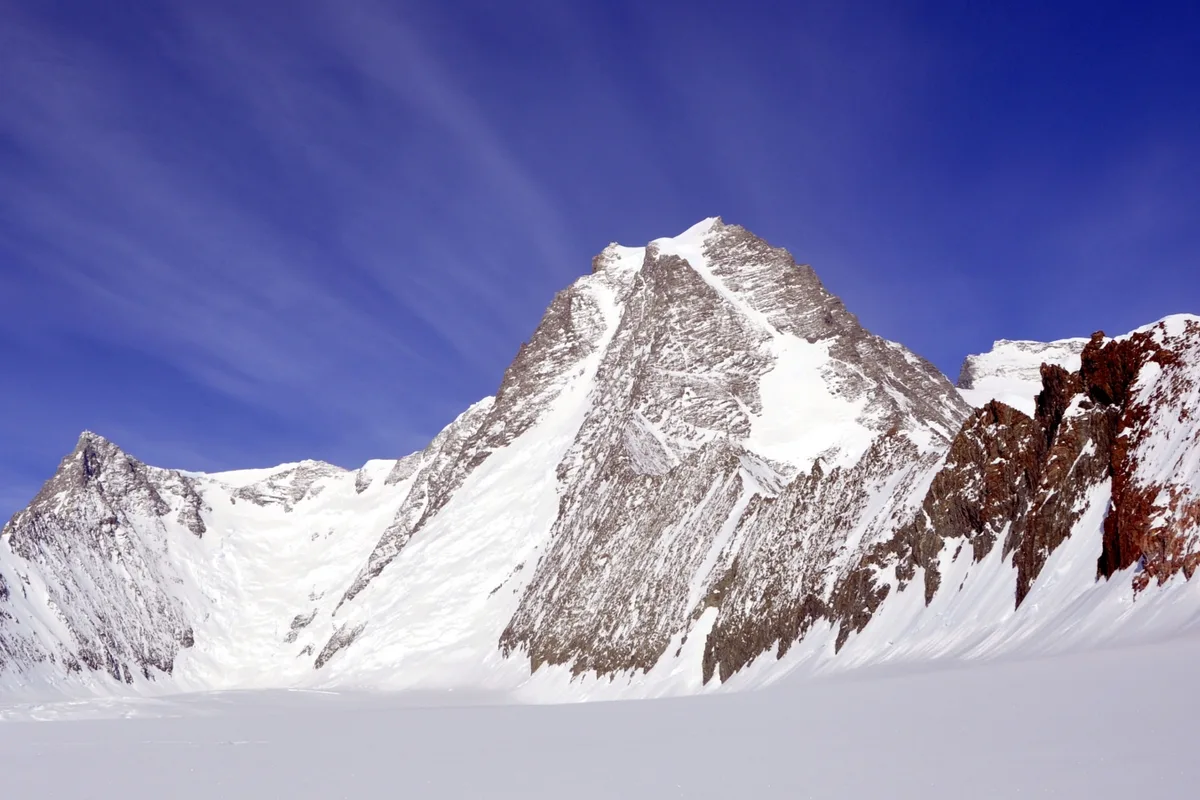
Mount Tyree is the second-highest mountain in Antarctica at 4,852 metres (15,919 ft), located just 13 kilometres northwest of Mount Vinson in the Sentinel Range. In stark contrast to the rounded, glaciated ramps of Mount Vinson, Mount Tyree is a terrifying, sheer horn of dark metamorphic rock and steep blue ice, rising over 2,000 metres directly from its surrounding glaciers. First ascended on January 6, 1967, by Barry Corbet and John Evans via the Northwest Face, it is widely acknowledged as the most technically demanding and formidable high peak in all of Antarctica, having seen fewer than twenty ascents in mountaineering history.
Mount Erebus
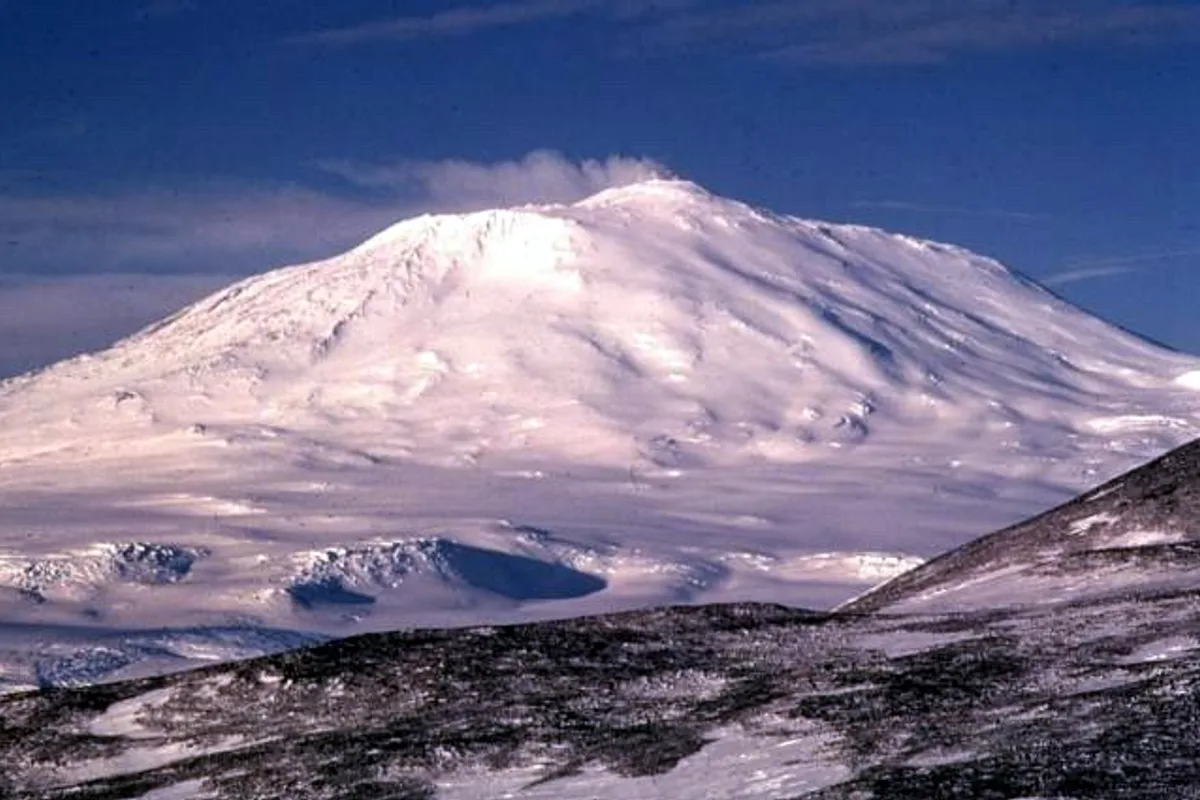
Mount Erebus is an active stratovolcano rising to 3,794 metres (12,448 ft) on Ross Island in Antarctica, making it the southernmost active volcano on Earth and the second-highest volcano in Antarctica. Famous for its persistent, bubbling phonolitic lava lake inside its inner crater and unique fumarolic ice towers (ice fumaroles), it was discovered in 1841 by Sir James Clark Ross. In March 1908, a six-man party led by Professor Edgeworth David and including Douglas Mawson and Raymond Priestley during Sir Ernest Shackleton's Nimrod Expedition achieved the heroic maiden first ascent, hauling sledges through ferocious polar blizzards to peer into the glowing volcanic abyss.
Mountain Ranges Spanning Antarctica
Geographic mountain massifs, regional topography, and glaciated chains within Antarctica.
Sentinel Range
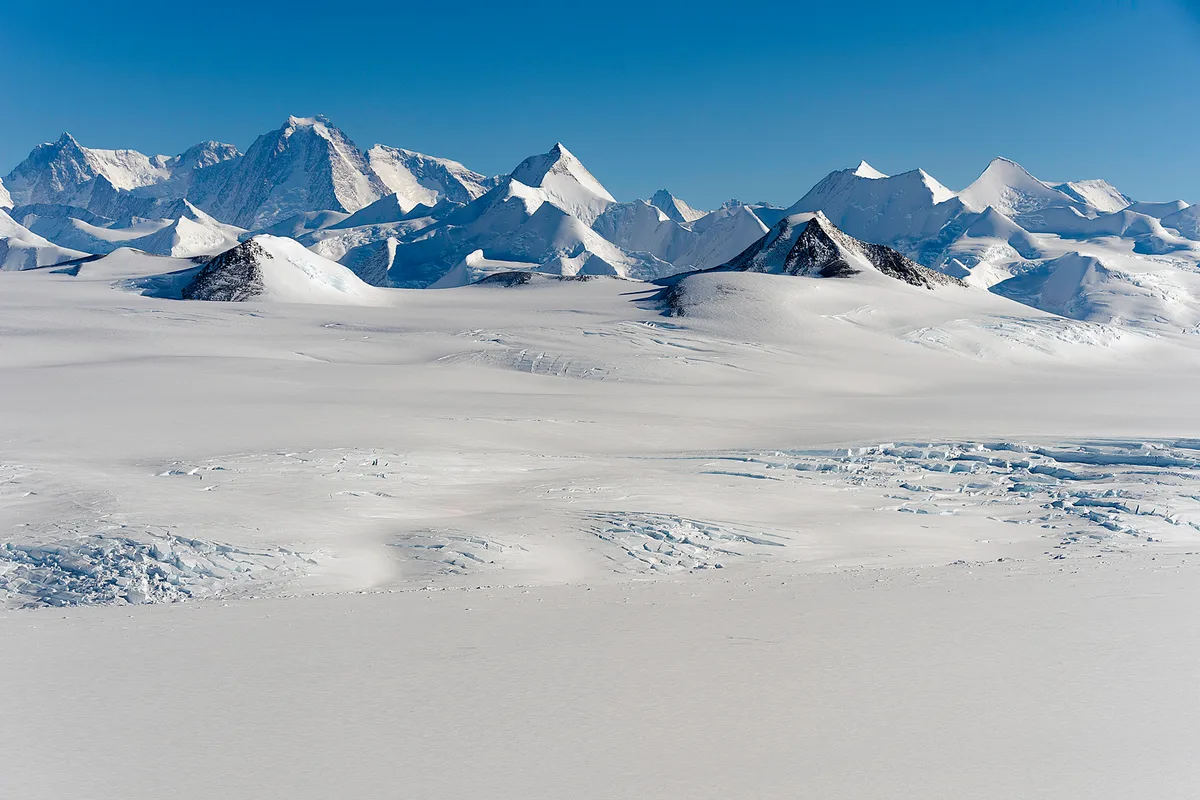
The Sentinel Range forms the majestic northern portion of the Ellsworth Mountains in West Antarctica. Overlooking the Ronne Ice Shelf, this glaciated polar range contains Antarctica's highest summits, including Mount Vinson (4,892 m) and the vertical rock ramparts of Mount Tyree (4,852 m). Discovered by Lincoln Ellsworth in 1935, the range is known for severe polar cold, katabatic storms, and pristine sub-zero glacier basins.
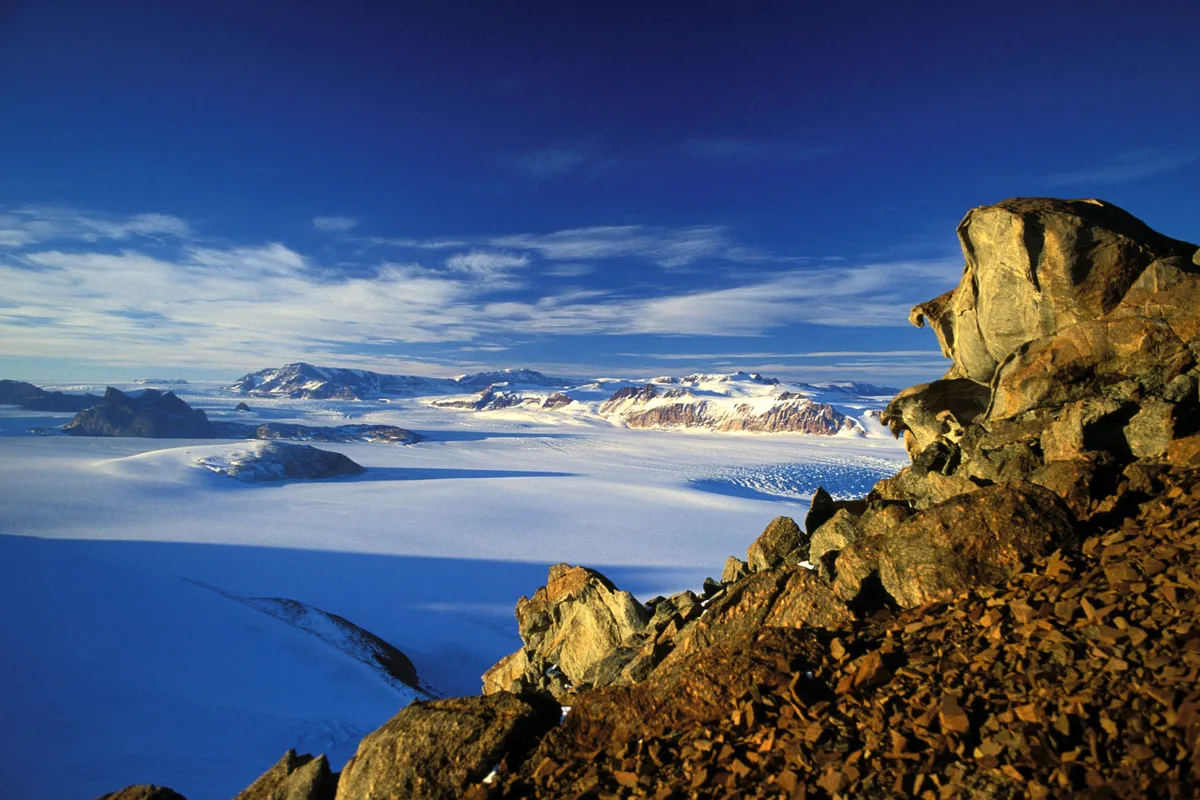
Transantarctic Mountains
The Transantarctic Mountains form one of the longest mountain chains on Earth, extending over 3,500 kilometres across the entire Antarctic continent to divide East Antarctica from West Antarctica. Flanked by the Ross Sea and massive outlet glaciers such as the Beardmore and Scott glaciers, the range includes the active volcanic systems of Ross Island, crowned by Mount Erebus (3,794 m), the southernmost active volcano on planet Earth.
Documented Climbing Routes
Classic lines of ascent, technical difficulties, and objective hazards across Antarctica's summits.
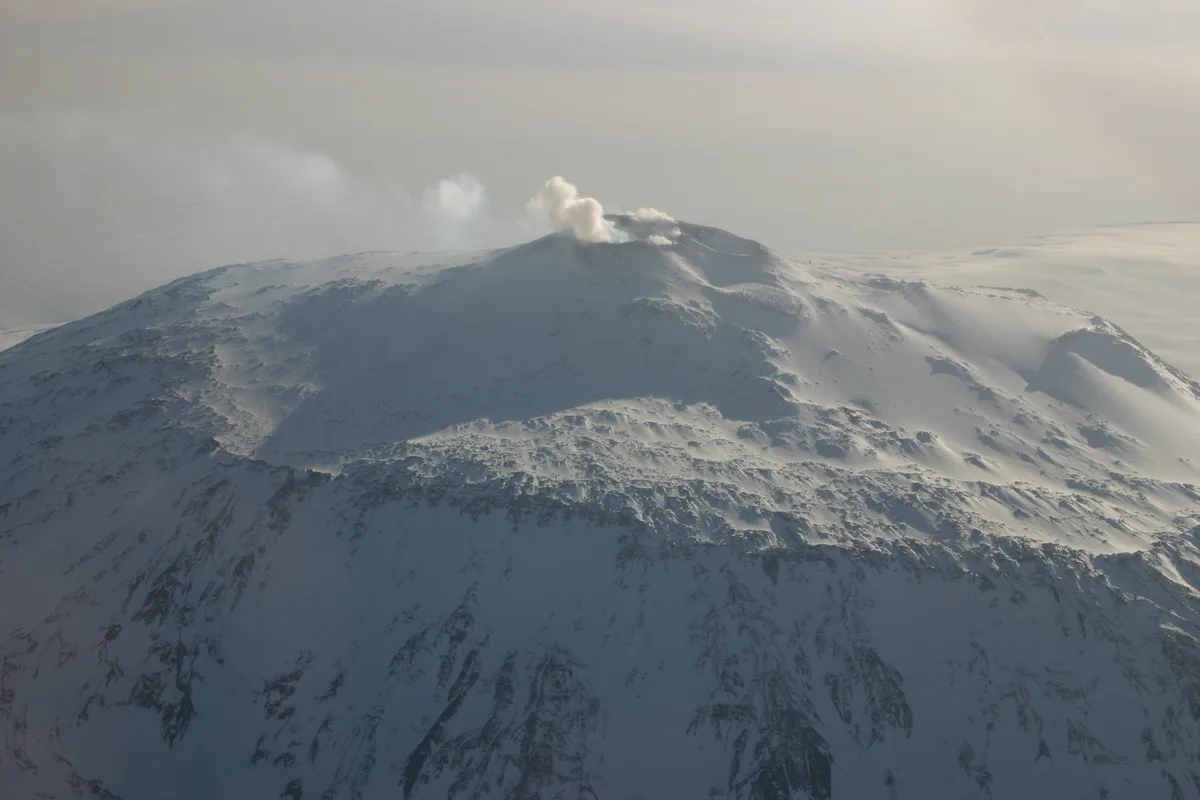
Caldera Rim & Fang Ridge Route of Mount Erebus
The Caldera Rim Route is the historic ascent line up Mount Erebus (3,794 m), the southernmost active volcano on Earth. Ascending from Cape Royds across the slopes of Fang Glacier and the shattered remnants of the caldera wall known as Fang Ridge, the route traverses vast fields of spectacular, geothermal ice fumaroles (ice chimneys) before reaching the outer caldera rim at 3,500 metres. From there, climbers traverse to the active inner crater rim (3,794 m) overlooking the world's only permanent open phonolite lava lake. First completed on March 10, 1908, by Edgeworth David, Douglas Mawson, and Raymond Priestley during Shackleton's Nimrod expedition, it combines extreme polar wilderness exploration with active volcanology.
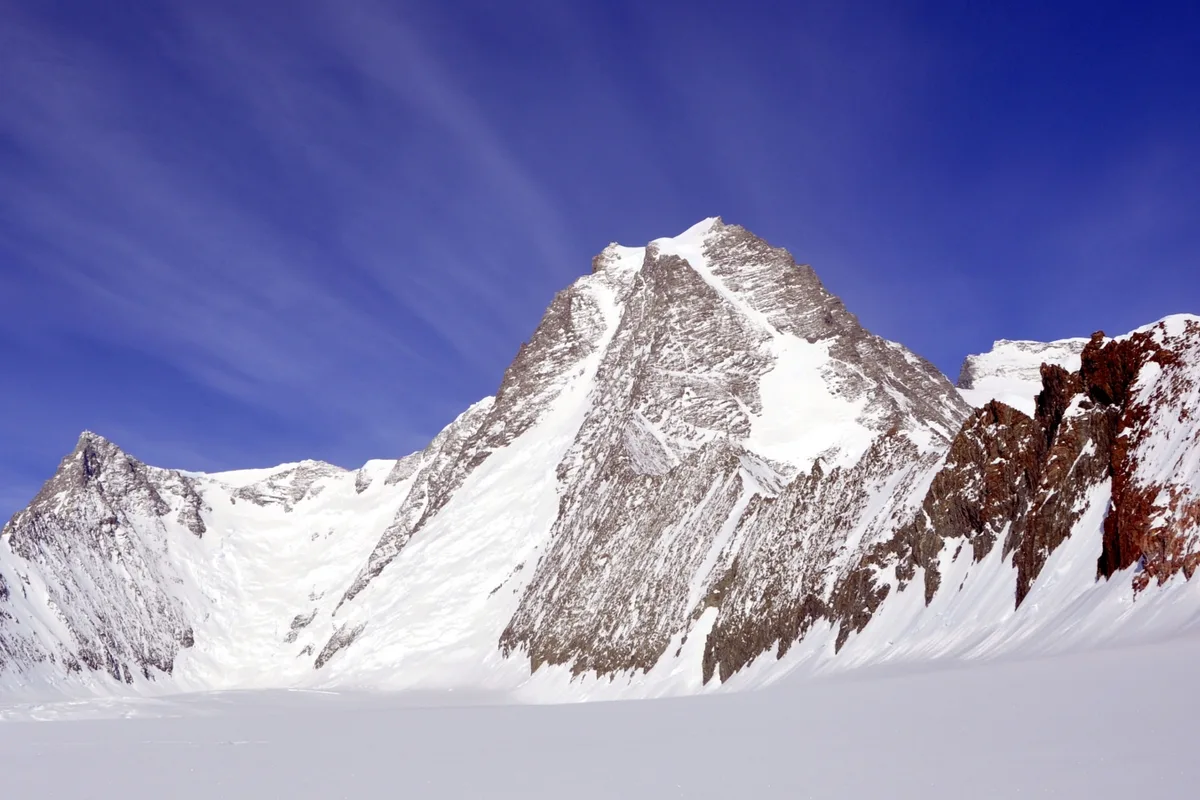
Northwest Face of Mount Tyree (Corbet-Evans Route)
The Northwest Face is the legendary maiden route up Mount Tyree (4,852 m), the second-highest and most difficult mountain in Antarctica. Established on January 6, 1967, by Barry Corbet and John Evans, the route tackles a 2,000-metre vertical wall of shattered granite, steep snow couloirs, and brittle blue ice pitches (Grade IV, 5.8 rock and 55° ice). Pushed in a single continuous 22-hour assault in sub-zero polar temperatures without fixed ropes or camps on the face, it stands as one of the finest bold alpine achievements in polar history.
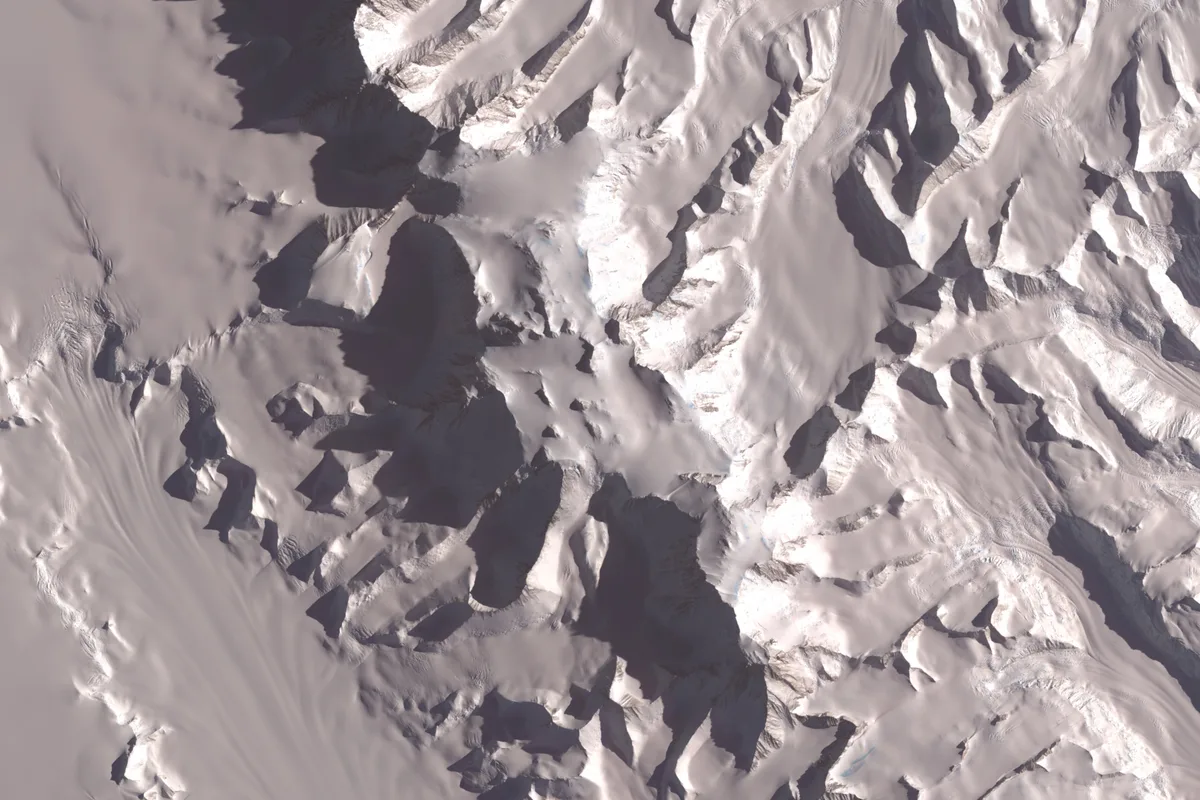
Normal Route of Mount Vinson (Branscomb Glacier Route)
The Normal Route on Mount Vinson ascends the gentle yet crevasse-riven Branscomb Glacier to gain the high saddle between Mount Shinn and Mount Vinson, continuing across the Vinson Plateau to the corniced rocky summit horn. First climbed in December 1966 by the American Antarctic Mountaineering Expedition led by Nicholas Clinch, it is the standard route for Seven Summits mountaineers. While technical climbing difficulty is moderate (Grade II alpine snow and 35° to 45° headwall ice), the objective is made profoundly serious by extreme polar cold (-40°C), ferocious katabatic gales, total geographic isolation, and the necessity of complete self-sufficiency.
Historic Expeditions & First Ascents
Epoch-making sieges and triumphant summits recorded within Antarctica's alpine history.
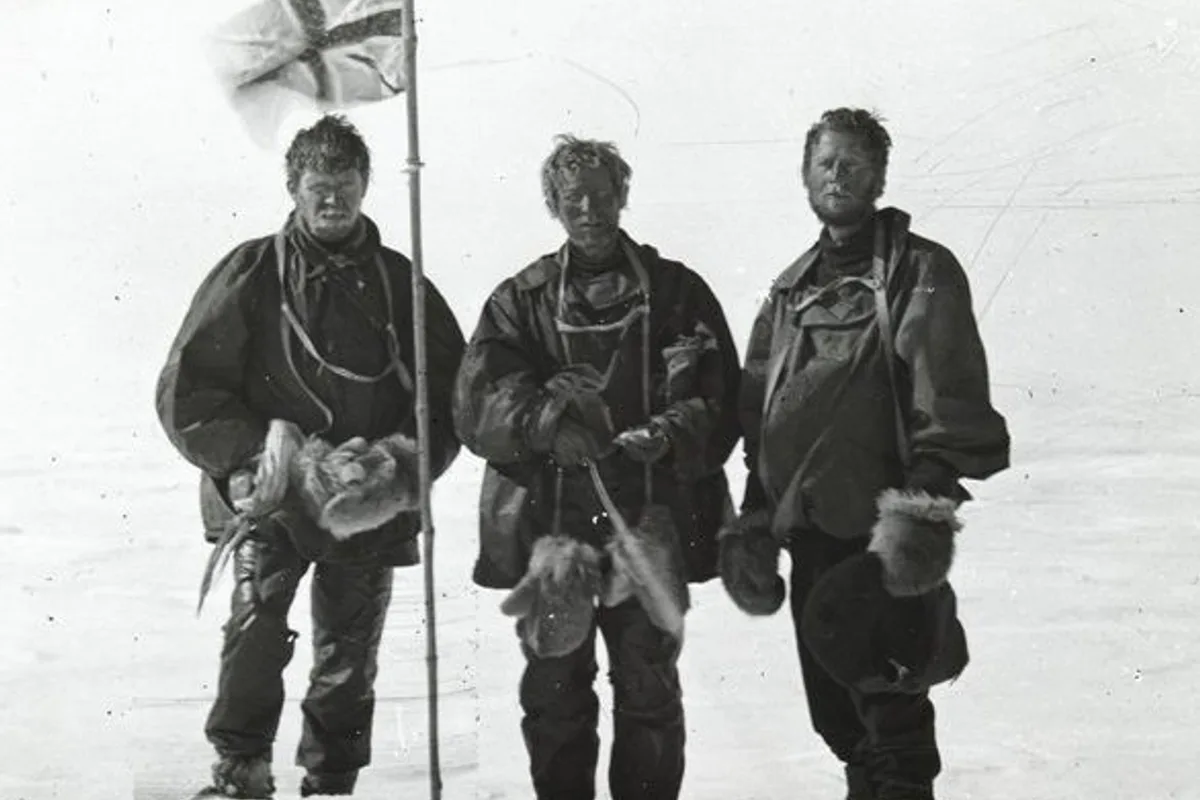
1908 Edgeworth David, Douglas Mawson and Raymond Priestley Historic First Ascent of Mount Erebus
On March 10, 1908, a six-man party from Sir Ernest Shackleton's British Antarctic (Nimrod) Expedition—led by 50-year-old Professor Edgeworth David and including Douglas Mawson and 21-year-old geologist Raymond Priestley—achieved the maiden first ascent of Mount Erebus (3,794 m). Hauling heavy sledges across icy volcanic slopes and enduring a multi-day blizzard at sub-zero temperatures, the climbers reached the active caldera lip to peer into the bubbling molten lava lake.
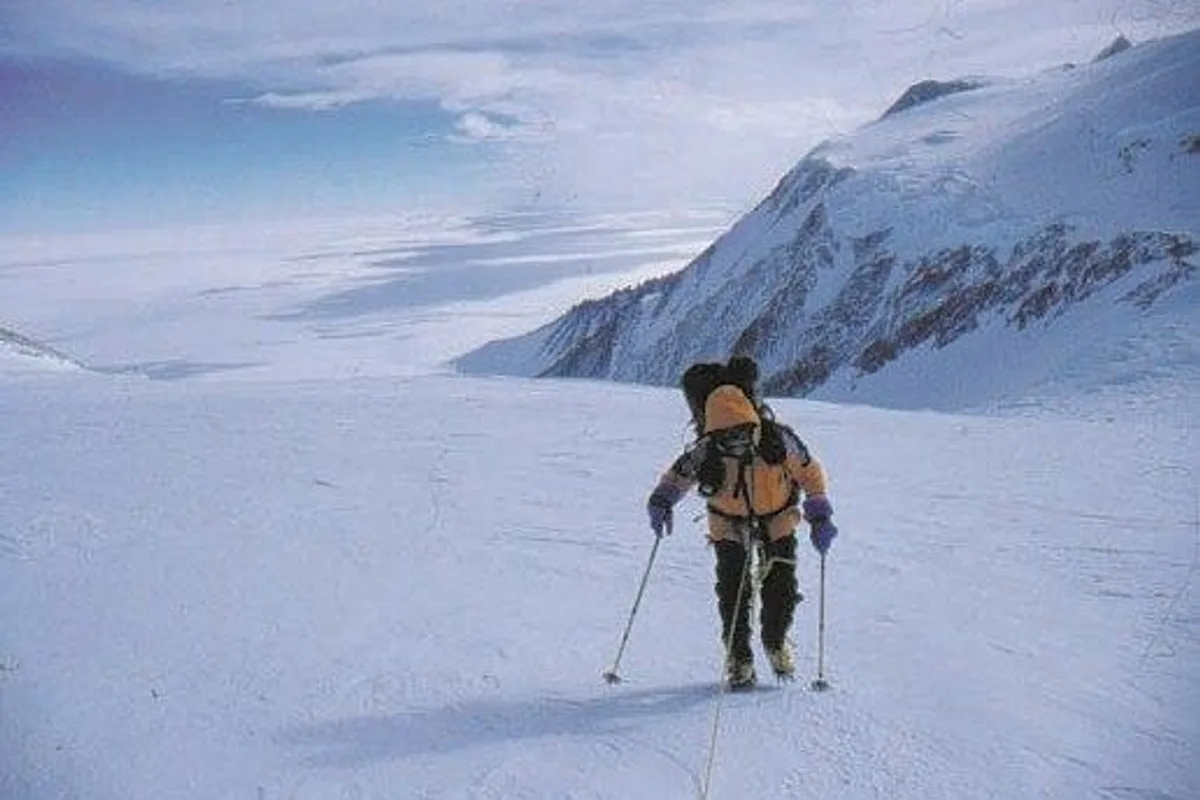
1966 Nicholas Clinch American Antarctic Expedition Historic First Ascent of Mount Vinson
On December 18, 1966, an elite four-man summit party—Nicholas Clinch, Barry Corbet, John Evans, and Peter Anderson—achieved the maiden first ascent of Mount Vinson (4,892 m), the highest point in Antarctica. Supported by the American Alpine Club, National Geographic, and the US Navy, the expedition placed all ten team members atop Vinson over consecutive days before conquering Mount Tyree and Mount Shinn in complete polar safety.
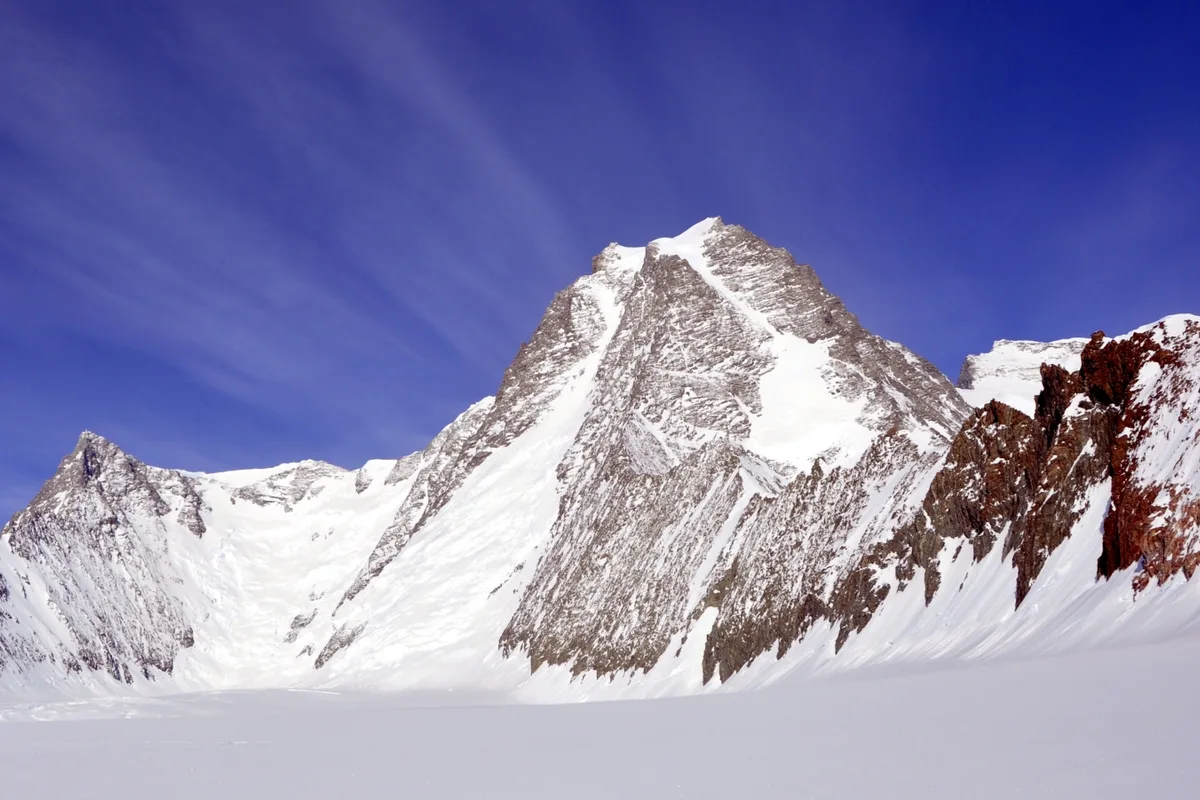
1967 Barry Corbet and John Evans Historic First Ascent of Mount Tyree
On January 6, 1967, American mountaineers Barry Corbet and John Evans completed the legendary maiden first ascent of Mount Tyree (4,852 m) via its daunting 2,000-metre Northwest Face. Pushed in a single continuous 22-hour alpine-style assault in -35°C polar cold, the pair conquered vertical 5.8 granite rock and 55° blue ice without fixed ropes, achieving one of the greatest technical climbs in polar history.
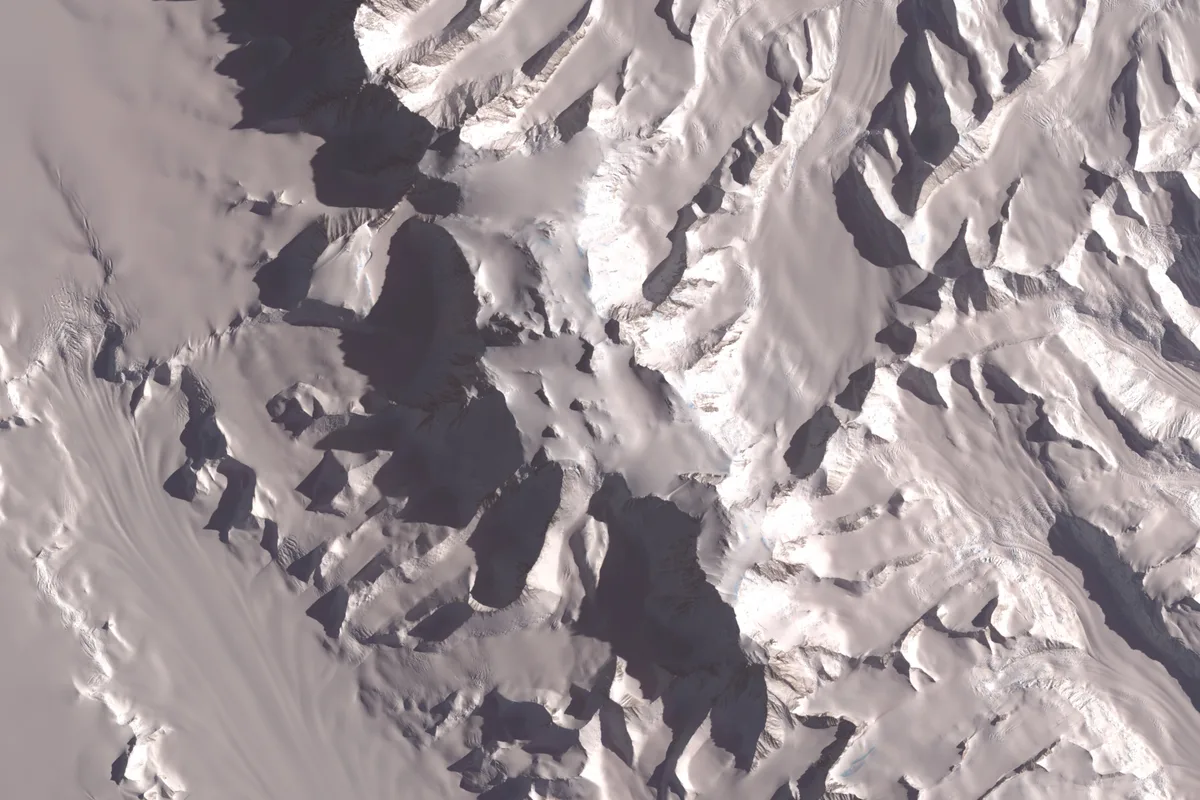
1985 Dick Bass Mount Vinson Ascent: Completion of the Original Seven Summits
On April 30, 1985, 55-year-old American businessman Dick Bass reached the summit of Mount Vinson (4,892 m) in Antarctica, accompanied by David Breashears and Giles Kershaw. The ascent finalized Bass's visionary quest to become the first human in history to conquer the highest mountain on each of the seven continents, establishing the Seven Summits as a global benchmark of endurance.
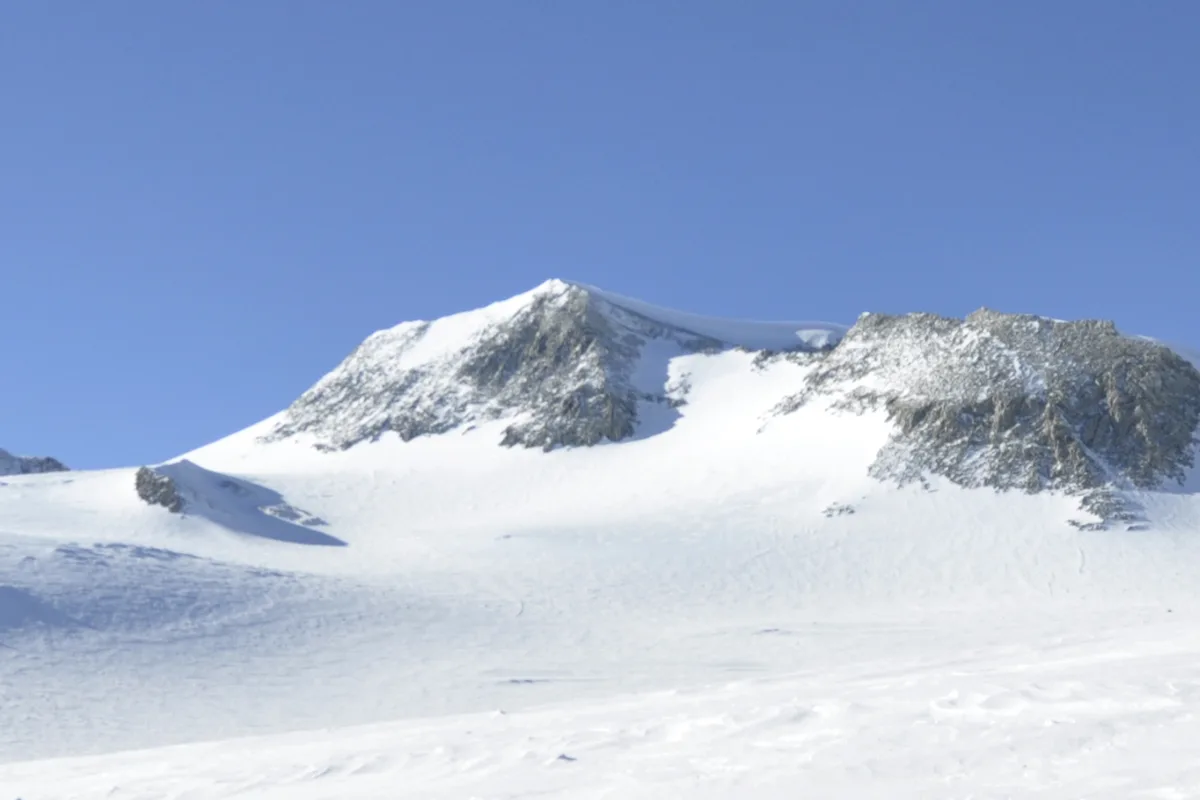
1986 Reinhold Messner Mount Vinson Ascent: The Messner Seven Summits
On December 3, 1986, legendary alpine purist Reinhold Messner reached the summit of Mount Vinson (4,892 m) in Antarctica. Coming just weeks after completing his historic conquest of all fourteen 8,000-metre peaks, Messner's ascent of Vinson finalized the 'Messner List' of the Seven Summits, advocating for Australasia's technical Carstensz Pyramid over Australia's walk-up Mount Kosciuszko.
Archival Primary Source Quotations
“Great things are done when men and mountains meet; this is not done by jostling in the street.”
Defined Alpine Terminology & Concepts
- Archival Integrity
- The standard of verifying historical mountain facts, summit claims, and altitudes using primary expeditions journals and geodetic measurements.
Frequently Asked Questions: Antarctica Mountaineering
What historical significance does this countrie hold?
Antarctica represents an essential chapter in global mountaineering heritage, verified through contemporary expedition journals and archival sources.
How are the facts and records for Antarctica verified?
All records are checked against peer-reviewed journals, national alpine clubs, geodetic surveys, and the Mountanity Archival Integrity Policy.