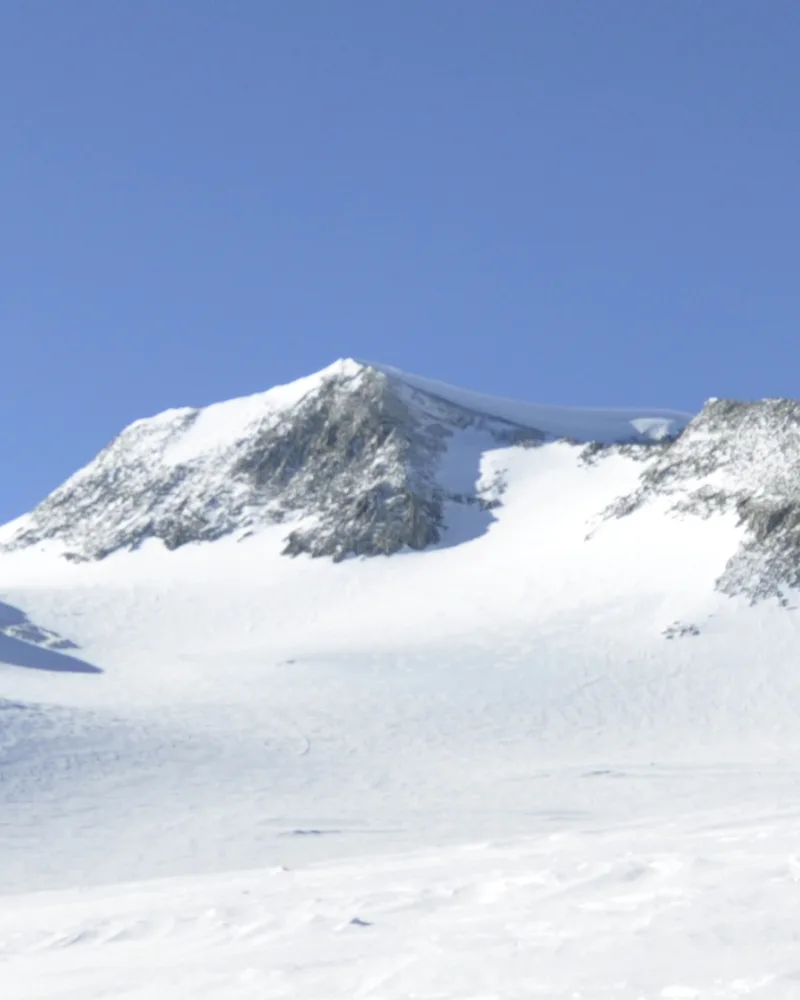
Peter Anderson
J. Peter Anderson is an American glaciologist, polar scientist, and mountaineer who reached the summit of Mount Vinson (4,892 m) on December 18, 1966, during its historic maiden first ascent with Nicholas Clinch, Barry Corbet, and John Evans. Anderson's scientific measurements provided foundational glaciological data on the ice sheet dynamics of the Ellsworth Mountains.
Mountain Safety & Conditions Disclaimer: High-altitude climbing, glacial travel, and technical ascents entail severe objective risks including avalanches, serac collapses, rapid weather collapse, and altitude illness. Historical route descriptions and summit claims on Mountanity reflect documented archival sources and must not be used as live operational safety assessments. Local regulations, permits, and physical glacial topography change continuously.
Peer Review: Senior Editorial Board & Historical Reviewers • Editorial Standards
Biographical Record & Archival Chronicle
J. Peter Anderson was born in the United States and educated in geology and polar glaciology. Working with the Institute of Polar Studies at Ohio State University and the United States Antarctic Research Program (USARP), Anderson conducted extensive seismic and ice-coring research across Queen Maud Land and Marie Byrd Land in the early 1960s.
Recognizing that an Antarctic mountaineering expedition required rigorous polar scientific capabilities to secure US Navy logistical flight support, expedition leader Nicholas Clinch invited Anderson to serve as chief scientist on the 1966–1967 American Antarctic Mountaineering Expedition. Anderson proved to be as robust an alpine climber as he was a meticulous scientist.
On December 18, 1966, Anderson stood atop Mount Vinson (4,892 m) alongside Clinch, Corbet, and Evans, helping plant the flags of the twelve Antarctic Treaty nations on the continental summit. Over the following weeks, Anderson recorded barometric elevations, studied ice temperatures, and participated in the first ascent of Mount Shinn (4,660 m). In recognition of his polar scientific and exploratory achievements, the US Board on Geographic Names named Anderson Peak (4,254 m) in the Sentinel Range in his honour.
Notable Milestones & Ascents
- Maiden first ascent of Mount Vinson (4,892 m) on December 18, 1966
- Conducted pioneering glaciological surveys of the Sentinel Range icefields
- Co-first ascent of Mount Shinn (4,660 m) in Antarctica
- Namesake of Anderson Peak (4,254 m) in the Ellsworth Mountains
Key Statistics & Topographic Figures
- Nationality
- United States
- Mount Vinson FA
- December 18, 1966
- Scientific Role
- Chief Glaciologist, 1966 AMEE
- Institution
- Institute of Polar Studies, Ohio State
- Namesake Feature
- Anderson Peak (4,254 m)
Archival Primary Source Quotations
“To study ice in Antarctica is to read the deep climate history of our planet written in frozen crystal layers.”
Defined Alpine Terminology & Concepts
- Glaciological Survey
- The scientific measurement and analysis of glacier movements, ice temperatures, accumulation, and ablation rates.
- Anderson Peak
- A prominent 4,254-metre mountain in the Sentinel Range named after polar scientist J. Peter Anderson.
Frequently Asked Questions: Peter Anderson
Who was Peter Anderson on the 1966 Mount Vinson expedition?
J. Peter Anderson was an American polar glaciologist and mountaineer who reached the summit of Mount Vinson on its maiden first ascent on December 18, 1966.
What scientific research did Peter Anderson conduct in Antarctica?
Anderson conducted pioneering seismic ice-coring surveys and measured glacial ice dynamics across the Ellsworth Mountains and Marie Byrd Land.
What peak is named after Peter Anderson?
Anderson Peak (4,254 metres) in the Sentinel Range was named in his honour by the US Board on Geographic Names.
Associated Summits (1)
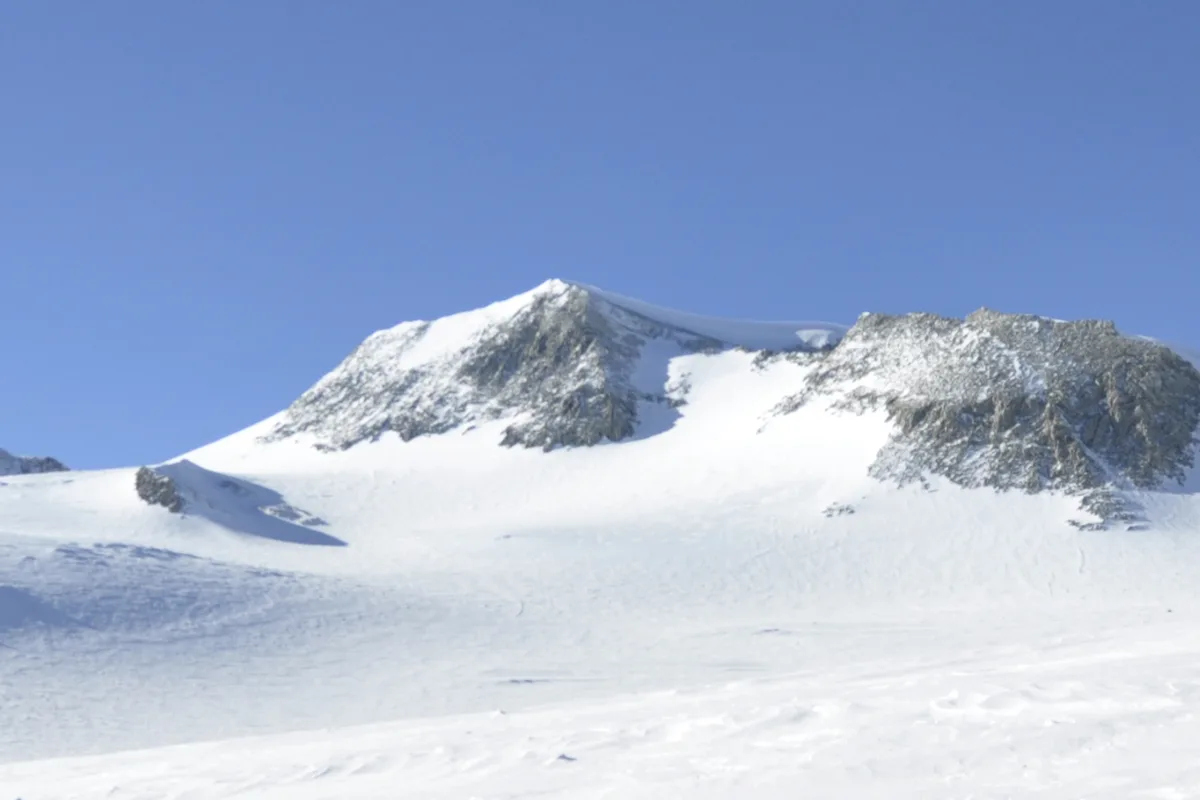

Mount Vinson / Vinson Massif
Mount Vinson is the highest peak in Antarctica at 4,892 metres (16,050 ft), situated in the Sentinel Range of the Ellsworth Mountains approximately 1,200 kilometres from the South Pole. As the summit of Antarctica, it forms one of the celebrated Seven Summits. First sighted by a US Navy aircraft in January 1958 and named after Georgia congressman Carl Vinson, the peak was conquered on December 18, 1966, by a team led by Nicholas Clinch and Barry Corbet during the historic American Antarctic Mountaineering Expedition. While technically moderate via the Branscomb Glacier, climbing Mount Vinson demands extreme endurance against temperatures plunging to -40°C and ferocious katabatic blizzards.
Pioneered & Associated Routes (1)
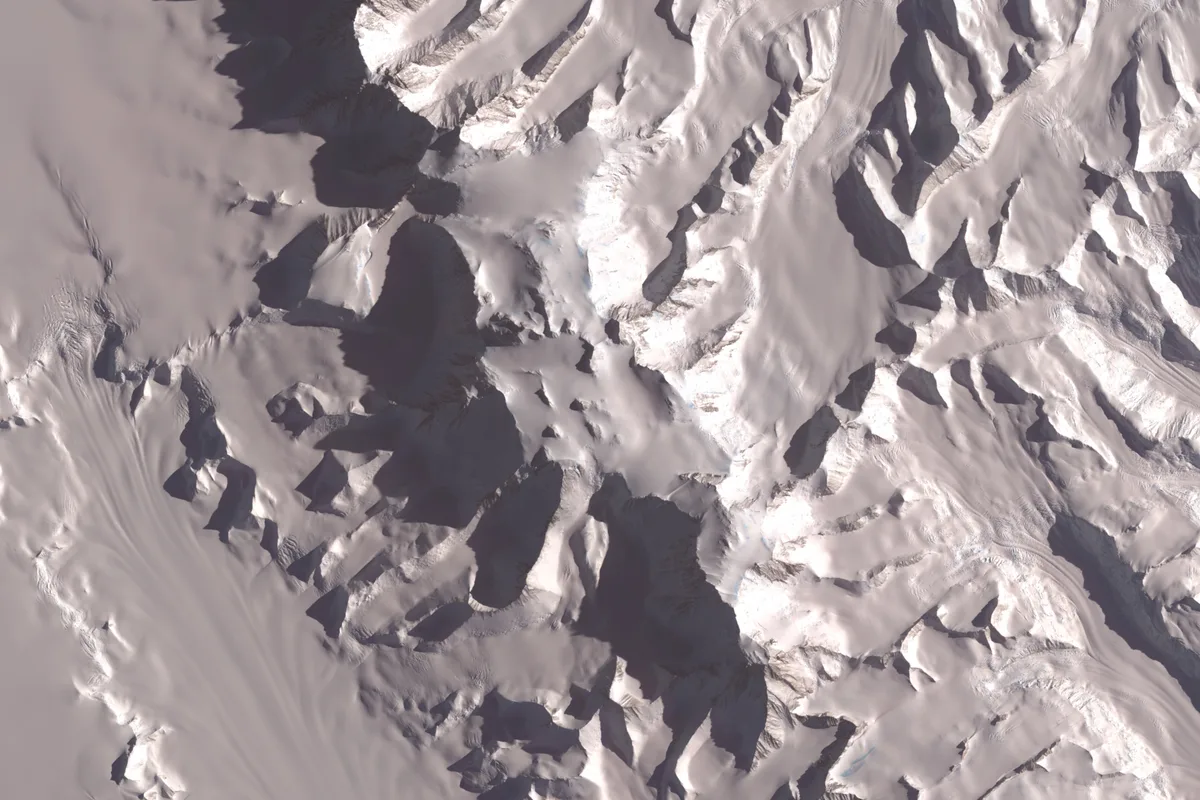
Normal Route of Mount Vinson (Branscomb Glacier Route)
The Normal Route on Mount Vinson ascends the gentle yet crevasse-riven Branscomb Glacier to gain the high saddle between Mount Shinn and Mount Vinson, continuing across the Vinson Plateau to the corniced rocky summit horn. First climbed in December 1966 by the American Antarctic Mountaineering Expedition led by Nicholas Clinch, it is the standard route for Seven Summits mountaineers. While technical climbing difficulty is moderate (Grade II alpine snow and 35° to 45° headwall ice), the objective is made profoundly serious by extreme polar cold (-40°C), ferocious katabatic gales, total geographic isolation, and the necessity of complete self-sufficiency.
Documented Expeditions (1)
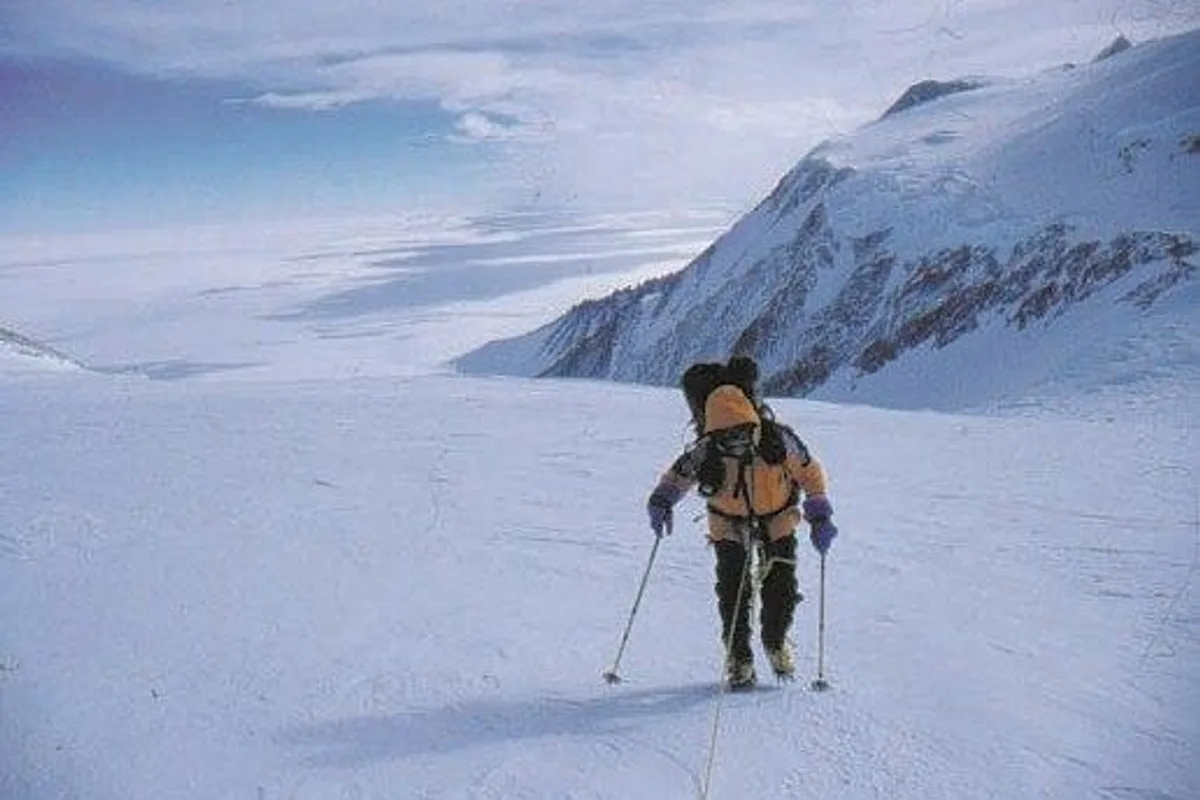
1966 Nicholas Clinch American Antarctic Expedition Historic First Ascent of Mount Vinson
On December 18, 1966, an elite four-man summit party—Nicholas Clinch, Barry Corbet, John Evans, and Peter Anderson—achieved the maiden first ascent of Mount Vinson (4,892 m), the highest point in Antarctica. Supported by the American Alpine Club, National Geographic, and the US Navy, the expedition placed all ten team members atop Vinson over consecutive days before conquering Mount Tyree and Mount Shinn in complete polar safety.
Documented Sources & Archival Citations
- First Ascent of Mount Vinson(National Geographic Magazine)
Supporting claim: Official expedition account and scientific survey of the 1966 ascent
Accessed/Documented: 1967 - Glaciological Investigations in the Ellsworth Mountains(Ohio State University Research Foundation)
Supporting claim: Scientific field data recorded by Anderson on Vinson Massif
Accessed/Documented: 1968