Normal Route of Mount Vinson (Branscomb Glacier Route)
The Normal Route on Mount Vinson ascends the gentle yet crevasse-riven Branscomb Glacier to gain the high saddle between Mount Shinn and Mount Vinson, continuing across the Vinson Plateau to the corniced rocky summit horn. First climbed in December 1966 by the American Antarctic Mountaineering Expedition led by Nicholas Clinch, it is the standard route for Seven Summits mountaineers.
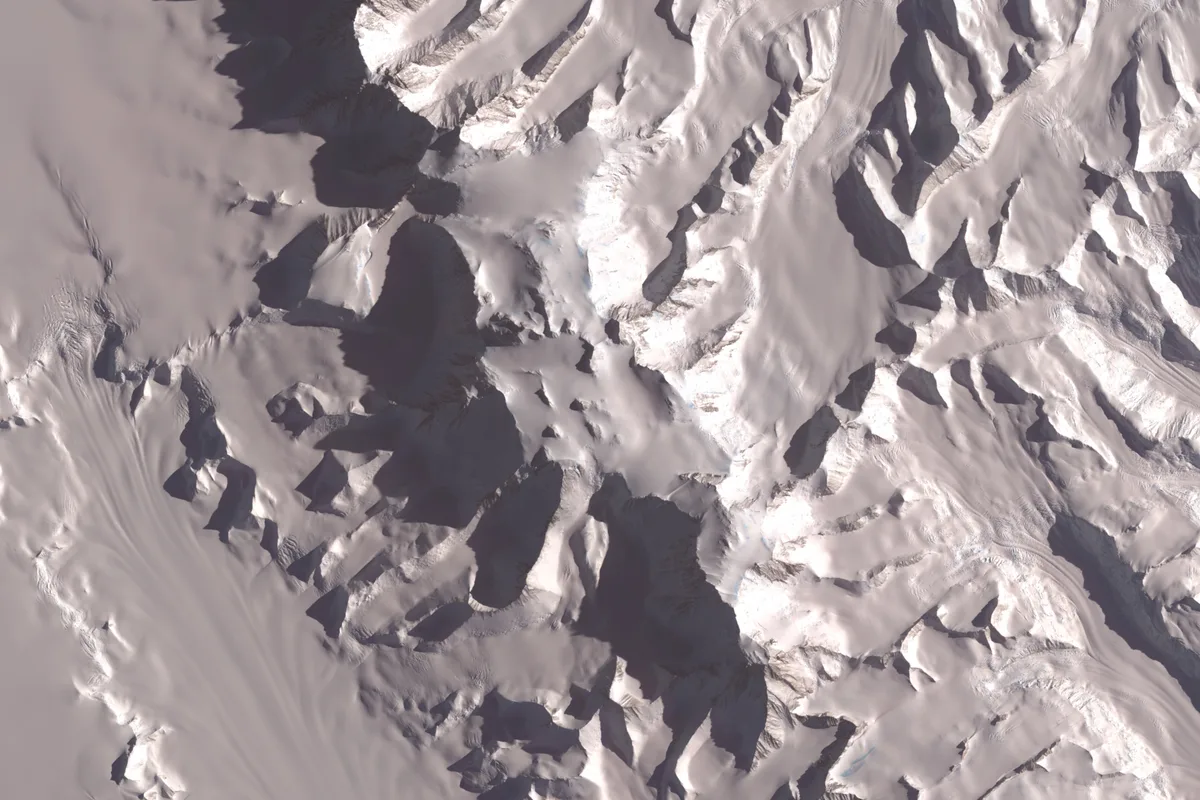
Ascent line, technical cruxes & camp topography profile for Normal Route of Mount Vinson (Branscomb Glacier Route)
Mountain Safety & Conditions Disclaimer: High-altitude climbing, glacial travel, and technical ascents entail severe objective risks including avalanches, serac collapses, rapid weather collapse, and altitude illness. Historical route descriptions and summit claims on Mountanity reflect documented archival sources and must not be used as live operational safety assessments. Local regulations, permits, and physical glacial topography change continuously.
Peer Review: Senior Editorial Board & Historical Reviewers • Editorial Standards
Tactical & Camp Notes
The sun circles the horizon without setting, but when storms strike, temperatures drop drastically within minutes and visibility becomes zero in blinding spindrift.
Identified Objective Hazards
- •Extreme polar cold with windchill values regularly plunging below -50°C causing rapid frostbite
- •Fierce katabatic windstorms exceeding 120 km/h capable of shredding high-altitude expedition tents
- •Hidden polar crevasses across the Branscomb Glacier requiring perpetual rope team vigilance
- •Hypoxia exacerbated by the thinner atmosphere at polar latitudes due to barometric depression
Historical Context
First climbed on December 18, 1966, by Nicholas Clinch, Barry Corbet, John Evans, and Peter Anderson during the joint American Alpine Club / National Geographic expedition.
Interactive Elevation Profile
Vertical profile, technical cruxes, and camp staging progression for Normal Route of Mount Vinson (Branscomb Glacier Route) on Mount Vinson / Vinson Massif.
Ski aircraft landing strip on the lower Branscomb Glacier with polar tents and communications.
Camp-by-Camp Topography
Key staging altitudes, technical cruxes, and terrain transitions for Normal Route of Mount Vinson (Branscomb Glacier Route).
Vinson Base Camp (Branscomb Glacier)
Ski aircraft landing strip on the lower Branscomb Glacier with polar tents and communications.
Low Camp (Camp 1)
Intermediate snow camp situated at the base of the towering Branscomb Headwall, protected beneath glacial moraines.
High Camp (Camp 2)
Perched on the broad col between Mount Shinn and Mount Vinson, exposed to fierce Antarctic gales rushing off the polar plateau.
Vinson Plateau Crest
A windswept polar plateau leading toward the final summit pyramid, swept by -40°C katabatic winds.
Mount Vinson Summit Apex
The rocky, corniced pinnacle marking the highest geographic point in Antarctica, offering sweeping views of the entire Sentinel Range.
Topographic Location & Terrain Map
Cartographic datum, massif coordinates, and terrain context for Normal Route of Mount Vinson (Branscomb Glacier Route) on Mount Vinson / Vinson Massif.
Interactive Topographic Terrain Map
Click below to load live cartographic contours, glacier approaches, and geographic markers for Mount Vinson / Vinson Massif (78°31′32″ S, 85°37′02″ W).
Key Statistics & Topographic Figures
- Route Type
- Polar Glaciated Valley & Headwall Route
Topography
- Technical Difficulty
- Extremely Demanding Polar Endurance / Alpine Grade II
Grade II, 35-45° snow/ice slopes on Branscomb Headwall, fixed ropes
- Country / Region
- Antarctica (Sentinel Range / Ellsworth Mountains)
Location
Archival Primary Source Quotations
“A mountain route is not merely a path of rock and ice; it is a test of human endurance, judgment, and humility.”
Defined Alpine Terminology & Concepts
- Crux
- The most difficult and technically demanding pitch or section of a climbing route.
- Normal Route (Voie Normale)
- The most frequently climbed, least technical, and historically standard path to a mountain summit.
Frequently Asked Questions: Normal Route of Mount Vinson (Branscomb Glacier Route)
What is the climbing difficulty and grade of Normal Route of Mount Vinson (Branscomb Glacier Route)?
Normal Route of Mount Vinson (Branscomb Glacier Route) on mount-vinson is graded as Extremely Demanding Polar Endurance / Alpine Grade II, with technical climbing requirements including Grade II, 35-45° snow/ice slopes on Branscomb Headwall, fixed ropes.
What are the primary hazards on the Normal Route of Mount Vinson (Branscomb Glacier Route)?
Climbers on Normal Route of Mount Vinson (Branscomb Glacier Route) must navigate severe objective hazards including Extreme polar cold with windchill values regularly plunging below -50°C causing rapid frostbite, Fierce katabatic windstorms exceeding 120 km/h capable of shredding high-altitude expedition tents, Hidden polar crevasses across the Branscomb Glacier requiring perpetual rope team vigilance, Hypoxia exacerbated by the thinner atmosphere at polar latitudes due to barometric depression.
What camps are established on Normal Route of Mount Vinson (Branscomb Glacier Route)?
Normal Route of Mount Vinson (Branscomb Glacier Route) typically features 5 staging camps, progressing from Vinson Base Camp (Branscomb Glacier) (2140m) up toward the summit.
Mountain Ascended
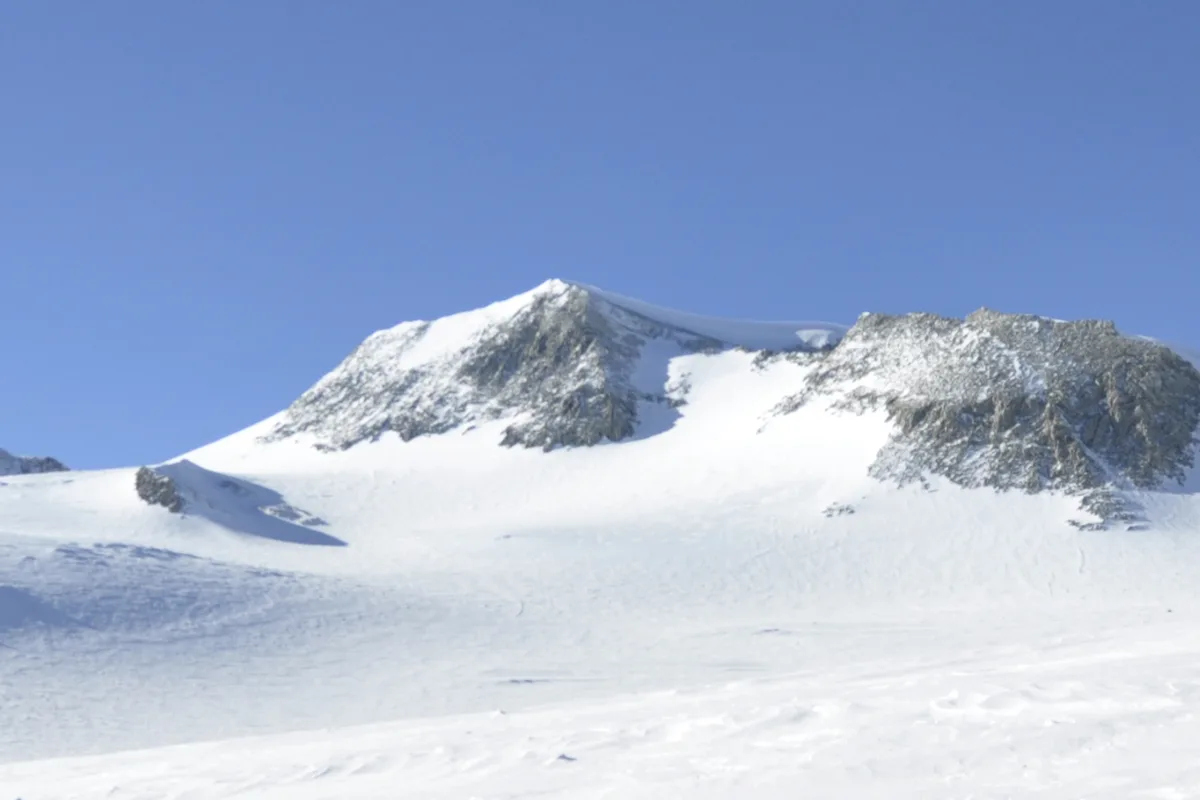

Mount Vinson / Vinson Massif
Mount Vinson is the highest peak in Antarctica at 4,892 metres (16,050 ft), situated in the Sentinel Range of the Ellsworth Mountains approximately 1,200 kilometres from the South Pole. As the summit of Antarctica, it forms one of the celebrated Seven Summits. First sighted by a US Navy aircraft in January 1958 and named after Georgia congressman Carl Vinson, the peak was conquered on December 18, 1966, by a team led by Nicholas Clinch and Barry Corbet during the historic American Antarctic Mountaineering Expedition. While technically moderate via the Branscomb Glacier, climbing Mount Vinson demands extreme endurance against temperatures plunging to -40°C and ferocious katabatic blizzards.
Documented Expeditions on this Route (3)
Verified historical summits, siege campaigns, and pioneer attempts recorded on Normal Route of Mount Vinson (Branscomb Glacier Route).
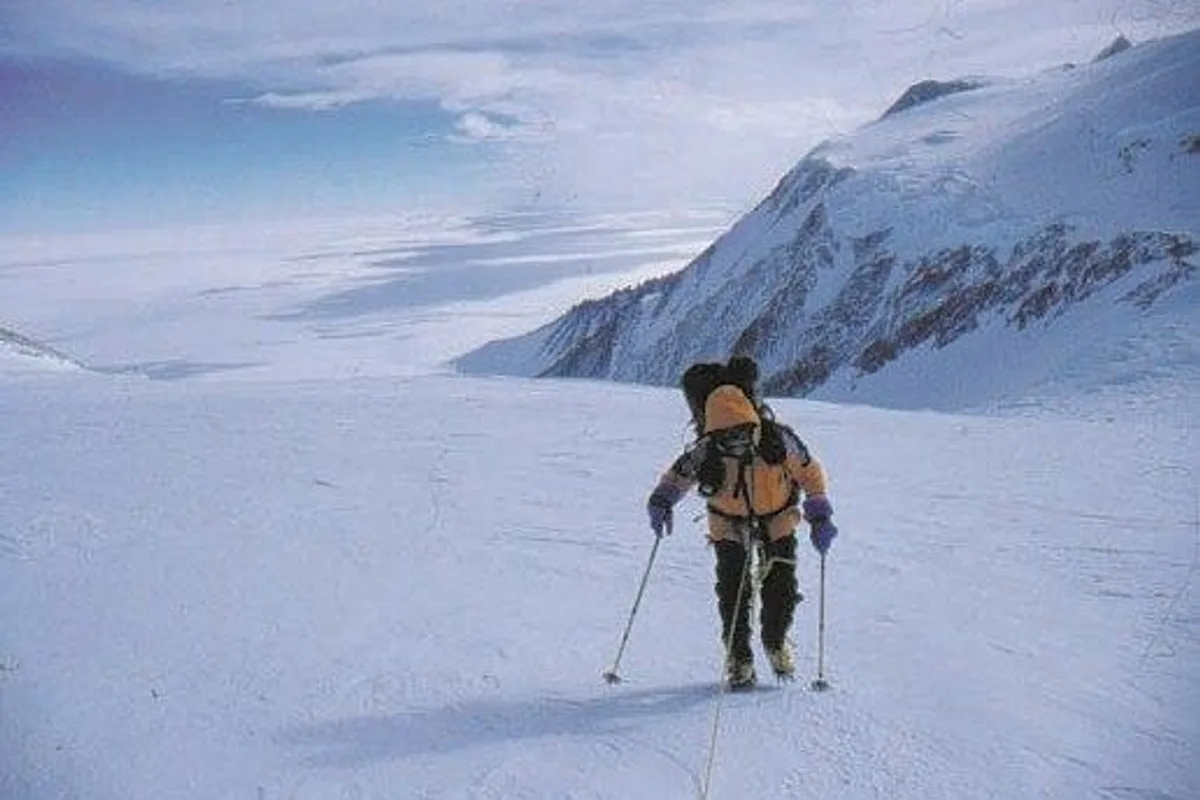
1966 Nicholas Clinch American Antarctic Expedition Historic First Ascent of Mount Vinson
On December 18, 1966, an elite four-man summit party—Nicholas Clinch, Barry Corbet, John Evans, and Peter Anderson—achieved the maiden first ascent of Mount Vinson (4,892 m), the highest point in Antarctica. Supported by the American Alpine Club, National Geographic, and the US Navy, the expedition placed all ten team members atop Vinson over consecutive days before conquering Mount Tyree and Mount Shinn in complete polar safety.
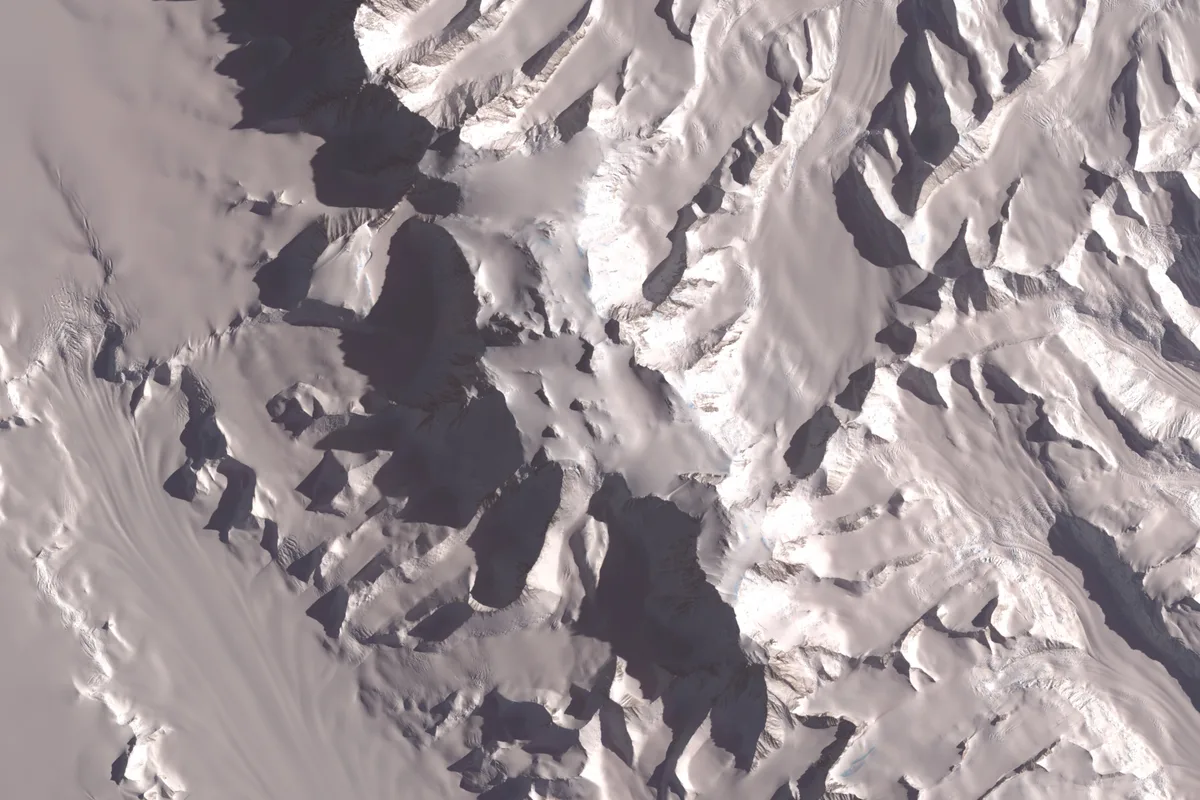
1985 Dick Bass Mount Vinson Ascent: Completion of the Original Seven Summits
On April 30, 1985, 55-year-old American businessman Dick Bass reached the summit of Mount Vinson (4,892 m) in Antarctica, accompanied by David Breashears and Giles Kershaw. The ascent finalized Bass's visionary quest to become the first human in history to conquer the highest mountain on each of the seven continents, establishing the Seven Summits as a global benchmark of endurance.
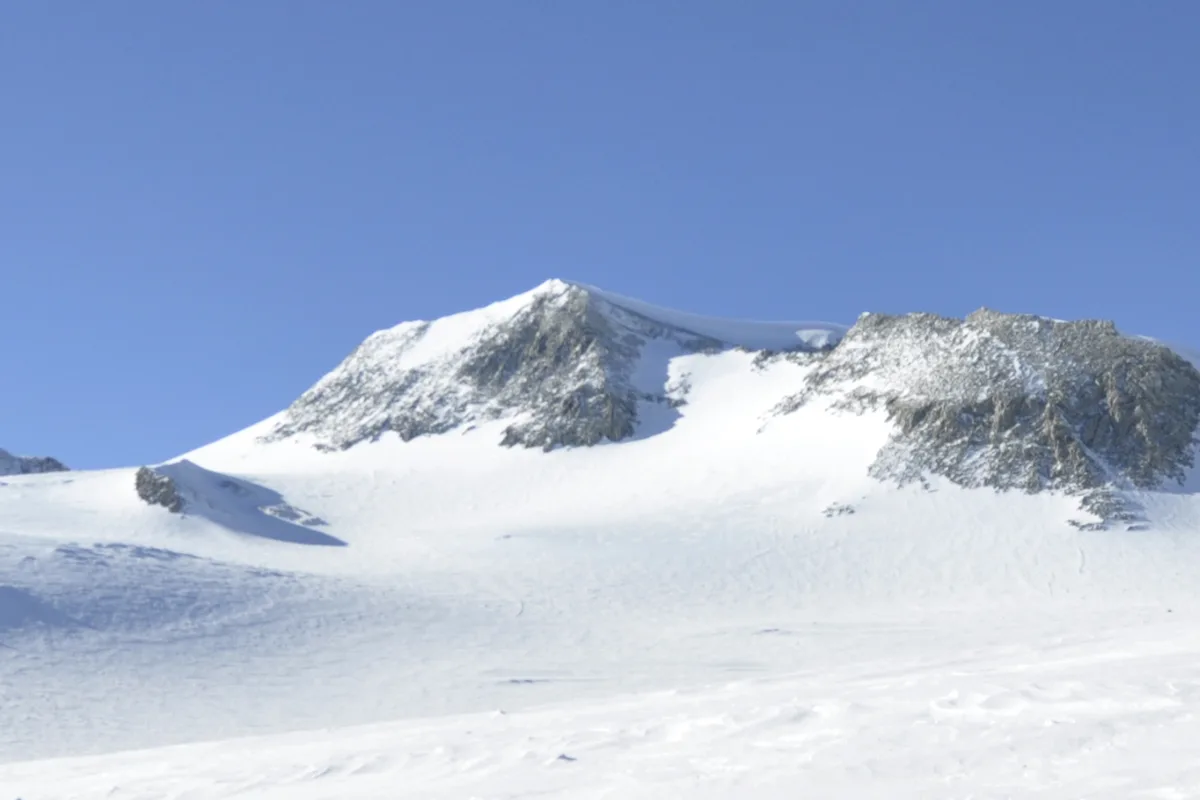
1986 Reinhold Messner Mount Vinson Ascent: The Messner Seven Summits
On December 3, 1986, legendary alpine purist Reinhold Messner reached the summit of Mount Vinson (4,892 m) in Antarctica. Coming just weeks after completing his historic conquest of all fourteen 8,000-metre peaks, Messner's ascent of Vinson finalized the 'Messner List' of the Seven Summits, advocating for Australasia's technical Carstensz Pyramid over Australia's walk-up Mount Kosciuszko.
Archival Chronicles & Stories on this Route (3)
In-depth longform historical narratives, harrowing survival accounts, and firsthand alpine journals on Normal Route of Mount Vinson (Branscomb Glacier Route).
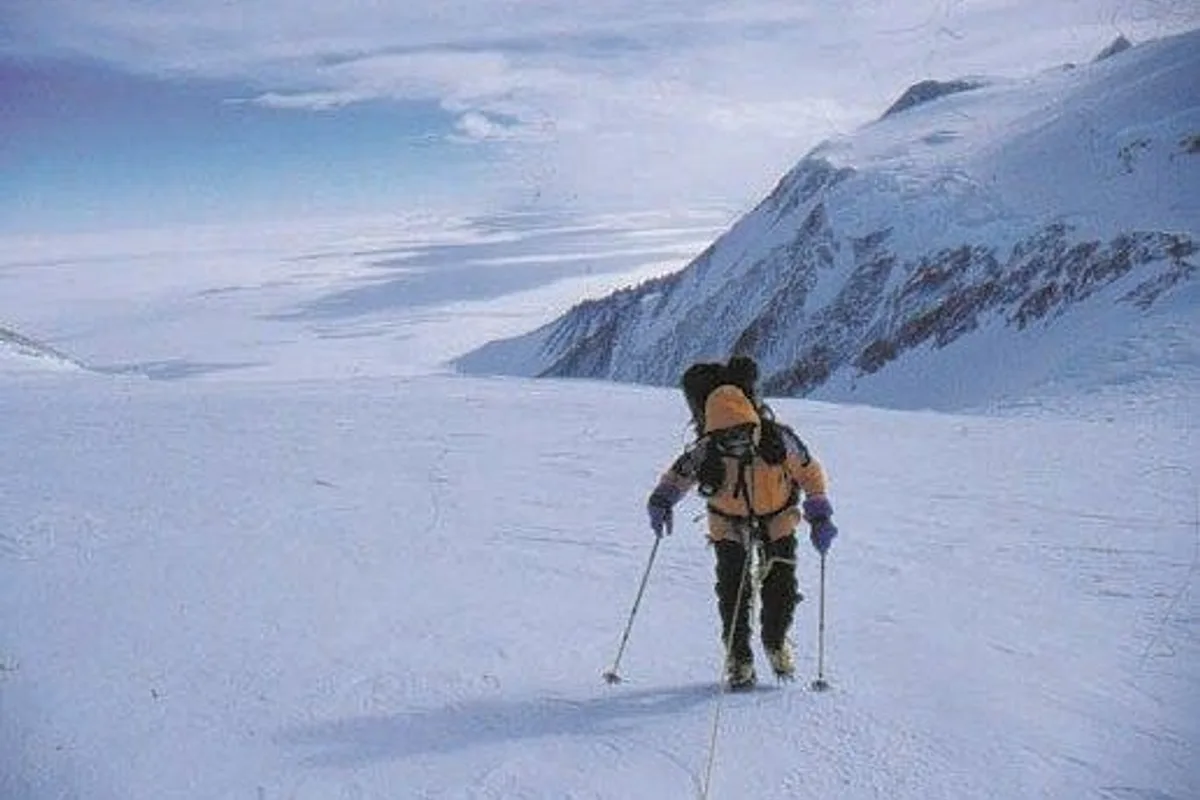
The Frozen Apex: The 1966 First Ascent of Mount Vinson
Nicholas Clinch and his ten-man American team conquer the continental roof of Antarctica in sub-zero polar storms.
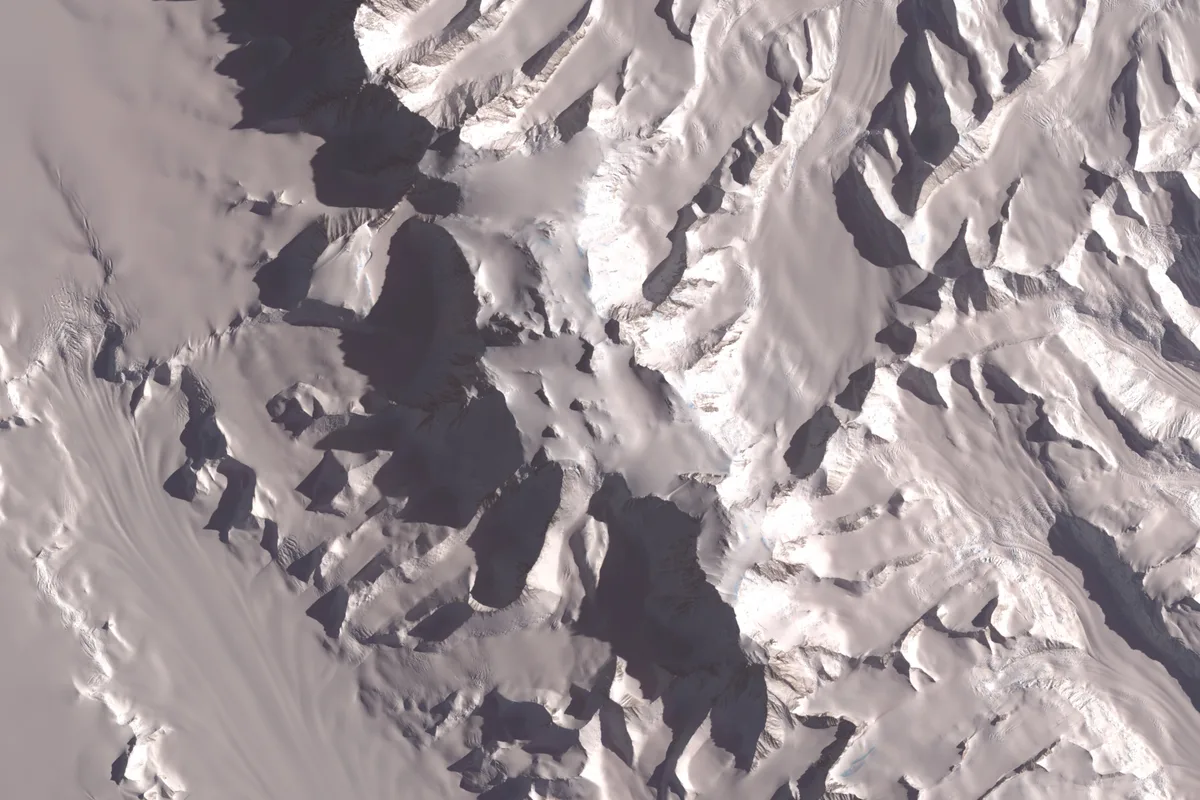
The Final Continent: Dick Bass & the Birth of the Seven Summits
How a 55-year-old Texas oilman conquered Mount Vinson on April 30, 1985, to complete the world's first Seven Summits quest.
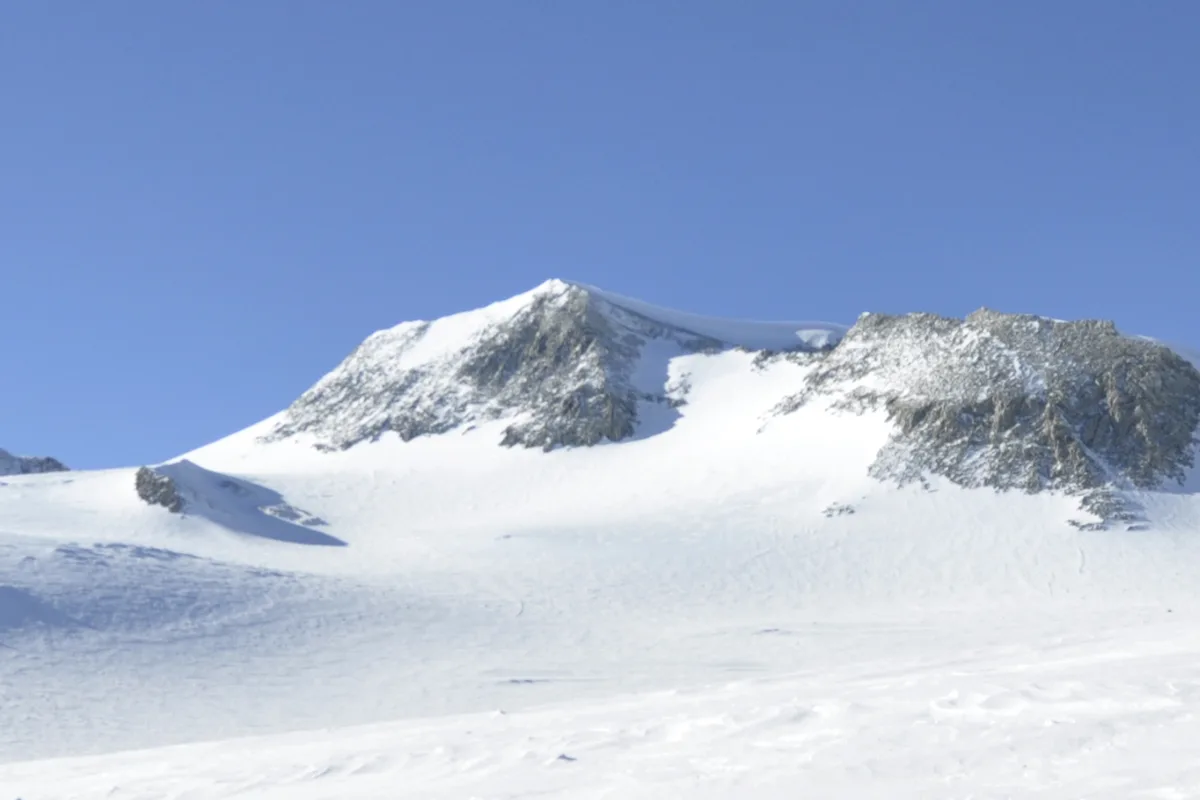
The Master's Crown: Reinhold Messner's 1986 Mount Vinson Ascent
Fresh from conquering all fourteen eight-thousanders, Reinhold Messner summits Mount Vinson to establish the definitive Seven Summits standard.
Documented Sources & Archival Citations
- First Ascent of Mount Vinson(Nicholas Clinch / National Geographic)
Supporting claim: Primary narrative and route topography from the 1966 first ascent
Accessed/Documented: 1967 - The Seven Summits(Dick Bass & Frank Wells / Warner Books)
Supporting claim: Detailed guide to climbing Vinson Massif via the Branscomb Glacier
Accessed/Documented: 1986