1908 Edgeworth David, Douglas Mawson and Raymond Priestley Historic First Ascent of Mount Erebus
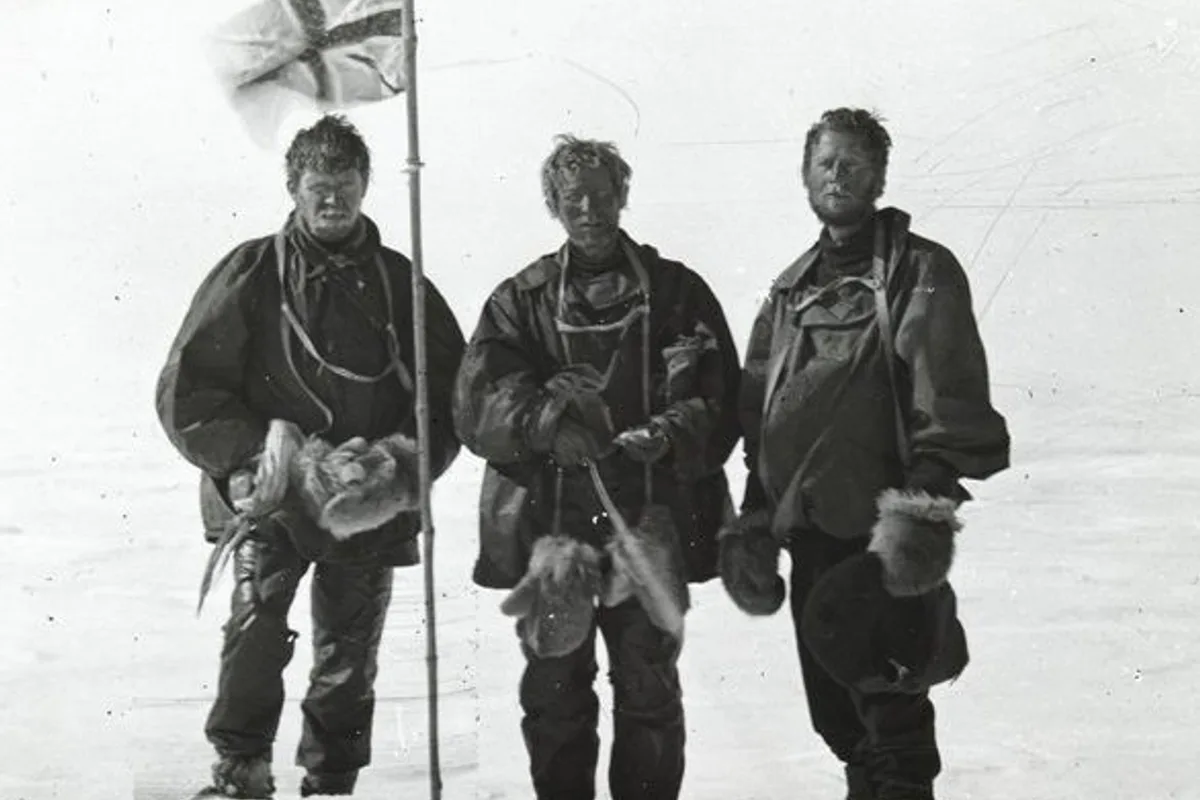
On March 10, 1908, a six-man party from Sir Ernest Shackleton's British Antarctic (Nimrod) Expedition—led by 50-year-old Professor Edgeworth David and including Douglas Mawson and 21-year-old geologist Raymond Priestley—achieved the maiden first ascent of Mount Erebus (3,794 m). Hauling heavy sledges across icy volcanic slopes and enduring a multi-day blizzard at sub-zero temperatures, the climbers reached the active caldera lip to peer into the bubbling molten lava lake.
Mountain Safety & Conditions Disclaimer: High-altitude climbing, glacial travel, and technical ascents entail severe objective risks including avalanches, serac collapses, rapid weather collapse, and altitude illness. Historical route descriptions and summit claims on Mountanity reflect documented archival sources and must not be used as live operational safety assessments. Local regulations, permits, and physical glacial topography change continuously.
Peer Review: Senior Editorial Board & Historical Reviewers • Editorial Standards
Official Expedition Narrative & Archival Record
In early 1908, Sir Ernest Shackleton's expedition ship *Nimrod* landed winter quarters at Cape Royds on Ross Island. Towering directly behind their small wooden hut rose the glaciated, smoking cone of Mount Erebus (3,794 m), the southernmost active volcano on Earth. Although the expedition's primary goal was the South Pole, Shackleton approved an exploratory assault on the volcano. The summit team consisted of Professor T.W. Edgeworth David, Douglas Mawson, and Alistair Mackay, supported by Raymond Priestley, Eric Marshall, and Philip Brocklehurst. Equipped with primitive fur-lined sleeping bags, heavy woolen tweeds, and iron-spiked climbing boots, the men hauled an eleven-foot sledge packed with camping gear and scientific instruments up the frozen slopes of Fang Glacier. At 2,600 metres, a ferocious polar blizzard struck, pinning the men inside their frozen tents for over twenty-four hours in temperatures plunging below -35°C. Brocklehurst suffered severe frostbite to his feet and had to remain in camp. On March 10, 1908, the remaining five climbers pressed upwards through fields of spectacular ice fumaroles—towering hollow chimneys sculpted by volcanic steam freezing in polar air. Reaching the old crater rim at 3,350 metres, they advanced to the active inner caldera lip at 3,794 metres, standing awestruck as they peered down into the incandescent, bubbling phonolite lava lake three hundred metres below. The ascent represented the first great mountaineering triumph on the Antarctic continent.
Documented Team Composition
- Prof. T.W. Edgeworth David (Expedition Leader & Geologist, Australia)
- Douglas Mawson (Physicist & Cartographer, Australia)
- Sir Raymond Priestley (Geologist, United Kingdom)
- Dr. Alistair Mackay (Surgeon, United Kingdom)
- Dr. Eric Marshall (Surgeon & Cartographer, United Kingdom)
- Philip Brocklehurst (Field Assistant, United Kingdom)
Key Statistics & Topographic Figures
- Official Elevation
- 3,794 metres (12,448 ft)
- Summit Date
- March 10, 1908
- Expedition Leader
- Professor T.W. Edgeworth David
- Youngest Climber
- Raymond Priestley (age 21)
- Volcanic Feature
- Active Phonolite Lava Lake
Archival Primary Source Quotations
“There stood Erebus, towering over our little camp, throwing up great volumes of steam and sulphur fumes, challenging us to discover the secrets of its icy heart.”
Defined Alpine Terminology & Concepts
- Ice Fumarole
- A hollow tower of ice formed around an active volcanic gas vent where escaping steam freezes in extreme polar temperatures.
- Phonolite Lava
- An uncommon volcanic rock rich in alkali feldspar, capable of sustaining permanent convecting lava lakes at Mount Erebus.
Frequently Asked Questions: 1908 Edgeworth David, Douglas Mawson and Raymond Priestley Historic First Ascent of Mount Erebus
Who made the first ascent of Mount Erebus in 1908?
A six-man team from Shackleton's Nimrod Expedition, led by Professor Edgeworth David and including Douglas Mawson and Raymond Priestley, made the first ascent on March 10, 1908.
What did the 1908 climbers discover at the summit of Mount Erebus?
They discovered a 300-metre-deep active volcanic caldera containing a permanent, bubbling molten phonolite lava lake, the only one of its kind in Antarctica.
What are the famous ice towers found on Mount Erebus?
They are fumarolic ice towers formed when geothermal volcanic steam escapes from ground vents and immediately freezes into hollow crystalline chimneys in sub-zero polar air.
Ascent Route & Topography
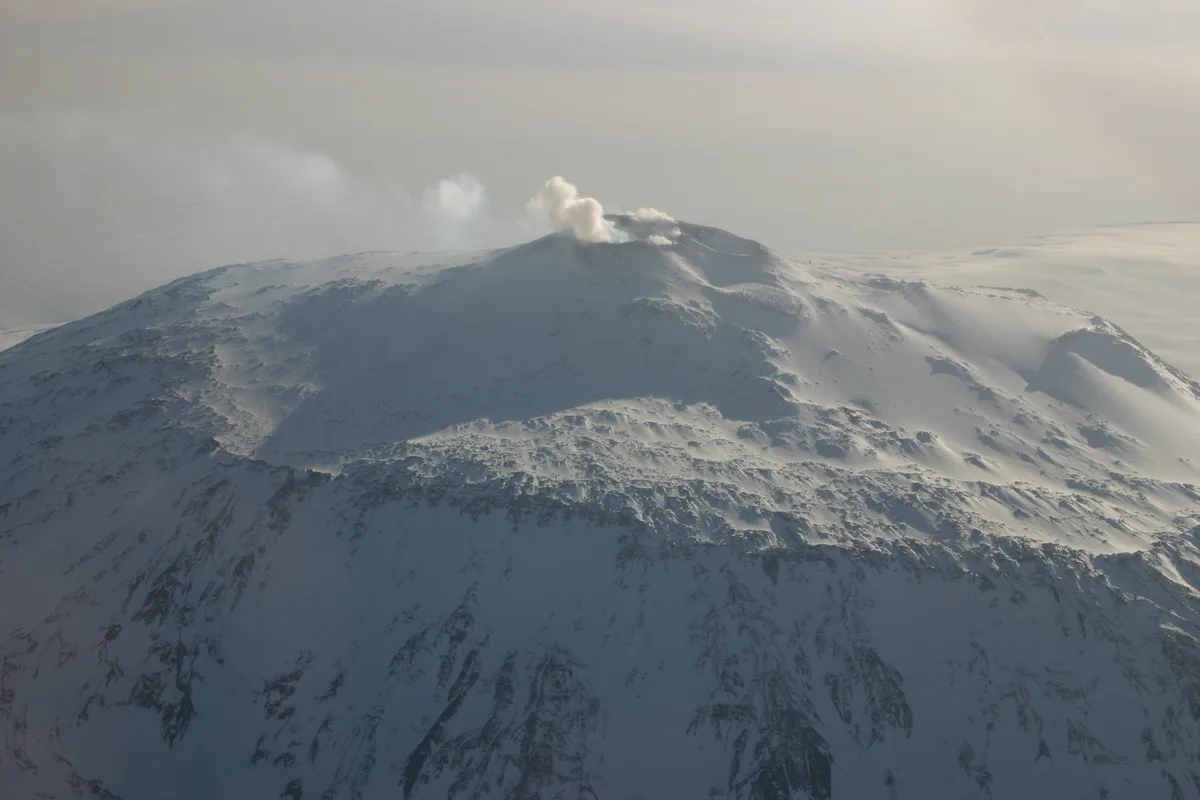
Caldera Rim & Fang Ridge Route of Mount Erebus
The Caldera Rim Route is the historic ascent line up Mount Erebus (3,794 m), the southernmost active volcano on Earth. Ascending from Cape Royds across the slopes of Fang Glacier and the shattered remnants of the caldera wall known as Fang Ridge, the route traverses vast fields of spectacular, geothermal ice fumaroles (ice chimneys) before reaching the outer caldera rim at 3,500 metres. From there, climbers traverse to the active inner crater rim (3,794 m) overlooking the world's only permanent open phonolite lava lake. First completed on March 10, 1908, by Edgeworth David, Douglas Mawson, and Raymond Priestley during Shackleton's Nimrod expedition, it combines extreme polar wilderness exploration with active volcanology.
Target Objective Peak
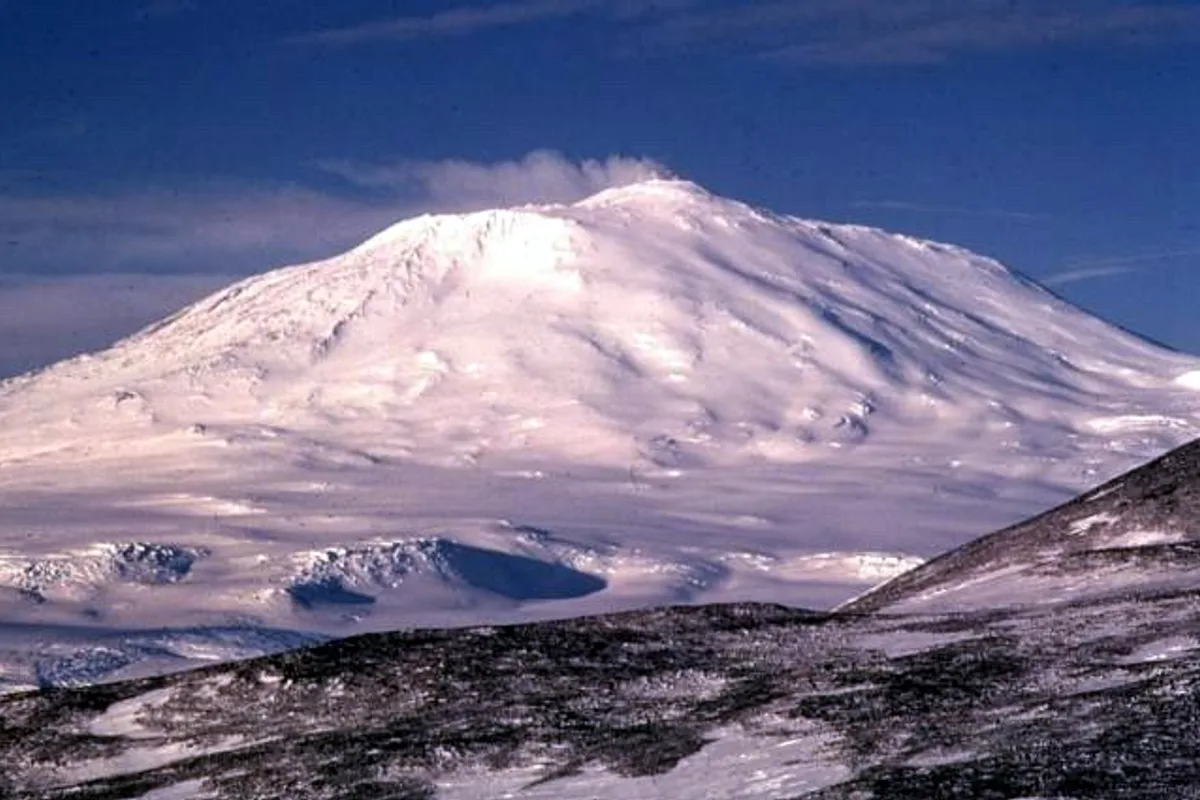

Mount Erebus
Mount Erebus is an active stratovolcano rising to 3,794 metres (12,448 ft) on Ross Island in Antarctica, making it the southernmost active volcano on Earth and the second-highest volcano in Antarctica. Famous for its persistent, bubbling phonolitic lava lake inside its inner crater and unique fumarolic ice towers (ice fumaroles), it was discovered in 1841 by Sir James Clark Ross. In March 1908, a six-man party led by Professor Edgeworth David and including Douglas Mawson and Raymond Priestley during Sir Ernest Shackleton's Nimrod Expedition achieved the heroic maiden first ascent, hauling sledges through ferocious polar blizzards to peer into the glowing volcanic abyss.
Featured Expedition Climber
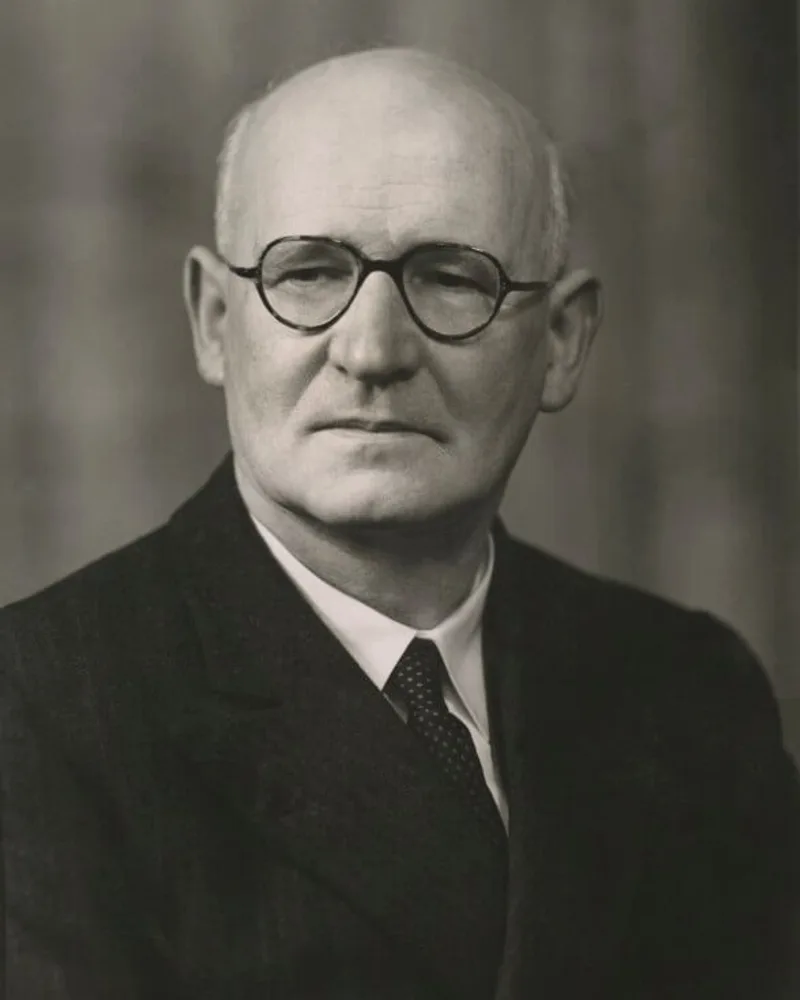
Raymond Priestley
Raymond Edward Priestley was born on July 20, 1886, in Tewkesbury, Gloucestershire, England. While studying geology at University College, Bristol, Priestley was selected at the age of twenty-one by Sir Ernest Shackleton to serve as geologist on the British Antarctic Expedition (Nimrod Expedition, 1907–1909). Arriving at Cape Royds on Ross Island in early 1908, Priestley joined Professor Edgeworth David and Douglas Mawson in a bold, spontaneous attempt to climb Mount Erebus (3,794 m), the active volcano dominating McMurdo Sound. Hauling heavily loaded sledges across uncharted snowfields, the six-man party endured a savage blizzard on the slopes before reaching the ancient caldera rim at 3,350 metres, surrounded by towering, otherworldly ice fumaroles. On March 10, 1908, Priestley and his companions stood upon the active crater lip, becoming the first humans to peer into the molten, bubbling phonolite lava lake. Priestley returned to Antarctica as geologist on Captain Robert Falcon Scott's *Terra Nova* Expedition (1910–1913). Stationed with the Northern Party under Victor Campbell, Priestley endured one of the most harrowing survival ordeals in polar history: when sea ice prevented their pickup ship from reaching them, the six men spent eight winter months entombed in a cramped snow cave on Inexpressible Island, subsisting on seal meat and blubber without frostbite fatalities. Following World War I, Priestley co-founded the Scott Polar Research Institute in Cambridge, was knighted in 1949, and served as Vice-Chancellor of the University of Melbourne and the University of Birmingham. Mount Priestley and Priestley Glacier in Victoria Land bear his name. He passed away on June 24, 1974, at age 87.
Associated Historical Chronicles & Stories
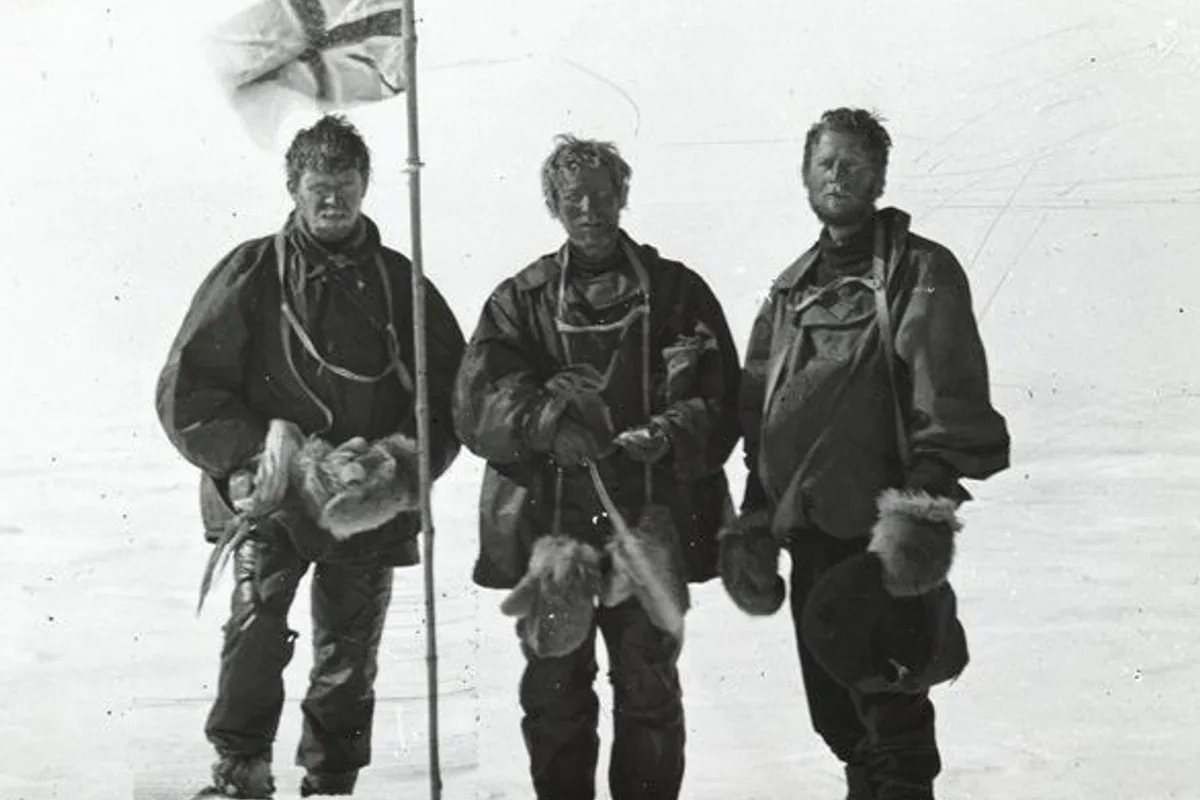
Into the Cauldron of Ice: The 1908 First Ascent of Mount Erebus
Through polar blizzards and geothermal ice towers to the glowing lava lake of Earth's southernmost active volcano.
Documented Sources & Archival Citations
- The Heart of the Antarctic(Sir Ernest Shackleton / William Heinemann)
Supporting claim: Primary official narrative of the 1908 Mount Erebus first ascent
Accessed/Documented: 1909 - Antarctic Adventure: Scott's Northern Party(Raymond Priestley / T. Fisher Unwin)
Supporting claim: Priestley's firsthand retrospective of polar mountaineering
Accessed/Documented: 1914