1932 Miriam Underhill Grand Teton Guideless Traverse
In August 1932, feminist alpine pioneer Miriam O'Brien Underhill and Robert Underhill completed a landmark guideless campaign across the Grand Teton and Teton Range.
Mountain Safety & Conditions Disclaimer: High-altitude climbing, glacial travel, and technical ascents entail severe objective risks including avalanches, serac collapses, rapid weather collapse, and altitude illness. Historical route descriptions and summit claims on Mountanity reflect documented archival sources and must not be used as live operational safety assessments. Local regulations, permits, and physical glacial topography change continuously.
Peer Review: Senior Editorial Board & Historical Reviewers • Editorial Standards
Official Expedition Narrative & Archival Record
In August 1932, fresh from their groundbreaking campaigns in the European Alps—where Miriam O'Brien had completed the first all-female ascents of the Grépon and the Matterhorn, and Robert Underhill had introduced dynamic belaying from the Dolomites—the newly married couple arrived in Wyoming's Teton Range. Rejecting the hired guide conventions of the era, the Underhills operated as an egalitarian, independent rope team, sharing leads and route-finding on equal terms. Departing their wilderness base at South Jenny Lake, they ascended the steep glacial canyon of Garnet Canyon to the Lower Saddle. On August 20, 1932, moving with rapid alpine rhythm and European rope handling, Miriam and Robert climbed the Owen-Spalding Route, flowing through the Belly Roll, The Crawl, and The Wall before topping out on the 4,199-metre summit of Grand Teton. Rather than merely repeating standard lines, they used the ascent as a springboard for exploring new variations along the western headwalls and the adjacent spires of the Cathedral Group, pioneering guideless ascents and establishing a modern ethic of self-sufficiency that profoundly influenced the American climbing community. Miriam Underhill's leadership on the technical pitches of the Tetons demonstrated that women were fully capable of independent alpine mastery in the most demanding North American wilderness environments.
Documented Team Composition
- Miriam O'Brien Underhill (Climber, United States)
- Robert L. M. Underhill (Climber, United States)
Key Statistics & Topographic Figures
- Summit Date
- August 20, 1932
- Climbers
- Miriam O'Brien Underhill, Robert L. M. Underhill
- Climbing Ethic
- Guideless, Egalitarian Alpine Style
- Mountain Elevation
- 4,199 metres (13,775 feet)
- Sponsoring Clubs
- Appalachian Mountain Club, American Alpine Club
Archival Primary Source Quotations
“On the high ledges of the Grand Teton, we climbed with the joy of complete independence, needing no one but each other and the rock.”
Defined Alpine Terminology & Concepts
- Guideless Climbing
- Climbing without professional commercial mountain guides, requiring participants to navigate, lead, and protect routes entirely by themselves.
- Equal Partnership
- A mountaineering rope team where partners share technical leads, route-finding responsibilities, and decision-making on equal terms.
Frequently Asked Questions: 1932 Miriam Underhill Grand Teton Guideless Traverse
What was Miriam and Robert Underhill's 1932 Grand Teton campaign?
In August 1932, feminist pioneer Miriam O'Brien Underhill and Robert Underhill completed a landmark guideless traverse of the Grand Teton, demonstrating egalitarian alpine self-reliance.
Why was Miriam Underhill's 1932 climb significant for women's mountaineering?
Miriam led technical pitches on the Grand Teton without hired male guides, proving that women could achieve complete autonomy and technical mastery on North American rock.
What alpine philosophy did the Underhills bring from Europe to the Tetons?
They introduced modern European rope handling, dynamic body belays, and the ethic of lightweight, rapid guideless movement to the American West.
What European achievements had Miriam O'Brien completed before the 1932 climb?
She had completed the first all-female ascent of the Grépon in 1929 and the first all-female traverse of the Matterhorn in August 1932.
What route did the Underhills follow on the Grand Teton in August 1932?
They climbed the Owen-Spalding Route, efficiently navigating the Belly Roll, The Crawl, and The Wall before exploring surrounding spires of the Cathedral Group.
How did the Underhills operate as a climbing team?
They climbed as an equal partnership, alternating leads on difficult rock pitches and sharing all logistical and safety decisions.
Where can one read Miriam Underhill's account of her 1932 Teton climbs?
She chronicled her climbs in her celebrated 1956 autobiography Give Me the Hills and articles for the Appalachian Mountain Club.
What legacy did the 1932 Underhill expedition leave in Grand Teton National Park?
It established guideless amateur climbing as an accepted, respected pursuit in the park, inspiring generations of independent American alpinists.
Ascent Route & Topography
Owen-Spalding Route (Grand Teton)
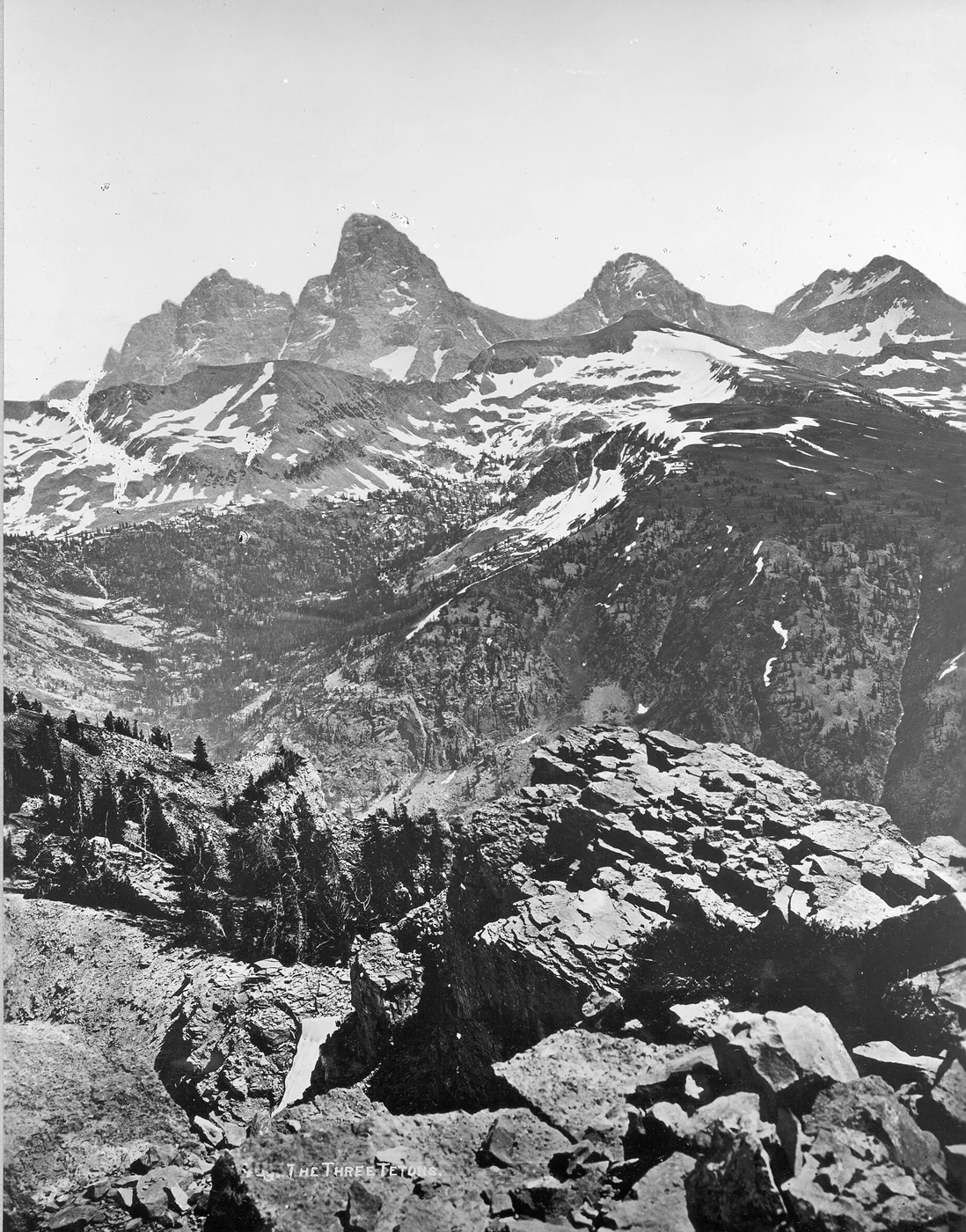
The Owen-Spalding route is the historic normal route to the summit of Grand Teton, pioneering the first documented ascent of the mountain on August 11, 1898. Ascending 2,130 metres of vertical elevation gain from Lupine Meadows via Garnet Canyon, the Lower Saddle, and the Upper Saddle, the route features dramatic, world-renowned exposure on passages like the Belly Roll, The Crawl, and the physical crux of The Wall (Double Chimney), graded YDS 5.4 or French III.
Target Objective Peak

Grand Teton
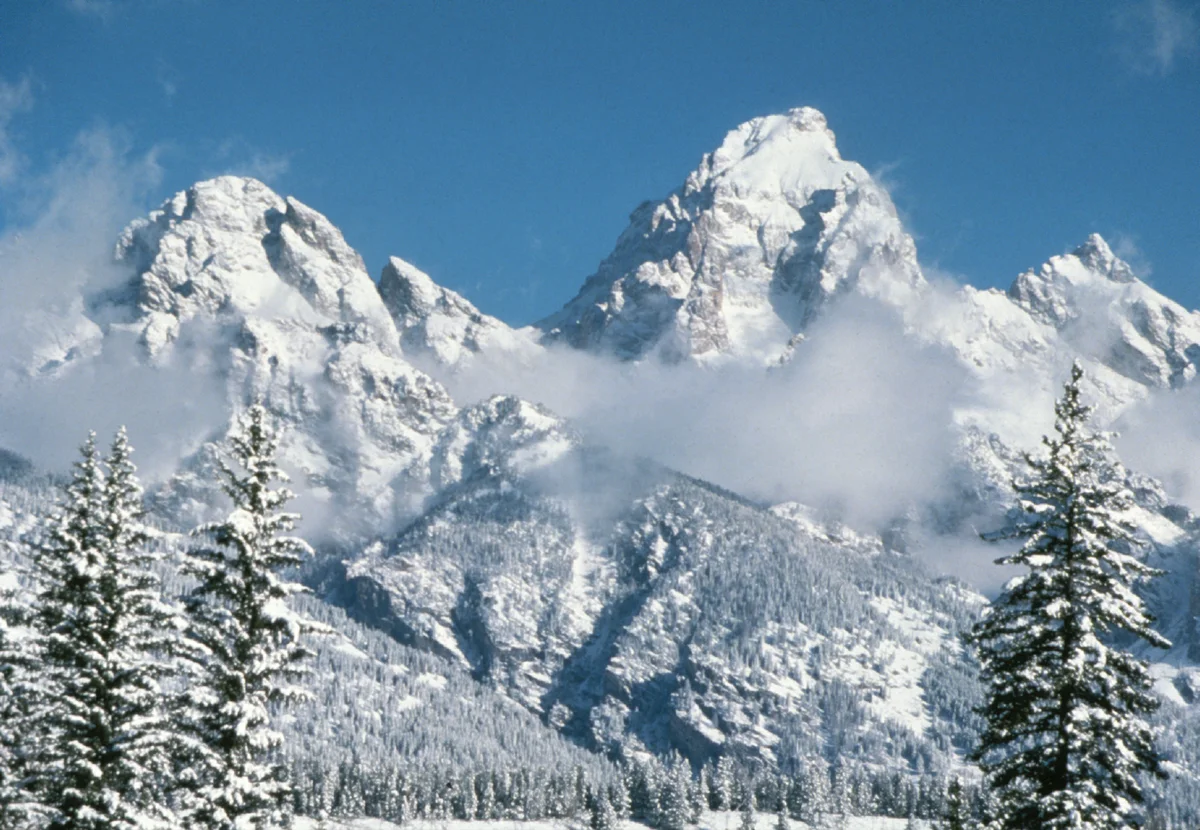
Grand Teton is a world-famous, razor-sharp granite and gneiss peak rising abruptly to an elevation of 4,199 metres in Grand Teton National Park in northwestern Wyoming. As the highest summit in the Teton Range and the second highest peak in Wyoming, it towers more than 7,000 vertical feet above the sagebrush flats of Jackson Hole without intervening foothills. It is celebrated across mountaineering history as the birthplace of modern American technical rock climbing and client-centered mountain guiding.
Featured Expedition Climber
Miriam O'Brien Underhill
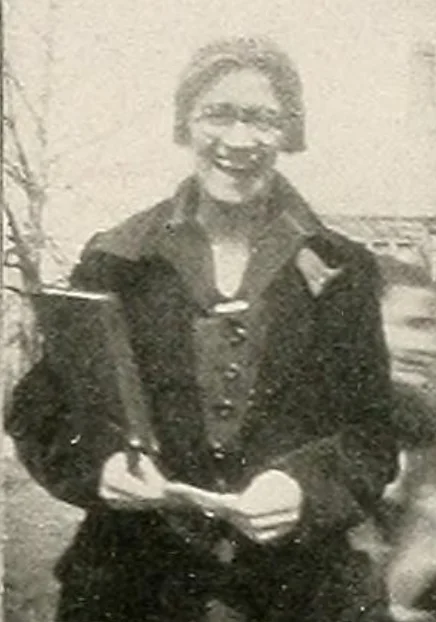
Born on July 22, 1898, in Forest Hills, Massachusetts, Miriam O'Brien was educated at Bryn Mawr College and Columbia University. She began her mountaineering career in the White Mountains of New Hampshire before venturing to the European Alps in the 1920s, climbing with premier Chamonix and Valais guides. She soon observed that even when a woman had the skill to lead difficult rock pitches, conventional society and male companions assumed the male guide did all the work, reducing the woman to a passenger. Determined to achieve complete autonomy and self-reliance, O'Brien conceived the revolutionary ethic of manless climbing, organizing guideless ascents composed exclusively of women. In August 1929, climbing roped with French alpinist Alice Damesme, O'Brien completed the first all-female ascent of the notoriously technical Aiguille du Grépon in the Mont Blanc massif, an achievement that made global headlines and caused famed guide Étienne Couriche to lament that the Grépon was now a ladies' climb. In August 1932, O'Brien partnered with Micheline Morin to achieve the historic first all-female traverse of the Matterhorn, ascending from Switzerland via the Hörnli Ridge and descending into Italy. In 1932, she married fellow alpine pioneer Robert Underhill, a Harvard philosophy professor who had introduced modern European rope techniques to North America. Together, the Underhills traveled to Wyoming's Teton Range, where they made pioneering guideless ascents across the Grand Teton, Mount Owen, and the jagged spires of the Cathedral Group. Later settling in New Hampshire, she and her husband founded the Four Thousand Footer Club of the White Mountains, becoming the first climbers to complete winter ascents of all forty-eight peaks above 4,000 feet. She authored the classic mountaineering memoir Give Me the Hills in 1956. She passed away on January 7, 1976, at the age of seventy-seven.
Associated Historical Chronicles & Stories
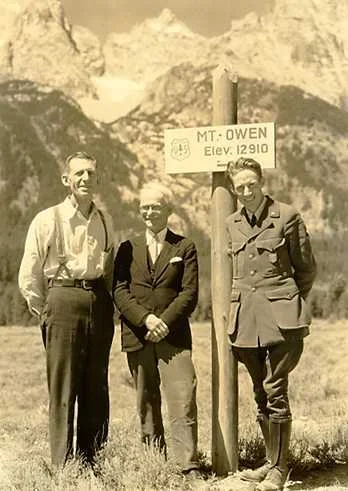
Guideless on the Cathedral: Miriam Underhill's 1932 Grand Teton Campaign
In August 1932, feminist alpine pioneer Miriam O'Brien Underhill and Robert Underhill carried their refined European rope craft to the Teton Range. Operating as an independent, egalitarian team, they completed a pioneering guideless traverse of the Grand Teton, redefining American women's mountaineering.
Documented Sources & Archival Citations
- Give Me the Hills(Miriam O'Brien Underhill / Methuen & Co.)
Supporting claim: Primary first-hand memoir describing the 1932 Teton climbs and guideless philosophy
Accessed/Documented: 2026 - A Climber's Guide to the Teton Range(Leigh Ortenburger and Reynold G. Jackson / The Mountaineers Books)
Supporting claim: Historical chronicle of early 1930s guideless ascents in the Teton Range
Accessed/Documented: 2026