1954 First Ascent of Mount Hunter by Fred Beckey, Heinrich Harrer, and Henry Meybohm
On July 5, 1954, legendary North American mountaineer Fred Beckey, famed Eigerwand conqueror Heinrich Harrer, and German-American climber Henry Meybohm achieved the historic first ascent of Mount Hunter (4,442 m), conquering the heavily corniced West Ridge.
Mountain Safety & Conditions Disclaimer: High-altitude climbing, glacial travel, and technical ascents entail severe objective risks including avalanches, serac collapses, rapid weather collapse, and altitude illness. Historical route descriptions and summit claims on Mountanity reflect documented archival sources and must not be used as live operational safety assessments. Local regulations, permits, and physical glacial topography change continuously.
Peer Review: Senior Editorial Board & Historical Reviewers • Editorial Standards
Official Expedition Narrative & Archival Record
In early summer 1954, a formidable three-man international expedition assembled to tackle the most technically daunting unclimbed summit in the central Alaska Range: Mount Hunter (4,442 m), known to the local Dena'ina Athabascans as Begguya. Led by the voracious American pioneer Fred Beckey, the team included legendary Austrian mountaineer Heinrich Harrer—famed for the 1938 first ascent of the Eiger North Face—and veteran climber Henry Meybohm. With air support from famed bush pilot Don Sheldon landing on the Kahiltna Glacier, the trio mounted an audacious assault via the complex West Ridge. Over three weeks of relentless climbing, the men negotiated knife-edge granite ribs, towering hanging cornices, and unstable snow mushrooms. Climbing in expedition style through heavy Alaskan blizzards and extreme sub-zero cold, they fixed ropes along treacherous razor-edged knife-ridges and hacked steps up steep blue-ice faces. On July 5, 1954, Beckey, Harrer, and Meybohm reached the expansive double-crested summit plateau, standing atop the true south peak of Mount Hunter for the first time in human history. The ascent eliminated one of the greatest remaining mountaineering problems in North America and cemented Fred Beckey's status as an unmatched explorer of the continent's high peaks.
Documented Team Composition
- Fred Beckey (Co-Leader, United States)
- Heinrich Harrer (Climber, Austria)
- Henry Meybohm (Climber, Germany / United States)
Key Statistics & Topographic Figures
- Summit Date
- July 5, 1954
- Mountain
- Mount Hunter / Begguya (4,442 m / 14,573 ft)
- Climbing Team
- Fred Beckey, Heinrich Harrer, Henry Meybohm
- Route Climbed
- West Ridge (First Ascent)
- Expedition Bush Pilot
- Don Sheldon
Archival Primary Source Quotations
“Standing on Hunter's summit with Harrer and Meybohm was one of the sweetest moments in my mountain life.”
Defined Alpine Terminology & Concepts
- Knife-Edge Arête
- A razor-sharp ridge of rock and ice separating two glacial valleys, requiring delicate balance to traverse.
- A Cheval
- The climbing technique of straddling a razor-sharp mountain ridge like riding a horse with legs hanging over both precipices.
Frequently Asked Questions: 1954 First Ascent of Mount Hunter by Fred Beckey, Heinrich Harrer, and Henry Meybohm
What was the 1954 Mount Hunter expedition?
It was the historic expedition where Fred Beckey, Heinrich Harrer, and Henry Meybohm completed the first ascent of Mount Hunter (4,442 m) on July 5, 1954.
Who was Heinrich Harrer and why was he on Mount Hunter?
Harrer was the famed Austrian climber who made the 1938 first ascent of the Eigerwand and author of Seven Years in Tibet, invited by Beckey to Alaska.
What route did Beckey, Harrer, and Meybohm climb?
They climbed the heavily corniced West Ridge from the Kahiltna Glacier to the broad two-mile summit plateau.
Why was Mount Hunter considered more technical than Denali?
Hunter possesses steeper vertical relief, razor-sharp corniced arêtes, and unstable snow mushrooms compared to the broader slopes of Denali.
What aviation pioneer supported the 1954 Mount Hunter team?
Talkeetna bush pilot Don Sheldon flew the three climbers onto the Kahiltna Glacier and picked them up following their descent.
How long did the 1954 climb take?
The team spent approximately three weeks fixing ropes along knife-edges and weathering blizzards before their summit push.
What summit did the team reach on Mount Hunter's plateau?
They reached the highest crest of the South Peak at 14,573 feet (4,442 metres), overlooking the entire central Alaska Range.
What significance did this ascent have for Fred Beckey's career?
It was one of Beckey's most iconic high-altitude Alaskan first ascents, solidifying his reputation as North America's premier exploratory climber.
Target Objective Peak
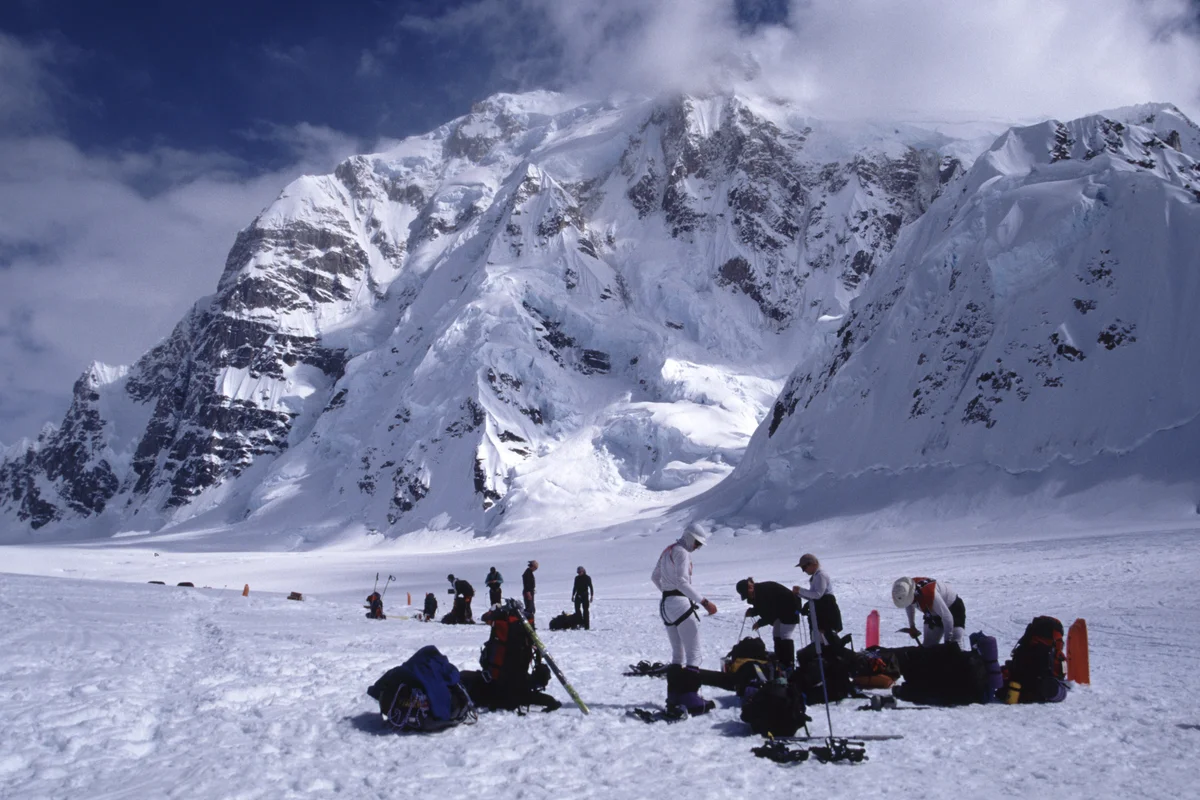
Mount Hunter
Mount Hunter, known natively in Dena'ina Athabascan as Begguya, is a 4,442-metre glaciated granite mountain situated approximately 13 kilometres south of Denali in the Alaska Range. Widely regarded as the steepest and most technically demanding of the central Alaska Range giants, it features soaring granite buttresses, hanging seracs, and severe corniced ridges.
Featured Expedition Climber
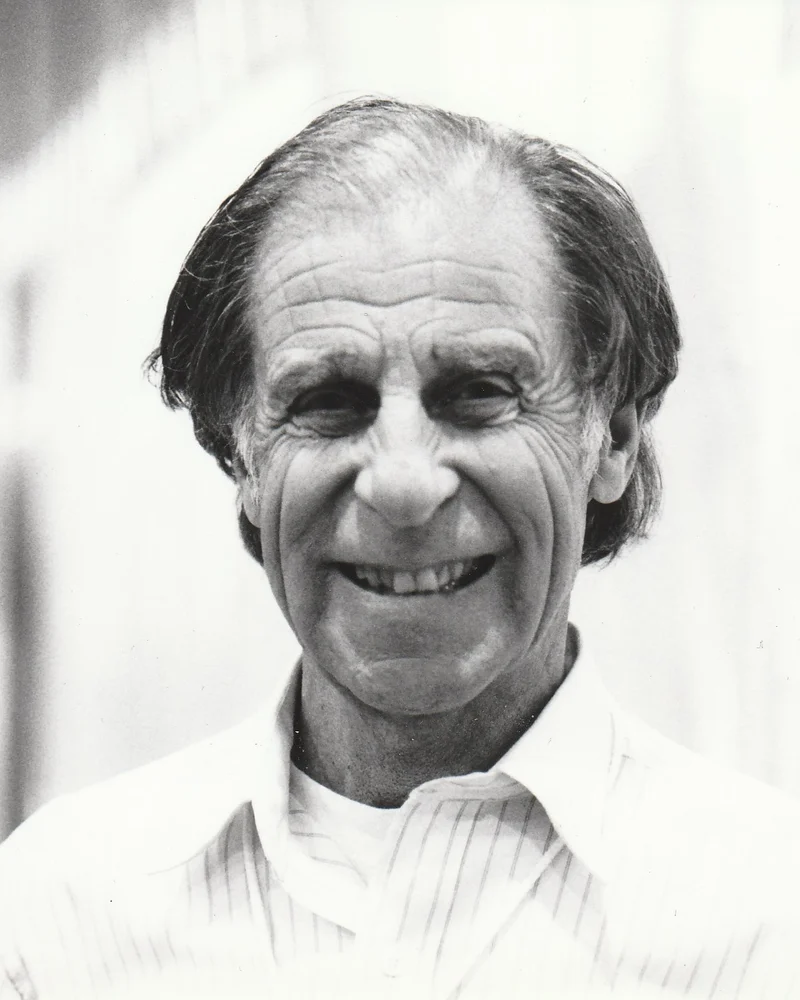
Fred Beckey
Born on January 14, 1923, in Düsseldorf, Germany, Friedrich Wolfgang Beckey immigrated to Seattle, Washington, with his family as an infant. Joining The Mountaineers Boy Scouts troop, Beckey developed an unquenchable obsession with exploring unclimbed summits. In 1942, at just nineteen years old, Fred and his younger brother Helmy stunned the international climbing world by completing the second ascent of Mount Waddington (4,019m) in the Coast Mountains of British Columbia, solving what was widely called 'Mystery Mountain' after sixteen prior expeditions had failed. Rejecting traditional domestic life, a steady corporate career, or family, Beckey lived as a nomadic climber for over seventy years, sleeping in his car or under the stars, subsisting on fast food and diner coffee, and keeping meticulously organized notebooks containing maps, aerial photographs, and weather reports of unclimbed lines across North America. Beckey logged hundreds of classic first ascents, including Mount Deborah (1954) and Mount Hunter (1954) in the Alaska Range with Heinrich Harrer, the Beckey-Chouinard route on South Howser Tower (1961) in the Bugaboos, Mount Edith Cavell North Face (1961), and Liberty Bell (1946) in the North Cascades. He authored the definitive three-volume Cascade Alpine Guide and climbed well into his nineties, passing away peacefully on October 30, 2017, at the age of ninety-four as the undisputed dean of North American exploratory climbing.
Associated Historical Chronicles & Stories
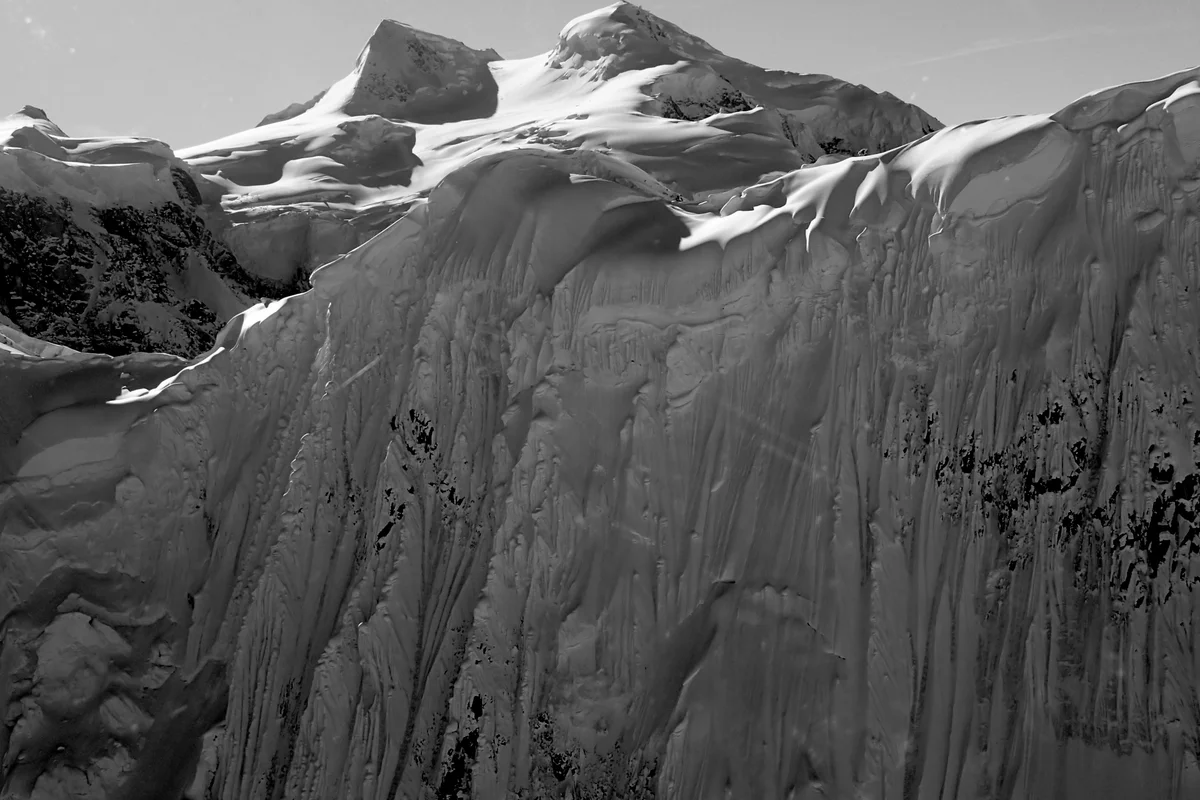
Conquering Begguya: Fred Beckey, Heinrich Harrer, and the West Ridge of Mount Hunter
In July 1954, legendary North American first ascent king Fred Beckey joined Eigerwand conqueror Heinrich Harrer and Henry Meybohm to achieve the historic first ascent of Mount Hunter.
Documented Sources & Archival Citations
- American Alpine Journal: Mount Hunter First Ascent (1955)(Fred Beckey / American Alpine Club)
Supporting claim: Primary expedition report written by Fred Beckey on the 1954 Mount Hunter climb
Accessed/Documented: 2026 - High Alaska: A Historical Guide to Denali, Mount Foraker & Mount Hunter(Jonathan Waterman / The American Alpine Club)
Supporting claim: Comprehensive historical analysis of the 1954 West Ridge first ascent
Accessed/Documented: 2026