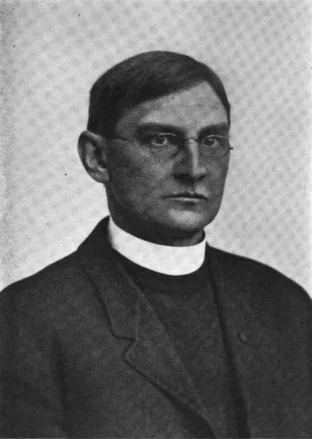
Franklin Spencer Spalding
Franklin Spencer Spalding was an American Episcopal missionary bishop and technical rock climber who unlocked the first documented ascent of the Grand Teton on August 11, 1898. Leading the party above the Upper Saddle, Spalding scaled the sheer, exposed chimney pitch known as The Wall to secure the summit. His physical agility and rope work established modern technical climbing in the American Rockies.
Mountain Safety & Conditions Disclaimer: High-altitude climbing, glacial travel, and technical ascents entail severe objective risks including avalanches, serac collapses, rapid weather collapse, and altitude illness. Historical route descriptions and summit claims on Mountanity reflect documented archival sources and must not be used as live operational safety assessments. Local regulations, permits, and physical glacial topography change continuously.
Peer Review: Senior Editorial Board & Historical Reviewers • Editorial Standards
Biographical Record & Archival Chronicle
Born on March 13, 1865, in Erie, Pennsylvania, Franklin Spencer Spalding was the son of John Franklin Spalding, who served as the Episcopal Bishop of Colorado. A natural athlete of formidable physical strength and moral conviction, Spalding graduated from Princeton University in 1887 and from the General Theological Seminary in New York City in 1890. Ordained to the priesthood, he served parishes in Colorado and Pennsylvania before traveling extensively across western frontier mining camps as an itinerant missionary. In the summer of 1898, while visiting Wyoming, Spalding was invited by surveyor William Otis Owen to join an expedition attempting the unclimbed summit of the Grand Teton. While previous attempts by Owen and earlier explorers had stalled at the sheer northwest headwall above the Upper Saddle at nearly 4,000 metres, Spalding demonstrated exceptional rock-climbing technique. Confronted with a terrifyingly sheer, sixty-foot vertical fissure dropping directly into western abysses, Spalding volunteered to lead unroped over the crux known as The Wall or the Double Chimney. Jamming his hands and boots into slick crystalline cracks, he pulled through the overhanging bulge, reached a stable belay ledge, and secured a rope to assist Owen, Frank Petersen, and John Shive to the top. The team reached the summit at four in the afternoon on August 11, 1898. Consecrated Episcopal Bishop of Utah in 1904, Spalding became a prominent advocate for labor rights, economic equality, and peace throughout the Intermountain West. He died tragically in Salt Lake City on September 25, 1914, after being struck by an automobile at the age of forty-nine.
Notable Milestones & Ascents
- Pioneered and led the technical rock-climbing crux of The Wall on the Grand Teton on August 11, 1898
- Completed the first documented ascent of Grand Teton (4,199 m) with William Owen, Frank Petersen, and John Shive
- Established the foundational alpine rope and belaying methods used on early North American technical ascents
- Served as the Episcopal Bishop of Utah from 1904 to 1914, advocating for social and economic reform across the West
- Namesake of the Spalding Chimney and the Owen-Spalding Route on Grand Teton
Key Statistics & Topographic Figures
- Historic Ascent
- Crux Lead on Grand Teton First Ascent (1898)
- Birth and Death
- March 13, 1865 – September 25, 1914
- Ecclesiastical Office
- Episcopal Bishop of Utah (1904–1914)
- Education
- Princeton University (1887)
- Crux Pitch
- The Wall / Spalding Chimney (YDS 5.4)
Archival Primary Source Quotations
“There was only one way to climb that wall: to put faith in the strength of one's hands and the grip of wool on cold granite.”
Defined Alpine Terminology & Concepts
- Chimney Climbing
- A technical climbing technique where a climber bridges opposing walls of a rock fissure using back, feet, and knees to exert outward counter-pressure.
- Body Belay
- A traditional method of safeguarding a climbing partner by wrapping the safety rope around the belayer's torso to provide friction.
Frequently Asked Questions: Franklin Spencer Spalding
Who was Franklin Spencer Spalding and what was his mountaineering milestone?
Franklin Spencer Spalding was an Episcopal missionary bishop and skilled rock climber who unlocked the physical crux of The Wall on the first documented ascent of Grand Teton on August 11, 1898.
How did Franklin Spalding climb the crux pitch on Grand Teton?
Spalding removed his boots to climb in woolen socks, jamming his hands and chimneying his body unroped through a vertical 60-foot cleft with 3,000 feet of exposure beneath him.
What bishopric did Franklin Spencer Spalding hold?
Spalding was consecrated the Episcopal Bishop of Utah in 1904, serving missionary congregations across Utah, Nevada, and western Wyoming until his death in 1914.
What were Bishop Spalding's notable social and philosophical beliefs?
Spalding was an outspoken Christian socialist who campaigned vigorously for workers' rights, labor unions, public healthcare, peace, and alcohol prohibition in western mining towns.
Where was Franklin Spencer Spalding educated?
Spalding graduated from Princeton University in 1887 and from the General Theological Seminary in New York City in 1890.
What route features on Grand Teton bear Spalding's name?
The Owen-Spalding Route bears his name, as does the Spalding Chimney (The Wall), the crucial pitch that unlocks the upper mountain.
How did Franklin Spencer Spalding pass away?
Spalding died tragically in Salt Lake City on September 25, 1914, at age 49, after being struck by an automobile while crossing a city street.
Why was Spalding's climbing technique revolutionary in nineteenth-century America?
Spalding used friction, body jamming, and rope-hauling techniques that anticipated modern free climbing decades before formal technical standards developed in America.
Associated Summits (1)
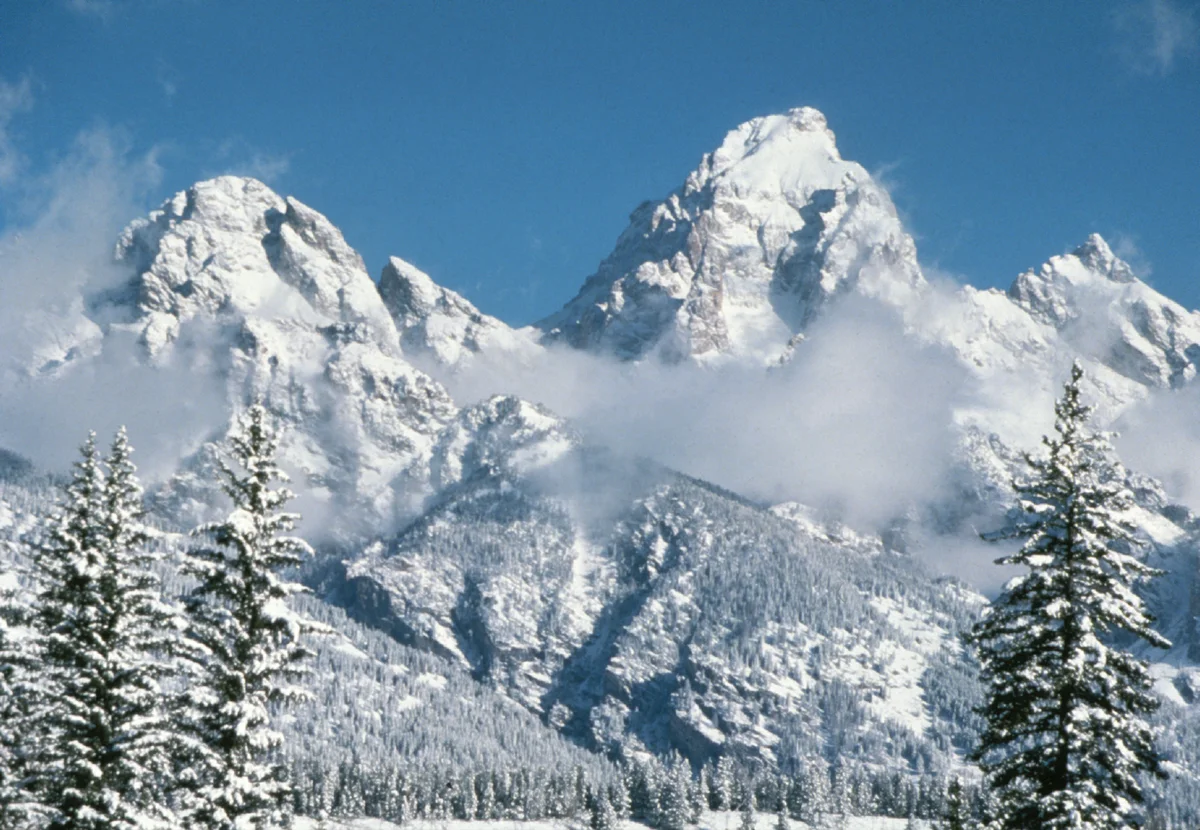

Grand Teton
Grand Teton is a world-famous, razor-sharp granite and gneiss peak rising abruptly to an elevation of 4,199 metres in Grand Teton National Park in northwestern Wyoming. As the highest summit in the Teton Range and the second highest peak in Wyoming, it towers more than 7,000 vertical feet above the sagebrush flats of Jackson Hole without intervening foothills. It is celebrated across mountaineering history as the birthplace of modern American technical rock climbing and client-centered mountain guiding.
Pioneered & Associated Routes (2)
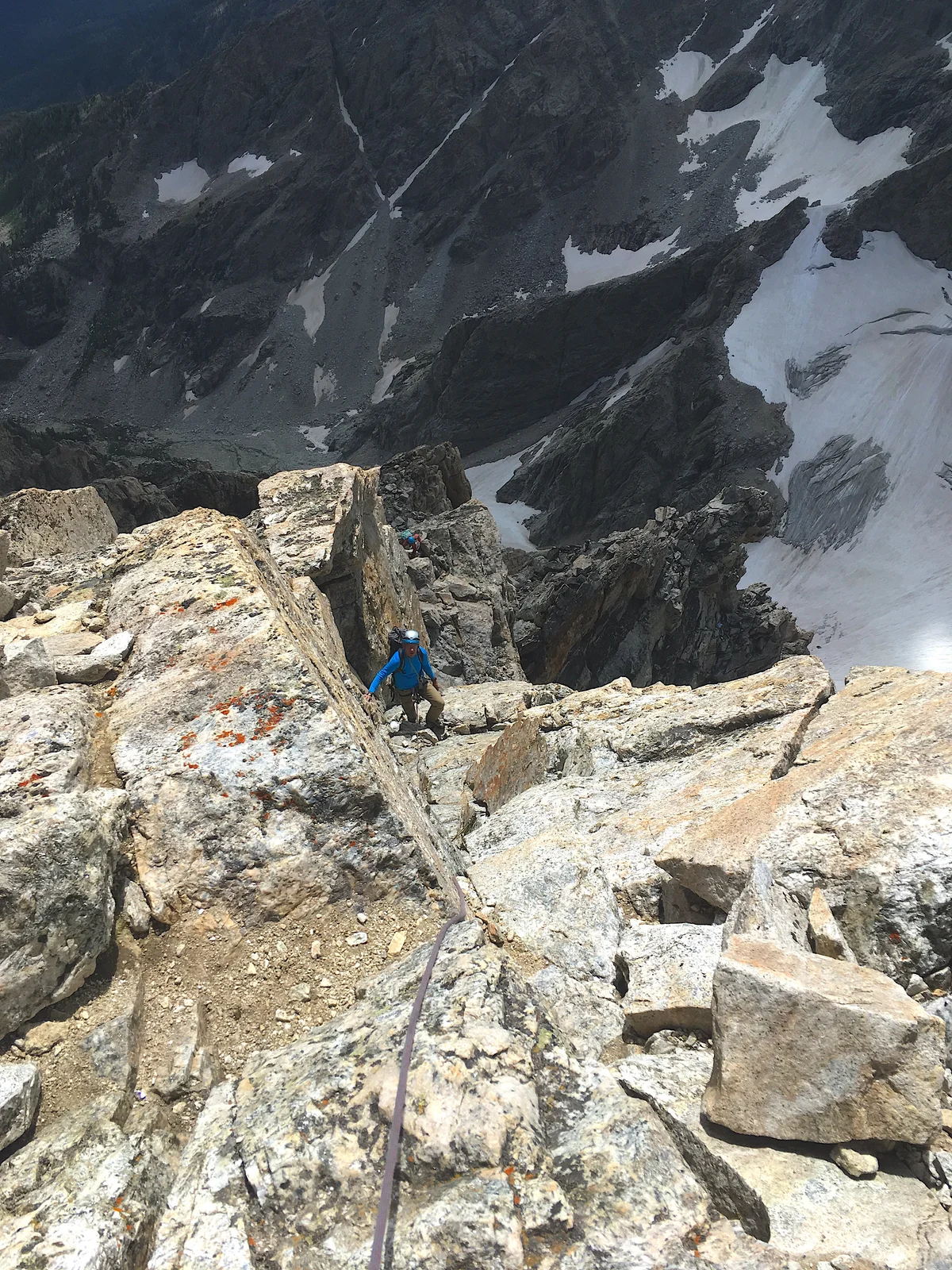
Complete Exum Ridge Route (Grand Teton)
The Complete Exum Ridge is widely revered as the finest, most aesthetic alpine rock climb in North America, scaling 1,700 vertical feet of immaculate, exposed Precambrian gneiss along the south ridge of Grand Teton directly to the summit. Pioneered in its upper section by 20-year-old Glenn Exum in 1931 during a daring solo climb and completed from the Lower Saddle by Paul Petzoldt and Glenn Exum, the route is graded Grade III / YDS 5.7 (French 5a), featured prominently in Fifty Classic Climbs of North America.
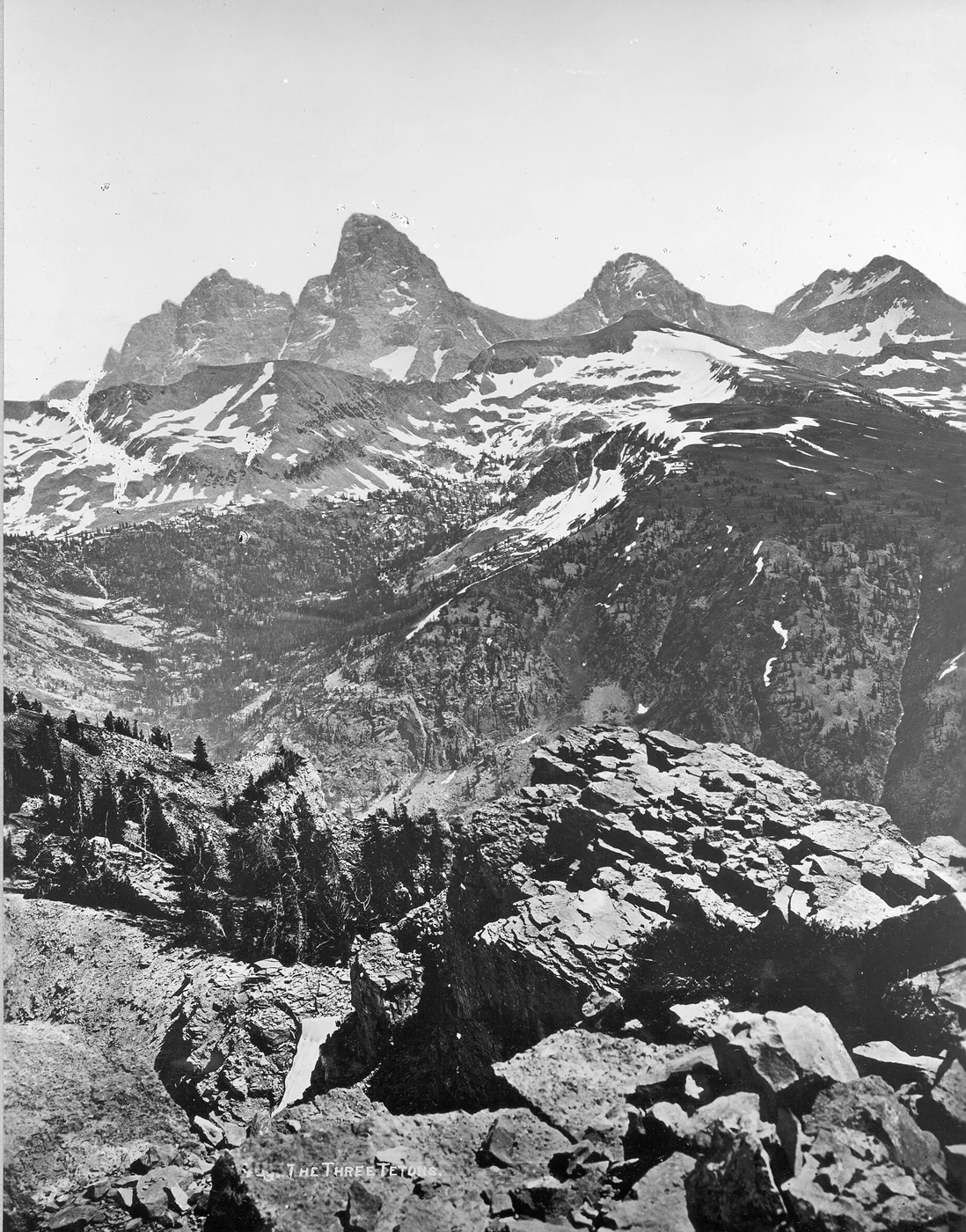
Owen-Spalding Route (Grand Teton)
The Owen-Spalding route is the historic normal route to the summit of Grand Teton, pioneering the first documented ascent of the mountain on August 11, 1898. Ascending 2,130 metres of vertical elevation gain from Lupine Meadows via Garnet Canyon, the Lower Saddle, and the Upper Saddle, the route features dramatic, world-renowned exposure on passages like the Belly Roll, The Crawl, and the physical crux of The Wall (Double Chimney), graded YDS 5.4 or French III.
Documented Expeditions (1)
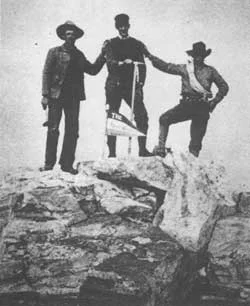
1898 Owen-Spalding Grand Teton First Documented Ascent
On August 11, 1898, Franklin Spencer Spalding, William Otis Owen, Frank Petersen, and John Shive completed the first documented climb of the Grand Teton, overcoming the sheer pitch of The Wall.
Documented Sources & Archival Citations
- Franklin Spencer Spalding: Man and Bishop(John Howard Melish / Macmillan)
Supporting claim: Authoritative biographical account of Spalding's mountaineering, ministry, and western expeditions
Accessed/Documented: 2026 - A Climber's Guide to the Teton Range(Leigh Ortenburger and Reynold G. Jackson / The Mountaineers Books)
Supporting claim: Detailed technical analysis of Spalding's crux lead on The Wall during the 1898 climb
Accessed/Documented: 2026