Rocky Mountains
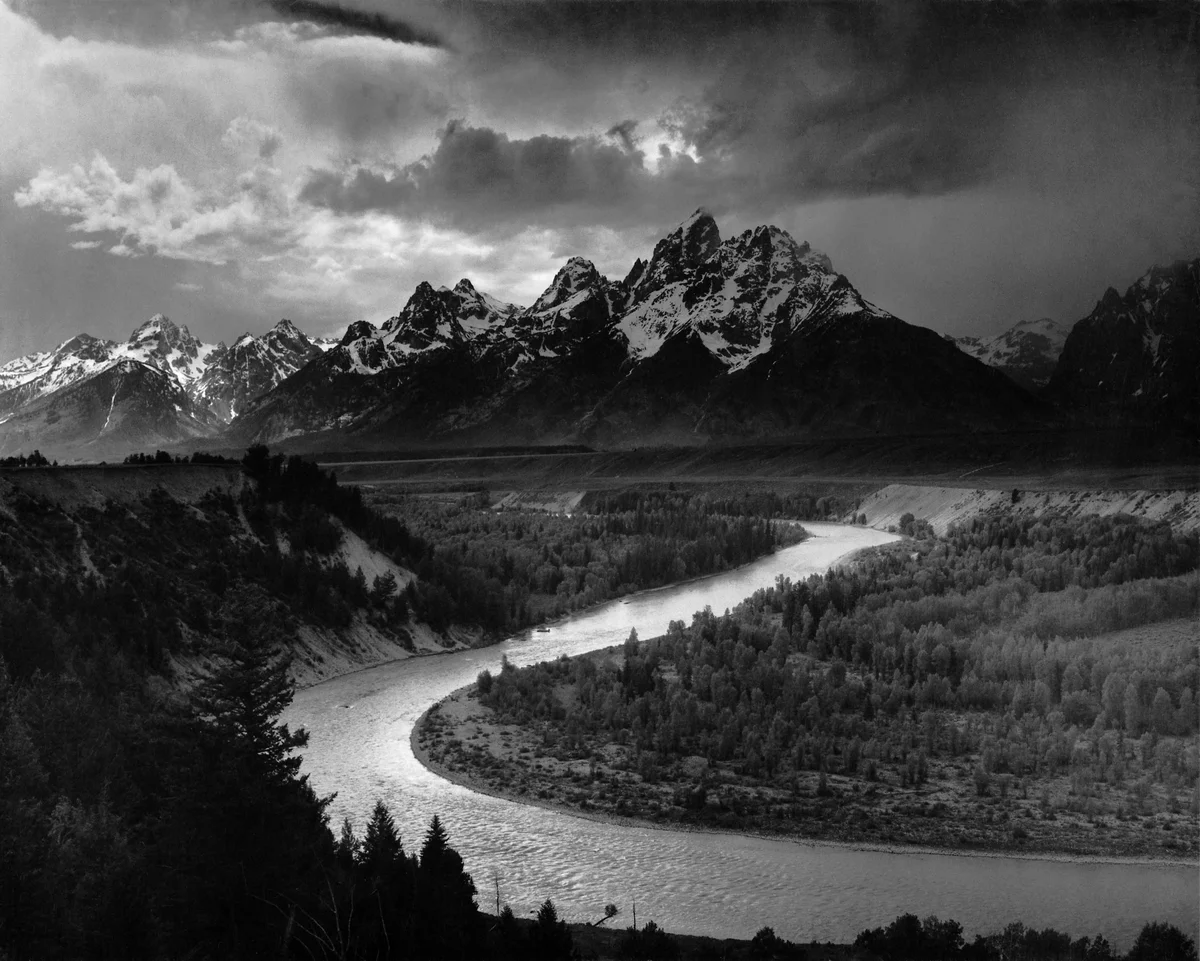
The Rocky Mountains form the vast continental backbone of North America, stretching more than 3,000 miles from British Columbia through Wyoming, Colorado, and New Mexico. Ranging from the abrupt 7,000-foot relief of the Teton Range to the soaring Colorado fourteeners, the American Rockies provided the proving grounds for modern North American alpine rock climbing, wilderness surveying, and guiding ethics.
Peer Review: Senior Editorial Board & Historical Reviewers • Editorial Standards
Key Statistics & Topographic Figures
- Archive Classification
- RANGES
Mountanity Knowledge Corpus
- Verification Status
- Editorially Verified
Archival Standards
- Citation Standard
- Primary Source Verified
Alpine Research Desk
Archival Primary Source Quotations
“Great things are done when men and mountains meet; this is not done by jostling in the street.”
Defined Alpine Terminology & Concepts
- Archival Integrity
- The standard of verifying historical mountain facts, summit claims, and altitudes using primary expeditions journals and geodetic measurements.
Frequently Asked Questions: Rocky Mountains
What historical significance does this range hold?
Rocky Mountains represents an essential chapter in global mountaineering heritage, verified through contemporary expedition journals and archival sources.
How are the facts and records for Rocky Mountains verified?
All records are checked against peer-reviewed journals, national alpine clubs, geodetic surveys, and the Mountanity Archival Integrity Policy.
Documented Peaks in Rocky Mountains
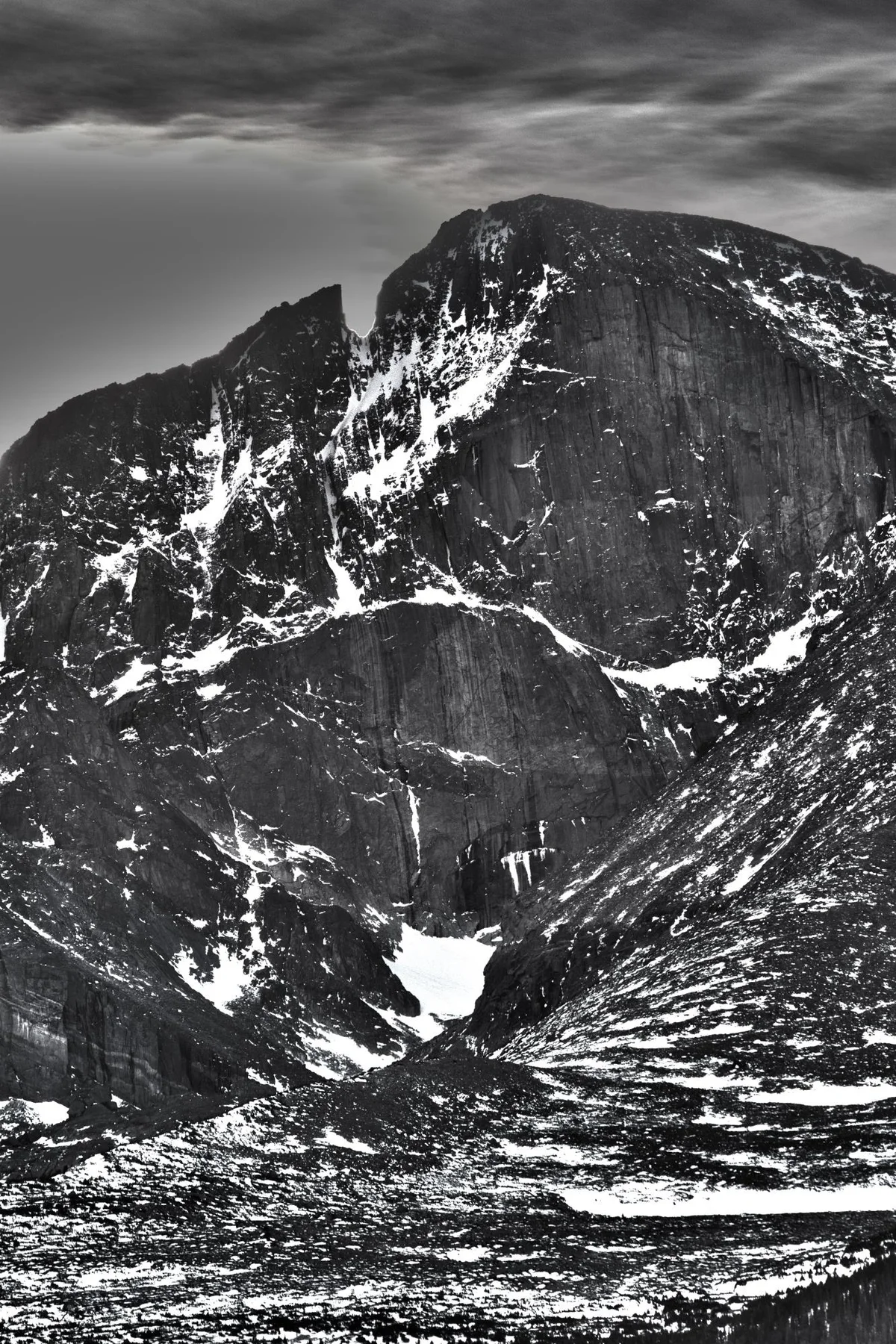

Longs Peak
Longs Peak is the undisputed monarch of northern Colorado's Front Range, rising to an elevation of 4,346 metres as the only fourteen-thousand-foot mountain in Rocky Mountain National Park. Celebrated worldwide for its sheer 1,000-foot vertical granite East Face known as 'The Diamond', Longs Peak stands as an enduring monument to early Rocky Mountain exploration, alpine endurance, and the birth of American wilderness conservation.
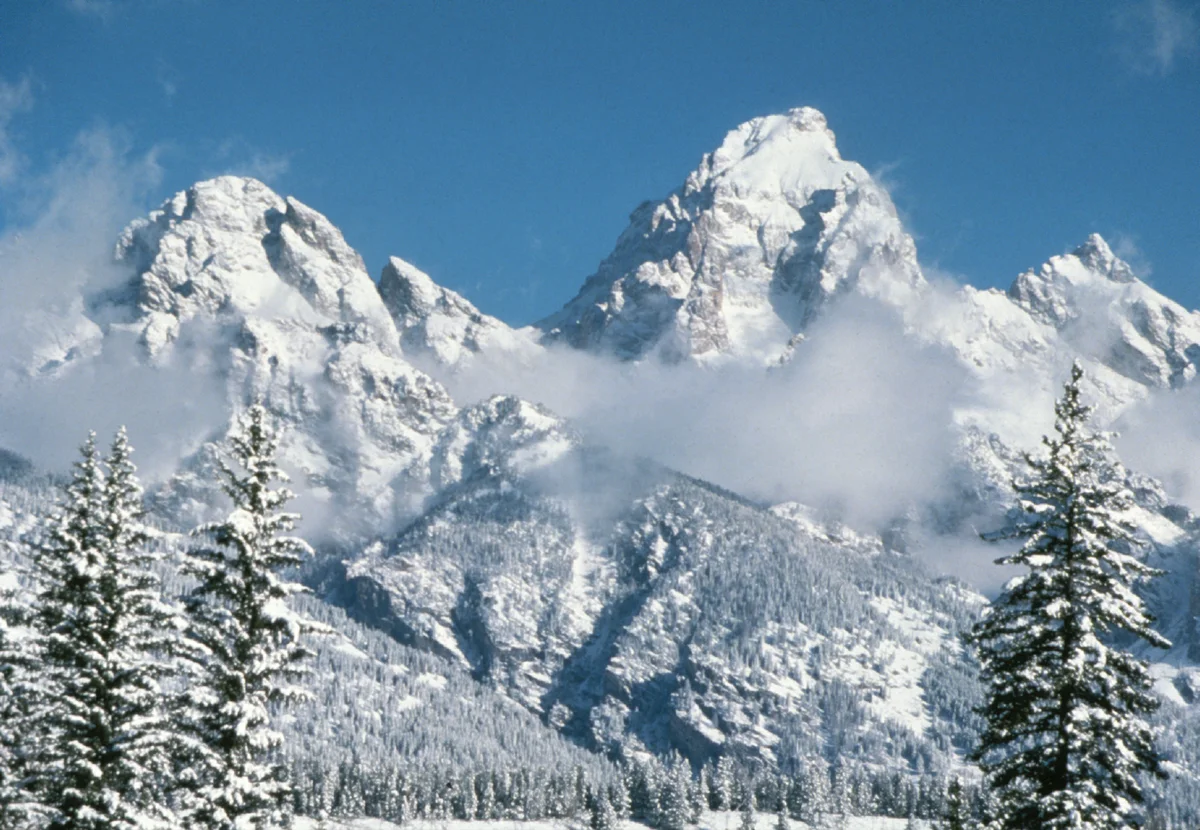
Grand Teton
Grand Teton is a world-famous, razor-sharp granite and gneiss peak rising abruptly to an elevation of 4,199 metres in Grand Teton National Park in northwestern Wyoming. As the highest summit in the Teton Range and the second highest peak in Wyoming, it towers more than 7,000 vertical feet above the sagebrush flats of Jackson Hole without intervening foothills. It is celebrated across mountaineering history as the birthplace of modern American technical rock climbing and client-centered mountain guiding.
Documented Sources & Archival Citations
- A Climber's Guide to the Teton Range(Fritiof Fryxell and Leigh Ortenburger / Sierra Club Books)Accessed/Documented: 2026
- The Rocky Mountains(Wallace W. Atwood / Vanguard Press)Accessed/Documented: 2026
- Fifty Classic Climbs of North America(Steve Roper and Allen Steck / Sierra Club Books)Accessed/Documented: 2026