Longs Peak
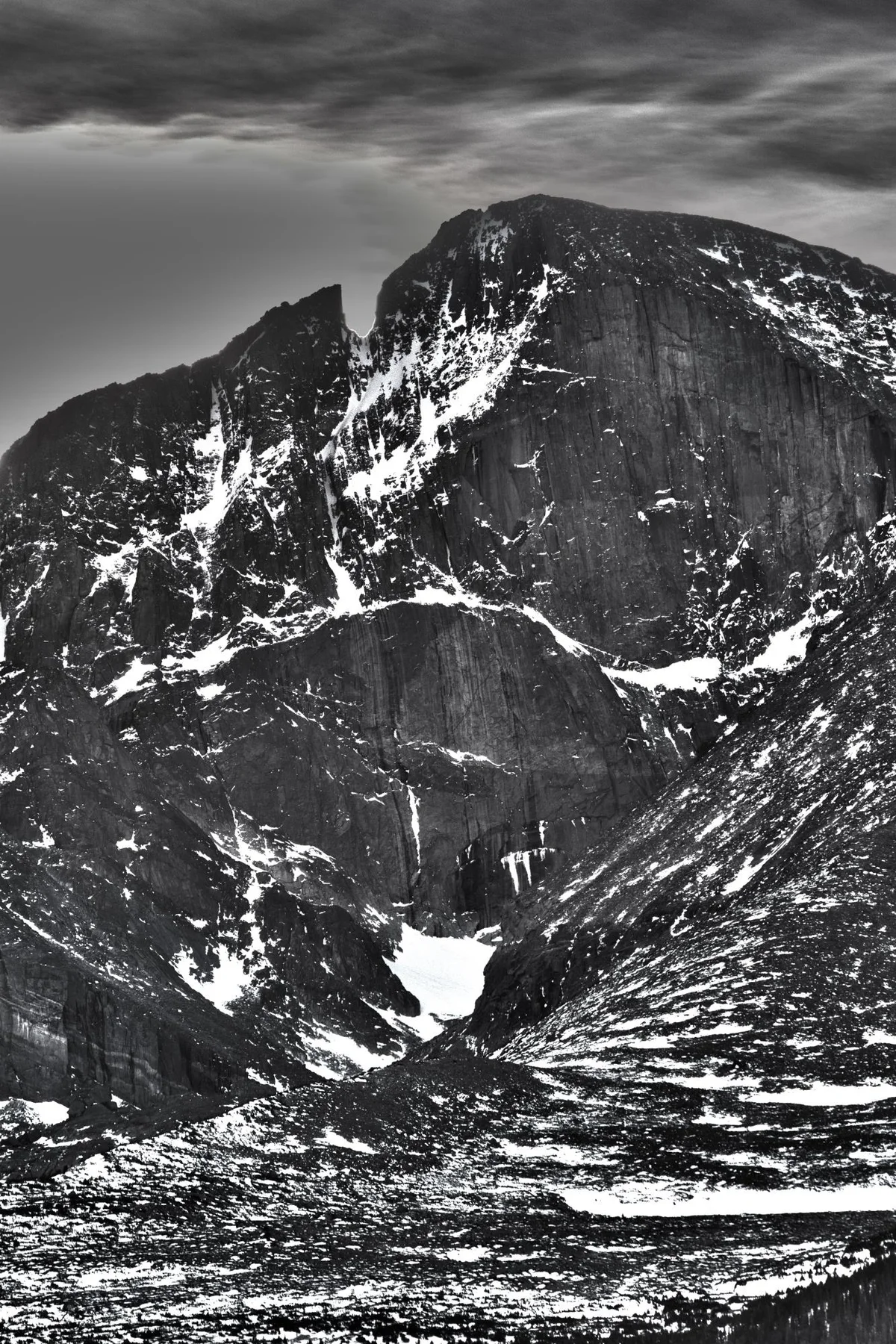
Longs Peak is the undisputed monarch of northern Colorado's Front Range, rising to an elevation of 4,346 metres as the only fourteen-thousand-foot mountain in Rocky Mountain National Park. Celebrated worldwide for its sheer 1,000-foot vertical granite East Face known as 'The Diamond', Longs Peak stands as an enduring monument to early Rocky Mountain exploration, alpine endurance, and the birth of American wilderness conservation.
 United States
Mountain Safety & Conditions Disclaimer: High-altitude climbing, glacial travel, and technical ascents entail severe objective risks including avalanches, serac collapses, rapid weather collapse, and altitude illness. Historical route descriptions and summit claims on Mountanity reflect documented archival sources and must not be used as live operational safety assessments. Local regulations, permits, and physical glacial topography change continuously.
Peer Review: Senior Editorial Board & Historical Reviewers • Editorial Standards
Geographical Setting & Topography
Situated along the Continental Divide in northern Colorado forty miles northwest of Denver, Longs Peak is visible across the Great Plains for over a hundred miles. Its broad tabletop summit is surrounded by precipitous cliffs plunging into Chasm Lake cirque, and is traversed by the classic Keyhole Route through the Boulderfield, the Ledges, the Trough, the Narrows, and the sheer Homestretch.
Historic First Ascent
Date: 1868-08-23
Ascent Team: John Wesley Powell, William Byers, L. W. Keplinger, Samuel Garman, Ned E. Farrell, John Sumner
Key Statistics & Topographic Figures
- Summit Elevation
- 4,346 metres (14,259 feet)
- Topographic Prominence
- 896 metres (2,940 feet)
- First Recorded Ascent
- August 23, 1868 (John Wesley Powell party)
- The Diamond Height
- 1,000 vertical feet of sheer alpine granite
- Round-Trip Hike Distance
- 14.5 miles via the Keyhole Route
Archival Primary Source Quotations
“Longs Peak is a mountain of character, severe and stately, holding court above the Great Plains.”
Defined Alpine Terminology & Concepts
- The Diamond
- The sheer, uninterrupted thousand-foot vertical eastern wall of Longs Peak, rising from Broadway ledge to the summit rim.
- Keyhole
- A sharp, cathedral-like natural notch cut through the granite ridge of Longs Peak connecting the Boulderfield to the exposed western ledges.
Longs Peak Mountain Weather Forecast
Detailed 14-Day Summit Window & Weather Timeline
Explore day-by-day summit push safety windows, wind shear analysis, and extended multi-day forecasts for Longs Peak.
Explore Longs Peak (4,346 m) in Interactive 3D
Inspect steep glacial walls, hanging seracs, ridge approaches, and elevation relief with 360° rotation and terrain tilt in WebGL.
Historical Expeditions (1)
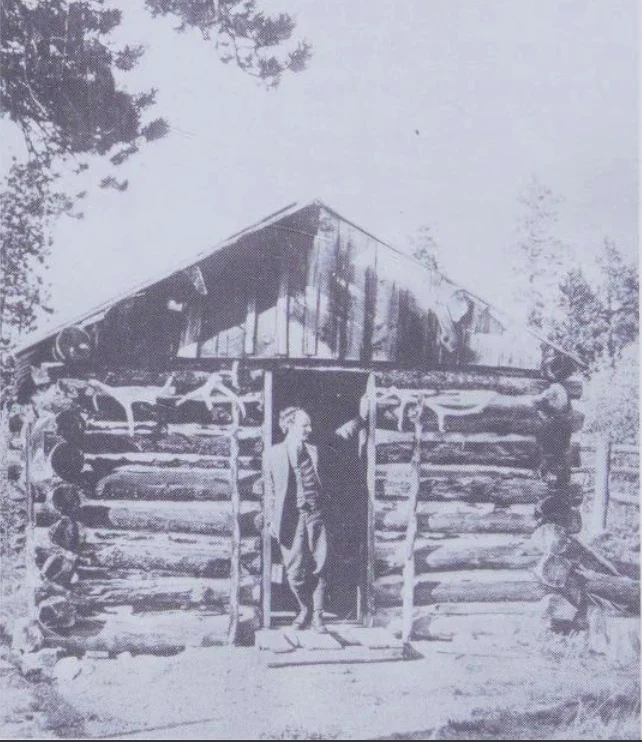
1903 Enos Mills Longs Peak Winter Night Solo Ascent
In February 1903, pioneer naturalist and guide Enos Mills completed an extraordinary solo winter night ascent of Longs Peak, navigating through the frozen Keyhole in darkness.
Summit Chronicles & Stories (1)
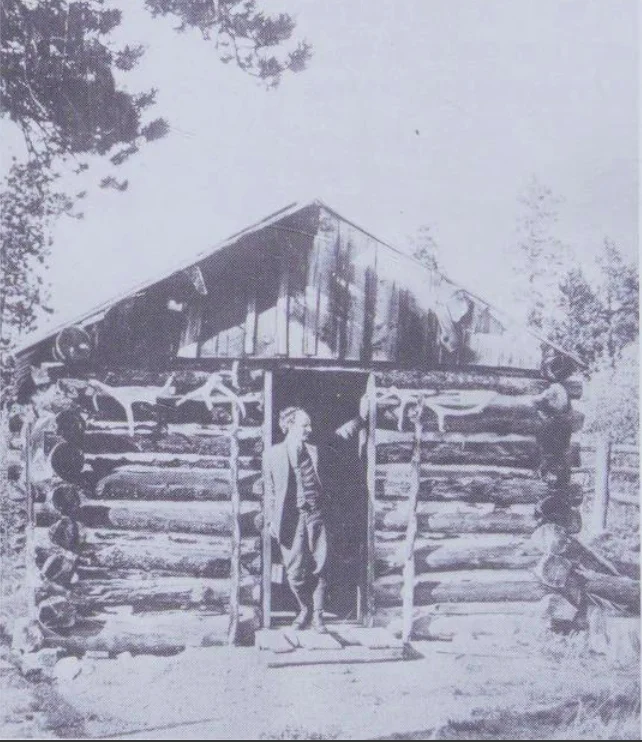
Starlight on the Keyhole: Enos Mills' 1903 Winter Night Ascent of Longs Peak
In February 1903, pioneer Colorado naturalist Enos Mills embarked on a solo midwinter night ascent of Longs Peak. Navigating through the frozen Keyhole, the icy Ledges, and the gale-swept Homestretch in total darkness, he greeted sunrise from the arctic summit.
Frequently Asked Questions: Longs Peak
What is Longs Peak and where is it situated in Colorado?
Longs Peak is a prominent 14,259-foot (4,346 m) tabletop granite mountain in Rocky Mountain National Park, located along the Continental Divide in northern Colorado.
What is The Diamond on Longs Peak?
The Diamond is a world-famous, sheer 1,000-foot vertical east face of Precambrian granite above Chasm Lake, recognized as one of North America's premier big-wall alpine rock faces.
Who made the first recorded ascent of Longs Peak?
Major John Wesley Powell, William Byers, and four companions achieved the first recorded ascent on August 23, 1868.
What is the standard scrambling route to the summit of Longs Peak?
The Keyhole Route is the classic 15-mile round-trip scramble, passing the Boulderfield, crossing through the Keyhole rock notch, traversing the Ledges and Narrows, and ascending the Homestretch.
How many times did pioneer naturalist Enos Mills climb Longs Peak?
Enos Mills summited Longs Peak more than forty times in all seasons, pioneering winter ascents, solo nighttime climbs, and professional nature guiding.
Why is Longs Peak considered dangerous for casual hikers?
The peak experiences severe afternoon lightning storms, sudden blizzards, sub-zero windchills, and vertiginous exposure along the Ledges and Homestretch where falls are fatal.
What is the Agnes Vaille Shelter on Longs Peak?
It is a stone emergency shelter erected at the Keyhole in memory of Agnes Vaille, who tragically died of hypothermia during a historic winter descent of the East Face in January 1925.
When was The Diamond on Longs Peak first climbed?
The Diamond was first climbed in August 1960 by Dave Rearick and Bob Kamps over three days via the D1 route, breaking a longstanding National Park Service climbing ban.
Documented Sources & Archival Citations
- The Story of Longs Peak(Enos Mills / The Story of a Thousand-Year Pine and Other Tales)
Supporting claim: Historical chronicle and natural history reflections by pioneer guide Enos Mills
Accessed/Documented: 2026 - High Over Colorado: The Diamond of Longs Peak(Walter Fricke / American Alpine Journal)
Supporting claim: Comprehensive history of technical rock climbing on the East Face and Keyhole of Longs Peak
Accessed/Documented: 2026