Crown of the Caribbean: The 1939 First Ascent of Pico Cristóbal Colón
On February 2, 1939, Walter Wood, Anderson Bakewell, and Erwin Kraus made the historic first ascent of Pico Cristóbal Colón (5,730 m) in Colombia's Sierra Nevada de Santa Marta.
Mountain Safety & Conditions Disclaimer: High-altitude climbing, glacial travel, and technical ascents entail severe objective risks including avalanches, serac collapses, rapid weather collapse, and altitude illness. Historical route descriptions and summit claims on Mountanity reflect documented archival sources and must not be used as live operational safety assessments. Local regulations, permits, and physical glacial topography change continuously.
Peer Review: Senior Editorial Board & Historical Reviewers • Editorial Standards
Crown of the Caribbean: The 1939 First Ascent of Pico Cristóbal Colón
The Island of Ice in the Tropical Sea
Nowhere else on planet Earth does a high-altitude alpine world rise so dramatically from tropical shores as in the Sierra Nevada de Santa Marta of northern Colombia. Rising in absolute isolation from the Caribbean coastal plains, this triangular granitic pyramid rockets from sea level to perpetual snows in just forty-two kilometres. Its supreme summit—Pico Cristóbal Colón (5,730 m)—is the fifth most topographically prominent mountain in the world, with over 5,500 metres of prominence.
To the ancestral indigenous nations who inhabited its flanks—the Kogui, Arhuaco, Wiwa, and Kankuamo—the glaciated massif was known as Gonawindúa: the sacred heart of the universe and the spiritual elder brother of humanity. For centuries, the mountain’s dense jungle approaches, deadly tropical fevers, and sacred isolation protected its icy peaks from foreign intrusion.
In January 1939, an ambitious American expedition led by Walter A. Wood Jr. and Anderson Bakewell arrived in Colombia under the sponsorship of the American Alpine Club. Recognizing that success depended on Colombian expertise, Wood recruited thirty-three-year-old Erwin Kraus—a brilliant Bogotá-born artist, mountaineer, and photographer whose mastery of high cordilleras was unparalleled in the country.
“We moved from stifling tropical rainforests into bamboo jungles, then alpine meadows, and finally stepped onto glaciers gleaming in the Caribbean sky.” — Erwin Kraus, Travesías de la Sierra Nevada
The Jungle Approach and Sacred Paramos
The journey to the mountain was an epic expedition in itself. Loading supplies onto pack mules and hiring local guides, the climbers spent nearly two weeks hacking through dense cloud forests, wading roaring rivers, and ascending steep mountain trails drenched in torrential rains.
Entering the high paramo above 4,000 metres, they met indigenous Arhuaco elders. With respectful diplomacy, Kraus assured the leaders that their expedition sought only to study the peaks with humility and reverence. Permitted to pass, the climbers established Base Camp beside the sacred waters of Laguna Naboba (4,400 m), an ethereal alpine tarn surrounded by vertical granite walls.
Moving higher, they established an assault bivy on moraine gravel at 4,800 metres at the foot of the North Glacier. Temperatures plummeted well below freezing, and biting coastal winds whipped the canvas tent through the night.
Summiting the Monarch of Colombia
Before dawn on February 2, 1939, Wood, Bakewell, and Kraus roped together and stepped onto the glacier. The lower ice slopes rose at 40 to 45 degrees, requiring steady cramponing and careful navigation around gaping bergschrunds.
Reaching the high col between Cristóbal Colón and its twin summit Pico Simón Bolívar at 5,500 metres, the climbers faced an exposed, wind-blasted granitic arête. Scrambling along fractured rock ribs with hundreds of metres of sheer drop beneath their boots, they pushed through the thin equatorial air.
At 1:30 PM on February 2, 1939, Walter Wood, Anderson Bakewell, and Erwin Kraus stepped onto the true summit of Pico Cristóbal Colón at 5,730 metres. The view was unlike anything known in world mountaineering: turning toward the north, they could gaze past the jagged snow peaks, across the emerald jungle canopy, directly to the azure waters of the Caribbean Sea forty miles away.
Kraus spent over an hour taking panoramic photographs and recording scientific notes. The 1939 expedition completed the first ascent of Colombia’s highest mountain and cemented Erwin Kraus’s legendary reputation as the founding father of Colombian mountaineering.
Key Statistics & Topographic Figures
- Category
- Andean Pioneers
Archival Subject
- Reading Time
- 16 min read
Narrative Length
- Key Mountain
- pico-cristobal-colon
Objective
- Ascent Route
- cristobal-colon-north-face
Topography
- Verification
- Editorially Verified
Archival Standard
Archival Primary Source Quotations
“In the mountains, truth is etched in ice and granite; every step requires unwavering respect for the heights.”
Defined Alpine Terminology & Concepts
- Summit Push
- The final continuous climbing effort from the highest established camp to the mountain apex and back.
- Death Zone Chronicle
- A verified, research-backed historical narrative documenting the human, technical, and environmental realities of an alpine expedition.
Frequently Asked Questions: Crown of the Caribbean: The 1939 First Ascent of Pico Cristóbal Colón
What is the core chronicle and subject of "Crown of the Caribbean: The 1939 First Ascent of Pico Cristóbal Colón"?
On February 2, 1939, Walter Wood, Anderson Bakewell, and Erwin Kraus made the historic first ascent of Pico Cristóbal Colón (5,730 m) in Colombia's Sierra Nevada de Santa Marta.
Which mountain peaks and routes are featured in "Crown of the Caribbean: The 1939 First Ascent of Pico Cristóbal Colón"?
This narrative documents climbs on pico-cristobal-colon along the cristobal-colon-north-face in Colombia.
Which documented expedition is chronicled in this story?
This historical chronicle captures the events of the 1939-wood-kraus-cristobal-colon-first-ascent, verified through contemporary journals and archival records.
Who authored and researched this archival chronicle?
Authored and researched by Mountainity Historical Research Desk, drawing on primary eyewitness testimonies, alpine club registries, and verified summit logs.
What makes this high-altitude chronicle historically significant?
Categorized under "Andean Pioneers", this chronicle preserves critical lessons in alpine leadership, survival, tactical speed, and human endurance in the death zone.
Related Mountains
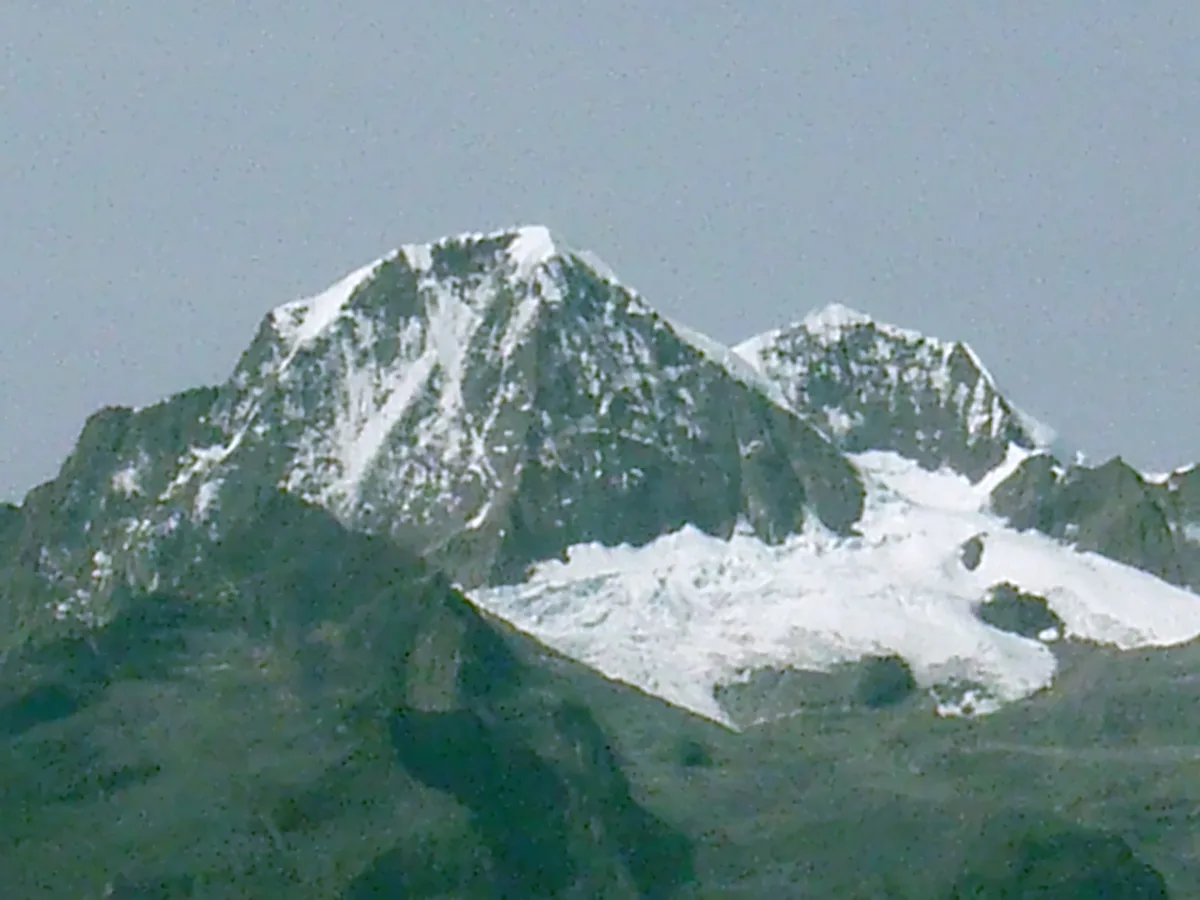
Pico Cristóbal Colón
Pico Cristóbal Colón is the highest mountain in Colombia and the fifth most topographically prominent peak on Earth, soaring to 5,730 metres in the isolated coastal massif of the Sierra Nevada de Santa Marta. Rising abruptly just 42 kilometres from the Caribbean Sea, this glaciated titan holds profound sacred significance for indigenous Kogui, Arhuaco, Wiwa, and Kankuamo peoples as the heart of the world. The peak was first climbed in 1939 by Walter Wood, Anderson Bakewell, and Colombian mountaineering pioneer Erwin Kraus.
Documented Sources & Archival Citations
- The Sierra Nevada de Santa Marta(American Alpine Journal)
Supporting claim: Firsthand expedition journal and cartographic survey of the 1939 Cristóbal Colón first ascent
Accessed/Documented: 1940 - Montañas de Colombia(Villegas Editores)
Supporting claim: Historical analysis of the 1939 Wood-Kraus expedition on Pico Cristóbal Colón
Accessed/Documented: 2001