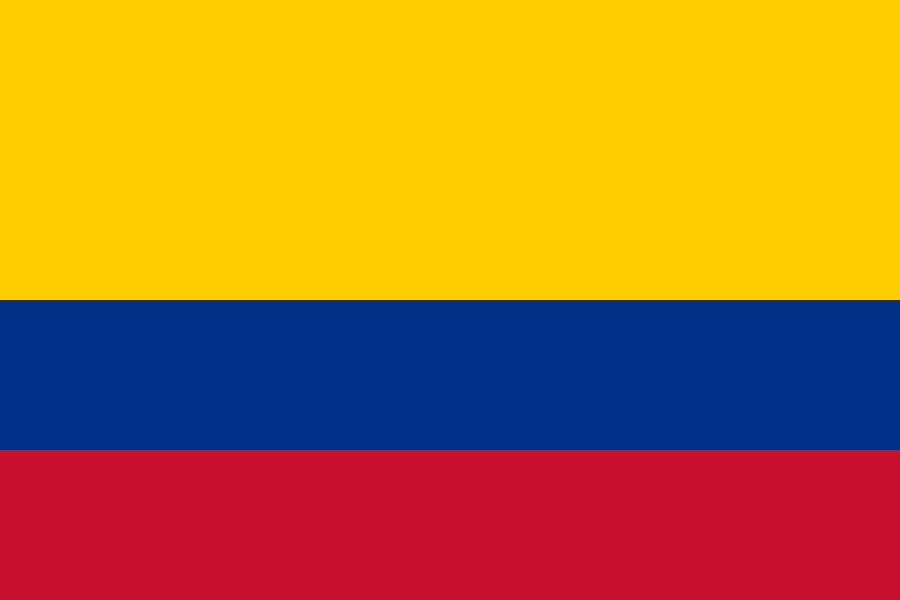
Colombia
Colombia anchors the northern terminus of the Andes, where the cordillera divides into three distinct parallel chains (Occidental, Central, and Oriental) alongside the isolated coastal giant of the Sierra Nevada de Santa Marta. Featuring ultra-prominent glaciated summits like Pico Cristóbal Colón and the majestic ice pyramids of the Sierra Nevada del Cocuy, Colombia offers extraordinary high-altitude alpine terrain rising from Caribbean shores to perpetual snows.
Peer Review: Senior Editorial Board & Historical Reviewers • Editorial Standards
Key Statistics & Topographic Figures
- Archive Classification
- COUNTRIES
Mountanity Knowledge Corpus
- Verification Status
- Editorially Verified
Archival Standards
- Citation Standard
- Primary Source Verified
Alpine Research Desk
Mountain Peaks in Colombia
Technical profiles, elevations, and ascent histories for summits located in or spanning Colombia.
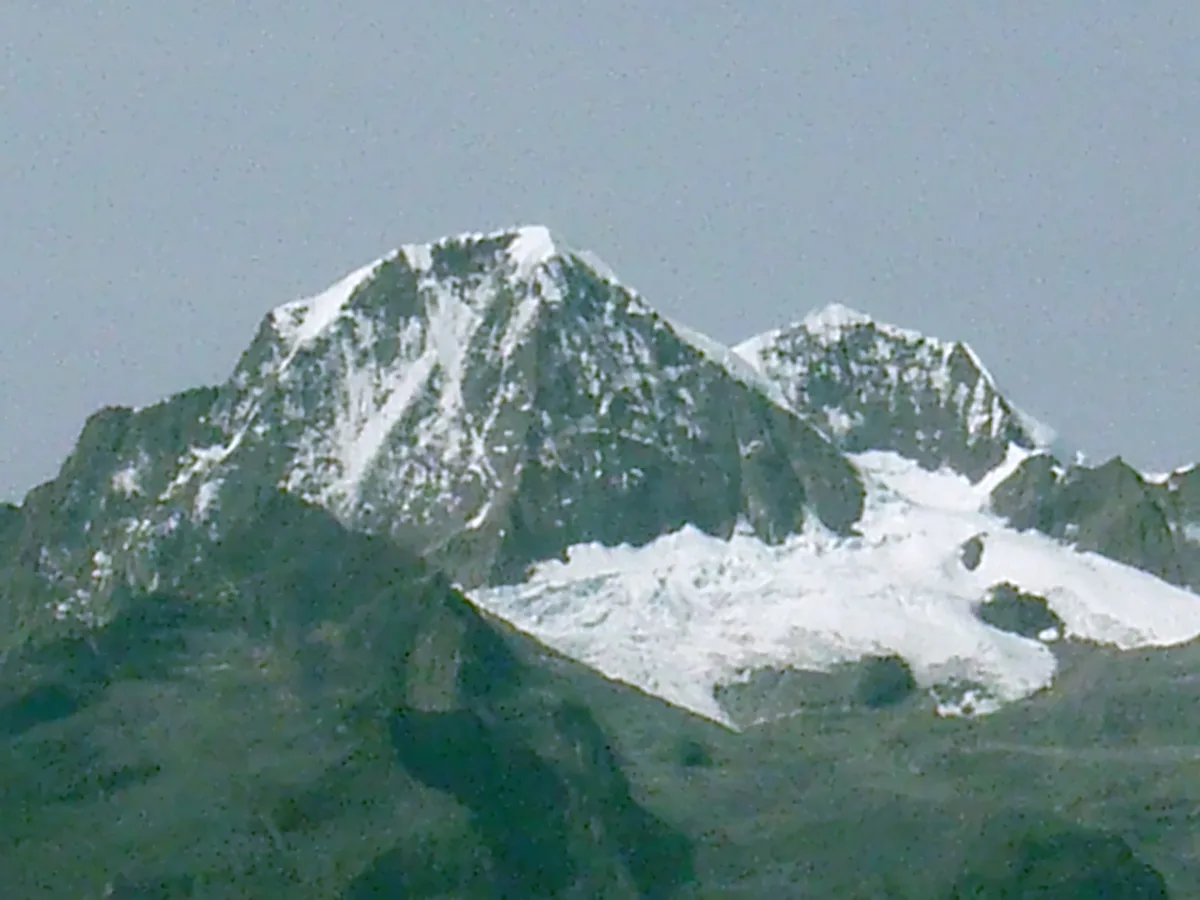
Pico Cristóbal Colón
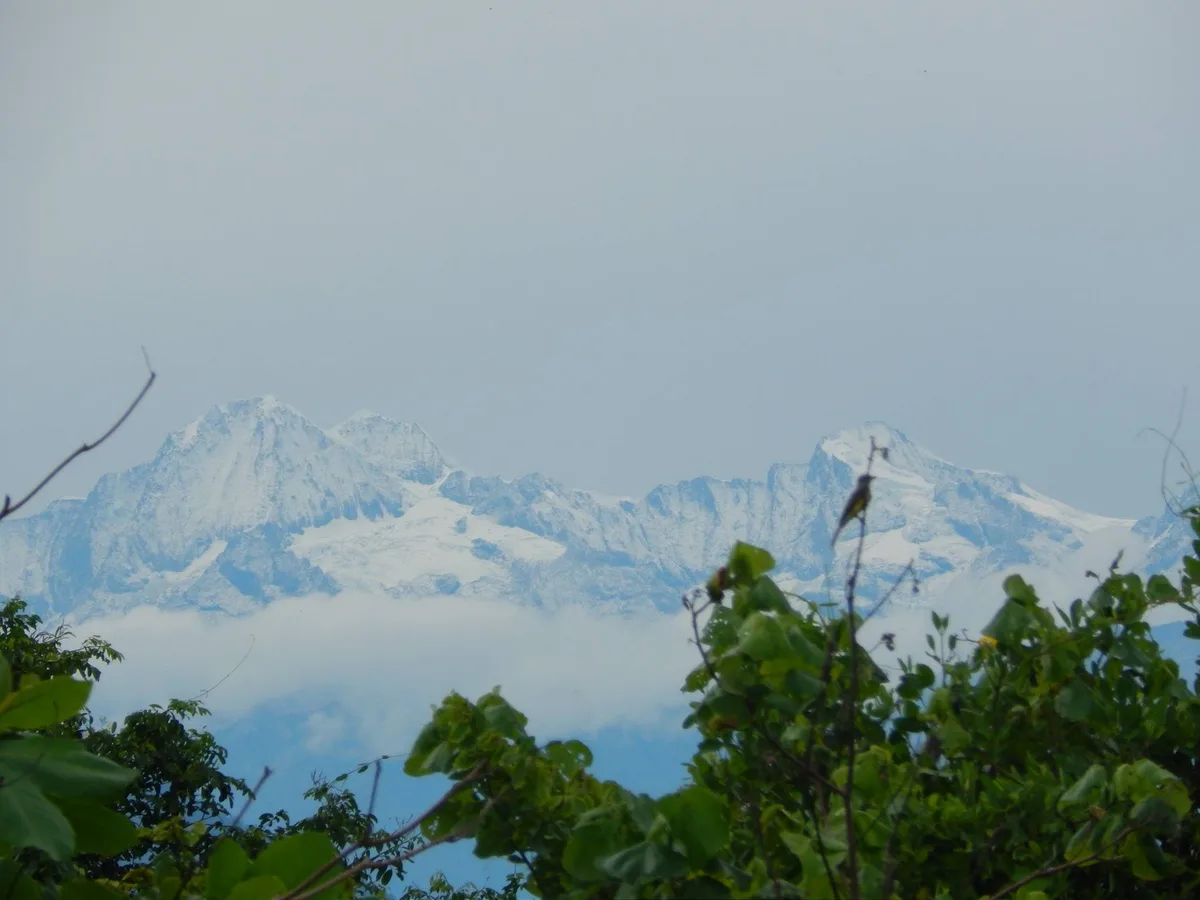
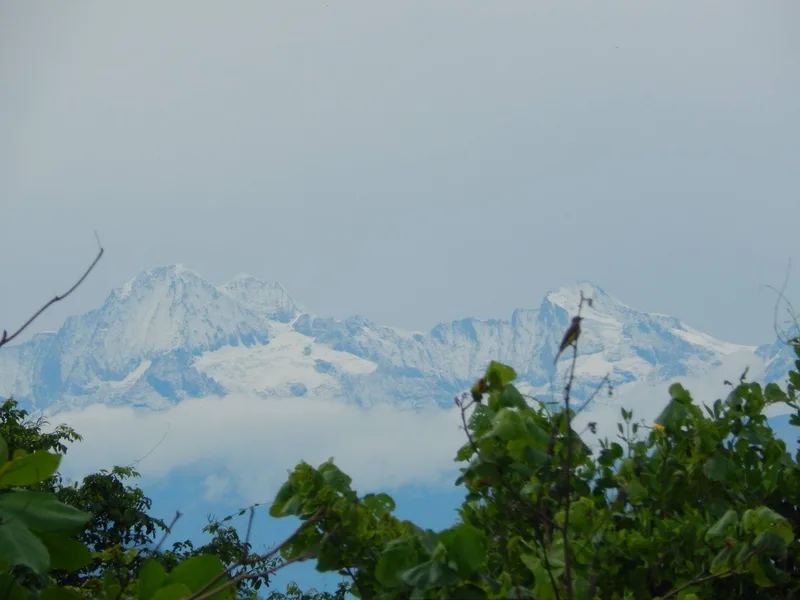
Pico Cristóbal Colón is the highest mountain in Colombia and the fifth most topographically prominent peak on Earth, soaring to 5,730 metres in the isolated coastal massif of the Sierra Nevada de Santa Marta. Rising abruptly just 42 kilometres from the Caribbean Sea, this glaciated titan holds profound sacred significance for indigenous Kogui, Arhuaco, Wiwa, and Kankuamo peoples as the heart of the world. The peak was first climbed in 1939 by Walter Wood, Anderson Bakewell, and Colombian mountaineering pioneer Erwin Kraus.
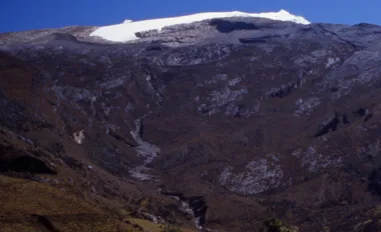
Ritacuba Blanco
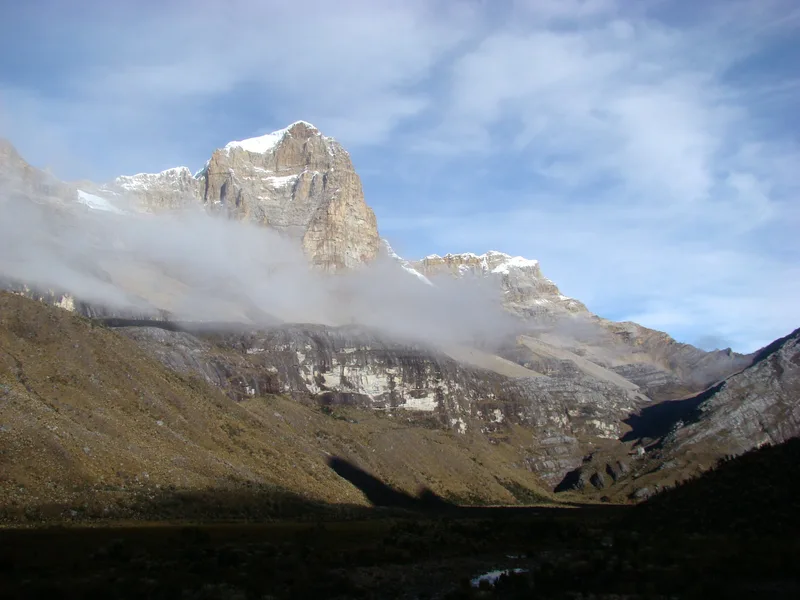
Ritacuba Blanco is the 5,410-metre crowning peak of the Cordillera Oriental of Colombia and the Sierra Nevada del Cocuy. Dominated by a massive western ice sheet and sheer eastern rock walls dropping precipitously toward the Amazonian llanos, Ritacuba Blanco is celebrated for its pristine glaciated ramps and high-altitude paramo lakes. The mountain was first climbed on April 3, 1942, by Erwin Kraus, Guido Tamayo, and Heriberto Degen.
Mountain Ranges Spanning Colombia
Geographic mountain massifs, regional topography, and glaciated chains within Colombia.
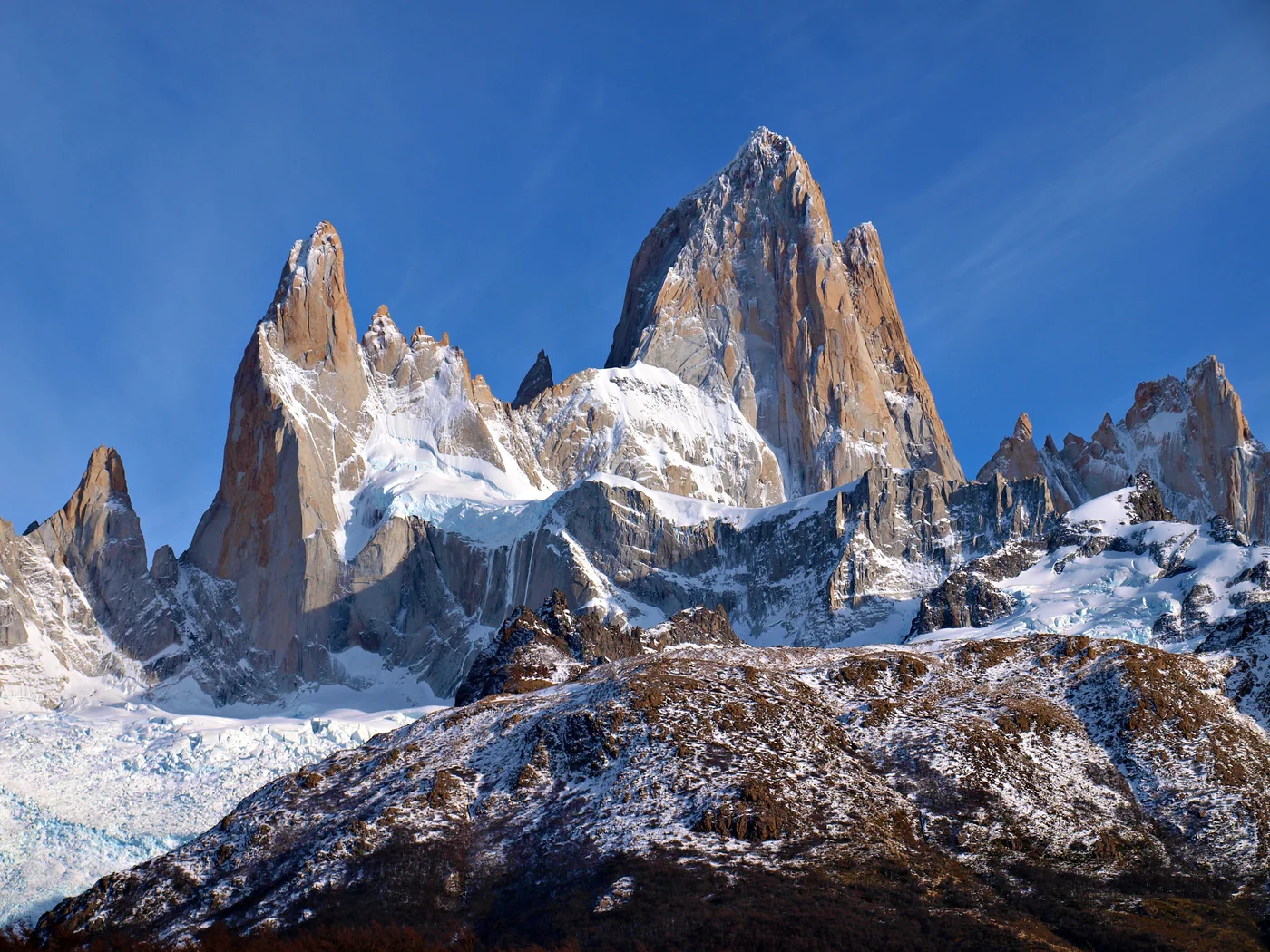
Andes
The Andes form the longest continental mountain range on Earth, stretching over 7,000 kilometres along the western margin of South America. Renowned for soaring glaciated volcanoes, high Altiplano plateaus, and the sheer wind-blasted granite spires of Patagonia, the range contains legendary alpine challenges including Aconcagua and Cerro Fitz Roy.
Documented Climbing Routes
Classic lines of ascent, technical difficulties, and objective hazards across Colombia's summits.
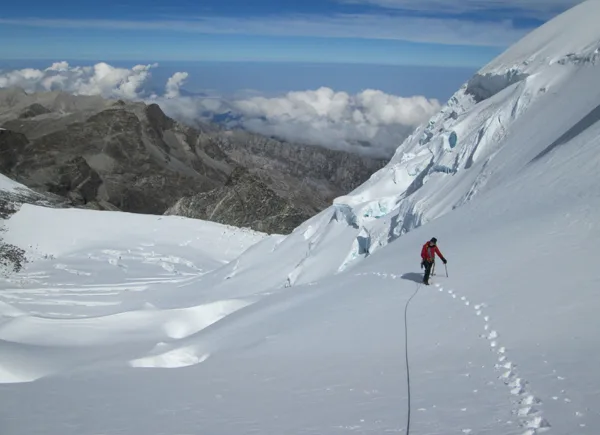
Pico Cristóbal Colón Normal Route (North Glaciers & Arête)
The classic ascent of Pico Cristóbal Colón navigates north-facing hanging glaciers and steep firn ramps before traversing an exposed granitic arête to the 5,730-metre summit. Requiring a multi-day jungle trek through indigenous ancestral territories, the route demands complete expedition self-sufficiency.
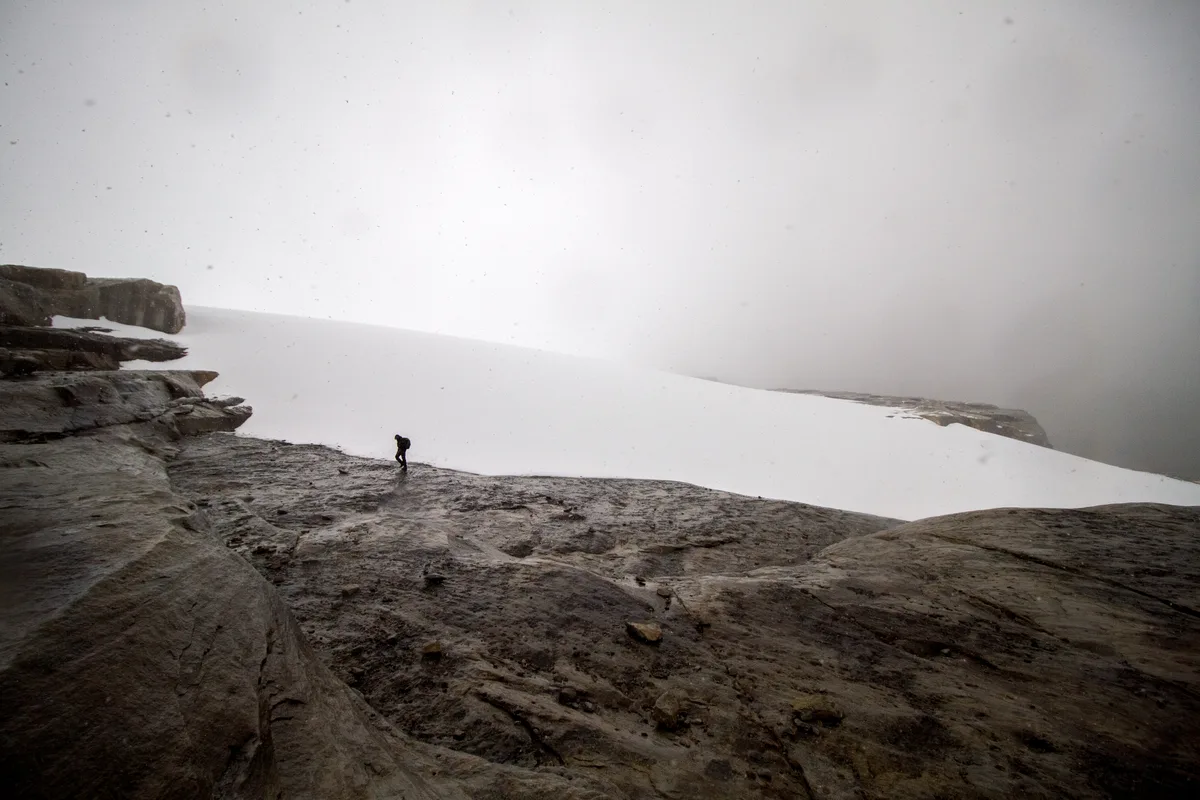
Ritacuba Blanco Normal Route (West Glacier)
The classic ascent of Ritacuba Blanco ascends the expansive western glacier sheet of El Cocuy from the Kanwara cabins. Featuring steady 35°-45° snow slopes, crossing moderate crevasse bridges, the route tops out on an airy corniced summit knife-edge overlooking a sheer 1,000-metre drop into the eastern llanos.
Historic Expeditions & First Ascents
Epoch-making sieges and triumphant summits recorded within Colombia's alpine history.
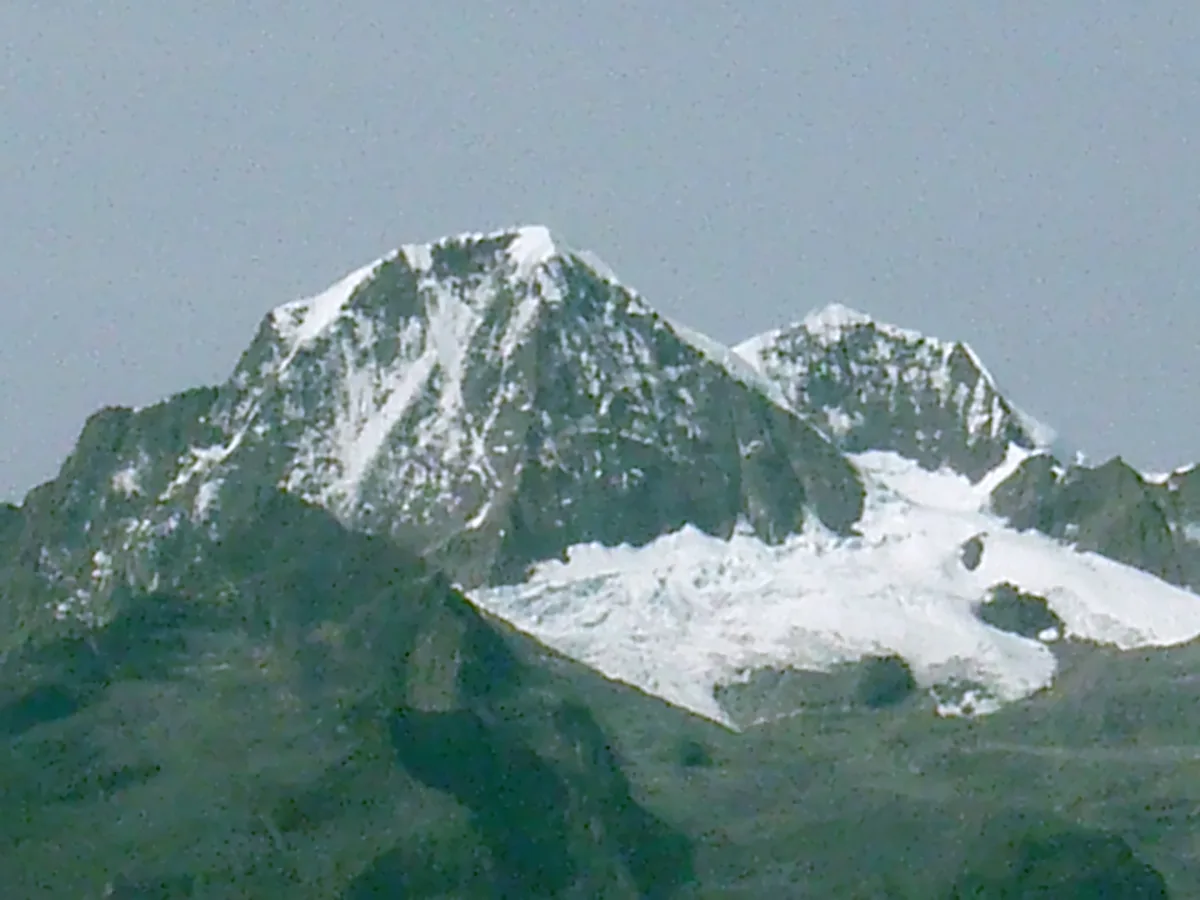
1939 Walter Wood and Erwin Kraus Pico Cristóbal Colón Historic First Ascent Expedition
On February 2, 1939, American explorers Walter Wood and Anderson Bakewell alongside Colombian pioneer Erwin Kraus achieved the historic first ascent of Pico Cristóbal Colón (5,730 m). Overcoming dense cloud forests and steep northern firn ramps, they conquered the fifth most topographically prominent mountain on Earth.
1942 Erwin Kraus and Guido Tamayo Ritacuba Blanco Historic First Ascent Expedition
On April 3, 1942, Colombian pioneers Erwin Kraus, Guido Tamayo, and Heriberto Degen completed the historic first ascent of Ritacuba Blanco (5,410 m). Climbing untracked western glaciers and negotiating a corniced summit arête, they conquered the supreme monarch of the Sierra Nevada del Cocuy.
1952 Erwin Kraus Sierra Nevada de Santa Marta Alpine Traverse Expedition
In January 1952, Colombian mountaineering pioneer Erwin Kraus led a monumental high-alpine traverse across the glaciated peaks of the Sierra Nevada de Santa Marta. Summiting multiple 5,000-metre peaks and documenting fragile equatorial icefields, Kraus completed the definitive photographic and topographical survey of Colombia's highest massif.
Pioneer Mountaineers of Colombia
Biographical chronicles of legendary high-altitude alpinists hailing from Colombia.
Ángel María Escobar
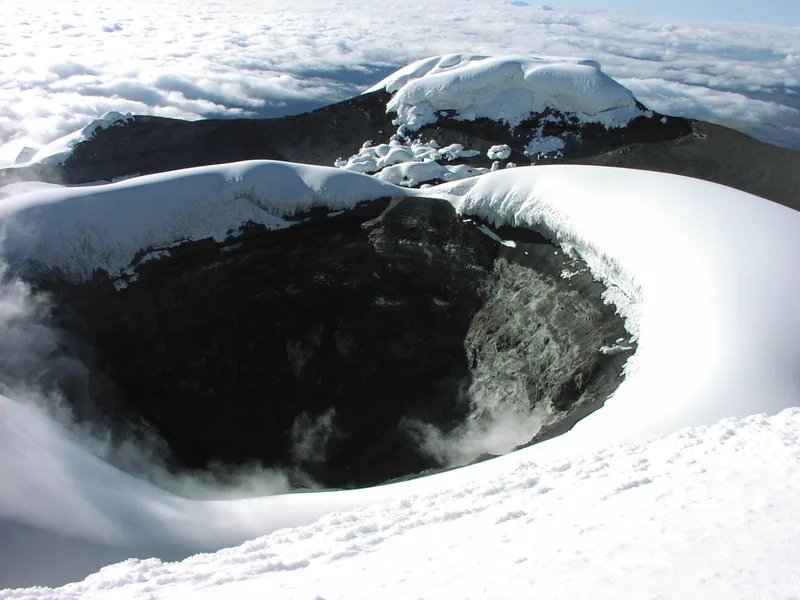
Ángel María Escobar was a native South American explorer born in Colombia who lived and worked in Ecuador during the late nineteenth century. Possessing exceptional physical fitness, intimate knowledge of rugged paramo terrain, and profound adaptability to thin air, Escobar joined German geologist Wilhelm Reiss as an indispensable expedition partner during his multi-year scientific survey of the northern Andean cordilleras. When Reiss resolved to attempt the untamed, steaming summit cone of Volcán Cotopaxi in late 1872, local superstitions and fear of volcanic wrath deterred nearly all local porters. Escobar stood steadfast, committing to accompany Reiss onto the unmapped glaciers. On November 28, 1872, roped together across steep firn ramps and navigating fragile snow bridges over bottomless crevasses, Escobar and Reiss fought through violent sulfuric gales to reach the crater rim at 5,897 metres. Escobar's triumph represented the first recorded ascent of an active 5,800-metre volcano by a native South American mountaineer. He assisted Reiss for hours atop the freezing rim, helping secure delicate barometers and collecting volcanic mineral samples from steaming fissures. Escobar's courage helped dismantle the myth of South American volcanic inaccessibility, paving the way for future Andean alpinists.
Erwin Kraus
Born in Bogotá in 1905 to German parents, Erwin Kraus developed an enduring passion for high wilderness during his youth. Combining the athletic precision of classic European mountaineering with deep love for the Colombian cordilleras, Kraus embarked on an unparalleled four-decade campaign of high-altitude exploration that systematically conquered every major glaciated massif in Colombia. In January 1939, Kraus joined the American expedition led by Walter Wood and Anderson Bakewell into the isolated coastal massif of the Sierra Nevada de Santa Marta. On February 2, 1939, after hacking through dense cloud forests and climbing steep firn on the North Glacier, Kraus and his companions stood upon the summit of Pico Cristóbal Colón (5,730 m), achieving the first ascent of Colombia's highest mountain. Three years later, on April 3, 1942, Kraus led Colombian companions Guido Tamayo and Heriberto Degen up the virgin western glaciers of Ritacuba Blanco (5,410 m), crowning the Cordillera Oriental in the Sierra Nevada del Cocuy. Kraus went on to complete first ascents of Nevado del Huila (5,364 m) and Nevado del Tolima (5,215 m). A gifted photographer and landscape painter, Kraus carried heavy view cameras to high cols, producing an irreplaceable visual record of tropical glaciers that are now rapidly vanishing. A visionary conservationist who championed the creation of Colombia's National Natural Parks system, Kraus passed away in Bogotá in 2003 at the age of 97, immortalized as the founding father of Colombian alpinism.
Guido Tamayo
Guido Tamayo was one of the core pioneers of twentieth-century Colombian alpinism. Possessing exceptional physical endurance and a passion for high wilderness, Tamayo joined Erwin Kraus during the golden age of Colombian mountain exploration in the early 1940s. At the time, the glaciated peaks of the Sierra Nevada del Cocuy in the department of Boyacá were known only from distant paramo trails and indigenous legends. In March 1942, Tamayo, Kraus, and Heriberto Degen organized an expedition into the northern heart of El Cocuy to attempt the highest peak in the Eastern Cordillera: the unclimbed ice dome of Ritacuba Blanco (5,410 m). Overcoming freezing rains, steep moraines, and the thin air of the paramo, the three climbers established an assault camp beneath the western ice tongue. On April 3, 1942, roped together across untracked glacial firn, Tamayo and Kraus climbed steep 45-degree snow slopes, skirted crevasse chasms, and navigated an exposed corniced arête to step onto the 5,410-metre summit. Tamayo's success proved that native Colombian climbers possessed the technical courage and stamina to conquer their country's highest ice walls. Tamayo continued to explore El Cocuy for years, helping map high-altitude passes and inspiring the establishment of Colombia's earliest mountaineering clubs.
Archival Primary Source Quotations
“Great things are done when men and mountains meet; this is not done by jostling in the street.”
Defined Alpine Terminology & Concepts
- Archival Integrity
- The standard of verifying historical mountain facts, summit claims, and altitudes using primary expeditions journals and geodetic measurements.
Frequently Asked Questions: Colombia Mountaineering
What historical significance does this countrie hold?
Colombia represents an essential chapter in global mountaineering heritage, verified through contemporary expedition journals and archival sources.
How are the facts and records for Colombia verified?
All records are checked against peer-reviewed journals, national alpine clubs, geodetic surveys, and the Mountanity Archival Integrity Policy.