1952 Erwin Kraus Sierra Nevada de Santa Marta Alpine Traverse Expedition
In January 1952, Colombian mountaineering pioneer Erwin Kraus led a monumental high-alpine traverse across the glaciated peaks of the Sierra Nevada de Santa Marta. Summiting multiple 5,000-metre peaks and documenting fragile equatorial icefields, Kraus completed the definitive photographic and topographical survey of Colombia's highest massif.
Mountain Safety & Conditions Disclaimer: High-altitude climbing, glacial travel, and technical ascents entail severe objective risks including avalanches, serac collapses, rapid weather collapse, and altitude illness. Historical route descriptions and summit claims on Mountanity reflect documented archival sources and must not be used as live operational safety assessments. Local regulations, permits, and physical glacial topography change continuously.
Peer Review: Senior Editorial Board & Historical Reviewers • Editorial Standards
Official Expedition Narrative & Archival Record
Thirteen years after achieving the historic first ascent of Pico Cristóbal Colón, Erwin Kraus returned to the Sierra Nevada de Santa Marta in January 1952. His objective was not merely to summit a single peak, but to execute an unprecedented high-altitude traverse across the glaciated central crest of the range, systematically documenting its topography, flora, and rapidly shifting equatorial ice sheets. Leading a small team of Colombian alpinists and indigenous guides, Kraus navigated the remote southern approaches through the Donachui valley, establishing high camps beside glacial tarns above 4,500 metres. Over three grueling weeks of alpine self-sufficiency, Kraus completed ascents of Pico Cristóbal Colón, Pico Simón Bolívar, and surrounding virgin rocky needles. Carrying panoramic glass-plate photographic equipment, Kraus climbed through intense blizzards and blinding tropical sun glare to capture the first comprehensive panoramic photographic survey of the massif. His photographic and written records, later published in 'Travesías de la Sierra Nevada' (1953), provided Colombian scientists with vital baseline data on the extent of tropical glaciers in the northern Andes. Kraus's 1952 traverse demonstrated master-level expedition leadership and solidified the cultural and ecological significance of the Sierra Nevada de Santa Marta as a protected biosphere reserve.
Documented Team Composition
- Erwin Kraus (Expedition Leader & Alpinist, Colombia)
- Colombian Alpine Companions & Indigenous Guides (Colombia)
Key Statistics & Topographic Figures
- Expedition Duration
- 3 Weeks above 4,500 metres (January 1952)
- Key Summits Reached
- Pico Cristóbal Colón (5,730 m) & Simón Bolívar (5,728 m)
- Expedition Leader
- Erwin Kraus (Colombia)
- Sponsoring Institution
- Banco de la República
- Major Publication
- Travesías de la Sierra Nevada (1953)
Archival Primary Source Quotations
“A mountain range is not conquered in a single day; to know its soul, one must live among its glaciers, endure its tempests, and walk its high ridges.”
Defined Alpine Terminology & Concepts
- Alpine Traverse
- A comprehensive continuous high-altitude mountaineering journey crossing multiple ridges, glaciers, and summits without returning to base camp.
- Tropical Glaciological Baseline
- The earliest systematic photographic and geographical records used to track modern equatorial ice retreat over decades.
Frequently Asked Questions: 1952 Erwin Kraus Sierra Nevada de Santa Marta Alpine Traverse Expedition
What did Erwin Kraus achieve during his 1952 Santa Marta expedition?
Kraus completed a legendary three-week alpine traverse across the high glaciated summits of the Sierra Nevada de Santa Marta, climbing Cristóbal Colón and Simón Bolívar while conducting a definitive photographic survey.
What was the conservation impact of Kraus's 1952 traverse?
His photographic documentation in 'Travesías de la Sierra Nevada' prompted the Colombian government to establish the Sierra Nevada de Santa Marta National Natural Park.
How long did Kraus's team spend living above 4,500 metres in 1952?
They spent nearly three continuous weeks in high-altitude camps, summiting multiple glaciated peaks in complete expedition self-sufficiency.
What scientific data did Kraus gather on Santa Marta's glaciers?
Kraus photographed glacier termini, moraines, and snowline positions, creating the baseline record of tropical glacier retreat in the Colombian Andes.
Ascent Route & Topography
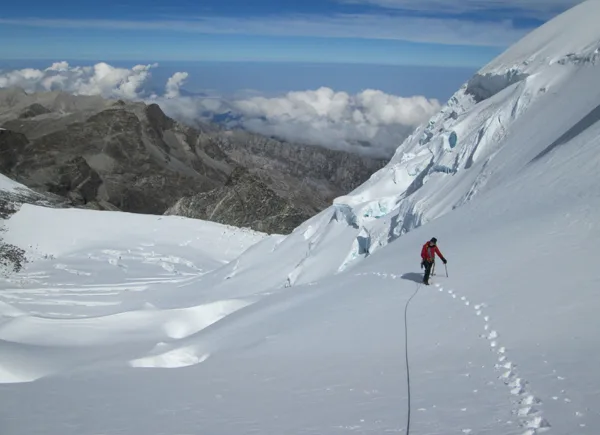
Pico Cristóbal Colón Normal Route (North Glaciers & Arête)
The classic ascent of Pico Cristóbal Colón navigates north-facing hanging glaciers and steep firn ramps before traversing an exposed granitic arête to the 5,730-metre summit. Requiring a multi-day jungle trek through indigenous ancestral territories, the route demands complete expedition self-sufficiency.
Target Objective Peak
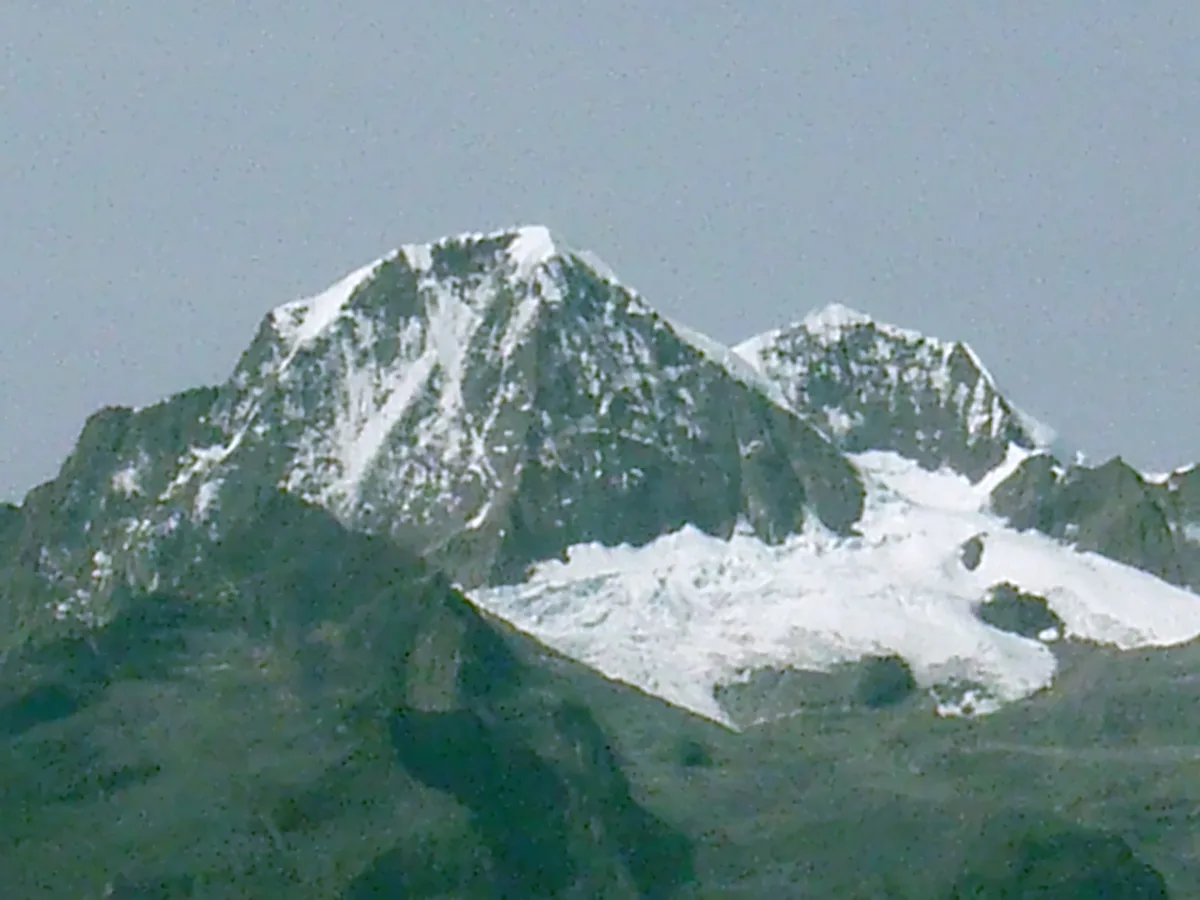
Pico Cristóbal Colón
Pico Cristóbal Colón is the highest mountain in Colombia and the fifth most topographically prominent peak on Earth, soaring to 5,730 metres in the isolated coastal massif of the Sierra Nevada de Santa Marta. Rising abruptly just 42 kilometres from the Caribbean Sea, this glaciated titan holds profound sacred significance for indigenous Kogui, Arhuaco, Wiwa, and Kankuamo peoples as the heart of the world. The peak was first climbed in 1939 by Walter Wood, Anderson Bakewell, and Colombian mountaineering pioneer Erwin Kraus.
Featured Expedition Climber
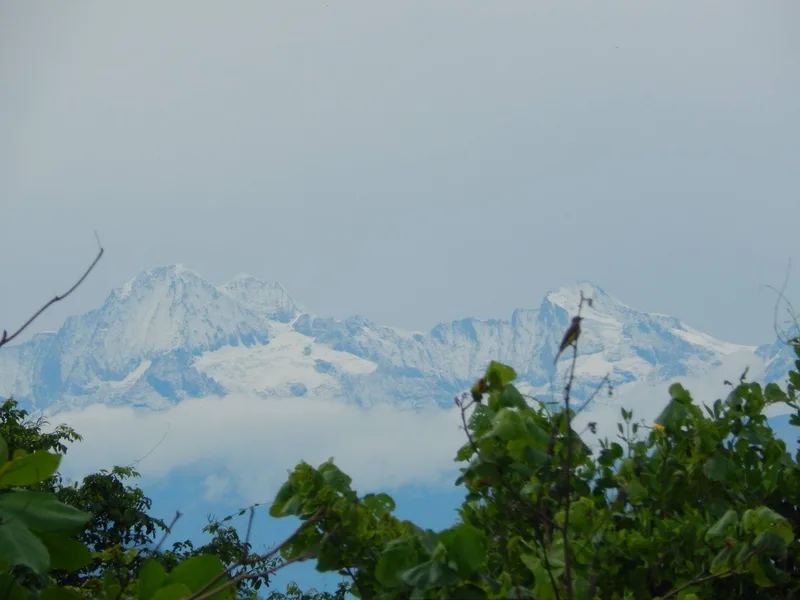
Erwin Kraus
Born in Bogotá in 1905 to German parents, Erwin Kraus developed an enduring passion for high wilderness during his youth. Combining the athletic precision of classic European mountaineering with deep love for the Colombian cordilleras, Kraus embarked on an unparalleled four-decade campaign of high-altitude exploration that systematically conquered every major glaciated massif in Colombia. In January 1939, Kraus joined the American expedition led by Walter Wood and Anderson Bakewell into the isolated coastal massif of the Sierra Nevada de Santa Marta. On February 2, 1939, after hacking through dense cloud forests and climbing steep firn on the North Glacier, Kraus and his companions stood upon the summit of Pico Cristóbal Colón (5,730 m), achieving the first ascent of Colombia's highest mountain. Three years later, on April 3, 1942, Kraus led Colombian companions Guido Tamayo and Heriberto Degen up the virgin western glaciers of Ritacuba Blanco (5,410 m), crowning the Cordillera Oriental in the Sierra Nevada del Cocuy. Kraus went on to complete first ascents of Nevado del Huila (5,364 m) and Nevado del Tolima (5,215 m). A gifted photographer and landscape painter, Kraus carried heavy view cameras to high cols, producing an irreplaceable visual record of tropical glaciers that are now rapidly vanishing. A visionary conservationist who championed the creation of Colombia's National Natural Parks system, Kraus passed away in Bogotá in 2003 at the age of 97, immortalized as the founding father of Colombian alpinism.
Associated Historical Chronicles & Stories
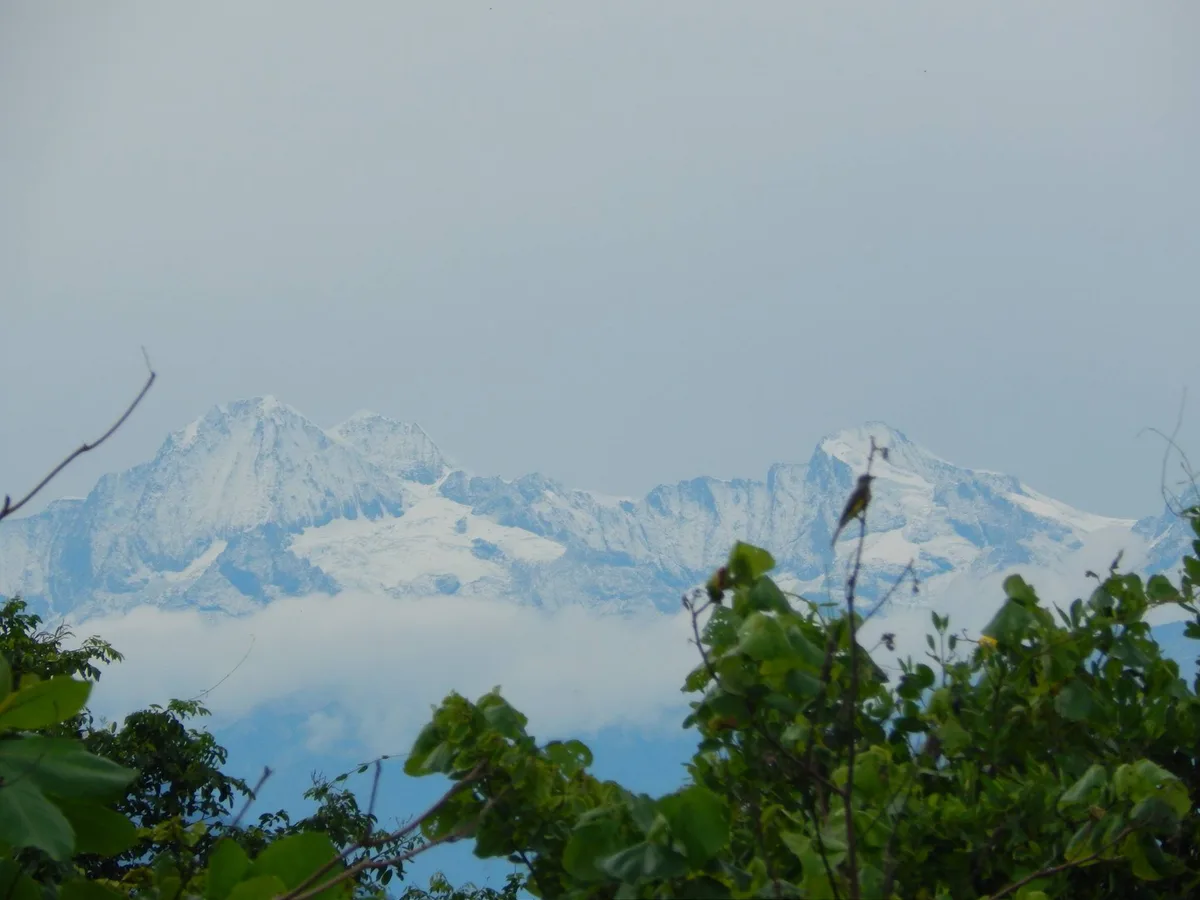
Master of the Sierra: Erwin Kraus's 1952 Santa Marta Alpine Traverse
In 1952, Colombian pioneer Erwin Kraus executed a legendary three-week alpine traverse across the glaciated summits of the Sierra Nevada de Santa Marta.
Documented Sources & Archival Citations
- Travesías de la Sierra Nevada(Erwin Kraus / Banco de la República)
Supporting claim: Firsthand expedition journal and glaciological survey of the 1952 Santa Marta traverse
Accessed/Documented: 1953 - Erwin Kraus: El Pintor de la Alta Montaña(Villegas Editores)
Supporting claim: Photographic monograph documenting Kraus's historic 1952 alpine journeys
Accessed/Documented: 2004