Chasm of the Equator: The 1962 First Ascent of Carstensz Pyramid
Through cannibal territory to equatorial glaciers: Heinrich Harrer and Philip Temple conquer the supreme summit of Oceania.
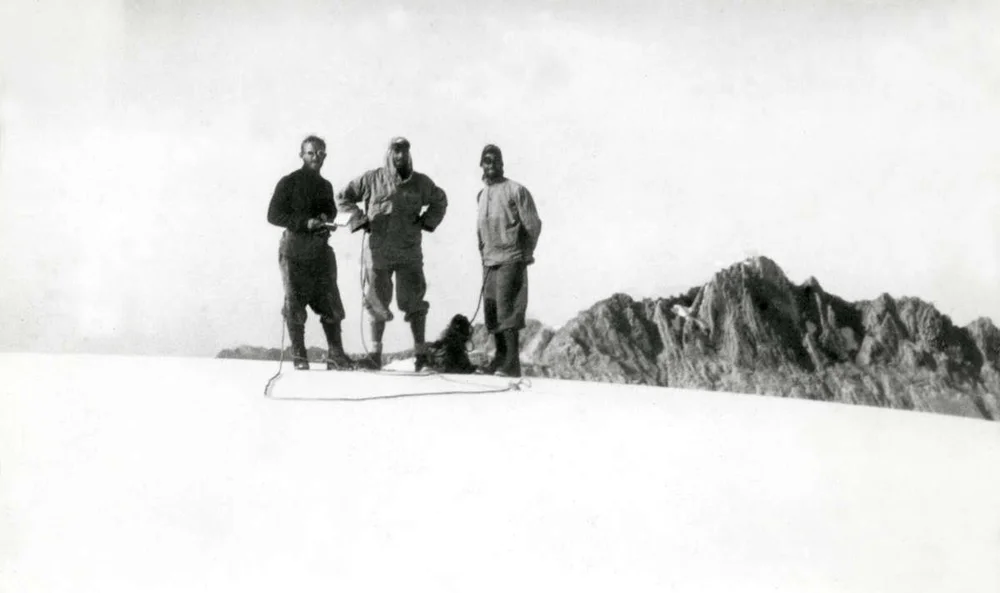
Mountain Safety & Conditions Disclaimer: High-altitude climbing, glacial travel, and technical ascents entail severe objective risks including avalanches, serac collapses, rapid weather collapse, and altitude illness. Historical route descriptions and summit claims on Mountanity reflect documented archival sources and must not be used as live operational safety assessments. Local regulations, permits, and physical glacial topography change continuously.
Peer Review: Senior Editorial Board & Historical Reviewers • Editorial Standards
Chasm of the Equator: The 1962 First Ascent of Carstensz Pyramid
The Ghost Mountains of New Guinea
In 1623, Dutch navigator Jan Carstenszoon sailed along the swampy southern coastline of New Guinea. Looking north across the dense jungle towards the interior highlands, he recorded a startling sight in his ship’s log: towering mountain peaks covered in gleaming white snow and glaciers, barely four degrees south of the equator. When he returned to Europe, the Royal Geographical Society laughed him to scorn—everyone knew snow could not exist in the scorching tropics.
More than three centuries later, those mysterious peaks remained among the most isolated, inaccessible places on planet Earth.
Deep within the central cordillera of West Papua rose the Sudirman Range, crowned by a colossal pyramid of jagged limestone: Carstensz Pyramid (Puncak Jaya, 4,884 m). It was the highest mountain in Indonesia, the highest island peak on Earth, and the supreme alpine apex of Oceania.
Reaching it required an expedition through one of the last uncharted regions of the globe: an epic trek through impenetrable tropical cloud forests, swollen crocodile-inhabited rivers, and the territories of indigenous highland tribes living in a stone-age culture untouched by Western modernity.
“To reach Carstensz Pyramid is like stepping backward ten thousand years in human history, only to emerge onto a frozen cathedral of limestone that touches the sky.” — Heinrich Harrer, I Come from the Stone Age, 1964
The Team Assembles
In 1961, young New Zealand surveyor and mountaineer Philip Temple undertook an initial reconnaissance expedition into the Baliem Valley, scouting an overland route toward the high peaks. Convinced that the unclimbed pyramid could be climbed from the north, Temple sought climbing partners with world-class technical experience.
He found the ideal partner in Austrian legend Heinrich Harrer. Celebrated throughout the world for his historic 1938 first ascent of the Eiger North Face and his seven years living in forbidden Tibet as tutor to the 14th Dalai Lama, Harrer possessed unmatched alpine grit and logistical audacity.
Joining them were Russell Kippax, an elite Australian rock climber from the Blue Mountains, and Albertus Huizenga, a courageous Dutch colonial patrol officer fluent in highland Papuan dialects.
The Trek Through the Stone Age
In January 1962, the expedition departed from the highland outpost of Ilaga. Accompanied by dozens of Dani tribal porters armed with stone adzes, bows, and bamboo arrows, the climbers spent three harrowing weeks hacking trails through the dripping equatorial rainforest.
The conditions were brutal. Daily torrential downpours turned the mountain trails into waist-deep quagmires. Leeches infested every boot and trouser seam. Temperatures swung wildly from stifling tropical humidity in the valleys to bone-chilling damp cold above 3,500 metres.
Emerging from the cloud forest onto the high limestone plateau, the party stepped into an alien landscape of turquoise glacial tarns and jagged grey limestone pinnacles: the Yellow Valley at 4,250 metres. Above them rose the soaring northern limestone wall of Carstensz Pyramid, sheer and forbidding, capped by the shrinking ice sheets of the Meren Glacier.
The Assault on the North Face
On February 13, 1962, the four climbers left their tents before first light. Unlike the snowy giants of the Himalayas or the Andes, Carstensz Pyramid was a rock mountain: a 650-metre wall of sharp, water-grooved karst limestone known as “knife-blade rock” that shred gloves and clothing with brutal efficiency.
Russell Kippax and Heinrich Harrer took turns leading the technical pitches. The climbing was steep and sustained (UIAA IV-V / 5.6-5.7), requiring delicate balance on friction slabs and careful jamming in razor-sharp limestone pockets. By mid-morning, equatorial rain had turned into freezing sleet, coating the rock in slippery verglas.
Reaching the summit ridge at 4,750 metres, the climbers were confronted by the ultimate obstacle: The Chasm.
The limestone knife-edge suddenly terminated in a vertical drop. Fifteen metres across an empty void stood the continuation of the ridge; between them plummeted a sheer abyss falling 1,000 metres directly into the western glaciers.
The Tyrolean Traverse
For lesser climbers, the chasm would have meant immediate retreat. But Harrer had spent a lifetime conquering impossible alpine problems in the Alps.
Working together, Temple, Kippax, and Harrer managed to throw and anchor a weighted line across the gap. Tensioning a heavy nylon climbing rope horizontally across the 15-metre void, Harrer rigged a classic Tyrolean traverse.
One by one, clipped into the rope with steel carabiners and pulleys, the climbers hauled themselves hand-over-hand across the gaping abyss, their bodies suspended in empty air with thousands of feet of space beneath their feet.
Beyond the chasm, the final limestone arête rose toward the sky. Scrambling up the broken summit rocks, Harrer, Temple, Kippax, and Huizenga reached the apex: 4,884 metres above sea level.
The Roof of Oceania
Standing upon the summit of Carstensz Pyramid on February 13, 1962, the four men realized a monumental milestone. They had conquered the highest point between the Himalayas and the Andes, the tallest island peak in the world, and the Seventh Summit of the Oceania continental plate.
To the north, the green canopy of the New Guinea jungle stretched to the horizon; to the south, the white tongues of equatorial glaciers glittered in the rare tropical sunlight before afternoon mists swallowed the peak.
Heinrich Harrer, Philip Temple, Russell Kippax, and Albertus Huizenga had closed one of the final great chapters in golden-age world exploration.
Key Statistics & Topographic Figures
- Category
- Australasian Pioneers
Archival Subject
- Reading Time
- 17 min read
Narrative Length
- Key Mountain
- carstensz-pyramid
Objective
- Ascent Route
- carstensz-pyramid-normal-route
Topography
- Verification
- Editorially Verified
Archival Standard
Archival Primary Source Quotations
“In the mountains, truth is etched in ice and granite; every step requires unwavering respect for the heights.”
Defined Alpine Terminology & Concepts
- Summit Push
- The final continuous climbing effort from the highest established camp to the mountain apex and back.
- Death Zone Chronicle
- A verified, research-backed historical narrative documenting the human, technical, and environmental realities of an alpine expedition.
Frequently Asked Questions: Chasm of the Equator: The 1962 First Ascent of Carstensz Pyramid
What is the core chronicle and subject of "Chasm of the Equator: The 1962 First Ascent of Carstensz Pyramid"?
Through cannibal territory to equatorial glaciers: Heinrich Harrer and Philip Temple conquer the supreme summit of Oceania.
Which mountain peaks and routes are featured in "Chasm of the Equator: The 1962 First Ascent of Carstensz Pyramid"?
This narrative documents climbs on carstensz-pyramid along the carstensz-pyramid-normal-route in Indonesia.
Which documented expedition is chronicled in this story?
This historical chronicle captures the events of the 1962-harrer-temple-carstensz-pyramid-first-ascent, verified through contemporary journals and archival records.
Who authored and researched this archival chronicle?
Authored and researched by Mountainity Historical Research Desk, drawing on primary eyewitness testimonies, alpine club registries, and verified summit logs.
What makes this high-altitude chronicle historically significant?
Categorized under "Australasian Pioneers", this chronicle preserves critical lessons in alpine leadership, survival, tactical speed, and human endurance in the death zone.
Related Mountains
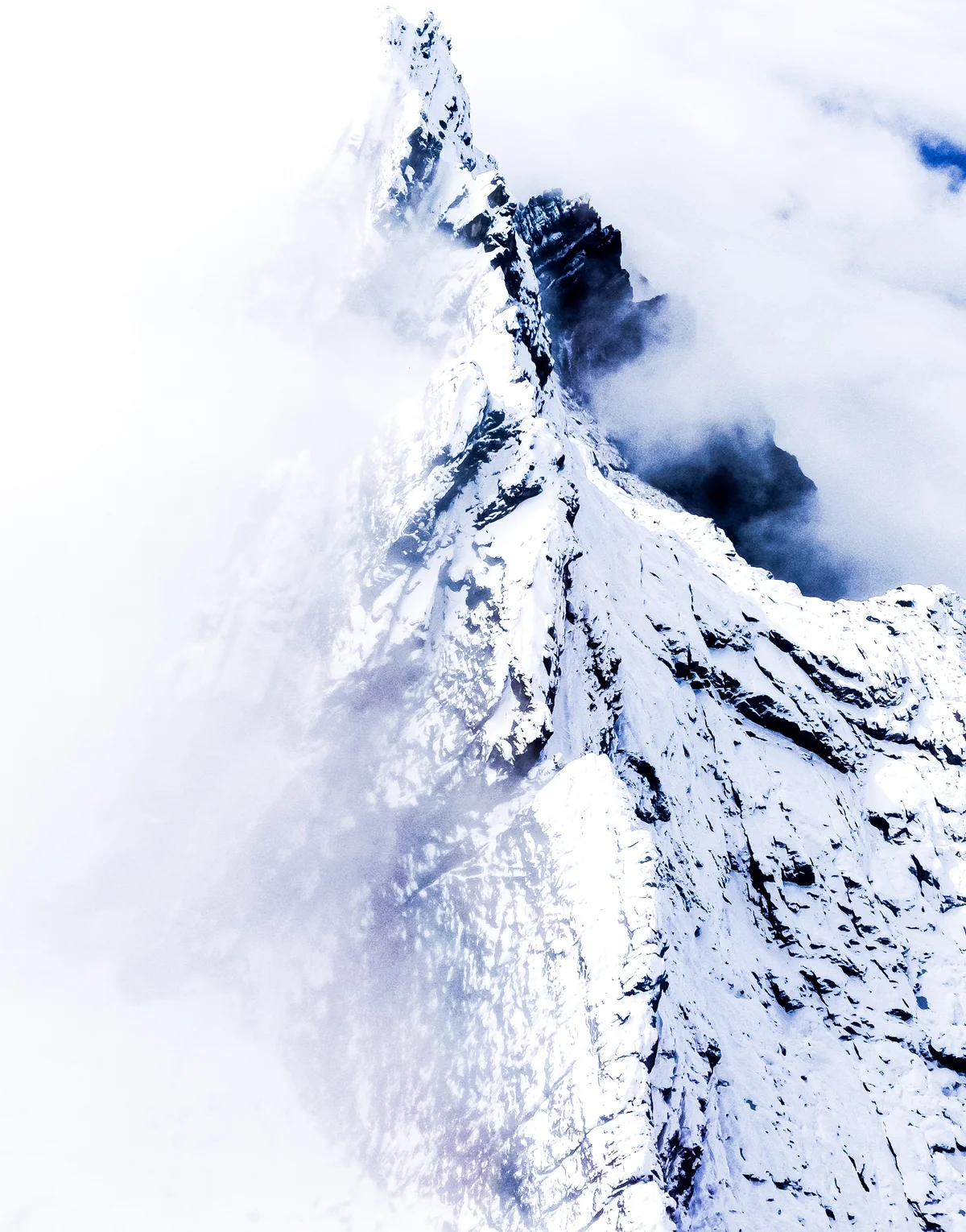

Carstensz Pyramid / Puncak Jaya
Carstensz Pyramid (Puncak Jaya / Nemangkawi) is the highest mountain in Indonesia, the highest island peak on Earth, and the highest summit in Oceania at 4,884 metres (16,024 ft). As one of the Seven Summits, it presents the unique challenge of technical limestone rock climbing above dense equatorial cloud forests and vanishing tropical glaciers. First climbed on February 13, 1962, by an expedition led by Austrian mountaineer Heinrich Harrer alongside Philip Temple, Russell Kippax, and Albertus Huizenga, Carstensz Pyramid requires ascending vertical limestone slabs and crossing a famous Tyrolean traverse across a sheer 15-metre chasm high on the summit ridge.
Documented Sources & Archival Citations
- I Come from the Stone Age(Heinrich Harrer / Rupert Hart-Davis)
Supporting claim: Primary book documentation
Accessed/Documented: 1964 - The World at Their Feet(Philip Temple / Whitcombe and Tombs)
Supporting claim: Firsthand expedition account
Accessed/Documented: 1969