1868 Douglas Freshfield and François Devouassoud Mount Kazbek Historic First Ascent Expedition
On July 1, 1868, British alpine explorer Douglas William Freshfield, companions Adolphus Moore and Charles Tucker, and Chamonix master guide François Devouassoud completed the historic first ascent of Mount Kazbek (5,054 m) in Georgia. Traversing the Gergeti Glacier, they opened the high era of Western mountaineering in the Caucasus.
Mountain Safety & Conditions Disclaimer: High-altitude climbing, glacial travel, and technical ascents entail severe objective risks including avalanches, serac collapses, rapid weather collapse, and altitude illness. Historical route descriptions and summit claims on Mountanity reflect documented archival sources and must not be used as live operational safety assessments. Local regulations, permits, and physical glacial topography change continuously.
Peer Review: Senior Editorial Board & Historical Reviewers • Editorial Standards
Official Expedition Narrative & Archival Record
In early summer 1868, twenty-three-year-old British alpinist Douglas William Freshfield led an ambitious expedition to explore the mysterious, unmapped glaciated peaks of the Greater Caucasus. Freshfield was joined by experienced Alpine Club companions Adolphus Warburton Moore and Charles Comyns Tucker, as well as legendary Chamonix guide François Devouassoud, who became the first Swiss/French alpine guide to operate in the Russian Empire. Arriving via the historic Georgian Military Highway, the expedition established its base in the mountain village of Kazbegi (now Stepantsminda). Looming 3,300 vertical metres directly overhead was the icy volcanic pyramid of Mount Kazbek (5,054 m), known to Georgians as Mqinvartsveri ('Glacier Peak') and revered in ancient legend as the mountain where the Titan Prometheus was chained. Accompanied by local Gveleti hunters, the party ascended steep birch-covered slopes past the fourteenth-century Gergeti Trinity Church before stepping onto the heavily crevassed ice of the Gergeti Glacier. After bivouacking on cold moraine rocks at 3,500 metres beneath the ancient Betlemi cave hermitage, the climbers set out before dawn on July 1, 1868. Devouassoud cut hundreds of steps with his Chamonix ice axe up a 40-degree firn headwall to gain the saddle between the twin volcanic domes. Fighting gusting icy gales, Freshfield, Moore, Tucker, and Devouassoud attained the pristine 5,054-metre summit, gazing out upon an endless sea of jagged Caucasian peaks spanning from the Black Sea to the Caspian. The conquest of Kazbek shattered the myth that the Caucasus was unclimbable, inaugurating the Golden Age of Caucasian mountaineering.
Documented Team Composition
- Douglas William Freshfield (Expedition Leader & Alpinist, United Kingdom)
- François Devouassoud (Lead Alpine Guide, Chamonix, France)
- Adolphus Warburton Moore (Alpinist, United Kingdom)
- Charles Comyns Tucker (Alpinist, United Kingdom)
- Tsogol Buzurtanov (Local Hunter & Porter, Gveleti, Georgia)
Key Statistics & Topographic Figures
- Summit Elevation
- 5,054 m (16,581 ft)
- Summit Date
- July 1, 1868
- Expedition Leader
- Douglas William Freshfield
- Lead Alpine Guide
- François Devouassoud (Chamonix)
- Route
- Gergeti Glacier & Saddle Headwall
Archival Primary Source Quotations
“The view from Kazbek revealed the Caucasus as a mountain kingdom rivaling the Alps in glacier power and surpassing them in sheer savage grandeur.”
Defined Alpine Terminology & Concepts
- Mqinvartsveri
- The native Georgian name for Mount Kazbek, literally translating to Glacier Peak or Ice Top.
- Betlemi Cave
- An ancient rock-cut Christian monastery hermitage located at 4,000 metres on the sheer cliffs of Mount Kazbek.
Frequently Asked Questions: 1868 Douglas Freshfield and François Devouassoud Mount Kazbek Historic First Ascent Expedition
Who made the historic first ascent of Mount Kazbek in 1868?
British mountaineer Douglas William Freshfield, companions Adolphus Moore and Charles Tucker, and Chamonix master guide François Devouassoud completed the first ascent on July 1, 1868.
Why was the 1868 ascent of Mount Kazbek significant for mountaineering history?
It was the first major mountaineering conquest in the Greater Caucasus by Western alpinists, opening the Golden Age of Caucasian exploration.
Which glacier was crossed to achieve the first ascent of Mount Kazbek?
The climbers crossed the Gergeti Glacier from the village of Stepantsminda, establishing a high bivouac beneath the sacred rock-cut Betlemi cave.
What is the mythological significance of Mount Kazbek in Georgia?
In Georgian mythology, Kazbek is the sacred mountain where the folk hero Amirani, the Georgian counterpart of Prometheus, was chained for bringing fire to mortals.
Ascent Route & Topography
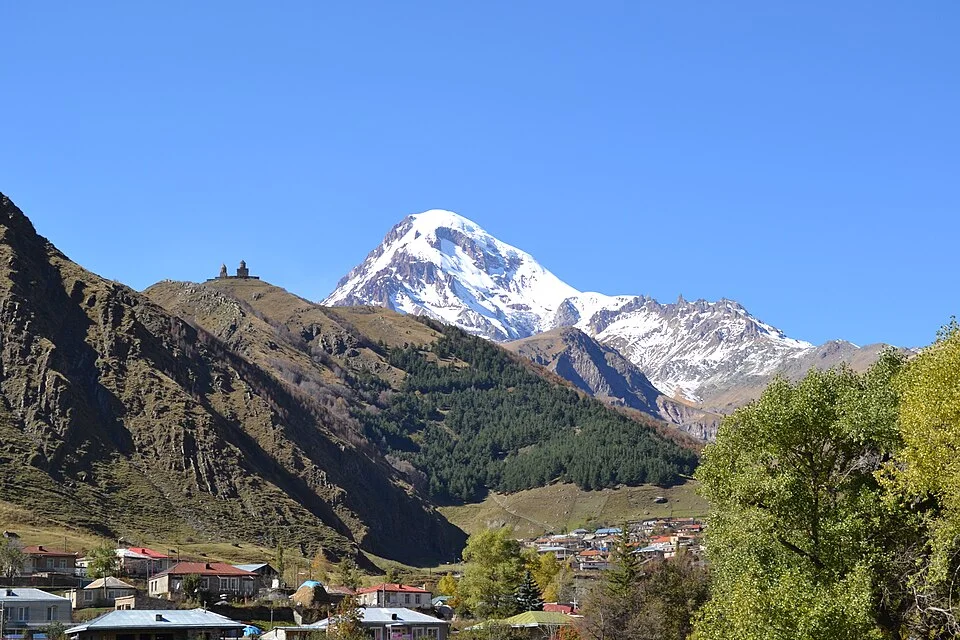
Mount Kazbek Normal Route via Gergeti Glacier & Betlemi Hut
The historic normal route up Mount Kazbek begins from the village of Stepantsminda, passing the iconic 14th-century Gergeti Trinity Church. Climbers cross the Gergeti Glacier to reach the historic Betlemi Hut (3,650 m). From the hut, the route traverses the upper glacier plateau before mounting a steep 40-degree firn slope to the 5,054-metre volcanic summit dome.
Target Objective Peak
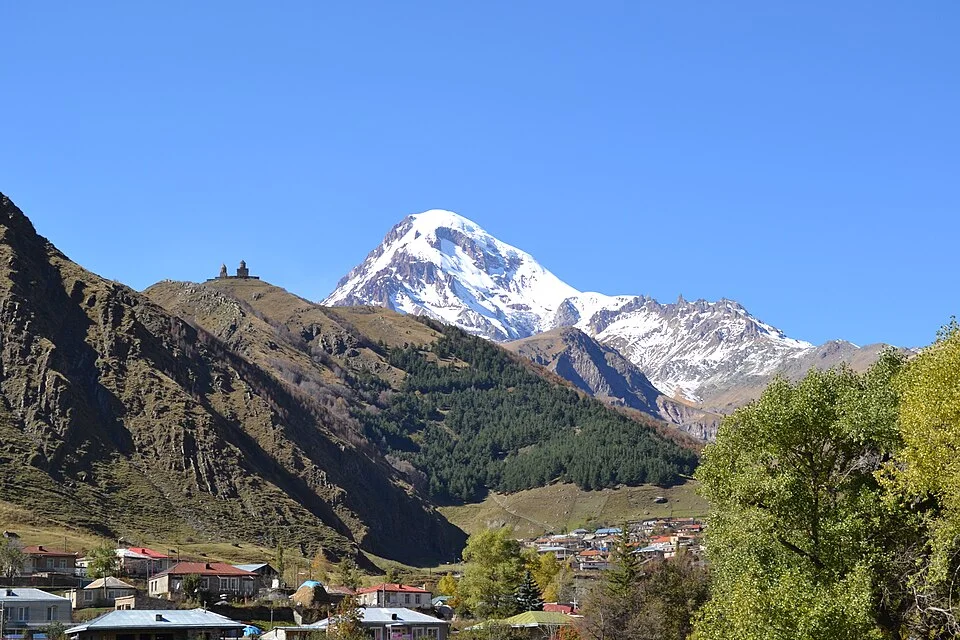

Mount Kazbek
Mount Kazbek (known in Georgian as Mqinvartsveri, meaning 'Glacier Peak') is a magnificent 5,054-metre dormant stratovolcano situated in northeastern Georgia just south of the Russian border. The third-highest summit in Georgia and the second-highest volcanic cone in the Caucasus after Elbrus, Kazbek towers majestically above the town of Stepantsminda and the historic Georgian Military Highway. Rich in mythology as the legendary peak where the Titan Amirani (the Georgian Prometheus) was chained for gifting fire to mortals, Kazbek was first climbed in 1868 by Douglas Freshfield, Adolphus Moore, Charles Tucker, and Chamonix guide François Devouassoud.
Featured Expedition Climber
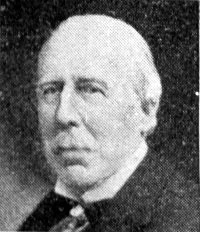
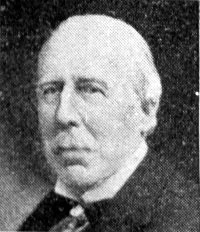
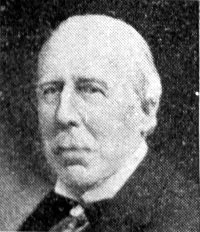
Douglas Freshfield
Born in London in 1845, Douglas William Freshfield was educated at Eton and University College, Oxford, where he was called to the bar before dedicating his life to mountain exploration and geography. During the Golden Age of Alpinism in the 1860s, Freshfield achieved remarkable first ascents across the European Alps, including Cima Presanella (1864) and the first crossing of numerous high glacier cols in the Bernina and Adamello groups. In 1868, Freshfield turned his visionary gaze beyond the Alps to the largely unmapped, ferocious wilderness of the Greater Caucasus between Europe and Asia. Leading an expedition accompanied by fellow Britons Adolphus Moore and Charles Tucker alongside Chamonix master guide François Devouassoud, Freshfield made the historic maiden first ascent of Mount Kazbek (5,054 m) on July 1, 1868. Later that month, the party reconnoitered Mount Elbrus, ascending its glaciated flanks to become the first westerners to step on Europe's highest volcanic massif. Freshfield returned to the Caucasus repeatedly throughout the 1880s, creating the definitive maps of the central range and commissioning Italian master photographer Vittorio Sella to record its glaciated spires. He served as President of the Alpine Club (1893–1895) and President of the Royal Geographical Society (1914–1917). His monumental masterwork, The Exploration of the Caucasus (1896), accompanied by Sella's magnificent photographs, remains one of the greatest mountaineering treatises ever written. Freshfield passed away in Sussex in 1934 at the age of 88.
Associated Historical Chronicles & Stories
Prometheus Unbound: Douglas Freshfield and the 1868 First Ascent of Mount Kazbek
On July 1, 1868, Douglas Freshfield and François Devouassoud conquered Mount Kazbek (5,054 m), unleashing the Golden Age of Caucasian mountaineering.
Documented Sources & Archival Citations
- Travels in the Central Caucasus and Bashan(Douglas William Freshfield / Longmans, Green, and Co.)
Supporting claim: Firsthand expedition diary of the 1868 maiden first ascent of Mount Kazbek
Accessed/Documented: 1869 - The Exploration of the Caucasus(Douglas William Freshfield / Edward Arnold)
Supporting claim: Historical overview of the opening of Caucasian mountaineering
Accessed/Documented: 1896