1913 Angelo Dibona Aiguille Dibona First Ascent
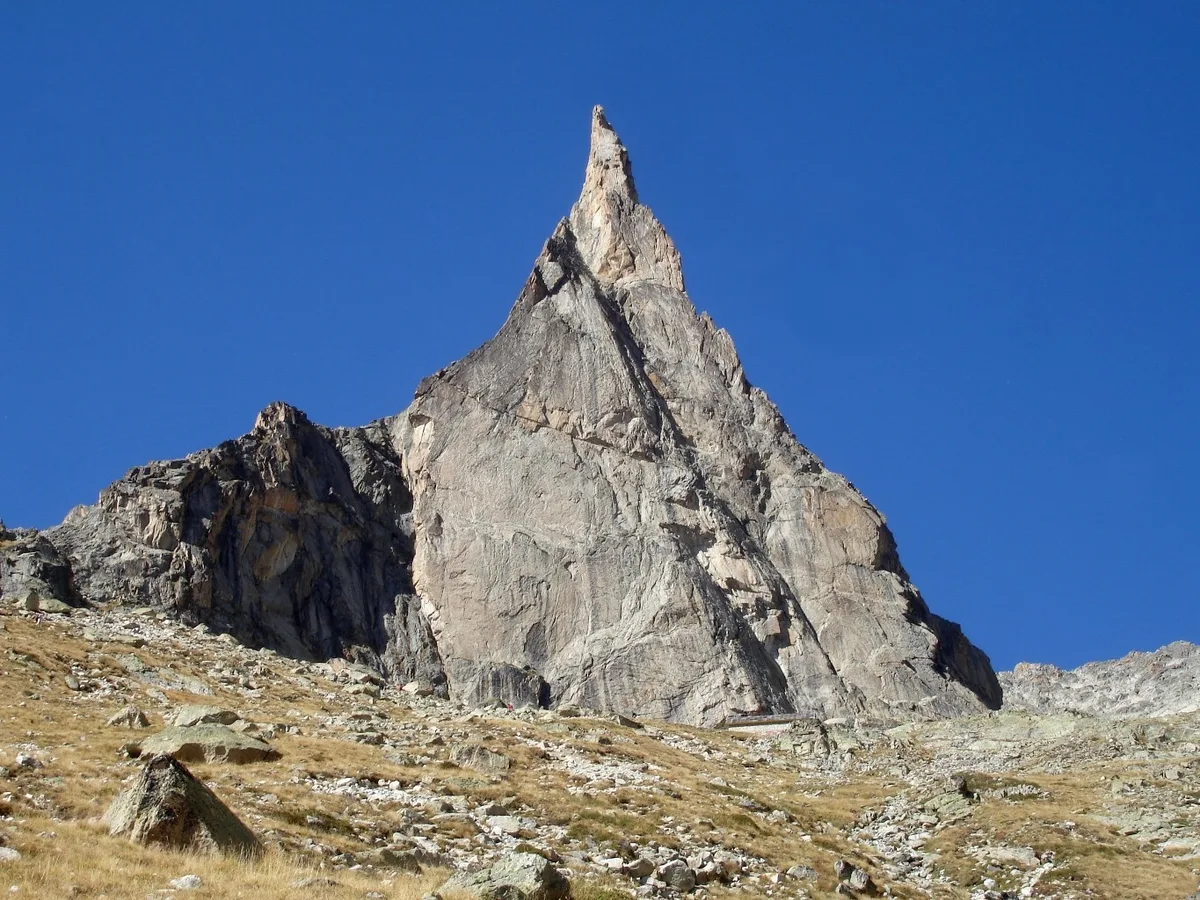
On June 27, 1913, Cortina guide Angelo Dibona with Guido and Max Mayer conquered the needle-sharp granite monolith of the Pain de Sucre in the French Alps, a spire so iconic it was renamed Aiguille Dibona in his honor.
Mountain Safety & Conditions Disclaimer: High-altitude climbing, glacial travel, and technical ascents entail severe objective risks including avalanches, serac collapses, rapid weather collapse, and altitude illness. Historical route descriptions and summit claims on Mountanity reflect documented archival sources and must not be used as live operational safety assessments. Local regulations, permits, and physical glacial topography change continuously.
Peer Review: Senior Editorial Board & Historical Reviewers • Editorial Standards
Official Expedition Narrative & Archival Record
In June 1913, Angelo Dibona journeyed from his native Dolomites to the rugged granite wilderness of the Massif des Écrins in the French Dauphiné Alps, accompanying his frequent British clients Guido and Max Mayer and fellow guide Angelo Dimai. Towering above the Soreiller basin stood an impossibly slender, tapering granite needle known locally as the Pain de Sucre (Sugar Loaf). Regarded by Chamonix and Dauphiné guides as unscalable without ladders, the needle presented sheer vertical friction slabs and knife-edge arêtes. Dibona took the lead, exhibiting his calm, poetic balance on small granite crystals. Placing sparse protection, he unlocked the North Ridge and final summit horn, guiding the party onto the tiny rock pinnacle on June 27, 1913. Stunned by the beauty and elegance of the ascent, French authorities took the extraordinary step of renaming the mountain the Aiguille Dibona (3,130 m), an enduring monument to the Dean of Cortina Guides.
Documented Team Composition
- Angelo Dibona (Lead Guide, Italy)
- Guido Mayer (Client, United Kingdom)
- Max Mayer (Client, United Kingdom)
- Angelo Dimai (Guide, Italy)
Key Statistics & Topographic Figures
- First Ascent Date
- June 27, 1913
- Summit Elevation
- 3,130 metres (10,269 ft)
- Mountain Massif
- Massif des Écrins (Dauphiné Alps, France)
- Rope Team
- Angelo Dibona, Luigi Rizzi, Guido Mayer, Max Mayer
- Rock Type
- High-grade alpine granite
Archival Primary Source Quotations
“The granite spire shot into the sky like a spear; climbing it felt like walking the edge of the sky itself.”
Defined Alpine Terminology & Concepts
- Aiguille
- A sharp, needle-like rock spire or pinnacle characteristic of glaciated alpine granitic massifs.
- Soreiller Cirque
- The high alpine granitic valley in the French Écrins crowned by the spire of Aiguille Dibona and the Aiguille du Plat de la Selle.
Frequently Asked Questions: 1913 Angelo Dibona Aiguille Dibona First Ascent
What was the 1913 Angelo Dibona Aiguille Dibona First Ascent?
The historic first ascent of the razor-sharp granite needle Pain de Sucre (now Aiguille Dibona, 3,130 m) in the French Écrins on June 27, 1913.
Who was on the climbing rope with Angelo Dibona?
Angelo Dibona climbed with fellow guide Luigi Rizzi and their Austrian clients, the brothers Guido and Max Mayer.
Why was the needle renamed in Dibona's honor?
Originally called the Pain de Sucre du Soreiller, the French Alpine Club renamed the peak Aiguille Dibona to honor the Cortina guide's audacity and flawless route-finding.
What kind of rock did Dibona climb on the Aiguille Dibona?
Flawless golden granite, in sharp contrast to the loose, friable limestone typical of the Eastern Dolomites.
What is the climbing status of the Aiguille Dibona today?
It is one of the most famous and photographed climbing needles in Europe, featuring legendary routes like the Voie Madier and South Face Direct.
Ascent Route & Topography
Cima Grande North Face (Via Comici-Dimai)
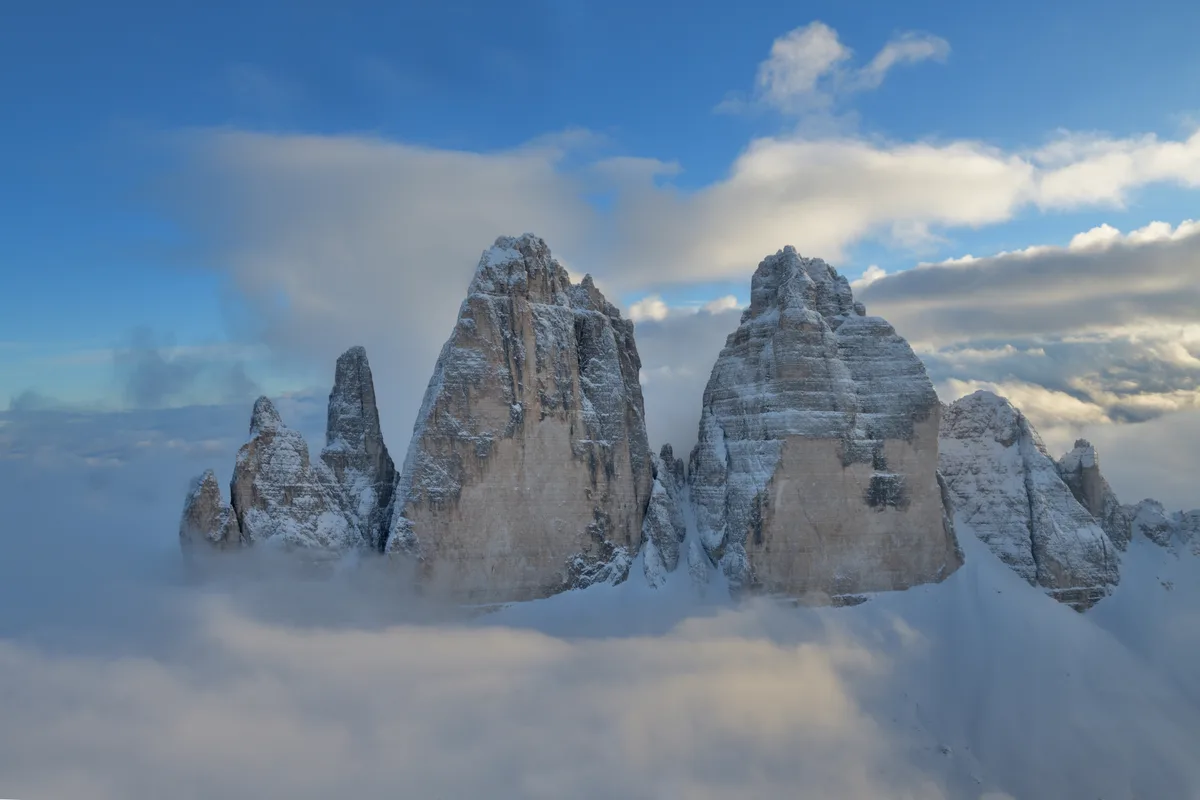
The Via Comici-Dimai on the North Face of Cima Grande di Lavaredo (2,999 m) is the world's quintessential extreme classic limestone rock climb. Pioneered over three days in August 1933 by Emilio Comici with brothers Angelo and Giuseppe Dimai, the route ascends 550 metres of yellow overhanging rock and steep chimneys graded UIAA VII / YDS 5.10d. Comici famously returned in 1937 to free solo the entire North Face alone.
Target Objective Peak

Tre Cime di Lavaredo
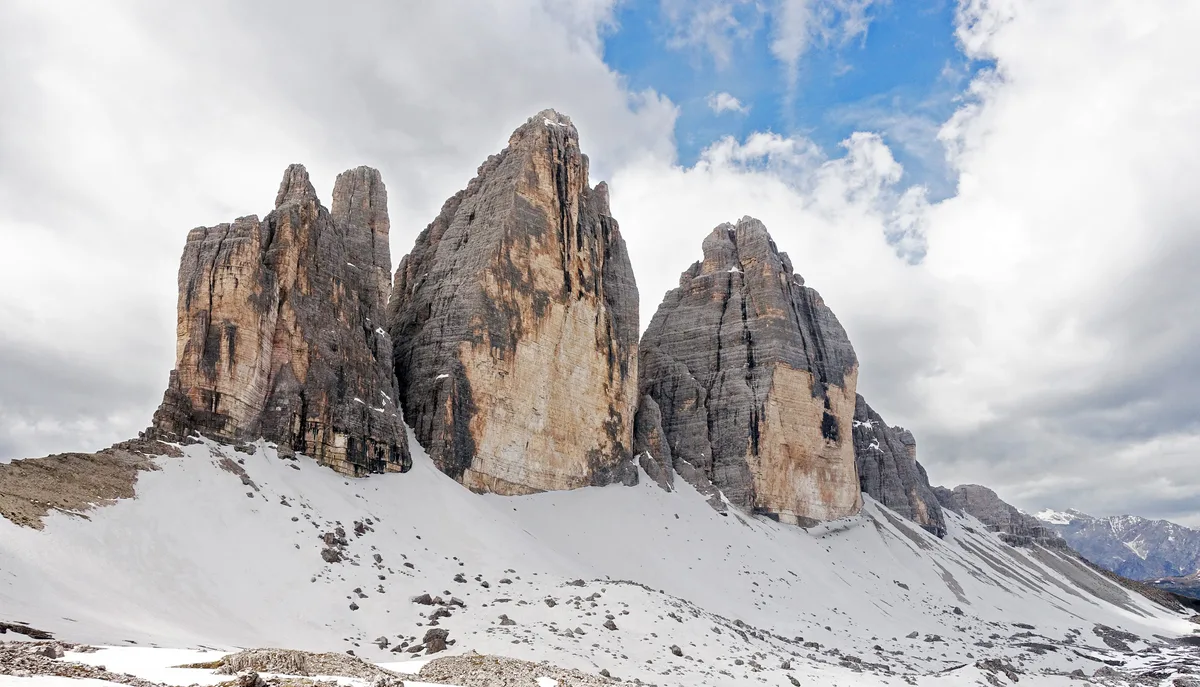
Tre Cime di Lavaredo (2,999 m / 9,839 ft) stands as the world-renowned emblem of the Dolomites in northeastern Italy. Rising in three isolated monoliths composed of Hauptdolomit limestone — Cima Piccola, Cima Grande, and Cima Ovest — the towers became the historic crucible of modern sixth-grade rock climbing. The 550-metre sheer northern face of Cima Grande was first conquered in 1933 by Emilio Comici with Angelo and Giuseppe Dimai.
Featured Expedition Climber
Angelo Dibona
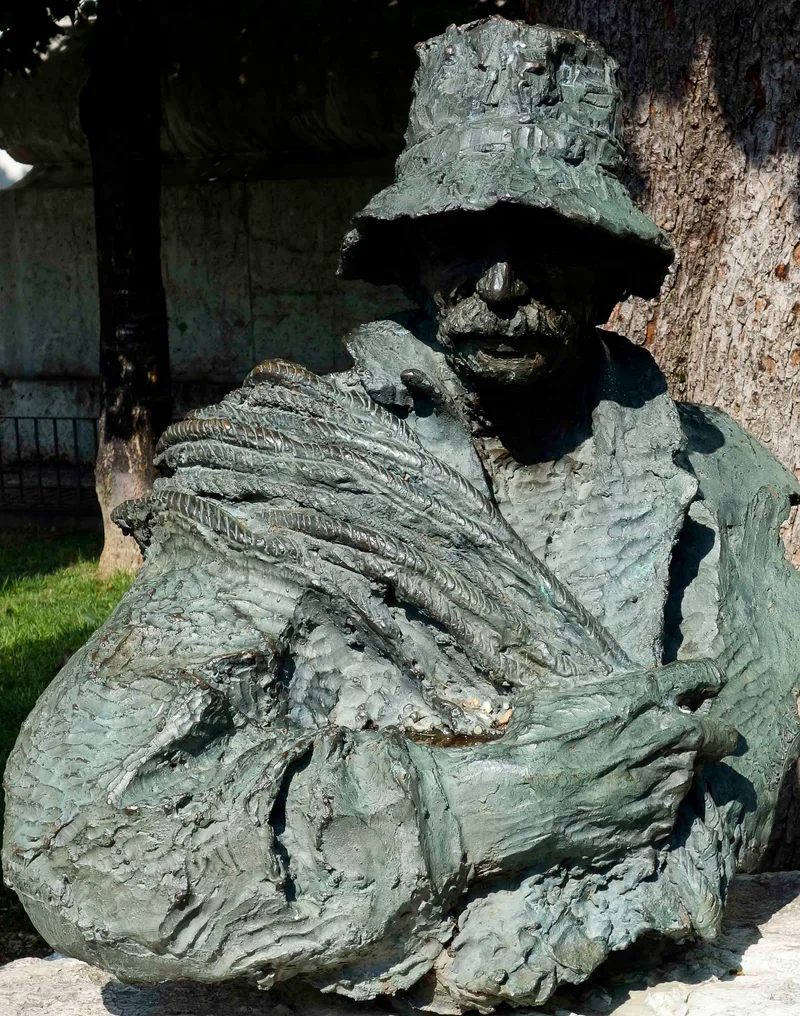
Born on April 7, 1879, in Cortina d'Ampezzo in the Ampezzo Dolomites (then part of the Austro-Hungarian County of Tyrol), Angelo Dibona was raised in a mountain valley where local chamois hunters were transitioning into professional mountain guides. Qualifying as a guide in 1905, Dibona rapidly gained international fame for his uncanny ability to read unclimbed limestone faces, moving across vertical friction slabs with absolute serenity. In 1909, Dibona made the historic first ascent of the West Face of the Roda di Vaèl in the Catinaccio, followed in 1910 by the legendary Campanile di Val Montanaia and the North Face of the Sassolungo. In 1913, climbing in the French Dauphiné Alps with the British brothers Guido and Max Mayer, Dibona made the audacious first ascent of the impossibly slender granite needle of the Pain de Sucre du Soreiller. In admiration of his sublime route-finding, the French Alpine Club renamed the peak the Aiguille Dibona (3,130 m), an honor almost never granted to a living guide. Dibona served as an elite Kaiserjäger mountain warfare guide on the high crags of the Tofane and Monte Cristallo during World War I, later guiding King Albert I of Belgium across the Dolomites. He continued active guiding into his seventies, completing hundreds of ascents without a single client injury. Dibona passed away peacefully in Cortina on April 21, 1956, at the age of seventy-seven.
Associated Historical Chronicles & Stories
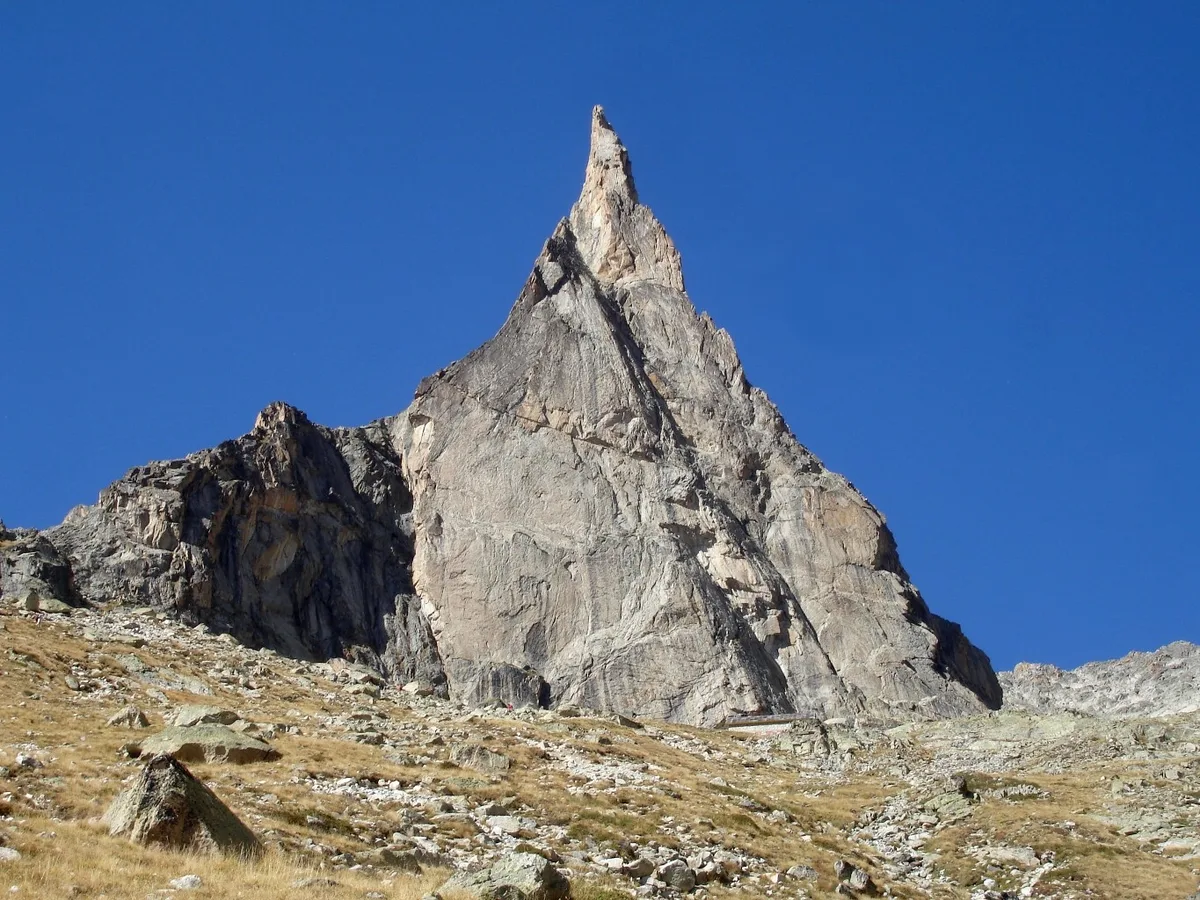
The King of Cortina: Angelo Dibona's 1913 Soreiller Granite Masterpiece
On June 27, 1913, Cortina guide Angelo Dibona conquered the needle-sharp granite monolith of Pain de Sucre in the French Alps, a spire so beautiful the French nation renamed it Aiguille Dibona in his honor.
Documented Sources & Archival Citations
- Angelo Dibona: Alpinista e guida emerita(Italo Zandonella Callegher / CAI Cortina)
Supporting claim: Detailed historical register and firsthand diaries of the 1913 Soreiller expedition
Accessed/Documented: 2026 - The Alpine Journal: The Aiguille Dibona (1914)(The Alpine Club, London)
Supporting claim: Official Alpine Club report of the first ascent of the Pain de Sucre du Soreiller
Accessed/Documented: 2026