1919 Dienst-Schulze Huayna Potosí Historic First Ascent Expedition
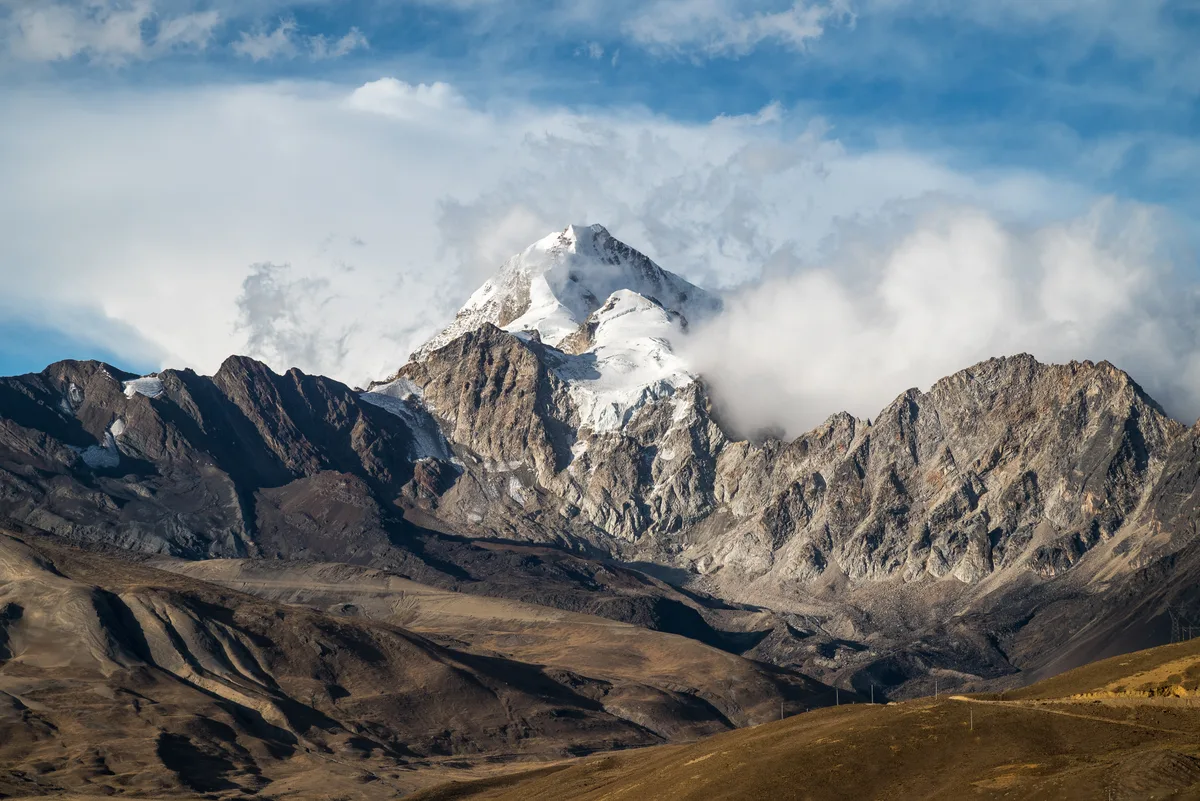
On May 18, 1919, German mountaineers Rudolf Dienst and Adolf Schulze accomplished the historic first ascent of Huayna Potosí (6,088 m) in the Cordillera Real. Tackling the glaciated eastern cirque from Zongo Pass and navigating steep bergschrunds, Dienst and Schulze claimed the virgin summit of Bolivia's most iconic glaciated pyramid.
Mountain Safety & Conditions Disclaimer: High-altitude climbing, glacial travel, and technical ascents entail severe objective risks including avalanches, serac collapses, rapid weather collapse, and altitude illness. Historical route descriptions and summit claims on Mountanity reflect documented archival sources and must not be used as live operational safety assessments. Local regulations, permits, and physical glacial topography change continuously.
Peer Review: Senior Editorial Board & Historical Reviewers • Editorial Standards
Official Expedition Narrative & Archival Record
In May 1919, two experienced German mountaineers living in La Paz, Rudolf Dienst and Adolf Schulze, set out to solve one of the most prominent unclimbed summits of the Cordillera Real: Huayna Potosí (6,088 m). Located directly north of the capital city above the Milluni tin mines, the mountain was revered by native Aymara communities as a powerful protector spirit. Trekking through the rugged Zongo Pass, Dienst and Schulze established a high camp on the moraines below the eastern glacier. Moving in alpine style on May 18, 1919, the pair roped up to cross fractured crevasse fields and steep firn ramps. Below the summit ridge, they faced the primary crux: a vertical bergschrund and an exposed 55-degree ice arête that dropped sheer into the Amazonian abyss. Cutting steps with precision, Dienst and Schulze surmounted the final knife-edge crest to stand atop the 6,088-metre north summit, completing the first ascent of what would become the most popular and celebrated glaciated climb in Bolivia.
Documented Team Composition
- Rudolf Dienst (Lead Climber, Germany)
- Adolf Schulze (Lead Climber, Germany)
Key Statistics & Topographic Figures
- Summit Elevation
- 6,088 m (19,974 ft)
- First Ascent Date
- May 18, 1919
- Climbing Pair
- Rudolf Dienst and Adolf Schulze
- Base Pass
- Paso Zongo (4,700 m)
Archival Primary Source Quotations
“Huayna Potosí is a crystalline needle of firn, rising between the desert plateau and the Amazon jungle.”
Defined Alpine Terminology & Concepts
- Glaciated Pyramid
- A sharp, symmetrical mountain horn carved by the headward erosion of multiple cirque glaciers.
Frequently Asked Questions: 1919 Dienst-Schulze Huayna Potosí Historic First Ascent Expedition
Who made the first ascent of Huayna Potosí in 1919?
German alpinists Rudolf Dienst and Adolf Schulze made the historic first ascent of Huayna Potosí (6,088 m) on May 18, 1919.
What route did Dienst and Schulze use on Huayna Potosí?
They ascended the eastern glacier from Paso Zongo, crossing fractured crevasses and scaling a 55-degree bergschrund wall to gain the knife-edge summit crest.
Why is Huayna Potosí famous in South American mountaineering?
It is celebrated for its aesthetic glaciated pyramid profile, accessibility from La Paz, and dramatic views across the Altiplano to Lake Titicaca.
Ascent Route & Topography
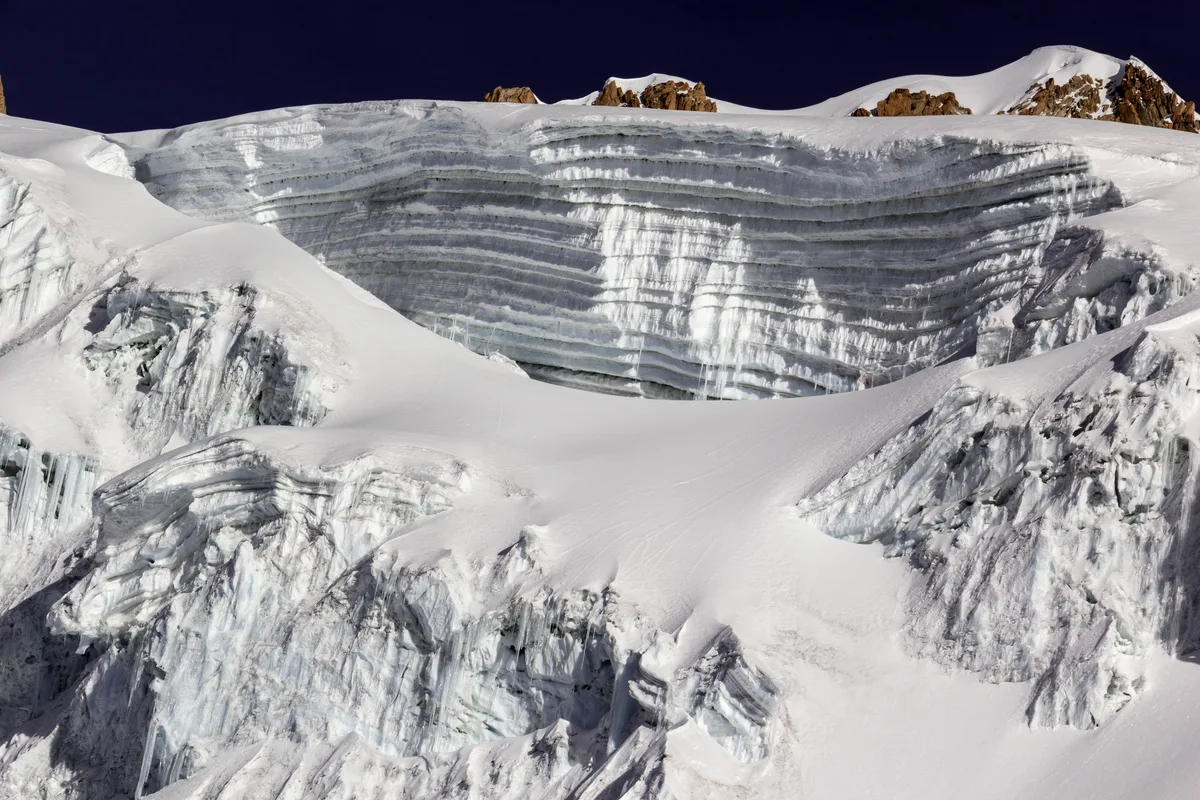
Huayna Potosí French Route (Southeast Face)
The French Route on Huayna Potosí is an exhilarating technical ice direct ascending the peak's southeast wall to 6,088 metres in the Cordillera Real. First climbed in the 1970s by French-Bolivian alpine pioneer Alain Mesili and companions, this direct variant surmounts a continuous 300-metre ice wall sloping between 55 and 70 degrees, bypassing the crowded normal route to deliver a thrilling and pure alpine experience.
Target Objective Peak
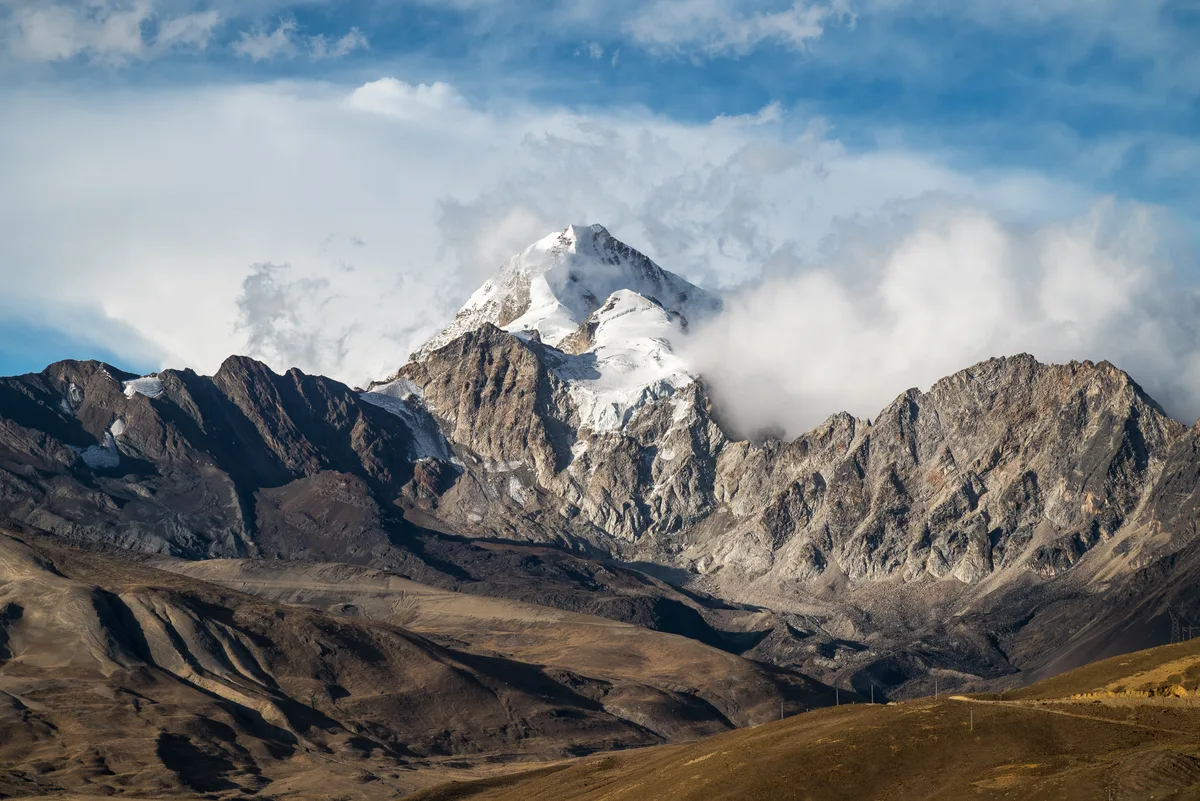

Huayna Potosí
Huayna Potosí is a stunning 6,088-metre glaciated pyramid in the Cordillera Real of Bolivia, widely regarded as one of the most aesthetic peaks in South America. First climbed in 1919 by German mountaineers Rudolf Dienst and Adolf Schulze, the peak features classic glacier ramps, steep summit bergschrunds, and formidable 1,000-metre technical ice walls on its west face. It stands directly north of La Paz near the Zongo Pass.
Associated Historical Chronicles & Stories
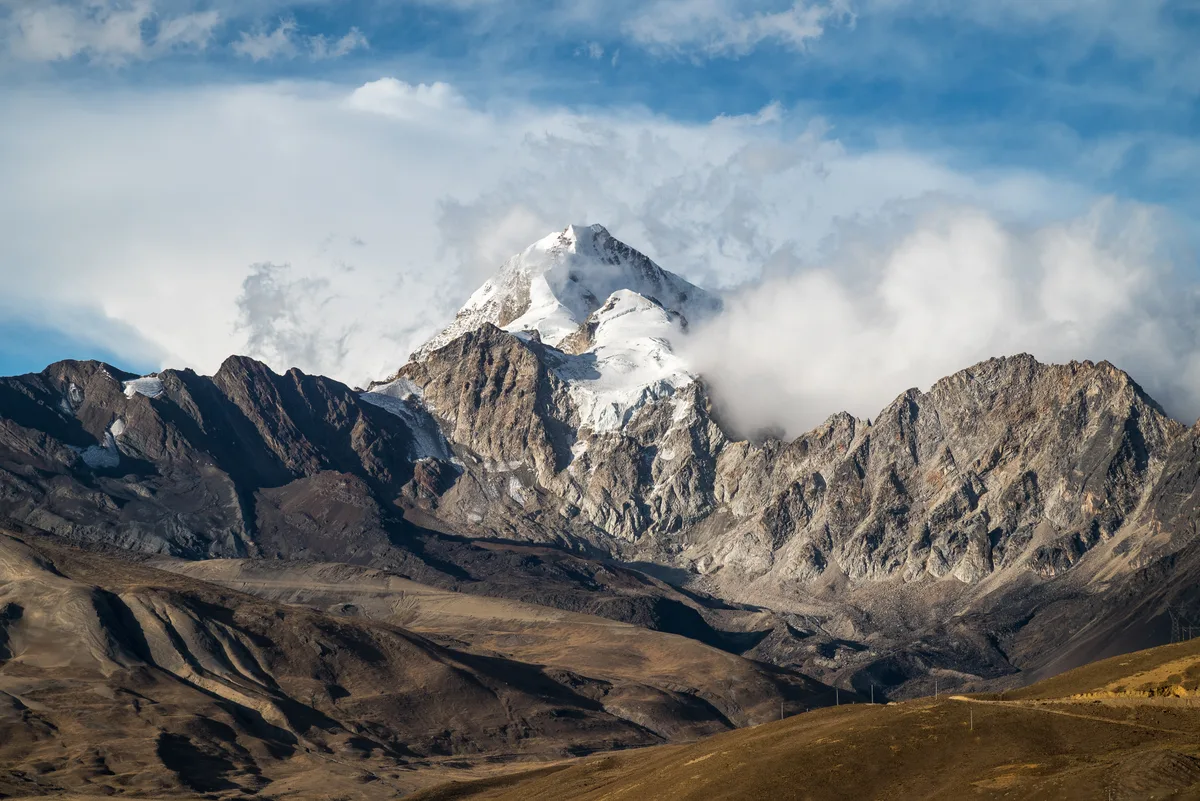
The Ice Pyramid of Zongo: The 1919 First Ascent of Huayna Potosí
On May 18, 1919, German alpinists Rudolf Dienst and Adolf Schulze conquered the glaciated pyramid of Huayna Potosí (6,088 m), establishing a classic of the Cordillera Real.
Documented Sources & Archival Citations
- Zeitschrift des Deutschen und Österreichischen Alpenvereins: Erstbesteigungen in Bolivien(DÖAV)
Supporting claim: Primary archival documentation of the 1919 first ascent of Huayna Potosí
Accessed/Documented: 1922 - The Bolivian Andes: Cordillera Real Climbing Guide(Alain Mesili / Los Amigos del Libro)
Supporting claim: Historical review of early twentieth-century German exploration in the Cordillera Real
Accessed/Documented: 1980