1932 Stanisławski Gerlachovský Štít Direct North Face First Ascent
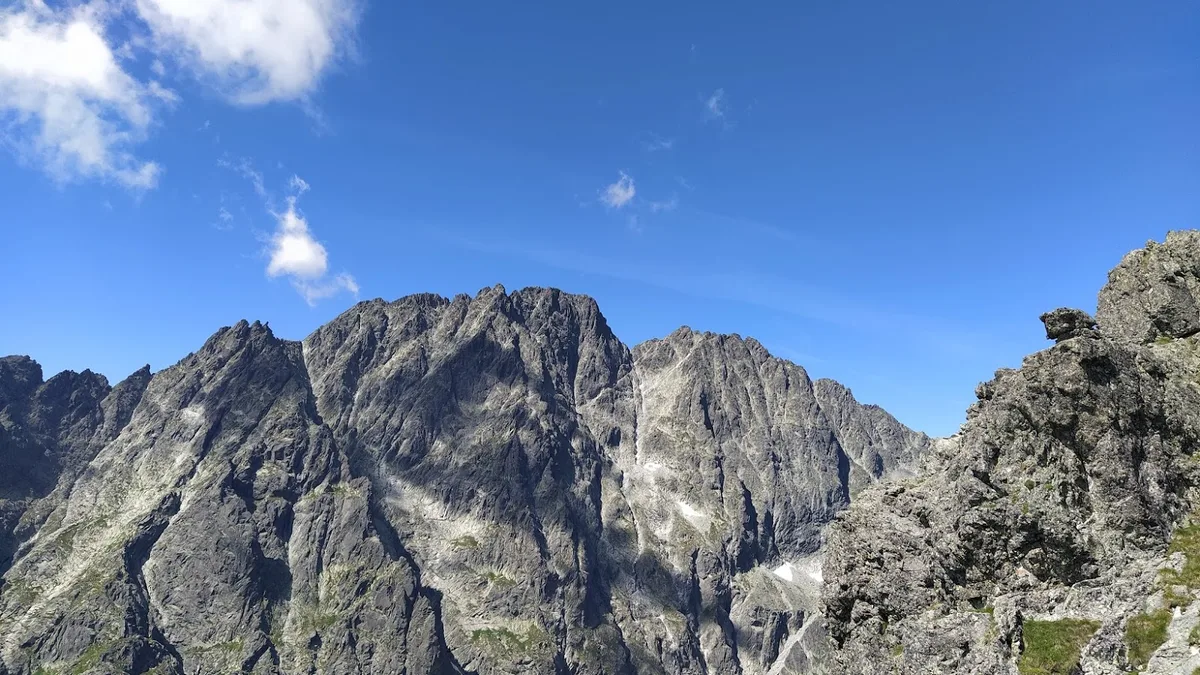
In August 1932, Polish climbing genius Wiesław Stanisławski conquered the dark, icy northern precipices of Gerlachovský Štít, opening the defining direct route on the highest summit in the Carpathians.
Mountain Safety & Conditions Disclaimer: High-altitude climbing, glacial travel, and technical ascents entail severe objective risks including avalanches, serac collapses, rapid weather collapse, and altitude illness. Historical route descriptions and summit claims on Mountanity reflect documented archival sources and must not be used as live operational safety assessments. Local regulations, permits, and physical glacial topography change continuously.
Peer Review: Senior Editorial Board & Historical Reviewers • Editorial Standards
Official Expedition Narrative & Archival Record
In the summer of 1932, twenty-two-year-old Warsaw climber Wiesław Stanisławski turned his supreme route-finding talent to the forbidding North Face of Gerlachovský Štít (2,654 m), the highest peak in the High Tatras and entire Carpathian chain. While previous parties climbed the mountain via the southern couloirs and gentler ridges, the direct northern precipices dropped in thousands of feet of damp, shaded granodiorite cut by iced couloirs. Stanisławski, accompanied by climbing partners Jan Gnojek and Jan Sawicki, attacked the wall head-on. Climbing on thin hemp ropes, utilizing minimal pitons, and trusting in friction on cold rock, Stanisławski unlocked the central chimney system and steep upper slabs. The team reached the jagged summit crest in an afternoon push, completing what was celebrated as the greatest technical breakthrough on the Tatra monarch. The climb solidified Stanisławski's legendary stature as the King of the Tatras.
Documented Team Composition
- Wiesław Stanisławski (Leader, Poland)
- Jan Gnojek (Climber, Poland)
- Jan Sawicki (Climber, Poland)
Key Statistics & Topographic Figures
- Ascent Date
- August 11, 1932
- Target Summit
- Gerlachovský Štít (2,654.4 m / 8,709 ft)
- Climbing Grade
- Tatran Grade V (Very Difficult)
- Climbers
- Wiesław Stanisławski, Jan Gnojek
- Range
- High Tatras, Slovakia
Archival Primary Source Quotations
“In the cold shadows of Gerlach's north wall, every hold demanded absolute concentration; there was no room for hesitation.”
Defined Alpine Terminology & Concepts
- Tatran Granite
- Coarse, compact crystalline granite characteristic of the High Tatras, renowned for friction when dry and extreme slipperiness when frosted.
- Kocioł (Cirque)
- A steep-walled, bowl-shaped glacial amphitheater at the head of a Tatran mountain valley.
Frequently Asked Questions: 1932 Stanisławski Gerlachovský Štít Direct North Face First Ascent
What was the 1932 Stanisławski Gerlach Direct North Face Expedition?
The first direct ascent of the formidable North Face of Gerlachovský Štít on August 11, 1932, by Polish alpinists Wiesław Stanisławski and Jan Gnojek.
What challenges did the climbers face on Gerlach's North Face?
Sustained Grade V climbing on wet, mossy Tatran granite, loose rock bands, zero fixed protection, and fierce afternoon storms.
Why is this climb considered a high watermark of Tatran mountaineering?
It tackled the tallest and most intimidating shadow face of the highest peak in the Carpathians, setting a new benchmark for Central European alpinism.
Who was Stanisławski's rope partner on the ascent?
Jan Gnojek, a trusted Polish mountaineer and companion on many of Stanisławski's extreme northern Tatran ascents.
What was the outcome of the expedition?
A flawless summit victory on Gerlachovský Štít (2,654 m) followed by a safe descent via the Batizovská valley.
Target Objective Peak
Gerlachovský Štít
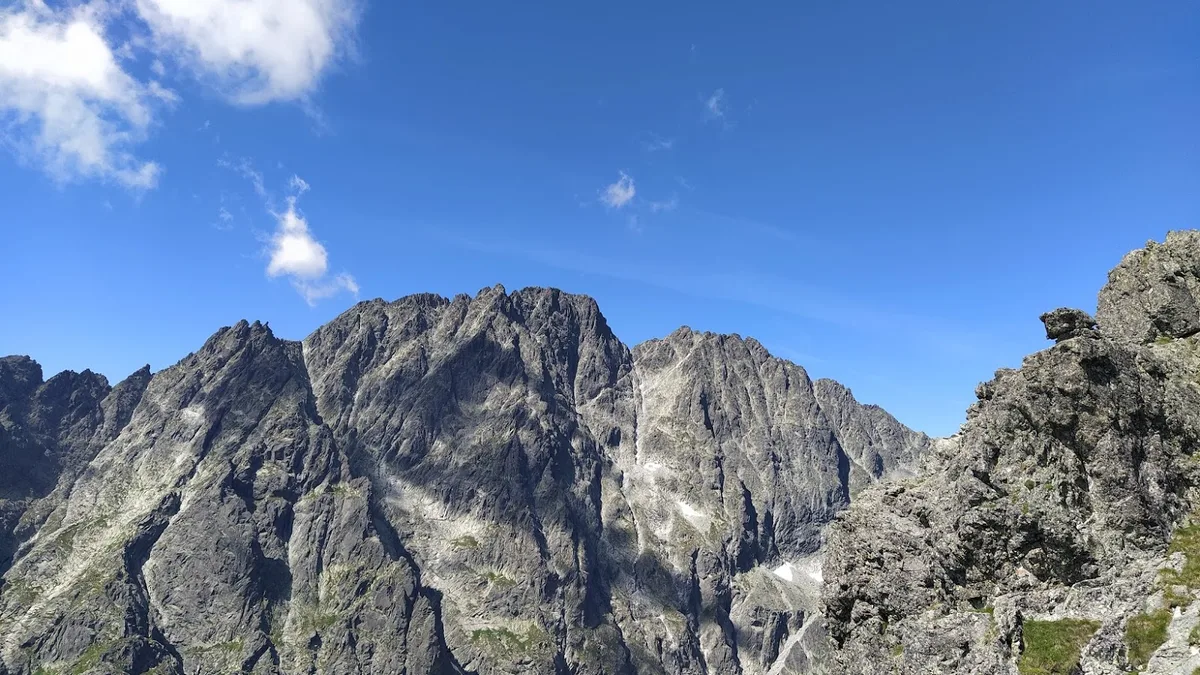
Gerlachovský Štít (2,654 m / 8,707 ft) is the highest peak in the High Tatras, in Slovakia, and across the entire 1,500-kilometre Carpathian mountain system. A fortress of dark granodiorite sculpted by Pleistocene glaciers, its dramatic couloirs and severe northern walls served as the foundational alpine training ground for Central Europe's mountaineers. Polish climbing legend Wiesław Stanisławski pioneered groundbreaking routes on its precipices in the 1930s.
Featured Expedition Climber
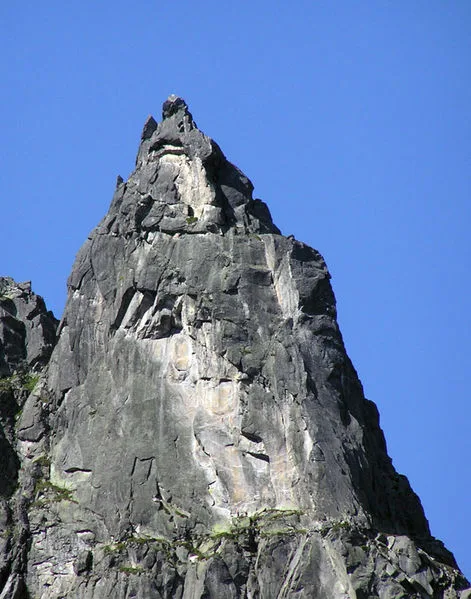
Wiesław Stanisławski
Born on November 15, 1909, in Warsaw, Wiesław Stanisławski spent his youth studying in Warsaw before succumbing to the magnetic attraction of the High Tatras in southern Poland and Slovakia. Joining the Warsaw Section of the Club of Mountaineering (Sekcja Taternicka), Stanisławski brought a modern, athletic, and exploratory vision to Central Europe's granite peaks. At a time when traditional climbers restricted themselves to ridges and prominent gullies, Stanisławski systematically attacked the dark, cold, holdless northern precipices that were widely deemed suicidal. Over five feverish seasons from 1928 to 1933, he established more than one hundred severe new routes across the Tatras, mastering both summer granite cracks and frozen winter couloirs. In 1930, he completed the first ascent of the terrifying Northeast Face of Mnich and the monumental North Face of Mały Kieżmarski Szczyt (Kežmarský štít) — a 900-metre wall known as the greatest limestone/granite wall in the Carpathians. In 1932, Stanisławski pioneered direct lines on the great north wall of Gerlachovský Štít (2,654 m) and the formidable Galeria Gankowa. His motto, 'To conquer a wall not by circumventing its difficulties, but by tackling them directly,' became the ethical foundation for the subsequent generation of Polish Himalayan pioneers. On August 4, 1933, while attempting a new route on the west wall of Kościółek in the Batizovská valley, Stanisławski fell to his death alongside his nineteen-year-old partner Witold Wojnar. He was just twenty-three years old, yet left behind a legacy that defined Polish mountaineering for a century.
Associated Historical Chronicles & Stories
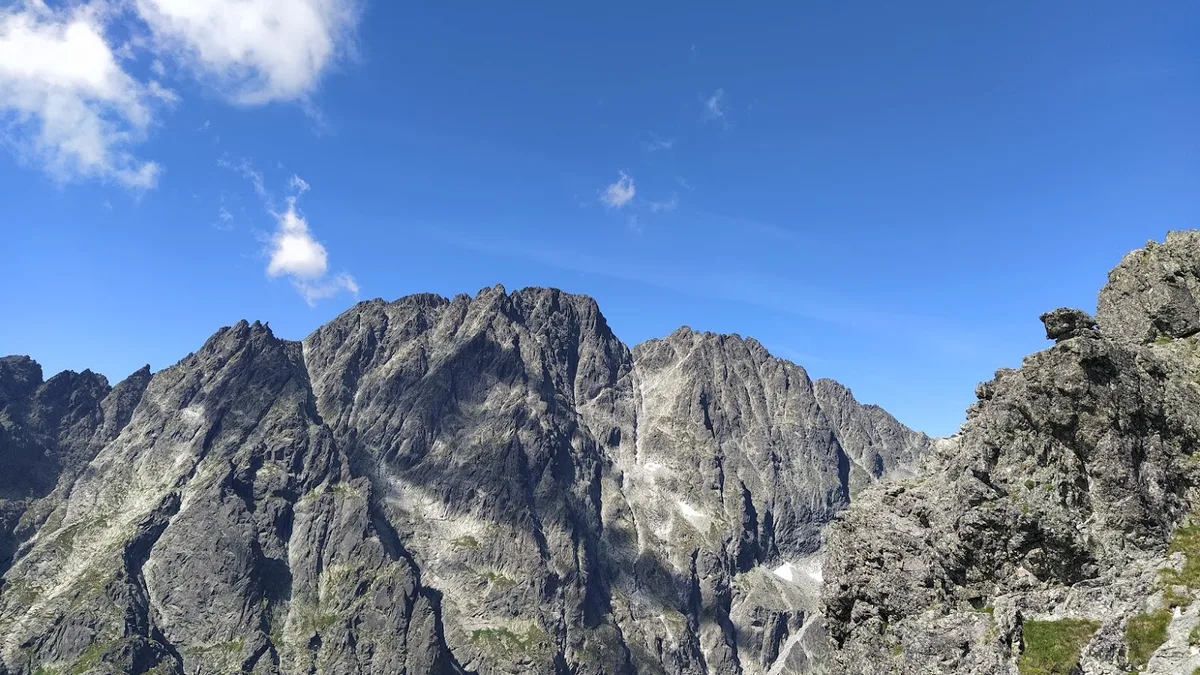
The King of the Tatras: Wiesław Stanisławski's 1932 Gerlach Direct North Face
In August 1932, Polish alpine prodigy Wiesław Stanisławski pioneered the direct North Face of Gerlachovský Štít (2,654 m), conquering the dark granite precipice of the highest peak in the Carpathians.
Documented Sources & Archival Citations
- Taternik (1932): O północnych ścianach Gerlacha(Wiesław Stanisławski / Taternik, Zakopane)
Supporting claim: Primary first-person climbing chronicle and topo notes of the 1932 North Face ascent
Accessed/Documented: 2026 - Wielka Encyklopedia Tatrzańska(Zofia Radwańska-Paryska and Witold H. Paryski)
Supporting claim: Complete topographic and historical register of Stanisławski's Gerlach route
Accessed/Documented: 2026