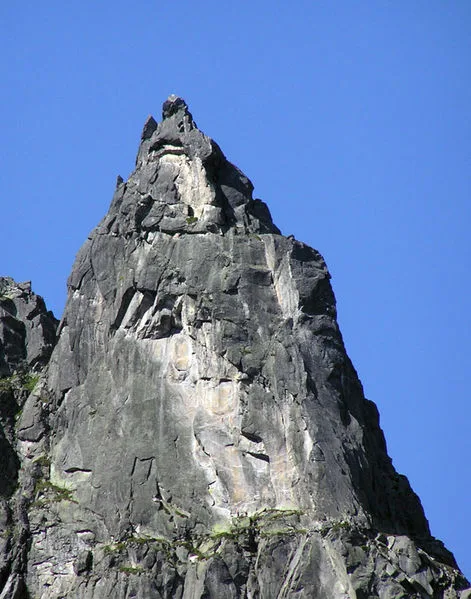
Wiesław Stanisławski
Wiesław Stanisławski was the supreme Polish rock climber of the interwar era, fundamentally revolutionizing Tatra mountaineering. Between 1928 and 1933, he opened over one hundred severe new routes on the grandest walls of the High Tatras, pioneering direct climbs on Gerlachovský Štít, Ganek, and Mięguszowiecki peaks.
Mountain Safety & Conditions Disclaimer: High-altitude climbing, glacial travel, and technical ascents entail severe objective risks including avalanches, serac collapses, rapid weather collapse, and altitude illness. Historical route descriptions and summit claims on Mountanity reflect documented archival sources and must not be used as live operational safety assessments. Local regulations, permits, and physical glacial topography change continuously.
Peer Review: Senior Editorial Board & Historical Reviewers • Editorial Standards
Biographical Record & Archival Chronicle
Born on November 15, 1909, in Warsaw, Wiesław Stanisławski spent his youth studying in Warsaw before succumbing to the magnetic attraction of the High Tatras in southern Poland and Slovakia. Joining the Warsaw Section of the Club of Mountaineering (Sekcja Taternicka), Stanisławski brought a modern, athletic, and exploratory vision to Central Europe's granite peaks. At a time when traditional climbers restricted themselves to ridges and prominent gullies, Stanisławski systematically attacked the dark, cold, holdless northern precipices that were widely deemed suicidal. Over five feverish seasons from 1928 to 1933, he established more than one hundred severe new routes across the Tatras, mastering both summer granite cracks and frozen winter couloirs. In 1930, he completed the first ascent of the terrifying Northeast Face of Mnich and the monumental North Face of Mały Kieżmarski Szczyt (Kežmarský štít) — a 900-metre wall known as the greatest limestone/granite wall in the Carpathians. In 1932, Stanisławski pioneered direct lines on the great north wall of Gerlachovský Štít (2,654 m) and the formidable Galeria Gankowa. His motto, 'To conquer a wall not by circumventing its difficulties, but by tackling them directly,' became the ethical foundation for the subsequent generation of Polish Himalayan pioneers. On August 4, 1933, while attempting a new route on the west wall of Kościółek in the Batizovská valley, Stanisławski fell to his death alongside his nineteen-year-old partner Witold Wojnar. He was just twenty-three years old, yet left behind a legacy that defined Polish mountaineering for a century.
Notable Milestones & Ascents
- Pioneered over 100 first ascents in the High Tatras within a five-year span (1928–1933)
- First ascent of the monumental 900-metre North Face of Mały Kežmarský štít in 1932
- First direct climbs on the northern precipices of Gerlachovský Štít (2,654 m)
- First direct route up the sheer Galeria Gankowa (Ganek Gallery) in 1930
- Authored lyrical climbing articles in Taternik that inspired Poland's Golden Generation of Himalayan alpinists
- Regarded by historians as the greatest figure in the history of Tatra mountaineering
Key Statistics & Topographic Figures
- Lifespan
- November 15, 1909 – August 4, 1933 (aged 23)
- New Routes Pioneered
- Over 140 premier routes in the High Tatras
- Masterpiece Ascent
- Gerlach North Face Direct & Galeria Gankowa
- Mountain Range
- High Tatras (Poland & Slovakia)
- Historical Impact
- Father of modern Polish extreme alpinism
Archival Primary Source Quotations
“We did not climb for fame, but because the cold granite walls called to our souls with a clarity no city could ever provide.”
Defined Alpine Terminology & Concepts
- Taternik
- A Polish alpine climber specialized in tackling the severe granite walls, couloirs, and winter routes of the Tatra Mountains.
- Galeria Gankowa
- A legendary 300-metre vertical granite shield in the High Tatras renowned as one of the most formidable big walls in Central Europe.
Frequently Asked Questions: Wiesław Stanisławski
Who was Wiesław Stanisławski and what is his status in Polish mountaineering?
Wiesław Stanisławski (1909–1933) was the preeminent master of the High Tatras, pioneering over 140 extreme routes on the range's steepest granite precipices.
What were Wiesław Stanisławski's greatest Tatran first ascents?
His masterworks include the direct North Face of Gerlachovský Štít (1932), the sheer Northeast Face of Mnich (1930), and the Great Wall of Galeria Gankowa.
What climbing ethic did Wiesław Stanisławski champion?
Stanisławski championed pure, uncompromising natural line climbing on the largest vertical amphitheaters of the Tatras, pushing difficulty into Grade V+ and VI.
How did Wiesław Stanisławski tragically die?
Stanisławski died at age 23 on August 4, 1933, falling with his partner Witold Wojnar while attempting the unclimbed West Face of Kościółek in the Batizovska Valley.
What mountain range was Wiesław Stanisławski's primary playground?
The High Tatras, spanning the border between Poland and Slovakia, featuring steep alpine granite comparable in severity to Chamonix.
Who were Stanisławski's frequent rope companions?
He climbed with elite Polish mountaineers including Jan Gnojek, Jan Alfred Szczepański, and Zbigniew Gieysztor.
How did Stanisławski influence the subsequent golden age of Polish Himalayan climbing?
Stanisławski established the technical rigor, resilience, and psychological fortitude in winter and summer Tatras that later forged Poland's Ice Warriors.
Where is Wiesław Stanisławski buried?
He is buried in the Old Cemetery of Zakopane (Pęksowy Brzyzek), the national pantheon of Polish alpine heroes and cultural figures.
Associated Summits (1)
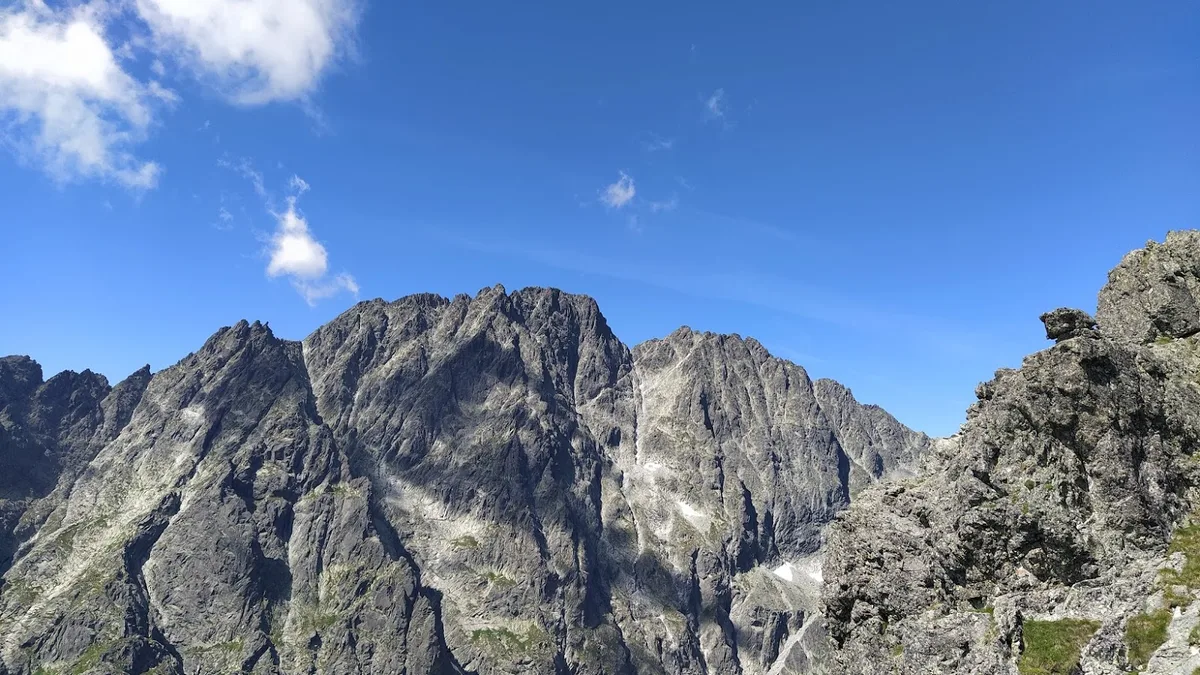
Gerlachovský Štít
Gerlachovský Štít (2,654 m / 8,707 ft) is the highest peak in the High Tatras, in Slovakia, and across the entire 1,500-kilometre Carpathian mountain system. A fortress of dark granodiorite sculpted by Pleistocene glaciers, its dramatic couloirs and severe northern walls served as the foundational alpine training ground for Central Europe's mountaineers. Polish climbing legend Wiesław Stanisławski pioneered groundbreaking routes on its precipices in the 1930s.
Documented Expeditions (1)
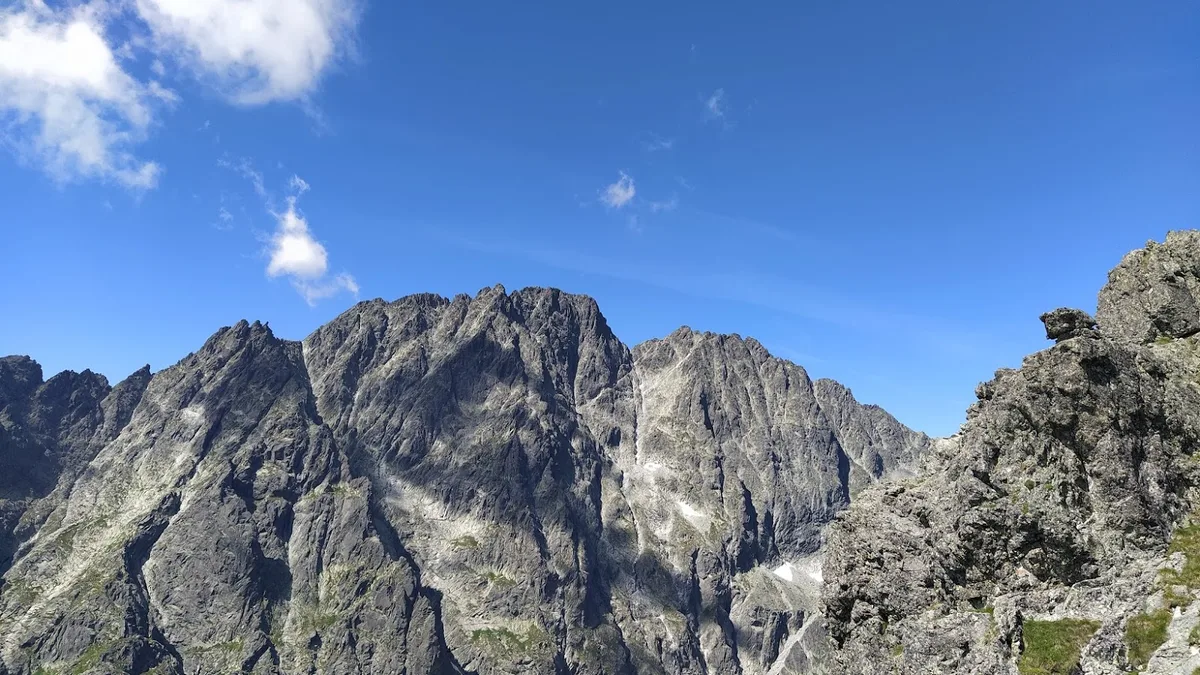
1932 Stanisławski Gerlachovský Štít Direct North Face First Ascent
In August 1932, Polish climbing genius Wiesław Stanisławski conquered the dark, icy northern precipices of Gerlachovský Štít, opening the defining direct route on the highest summit in the Carpathians.
Associated Chronicles & Stories (1)
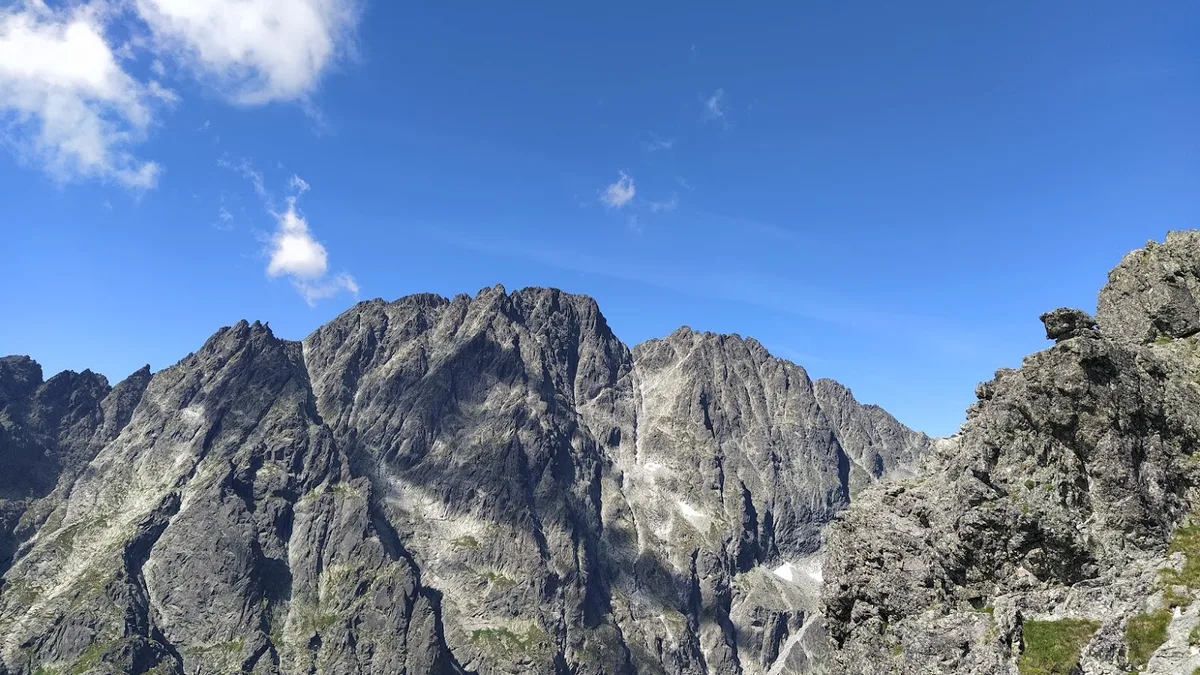
The King of the Tatras: Wiesław Stanisławski's 1932 Gerlach Direct North Face
In August 1932, Polish alpine prodigy Wiesław Stanisławski pioneered the direct North Face of Gerlachovský Štít (2,654 m), conquering the dark granite precipice of the highest peak in the Carpathians.
Documented Sources & Archival Citations
- Wiesław Stanisławski: Życie i wspinaczka(Jan Józef Szczepański / Iskry, Warsaw)
Supporting claim: Comprehensive historical biography of Stanisławski's ascents, technical ethics, and journals
Accessed/Documented: 2026 - Wielka Encyklopedia Tatrzańska(Zofia Radwańska-Paryska and Witold H. Paryski)
Supporting claim: Complete register of Stanisławski's 100+ first ascents in the High Tatras
Accessed/Documented: 2026