1964 Chinese Expedition to Shishapangma
The landmark Chinese expedition led by Xu Jing that conquered Shishapangma (8,027m) on May 2, 1964, completing the maiden first ascents of all fourteen 8,000-meter peaks on Earth.
Mountain Safety & Conditions Disclaimer: High-altitude climbing, glacial travel, and technical ascents entail severe objective risks including avalanches, serac collapses, rapid weather collapse, and altitude illness. Historical route descriptions and summit claims on Mountanity reflect documented archival sources and must not be used as live operational safety assessments. Local regulations, permits, and physical glacial topography change continuously.
Peer Review: Senior Editorial Board & Historical Reviewers • Editorial Standards
Official Expedition Narrative & Archival Record
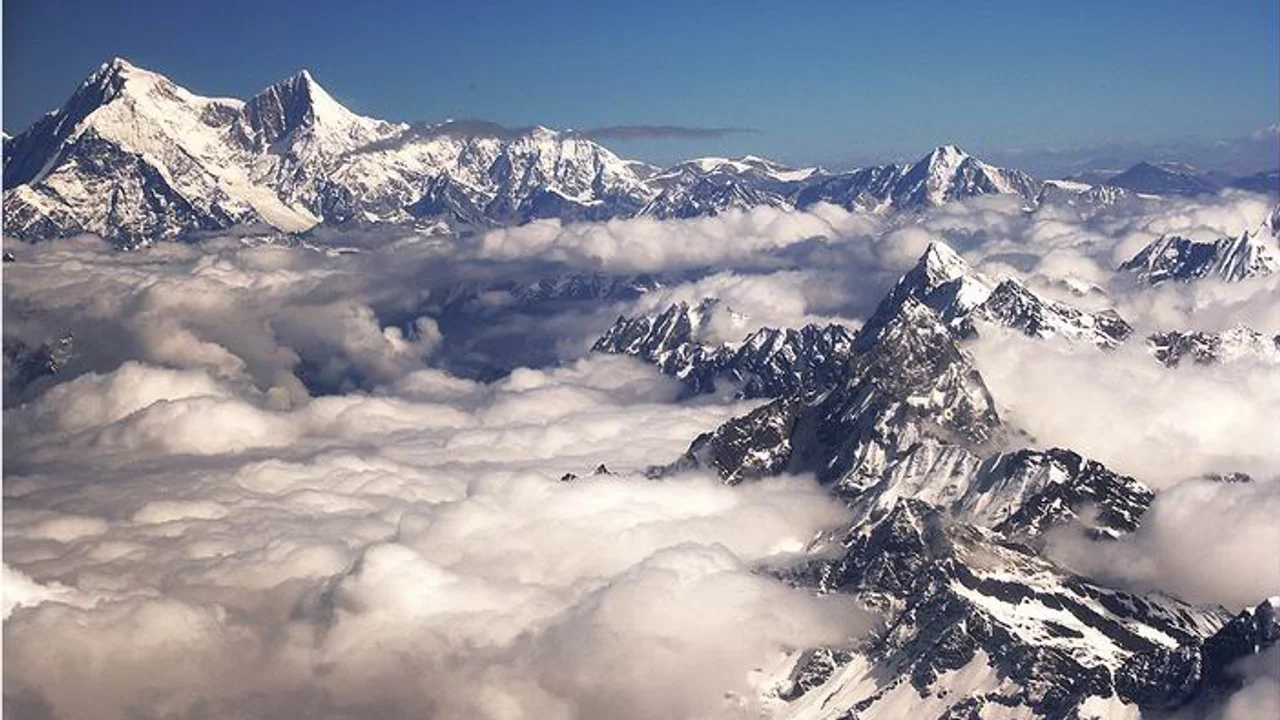
Organized by the Chinese Mountaineering Association and commanded by Xu Jing, the 1964 Chinese Expedition marched into the Jugal Himal of southern Tibet to scale Shishapangma (8,027m, also known as Gosainthan)—the only 8,000-meter mountain located entirely within Chinese borders and the final unclimbed eight-thousander in the world. Utilizing a massive, disciplined logistics system, the expedition established Base Camp on the northern approaches at 5,000 meters and carefully pioneered a route across the heavily crevassed Yebokangal Glacier, pitching four high-altitude camps up the Northwest Face and ridge. On May 2, 1964, despite treacherous wind-packed slab avalanches and extreme hypoxia in the Death Zone, expedition leader Xu Jing led a ten-man assault party—including Everest North Ridge hero Wang Fuzhou, Zhang Junyan, Wu Zongyue, and Tibetan climber Sodnam Doje—to the summit. At 10:20 AM, all ten climbers gathered on the 8,027-meter summit of Shishapangma, successfully concluding the historic golden era of maiden first ascents of Earth's 14 highest mountains.
Documented Team Composition
- Xu Jing (Expedition Leader)
- Wang Fuzhou
- Zhang Junyan
- Wu Zongyue
- Chen San
- Cheng Tianliang
- Migmar Trashi (Tibetan)
- Doje (Tibetan)
- Yonten (Tibetan)
- Sodnam Doje (Tibetan)
Key Statistics & Topographic Figures
- Summit Date
- May 2, 1964
Maiden First Ascent
- Summit Team Size
- 10 Climbers (Led by Xu Jing)
Record 8,000m Maiden Team
- Historical Milestone
- 14th and Final 8,000m Peak
Golden Age Complete
- Peak Elevation
- 8,027 meters (26,335 ft)
World 14th Highest
Archival Primary Source Quotations
“With the summit of Shishapangma, mankind has climbed the fourteen highest towers of Earth. The great age of first ascents is complete.”
Defined Alpine Terminology & Concepts
- Yebokangal Glacier
- The expansive northern glacier on Shishapangma navigated by the 1964 Chinese team to establish their four high camps.
- Gosainthan
- The traditional Hindu and early British colonial name for Shishapangma, meaning "The Abode of the Saint."
Frequently Asked Questions: 1964 Chinese Expedition to Shishapangma
Who made the first ascent of Shishapangma in 1964?
A ten-man Chinese expedition led by Xu Jing and including Everest North Ridge hero Wang Fuzhou, Zhang Junyan, Wu Zongyue, and Tibetan climber Sodnam Doje made the first ascent on May 2, 1964.
Why was Shishapangma the last 8,000-meter peak to be climbed?
Shishapangma is the only 8,000-meter peak situated entirely within Tibetan/Chinese territory. Due to political restrictions, it remained closed to western mountaineers throughout the 1950s.
How many climbers reached the summit of Shishapangma on the first ascent?
Ten climbers reached the summit together on May 2, 1964, setting a record for the largest summit team on a maiden 8,000-meter first ascent in history.
What was the historical significance of the 1964 Shishapangma conquest?
Shishapangma was the fourteenth and final 8,000-meter peak on Earth to be climbed, concluding the historic 14-year golden era of maiden eight-thousander first ascents (1950–1964).
What does the name Shishapangma mean?
In Tibetan, Shishapangma translates to "the crest above the grassy plains" (or "the range above the pasturelands"), referring to the plateau steppes of southern Tibet.
What route was climbed on Shishapangma in 1964?
The expedition pioneered the Northern Route across the Yebokangal Glacier, traversing the Northwest Face and ascending the steep upper couloir to the main summit crest.
Ascent Route & Topography
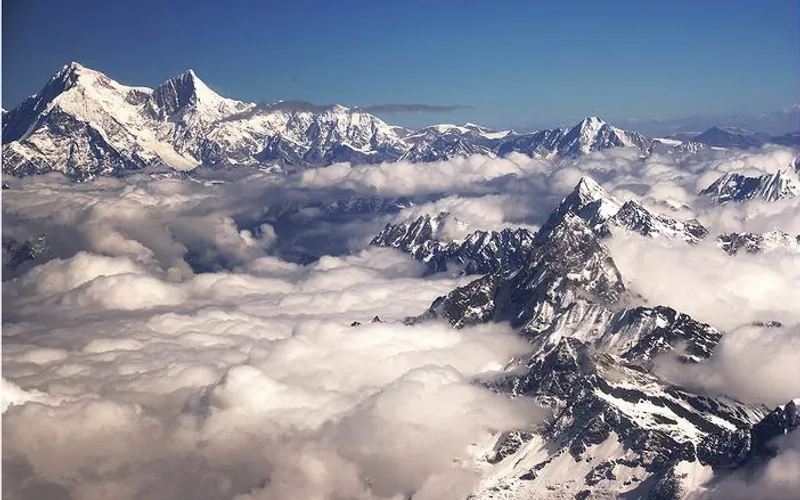
Shishapangma Northwest Ridge (Normal Route)
The Northwest Ridge is the standard route on Shishapangma, situated entirely in Tibet and first ascended by a Chinese expedition in 1964. Approached from the dry, high-altitude plateau of southern Tibet, the route climbs gently sloping glaciers to an upper plateau, gains the Central Peak (8,008m), and traverses a knife-edge snow arête with massive drop-offs to reach the true Main Summit at 8,027m.
Target Objective Peak
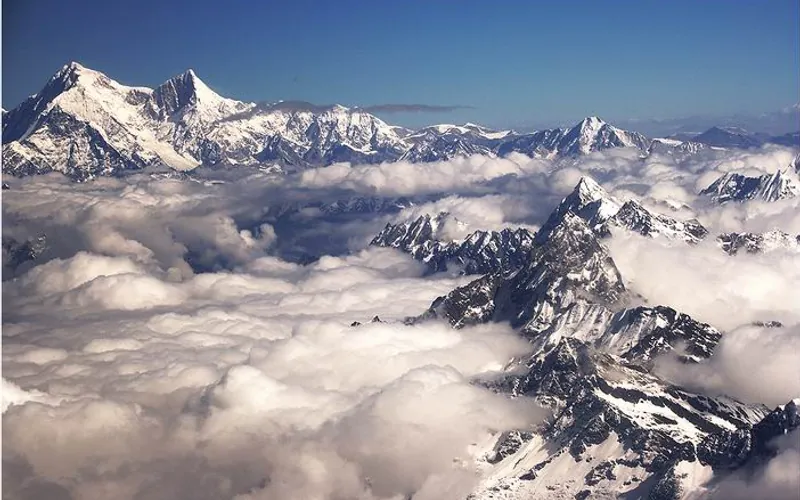

Shishapangma
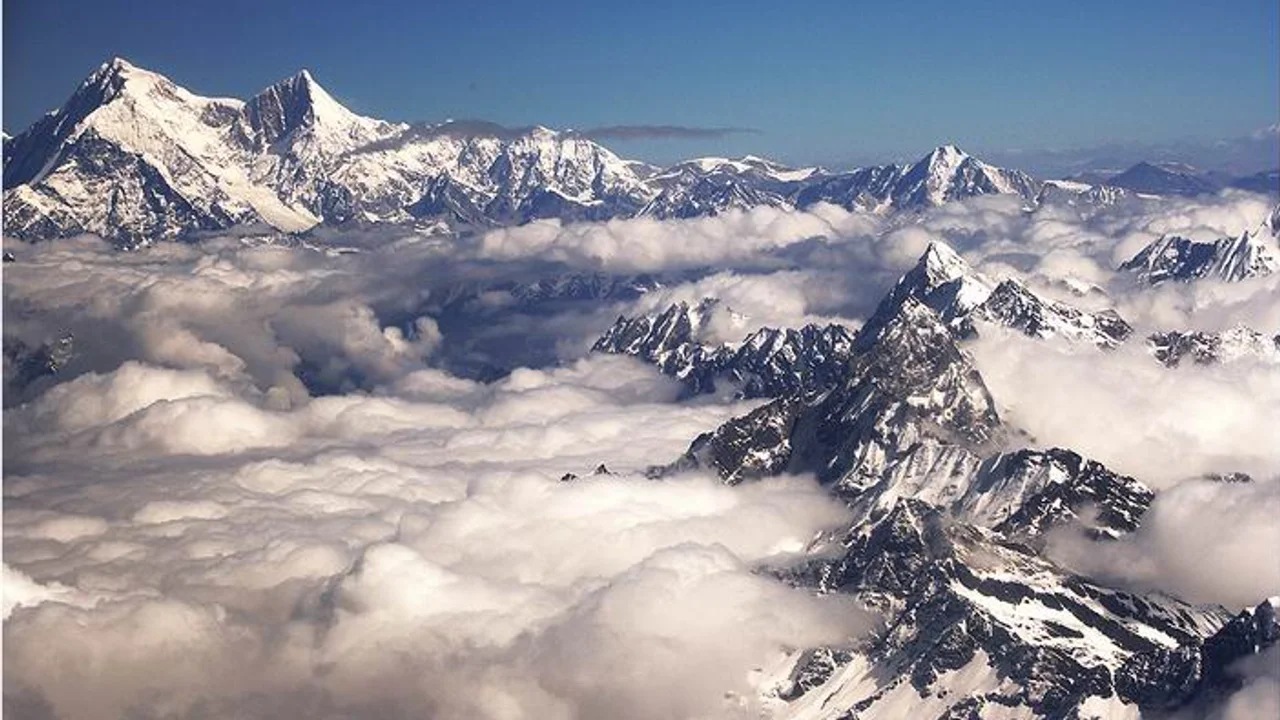
Shishapangma, at 8,027 meters (26,335 ft), is the fourteenth-highest mountain on Earth and the only 8,000-meter peak situated entirely within Tibetan/Chinese territory. Due to geopolitical restrictions, it was the final eight-thousander to be climbed, summited by a Chinese expedition on May 2, 1964.
Featured Expedition Climbers
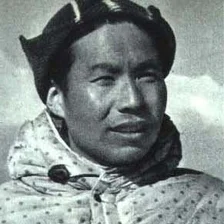
Wang Fuzhou
Wang Fuzhou was born in January 1935 in Xihua County, Henan Province, China. He studied geology at the Beijing Institute of Geology, graduating in 1958 before being recruited into the newly formed national mountaineering team. Trained in the Soviet Caucasus and the Pamirs, Wang quickly demonstrated exceptional endurance, tactical discipline, and rock-climbing technique. In the spring of 1960, Wang was appointed party secretary and lead climber for the historic Chinese Mount Everest Expedition attempting the unclimbed North Ridge route from Tibet. On May 24, Wang, Qu Yinhua, Gonpo (Tibet), and Liu Lianman pushed beyond the infamous Second Step (8,600m), where Liu offered his shoulders as a human ladder to boost his companions over the sheer rock wall. Running out of supplemental oxygen during the night, Wang, Qu, and Gonpo pressed on through the pitch blackness in sub-zero frost, reaching the summit of Mount Everest at 4:20 AM on May 25, 1960. It was the first ascent of Everest from the north and the first nighttime summit of an eight-thousander. Four years later, in the spring of 1964, Wang joined the formidable Chinese expedition led by Xu Jing to attempt Shishapangma (8,027m) in southern Tibet—the only eight-thousander entirely within Chinese territory and the last unclimbed 8,000-meter giant on Earth. Operating as the technical backbone of the assault, Wang forged the route up the heavily crevassed northern slopes. On May 2, 1964, Wang Fuzhou, alongside expedition leader Xu Jing and eight other Chinese and Tibetan climbers, stood on the 8,027-meter summit of Shishapangma. The ascent completed the first ascents of all fourteen 8,000-meter peaks on Earth. Wang subsequently served for many years as President of the Chinese Mountaineering Association (CMA) and Vice President of the Chinese Olympic Committee. He passed away on July 18, 2015, in Beijing at age 80, immortalized as a foundational titan of Asian mountaineering.
Xu Jing
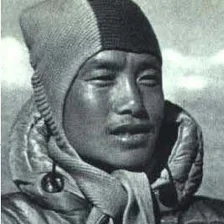
Xu Jing was born in 1927 in Liaoning Province, China. A pioneer of modern Chinese high-altitude mountaineering, Xu underwent rigorous alpine training in the Soviet Caucasus and Pamir mountains during the mid-1950s, mastering extreme glaciology, expedition logistics, and severe ice navigation. In 1960, Xu served as deputy leader and chief field commander of the Chinese Mount Everest Expedition, orchestrating the complex logistical establishment of camps up the East Rongbuk Glacier and North Col, which culminated in the historic first summit of Everest via the North Ridge by Wang Fuzhou, Qu Yinhua, and Gonpo on May 25, 1960. In 1964, the Chinese Mountaineering Association appointed Xu as the leader of the national expedition to Shishapangma (8,027m, also known as Gosainthan) in south-central Tibet. Shishapangma was the only 8,000-meter peak situated entirely within Chinese territory and the fourteenth and final eight-thousander on Earth left unclimbed. Demonstrating superb organizational command, Xu established Base Camp on the northern approaches and established four high camps through massive crevasses and steep icefields. On the morning of May 2, 1964, leading from the front, Xu Jing and nine teammates—including Wang Fuzhou, Zhang Junyan, Wu Zongyue, and Tibetan climber Sodnam Doje—overcame deep avalanche-prone snow on the final summit crest. At 10:20 AM, Xu stepped onto the 8,027-meter summit of Shishapangma, writing the concluding chapter in the historic golden age of first ascents of the world's 14 eight-thousanders. Xu continued to serve as a revered elder statesman of Chinese mountaineering, mentoring generations of elite Himalayan climbers and organizing the landmark 1975 Chinese Everest expedition. He passed away on October 15, 2011, at age 84, remembered as the visionary commander who conquered Earth's last virgin eight-thousander.
Associated Historical Chronicles & Stories
Shishapangma 1964: Conquering the Final Eight-Thousander
On May 2, 1964, a ten-man Chinese team led by Xu Jing and including Everest hero Wang Fuzhou conquered the 8,027-meter summit of Shishapangma, bringing to a triumphant close the historic golden era of first ascents of the world's 14 eight-thousanders.
Documented Sources & Archival Citations
- A Clamour on Shisha Pangma(Chinese Mountaineering Association / Foreign Languages Press)
Supporting claim: Official expedition chronicle of the 1964 Shishapangma first ascent
Accessed/Documented: 1965 - The Himalayan Database: Shishapangma 1964 Registry(Elizabeth Hawley Archive)
Supporting claim: Official expedition verification, summit timestamps, and participant rosters
Accessed/Documented: 2026 - Himalayan Journal: The Ascent of Shisha Pangma(The Himalayan Club)
Supporting claim: Contemporary international analysis of the conquest of the 14th eight-thousander
Accessed/Documented: 1965