2008 Annapurna I South Face Expedition and Iñaki Ochoa Rescue
In May 2008, an extraordinary multi-national rescue operation was launched on Annapurna's South Face to save stricken Navarrese climber Iñaki Ochoa de Olza, bringing together elite alpinists Ueli Steck, Denis Urubko, Horia Colibășanu, and Don Bowie in a legendary display of alpine brotherhood.
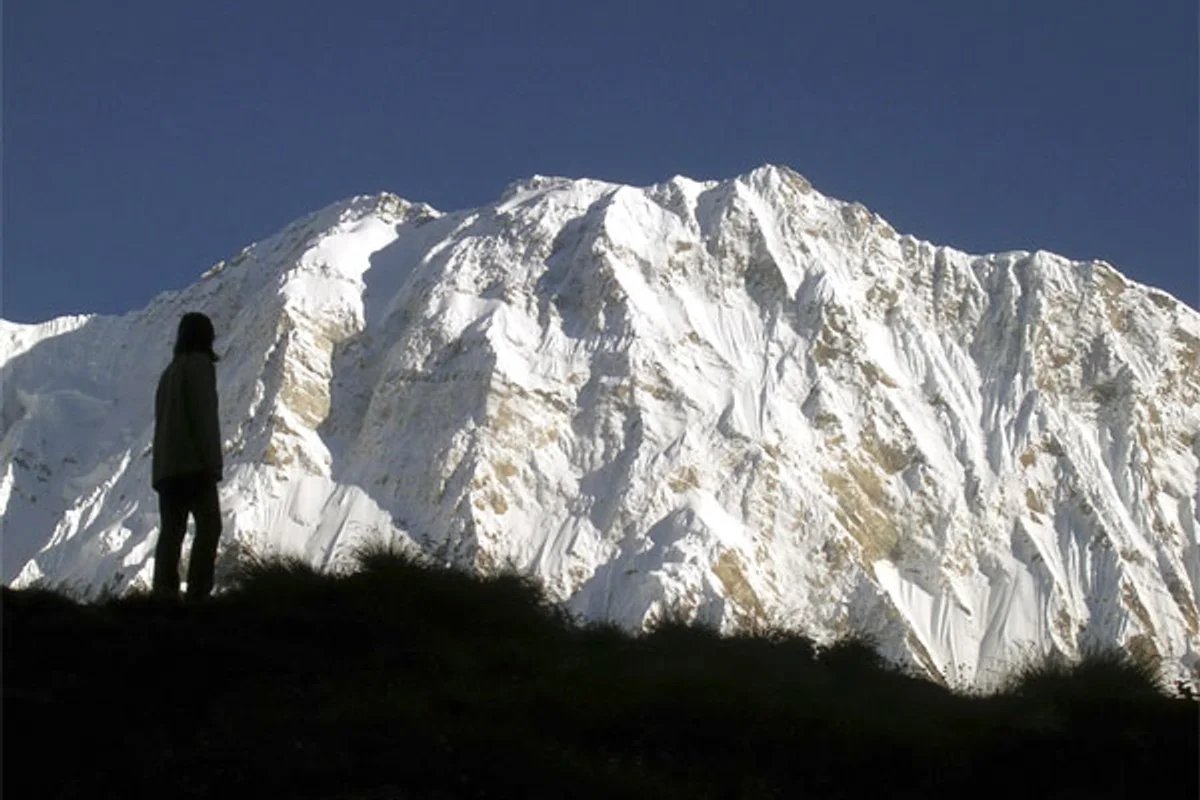
Mountain Safety & Conditions Disclaimer: High-altitude climbing, glacial travel, and technical ascents entail severe objective risks including avalanches, serac collapses, rapid weather collapse, and altitude illness. Historical route descriptions and summit claims on Mountanity reflect documented archival sources and must not be used as live operational safety assessments. Local regulations, permits, and physical glacial topography change continuously.
Peer Review: Senior Editorial Board & Historical Reviewers • Editorial Standards
Official Expedition Narrative & Archival Record
In May 2008, Navarrese mountaineer Iñaki Ochoa de Olza and Romanian partner Horia Colibășanu launched an alpine-style push up the formidable South Face of Annapurna I (8,091m) without supplemental bottled oxygen. On May 19, high at Camp IV at 7,400 meters, Ochoa suffered a severe seizure resulting from acute high-altitude cerebral edema and pulmonary complications. Colibășanu heroically refused to descend to save himself, remaining by Ochoa's side in sub-zero cold for three days to administer medication and melt snow. An unprecedented multi-national rescue effort spontaneously formed at Base Camp. Swiss alpine speed record-holder Ueli Steck and Simon Anthamatten sprinted up the avalanche-swept face with vital dexamethasone, while Denis Urubko, Don Bowie, and Russian climbers carried heavy oxygen cylinders up the lower glaciers. Steck reached Ochoa's tent at 7,400 meters on May 21, nursing him through severe storms. Despite these heroic efforts, Ochoa passed away on May 23, 2008. The rescue operation was universally hailed as one of the most selfless demonstrations of alpine brotherhood and solidarity in Himalayan history.
Documented Team Composition
- Iñaki Ochoa de Olza (Spain/Navarre)
- Horia Colibășanu (Romania)
- Ueli Steck (Switzerland)
- Simon Anthamatten (Switzerland)
- Denis Urubko (Kazakhstan)
- Don Bowie (Canada)
Key Statistics & Topographic Figures
- Event Date
- May 19–23, 2008
Annapurna I South Face (7,400m), Nepal
- Rescued Climber
- Iñaki Ochoa de Olza (Navarre)
Suffering Acute HACE and Pulmonary Complications
- Guardian Companion
- Horia Colibășanu (Romania)
Remained for Days at 7,400m Without Descending
- Lead Rescuer
- Ueli Steck (Switzerland)
Sprinted Up South Face with Emergency Medication
- International Solidarity
- 14 Alpinists from 6 Nations
Spain, Romania, Switzerland, Kazakhstan, Russia, Canada
Archival Primary Source Quotations
“I could not leave him. When you climb together on a rope, you share life and death; leaving Iñaki was never an option.”
Defined Alpine Terminology & Concepts
- Alpine Rescue Ethic
- The sacred high-altitude tradition where personal summit ambitions are immediately abandoned to save a fellow human in danger.
- Dexamethasone Protocol
- The emergency administration of high-potency corticosteroids to reduce high-altitude cerebral swelling and restore consciousness.
Frequently Asked Questions: 2008 Annapurna I South Face Expedition and Iñaki Ochoa Rescue
What makes the 2008 Annapurna rescue for Iñaki Ochoa so famous?
Fourteen elite climbers from six nations spontaneously abandoned their climbs to mount a heroic rescue at 7,400m in the death zone.
Who stayed with Iñaki Ochoa at Camp IV to keep him alive?
Romanian mountaineer Horia Colibășanu refused to descend to save himself, nursing Ochoa for days in extreme cold.
How fast did Ueli Steck climb to reach Iñaki Ochoa?
Steck sprinted up the avalanche-swept South Face, ascending thousands of vertical metres in two days with emergency medicine.
What medical supplies did Denis Urubko carry up Annapurna?
Urubko carried heavy bottled oxygen cylinders up the lower glaciers through storms in an attempt to reach Camp IV.
At what altitude was Iñaki Ochoa stranded on Annapurna?
He was stranded at Camp IV at approximately 7,400 metres on the South Face just beneath the summit ridge.
When did Iñaki Ochoa de Olza pass away on the mountain?
He passed away on May 23, 2008, with Swiss alpinist Ueli Steck holding his hand inside the assault tent.
What prestigious international honor was awarded to the rescuers?
They received the Targa d’Argento for International Alpine Solidarity, honoring their selfless courage in the death zone.
What documentary film chronicles this historic rescue operation?
The award-winning 2012 documentary film Pura Vida (The Ridge) chronicles the rescue and the climbers who risked their lives.
Ascent Route & Topography
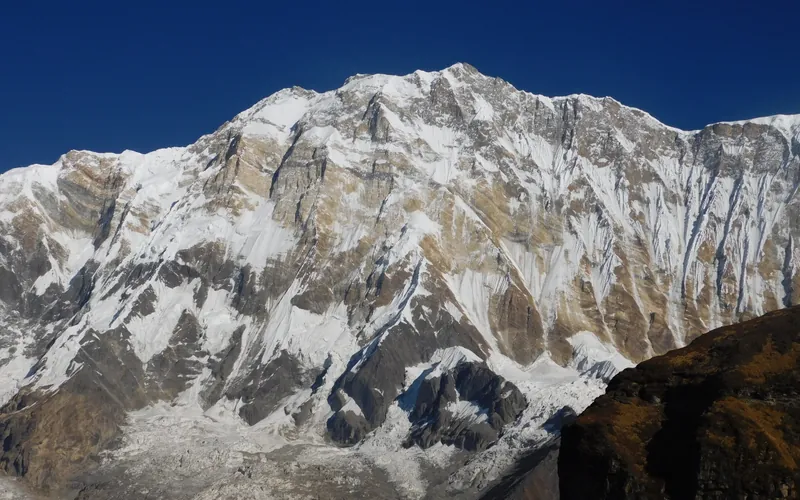
Annapurna I South Face (Bonington-Haston-Whillans Route)
The South Face of Annapurna I is one of the most formidable big-wall arenas in world mountaineering, rising 3,000 vertical metres of sheer rock, ice flutings, and overhanging bands directly from the Annapurna Sanctuary. First ascended via siege tactics by Dougal Haston and Don Whillans in 1970, it was later climbed in a revolutionary, lightweight solo push by Swiss alpinist Ueli Steck in October 2013 in just 28 hours round-trip.
Target Objective Peak
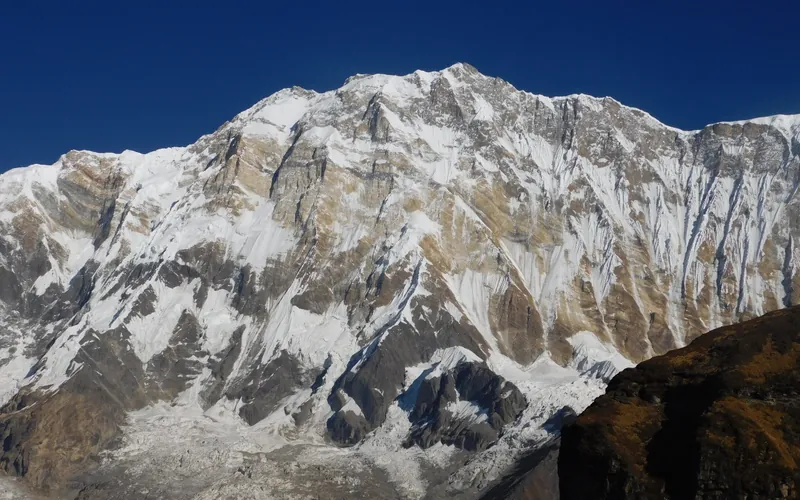

Annapurna I
Annapurna I, at 8,091 meters (26,545 ft), is the tenth-highest mountain in the world and historically the first 8,000-meter peak ever summited (June 3, 1950 by Maurice Herzog and Louis Lachenal). Rising above the Annapurna Sanctuary, its north and south walls present extreme avalanche and serac fall hazards.
Featured Expedition Climber
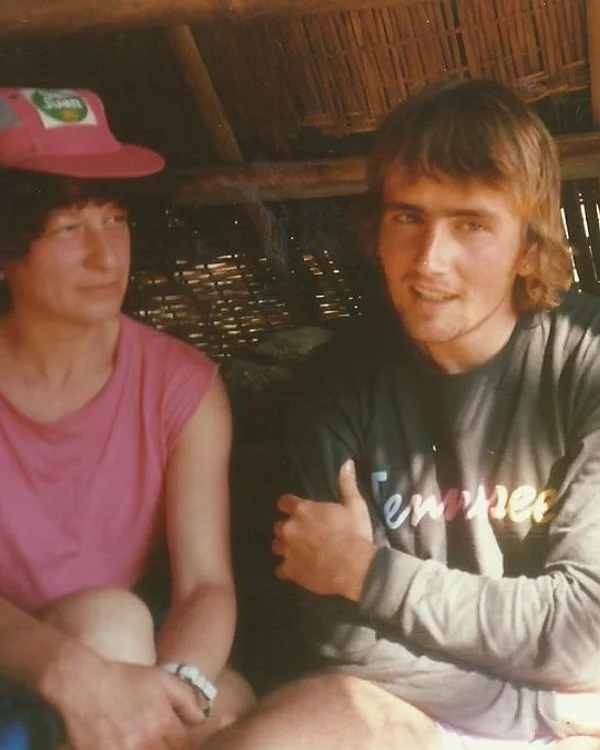
Iñaki Ochoa de Olza
Iñaki Ochoa de Olza Seguín was born on May 29, 1967, in Pamplona, Navarre, Spain. Drawn to the Pyrenees in his youth, he took part in his first Himalayan expedition at age twenty-two on Kangchenjunga in 1990. Over the subsequent eighteen years, Ochoa completed more than thirty high-altitude Himalayan expeditions, summiting twelve 8,000-meter peaks—including Cho Oyu, Gasherbrum I, Gasherbrum II, Lhotse, Everest, Nanga Parbat, Broad Peak, Makalu, K2, Manaslu, Dhaulagiri, and Shishapangma—strictly without supplemental bottled oxygen. Ochoa was celebrated throughout the climbing community for his pure, honest alpine philosophy. He refused commercial fixed ropes, carried his own loads, and rejected modern commercial summit chasing. His humor, philosophical writings, and warm camaraderie made him one of the most beloved figures in Himalayan mountaineering. In May 2008, Ochoa launched a lightweight alpine attempt on the South Face of Annapurna I alongside Romanian climber Horia Colibășanu. High at Camp IV at 7,400 meters, Ochoa suffered a severe seizure, collapsing from high-altitude cerebral edema and pulmonary complications. Colibășanu refused to leave his side for days, sparking one of the most legendary international rescue operations in mountaineering history. Swiss soloist Ueli Steck and Austrian climber Simon Anthamatten sprinted up the mountain with medical supplies, while Denis Urubko, Don Bowie, and Russian climbers carried oxygen bottles up the lower flanks. Steck reached Ochoa and nursed him for two days, but despite extraordinary efforts, Ochoa passed away on May 23, 2008. In his memory, the SOS Himalaya foundation was established, building schools and hospitals for children across Nepal.
Associated Historical Chronicles & Stories
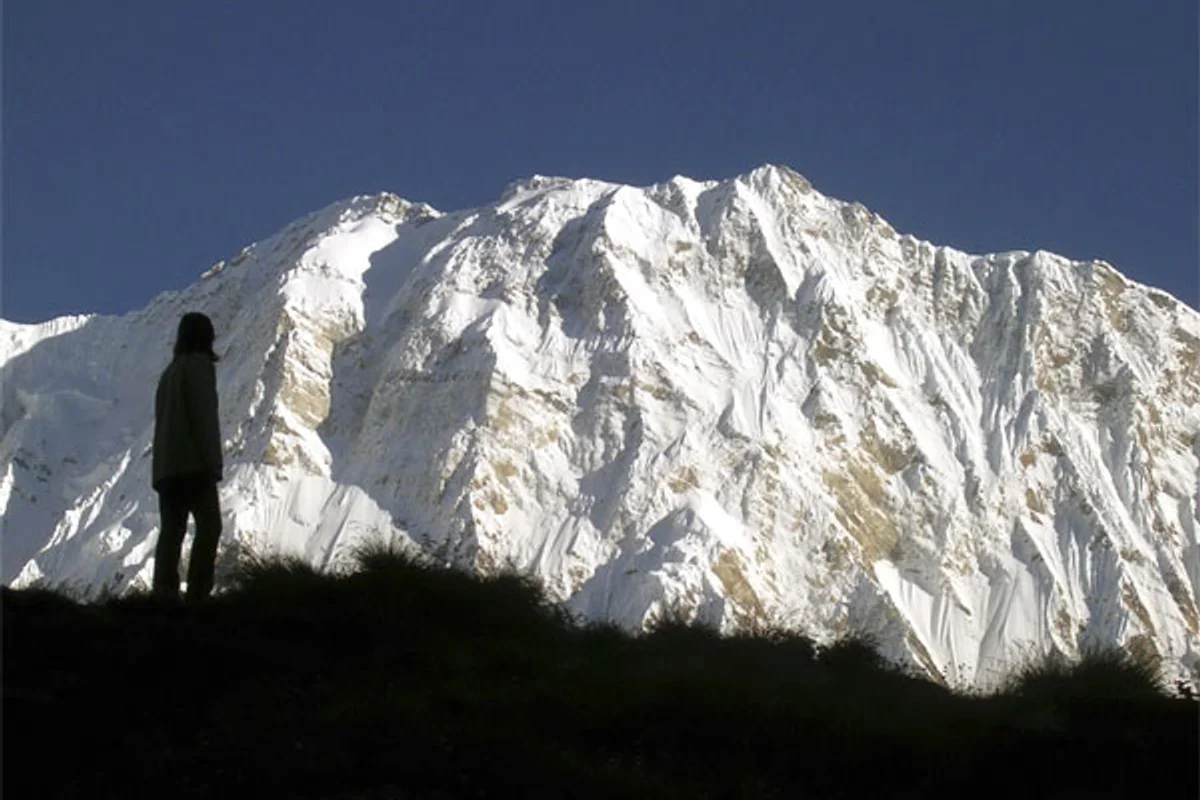
The Sacred Brotherhood: The Historic Annapurna Rescue for Iñaki Ochoa
In May 2008 on Annapurna's lethal South Face, elite international alpinists united in one of the most heroic rescue efforts in mountaineering history to save Iñaki Ochoa de Olza.
Documented Sources & Archival Citations
- American Alpine Journal: Annapurna Rescue Attempt by Ueli Steck and Horia Colibășanu(American Alpine Club)
Supporting claim: Official climb and rescue report documenting the May 2008 international operation at 7,400m
Accessed/Documented: 2009 - Pura Vida (The Ridge)(Arena Comunicación / Documentary)
Supporting claim: Award-winning documentary film chronicling the multi-national rescue team on Annapurna
Accessed/Documented: 2012