
Denis Urubko
Denis Urubko is a world-renowned mountaineer celebrated for completing all fourteen eight-thousanders without supplemental oxygen and opening historic winter routes in the Karakoram and Himalayas. Alongside Simone Moro, he claimed the first winter ascents of Makalu and Gasherbrum II in extreme conditions. His legendary speed climbs and heroic night rescues have cemented his legacy as one of mountaineering's greatest alpine purists.
Mountain Safety & Conditions Disclaimer: High-altitude climbing, glacial travel, and technical ascents entail severe objective risks including avalanches, serac collapses, rapid weather collapse, and altitude illness. Historical route descriptions and summit claims on Mountanity reflect documented archival sources and must not be used as live operational safety assessments. Local regulations, permits, and physical glacial topography change continuously.
Peer Review: Senior Editorial Board & Historical Reviewers • Editorial Standards
Biographical Record & Archival Chronicle
Born on July 29, 1973, in Nevinnomyssk, Soviet Union, Denis Urubko relocated to Almaty, Kazakhstan, where he joined the Central Sports Club of the Kazakh Army under legendary coach Ervand Ilyinsky. Urubko rapidly established himself as an elite high-altitude powerhouse, completing the Snow Leopard award by scaling all five 7,000-metre peaks of the former Soviet Union in an astonishing 42 days during the summer of 1999. In May 2009, he became the fifteenth person in history, and the eighth without supplemental oxygen, to summit all fourteen 8,000-metre peaks. Urubko is revered worldwide for his commitment to alpine style and new routes. In 2005, he established a new route on the Southwest Face of Broad Peak with Serguey Samoilov, followed by a new direct route on the Southeast Face of Cho Oyu in 2009, earning two Piolets d'Or. His partnership with Simone Moro yielded the historic first winter ascents of Makalu (2009) and Gasherbrum II (2011). In January 2018, while participating in the Polish winter K2 expedition, Urubko volunteered alongside Adam Bielecki to execute a desperate night rescue on Nanga Parbat, sprinting 1,200 vertical metres up the Kinshofer Route in pitch darkness to save French climber Élisabeth Revol.
Notable Milestones & Ascents
- 15th person in history to summit all 14 eight-thousanders, accomplished completely without supplemental oxygen
- First winter ascent of Makalu (8,485m) on February 9, 2009, with Simone Moro
- First winter ascent of Gasherbrum II (8,035m) on February 2, 2011, with Simone Moro and Cory Richards
- Winner of two Piolets d'Or for new alpine routes on Broad Peak (2005) and Cho Oyu (2009)
- Snow Leopard Award completed in a record-breaking 42 days in 1999
- Heroic nighttime rescue of Élisabeth Revol at 6,000 metres on Nanga Parbat in January 2018
- Opening of new direct solo route on Gasherbrum II in July 2019 without supplemental oxygen
Key Statistics & Topographic Figures
- 8000m Peaks Summited
- All 14 without supplemental oxygen
- Winter 8000er Firsts
- Makalu (2009), Gasherbrum II (2011)
- Piolets d'Or Won
- 2 (Broad Peak 2005, Cho Oyu 2009)
- Snow Leopard Time
- 42 days (1999 speed record)
- 2018 Rescue Speed
- 1,200m vertical in under 8 hours
Archival Primary Source Quotations
“Mountains do not reward compromises. Either you climb in pure style with all your soul, or you stay at home.”
Defined Alpine Terminology & Concepts
- Snow Leopard Award
- A Soviet mountaineering honor awarded to climbers who reach the summits of all five 7,000-metre peaks in the Pamir and Tien Shan ranges.
- Solo Alpine Push
- Ascending a severe mountain face alone in a continuous effort without fixed ropes, camps, or external support.
Frequently Asked Questions: Denis Urubko
Who is Denis Urubko and what are his major climbing achievements?
Denis Urubko is a world-renowned mountaineer who climbed all fourteen 8,000-metre peaks without supplemental oxygen and opened new routes in winter.
Which winter 8,000-metre first ascents did Denis Urubko achieve?
He completed the historic first winter ascents of Makalu in 2009 and Gasherbrum II in 2011 alongside Simone Moro.
What heroic rescue did Denis Urubko execute on Nanga Parbat in 2018?
Alongside Adam Bielecki, he ascended 1,200 vertical metres at night in under eight hours to rescue French climber Élisabeth Revol at 6,000 metres.
How many Piolets d'Or has Denis Urubko won?
He has won two Piolets d'Or for opening new alpine-style routes on the Southwest Face of Broad Peak (2005) and Southeast Face of Cho Oyu (2009).
What is the Snow Leopard award that Denis Urubko completed in record time?
Climbing all five 7,000-metre peaks of the former Soviet Union, which Urubko completed in an astonishing 42 days in 1999.
Did Denis Urubko ever use supplemental oxygen on any eight-thousander?
No, Urubko completed all his 8,000-metre summits completely without bottled oxygen, adhering strictly to alpine purity.
What new route did Denis Urubko establish solo on Gasherbrum II in 2019?
He opened a new direct line solo without supplemental oxygen, named Honeymoon, reaching the 8,035-metre summit in a single push.
What military sports organization did Denis Urubko train with in Kazakhstan?
The Central Sports Club of the Kazakh Army (CSKA) in Almaty, under legendary coach Ervand Ilyinsky.
Associated Summits (6)
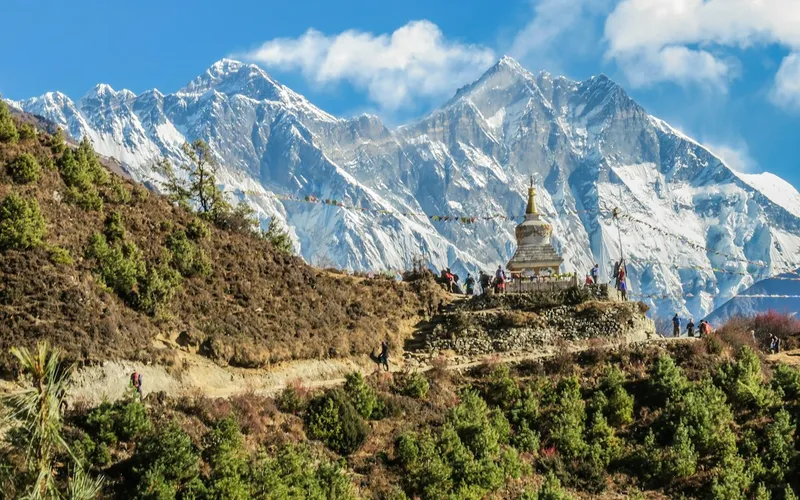


K2
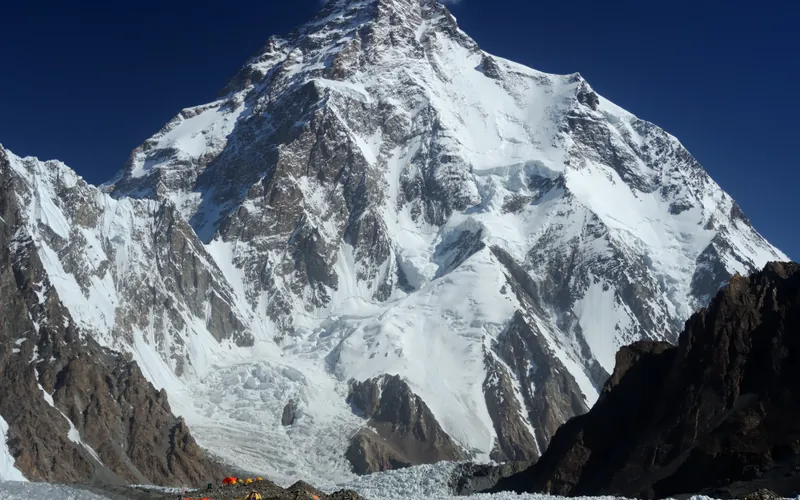
K2, at 8,611 meters (28,251 ft), is the second-highest mountain on Earth and widely regarded as the most technically demanding and lethal 8,000-meter peak. Located in the heart of the Karakoram on the border between Pakistan and China, K2 is characterized by sheer relief, severe weather anomalies, and persistent objective hazards including the notorious Bottleneck couloir.
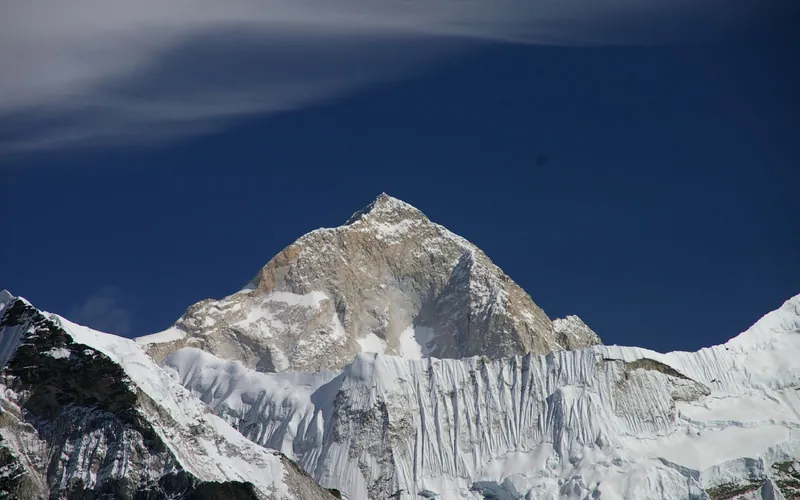

Makalu
Makalu, at 8,485 meters (27,838 ft), is the fifth-highest mountain on Earth, located 19 km southeast of Mount Everest. An isolated four-sided granite pyramid, it is known for technical knife-edge ridges, severe exposure, and punishing weather, making it one of the most challenging eight-thousanders.
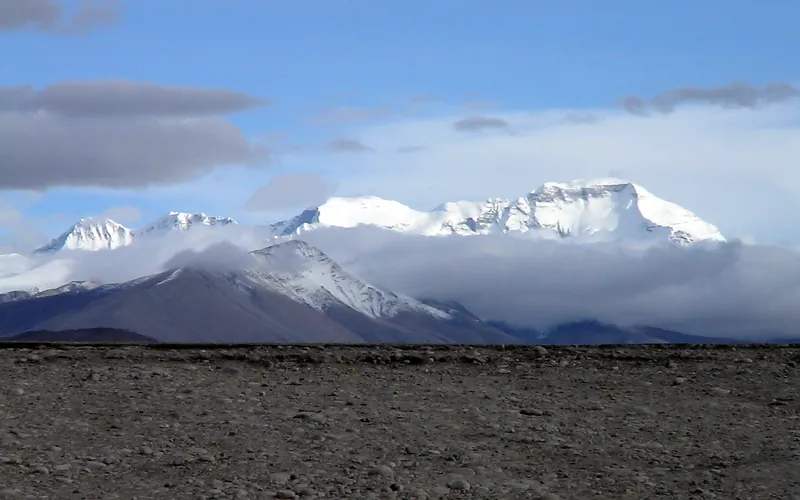
Cho Oyu
Cho Oyu, at 8,188 meters (26,864 ft), is the sixth-highest mountain in the world, situated 20 km west of Mount Everest. Meaning 'Turquoise Goddess' in Tibetan, it stands on the glaciated Nangpa La trade route between Nepal and Tibet. Its moderate northwest slopes make it the most accessible 8,000-meter peak.
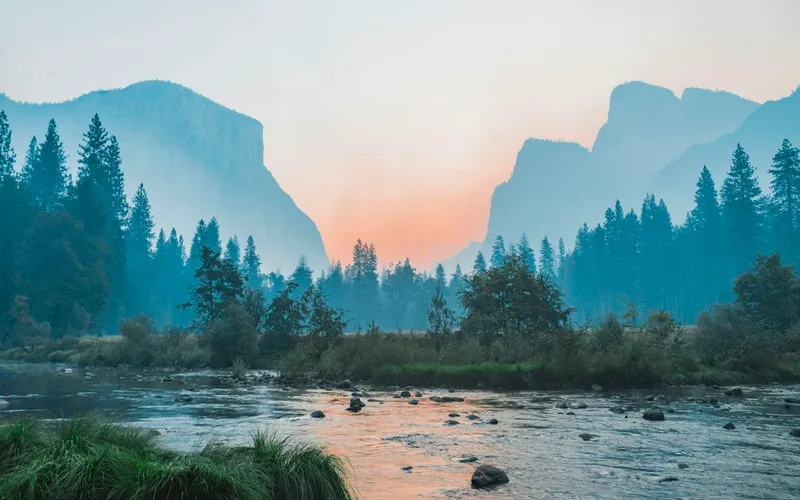
Nanga Parbat
Nanga Parbat, at 8,126 meters (26,660 ft), is the ninth-highest mountain on Earth and the western anchor of the Himalayas in Pakistan. It boasts the Rupal Face, the highest vertical precipice in the world at 4,600 meters from valley floor to summit. Known for profound climbing history, highlighted by Hermann Buhl's legendary solo summit without supplemental oxygen in 1953.
Broad Peak
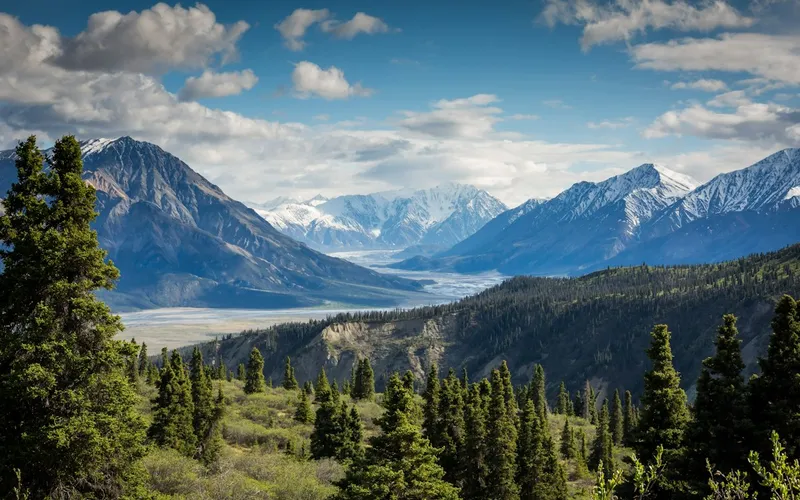
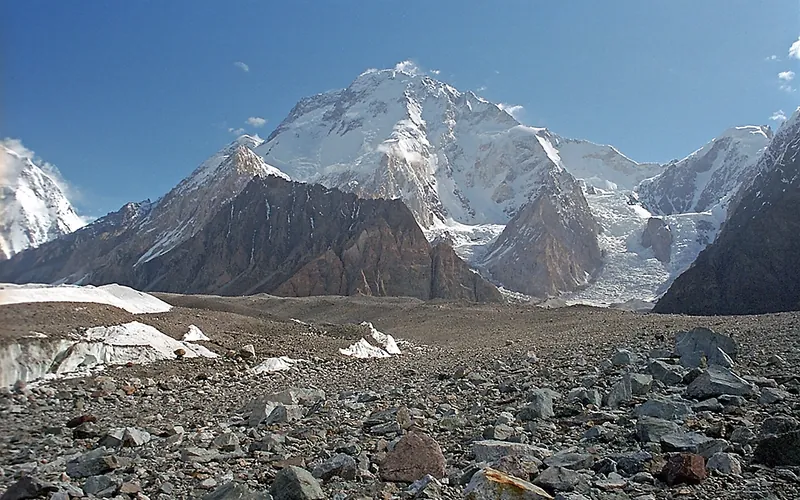
Broad Peak, at 8,051 meters (26,414 ft), is the twelfth-highest mountain in the world. Located in the Karakoram directly across the Godwin-Austen Glacier from K2, it is famous for its 1.5-kilometre-long summit crest. First climbed in lightweight alpine style without supplemental oxygen or high-altitude porters in 1957 by an Austrian team.
Gasherbrum II
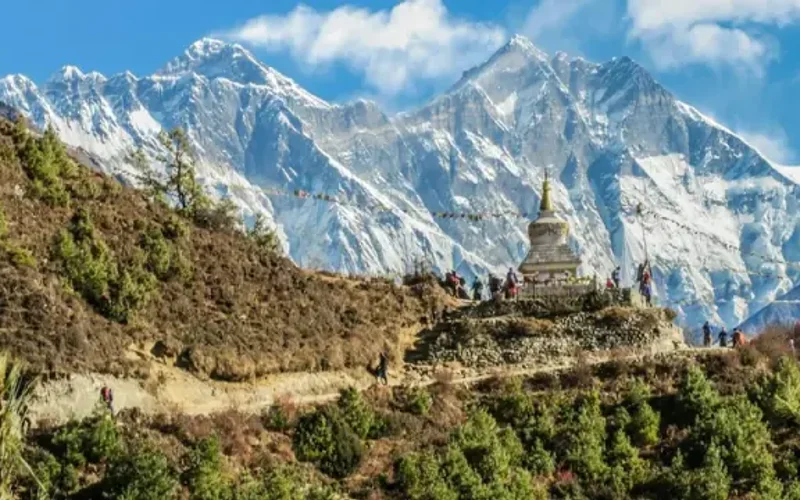
Gasherbrum II, standing at 8,035 meters (26,362 ft), is the thirteenth-highest mountain on Earth and the third-highest peak of the Gasherbrum massif in the Karakoram. Located at the head of the Baltoro Glacier on the Pakistan-China frontier, it features a classic pyramidal profile with challenging ice couloirs. First summited in 1956 by an Austrian team, it was famously climbed in pure alpine style in 1982 by Reinhold Messner, Nazir Sabir, and Sher Khan.
Pioneered & Associated Routes (11)
Abruzzi Spur (Southeast Ridge)
The Abruzzi Spur is the most famous and frequently climbed route on K2, tracing the mountain's steep southeast ridge from the Godwin-Austen Glacier to the summit. First explored in 1909 by Prince Luigi Amedeo, Duke of the Abruzzi, it was successfully climbed to the summit in 1954 by an Italian team. The route requires extreme physical endurance and high-grade technical climbing on rock, ice, and mixed terrain through legendary cruxes like House's Chimney, the Black Pyramid, and the Bottleneck couloir.
Normal Route (West Ridge & Northwest Face)
The Normal Route on Broad Peak ascends the rugged western spur from the Godwin-Austen Glacier, navigating steep mixed rock ribs before entering the upper glacial basin beneath the high saddle (the Col). From the Col at 7,800 meters, climbers enter the Death Zone to tackle the long, corniced summit ridge leading across the Foresummit to the true summit at 8,051 meters. First conquered in 1957 by an Austrian team in lightweight alpine style without bottled oxygen, and climbed in 1982 by Reinhold Messner, Nazir Sabir, and Sher Khan in a groundbreaking rapid alpine push.
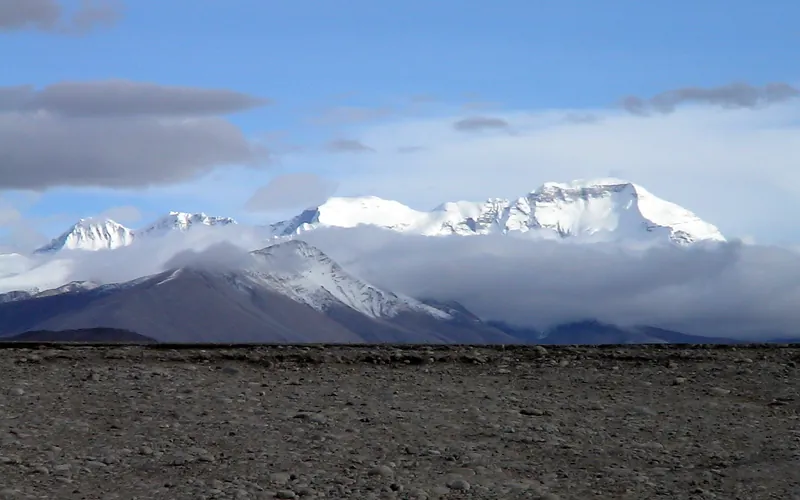
Cho Oyu Northwest Face & Ridge (Normal Route)
The Northwest Ridge is the standard and most climbed route on Cho Oyu, approached from the Tibetan plateau via the Gyabrag Glacier. First climbed in 1954 by an Austrian expedition, the route features relatively moderate snow slopes of 30 to 40 degrees, punctuated by a single prominent technical crux known as the Ice Cliff at 6,700m. Above Camp 3, climbers cross the Yellow Band and emerge onto a vast, gently rising summit plateau.
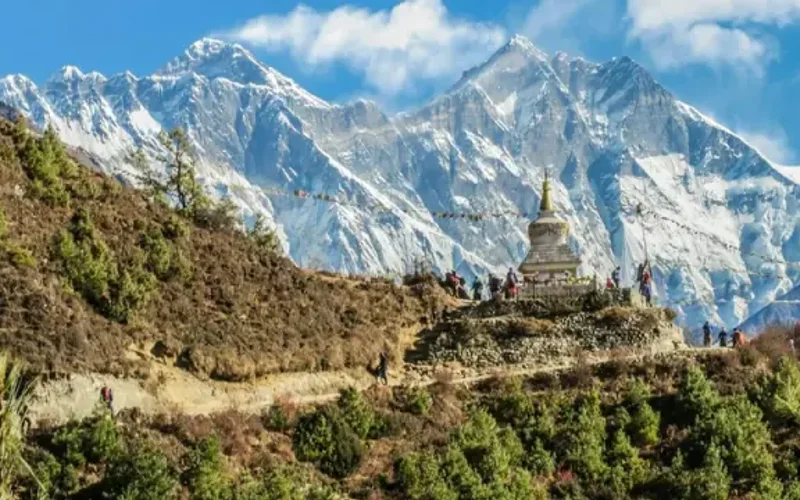
Southwest Ridge (Normal Route)
The Southwest Ridge is the standard and historically celebrated route on Gasherbrum II (8,035m). Starting from the South Gasherbrum Glacier, climbers navigate the heavily crevassed lower icefall into the Gasherbrum Cwm before tackling the technical crux of the route: the steep mixed snow and ice crest known as the Banana Ridge. Above Camp III, the route traverses expansive snow basins into the Death Zone, making a final push up a delicate diagonal couloir to the summit. First climbed in 1956 by an Austrian team, and completed in rapid alpine style in 1982 by Reinhold Messner, Nazir Sabir, and Sher Khan.
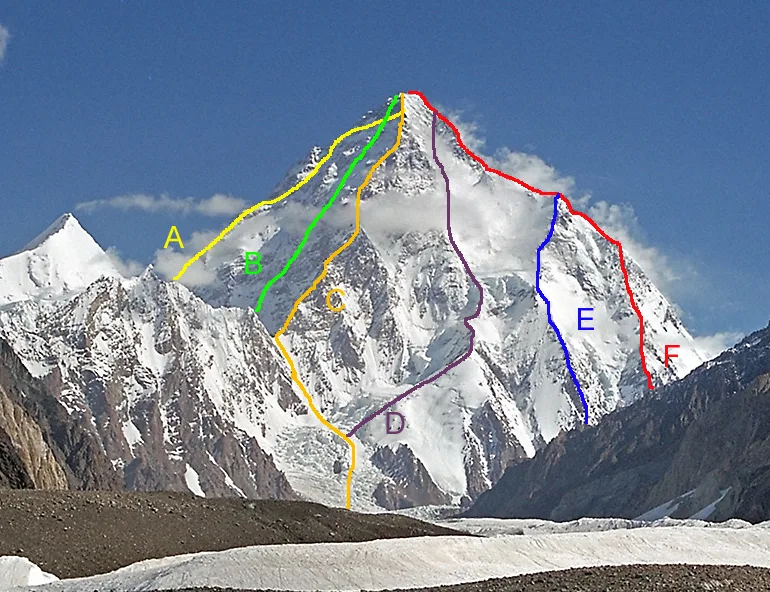
K2 South Face (The Polish Line)
The Polish Line on the South Face of K2 (8,611m) is widely regarded as one of the most perilous and audacious routes ever climbed in high-altitude mountaineering history. Tackling the direct 3,200-meter wall between the Abruzzi Spur and the Magic Line (South-Southwest Pillar), the route ascends through a chaotic labyrinth of hanging seracs, avalanche funnels, and vertical rock bands. Pioneered in alpine style over five harrowing days in July 1986 by Jerzy Kukuczka and Tadeusz Piotrowski without supplemental oxygen, Reinhold Messner famously dubbed it 'suicidal'. Kukuczka and Piotrowski reached the summit on July 8, but tragedy struck during their desperate descent via the Abruzzi Spur when Piotrowski lost both crampons and plunged to his death. To this day, the Polish Line remains unrepeated.
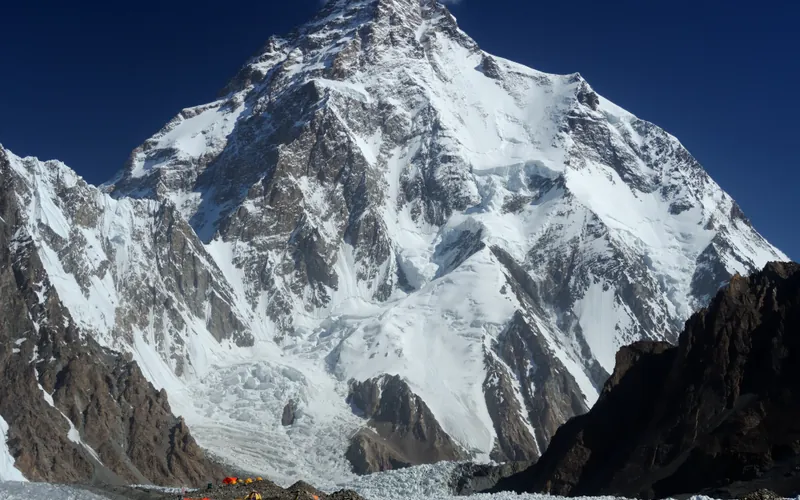
West Ridge (Japanese Route)
The West Ridge of K2 is one of the most formidable and sustained technical lines in high-altitude mountaineering. Pioneered in August 1981 by a joint Japanese-Pakistani expedition, it ascends directly from the Savoia Glacier along the exposed western crest before negotiating the severe Southwest Face directly into the Death Zone. Demanding immense commitment, it was first completed by Pakistani mountaineer Nazir Sabir and Japanese climber Eiho Ohtani after an epic bivouac near 8,500 meters.
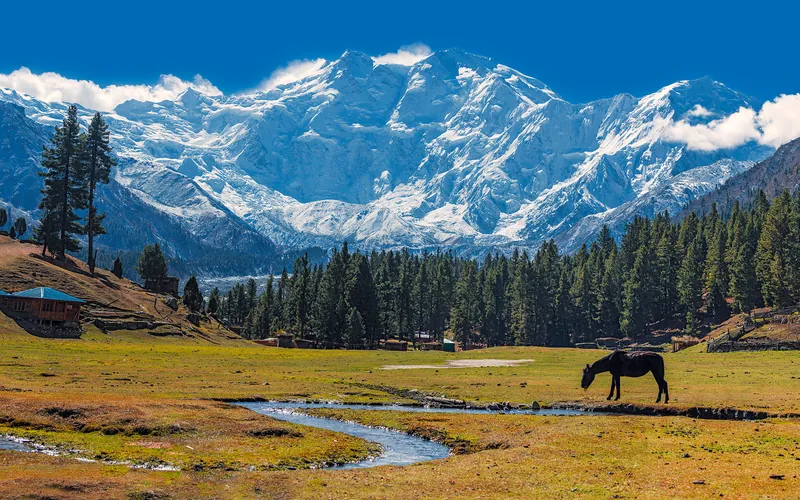
Kinshofer Route (Diamir Face)
The Kinshofer Route is the standard climbing route up the Diamir Face on Nanga Parbat's western side. First climbed in 1962 by German mountaineer Toni Kinshofer and his teammates, it is famous for its early vertical crux, the Kinshofer Wall, which sits low on the mountain between Camp I and Camp II. Once past the wall, climbers face a massive glaciated amphitheater leading up into the freezing upper Bazhin Basin and summit shoulder.
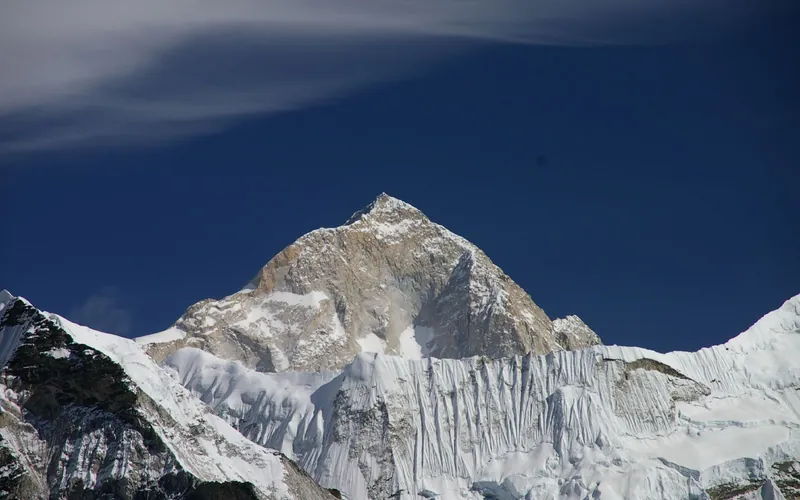
Makalu Northwest Ridge (French Route)
The Northwest Ridge is the classic pioneering line on Makalu, first opened by the historic French expedition of 1955. From Advanced Base Camp on the Chago Glacier, climbers ascend steep snow and ice fields to gain Makalu La (7,400m), a high, wind-blasted col connecting Makalu to Kangchungtse. Above Makalu La, the route climbs through the technical French Couloir—a mixed corridor of steep ice and broken granite—before emerging onto the exposed summit crest.
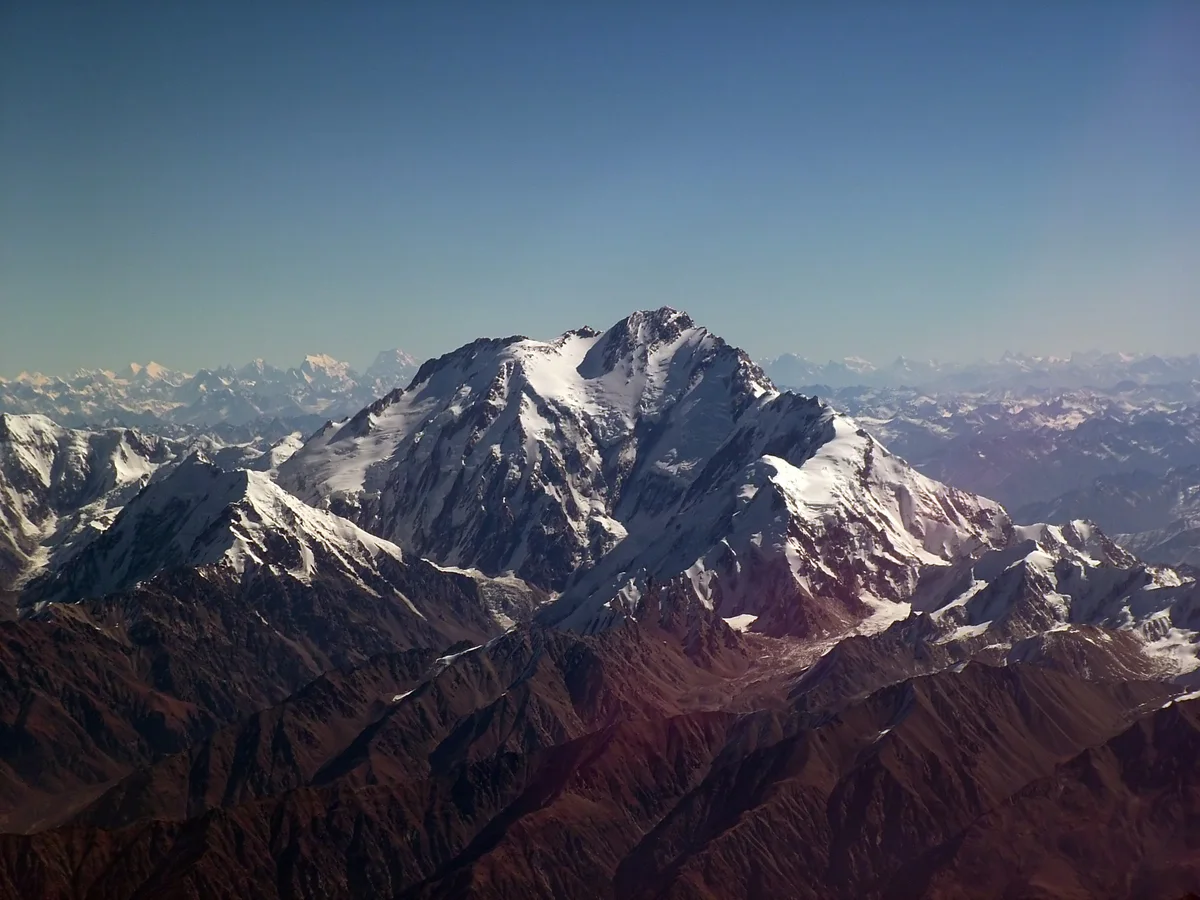
Mazeno Ridge Complete Traverse
The Mazeno Ridge of Nanga Parbat is widely considered the longest and most demanding high-altitude ridge on any eight-thousander, stretching an unbelievable 10 kilometres in length and traversing eight subsidiary peaks exceeding 7,000 metres before meeting the final summit pyramid. Long dubbed the last great problem of the Western Himalaya, it defeated numerous elite expeditions over three decades until British veterans Sandy Allan and Rick Allen completed the first full integral traverse and summit push in pure alpine style over eighteen heroic days in July 2012.
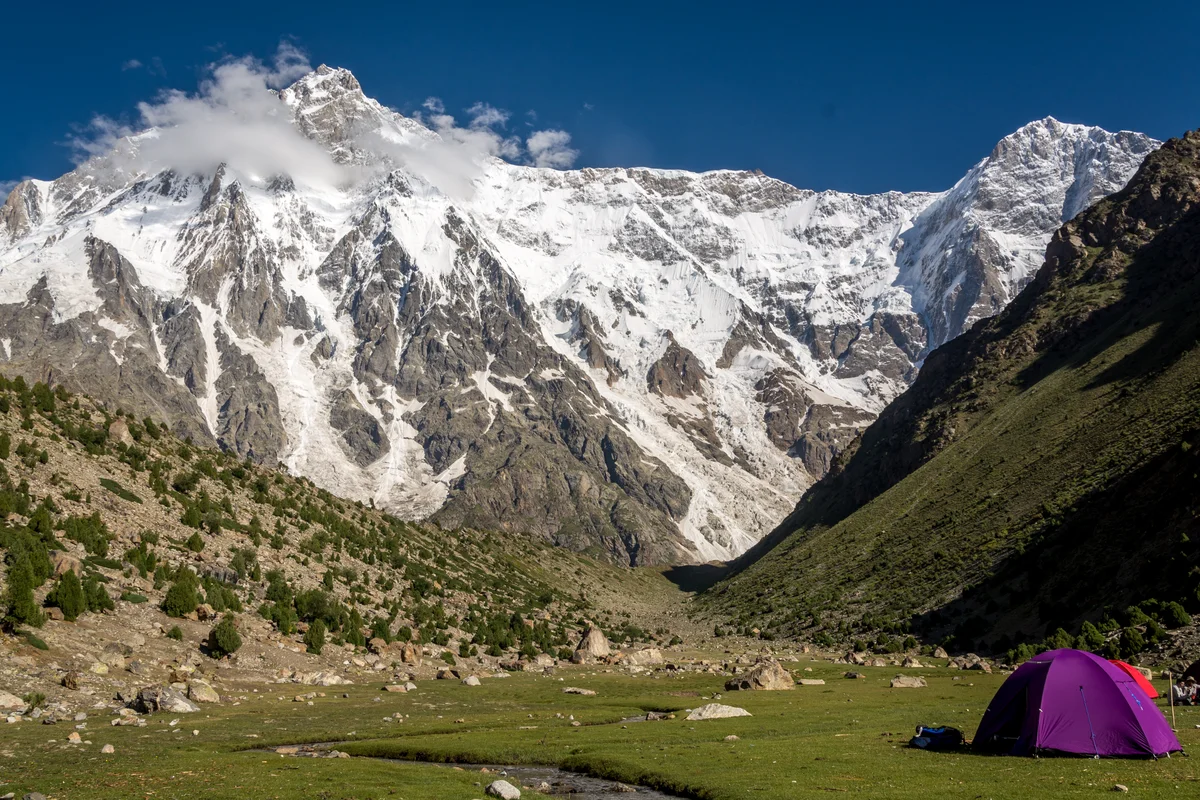
Central Pillar of the Rupal Face Direct
The Central Pillar of the Rupal Face on Nanga Parbat is the greatest vertical mountain wall on Earth, rising an astounding 4,100 metres from the Rupal Valley floor to the 8,126-metre summit. First attempted over decades, it was conquered in pure, lightweight alpine style between September 1 and 8, 2005, by American alpinists Steve House and Vince Anderson without fixed ropes, high camps, or supplemental oxygen, earning them the prestigious Piolet d'Or.
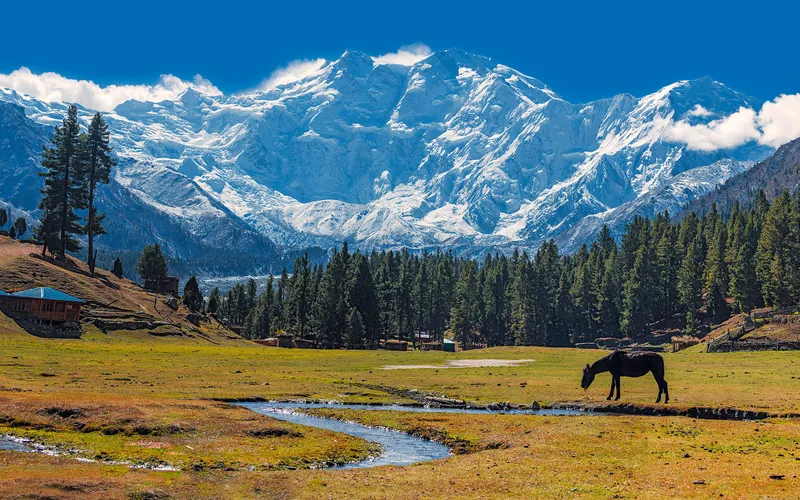
Rakhiot Flank & East Ridge (Original 1953 Route)
The historic original route on Nanga Parbat (8,126m), ascending from the Rakhiot Glacier over the heavily crevassed Rakhiot Icefall to reach the colossal Silbersattel (Silver Saddle) at 7,450 meters. From the saddle, the route traverses an immense high snow plateau for over three kilometers before negotiating the Bazhin Gap and climbing steep mixed rock ribs up the summit pyramid. Immortalized by Hermann Buhl's epic 41-hour solo summit without supplemental oxygen in July 1953.
Documented Expeditions (3)
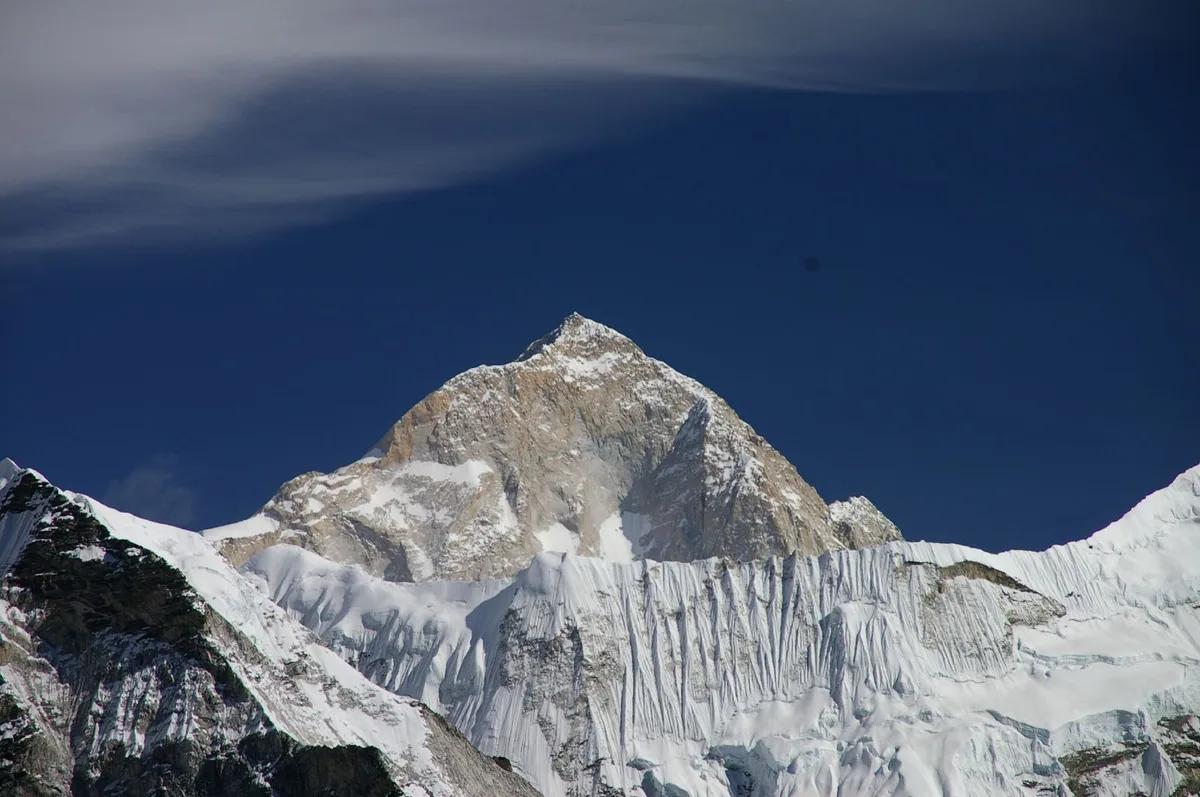
2009 Simone Moro & Denis Urubko Makalu Winter First Ascent
On February 9, 2009, Italian mountaineer Simone Moro and Kazakh-Polish alpinist Denis Urubko achieved the historic first winter ascent of Makalu (8,485m), climbing via the French Route in hurricane winds and temperatures below -40°C without supplemental bottled oxygen.
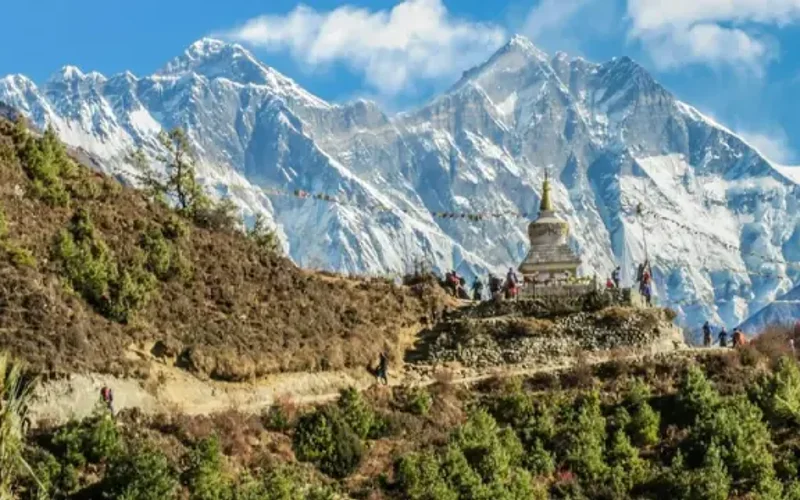
2011 Gasherbrum II Winter First Ascent Expedition
On February 2, 2011, Simone Moro, Denis Urubko, and Cory Richards completed the historic first winter ascent of Gasherbrum II (8,035m), achieving the very first winter conquest of an eight-thousander in Pakistan and the Karakoram range in extreme conditions.
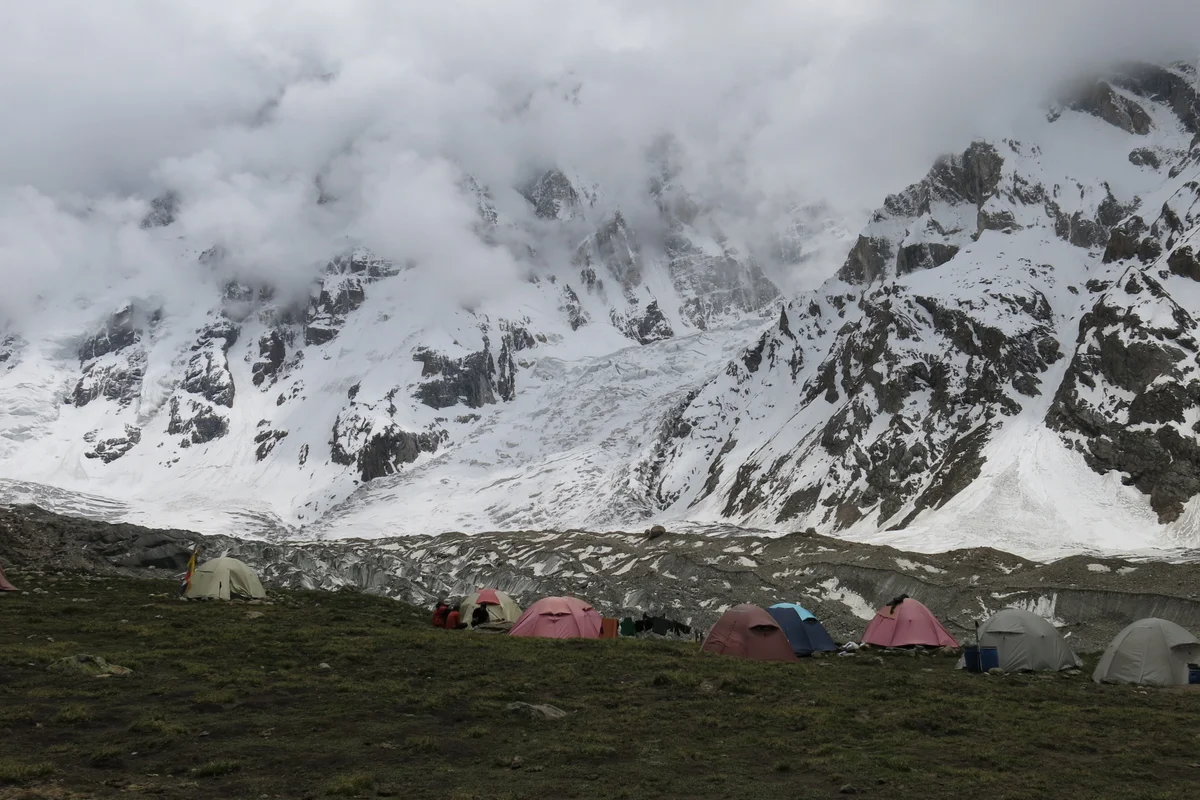
2018 Nanga Parbat Winter Summit & Epic Night Rescue Expedition
On January 25, 2018, French climber Élisabeth Revol and Polish alpinist Tomasz Mackiewicz achieved the historic winter ascent of Nanga Parbat (8,126m); during a tragic descent in which Mackiewicz perished, Polish climbers Denis Urubko and Adam Bielecki executed a miraculous night rescue to save Revol.
Associated Chronicles & Stories (4)
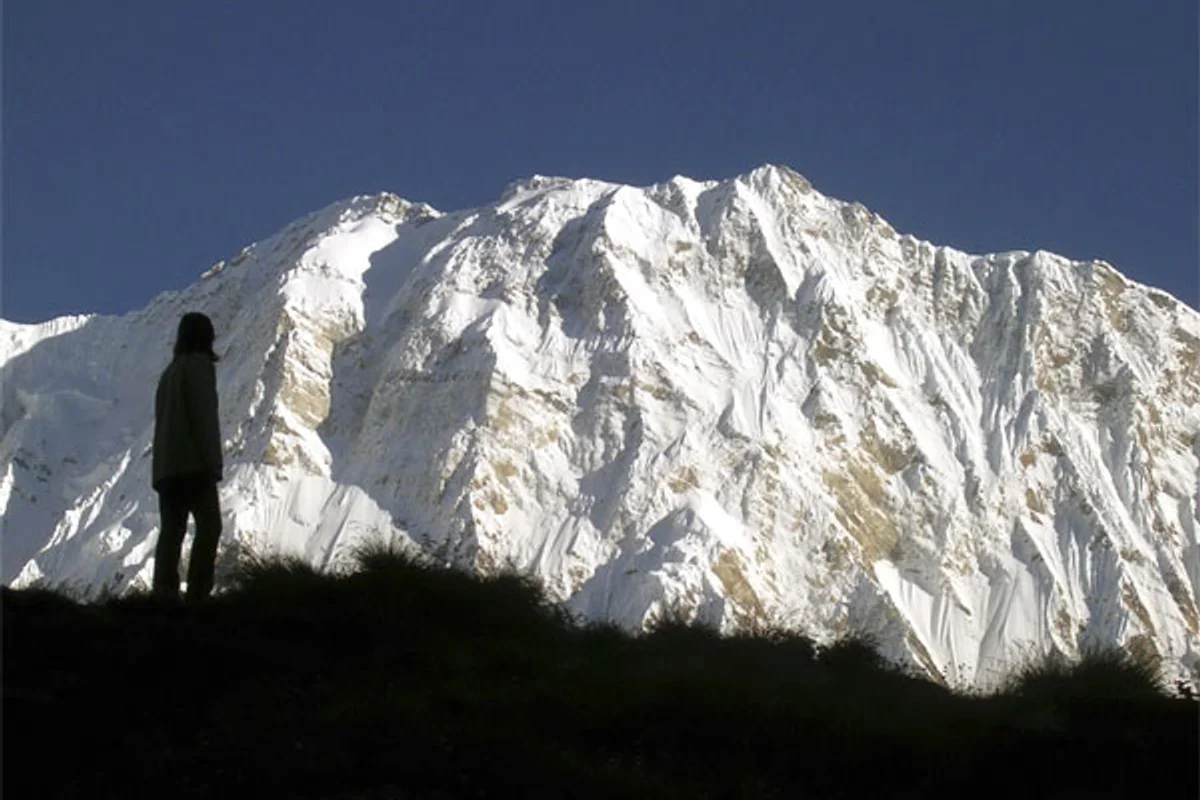
The Sacred Brotherhood: The Historic Annapurna Rescue for Iñaki Ochoa
In May 2008 on Annapurna's lethal South Face, elite international alpinists united in one of the most heroic rescue efforts in mountaineering history to save Iñaki Ochoa de Olza.
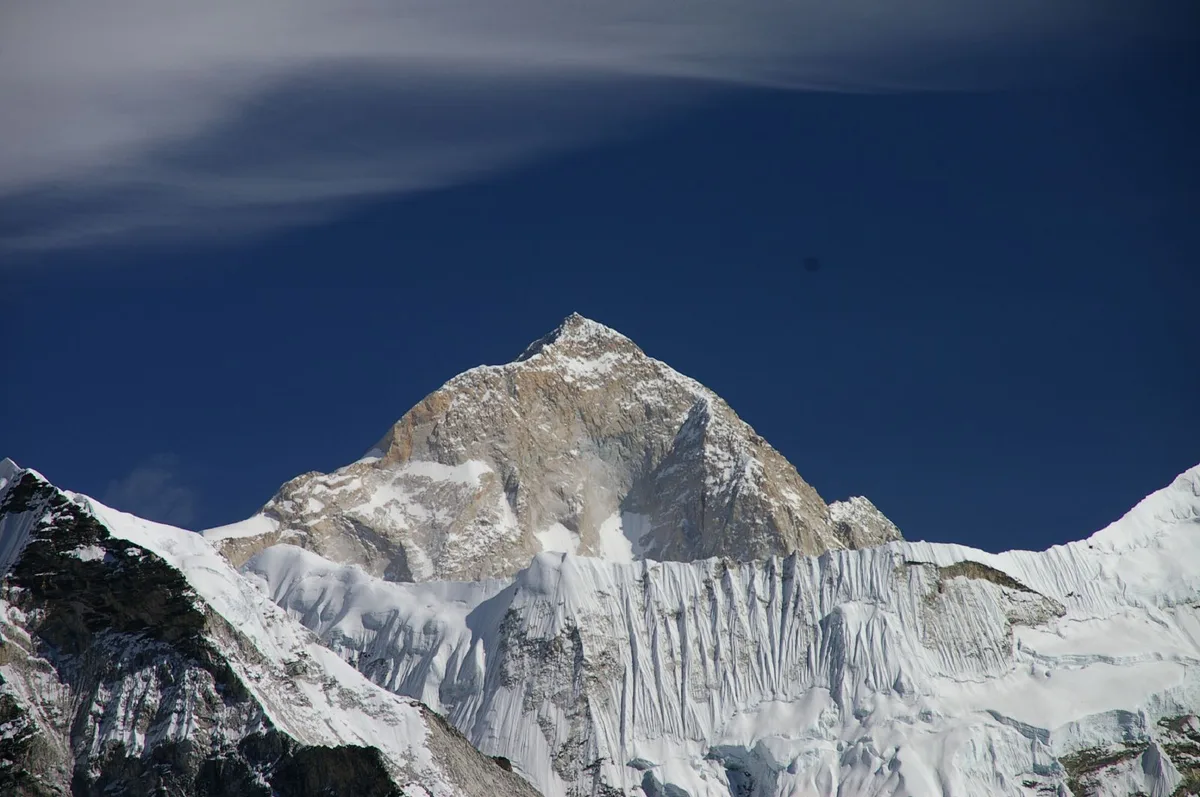
The Iron Winter: Simone Moro and Denis Urubko Conquer Makalu
On February 9, 2009, Simone Moro and Denis Urubko completed the historic first winter ascent of Makalu at -40°C in pure alpine style without supplemental oxygen.
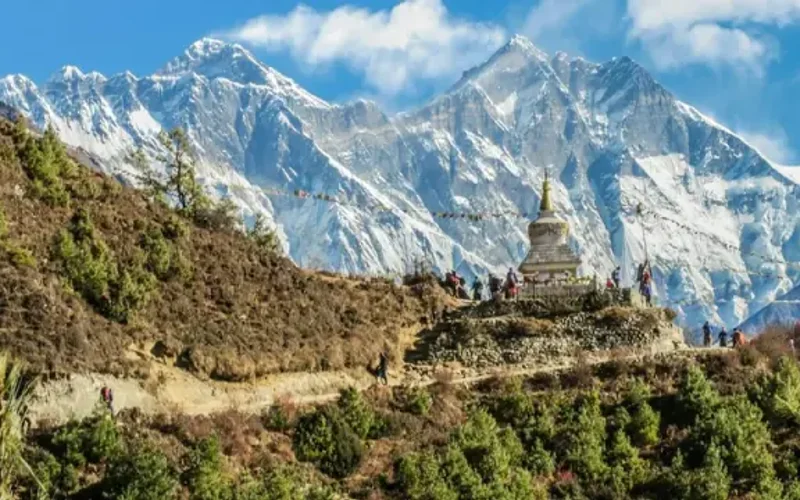
Cold: The Historic First Winter Ascent of Gasherbrum II
On February 2, 2011, Simone Moro, Denis Urubko, and Cory Richards made history with the first winter ascent of Gasherbrum II, surviving a near-fatal avalanche on descent.
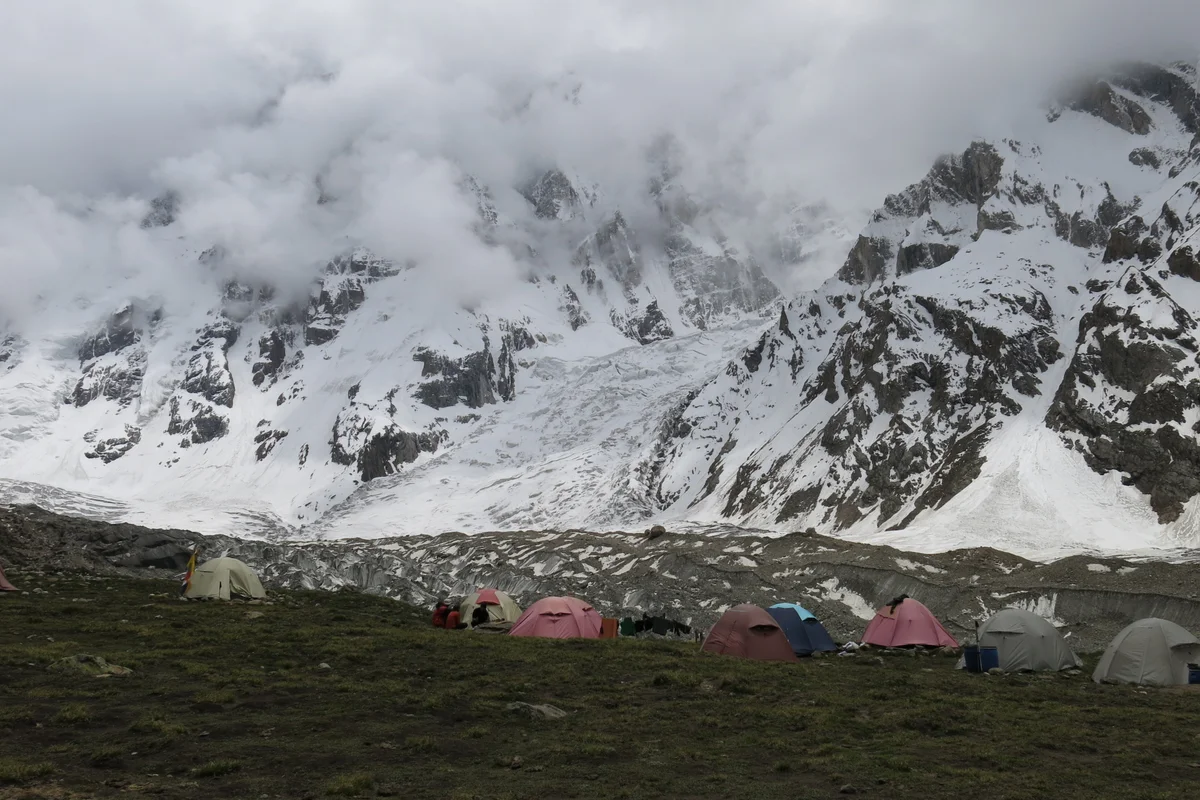
Into the Void: Élisabeth Revol's Winter Nanga Parbat and the Heroic Night Rescue
On January 25, 2018, Élisabeth Revol became the first woman to summit Nanga Parbat in winter, surviving a harrowing ordeal before a legendary night rescue by Denis Urubko and Adam Bielecki.
Documented Sources & Archival Citations
- American Alpine Journal: Denis Urubko and New Himalayan Routes(American Alpine Club)
Supporting claim: Documentation of Urubko's alpine ascents, winter firsts, and Piolet d'Or routes
Accessed/Documented: 2026 - Al Diritto di Vivere: The Vertical Autobiography(Denis Urubko / Versante Sud)
Supporting claim: Autobiographical accounts of high-altitude speed ascents and rescues
Accessed/Documented: 2026