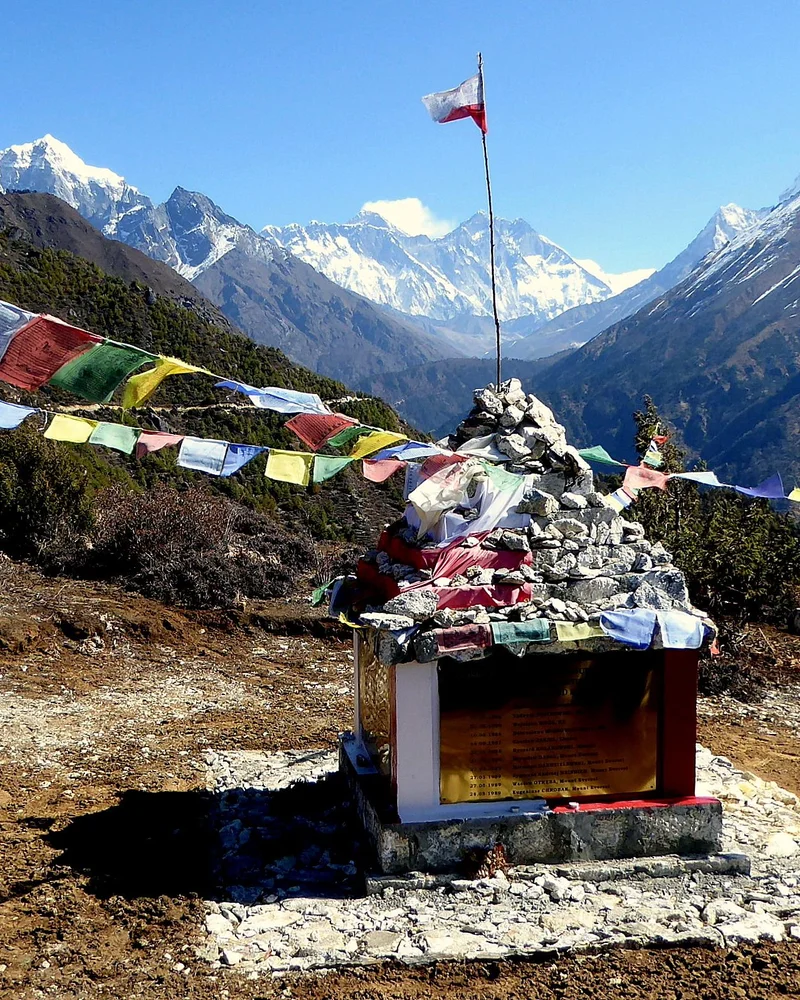
Tomasz Mackiewicz
Tomasz Mackiewicz was an intrepid Polish high-altitude mountaineer affectionately known as Czapkins who dedicated his life to the winter conquest of Nanga Parbat. After seven grueling winter attempts in pure alpine style, he reached the 8,126-metre summit with Élisabeth Revol on January 25, 2018. His passionate spirit, minimalist philosophy, and tragic final descent remain etched in modern Himalayan lore.
Mountain Safety & Conditions Disclaimer: High-altitude climbing, glacial travel, and technical ascents entail severe objective risks including avalanches, serac collapses, rapid weather collapse, and altitude illness. Historical route descriptions and summit claims on Mountanity reflect documented archival sources and must not be used as live operational safety assessments. Local regulations, permits, and physical glacial topography change continuously.
Peer Review: Senior Editorial Board & Historical Reviewers • Editorial Standards
Biographical Record & Archival Chronicle
Born on January 13, 1975, in Częstochowa, Poland, Tomasz Mackiewicz overcame severe early life struggles and personal adversity through travel, hitchhiking across India, and discovering a profound spiritual calling in the high mountains. Unlike many traditionally trained Polish alpinists, Mackiewicz operated entirely outside institutional frameworks, organizing low-budget, grassroots expeditions funded through crowdfunding and unwavering personal passion. Drawn to Nanga Parbat (8,126m) in Pakistan, he became obsessed with conquering the mountain in winter, the harshest season imaginable. Between 2010 and 2018, Mackiewicz launched seven winter expeditions on Nanga Parbat, partnering with Marek Klonowski and later French alpinist Élisabeth Revol. In winter 2015, Mackiewicz and Revol pushed to 7,800 metres on the Messner Route before being turned back by extreme cold. In January 2018, climbing in pure alpine style without oxygen or high-altitude porters via the Kinshofer and Messner lines, Mackiewicz and Revol stood atop Nanga Parbat at 18:00 on January 25, completing only the second winter ascent in history. On the summit, Mackiewicz was stricken by severe snow blindness and acute altitude sickness. Revol tenderly escorted him down through hurricane-force winds to a crevasse at 7,280 metres, providing him with a down suit and tent shelter before descending to seek assistance. Unable to move, Mackiewicz remained on the mountain, which became his eternal resting place. He was posthumously awarded the Knight's Cross of the Order of Polonia Restituta in 2018 for outstanding contributions to Polish mountaineering.
Notable Milestones & Ascents
- Second winter ascent of Nanga Parbat (8,126m) on January 25, 2018, accomplished with Élisabeth Revol in pure alpine style
- Mounted seven winter attempts on Nanga Parbat between 2010 and 2018, embodying unmatched persistence and alpine dedication
- Reached 7,800 metres on the Diamir Face of Nanga Parbat in winter 2015 via the Messner Route
- Recipient of the Colibri Award (Kolosy) in 2008 for an alpine-style traverse of Mount Logan in Canada
- Honored posthumously with the Knight's Cross of the Order of Polonia Restituta by the President of Poland in 2018
Key Statistics & Topographic Figures
- Winter Campaigns on Nanga Parbat
- 7 expeditions (2010–2018)
- Winter Summit Date
- January 25, 2018
- Summit Elevation
- 8,126 metres (Second winter ascent)
- Climbing Style
- Pure alpine style without oxygen
- Honour
- Knight's Cross of the Order of Polonia Restituta
Archival Primary Source Quotations
“Nanga Parbat is not a mountain you conquer. It is a presence that absorbs your life, your breath, and your soul.”
Defined Alpine Terminology & Concepts
- Snow Blindness (Photokeratitis)
- Painful temporary or permanent loss of vision caused by exposure of unprotected eyes to ultraviolet rays reflected off high-altitude snow.
- Grassroots Himalayism
- Organizing high-altitude expeditions independently through community crowdfunding and personal resources outside national federations.
Frequently Asked Questions: Tomasz Mackiewicz
Who was Tomasz Mackiewicz and what was his mountaineering moniker?
Tomasz Mackiewicz was a Polish high-altitude climber affectionately known as Czapkins who dedicated his life to winter Nanga Parbat.
How many winter attempts did Tomasz Mackiewicz make on Nanga Parbat?
He launched seven winter expeditions between 2010 and 2018 before successfully reaching the summit.
When did Tomasz Mackiewicz reach the summit of Nanga Parbat in winter?
On January 25, 2018, at approximately 18:00 local time, alongside French climber Élisabeth Revol.
What climbing philosophy did Tomasz Mackiewicz follow?
He climbed in minimalist, low-budget alpine style, funded through grassroots crowdfunding rather than institutional sponsorships.
What illness overtook Tomasz Mackiewicz upon reaching the summit?
Severe snow blindness, acute altitude sickness, and hypothermia, which left him unable to walk or see.
Where does Tomasz Mackiewicz rest on Nanga Parbat?
He remains sheltered in a crevasse on the Diamir Face at approximately 7,280 metres, his eternal resting place.
What national decoration was bestowed upon Tomasz Mackiewicz?
He was posthumously awarded the Knight's Cross of the Order of Polonia Restituta in 2018.
What Canadian expedition earned Tomasz Mackiewicz early acclaim in 2008?
A low-budget, 40-day unsupported traverse of Mount Logan (5,959m) with Marek Klonowski, winning the Polish Kolosy award.
Associated Summits (1)
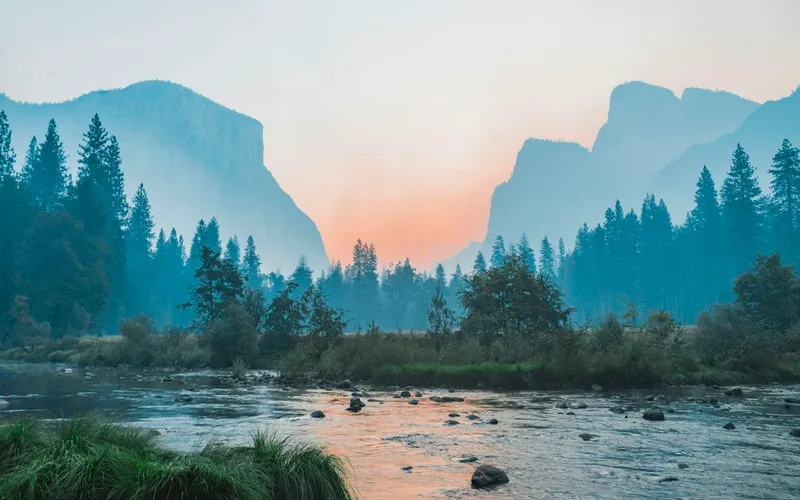

Nanga Parbat
Nanga Parbat, at 8,126 meters (26,660 ft), is the ninth-highest mountain on Earth and the western anchor of the Himalayas in Pakistan. It boasts the Rupal Face, the highest vertical precipice in the world at 4,600 meters from valley floor to summit. Known for profound climbing history, highlighted by Hermann Buhl's legendary solo summit without supplemental oxygen in 1953.
Pioneered & Associated Routes (4)
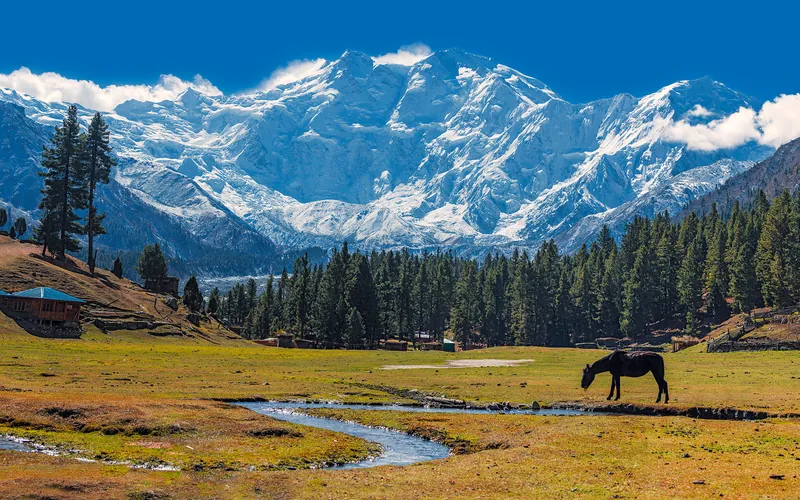
Kinshofer Route (Diamir Face)
The Kinshofer Route is the standard climbing route up the Diamir Face on Nanga Parbat's western side. First climbed in 1962 by German mountaineer Toni Kinshofer and his teammates, it is famous for its early vertical crux, the Kinshofer Wall, which sits low on the mountain between Camp I and Camp II. Once past the wall, climbers face a massive glaciated amphitheater leading up into the freezing upper Bazhin Basin and summit shoulder.
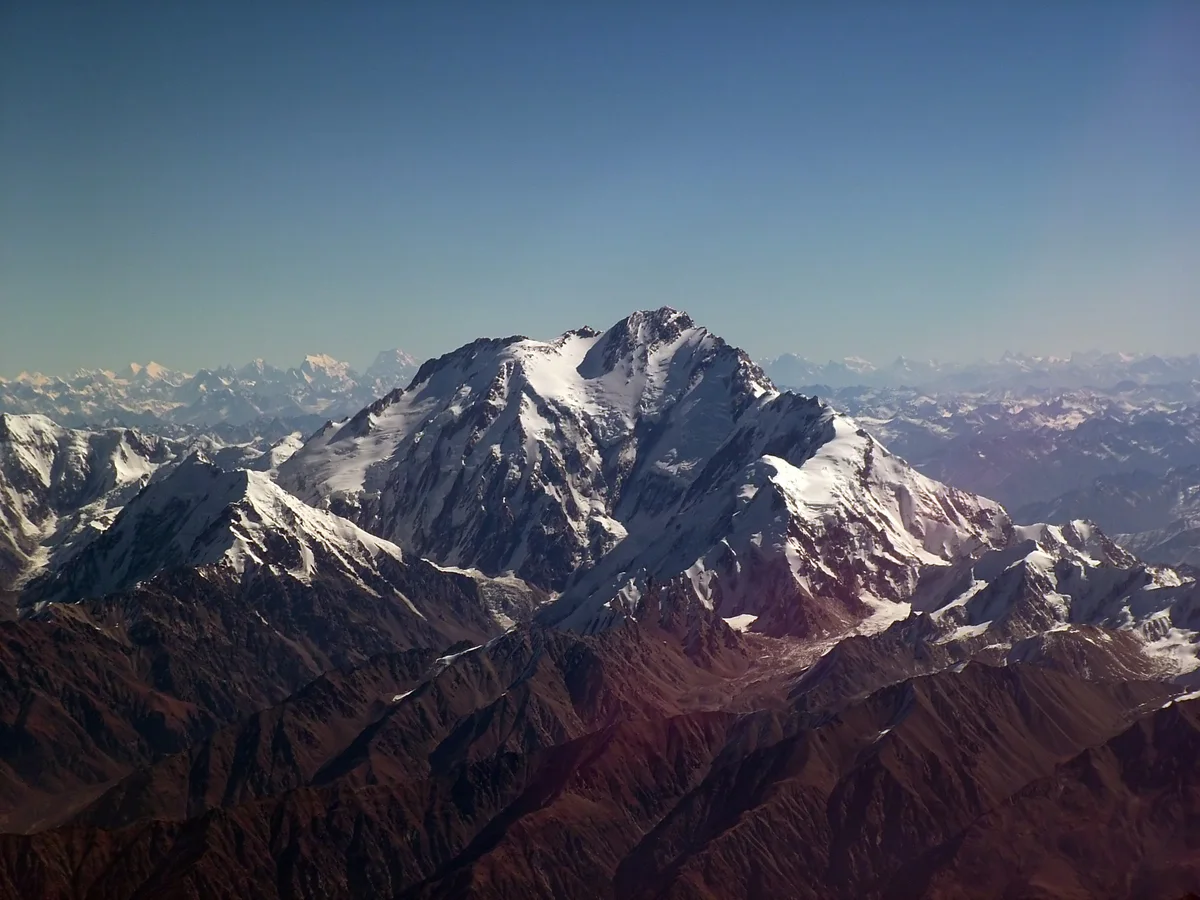
Mazeno Ridge Complete Traverse
The Mazeno Ridge of Nanga Parbat is widely considered the longest and most demanding high-altitude ridge on any eight-thousander, stretching an unbelievable 10 kilometres in length and traversing eight subsidiary peaks exceeding 7,000 metres before meeting the final summit pyramid. Long dubbed the last great problem of the Western Himalaya, it defeated numerous elite expeditions over three decades until British veterans Sandy Allan and Rick Allen completed the first full integral traverse and summit push in pure alpine style over eighteen heroic days in July 2012.
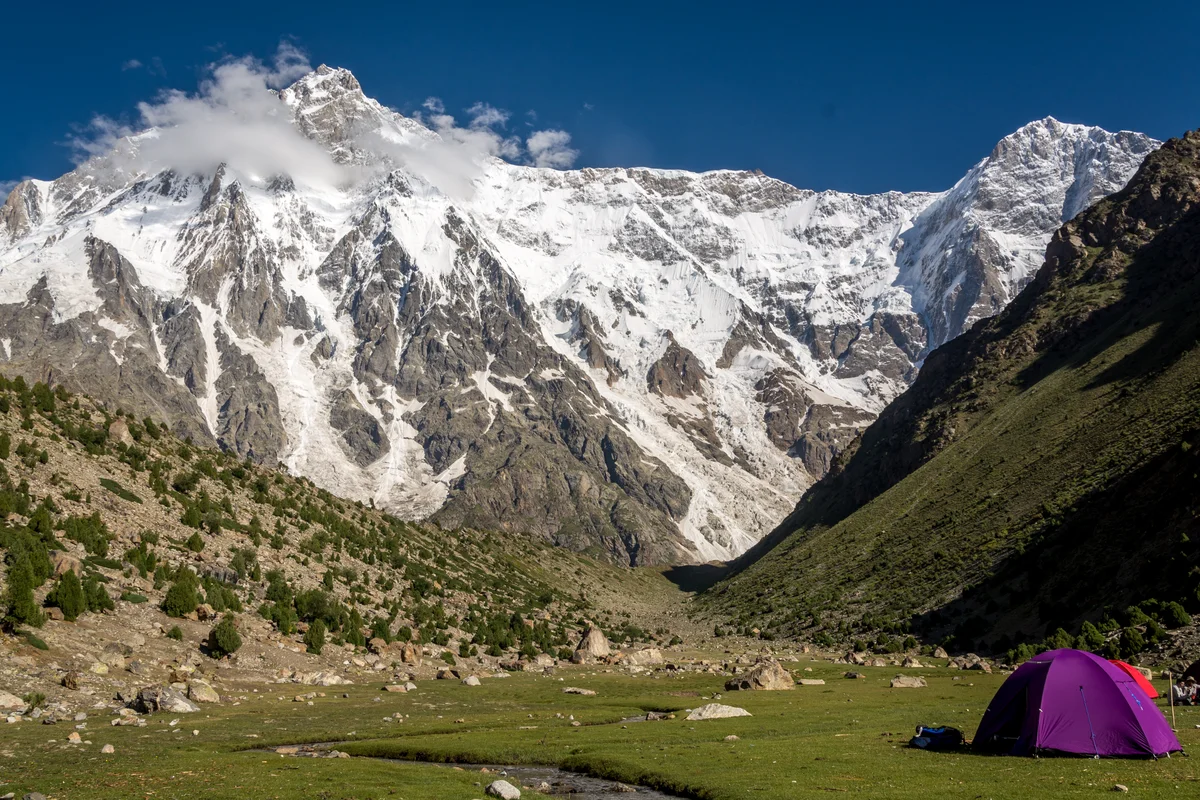
Central Pillar of the Rupal Face Direct
The Central Pillar of the Rupal Face on Nanga Parbat is the greatest vertical mountain wall on Earth, rising an astounding 4,100 metres from the Rupal Valley floor to the 8,126-metre summit. First attempted over decades, it was conquered in pure, lightweight alpine style between September 1 and 8, 2005, by American alpinists Steve House and Vince Anderson without fixed ropes, high camps, or supplemental oxygen, earning them the prestigious Piolet d'Or.
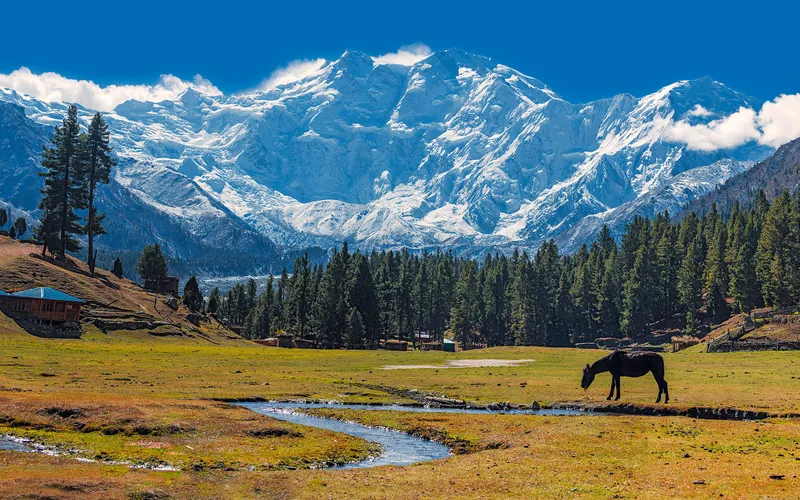
Rakhiot Flank & East Ridge (Original 1953 Route)
The historic original route on Nanga Parbat (8,126m), ascending from the Rakhiot Glacier over the heavily crevassed Rakhiot Icefall to reach the colossal Silbersattel (Silver Saddle) at 7,450 meters. From the saddle, the route traverses an immense high snow plateau for over three kilometers before negotiating the Bazhin Gap and climbing steep mixed rock ribs up the summit pyramid. Immortalized by Hermann Buhl's epic 41-hour solo summit without supplemental oxygen in July 1953.
Documented Expeditions (1)
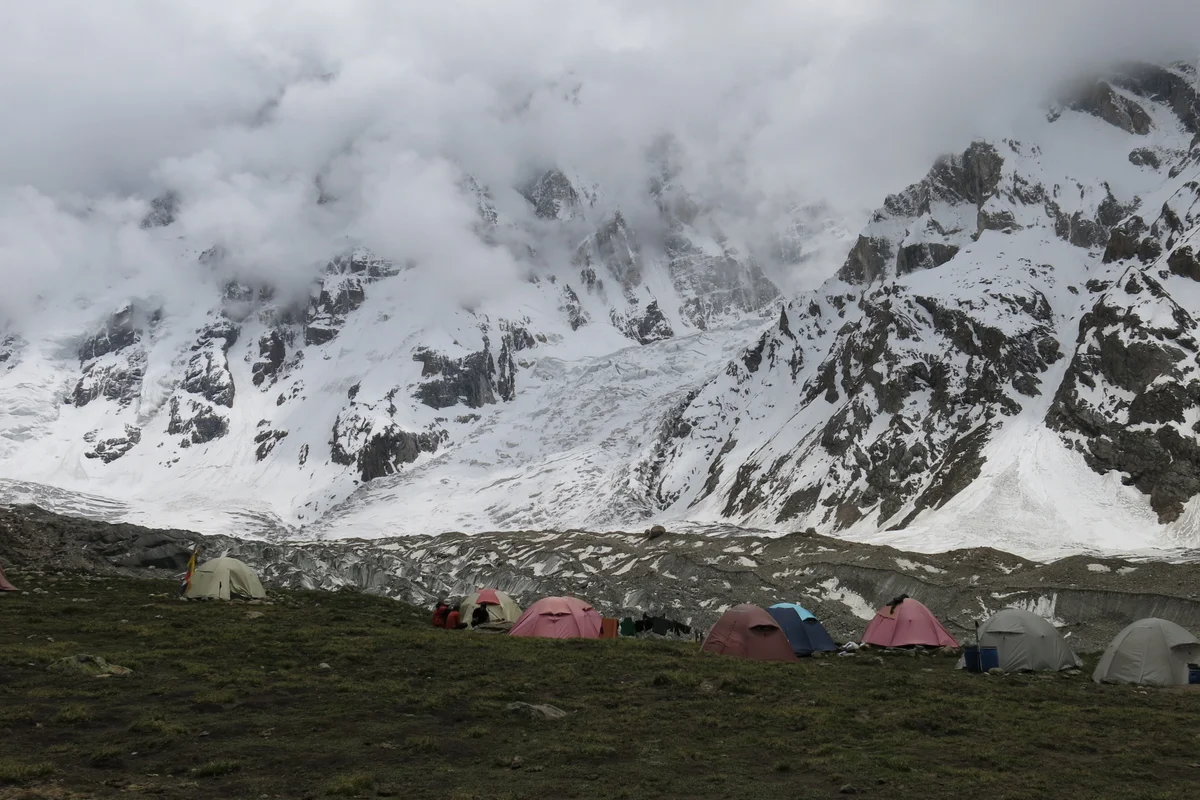
2018 Nanga Parbat Winter Summit & Epic Night Rescue Expedition
On January 25, 2018, French climber Élisabeth Revol and Polish alpinist Tomasz Mackiewicz achieved the historic winter ascent of Nanga Parbat (8,126m); during a tragic descent in which Mackiewicz perished, Polish climbers Denis Urubko and Adam Bielecki executed a miraculous night rescue to save Revol.
Associated Chronicles & Stories (1)
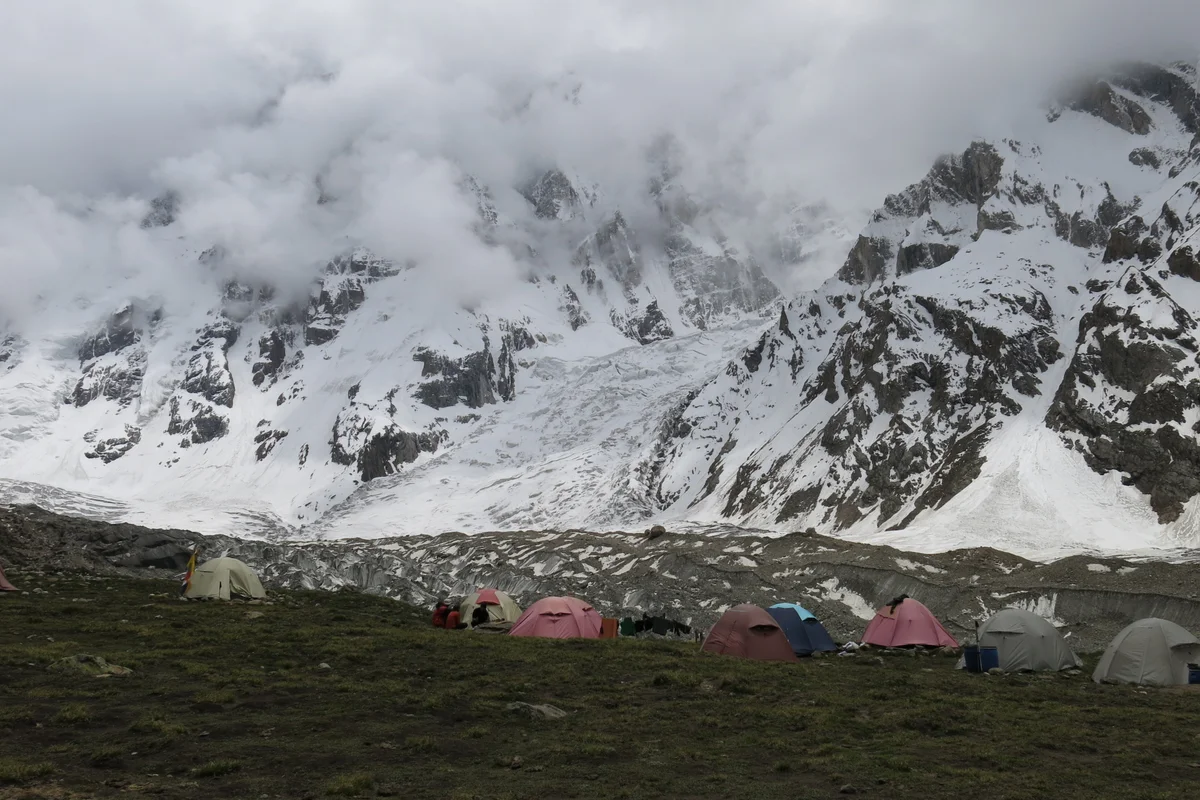
Into the Void: Élisabeth Revol's Winter Nanga Parbat and the Heroic Night Rescue
On January 25, 2018, Élisabeth Revol became the first woman to summit Nanga Parbat in winter, surviving a harrowing ordeal before a legendary night rescue by Denis Urubko and Adam Bielecki.
Documented Sources & Archival Citations
- American Alpine Journal: Nanga Parbat Winter Summit and Tragic Descent(American Alpine Club)
Supporting claim: Official climb report and timeline of the 2018 Nanga Parbat winter summit
Accessed/Documented: 2026 - Czapkins: The True Story of Tomek Mackiewicz(Dominik Szczepański / Agora)
Supporting claim: Comprehensive biography and chronicle of seven winter campaigns on Nanga Parbat
Accessed/Documented: 2026