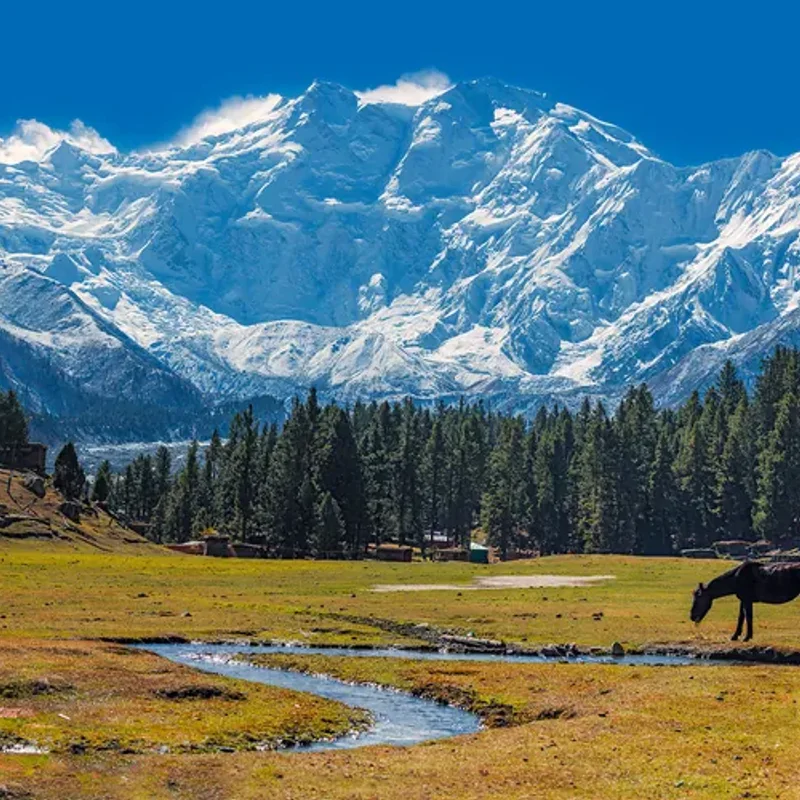
 AustriaAustrian Expedition LeaderNanga Parbat Schell Route PioneerMuseum Founder8000m Tally: 3/14 · No Supplemental O₂
Hanns Schell
Also known as: Hanns Schell
Hanns Schell is an esteemed Austrian mountaineer, expedition organizer, and museum founder. In August 1976, he led the expedition that forged the legendary 'Schell Route' on Nanga Parbat via the Southeast Ridge from the Rupal flank into the Diamir Basin, and achieved summits of Gasherbrum I and Gasherbrum II.
Mountain Safety & Conditions Disclaimer: High-altitude climbing, glacial travel, and technical ascents entail severe objective risks including avalanches, serac collapses, rapid weather collapse, and altitude illness. Historical route descriptions and summit claims on Mountainity reflect documented archival sources and must not be used as live operational safety assessments. Local regulations, permits, and physical glacial topography change continuously.
Peer Review: Senior Editorial Board & Historical Reviewers • Editorial Standards
Biographical Record & Archival Chronicle
Born in Graz, Austria, in 1938, Hanns Schell became one of Austria's premier Himalayan expedition leaders in the 1970s. In 1975, he participated in early attempts on the Karakoram giants.
In August 1976, Schell organized and led a four-man Austrian expedition to Nanga Parbat (8,126m). Rather than assaulting the terrifying vertical central Rupal Face, Schell pioneered a brilliant route up the left-flank Southeast Ridge, climbing 4,600 vertical meters and crossing over a 7,400-meter col into the upper Diamir Basin. On August 11, 1976, Schell, Robert Schauer, Hilmar Sturm, and Siegfried Gimpel reached the summit. The 'Schell Route' became world-famous and has served as the primary line for winter attempts on Nanga Parbat.
Schell also summited Gasherbrum I (1975) and Gasherbrum II (1979), making him one of the few climbers of his generation to conquer three eight-thousanders. In Graz, he founded the world-renowned Schell Collection, the largest private museum of locks, keys, and ironwork in the world.
Notable Milestones & Key Ascents (3)
Pioneered the Schell Route on Nanga Parbat (8,126m) Southeast Ridge on August 11, 1976
Summited Gasherbrum I (8,080m) in 1975 and Gasherbrum II (8,035m) in 1979
Founder of the Schell Collection Museum in Graz, Austria
Key Statistics & Topographic Figures
- Archive Classification
- MOUNTAINEERS
Mountainity Knowledge Corpus
- Verification Status
- Editorially Verified
Archival Standards
- Citation Standard
- Primary Source Verified
Alpine Research Desk
Defined Alpine Terminology & Concepts
- Archival Integrity
- The standard of verifying historical mountain facts, summit claims, and altitudes using primary expeditions journals and geodetic measurements.
Frequently Asked Questions: Hanns Schell
What historical significance does this mountaineer hold?
Hanns Schell represents an essential chapter in global mountaineering heritage, verified through contemporary expedition journals and archival sources.
How are the facts and records for Hanns Schell verified?
All records are checked against peer-reviewed journals, national alpine clubs, geodetic surveys, and the Mountainity Archival Integrity Policy.
Death Zone Summits (3 of 14)


Nanga Parbat
Nanga Parbat, at 8,126 meters (26,660 ft), is the ninth-highest mountain on Earth and the western anchor of the Himalayas in Pakistan. It boasts the Rupal Face, the highest vertical precipice in the world at 4,600 meters from valley floor to summit. Known for profound climbing history, highlighted by Hermann Buhl's legendary solo summit without supplemental oxygen in 1953.

Gasherbrum I
Gasherbrum I, at 8,080 meters (26,510 ft), is the eleventh-highest mountain on Earth, also known as Hidden Peak or K5. Named by William Martin Conway in 1892 due to its extreme seclusion behind the Gasherbrum ridge, it stands on the border between Pakistan and China. First summited in 1958 by an American expedition led by Nicholas Clinch, it was also the scene of Reinhold Messner and Peter Habeler's historic 1975 alpine-style ascent without supplemental oxygen.

Gasherbrum II
Gasherbrum II, standing at 8,035 meters (26,362 ft), is the thirteenth-highest mountain on Earth and the third-highest peak of the Gasherbrum massif in the Karakoram. Located at the head of the Baltoro Glacier on the Pakistan-China frontier, it features a classic pyramidal profile with challenging ice couloirs. First summited in 1956 by an Austrian team, it was famously climbed in pure alpine style in 1982 by Reinhold Messner, Nazir Sabir, and Sher Khan.
Geographical Footprint & Mountain Ranges (2)
Documented Ascent Routes (4)
Northwest Face & Japanese Couloir (Normal Route)
The Northwest Face via the Japanese Couloir is the standard and most frequently climbed line on Gasherbrum I (8,068m / Hidden Peak). Starting from the South Gasherbrum Glacier, climbers traverse the...
Gasherbrum II East Ridge Alpine Traverse
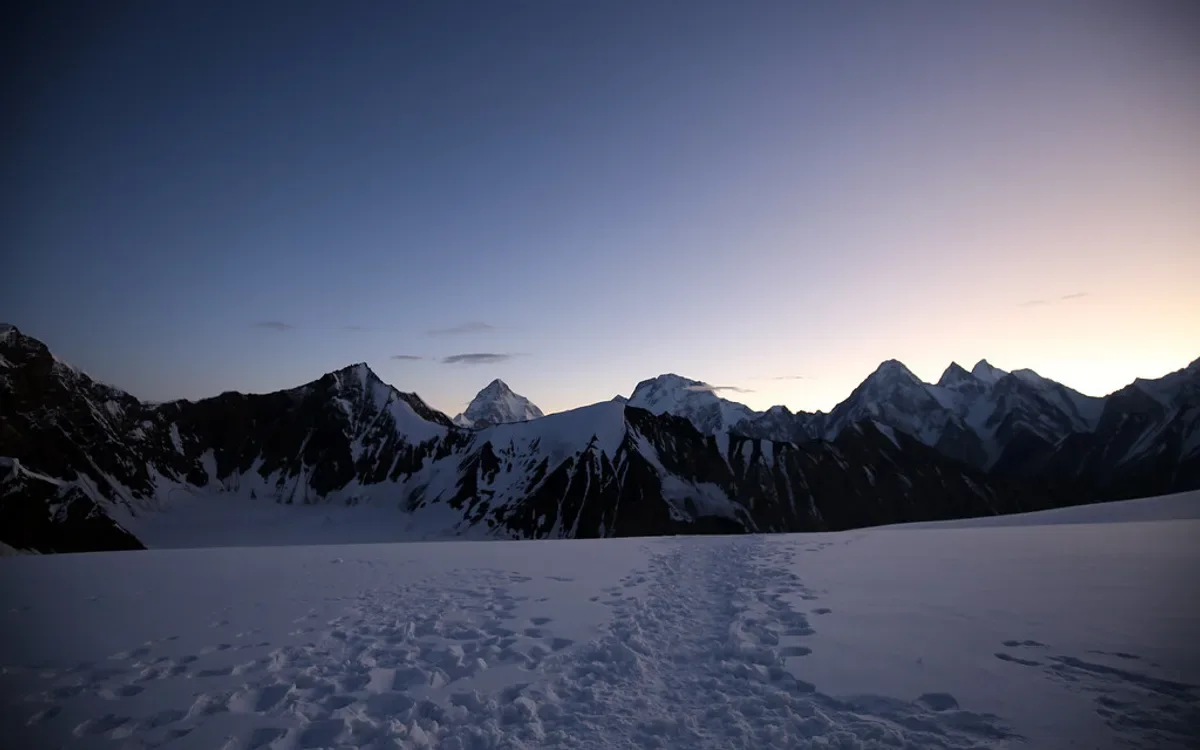
The East Ridge of Gasherbrum II is an exquisite, razor-sharp arête rising from the Gasherbrum La. In June and July 1983, legendary Polish alpinists Voytek Kurtyka and Jerzy Kukuczka pioneered the...

Southwest Ridge (Normal Route)
The Southwest Ridge is the standard and historically celebrated route on Gasherbrum II (8,035m). Starting from the South Gasherbrum Glacier, climbers navigate the heavily crevassed lower icefall into...
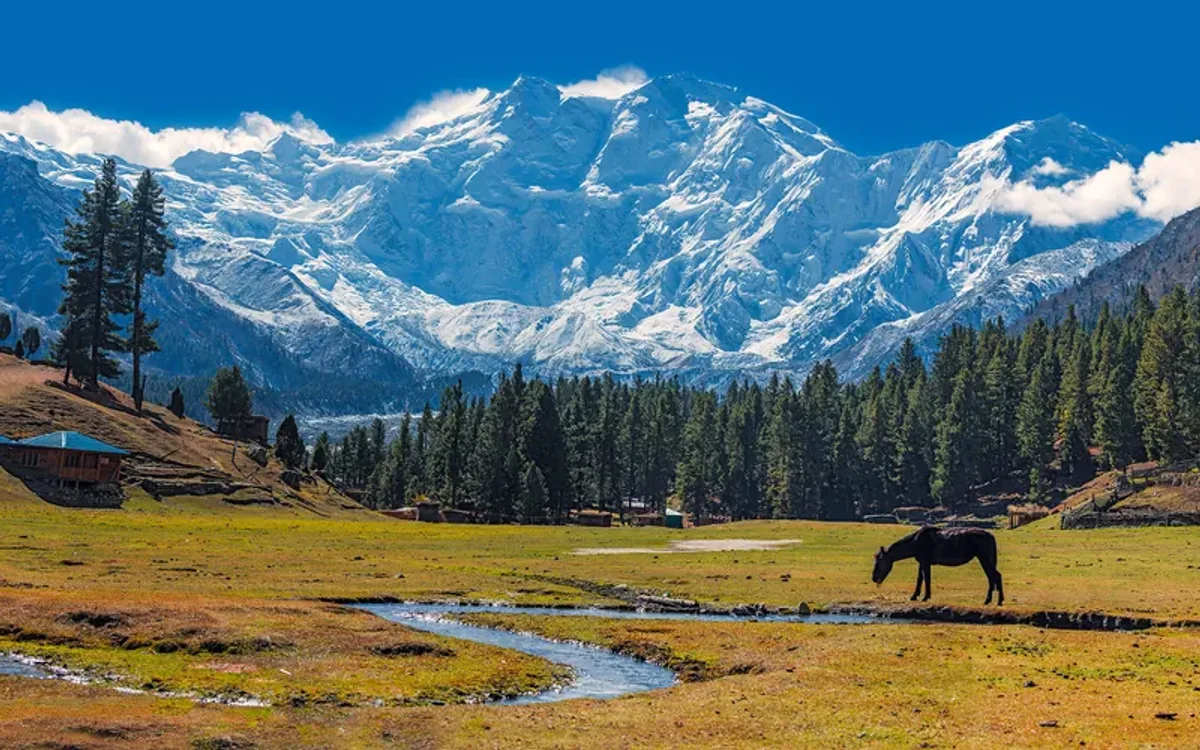
Nanga Parbat Schell Route (Southeast Ridge)
The Schell Route traces the formidable Southeast Ridge of Nanga Parbat, starting from the massive Rupal Valley and ascending the left flank before crossing over a high 7,400-meter col into the upper...
Documented Expeditions (2)
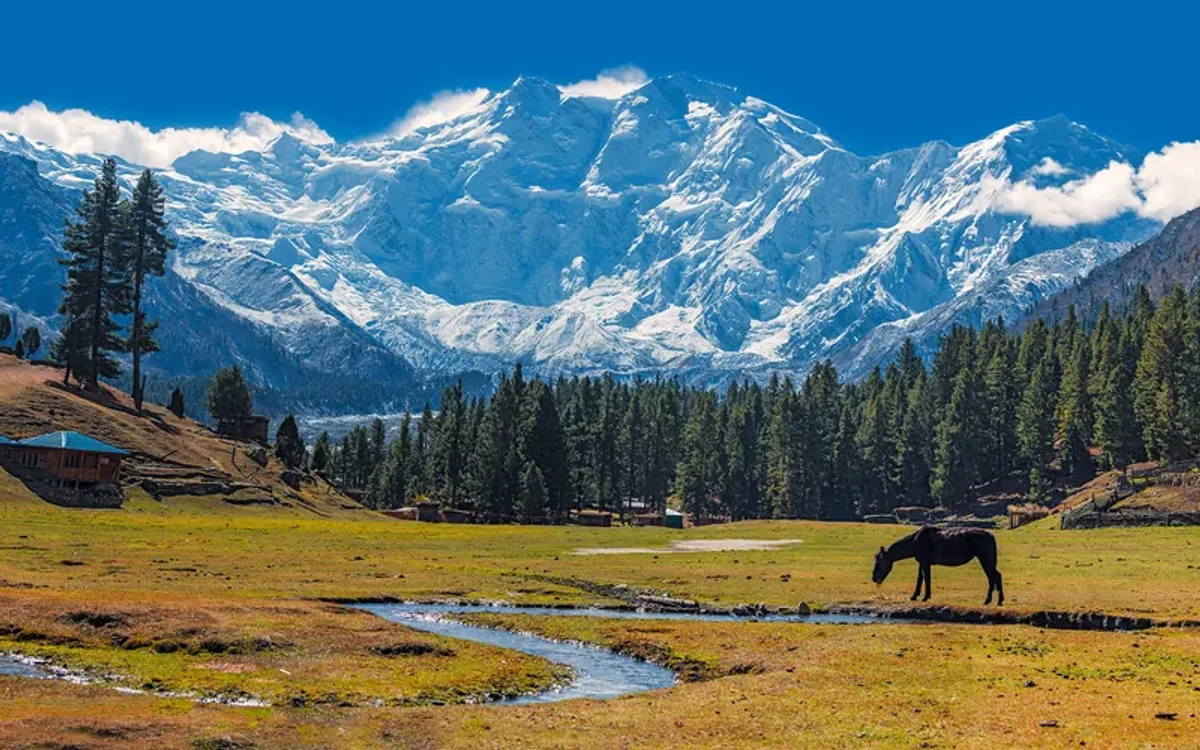
1976 Austrian Nanga Parbat Schell Route Expedition
Led by Hanns Schell, the Austrian four-man team pioneered the monumental 4,600-meter Southeast Ridge route from the Rupal flank into the Diamir Basin, with all four members reaching the summit.
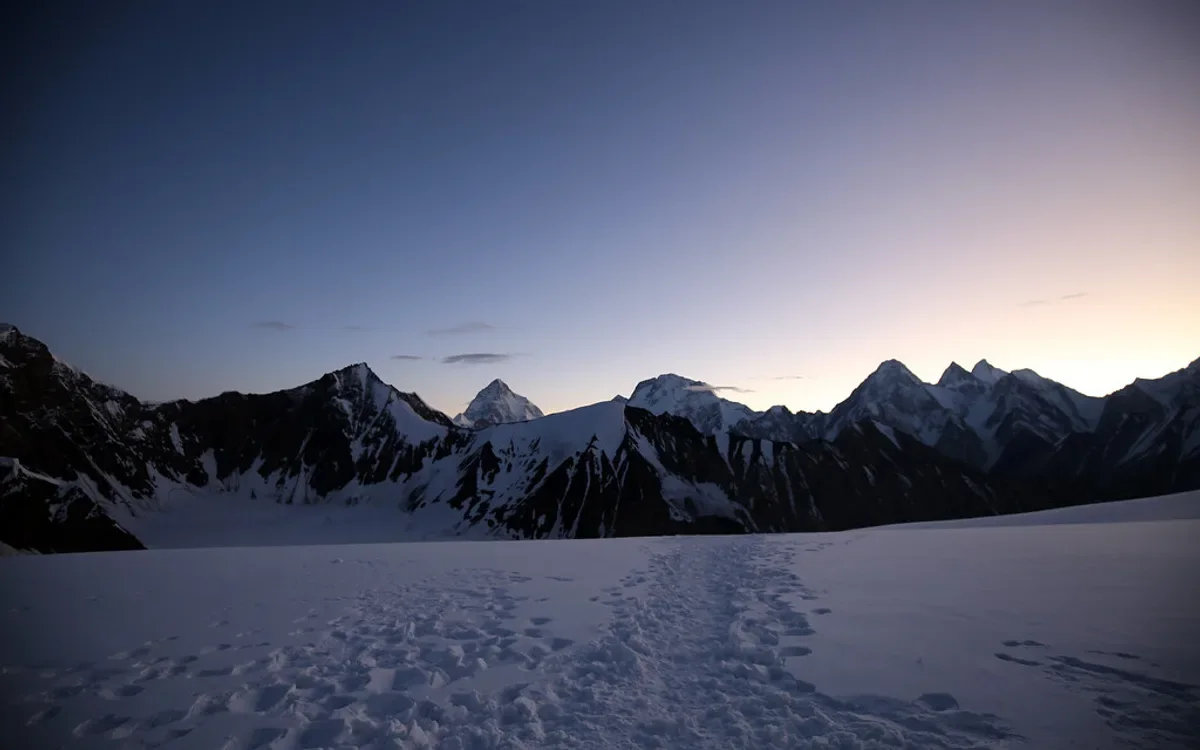
1982 Austrian Gasherbrum II Expedition
Led by veteran Austrian mountaineer Hanns Schell, the 1982 Innsbruck expedition climbed Gasherbrum II's Southwest Ridge without supplemental oxygen on July 24.
Contemporary Alpinists & Regional Peers (6)
Notable climbers sharing Austria alpine heritage or active during contemporary climbing epochs.
Alois Furtner
Alois Furtner established his climbing reputation through bold ascents in the Eastern Alps before venturing to the Himalayas. In autumn 1978, Furtner joined Eduard Koblmüller's small Austrian party on the Ngozumpa...
Andreas Neuschmid
Andreas Neuschmid is a seasoned Austrian high-altitude mountaineer and expedition leader. Across 8 expeditions recorded in the Himalayan Database, Neuschmid achieved 6 summits including Mount Everest, Cho Oyu, Manaslu,...
Arthur Haid
Arthur Haid is a veteran Austrian high-altitude mountaineer. Across 7 expeditions in the Himalayan Database, Haid achieved 2 summits strictly without supplemental oxygen, climbing technical routes on Pumori and Ama...

Cenzi von Ficker
Born in Munich in 1878 to a prominent Austrian academic family, Creszenz 'Cenzi' von Ficker emerged at the dawn of the 20th century as one of the boldest and most technically proficient female alpinists in the world....
Christian Stangl
Christian Stangl (born 1966) is an acclaimed Austrian skyrunner and extreme mountaineer celebrated as the first person to climb the Triple Seven Summits (the three highest peaks on all seven continents). In the...
Conrad Kain
Born on August 10, 1883, in Nasswald, Lower Austria, Conrad Kain grew up in poverty following his father's early death, working as a quarry boy and goat herder before discovering a profound natural talent for rock...
Documented Sources & Archival Citations
- Primary Alpine JournalAmerican Alpine Journal: Nanga Parbat, Schell Route 1976 ↗(American Alpine Club)
- Primary Alpine JournalAustrian Alpine Club: Hanns Schell 8,000m Chronicles(Oesterreichischer Alpenverein)
- Archival DatabaseThe Himalayan Database — Climber Archive (Hanns Schell) ↗(Elizabeth Hawley / The Himalayan Database)
Supporting claim: Historical expedition participation, high-altitude summit chronology, and career ascent log
Share Exploration
Global Mountain Intelligence
✓ Link copied to clipboard!