
Mingma Tshering Sherpa
Also known as: Mingma Tshering Sherpa (b. 1982)
Mingma Tshering Sherpa (born 1982) is an accomplished Nepal high-altitude mountaineer documented in the Himalayan Database with 26 verified summits across 41 expeditions, including 18 ascents achieved without supplemental bottled oxygen.
Mountain Safety & Conditions Disclaimer: High-altitude climbing, glacial travel, and technical ascents entail severe objective risks including avalanches, serac collapses, rapid weather collapse, and altitude illness. Historical route descriptions and summit claims on Mountainity reflect documented archival sources and must not be used as live operational safety assessments. Local regulations, permits, and physical glacial topography change continuously.
Peer Review: Senior Editorial Board & Historical Reviewers • Editorial Standards
Biographical Record & Archival Chronicle
Mingma Tshering Sherpa (born 1982) is an elite Nepalese climber and high-altitude expedition leader. Across 41 expeditions in the Himalayan Database, Mingma Tshering reached 26 summits, including 18 climbs without supplemental oxygen. His ascents span Annapurna I, Annapurna South, Annapurna IV, and Ama Dablam, showcasing exceptional technical versatility.
Notable Milestones & Key Ascents (3)
Recorded 26 verified Himalayan summits in the Himalayan Database across 41 expeditions
Completed 18 high-altitude ascents without supplemental bottled oxygen
Guided and summitted across major Himalayan massifs including Ama Dablam, Annapurna I, Annapurna IV
Key Statistics & Topographic Figures
- Archive Classification
- MOUNTAINEERS
Mountainity Knowledge Corpus
- Verification Status
- Editorially Verified
Archival Standards
- Citation Standard
- Primary Source Verified
Alpine Research Desk
Defined Alpine Terminology & Concepts
- Archival Integrity
- The standard of verifying historical mountain facts, summit claims, and altitudes using primary expeditions journals and geodetic measurements.
Frequently Asked Questions: Mingma Tshering Sherpa
What historical significance does this mountaineer hold?
Mingma Tshering Sherpa represents an essential chapter in global mountaineering heritage, verified through contemporary expedition journals and archival sources.
How are the facts and records for Mingma Tshering Sherpa verified?
All records are checked against peer-reviewed journals, national alpine clubs, geodetic surveys, and the Mountainity Archival Integrity Policy.
Death Zone Summits (2 of 14)
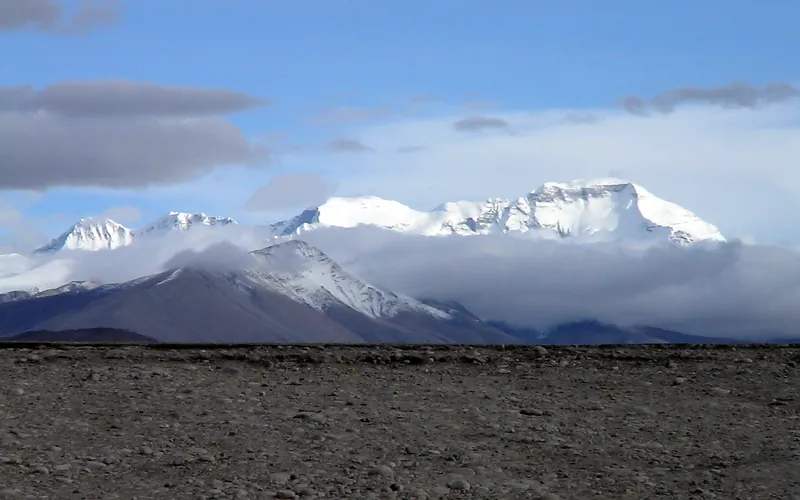

Cho Oyu
Cho Oyu, at 8,188 meters (26,864 ft), is the sixth-highest mountain in the world, situated 20 km west of Mount Everest. Meaning 'Turquoise Goddess' in Tibetan, it stands on the glaciated Nangpa La trade route between Nepal and Tibet. Its moderate northwest slopes make it the most accessible 8,000-meter peak.
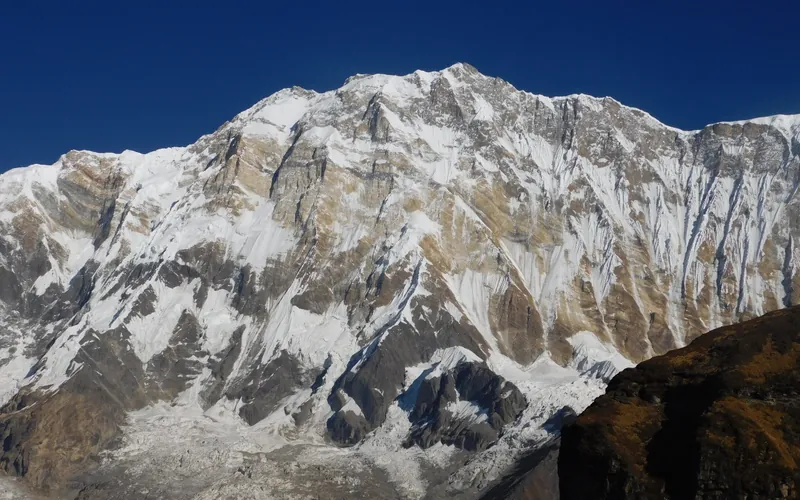
Annapurna I
Annapurna I, at 8,091 meters (26,545 ft), is the tenth-highest mountain in the world and historically the first 8,000-meter peak ever summited (June 3, 1950 by Maurice Herzog and Louis Lachenal). Rising above the Annapurna Sanctuary, its north and south walls present extreme avalanche and serac fall hazards.
Associated Mountain Peaks (13)
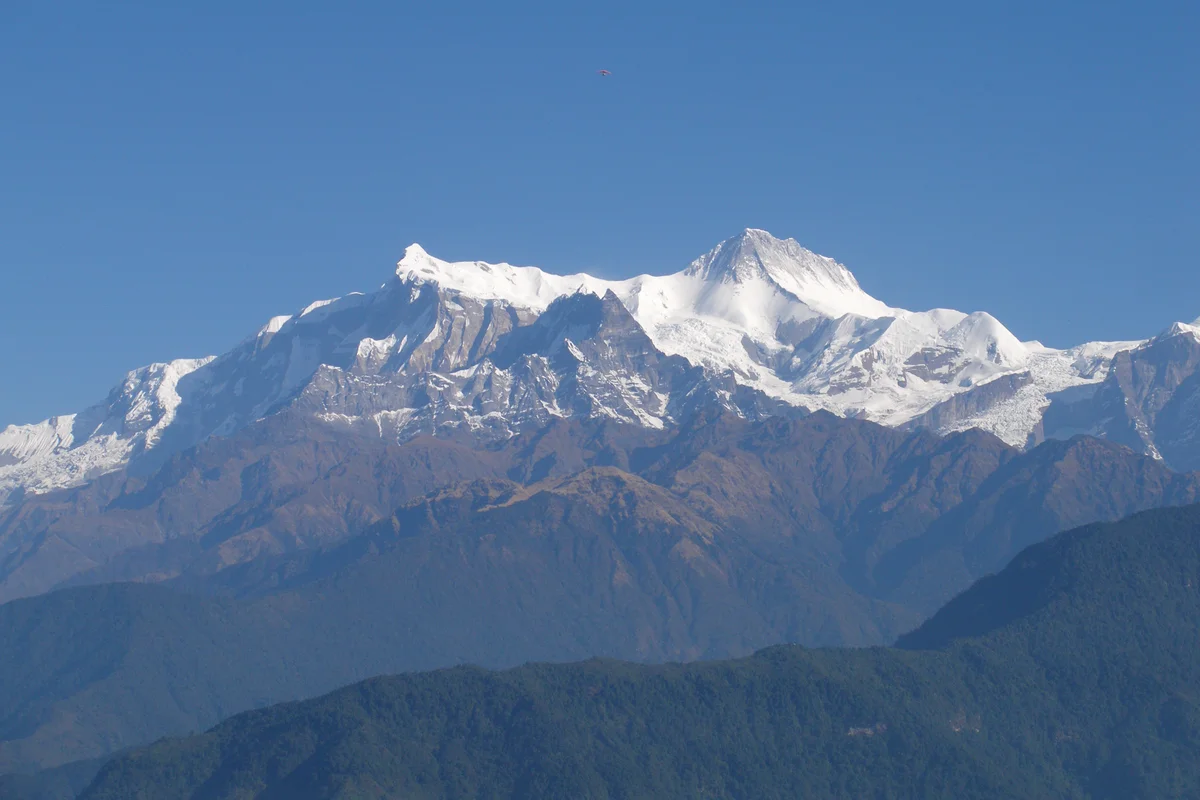
Annapurna IV
Annapurna IV rises to an official surveyed elevation of 7525 meters (24,688 feet) above sea level in the rugged Himalayas. Characterized by steep rock headwalls, complex icefalls, and prominent ridgelines, it is positioned among the dramatic high-altitude peaks of Nepal. The mountain's geography features severe glaciated flanks feeding local glacier systems. Climbers approaching Annapurna IV typically establish remote base camps across high moraines before tackling mixed snow and rock buttresses. Modern expeditions require complete self-sufficiency, careful acclimatization schedules, and navigation through active serac zones. Annapurna IV (Nepali: अन्नपूर्ण ४) is a mountain in the eastern wing of the Annapurna mountain range in the Himalayas in Gandaki Province, Nepal. It has an elevation of 7,525 metres (24,688 ft), making it the 38th highest peak in Nepal. Documented ascents and attempts on Annapurna IV highlight the technical difficulty and sustained exposure typical of 7,000-meter peaks in this subrange. Variable weather systems, combined with sudden wind shifts and avalanche hazards, make summit pushes demanding undertakings that require seasoned alpine judgment.
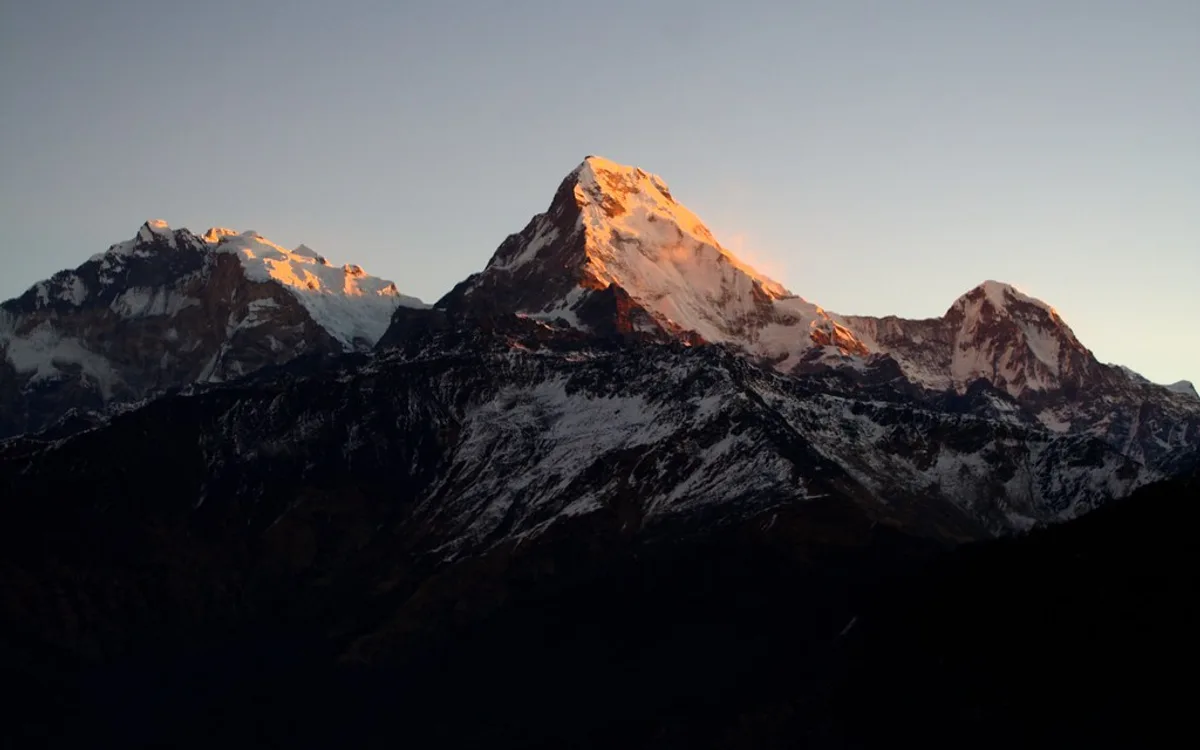
Annapurna South
Annapurna South rises to an official surveyed elevation of 7219 meters (23,684 feet) above sea level in the Annapurna mountain range of Gandaki Province, north-central Nepal. Also known as Moditse, the peak stands prominently at the southwestern anchor of the Annapurna Sanctuary, rising abruptly above the Modi Khola valley with steep rock headwalls, complex icefalls, and sweeping glaciated ridgelines. The mountain's geography features severe glaciated flanks feeding the Annapurna Sanctuary glacial basin. Climbers approaching Annapurna South typically establish base camps within the Annapurna Conservation Area, navigating through the Modi Khola gorge before ascending mixed rock and snow buttresses. The first ascent of Annapurna South was accomplished by the Academic Alpine Club of Kyoto (Kyoto University) expedition led by Dr. Haruo Higuchi, as chronicled by deputy leader Shoichiro Uyeo in The Alpine Journal Vol. 70 (1965). On October 13, 1964, a first assault team comprising Hiromichi Yoshino, Masaaki Kimura, and Yutaka Ageta reached the central peak at 3:40 p.m., discovering that the southern and northern summits were higher. Two days later, on October 15, 1964, deputy leader Shoichiro Uyeo and Sherpa Mingma Tsering pushed beyond the central peak and reached the true southernmost summit (7,219 m) at 12:30 p.m., establishing the maiden first ascent of the mountain. Subsequent technical ascents, including routes on the formidable South Face, have cemented its reputation as a serious high-altitude alpine objective. Documented ascents and attempts on Annapurna South highlight the technical difficulty and sustained exposure typical of 7,000-meter peaks in this subrange. Variable weather systems, combined with sudden wind shifts and avalanche hazards, make summit pushes demanding undertakings that require seasoned alpine judgment.
Gurja Himal
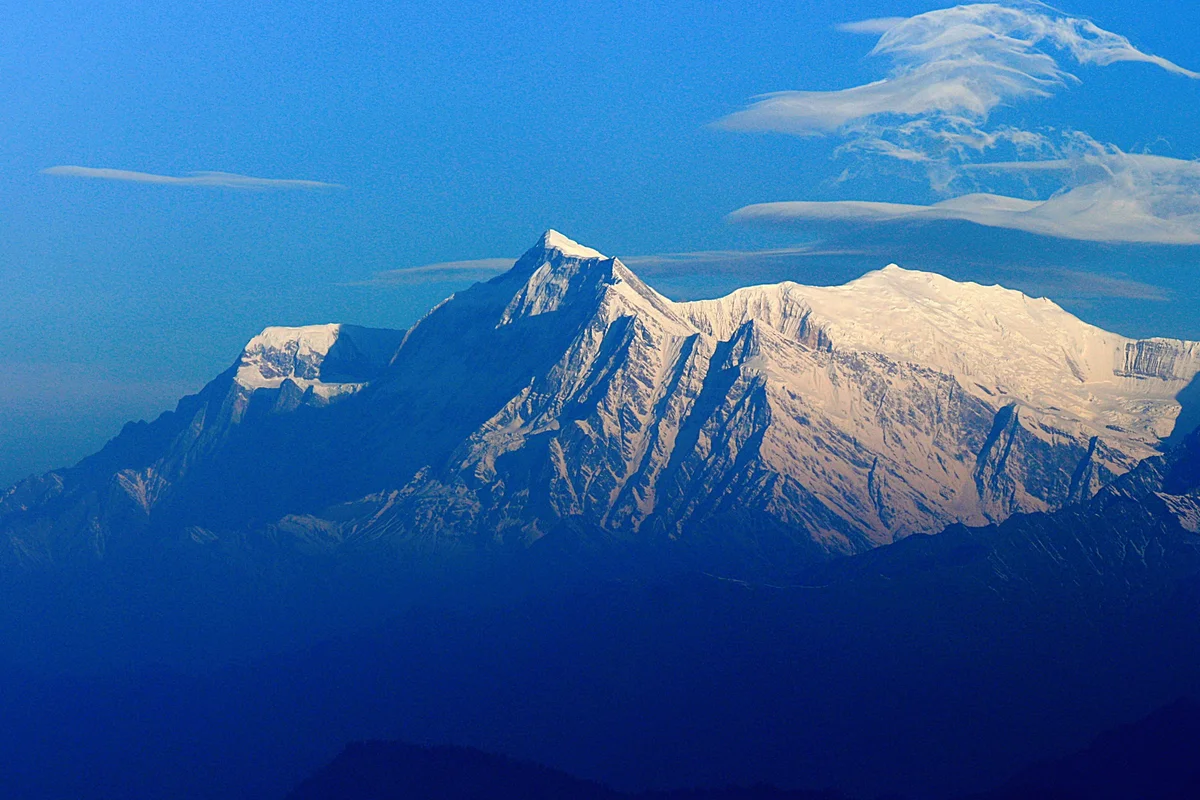
Gurja Himal rises to an official surveyed elevation of 7193 meters (23,599 feet) above sea level in the rugged Himalayas. Characterized by steep rock headwalls, complex icefalls, and prominent ridgelines, it is positioned among the dramatic high-altitude peaks of Nepal. The mountain's geography features severe glaciated flanks feeding local glacier systems. Climbers approaching Gurja Himal typically establish remote base camps across high moraines before tackling mixed snow and rock buttresses. Modern expeditions require complete self-sufficiency, careful acclimatization schedules, and navigation through active serac zones. Gurja Himal (Nepali: गुर्जा हिमाल) is a mountain in Gandaki Province, Nepal. Gurja Himal is part of the Dhaulagiri massif and it has an elevation of 7,193 metres (23,599 ft). In 2018, an avalanche from the mountain killed nine people which was labelled as the worst climbing disaster in Nepal after the 2015 Mount Everest avalanches. One of the victims was South Korean mountain climber Kim Chang-ho. Gurja Himal was first climbed on 1 November 1969 by a Japanese expedition. Documented ascents and attempts on Gurja Himal highlight the technical difficulty and sustained exposure typical of 7,000-meter peaks in this subrange. Variable weather systems, combined with sudden wind shifts and avalanche hazards, make summit pushes demanding undertakings that require seasoned alpine judgment.
Pumori
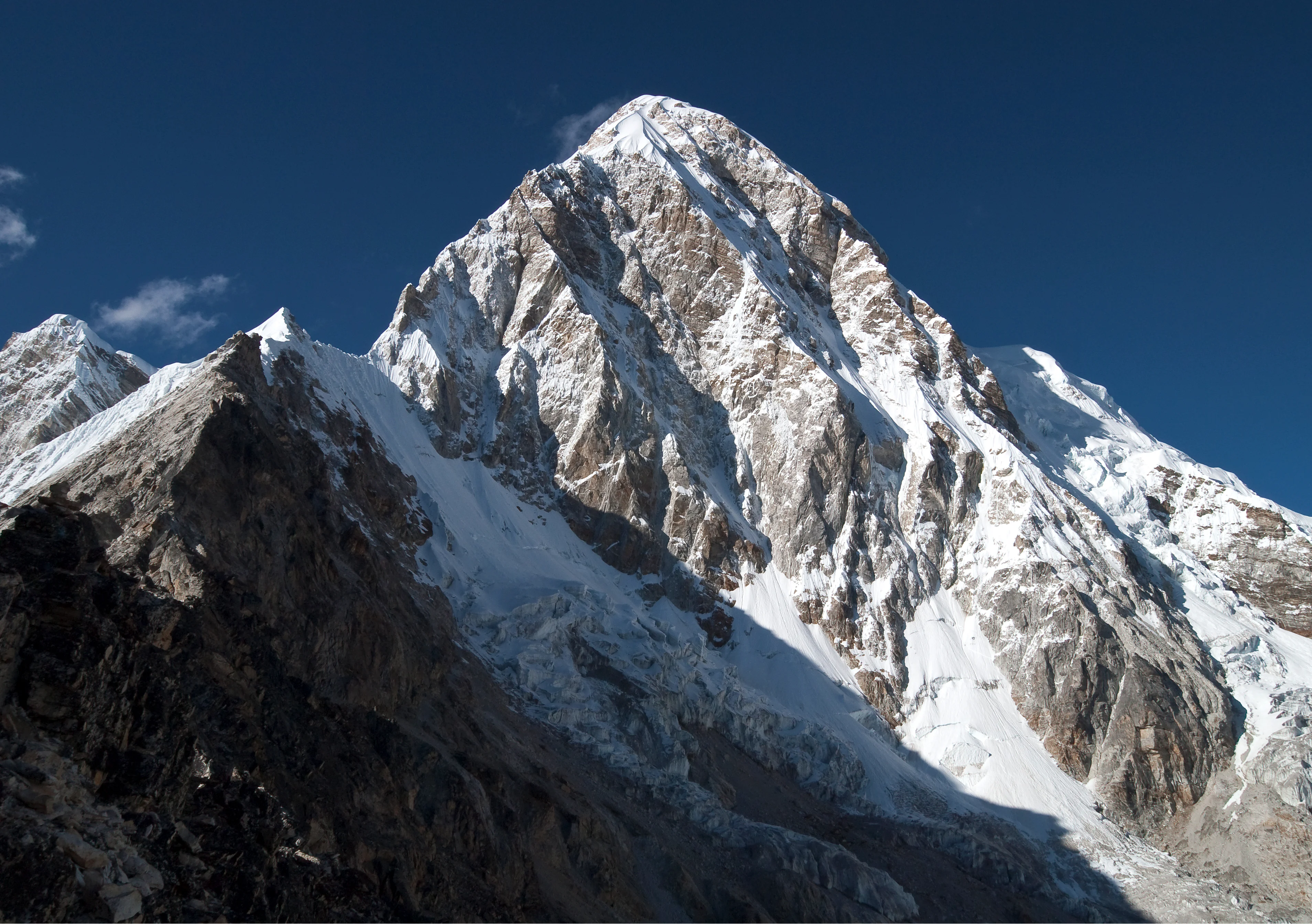
Pumori is a majestic 7,161-meter pyramidal mountain in the Mahalangur section of the Himalayas, rising eight kilometers west of Mount Everest on the international border between Nepal and Tibet. George Mallory bestowed its name, which translates in the Sherpa language to 'Mountain Daughter' or 'Unmarried Daughter', honoring its geographic proximity to Everest. Standing directly opposite Kala Patthar and Gorak Shep, Pumori presents an iconic triangular spire of ice and granite that dominates the upper Khumbu Valley. The summit was first reached on May 17, 1962, by German alpinist Gerhard Lenser as part of a German-Swiss expedition via the Southeast Ridge.
Lamjung Himal
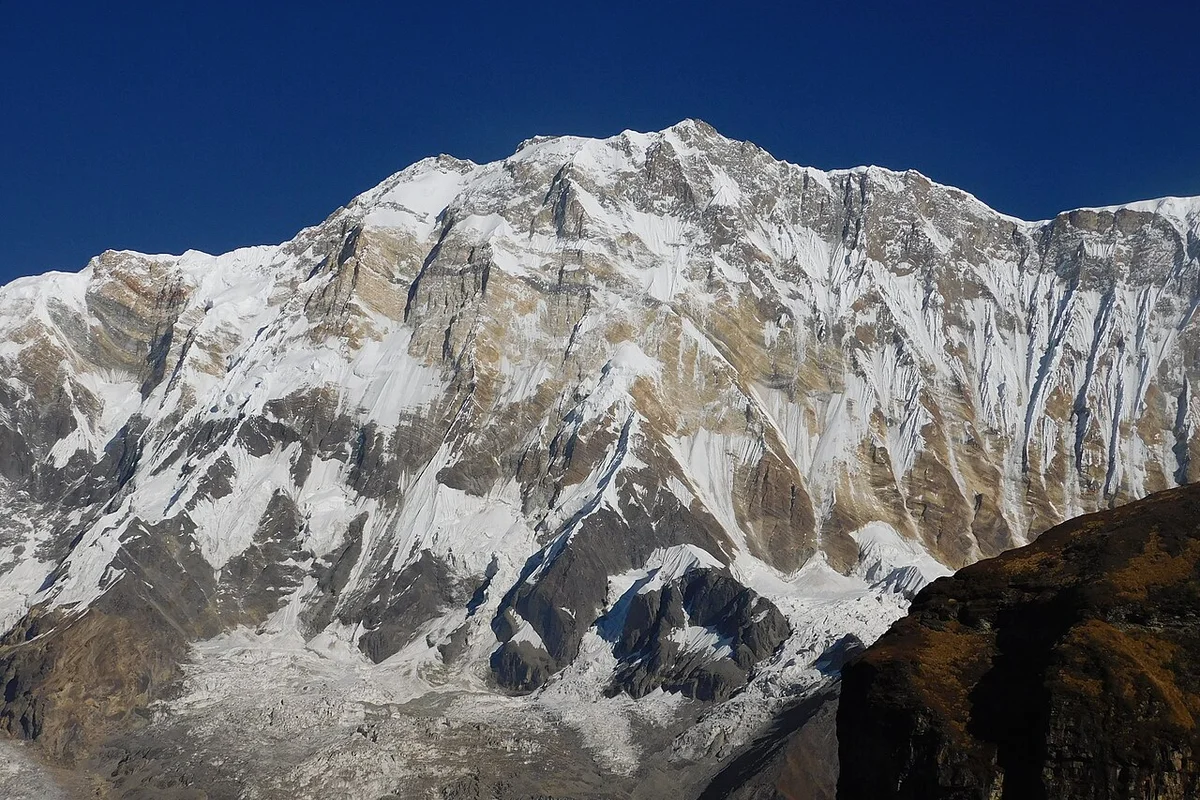
Lamjung Himal (6,983m) anchors the eastern rampart of the Annapurna Massif in Nepal. It was first climbed on April 25, 1974 by Philip Neame and Derrick Chamberlain of the British Army Mountaineering Association expedition via the rugged East Ridge.
Kang Guru
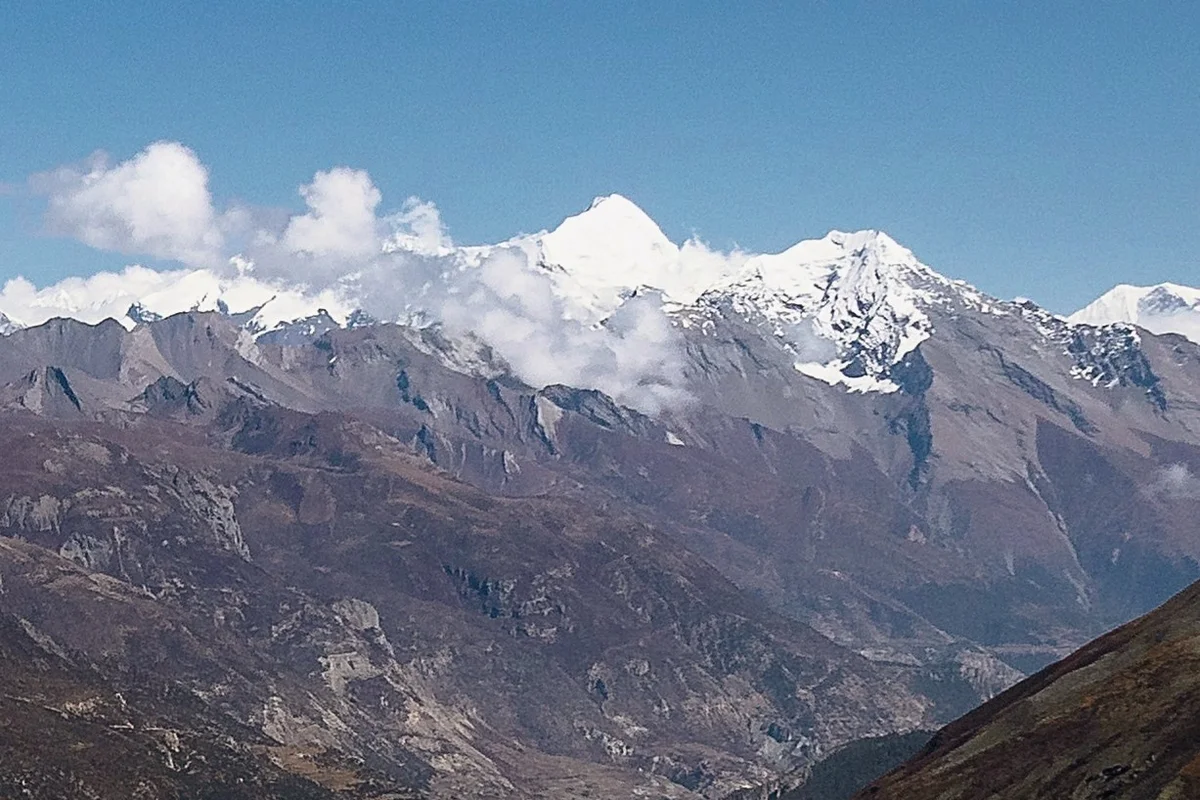
Kang Guru, rising to 6,981 meters, is a massive, storm-battered glaciated giant in the Peri Himal north of the Annapurna range. Situated near the Tibetan border, its sheer relief drops into the Nar-Phu valley, presenting complex serac barriers and extreme avalanche hazards.
Numbur
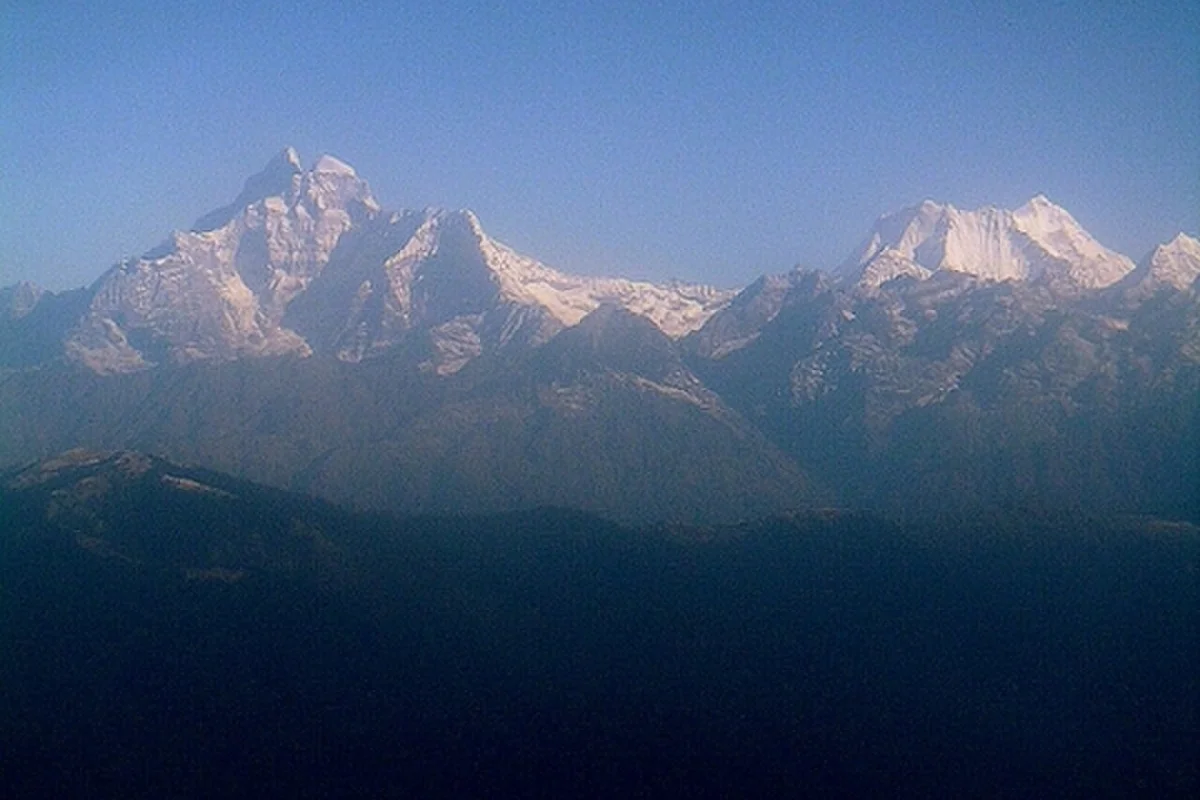
Numbur rises to 6,958 meters in the Rolwaling Himal, revered by the Sherpa people as Shorong Yul Lha, the supreme protector deity of the Solukhumbu region. Towering above the emerald pastures of Junbesi, Numbur presents sheer vertical granite headwalls and sweeping glaciated arêtes. The peak was first climbed on May 29, 1963, by Japanese mountaineer K. Matsubara and high-altitude sirdar Mingma Tenzing Sherpa via the exposed Southwest Ridge, standing as an enduring symbol of spiritual reverence and alpine beauty.
Ama Dablam
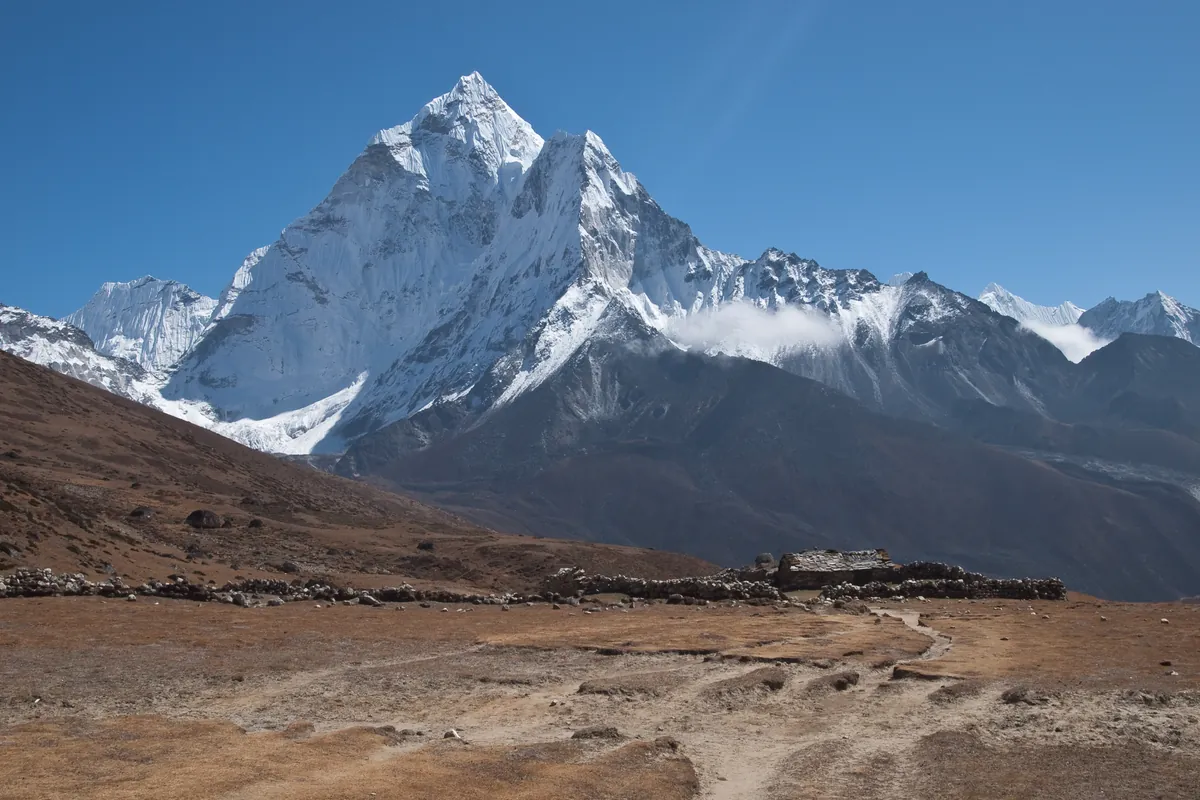
Ama Dablam is an iconic 6,812-meter (22,349 ft) mountain in the eastern Himalayan region of Nepal. Renowned worldwide for its soaring granite ridges and hanging glaciers, it is often called the Matterhorn of the Himalayas. Its name translates as 'Mother's Necklace', referring to the hanging serac resembling a traditional Sherpa pendant. Sir Edmund Hillary conceived and led the 1960–1961 Silver Hut Expedition that unlocked the mountain. On March 13, 1961, Hillary's assault team achieved the historic first ascent via the Southwest Ridge. It remains one of the most aesthetic and technically demanding alpine ascents in the world.
Pethangtse
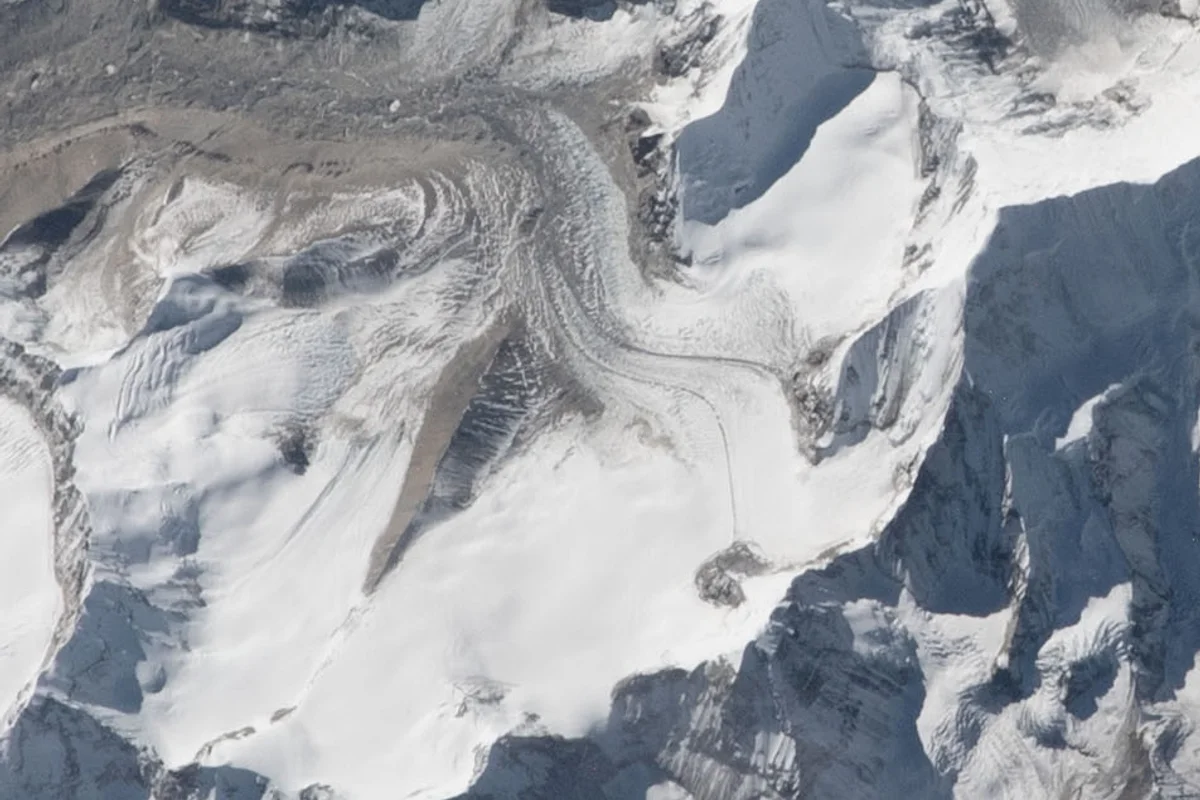
Pethangtse is a majestic 6,000-meter peak rising to 6730 meters in the Himalaya (Khumbu / Tibet, Nepal / China). Documented in international mountaineering archives following its historic first ascent in 1954 by New Zealand expedition, Jim McFarlane, Michael Gill (New Zealand), the peak presents technical ridgelines and high-altitude alpine terrain.
Rani Peak
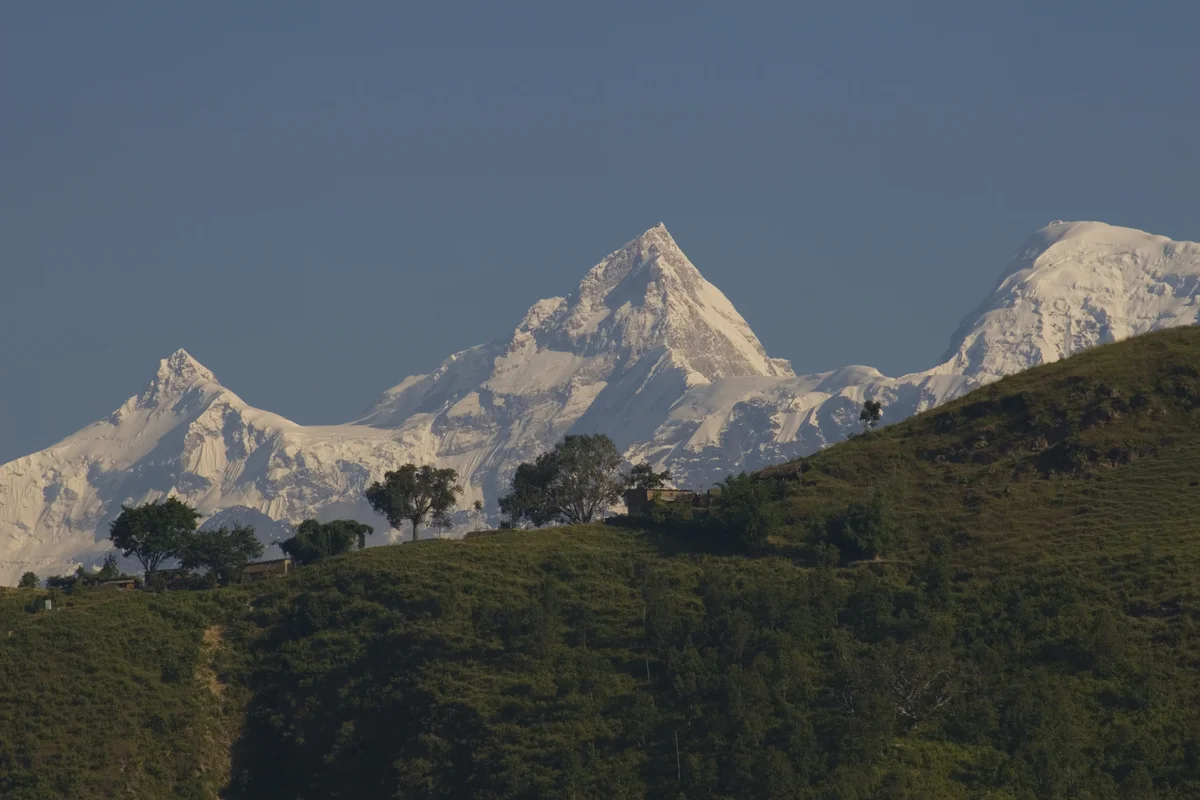
Rani Peak, also known as Lidanda Peak and Himalchuli Northeast, rises to 6,693 meters in the Mansiri Himal of Gorkha, Nepal, positioned northeast of Himalchuli Main. The peak was first climbed on May 5, 1970, by Dutch alpinists J. F. Saltet and J. A. Noordyk via the Southeast Side and South Ridge. Overlooking the Daraundi Khola, the mountain displays soaring mixed rock buttresses, unstable seracs, and massive snow ramps.
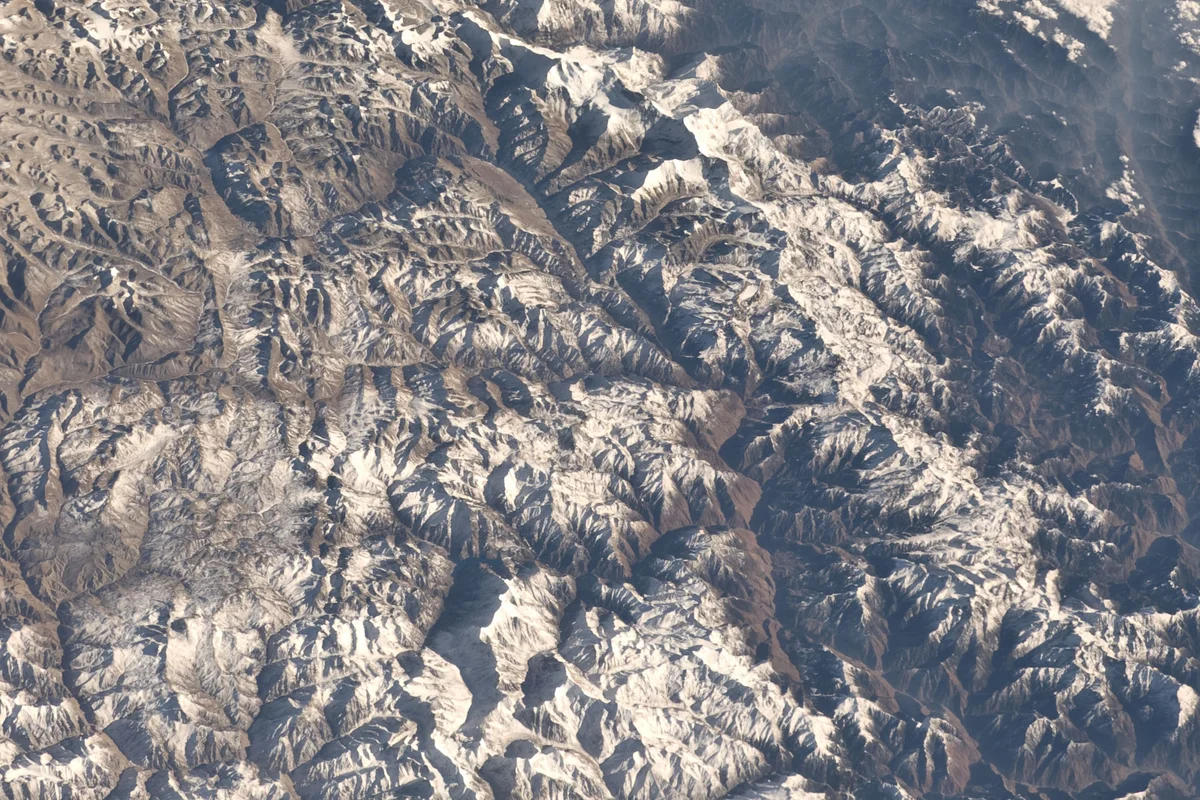
Kanjeralwa
Kanjeralwa, historically known as Kanchen Ruwa, stands at 6,612 meters northwest of the sacred turquoise waters of Phoksumdo Lake in the Kanjiroba Himal of Dolpa, Nepal. The summit was first achieved on April 22, 1973, by a Japanese expedition led by Fumihiko Watanabe ascending the South Ridge. The mountain presents majestic ice flutings, steep mixed couloirs, and breathtaking vistas across the deep valleys of Lower and Upper Dolpo.
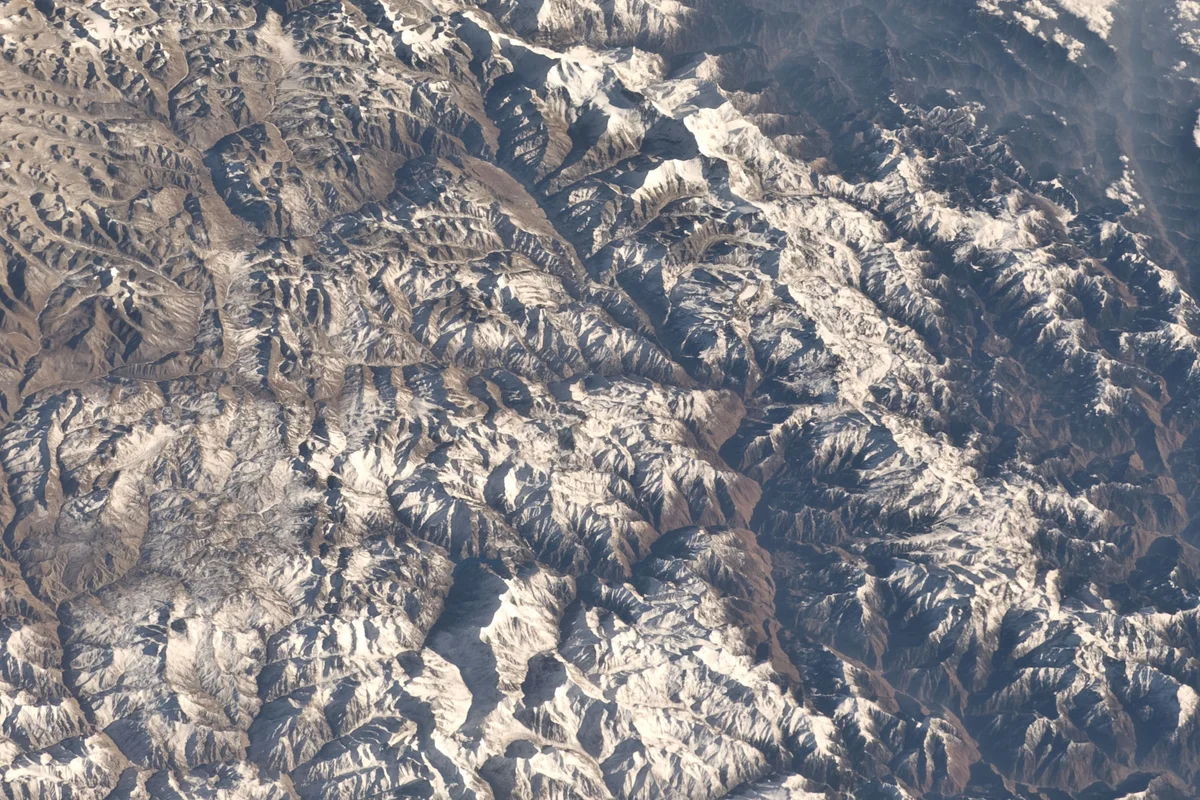
Lha Shamma
Lha Shamma, historically known as Pinnacle Peak and Lhasharma, reaches 6,412 meters in the Kagmara Lekh south of Kanjiroba in Dolpa, western Nepal. The peak is renowned for its historic first ascent on May 14, 1962, by an all-women British expedition led by Countess Dorothea Gravina via the Southwest Ridge. Rising steeply above the Kagmara Pass, the mountain features soaring jagged rock pinnacles and cascading icefalls.
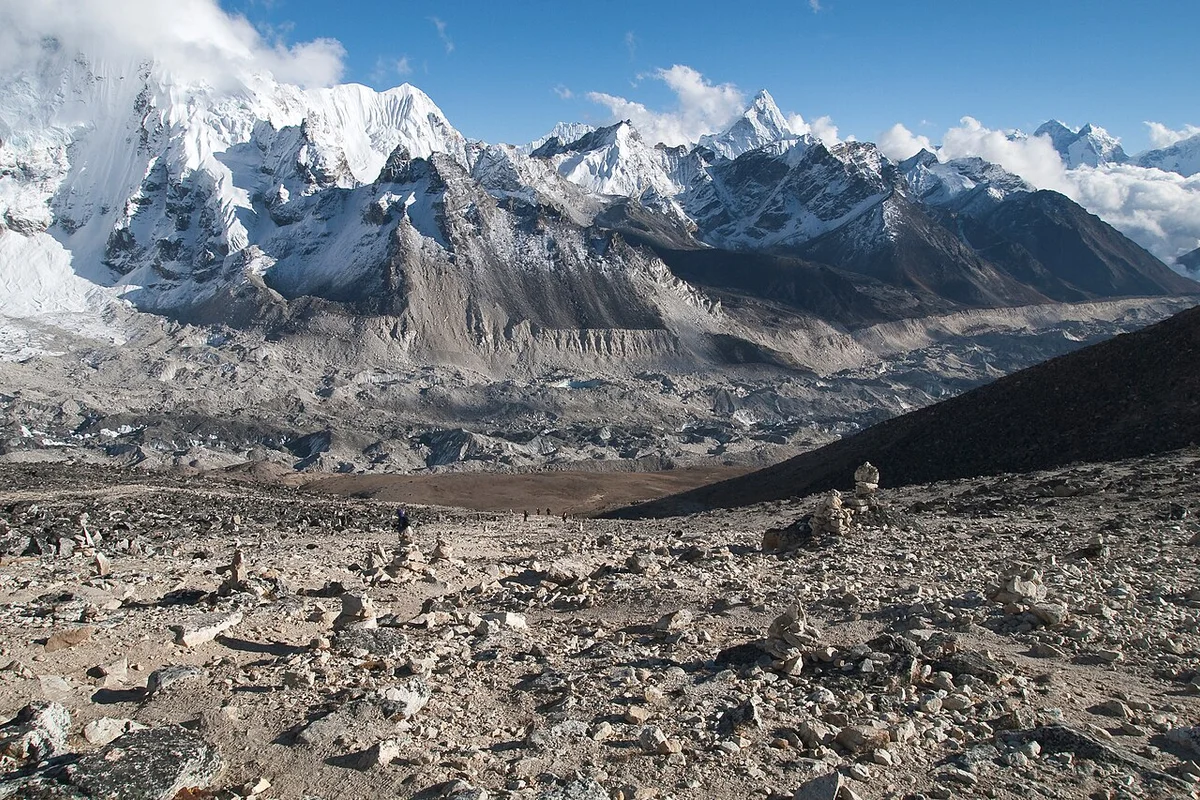
Urkinmang
Urkinmang is a majestic 6,000-meter peak rising to 6151 meters in the Himalaya (Bagmati, Nepal). Documented in international mountaineering archives following its historic first ascent in 1999 by Dave Wilkinson (United Kingdom), the peak presents technical ridgelines and high-altitude alpine terrain.
Geographical Footprint & Mountain Ranges (1)
Documented Expeditions (12)
1955 Jean Franco Pethangtse Historic Expedition
In 1955, the France expedition led by Jean Franco tackled Pethangtse (6739m) via the technical S side, providing foundational route documentation in the Golden Age of Himalayan exploration.
1960 J. O. M. Roberts Annapurna IV Historic Expedition
In 1960, the UK expedition led by J. O. M. Roberts tackled Annapurna IV (7525m) via the technical NW Ridge, providing foundational route documentation in the Golden Age of Himalayan exploration.
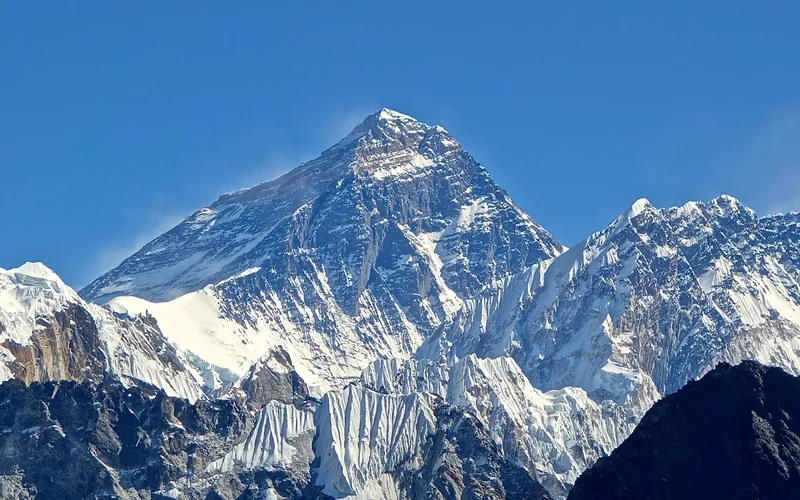
1962 John Dias Mount Everest Historic Expedition
In 1962, the India expedition led by John Dias tackled Mount Everest (8849m) via the technical S Col-SE Ridge, providing foundational route documentation in the Golden Age of Himalayan exploration.
1962 Dorothea Gravina Lha Shamma Historic First Ascent
In 1962, the UK expedition led by Dorothea Gravina achieved the historic first ascent of Lha Shamma (6412m) via the SW Ridge, marking a milestone in Himalayan mountaineering history.
1963 Makoto Numata Numbur Historic First Ascent
In 1963, the Japan expedition led by Makoto Numata achieved the historic first ascent of Numbur (6958m) via the SW Ridge, marking a milestone in Himalayan mountaineering history.
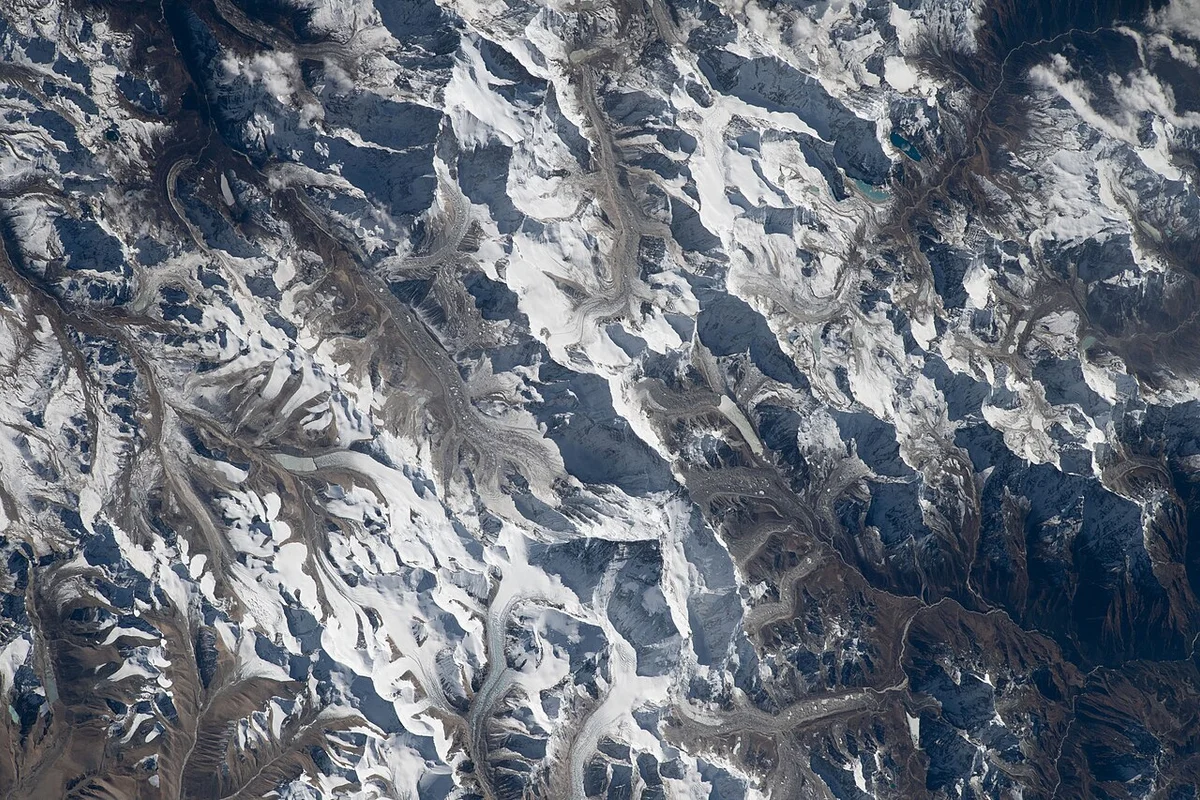
1964 Takeo Suzuki Morimoto Peak Historic First Ascent
In 1964, the Japan expedition led by Takeo Suzuki achieved the historic first ascent of Morimoto Peak (6150m) via the Normal Route, marking a milestone in Himalayan mountaineering history.
1964 Takeo Suzuki Urkinmang Historic First Ascent
In 1964, the Japan expedition led by Takeo Suzuki achieved the historic first ascent of Urkinmang (6143m) via the S Face, marking a milestone in Himalayan mountaineering history.
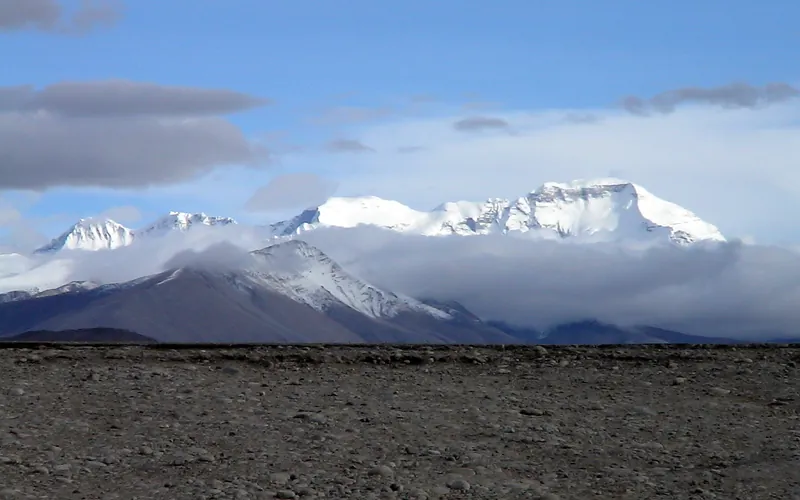
1965 Susumu Takahashi Ngojumba Kang II Historic First Ascent
In 1965, the Japan expedition led by Susumu Takahashi achieved the historic first ascent of Ngojumba Kang II (7743m) via the S Face-S Ridge, marking a milestone in Himalayan mountaineering history.
1970 J. F. Saltet Rani Peak Historic First Ascent
In 1970, the Netherlands expedition led by J. F. Saltet achieved the historic first ascent of Rani Peak (6693m) via the SE side-S Ridge, marking a milestone in Himalayan mountaineering history.
1972 Pierre Buttin Gurja Himal Historic Expedition
In 1972, the France expedition led by Pierre Buttin tackled Gurja Himal (7193m) via the technical N Ridge, demonstrating advanced siege and alpine tactics in the Big Wall era.
1973 Fumihoto Watanabe Kanjeralwa Historic First Ascent
In 1973, the Japan expedition led by Fumihoto Watanabe achieved the historic first ascent of Kanjeralwa (6612m) via the W to a southern ridge, marking a milestone in Himalayan Big Wall climbing.
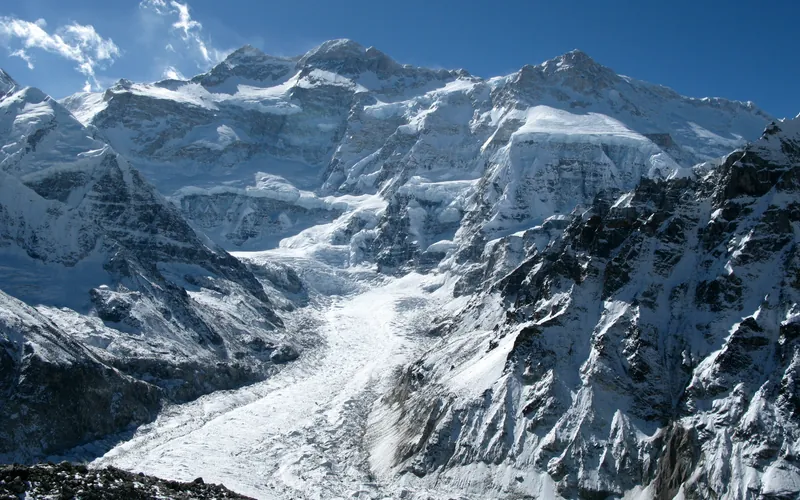
1980 Jose Manuel Casanova Yalung Kang Historic Expedition
In 1980, the Mexico expedition led by Jose Manuel Casanova tackled Yalung Kang (8505m) via the technical SE Face, demonstrating advanced siege and alpine tactics in the Big Wall era.
Documented Expedition Partners (19)
Alpinists with documented shared expedition rosters, co-ascents, or collaborative high-altitude campaigns alongside Mingma Tshering Sherpa.
Ang Dawa Sherpa
Ang Dawa Sherpa (born 1978) is an elite Nepalese climber and high-altitude guide from the Khumbu region. Documented across 73 expeditions, Ang Dawa achieved 40 summits, including 22 completed without supplemental...
Ang Pemba Sherpa
Ang Pemba Sherpa (born 1984) is a skilled Nepalese high-altitude guide documented across 23 expeditions. Ang Pemba has summited 15 times on Mount Everest, Cho Oyu, Baruntse, and Ama Dablam.

Ang Phurba Sherpa
Ang Phurba Sherpa was among the most respected figures in the golden era of Himalayan exploration. Hailing from the Solukhumbu region of Nepal, he earned renown for his exceptional high-altitude strength, leadership...
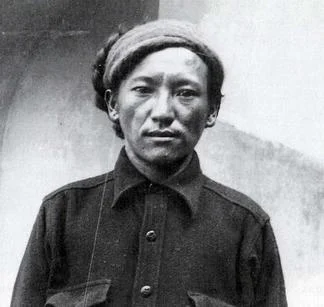
Ang Tharkay
Ang Tharkay was born in 1907 in the high mountain hamlet of Kundu near Thame in Nepal's Solukhumbu District. Migrating as a young man to Darjeeling in British India, which served as the operational recruitment depot for...
Ang Tshering Sherpa
Ang Tshering Sherpa (born 1981) is a veteran Nepalese mountain guide documented across 58 expeditions in the Himalayan Database. He achieved 13 summits, including 8 without bottled oxygen, on Mount Everest, Cho Oyu, and...
Dawa Tenzing Sherpa
Dawa Tenzing Sherpa is a seasoned high-altitude professional from Nepal. Over 21 expeditions documented in the Himalayan Database of Elizabeth Hawley, Dawa Tenzing Sherpa achieved 11 summits, providing critical...
Dorje Sherpa
Dorje Sherpa is a seasoned high-altitude professional from Nepal. Over 24 expeditions documented in the Himalayan Database of Elizabeth Hawley, Dorje Sherpa achieved 18 summits, providing critical route-fixing,...
Hans Noordijk
Johannes Adolf 'Hans' Noordijk is an accomplished Dutch high-altitude climber. Across 6 expeditions in the Himalayan Database, Noordijk achieved a summit of Chhukung Chuli without supplemental oxygen.
Jean Franco
Jean Franco (1914–1971) was a legendary French mountaineer, guide, and director of ENSA. Franco led the historic 1955 French Makalu expedition which put all nine climbing members on the summit of Makalu (8,485m), and...
James Owen Merion Roberts
Lt. Col. James Owen Merion 'Jimmy' Roberts MVO MBE (1916–1997) is revered as the 'Father of Trekking in Nepal'. A legendary British army officer, diplomat, and mountaineer, Roberts made historic first ascents of Mera...
Mingma Tenzing Sherpa
Raised in the rugged Rolwaling Valley, Mingma Tenzing Sherpa established a reputation as one of the fastest and most technically proficient mountain guides of his generation. Co-founding Elite Exped alongside Nirmal...
Nima Dorje Sherpa
Nima Dorje Sherpa is a seasoned high-altitude professional from Nepal. Over 18 expeditions documented in the Himalayan Database of Elizabeth Hawley, Nima Dorje Sherpa achieved 17 summits, providing critical...
Pasang Sherpa
Pasang Sherpa is a seasoned high-altitude professional from Nepal. Over 11 expeditions documented in the Himalayan Database of Elizabeth Hawley, Pasang Sherpa achieved 10 summits, providing critical route-fixing,...
Pemba Norbu Sherpa
Pemba Norbu Sherpa (born 1971) is a veteran Nepalese high-altitude mountain guide. In 9 expeditions in the Himalayan Database, he achieved 6 summits on Mount Everest, Cho Oyu, and Ama Dablam.
Pemba Tenzing Sherpa
Pemba Tenzing Sherpa (born 1976) is an experienced Nepalese high-altitude guide documented across 26 expeditions. Pemba Tenzing achieved 17 summits on Mount Everest, Cho Oyu, and Ama Dablam.
Phu Dorje Sherpa
Phu Dorje Sherpa (1939–1987) was a legendary mountaineer who made history on May 9, 1984, by becoming the first Indian climber to reach the summit of Mount Everest without supplemental bottled oxygen. In 11 campaigns in...
Sonam Gyatso
Born in Kewzing, Sikkim, in 1923, Sonam Gyatso joined the Indian Frontier Administrative Service before training at the Himalayan Mountaineering Institute (HMI) in Darjeeling under Tenzing Norgay. On May 15, 1958,...
Tashi Sherpa
Tashi Sherpa (born 1979) is an experienced Nepalese high-altitude mountaineer and expedition leader. Across 44 Himalayan Database expeditions, Tashi summited 30 times, including 14 climbs accomplished without bottled...
Urkien Sherpa
Urkien Sherpa was one of the legendary high-altitude tigers whose strength made the mid-20th century conquest of the Himalayas possible. In 1952, he served as a key load carrier for the Swiss Everest expedition, hauling...
Contemporary Alpinists & Regional Peers (6)
Notable climbers sharing Nepal alpine heritage or active during contemporary climbing epochs.
Ajiwa Sherpa
Ajiwa Sherpa is a historic Nepalese high-altitude mountaineer celebrated for technical first ascents and exploratory climbs. Over 7 expeditions in the Himalayan Database, Ajiwa logged 5 summits across Mount Everest,...
Ang Dorje Sherpa
Ang Dorje Sherpa is a legendary figure in modern high-altitude mountaineering. Documented across 50 expeditions in the Himalayan Database, Ang Dorje stood on 26 summits, with an astounding 24 completed entirely without...
Ang Gelu Sherpa
Ang Gelu Sherpa (born 1991) is a skilled young Nepalese high-altitude guide documented across 22 expeditions, achieving 12 summits on Mount Everest, Cho Oyu, and Ama Dablam.
Ang Gyalzen Sherpa
Ang Gyalzen Sherpa is a seasoned high-altitude professional from Nepal. Over 11 expeditions documented in the Himalayan Database of Elizabeth Hawley, Ang Gyalzen Sherpa achieved 6 summits, providing critical...
Ang Gyalzen Sherpa
Ang Gyalzen Sherpa is an experienced Nepalese high-altitude climber from the Solu region. Across 21 expeditions in the Himalayan Database, Ang Gyalzen achieved 11 summits on Mount Everest and Cho Oyu.
Ang Jangbu Sherpa
Ang Jangbu Sherpa is a distinguished Nepalese mountain guide and sirdar from the Khumbu region. Over 15 campaigns in the Himalayan Database, he logged 5 summits across Mount Everest, Dhaulagiri I, Kusum Kanguru,...
Documented Sources & Archival Citations
- Archival DatabaseThe Himalayan Database — Climber Archive (Mingma Tshering Sherpa) ↗(Elizabeth Hawley / The Himalayan Database)
Supporting claim: Historical ascent records, summit chronology, and expedition participation across 41 high-altitude campaigns
- Archival DatabaseHimalayan Mountaineering Expedition Archive(Nepal Mountaineering Association & Himalayan Database)
Supporting claim: Certified career summit total (26 summits) and high-altitude sirdar credentials
Share Exploration
Global Mountain Intelligence
✓ Link copied to clipboard!