
Norbert Joos
Also known as: Norbert Joos (b. 1960)
Norbert Joos (born 1960) is an accomplished Switzerland high-altitude mountaineer documented in the Himalayan Database with 12 verified summits across 33 expeditions, including 12 ascents achieved without supplemental bottled oxygen.
Mountain Safety & Conditions Disclaimer: High-altitude climbing, glacial travel, and technical ascents entail severe objective risks including avalanches, serac collapses, rapid weather collapse, and altitude illness. Historical route descriptions and summit claims on Mountainity reflect documented archival sources and must not be used as live operational safety assessments. Local regulations, permits, and physical glacial topography change continuously.
Peer Review: Senior Editorial Board & Historical Reviewers • Editorial Standards
Biographical Record & Archival Chronicle
Norbert (Noppa) Joos (September 6, 1960 – July 10, 2016) was a legendary Swiss high-altitude alpinist and mountain guide. Joos achieved 12 summits in the Himalayan Database, remarkably completing every single ascent without supplemental bottled oxygen. Between 1982 and 2006, Joos climbed 13 of the world's 14 eight-thousanders without bottled oxygen.
Notable Milestones & Key Ascents (3)
Recorded 12 verified Himalayan summits in the Himalayan Database across 33 expeditions
Completed 12 high-altitude ascents without supplemental bottled oxygen
Guided and summitted across major Himalayan massifs including Ama Dablam, Annapurna I, Annapurna I East
Key Statistics & Topographic Figures
- Archive Classification
- MOUNTAINEERS
Mountainity Knowledge Corpus
- Verification Status
- Editorially Verified
Archival Standards
- Citation Standard
- Primary Source Verified
Alpine Research Desk
Defined Alpine Terminology & Concepts
- Archival Integrity
- The standard of verifying historical mountain facts, summit claims, and altitudes using primary expeditions journals and geodetic measurements.
Frequently Asked Questions: Norbert Joos
What historical significance does this mountaineer hold?
Norbert Joos represents an essential chapter in global mountaineering heritage, verified through contemporary expedition journals and archival sources.
How are the facts and records for Norbert Joos verified?
All records are checked against peer-reviewed journals, national alpine clubs, geodetic surveys, and the Mountainity Archival Integrity Policy.
Death Zone Summits (9 of 14)
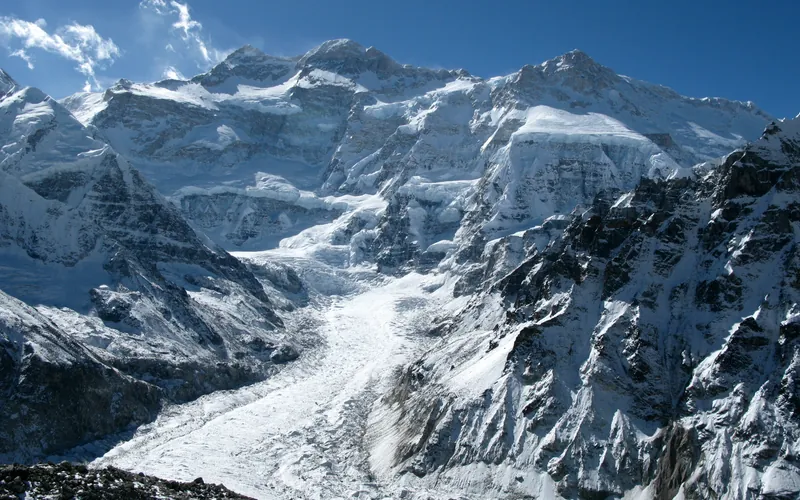


Kangchenjunga
Kangchenjunga, at 8,586 meters (28,169 ft), is the third-highest mountain on Earth, rising on the border between Nepal and Sikkim, India. Honored as sacred by locals, early ascent teams respected local beliefs by stopping short of the actual highest crest. It features immense vertical relief and notorious storm cycles.
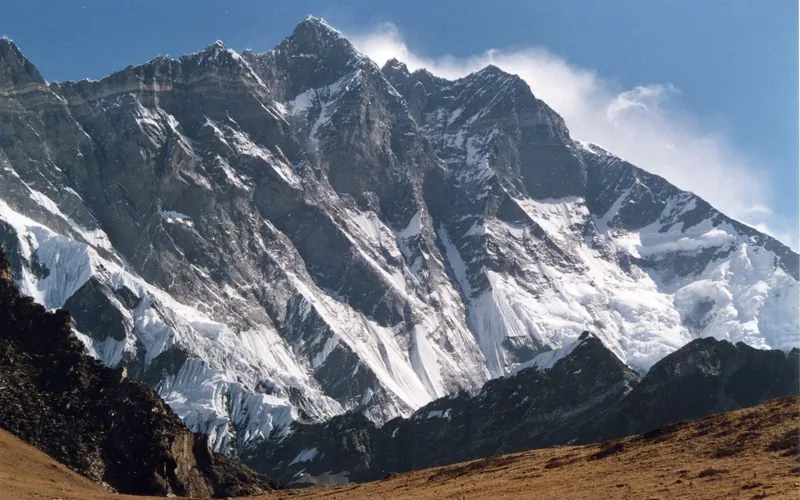

Lhotse
Lhotse, at 8,516 meters (27,940 ft), is the fourth-highest mountain on Earth, connected directly to Mount Everest via the South Col. Renowned for its sheer 3,200-meter South Face, one of the most imposing rock and ice walls in alpinism, the standard route tackles the grueling Lhotse Couloir from the Western Cwm.
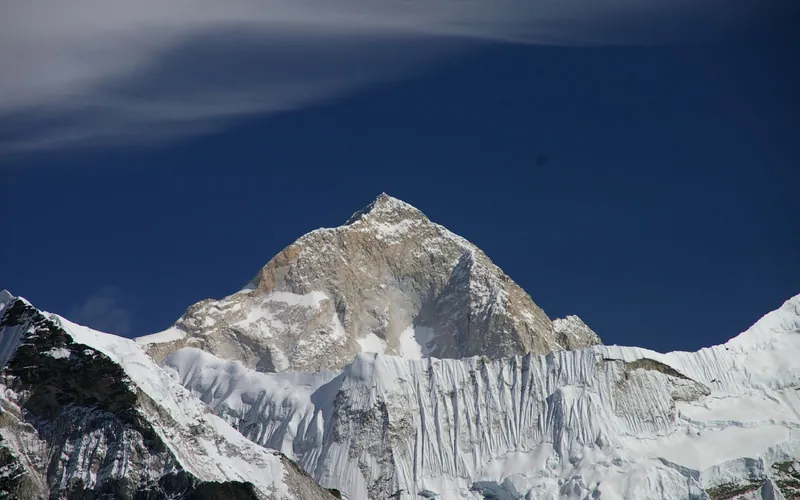
Makalu
Makalu, at 8,485 meters (27,838 ft), is the fifth-highest mountain on Earth, located 19 km southeast of Mount Everest. An isolated four-sided granite pyramid, it is known for technical knife-edge ridges, severe exposure, and punishing weather, making it one of the most challenging eight-thousanders.
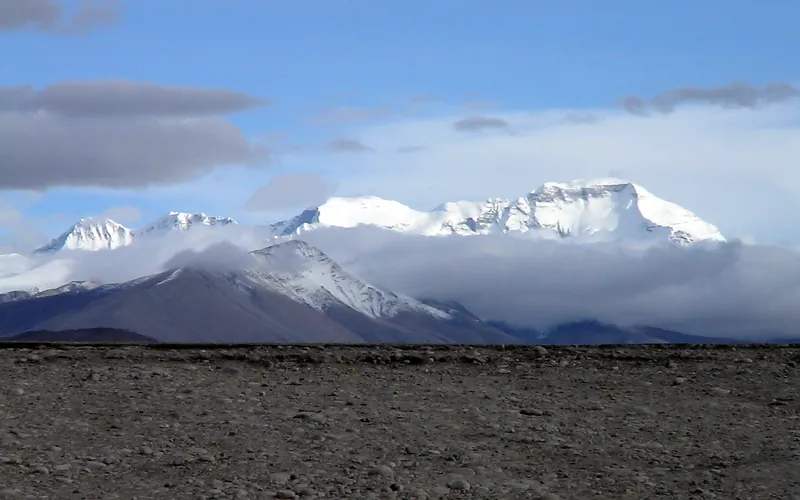
Cho Oyu
Cho Oyu, at 8,188 meters (26,864 ft), is the sixth-highest mountain in the world, situated 20 km west of Mount Everest. Meaning 'Turquoise Goddess' in Tibetan, it stands on the glaciated Nangpa La trade route between Nepal and Tibet. Its moderate northwest slopes make it the most accessible 8,000-meter peak.
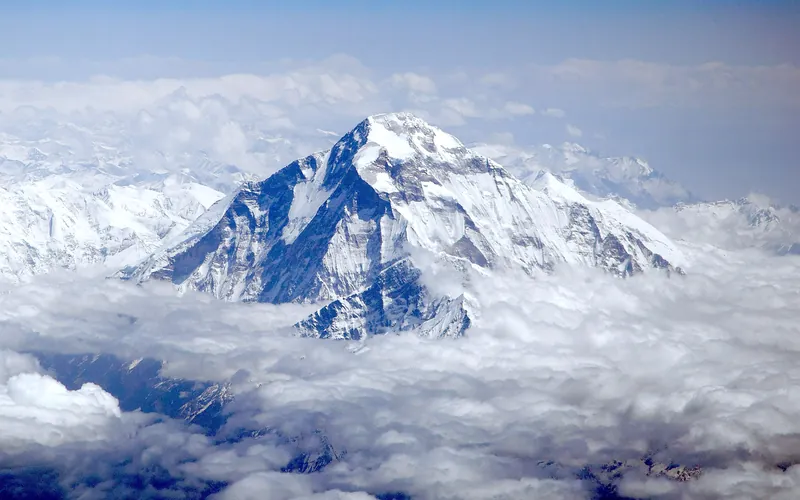
Dhaulagiri I
Dhaulagiri I, at 8,167 meters (26,795 ft), is the seventh-highest mountain on Earth and the highest peak situated entirely within Nepal. Rising steeply above the Kali Gandaki Gorge—the deepest gorge on Earth—opposite Annapurna, Dhaulagiri forms a staggering 7,000-meter vertical rise from the river valley.
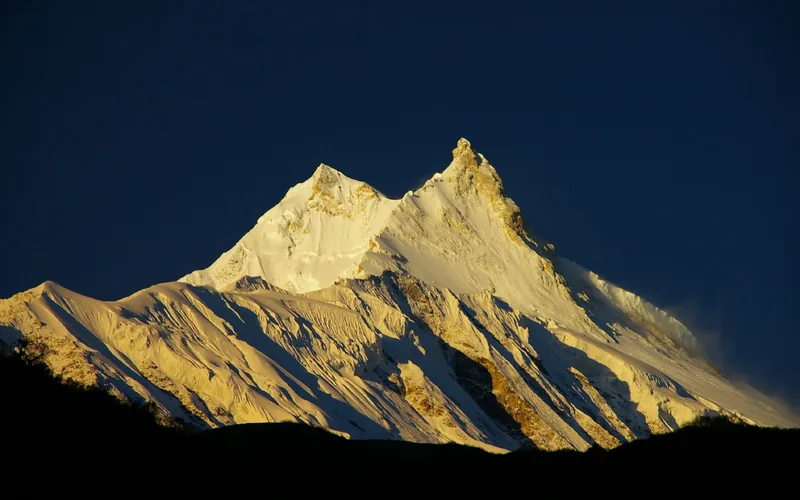
Manaslu
Manaslu, at 8,163 meters (26,781 ft), is the eighth-highest mountain in the world, situated in the Mansiri Himal of west-central Nepal. Known as the 'Mountain of the Spirit', its long ridges and valley glaciers offer dramatic topography culminating in a delicate, exposed knife-edge summit crest.
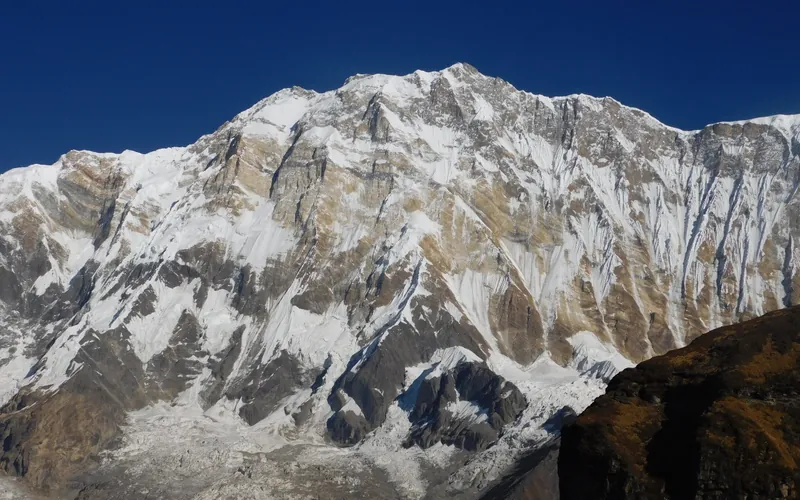
Annapurna I
Annapurna I, at 8,091 meters (26,545 ft), is the tenth-highest mountain in the world and historically the first 8,000-meter peak ever summited (June 3, 1950 by Maurice Herzog and Louis Lachenal). Rising above the Annapurna Sanctuary, its north and south walls present extreme avalanche and serac fall hazards.
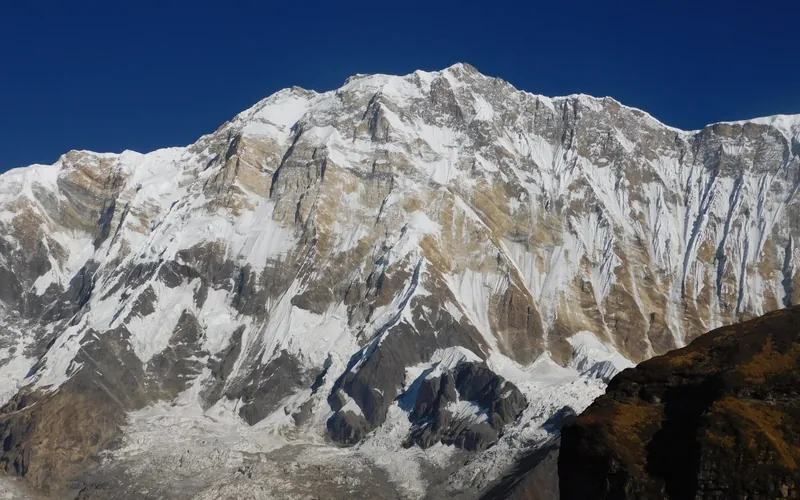
Annapurna I Middle
Annapurna I Middle rises to 8,051 meters in north-central Nepal, forming an independent 8,000-meter summit along the formidable summit crest of the Annapurna massif. Overlooking the glaciated amphitheater of the Annapurna Sanctuary to the south, the peak was first climbed on October 3, 1980, by West German mountaineers Udo Böning, Ludwig Greissl, and Heinz Szepanski. The ascent required traversing treacherous hanging seracs on the North Face and surviving extreme winds across the 8,000-meter crest. Annapurna I Middle is celebrated for its severe objective hazards, complex crevasse fields, and panoramic views of the Kali Gandaki valley.
Annapurna I East
Annapurna I East, standing at 8,026 meters in the Annapurna Himal, anchors the eastern flank of the main Annapurna crest high above the Annapurna Sanctuary. The peak achieved historic immortality on April 29, 1974, when pioneering Spanish alpinists Josep Manuel Anglada, Jordi Pons, and Emili Civis completed the maiden ascent during an audacious expedition from Catalonia. Approaching via Glacier Dome and traversing several kilometers of knife-edge ice arêtes above 7,500 meters, the team overcame bitter storms and high altitude without oxygen. Annapurna I East remains an elite benchmark of twentieth-century high-altitude endurance.
Associated Mountain Peaks (3)
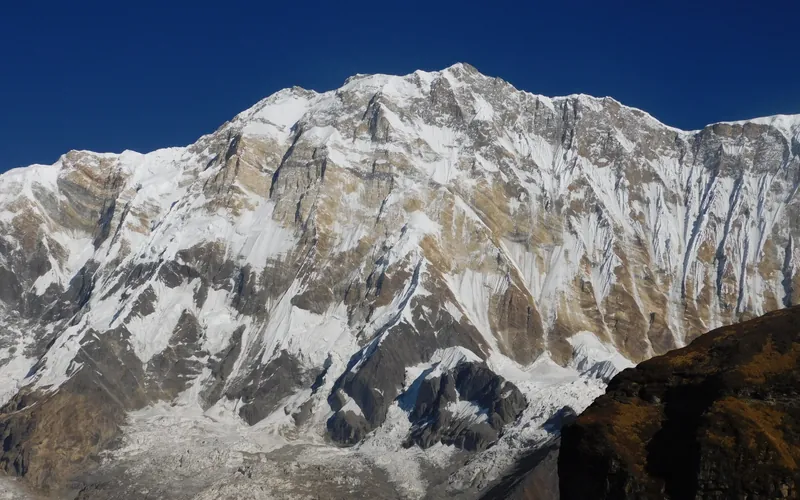
Roc Noir
Roc Noir, locally designated as Khangsar Kang, rises to 7,485 meters in the Annapurna Himal, anchoring the high northern rim of the Annapurna Sanctuary between Annapurna I and Gangapurna. Known for its dark, imposing rock cliffs contrasting with surrounding hanging glaciers, the peak was first climbed on May 10, 1969, by German mountaineers Reinhold Obster, Pit Schubert, and Karl Wenger. Approached through steep couloirs and fluted ice ridges, Roc Noir demands advanced mixed climbing skills and careful navigation across crevassed glacier terraces beneath the Annapurna crest.
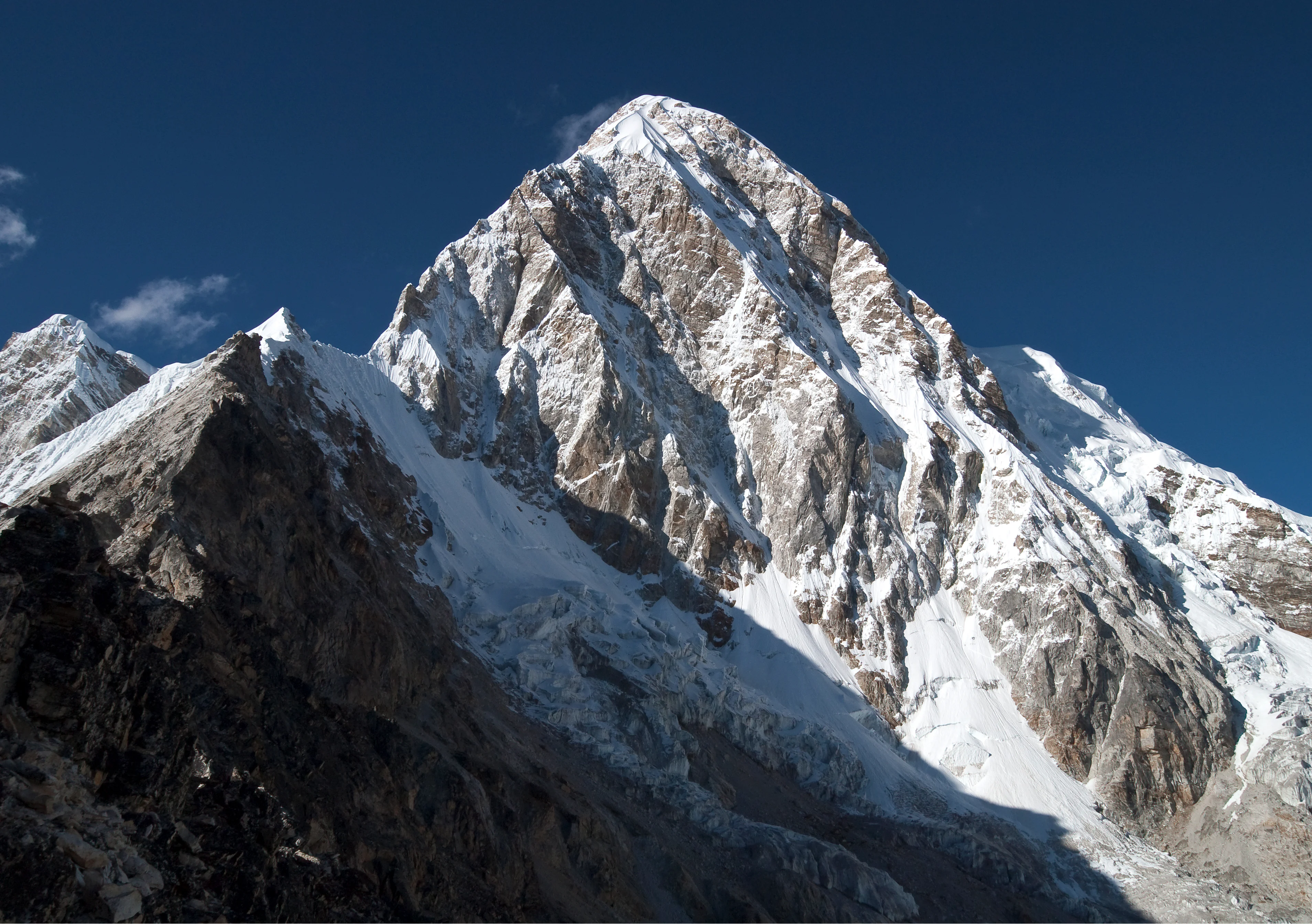
Pumori
Pumori is a majestic 7,161-meter pyramidal mountain in the Mahalangur section of the Himalayas, rising eight kilometers west of Mount Everest on the international border between Nepal and Tibet. George Mallory bestowed its name, which translates in the Sherpa language to 'Mountain Daughter' or 'Unmarried Daughter', honoring its geographic proximity to Everest. Standing directly opposite Kala Patthar and Gorak Shep, Pumori presents an iconic triangular spire of ice and granite that dominates the upper Khumbu Valley. The summit was first reached on May 17, 1962, by German alpinist Gerhard Lenser as part of a German-Swiss expedition via the Southeast Ridge.
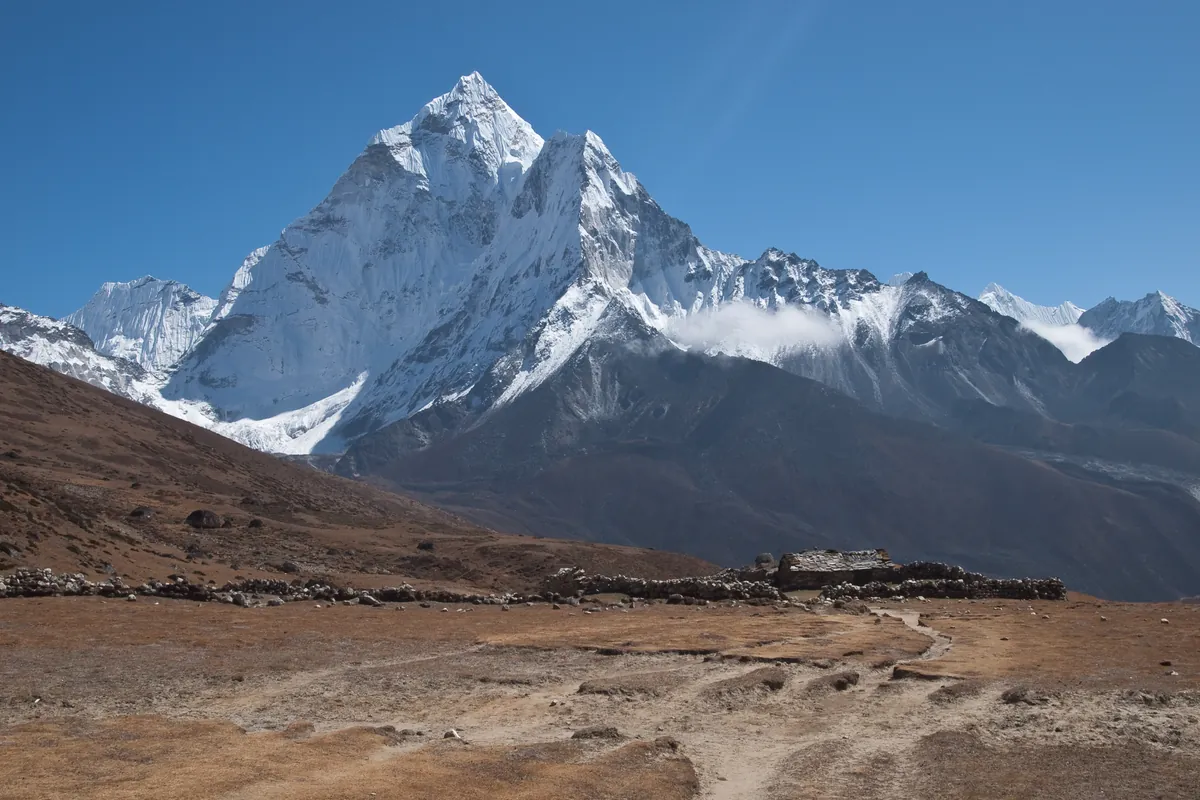
Ama Dablam
Ama Dablam is an iconic 6,812-meter (22,349 ft) mountain in the eastern Himalayan region of Nepal. Renowned worldwide for its soaring granite ridges and hanging glaciers, it is often called the Matterhorn of the Himalayas. Its name translates as 'Mother's Necklace', referring to the hanging serac resembling a traditional Sherpa pendant. Sir Edmund Hillary conceived and led the 1960–1961 Silver Hut Expedition that unlocked the mountain. On March 13, 1961, Hillary's assault team achieved the historic first ascent via the Southwest Ridge. It remains one of the most aesthetic and technically demanding alpine ascents in the world.
Geographical Footprint & Mountain Ranges (1)
Documented Expeditions (4)
1984 Guenter Sturm Manaslu Historic Expedition
In 1984, the W Germany expedition led by Guenter Sturm completed a landmark ascent of Manaslu (8163m) via the NE Face, exemplifying lightweight alpine style and tactical mastery.
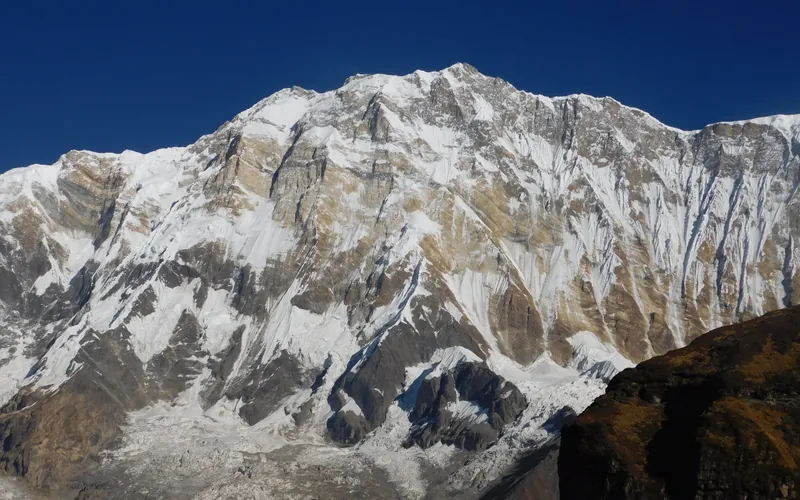
1984 Frank Tschirky Annapurna I East Historic Expedition
In 1984, the Switzerland expedition led by Frank Tschirky completed a landmark ascent of Annapurna I East (8026m) via the Glacier Dome-E Ridge up; N Face (Dutch Rib) down, exemplifying lightweight alpine style and tactical mastery.
1995 Norbert Joos Dhaulagiri I Historic Expedition
In 1995, the Switzerland expedition led by Norbert Joos forged a demanding line up Dhaulagiri I (8167m) via the NE Ridge, expanding 1990s technical alpine boundaries.
2004 Norbert Joos Lhotse Historic Expedition
In 2004, the Switzerland expedition led by Norbert Joos forged a demanding line up Lhotse (8516m) via the W Face, celebrating 2000s Piolet d'Or era technical excellence.
Documented Expedition Partners (3)
Alpinists with documented shared expedition rosters, co-ascents, or collaborative high-altitude campaigns alongside Norbert Joos.
Ang Chopal Sherpa
Ang Chopal Sherpa (born 1946) is a pioneering Nepalese climbing sirdar from the Khumbu region. In 13 expeditions in the Himalayan Database, Ang Chopal recorded 7 summits, serving as chief sirdar on historic Everest and...
Ang Pasang Sherpa
Ang Pasang Sherpa (born 1984) is a distinguished Nepalese mountaineering leader and high-altitude guide. Across 99 expeditions cataloged in the Himalayan Database, Ang Pasang reached 57 summits, including 25 climbs...
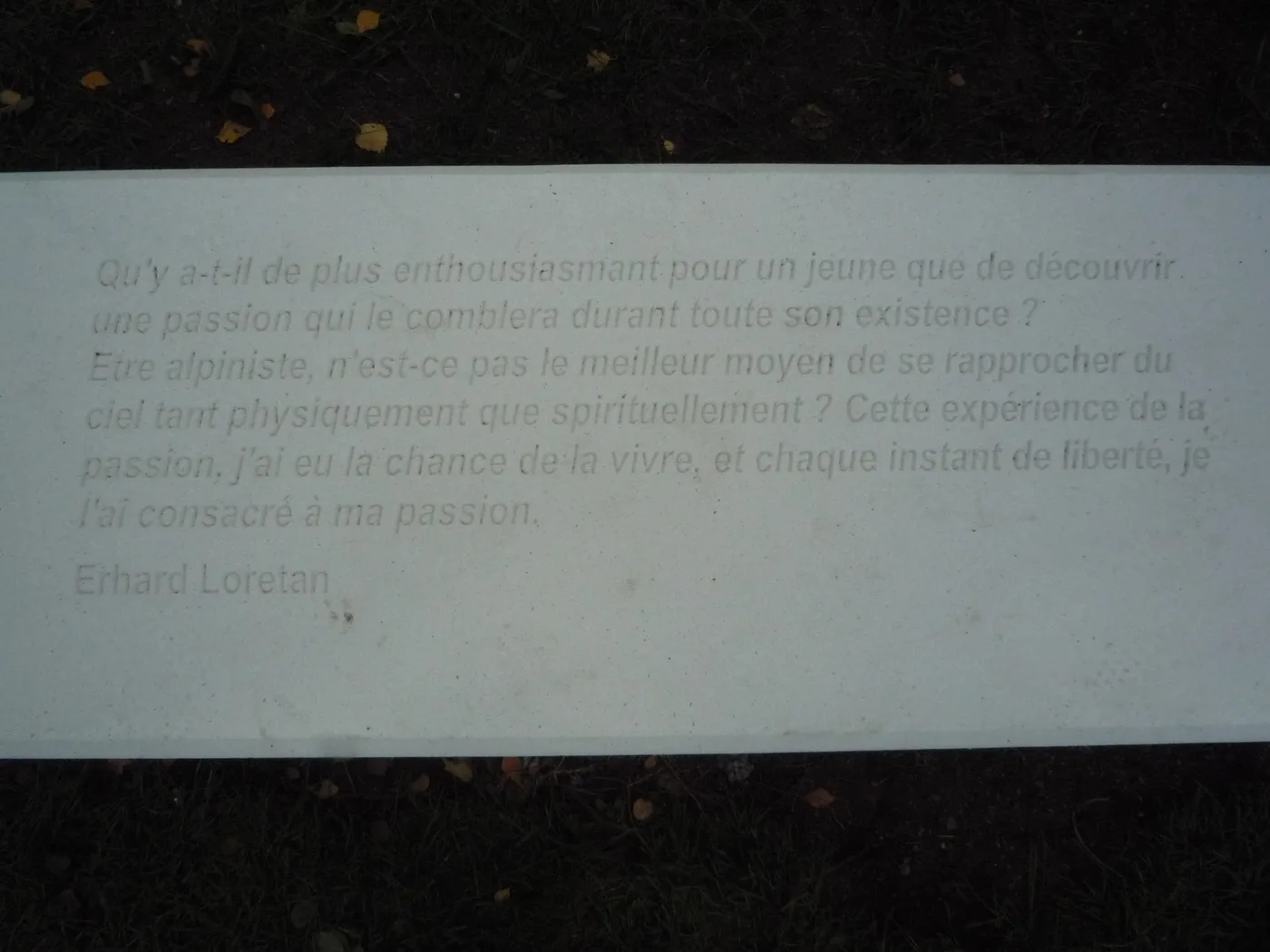
Erhard Loretan
Erhard Loretan was born on April 28, 1959, in Bulle in the Canton of Fribourg, Switzerland. Raised in the shadow of the Pre-Alps, he began climbing local limestone spires at age eleven. Endowed with exceptional lung...
Contemporary Alpinists & Regional Peers (6)
Notable climbers sharing Switzerland alpine heritage or active during contemporary climbing epochs.
Albin Schelbert
Albin Schelbert was born on July 24, 1932, in Muotathal in the Canton of Schwyz, Switzerland. Hailing from a traditional Swiss mountain family, Schelbert developed into a powerhouse rock and ice climber, earning his...
Aldo Verzaroli
Aldo Verzaroli is an accomplished Swiss high-altitude mountaineer. Across 10 expeditions in the Himalayan Database, Verzaroli achieved 4 summits strictly without supplemental oxygen, including Cho Oyu, Pumori, and Ama...
Alfred Sutter
Alfred Sutter is an accomplished Swiss exploratory climber. Across 7 campaigns in the Himalayan Database, Sutter achieved 3 summits strictly without supplemental oxygen, making technical first ascents on Dzanye, Sphinx,...
André Roch
André Roch was an engineer and world-renowned avalanche researcher with the Swiss Federal Institute for Snow and Avalanche Research (SLF) in Davos. A visionary high-altitude climber, Roch led groundbreaking pre-war and...
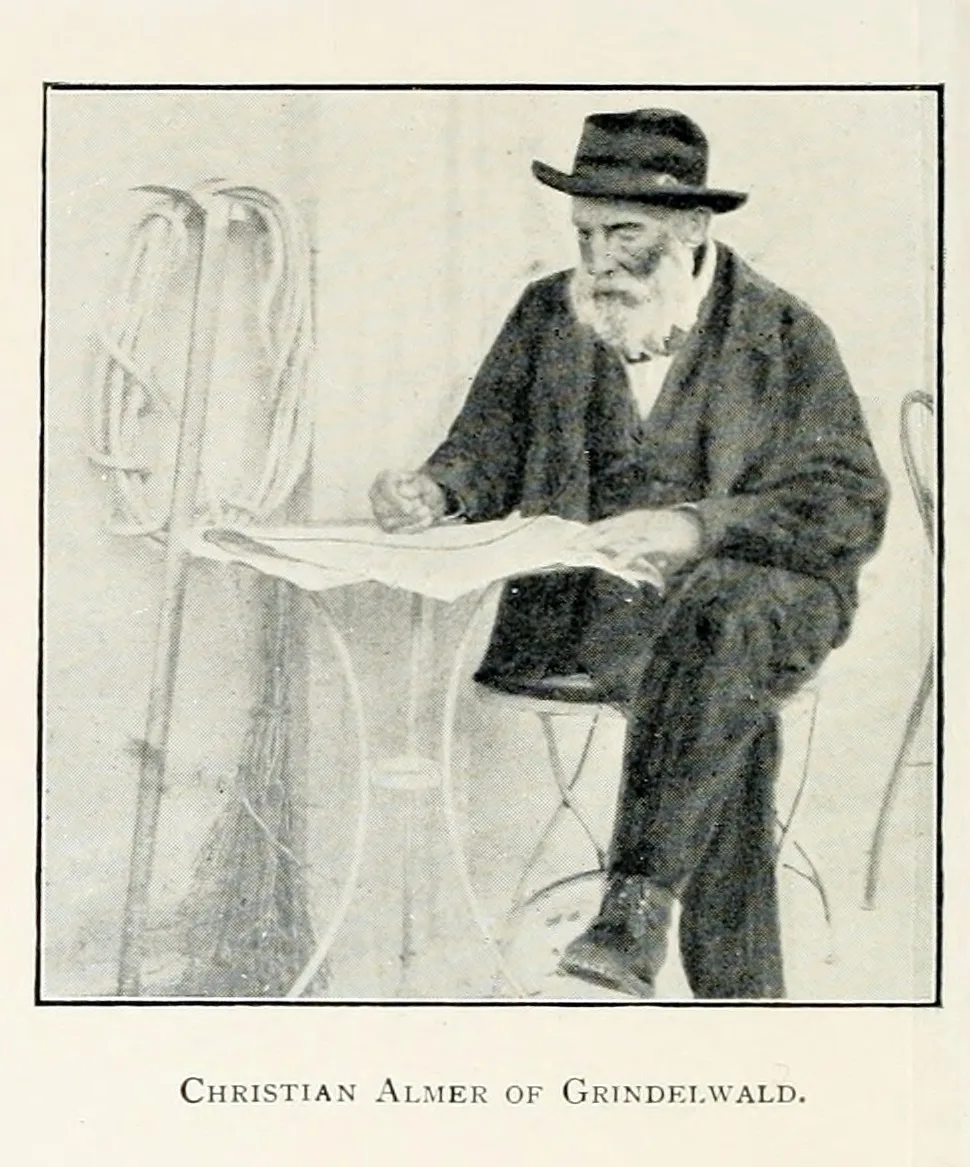
Christian Almer
Born on February 15, 1826, in Grindelwald at the foot of the Bernese Oberland's greatest limestone walls, Christian Almer grew up in a farming family whose sons had guided hunters and chamois stalkers across the high...
Diego Wellig
Diego Wellig (born 1961) is a celebrated Swiss mountain guide from Zermatt and former president of the Zermatt Mountain Guides Association. Across 13 expeditions in the Himalayan Database, Wellig logged 6 summits...
Documented Sources & Archival Citations
- Archival DatabaseThe Himalayan Database — Climber Archive (Norbert Joos) ↗(Elizabeth Hawley / The Himalayan Database)
Supporting claim: Historical ascent records, summit chronology, and expedition participation across 33 high-altitude campaigns
- Archival DatabaseHimalayan Mountaineering Expedition Archive(Nepal Mountaineering Association & Himalayan Database)
Supporting claim: Certified career summit total (12 summits) and high-altitude sirdar credentials
Share Exploration
Global Mountain Intelligence
✓ Link copied to clipboard!