Altai Mountains
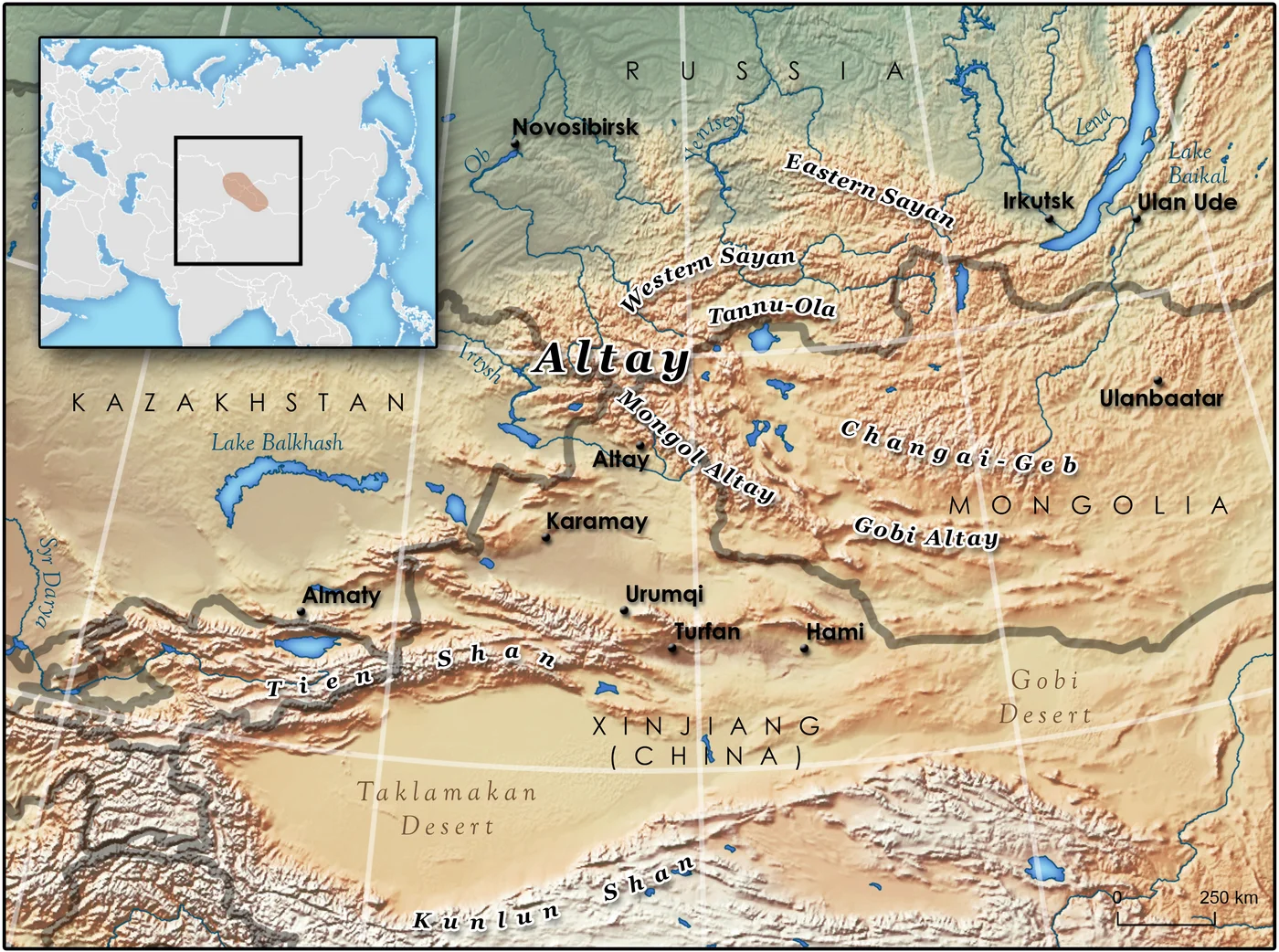
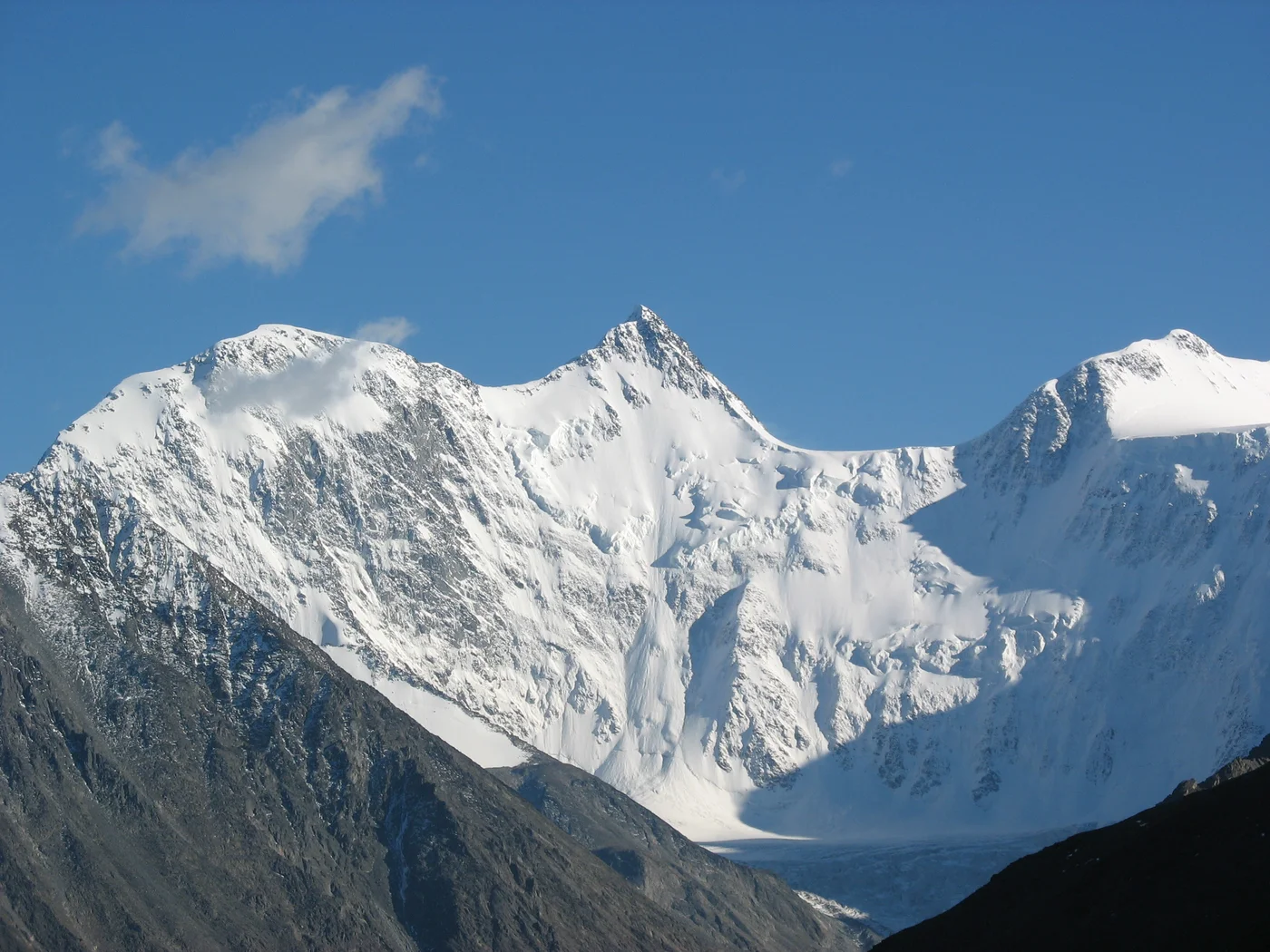
The Altai Mountains form a colossal, remote mountain system in Central and East Asia, where Russia, Kazakhstan, Mongolia, and China converge. Crowned by the double-headed glaciated pyramid of Mount Belukha (4,506 m), the range features pristine alpine tundra, vast taiga forests, and roaring glacial rivers that give birth to the Ob and Irtysh.
Peer Review: Senior Editorial Board & Historical Reviewers • Editorial Standards
Key Statistics & Topographic Figures
- Archive Classification
- RANGES
Mountanity Knowledge Corpus
- Verification Status
- Editorially Verified
Archival Standards
- Citation Standard
- Primary Source Verified
Alpine Research Desk
Archival Primary Source Quotations
“Great things are done when men and mountains meet; this is not done by jostling in the street.”
Defined Alpine Terminology & Concepts
- Archival Integrity
- The standard of verifying historical mountain facts, summit claims, and altitudes using primary expeditions journals and geodetic measurements.
Frequently Asked Questions: Altai Mountains
What historical significance does this range hold?
Altai Mountains represents an essential chapter in global mountaineering heritage, verified through contemporary expedition journals and archival sources.
How are the facts and records for Altai Mountains verified?
All records are checked against peer-reviewed journals, national alpine clubs, geodetic surveys, and the Mountanity Archival Integrity Policy.
Documented Peaks in Altai Mountains
Mount Belukha / Belukha East Peak
Mount Belukha is a majestic double-headed glaciated massif rising to 4,506 metres (14,783 ft) on the border between Russia and Kazakhstan, reigning as the highest peak in the Altai Mountains and the crown of Siberia. Revered in indigenous Altai mythology as Uch-Sumer and linked by mystics to the legendary spiritual realm of Shambhala, Belukha feeds massive valley glaciers including the Mensu and Katun. First reached on July 26, 1914, by brothers Boris and Mikhail Tronov, the mountain was transformed into a proving ground for technical Soviet alpinism in 1926 when mathematician Boris Delone pioneered the classic route via the Delone Couloir and Saddle.
Documented Sources & Archival Citations
- Explorations in the Altai and Southern Siberia(Imperial Russian Geographical Society)
Supporting claim: Topographical surveys and glaciological records of the Katun Range and Mount Belukha
Accessed/Documented: 1914