Russia
Encompassing the northern crest of the Greater Caucasus range, Russia contains Mount Elbrus (5,642 m), the highest peak in Europe and one of the Seven Summits. Its vast glaciated valleys, including the Baksan and Chegem gorges, have served as the training ground and epicenter of classic Soviet and modern alpinism.
Peer Review: Senior Editorial Board & Historical Reviewers • Editorial Standards
Key Statistics & Topographic Figures
- Archive Classification
- COUNTRIES
Mountanity Knowledge Corpus
- Verification Status
- Editorially Verified
Archival Standards
- Citation Standard
- Primary Source Verified
Alpine Research Desk
Mountain Peaks in Russia
Technical profiles, elevations, and ascent histories for summits located in or spanning Russia.
Mount Elbrus
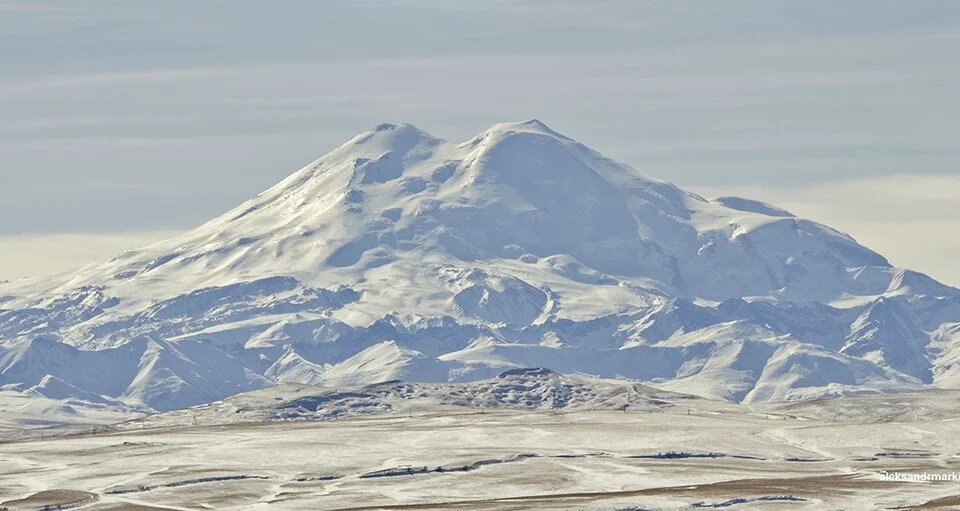
Mount Elbrus is the highest mountain in Russia and Europe, soaring to 5,642 metres as the tenth-most topographically prominent peak on Earth and one of the Seven Summits. Situated in the Russian Caucasus near the Georgian border, this colossal dormant stratovolcano features two ice-capped volcanic domes separated by a high saddle at 5,416 metres. The eastern summit (5,621 m) was first climbed in 1829 by Circassian scout Killar Khashirov, while the true continental high point on the western summit (5,642 m) was conquered in 1874 by Florence Craufurd Grove, Frederick Gardiner, Horace Walker, Peter Knubel, and Balkar guide Ahiya Sottaev.
Mount Belukha / Belukha East Peak
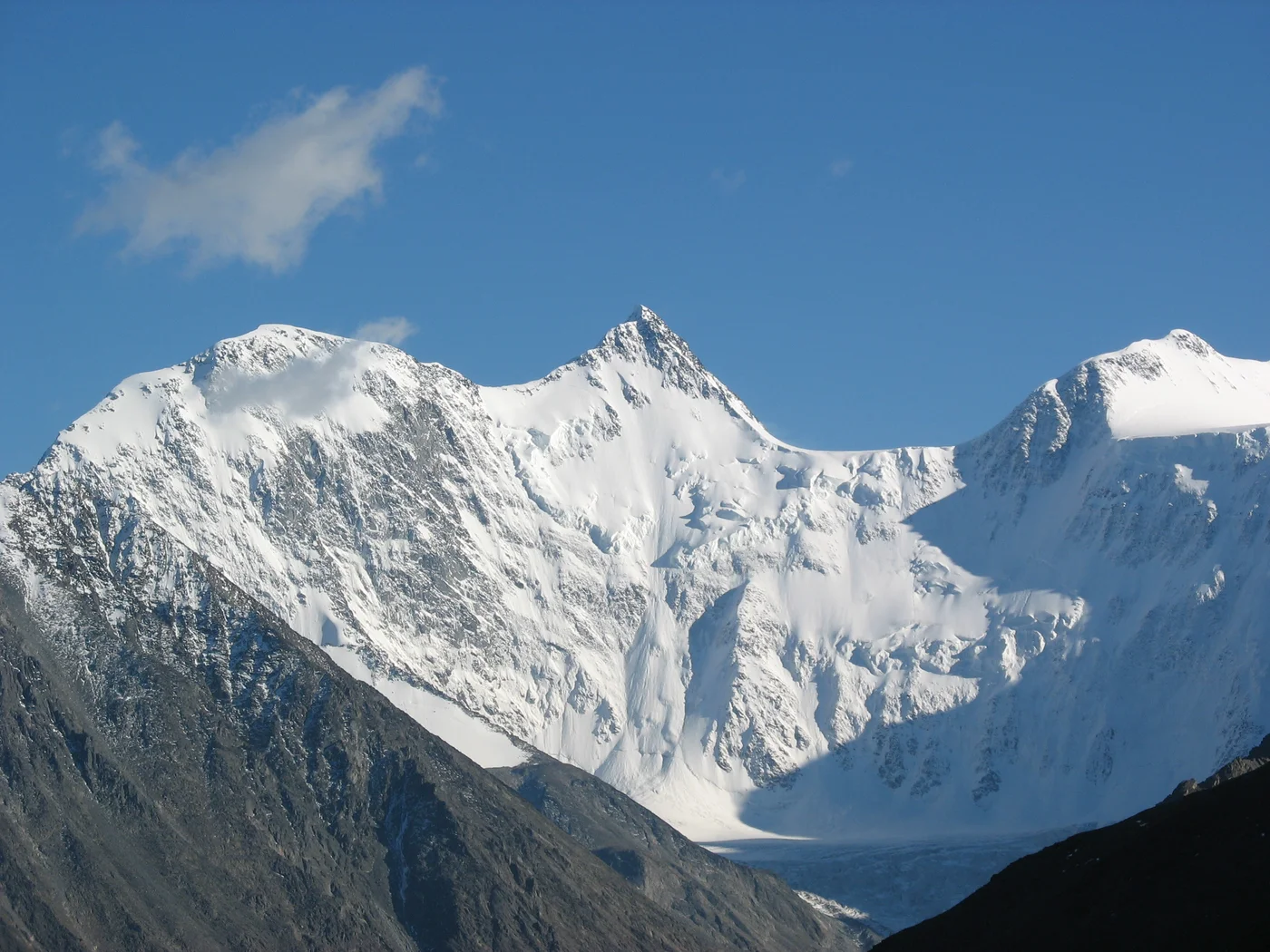
Mount Belukha is a majestic double-headed glaciated massif rising to 4,506 metres (14,783 ft) on the border between Russia and Kazakhstan, reigning as the highest peak in the Altai Mountains and the crown of Siberia. Revered in indigenous Altai mythology as Uch-Sumer and linked by mystics to the legendary spiritual realm of Shambhala, Belukha feeds massive valley glaciers including the Mensu and Katun. First reached on July 26, 1914, by brothers Boris and Mikhail Tronov, the mountain was transformed into a proving ground for technical Soviet alpinism in 1926 when mathematician Boris Delone pioneered the classic route via the Delone Couloir and Saddle.
Mountain Ranges Spanning Russia
Geographic mountain massifs, regional topography, and glaciated chains within Russia.
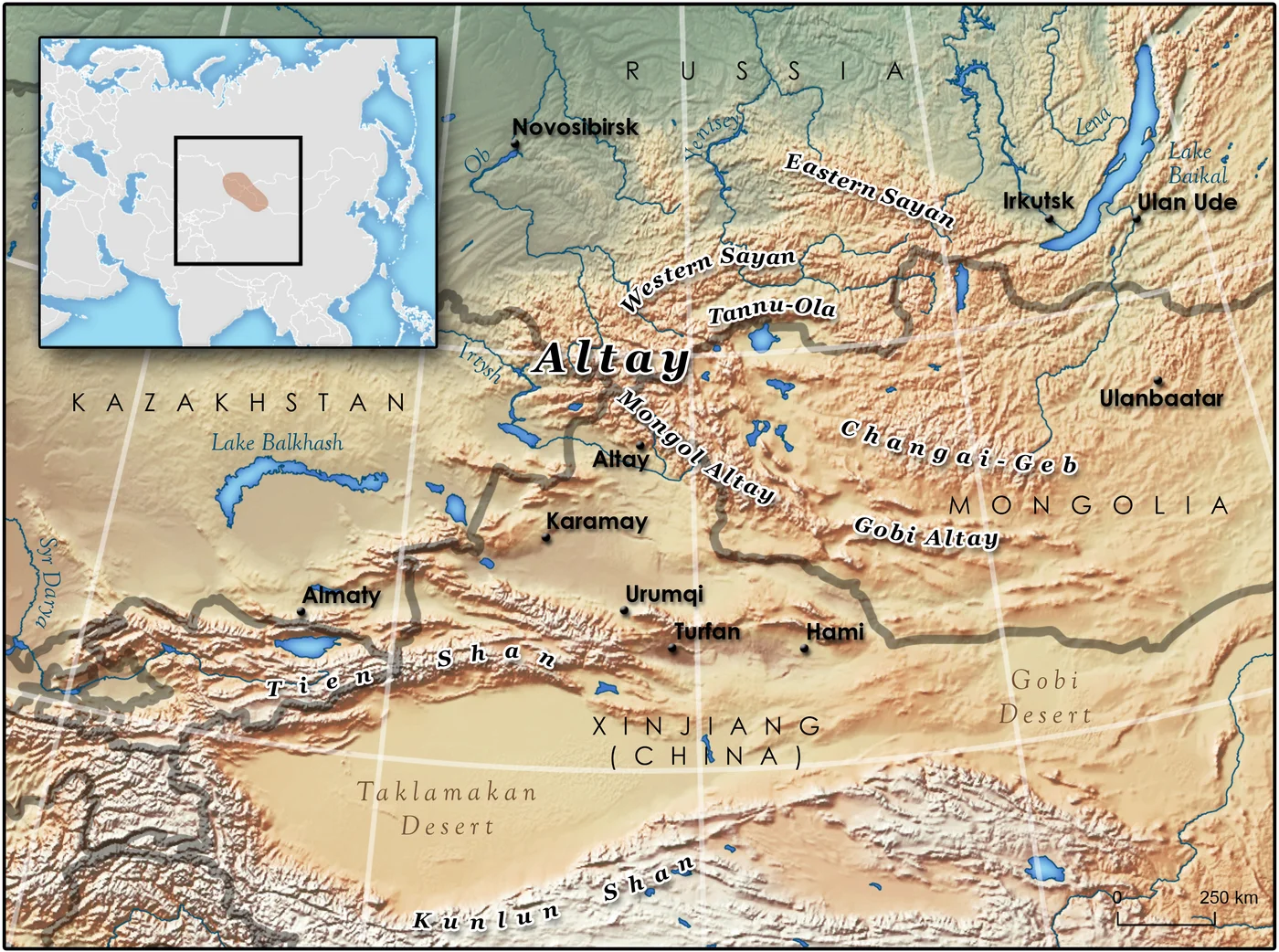
Altai Mountains
The Altai Mountains form a colossal, remote mountain system in Central and East Asia, where Russia, Kazakhstan, Mongolia, and China converge. Crowned by the double-headed glaciated pyramid of Mount Belukha (4,506 m), the range features pristine alpine tundra, vast taiga forests, and roaring glacial rivers that give birth to the Ob and Irtysh.
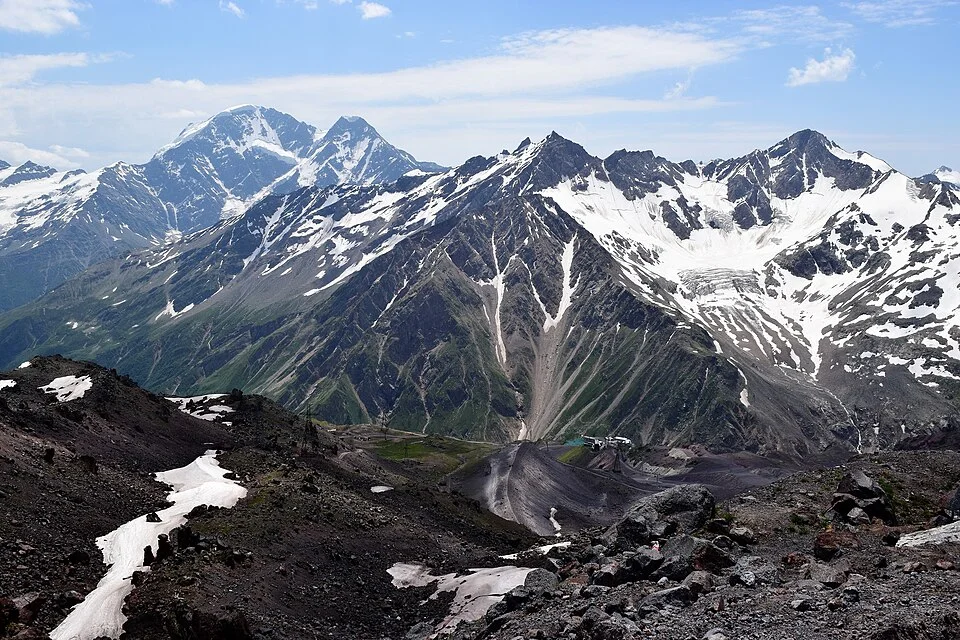
Caucasus Mountains
The formidable 1,200-kilometer mountain system bridging Europe and Asia between the Black Sea and the Caspian Sea. Home to Mount Elbrus (5,642 m), the continental high point of Europe, the terrifying twin granite spires of Ushba in Svaneti, and the ancient glaciated stratovolcano of Mount Kazbek.
Documented Climbing Routes
Classic lines of ascent, technical difficulties, and objective hazards across Russia's summits.
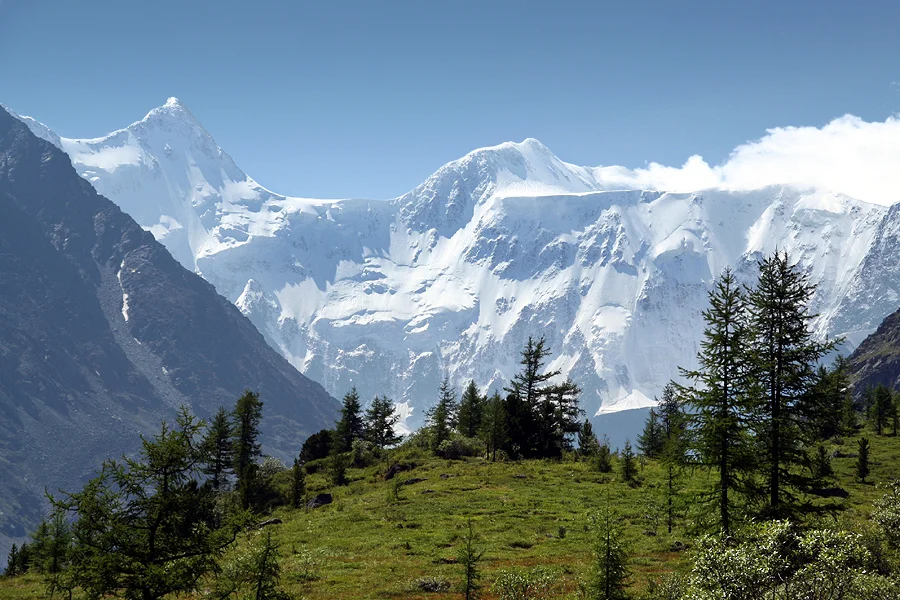
Mount Belukha Delone Couloir & Saddle Route
The Delone Couloir and Saddle Route is the classic technical line ascending Mount Belukha East Peak (4,506 m) from the Mensu Glacier basin. Pioneered in 1926 by eminent mathematician and alpinist Boris Delone, the route ascends a narrow, 300-metre ice chute angled at 40 to 45 degrees to gain the elevated Delone Pass at 3,400 metres. From the pass, climbers traverse the glaciated Berelskoye névé and negotiate heavily crevassed icefalls before ascending the steep summit snow plateau and the knife-edge crest to the highest point in Siberia.
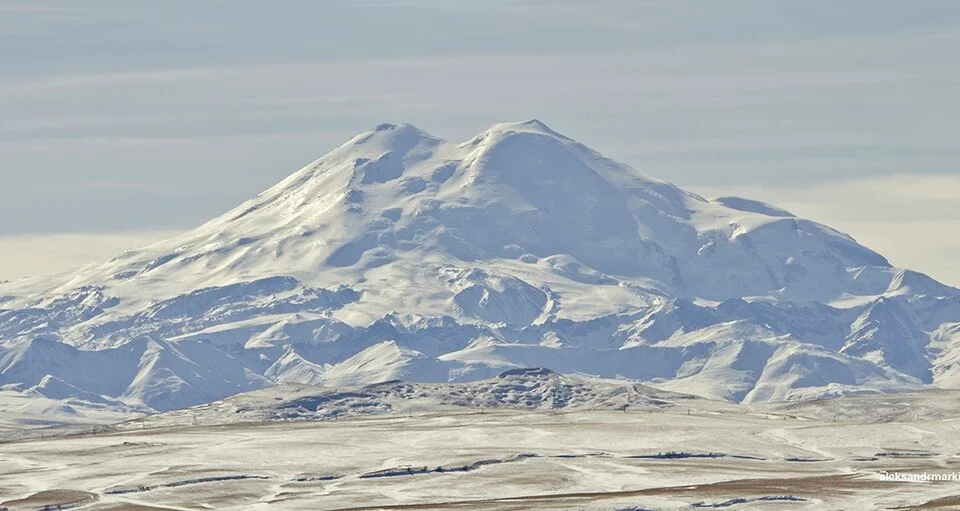
Elbrus South Normal Route via Garabashi & Pastukhov Rocks
The classic and most popular climbing route up Mount Elbrus, ascending the southern glaciated volcano flank from the Garabashi huts past Priyut 11 and the historic Pastukhov Rocks (4,700 m). Climbers ascend broad firn fields to the Col at 5,416 metres before climbing the final snow ramp to the 5,642-metre Western Summit.
Historic Expeditions & First Ascents
Epoch-making sieges and triumphant summits recorded within Russia's alpine history.
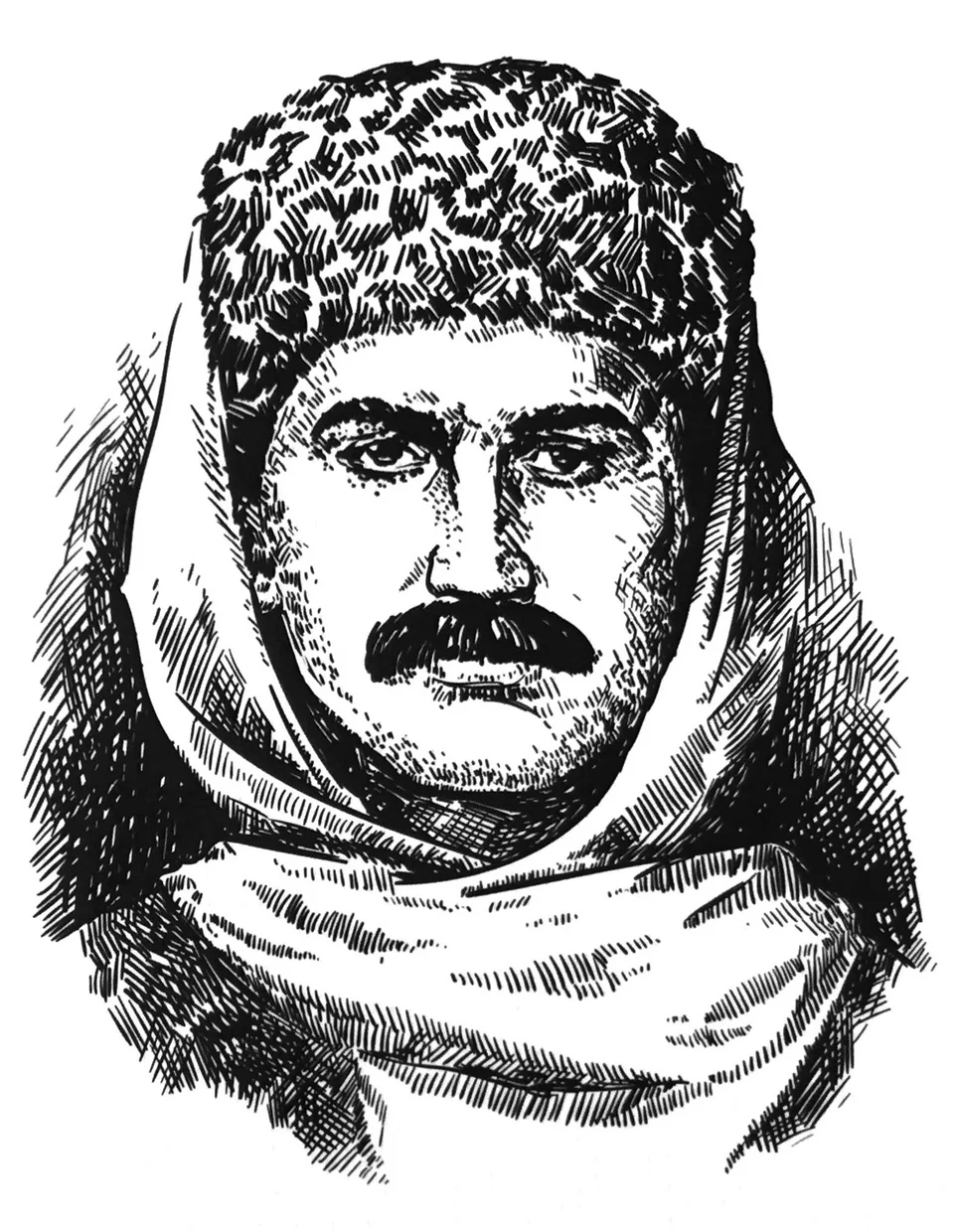
1829 General Georgi Emmanuel and Killar Khashirov Mount Elbrus Imperial Russian Scientific Expedition
On July 22, 1829, Circassian mountain scout Killar Khashirov achieved the historic maiden first ascent of Mount Elbrus East Peak (5,621 m). Leading the landmark scientific expedition organized by General Georgi Emmanuel for the Russian Imperial Academy of Sciences, Khashirov pressed solo through freezing blizzard winds to become the first human being to stand atop Europe's highest volcanic massif.
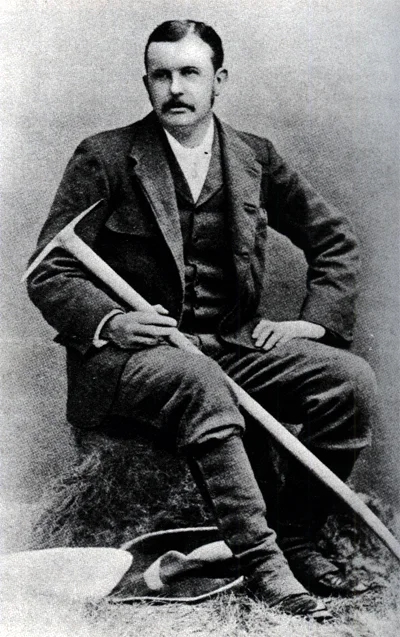
1874 Florence Craufurd Grove and Frederick Gardiner Mount Elbrus West Peak Historic First Ascent Expedition
On July 28, 1874, an elite British expedition led by Florence Craufurd Grove alongside Frederick Gardiner, Horace Walker, Swiss guide Peter Knubel, and Balkar guide Ahiya Sottaev completed the first ascent of Mount Elbrus West Peak (5,642 m), officially conquering the supreme continental high point of Europe.
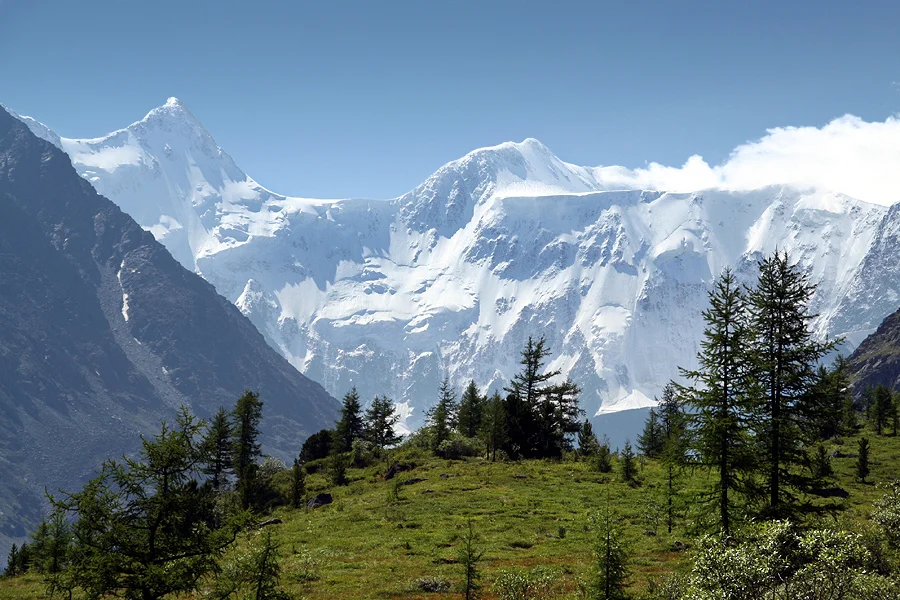
1926 Boris Delone Historic First Ascent of Belukha via Delone Couloir
In August 1926, eminent Soviet mathematician and alpinist Boris Delone pioneered the historic technical route up Mount Belukha East Peak (4,506 m) in the Altai Mountains, scaling the steep 300-metre ice couloir to Delone Pass and proving that modern alpine techniques could conquer Siberian peaks.
Pioneer Mountaineers of Russia
Biographical chronicles of legendary high-altitude alpinists hailing from Russia.
Boris Delone
Boris Nikolayevich Delone (Delaunay) was born on March 15, 1890, in Saint Petersburg, Russia. A brilliant scholar of algebra, geometry, and number theory—most famous in mathematics and computational geometry for inventing Delaunay triangulation—Delone was equally devoted to the mountains. Introduced to climbing in the Swiss Alps and the Western Caucasus, Delone became one of the foundational figures of early Soviet mountaineering in the 1920s. In the summer of 1926, Delone organized a pioneering expedition to the Katun Range in the remote Altai Mountains. Mount Belukha (4,506 m)—the highest mountain in Siberia—had been summited only once before in 1914 via an arduous snow route. Delone sought to demonstrate that technical alpine climbing was possible on Siberian peaks. Reconnoitering from the Mensu Glacier, Delone identified a direct line up a steep, 300-metre snow and ice gully leading to the high col between Belukha and Peak Delone. In August 1926, cutting ice steps and driving steel pitons, Delone and his team climbed the sheer couloir to gain the 3,400-metre pass (now officially named Delone Pass / Pereval Delone) and traversed the glaciated plateau to summit Mount Belukha East Peak. In 1930, Delone wrote The Peaks of the Western Caucasus, one of the earliest Soviet mountaineering guides, and was awarded the title of Master of Mountaineering in 1934. He remained active in mathematics and mountain leadership until his death on July 17, 1980, honored in both science and mountaineering.
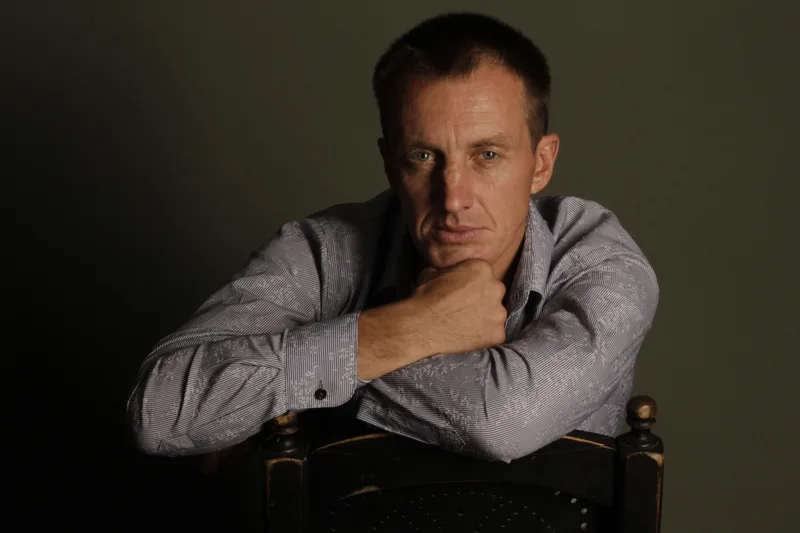
Denis Urubko
Born on July 29, 1973, in Nevinnomyssk, Soviet Union, Denis Urubko relocated to Almaty, Kazakhstan, where he joined the Central Sports Club of the Kazakh Army under legendary coach Ervand Ilyinsky. Urubko rapidly established himself as an elite high-altitude powerhouse, completing the Snow Leopard award by scaling all five 7,000-metre peaks of the former Soviet Union in an astonishing 42 days during the summer of 1999. In May 2009, he became the fifteenth person in history, and the eighth without supplemental oxygen, to summit all fourteen 8,000-metre peaks. Urubko is revered worldwide for his commitment to alpine style and new routes. In 2005, he established a new route on the Southwest Face of Broad Peak with Serguey Samoilov, followed by a new direct route on the Southeast Face of Cho Oyu in 2009, earning two Piolets d'Or. His partnership with Simone Moro yielded the historic first winter ascents of Makalu (2009) and Gasherbrum II (2011). In January 2018, while participating in the Polish winter K2 expedition, Urubko volunteered alongside Adam Bielecki to execute a desperate night rescue on Nanga Parbat, sprinting 1,200 vertical metres up the Kinshofer Route in pitch darkness to save French climber Élisabeth Revol.
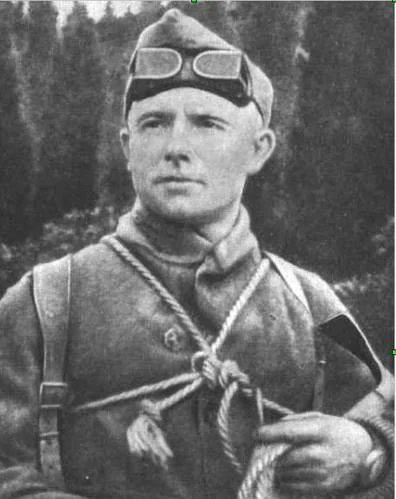
Evgeny Abalakov
Evgeny Mikhaylovich Abalakov was born on February 17, 1907, in Krasnoyarsk, Siberia. Like his elder brother Vitaly, Evgeny began climbing on the volcanic cliffs of the Krasnoyarsk Stolby. Possessing extraordinary physical stamina, grace, and an artistic soul, Evgeny graduated from the prestigious Surikov Moscow State Art Institute as a master sculptor, creating monuments that celebrated the heroic human spirit. In 1933, as a key member of the Soviet-German Pamir Expedition, 26-year-old Evgeny accomplished one of the greatest feats in twentieth-century mountaineering. While teammates collapsed from severe altitude sickness and exhaustion on the unmapped slopes of Peak Communism (7,495 m, now Peak Ismail Somoni in Tajikistan), Evgeny pressed on alone into freezing gales. On September 3, 1933, he summited the peak solo, fixing a meteorological radio station on the roof of the Soviet Union. In 1936, Evgeny joined Vitaly on the second ascent of Khan Tengri (7,010 m). When severe frostbite crippled his teammates on the descent, Evgeny shouldered superhuman burdens, breaking trail and carrying injured companions through blizzards down the Inylchek Glacier to safety. During World War II, Evgeny trained Soviet mountain warfare troops in the Caucasus. He tragically passed away in Moscow on March 24, 1948, honored as one of the bravest mountaineers in Soviet history.
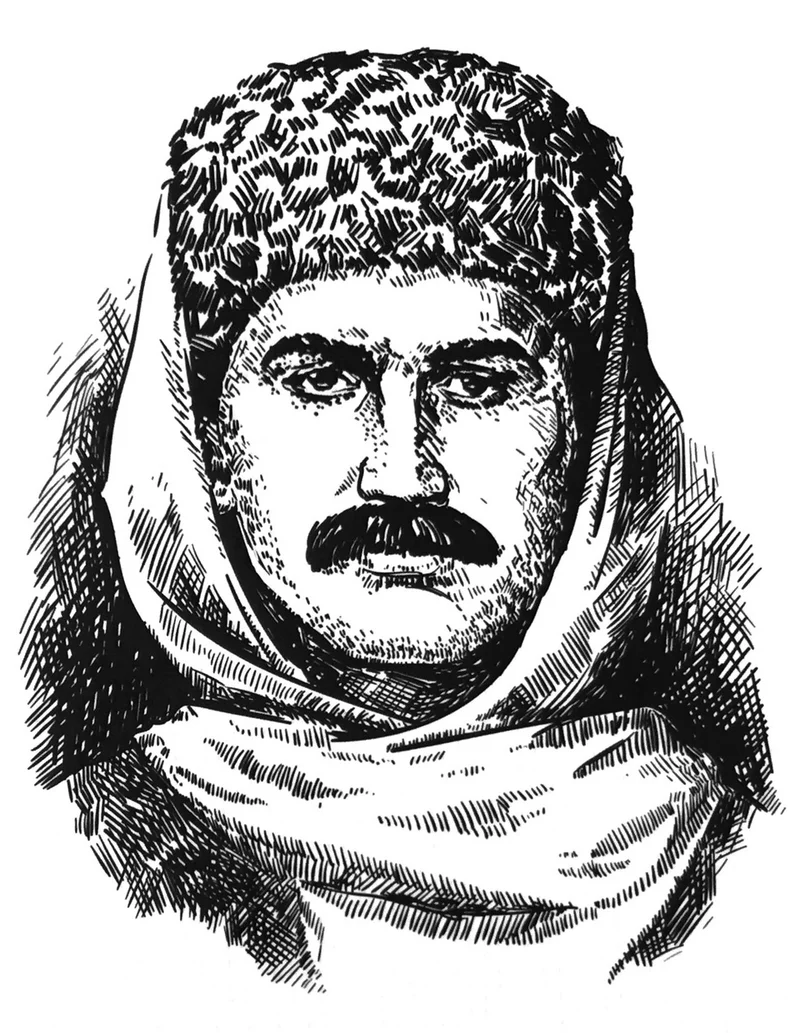
Killar Khashirov
Killar Khashirov was born in the late 18th century in the northern foothills of the Caucasus in Kabardia (modern-day Kabardino-Balkaria, Russia). Renowned throughout the Baksan and Malka river valleys as an intrepid hunter, horseman, and mountain scout intimately familiar with high alpine terrain, Khashirov possessed exceptional physiological resilience and natural route-finding instinct. In the summer of 1829, General Georgi Emmanuel, commander of the Russian Caucasus Line, organized an ambitious scientific expedition sponsored by the Russian Imperial Academy of Sciences to ascend Mount Elbrus. The expedition included distinguished European scientists: physicist Heinrich Lenz, astronomer Adolph Theodor Kupffer, botanist Carl Anton von Meyer, and zoologist Édouard Ménétries. General Emmanuel recruited local Circassian and Balkar mountain hunters to guide the caravan through treacherous glacial moraines. On July 22 (July 10 Old Style), 1829, a summit assault team set out from a high camp at 3,800 metres. As the thin air, biting cold, and steep volcanic ice exhausted the European scientists and Russian soldiers, one by one they turned back. Only Killar Khashirov pressed upward alone through the blinding glacial glare. In the afternoon, while the expedition watched through telescopes from base camp, Khashirov reached the summit of Elbrus East Peak at 5,621 metres. He placed a stone on the summit crater rim and brought back a specimen of volcanic rock to General Emmanuel. For this extraordinary pioneer feat, Khashirov was awarded a reward of 400 silver rubles and immortalized as the very first conqueror of Europe's highest mountain.
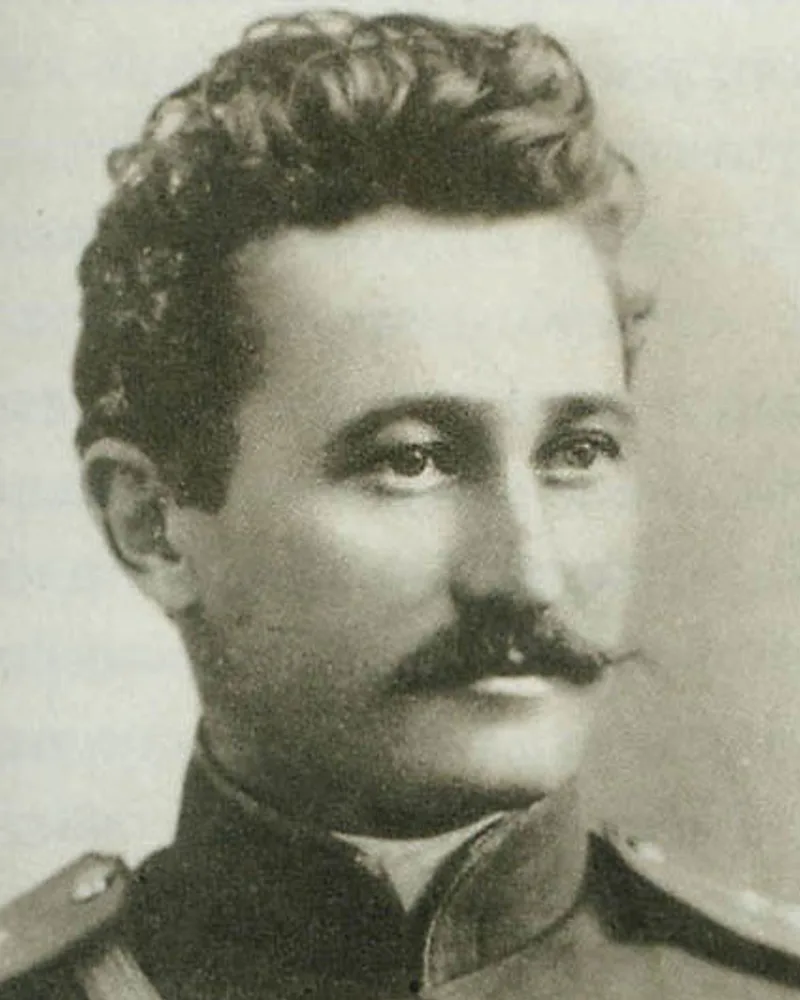
Nikolai Korzhenevsky
Nikolai Leopoldovich Korzhenevsky was born on February 18, 1879, in Vitebsk Governorate and dedicated his entire adult life to the geographical and glaciological exploration of Central Asia. Between 1903 and 1928, Korzhenevsky led eleven arduous scientific expeditions into the uncharted ranges of the Pamirs, mapping more than seventy glaciers, discovering the Trans-Alay crests, and assembling the first comprehensive Catalogue of Glaciers of Central Asia. His most celebrated discovery occurred during his 1910 expedition along the Muksu River valley and Fortambek Glacier, where he sighted a massive, snow-covered pyramid towering above the surrounding ridges. Korzhenevsky measured its elevation at over seven thousand metres and named it Peak Korzhenevskaya after his wife, companion, and expedition photographer Evgenia Korzhenevskaya. His meticulous cartography and photographic documentation laid the scientific foundation for all subsequent Soviet Pamir mountaineering.
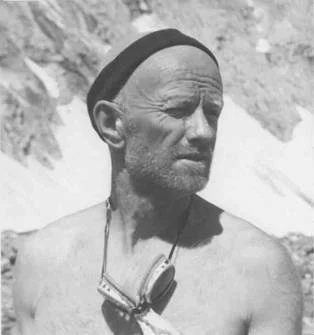
Vitaly Abalakov
Vitaly Mikhaylovich Abalakov was born on January 13, 1906, in Krasnoyarsk, Siberia, Russian Empire. Raised near the towering granite spires of the Krasnoyarsk Stolby nature reserve, Vitaly and his younger brother Evgeny developed into formidable rock climbers from boyhood. Trained as a mechanical engineer at the Moscow Mendeleev Institute, Vitaly combined relentless athletic power with an extraordinary inventive mind. In 1934, Vitaly led the first Soviet ascent of Peak Lenin (7,134 m) in the Pamirs. Two years later, in 1936, Vitaly and Evgeny conquered Khan Tengri (7,010 m). On the descent, trapped in a blizzard, the team endured horrific frostbite; Vitaly lost thirteen fingers and toes, as well as part of his foot. Defying doctors who insisted he would never climb again, Vitaly engineered custom prosthetics, orthopedic boots, and training apparatus, returning to the highest levels of Soviet mountaineering. In 1956, at age 50, Vitaly led the triumphant Spartak expedition that achieved the maiden first ascent of Peak Pobeda (7,439 m), the most lethal and northernmost 7,000-metre peak in the world. Vitaly's greatest enduring contribution to global climbing was his invention of the Abalakov Thread (V-thread)—an anchor drilled through solid ice with a tubular screw and threaded with webbing—which remains the universal standard for ice abseiling worldwide. He died on May 26, 1986, universally recognized as a titan of world alpine history.
Archival Primary Source Quotations
“Great things are done when men and mountains meet; this is not done by jostling in the street.”
Defined Alpine Terminology & Concepts
- Archival Integrity
- The standard of verifying historical mountain facts, summit claims, and altitudes using primary expeditions journals and geodetic measurements.
Frequently Asked Questions: Russia Mountaineering
What historical significance does this countrie hold?
Russia represents an essential chapter in global mountaineering heritage, verified through contemporary expedition journals and archival sources.
How are the facts and records for Russia verified?
All records are checked against peer-reviewed journals, national alpine clubs, geodetic surveys, and the Mountanity Archival Integrity Policy.