Mount Elbrus
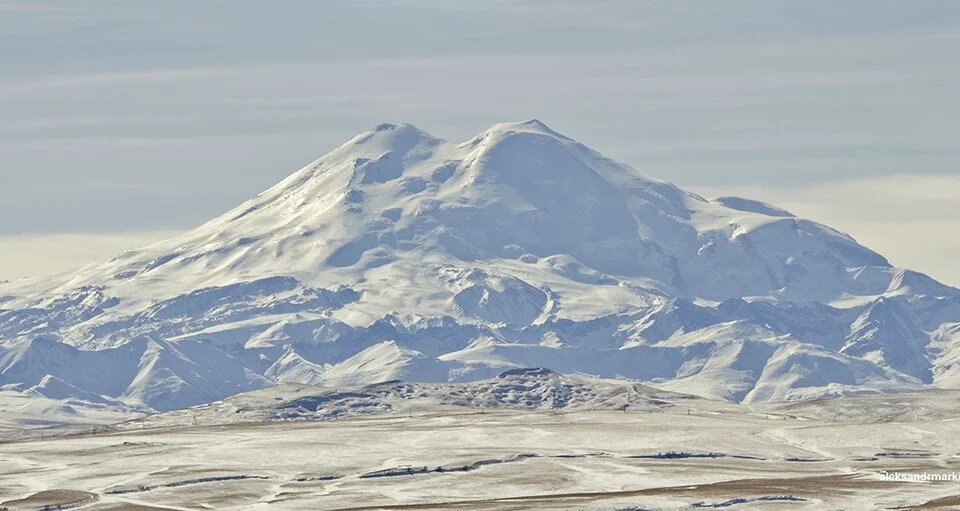
Mount Elbrus is the highest mountain in Russia and Europe, soaring to 5,642 metres as the tenth-most topographically prominent peak on Earth and one of the Seven Summits. Situated in the Russian Caucasus near the Georgian border, this colossal dormant stratovolcano features two ice-capped volcanic domes separated by a high saddle at 5,416 metres.
 Russia
Mountain Safety & Conditions Disclaimer: High-altitude climbing, glacial travel, and technical ascents entail severe objective risks including avalanches, serac collapses, rapid weather collapse, and altitude illness. Historical route descriptions and summit claims on Mountanity reflect documented archival sources and must not be used as live operational safety assessments. Local regulations, permits, and physical glacial topography change continuously.
Peer Review: Senior Editorial Board & Historical Reviewers • Editorial Standards
Geographical Setting & Topography
Located 100 kilometres north of the Black Sea and 370 kilometres west of the Caspian Sea, Elbrus is draped in a 138-square-kilometre ice cap feeding twenty-two major glaciers. Positioned north of the Main Caucasus Watershed, it dominates the skyline of Ciscaucasia with immense vertical relief, severe sub-polar blizzards, and an altitude producing severe hypoxic challenges.
Historic First Ascent
Date: 1874-07-28
Ascent Team: Florence Craufurd Grove, Frederick Gardiner, Horace Walker, Peter Knubel, Ahiya Sottaev
Key Statistics & Topographic Figures
- Elevation
- 5,642 m (18,510 ft)
- Topographic Prominence
- 4,741 m (15,554 ft)
- Saddle Elevation
- 5,416 m (Sedlovina)
- Volcanic Classification
- Dormant Stratovolcano
- Ice Cap Area
- 138 sq km (22 Major Glaciers)
Archival Primary Source Quotations
“Standing on the summit of Elbrus, the curve of the earth became visible across two continents.”
Defined Alpine Terminology & Concepts
- Garabashi Barrels (Bochki)
- Historic cylindrical steel mountain cabins situated at 3,750 metres serving as the primary high-altitude base on the southern route of Elbrus.
- Pastukhov Rocks
- A dark rocky volcanic outcropping at 4,700 metres on Elbrus, serving as a critical navigational waypoint above the Garabashi huts.
Mount Elbrus Mountain Weather Forecast
Detailed 14-Day Summit Window & Weather Timeline
Explore day-by-day summit push safety windows, wind shear analysis, and extended multi-day forecasts for Mount Elbrus.
Explore Mount Elbrus (5,642 m) in Interactive 3D
Inspect steep glacial walls, hanging seracs, ridge approaches, and elevation relief with 360° rotation and terrain tilt in WebGL.
Documented Climbing Routes (1)
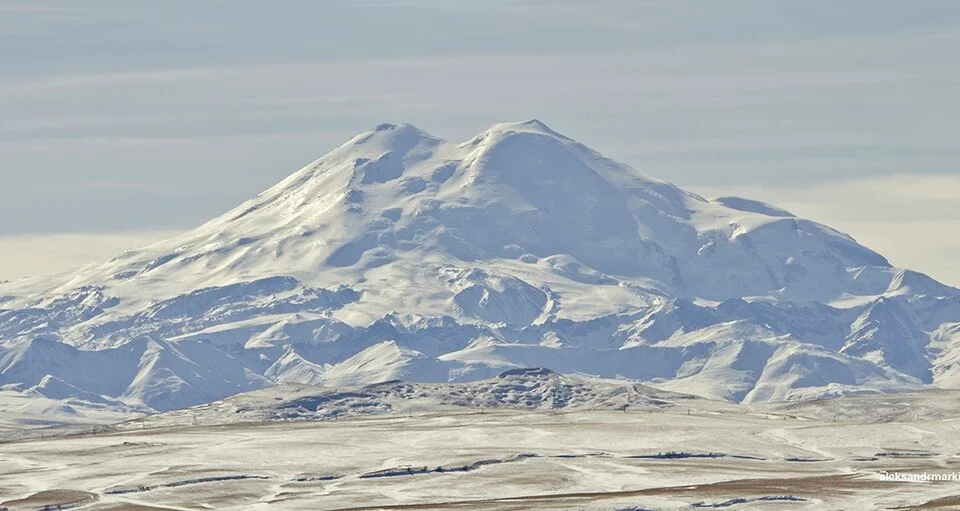
Elbrus South Normal Route via Garabashi & Pastukhov Rocks
The classic and most popular climbing route up Mount Elbrus, ascending the southern glaciated volcano flank from the Garabashi huts past Priyut 11 and the historic Pastukhov Rocks (4,700 m). Climbers ascend broad firn fields to the Col at 5,416 metres before climbing the final snow ramp to the 5,642-metre Western Summit.
Historical Expeditions (2)
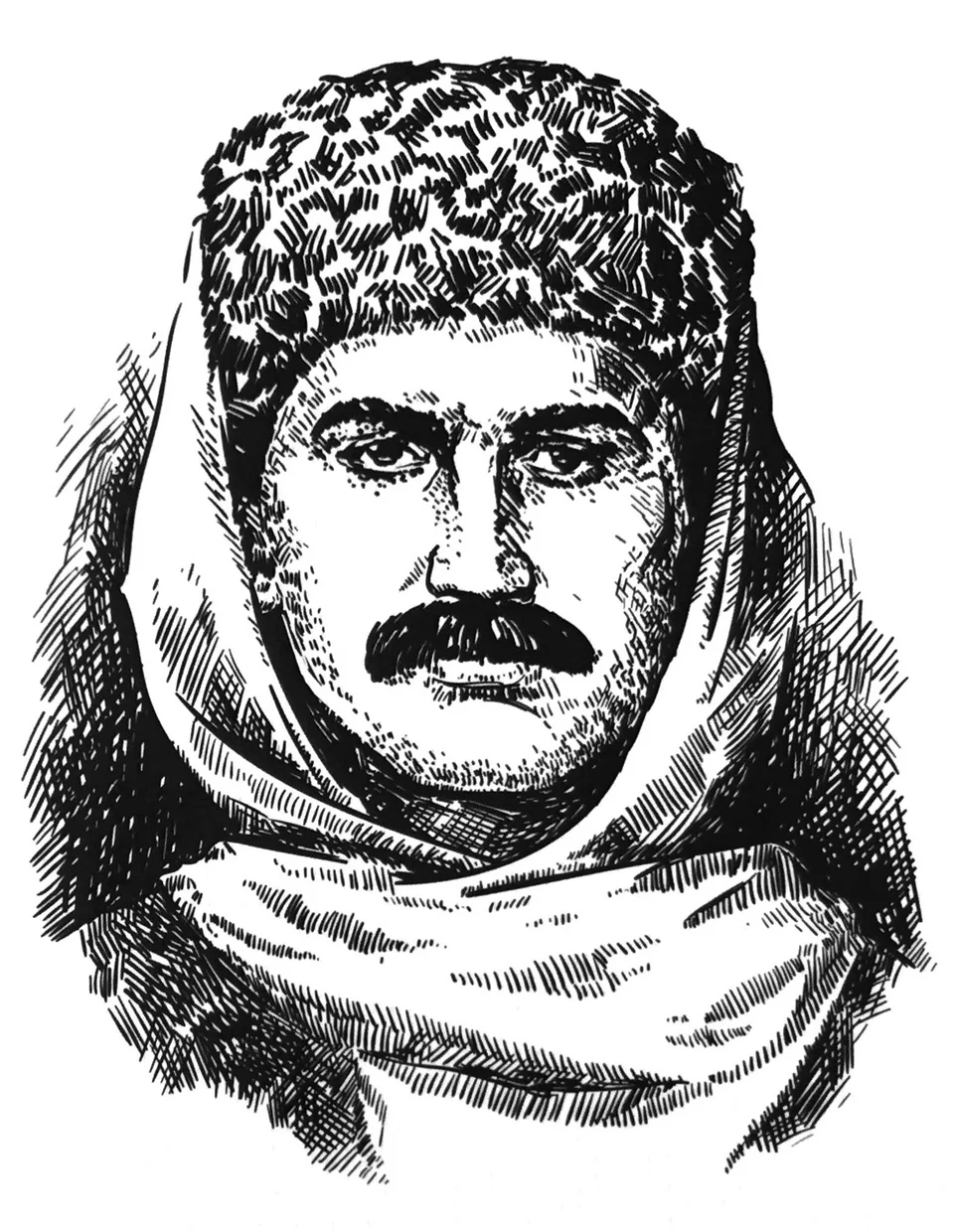
1829 General Georgi Emmanuel and Killar Khashirov Mount Elbrus Imperial Russian Scientific Expedition
On July 22, 1829, Circassian mountain scout Killar Khashirov achieved the historic maiden first ascent of Mount Elbrus East Peak (5,621 m). Leading the landmark scientific expedition organized by General Georgi Emmanuel for the Russian Imperial Academy of Sciences, Khashirov pressed solo through freezing blizzard winds to become the first human being to stand atop Europe's highest volcanic massif.
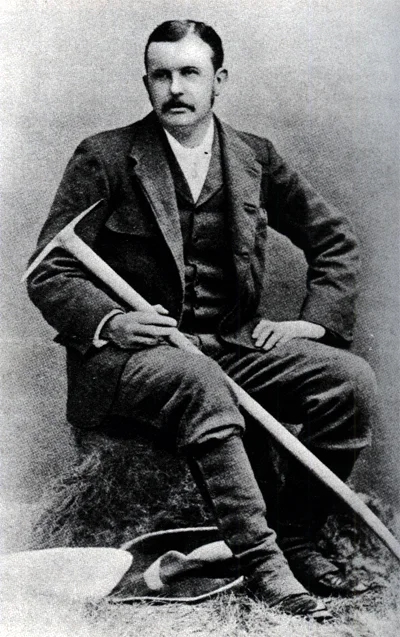
1874 Florence Craufurd Grove and Frederick Gardiner Mount Elbrus West Peak Historic First Ascent Expedition
On July 28, 1874, an elite British expedition led by Florence Craufurd Grove alongside Frederick Gardiner, Horace Walker, Swiss guide Peter Knubel, and Balkar guide Ahiya Sottaev completed the first ascent of Mount Elbrus West Peak (5,642 m), officially conquering the supreme continental high point of Europe.
Summit Chronicles & Stories (2)
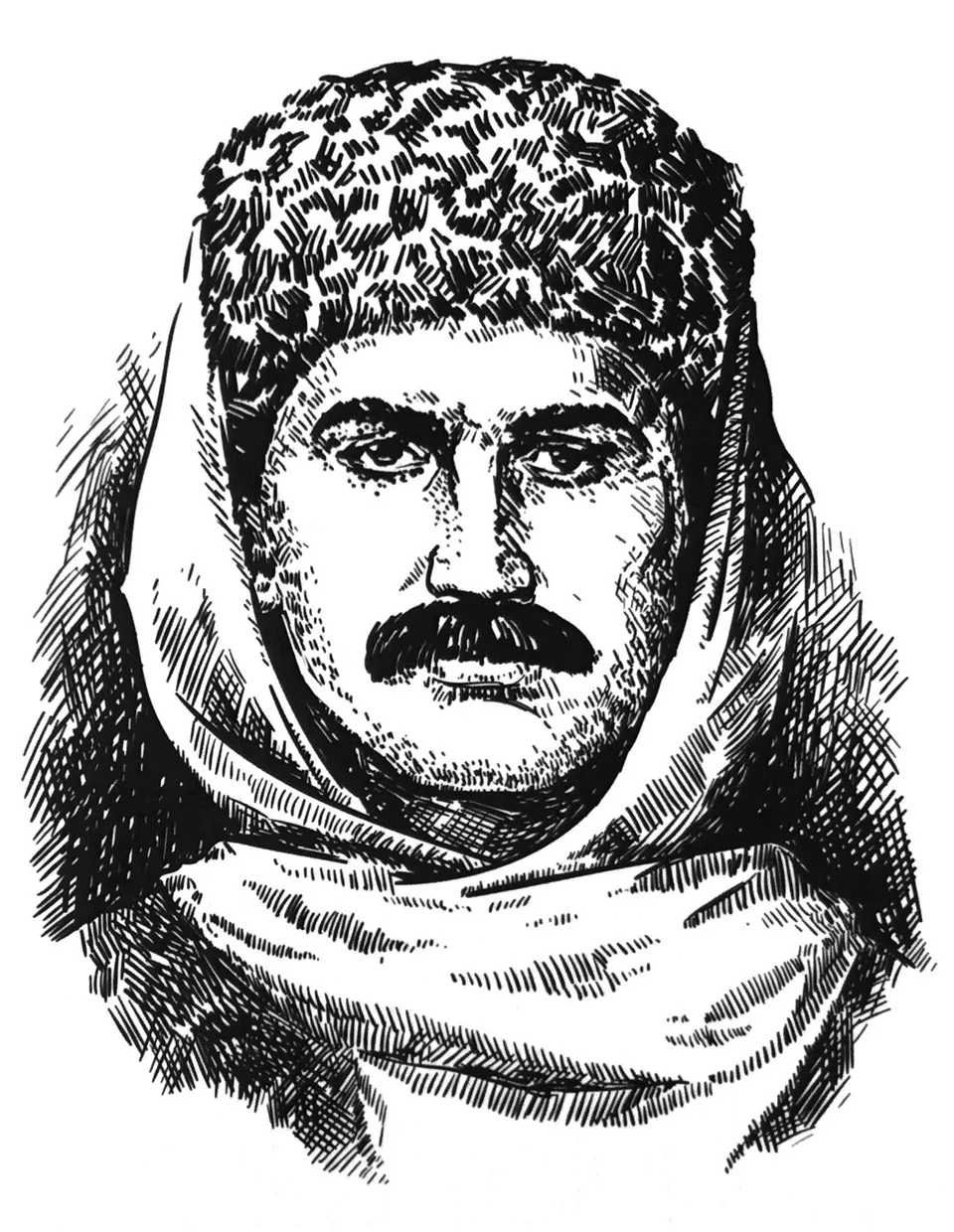
The Solitary Step: Killar Khashirov and the 1829 First Ascent of Mount Elbrus
On July 22, 1829, Circassian scout Killar Khashirov climbed solo through thin Arctic air to become the first human being to stand atop Mount Elbrus (5,621 m).
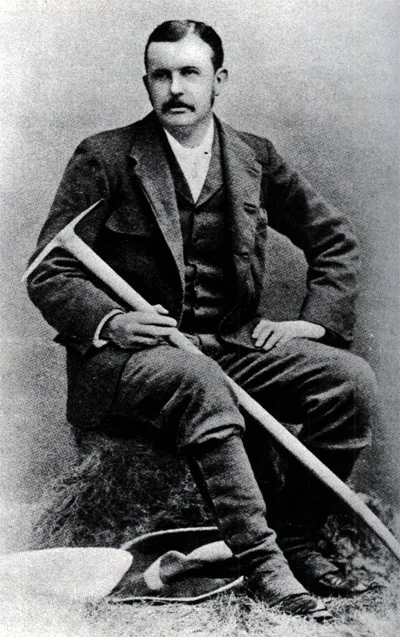
Conquering the Crown of Europe: The 1874 First Ascent of Mount Elbrus West Peak
On July 28, 1874, Florence Craufurd Grove, Frederick Gardiner, Horace Walker, Peter Knubel, and Ahiya Sottaev stood on Elbrus West Peak (5,642 m), conquering Europe's highest point.
Frequently Asked Questions: Mount Elbrus
What is Mount Elbrus and why is it globally famous?
Mount Elbrus is a dormant twin-domed stratovolcano in Russia rising to 5,642 metres, recognized as the highest mountain in Europe and one of the Seven Summits.
What is the difference between the West and East peaks of Elbrus?
The Western Peak is the true summit at 5,642 metres, while the Eastern Peak rises to 5,621 metres, separated by a high saddle at 5,416 metres.
Who made the first ascents of Mount Elbrus?
Killar Khashirov first climbed the East Peak in 1829, while Florence Craufurd Grove, Frederick Gardiner, Horace Walker, Peter Knubel, and Ahiya Sottaev conquered the higher West Peak in 1874.
What is the standard climbing route on Mount Elbrus?
The South Normal Route ascends from the Garabashi huts (3,750 m) past the Pastukhov Rocks and through the Saddle to the Western Summit.
Documented Sources & Archival Citations
- The Frosty Caucasus(Florence Craufurd Grove / Longmans, Green, and Co.)
Supporting claim: Firsthand expedition narrative of the 1874 first ascent of Elbrus West Peak
Accessed/Documented: 1875 - Voyage au mont Elbrouz et dans le Caucase(General Georgi Emmanuel / Imperial Russian Academy)
Supporting claim: Official expedition chronicle of Killar Khashirov's 1829 East Peak maiden ascent
Accessed/Documented: 1829