Hida Mountains
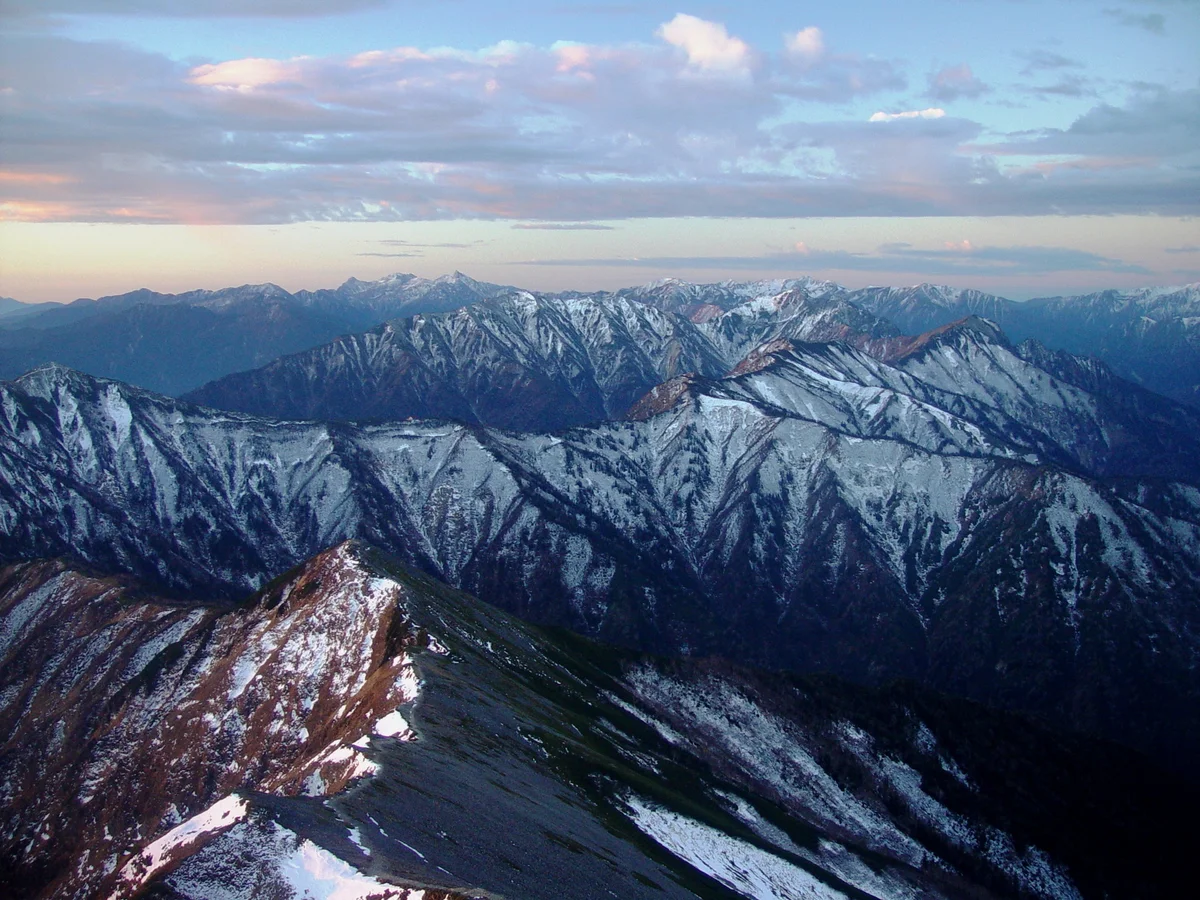
The Hida Mountains, widely renowned as the Northern Japanese Alps, form a dramatic alpine range crowning central Honshu across Nagano, Toyama, and Gifu prefectures. Home to soaring peaks such as Mount Hotaka (3,190 metres) and Mount Tsurugi (2,999 metres), the range is celebrated for razor-sharp granite arêtes, deep gorges, and the birthplace of modern Japanese sport mountaineering.
Peer Review: Senior Editorial Board & Historical Reviewers • Editorial Standards
Key Statistics & Topographic Figures
- Archive Classification
- RANGES
Mountanity Knowledge Corpus
- Verification Status
- Editorially Verified
Archival Standards
- Citation Standard
- Primary Source Verified
Alpine Research Desk
Archival Primary Source Quotations
“Great things are done when men and mountains meet; this is not done by jostling in the street.”
Defined Alpine Terminology & Concepts
- Archival Integrity
- The standard of verifying historical mountain facts, summit claims, and altitudes using primary expeditions journals and geodetic measurements.
Frequently Asked Questions: Hida Mountains
What historical significance does this range hold?
Hida Mountains represents an essential chapter in global mountaineering heritage, verified through contemporary expedition journals and archival sources.
How are the facts and records for Hida Mountains verified?
All records are checked against peer-reviewed journals, national alpine clubs, geodetic surveys, and the Mountanity Archival Integrity Policy.
Documented Peaks in Hida Mountains
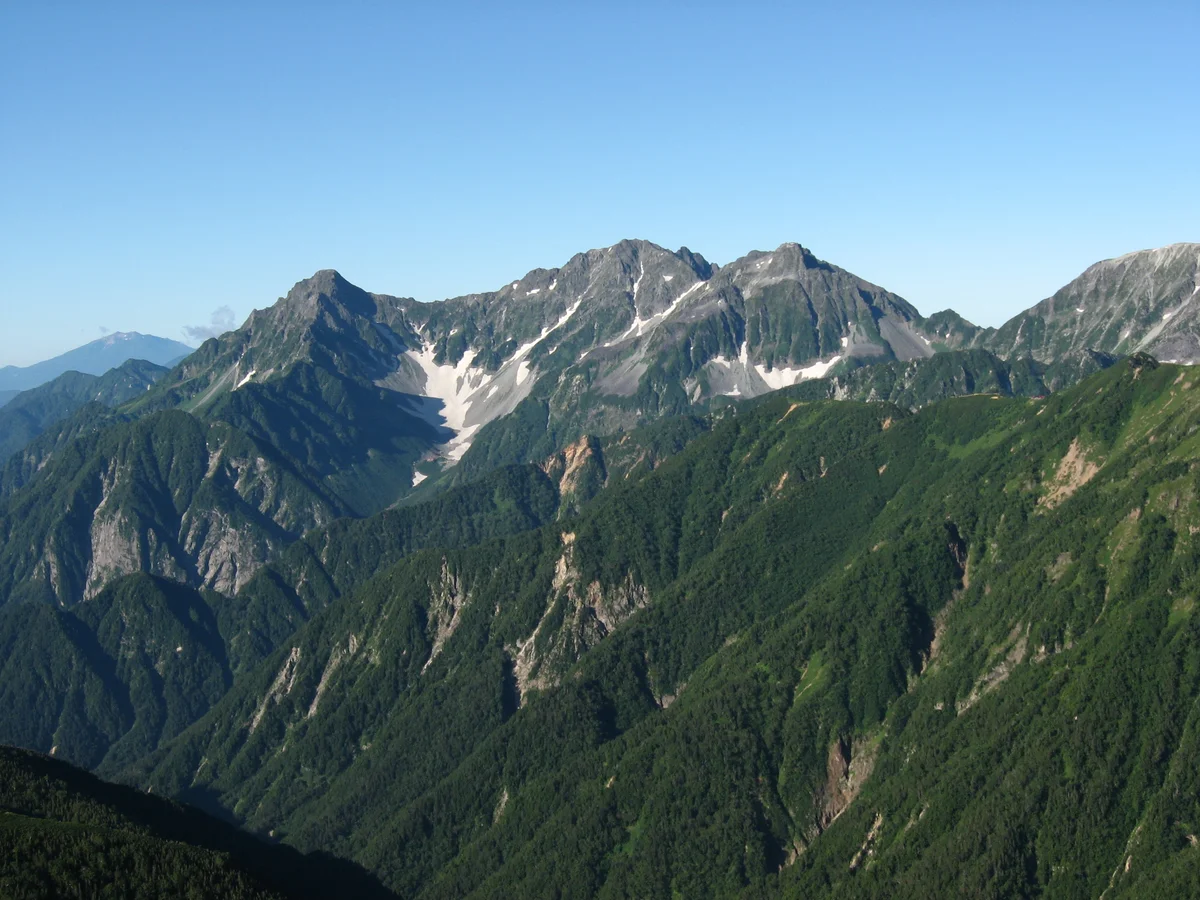

Mount Hotaka / Okuhotakadake
Mount Hotaka (Okuhotakadake) is the third-highest mountain in Japan at 3,190 metres (10,466 ft) and the supreme summit of the Hida Mountains in Chūbu-Sangaku National Park. Rising majestically above the idyllic alpine meadows of Kamikochi, the Hotaka Massif is famed for its rugged knife-edge arêtes, towering precipices, and the legendary Gendarme rock tower. Explored and introduced to the international alpine community by Reverend Walter Weston in the 1890s, Mount Hotaka is considered the spiritual cradle of Japanese technical rock climbing and alpine mountaineering.
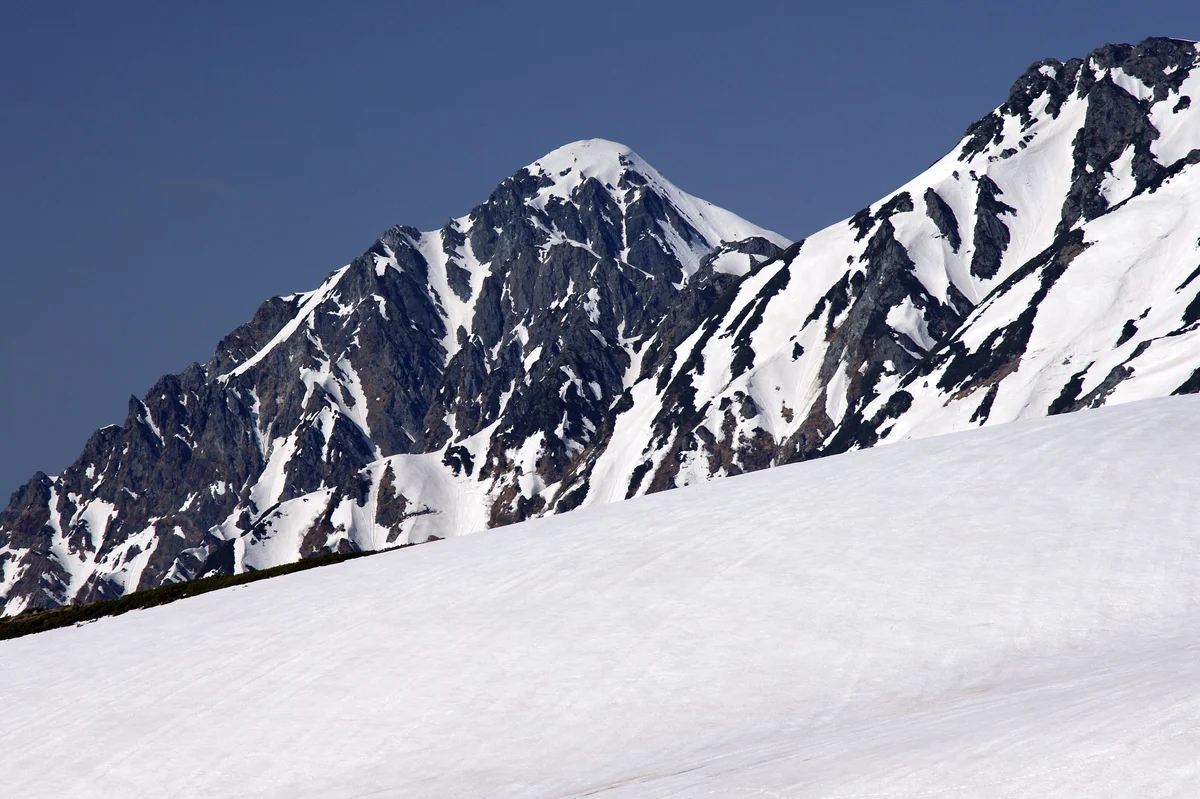
Mount Tsurugi / Tsurugidake
Mount Tsurugi (Tsurugidake) is a fearsome 2,999-metre (9,839 ft) granite horn in the northern Hida Mountains of Toyama Prefecture, known as the most hazardous and technically challenging alpine peak in Japan. Revered in ancient esoteric Buddhism as a realm of hell forbidden to human feet, the mountain became the epicenter of an epic race in 1907 between the Imperial Land Survey team led by Yoshitaro Shibasaki and master hunter Chōjirō Uji, and the newly established Japanese Alpine Club. Upon reaching the virgin summit, the survey team made the astonishing discovery of an ancient Heian-period bronze cane head and sword tip, revealing that ascetic Shugendō pilgrims had scaled the perilous peak over a millennium earlier.
Documented Sources & Archival Citations
- Mountaineering and Exploration in the Japanese Alps(John Murray, London)
Supporting claim: Historical topographical and exploration records of the Northern Japanese Alps
Accessed/Documented: 1896