
Japan
Japan is an island nation defined by dramatic volcanic and tectonic cordilleras, where rugged alpine peaks have inspired centuries of spiritual reverence (Sangaku Shinkō) and a rich, pioneering mountaineering culture. Anchored by the Japanese Alps—comprising the Hida, Kiso, and Akaishi mountain ranges—Japan is home to world-renowned high alpine peaks such as Mount Kita (3,193 m), Mount Hotaka (3,190 m), and the fearsome rock needle of Mount Tsurugi (2,999 m).
Peer Review: Senior Editorial Board & Historical Reviewers • Editorial Standards
Key Statistics & Topographic Figures
- Archive Classification
- COUNTRIES
Mountanity Knowledge Corpus
- Verification Status
- Editorially Verified
Archival Standards
- Citation Standard
- Primary Source Verified
Alpine Research Desk
Mountain Peaks in Japan
Technical profiles, elevations, and ascent histories for summits located in or spanning Japan.
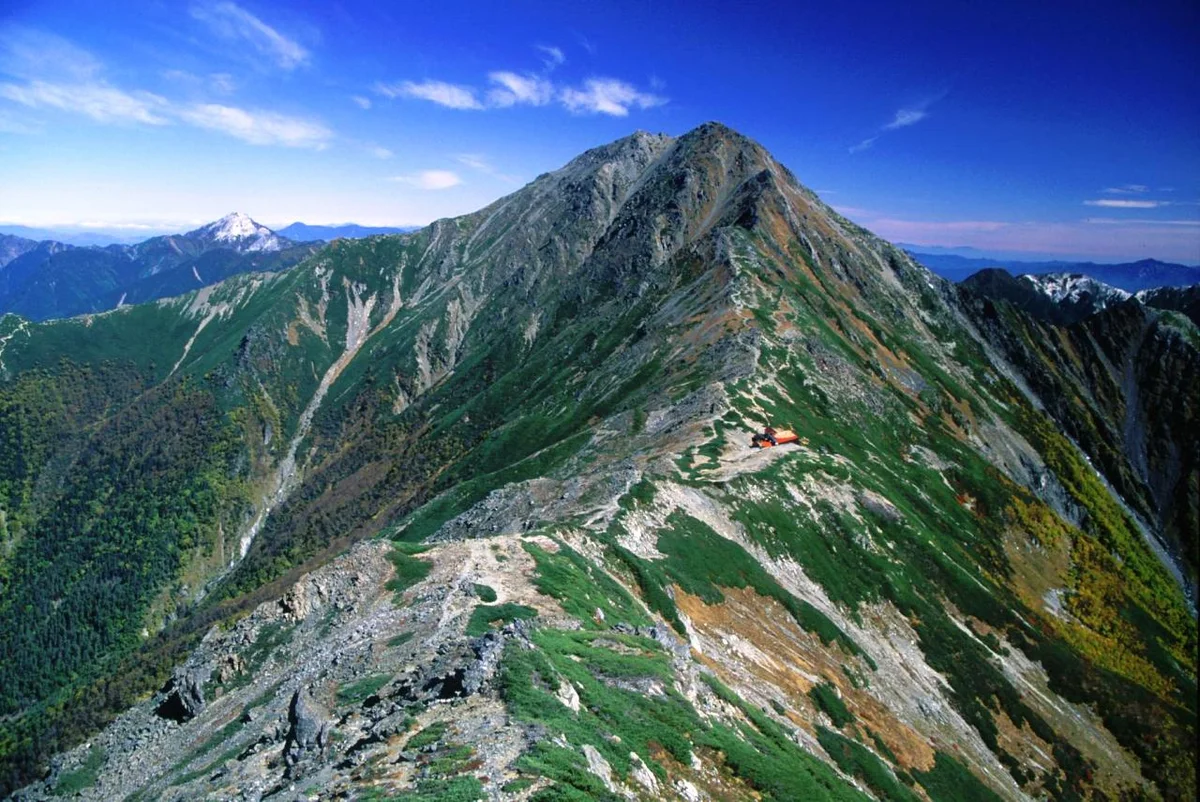
Mount Kita / Kitadake
Mount Kita, or Kitadake, is the second-highest peak in Japan at 3,193 metres (10,476 ft), standing proudly as the crown jewel of the Akaishi Mountains in Minami Alps National Park. Renowned for its sheer 600-metre east rock face (Kitadake Buttress)—one of Japan's most celebrated technical climbing arenas—and its rich endemism of rare alpine flowers (Kitadake-so), the mountain was explored in depth during the Meiji era by Reverend Walter Weston in 1902 and early members of the Japanese Alpine Club. The classic ascent follows the Shiraneo Dankan ridge from Hirogawara, providing breathtaking panoramas of Mount Fuji across the Kofu Basin.
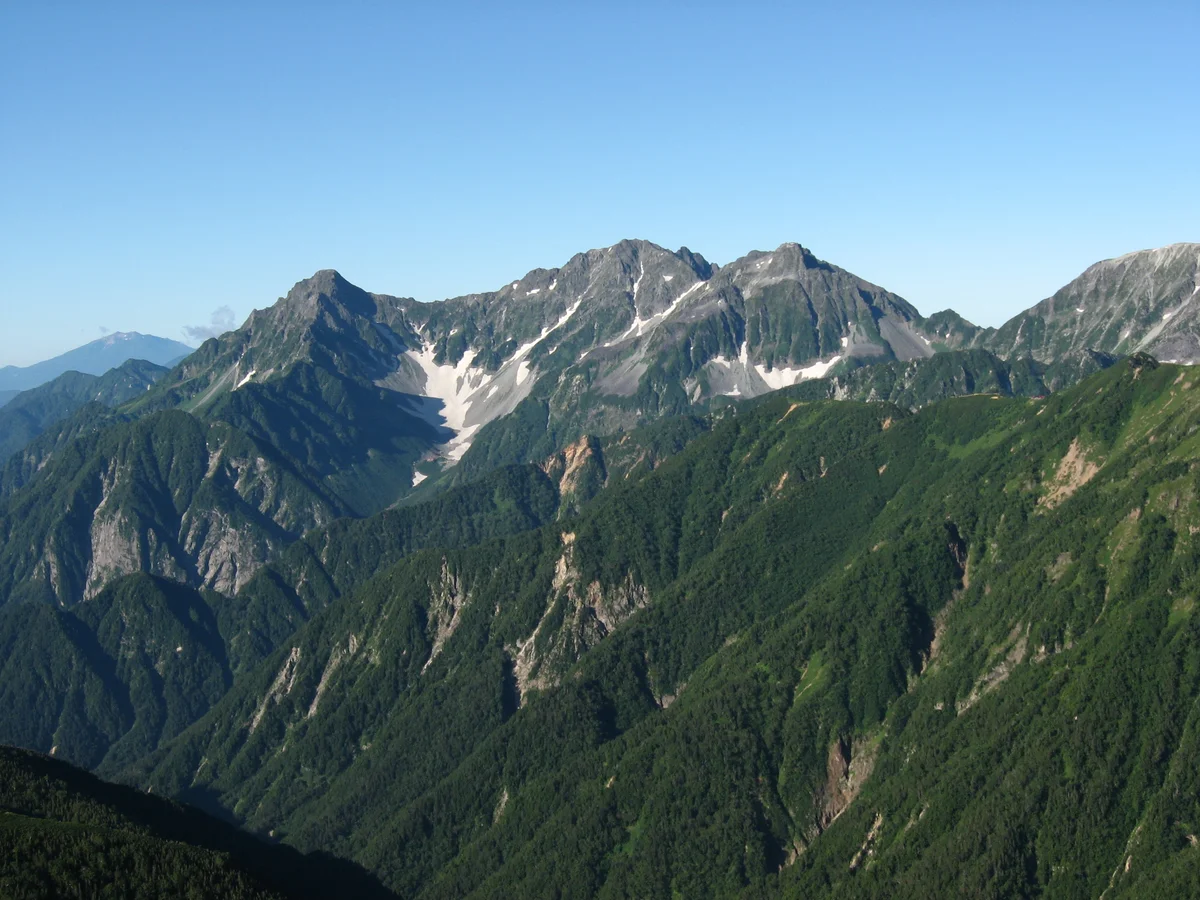
Mount Hotaka / Okuhotakadake
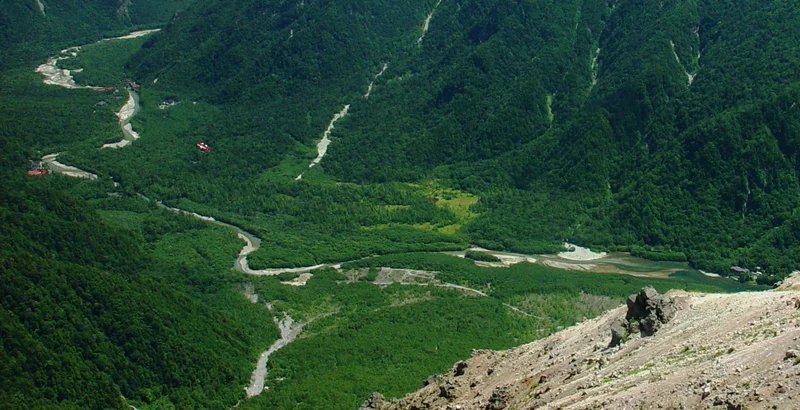
Mount Hotaka (Okuhotakadake) is the third-highest mountain in Japan at 3,190 metres (10,466 ft) and the supreme summit of the Hida Mountains in Chūbu-Sangaku National Park. Rising majestically above the idyllic alpine meadows of Kamikochi, the Hotaka Massif is famed for its rugged knife-edge arêtes, towering precipices, and the legendary Gendarme rock tower. Explored and introduced to the international alpine community by Reverend Walter Weston in the 1890s, Mount Hotaka is considered the spiritual cradle of Japanese technical rock climbing and alpine mountaineering.
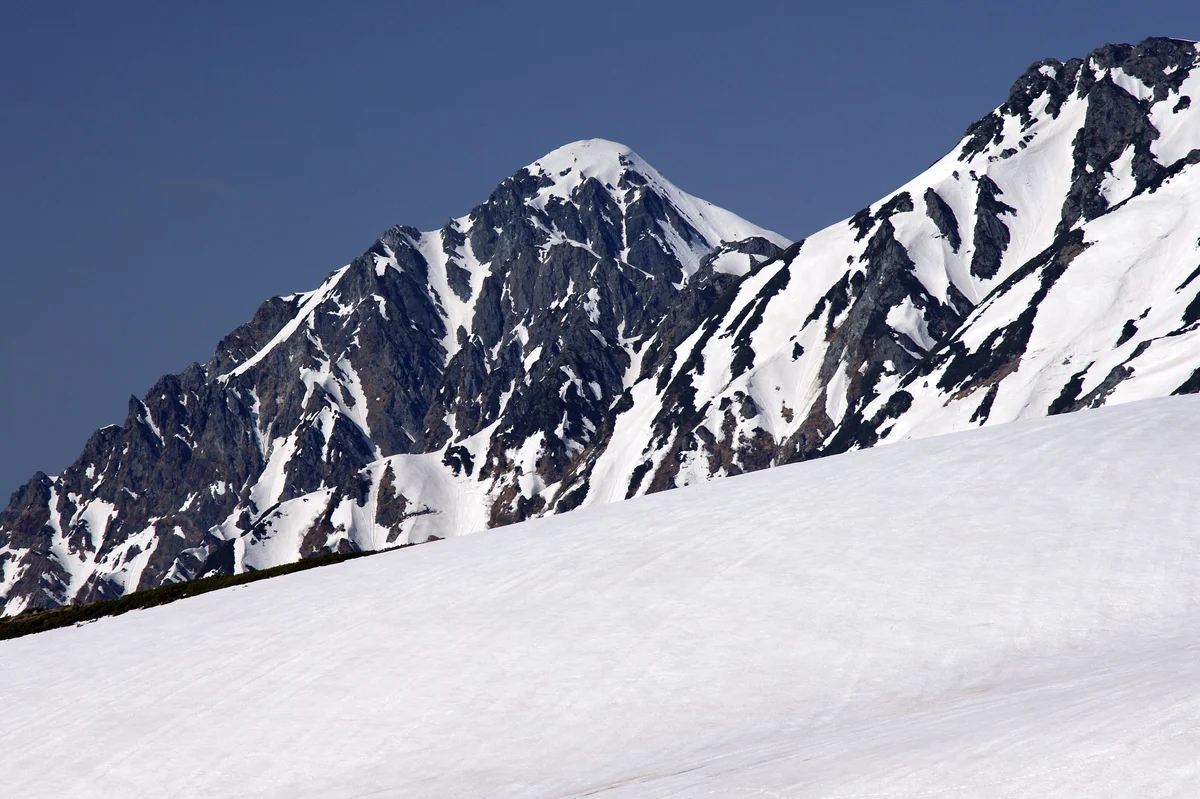
Mount Tsurugi / Tsurugidake
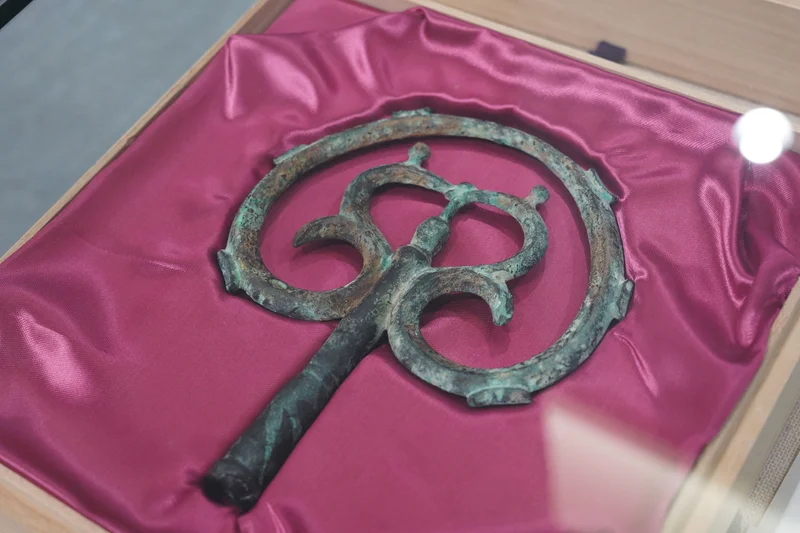
Mount Tsurugi (Tsurugidake) is a fearsome 2,999-metre (9,839 ft) granite horn in the northern Hida Mountains of Toyama Prefecture, known as the most hazardous and technically challenging alpine peak in Japan. Revered in ancient esoteric Buddhism as a realm of hell forbidden to human feet, the mountain became the epicenter of an epic race in 1907 between the Imperial Land Survey team led by Yoshitaro Shibasaki and master hunter Chōjirō Uji, and the newly established Japanese Alpine Club. Upon reaching the virgin summit, the survey team made the astonishing discovery of an ancient Heian-period bronze cane head and sword tip, revealing that ascetic Shugendō pilgrims had scaled the perilous peak over a millennium earlier.
Mountain Ranges Spanning Japan
Geographic mountain massifs, regional topography, and glaciated chains within Japan.
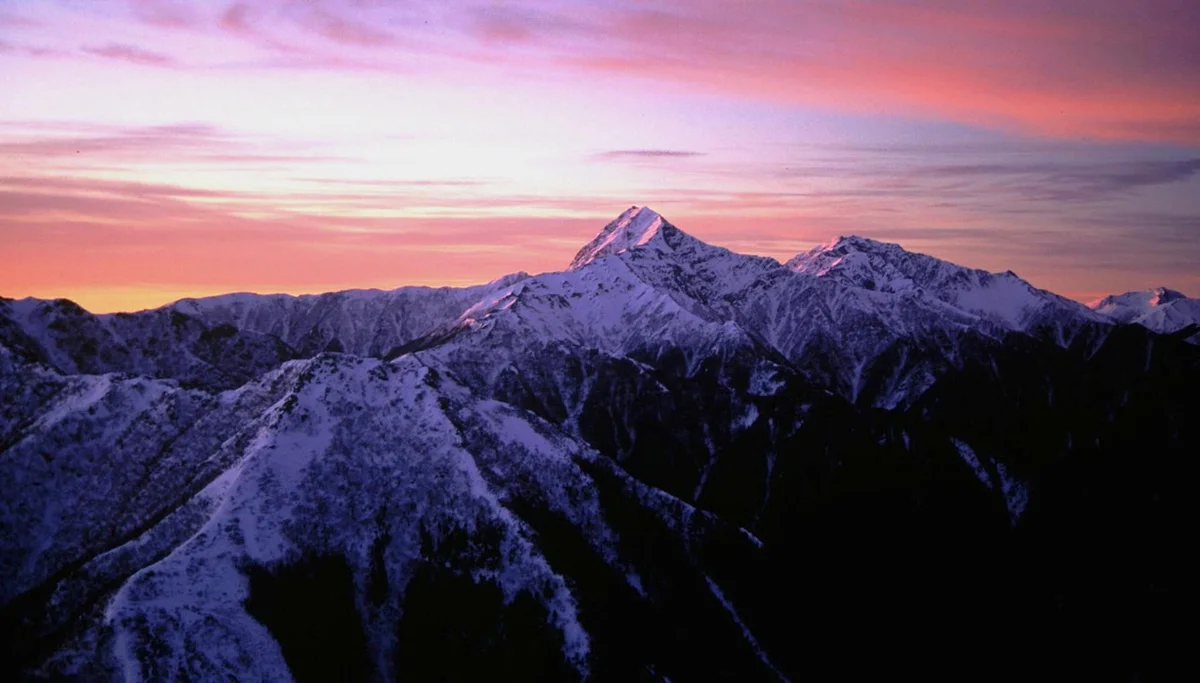
Akaishi Mountains
The Akaishi Mountains, known as the Southern Japanese Alps (Minami Alps), constitute a massive, heavily forested and glaciated alpine cordillera extending across Yamanashi, Nagano, and Shizuoka prefectures in central Honshu. Anchored by Mount Kita (Kitadake, 3,193 m), the second-highest mountain in Japan, the range is characterized by immense vertical relief, severe tectonic uplift, pristine high-altitude flora, and vast alpine ridges celebrated by pioneers like Reverend Walter Weston and Kojima Usui.
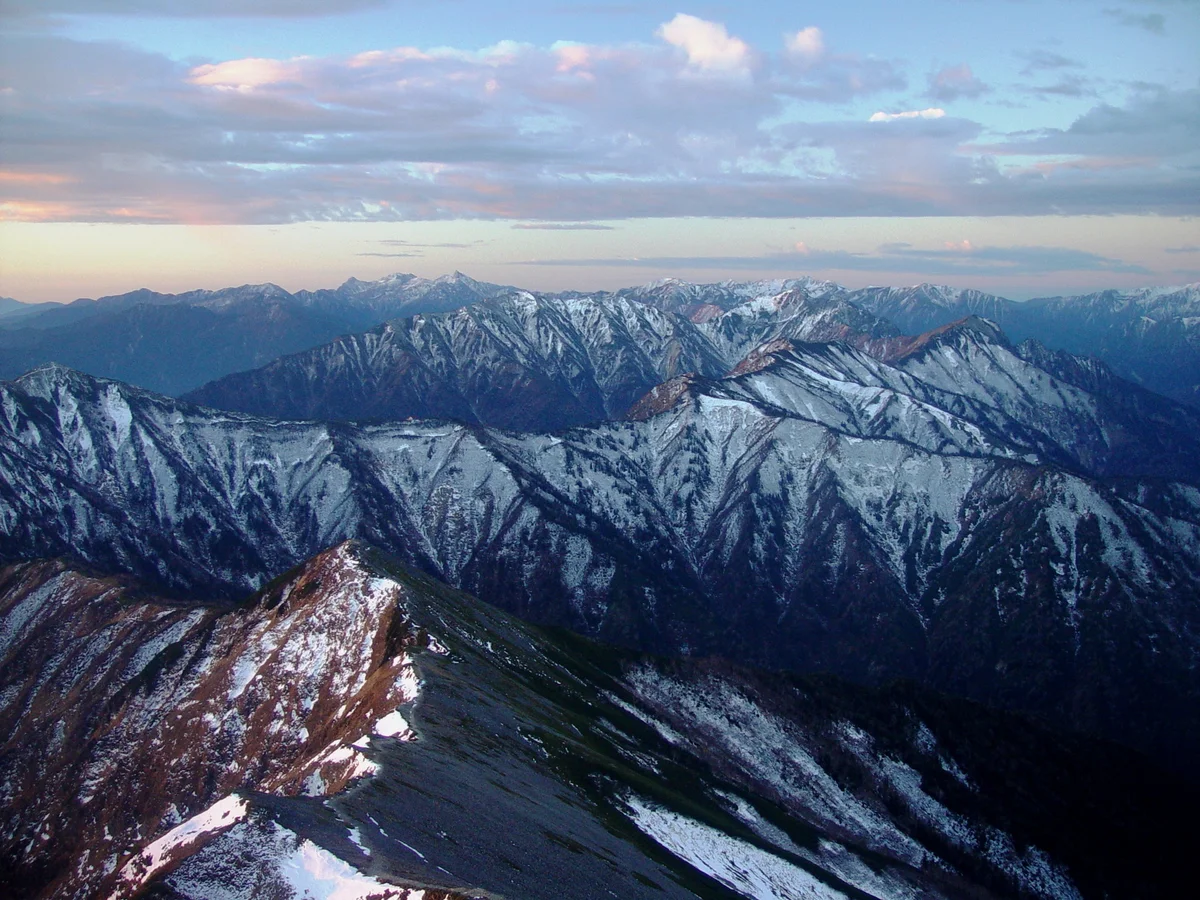
Hida Mountains
The Hida Mountains, widely renowned as the Northern Japanese Alps, form a dramatic alpine range crowning central Honshu across Nagano, Toyama, and Gifu prefectures. Home to soaring peaks such as Mount Hotaka (3,190 metres) and Mount Tsurugi (2,999 metres), the range is celebrated for razor-sharp granite arêtes, deep gorges, and the birthplace of modern Japanese sport mountaineering.
Documented Climbing Routes
Classic lines of ascent, technical difficulties, and objective hazards across Japan's summits.
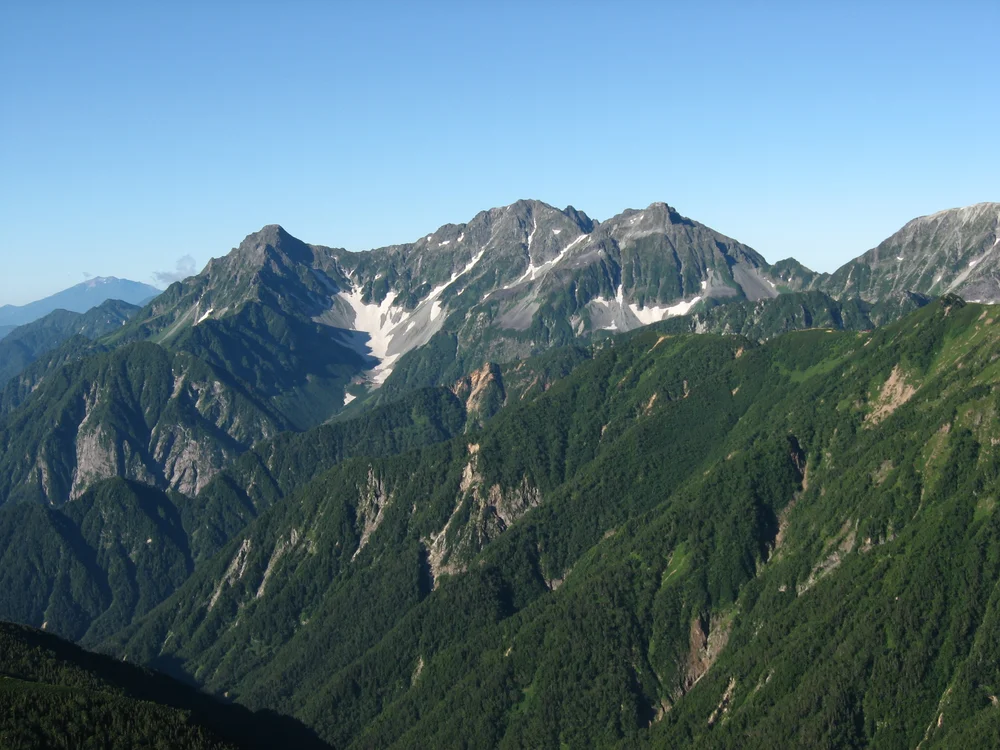
Mount Hotaka Shiradezawa & Gendarme Ridge Route
The Shiradezawa and Gendarme Ridge Route on Mount Hotaka represents one of Japan's most revered alpine mountaineering challenges. Starting from the forested haven of Kamikochi, climbers ascend through the Karasawa Cirque—famous for its dramatic amphitheater of precipitous cliffs—before tackling the sheer, chained headwalls leading to Hotakadake Sanso hut on the col. From the summit of Okuhotakadake (3,190 m), the route continues along an exposed, knife-edge rock traverse confronting the formidable Gendarme, a sheer 3,163-metre sentinel tower requiring steady nerves and expert rock scrambling.
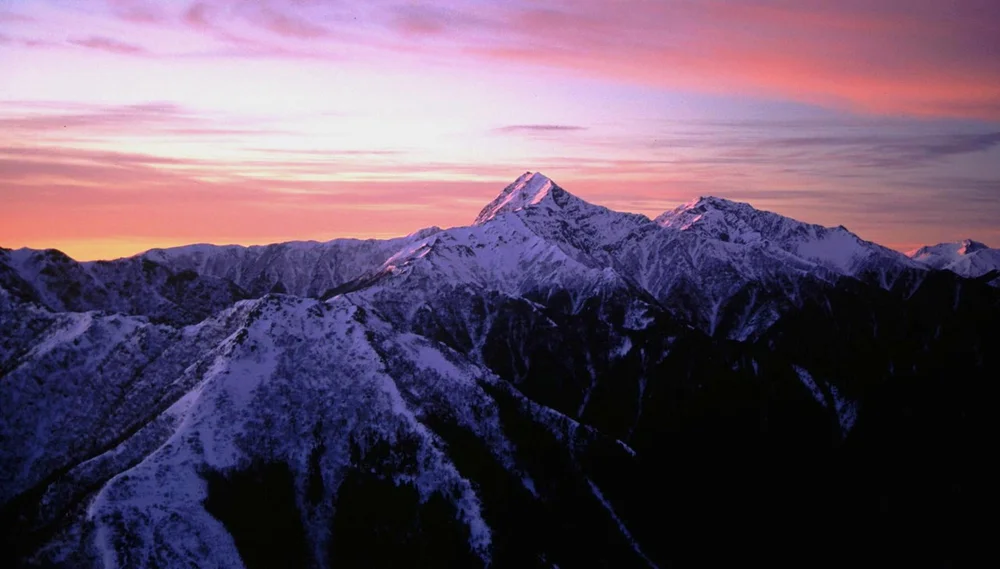
Mount Kita Shiraneo & Dankan Chimney Route
The Shiraneo and Dankan Chimney Route is the classic climbing artery ascending Mount Kita from Hirogawara across the forested Okkanba valley to the alpine summit ridge. Traversing steep metamorphic moraines and technical rock ledges equipped with chains and timber ladders, the route climbs directly through the Shiraneo cirque beneath the soaring Kitadake Buttress. Above the tree line, climbers navigate narrow rocky couloirs to reach the airy summit ridge at 3,193 metres, offering panoramic vistas across the entire Southern Alps and the volcanic cone of Mount Fuji.
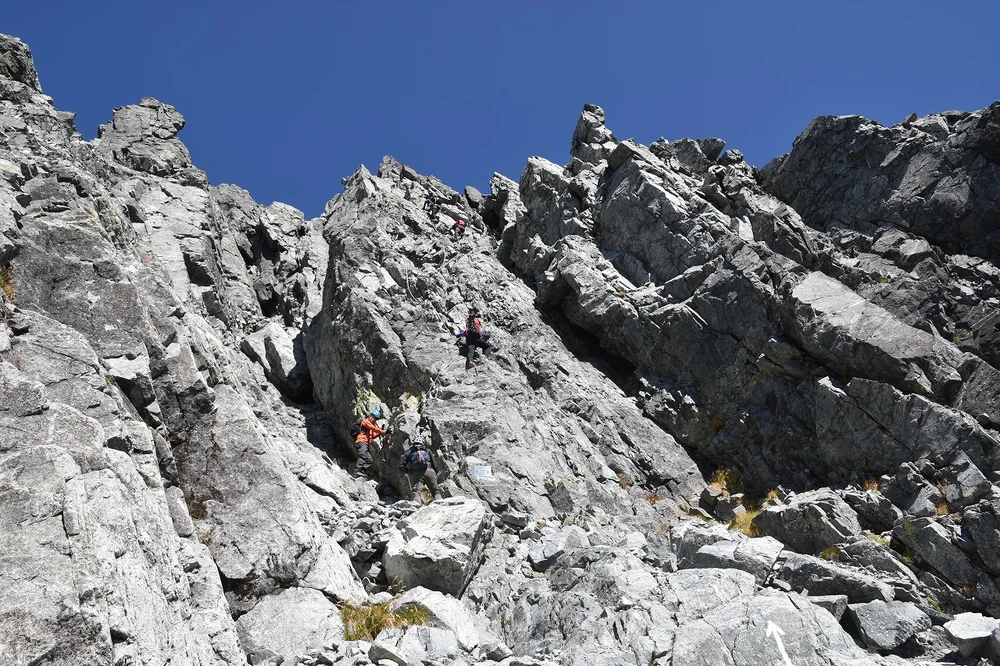
Mount Tsurugi Bessan Ridge & Kani-no-Tatebai Route
The Bessan Ridge and Kani-no-Tatebai Route is Japan's ultimate classic alpine rock scramble, leading to the razor-like 2,999-metre apex of Mount Tsurugi. Starting from Murodo across the Tateyama volcanic plateau, the route crosses Tsurugigozen col to follow a serrated granite arête featuring 13 distinct rock obstacles equipped with iron chains, bolts, and carved footholds. The crux of the ascent is the renowned Kani-no-Tatebai ('Crab's Vertical Crawl'), a sheer 50-metre near-vertical cliff face, while the descent requires overcoming the nerve-testing Kani-no-Yokobai ('Crab's Horizontal Traverse') across a sheer vertical void.
Historic Expeditions & First Ascents
Epoch-making sieges and triumphant summits recorded within Japan's alpine history.
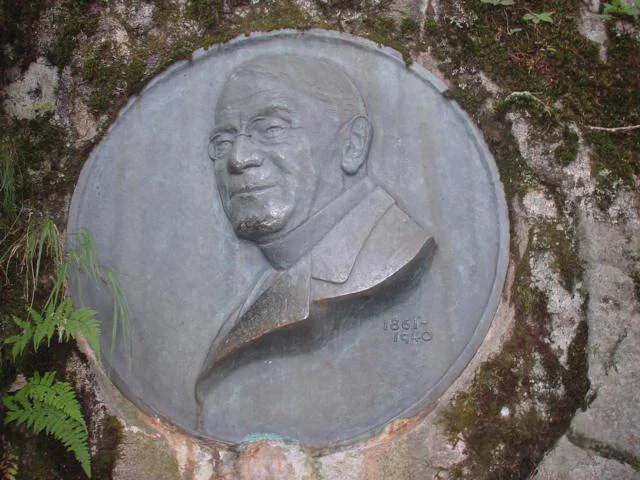
1894 Reverend Walter Weston Mount Hotaka & Hida Alps Exploration
In August 1894, English clergyman Reverend Walter Weston mounted an exploratory alpine expedition into the heart of the Hida Mountains (Northern Japanese Alps), ascending through the virgin primeval forests of Kamikochi to achieve the first modern sporting ascent of Mount Hotaka (3,190 m) with legendary hunter Kamijō Kamonji.
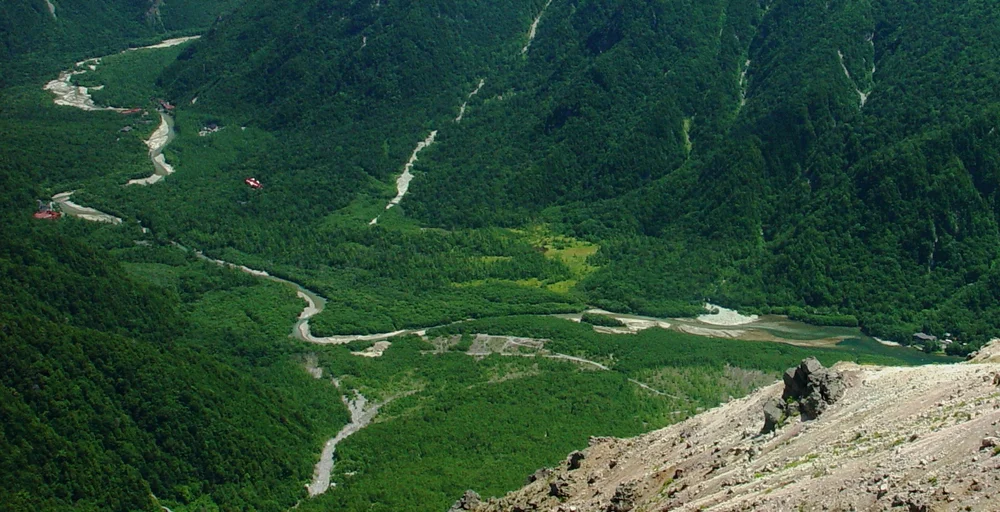
1905 Kojima Usui Mount Kita Traverse & Founding of the Japanese Alpine Club
In July 1905, literary pioneer Kojima Usui and fellow alpinists completed an exploratory traverse of Mount Kita (Kitadake, 3,193 m) in the Southern Japanese Alps, leading directly to the historic assembly in Tokyo on October 14, 1905, that founded the Sangaku-kai (Japanese Alpine Club).
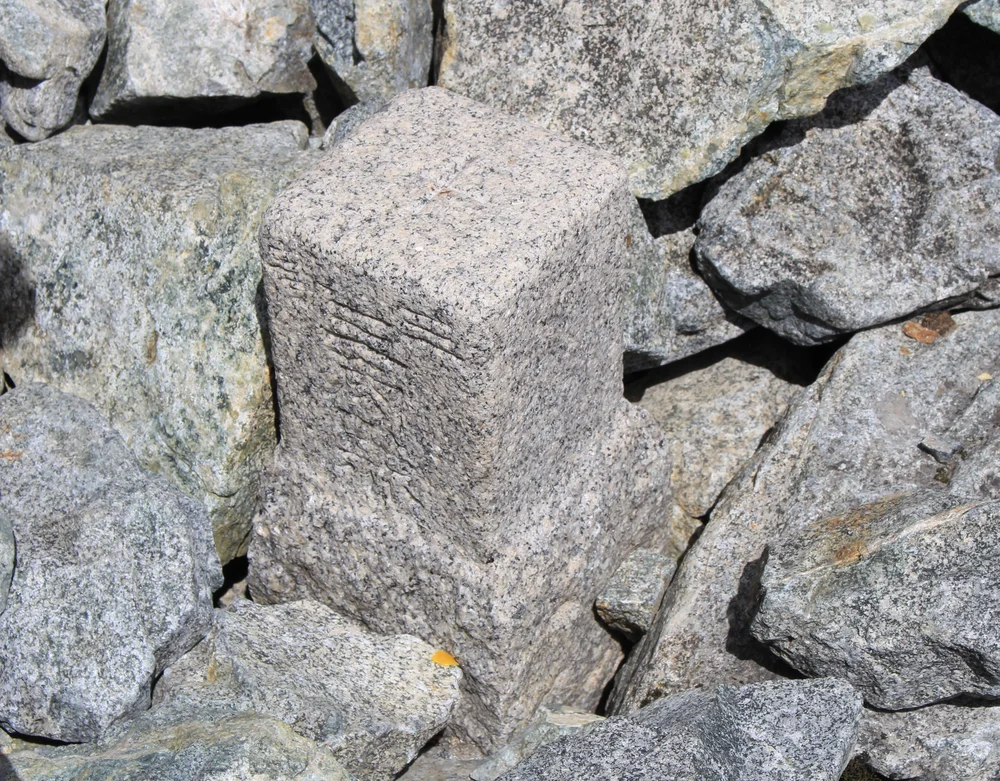
1907 Imperial Land Survey Historic First Modern Ascent of Mount Tsurugi
On July 13, 1907, an Imperial Japanese Army Land Survey team guided by master matagi hunter Chōjirō Uji achieved the historic first modern ascent of Mount Tsurugi (2,999 m), conquering Japan's most formidable alpine peak and discovering ancient Heian-period pilgrim relics on the summit.
Pioneer Mountaineers of Japan
Biographical chronicles of legendary high-altitude alpinists hailing from Japan.
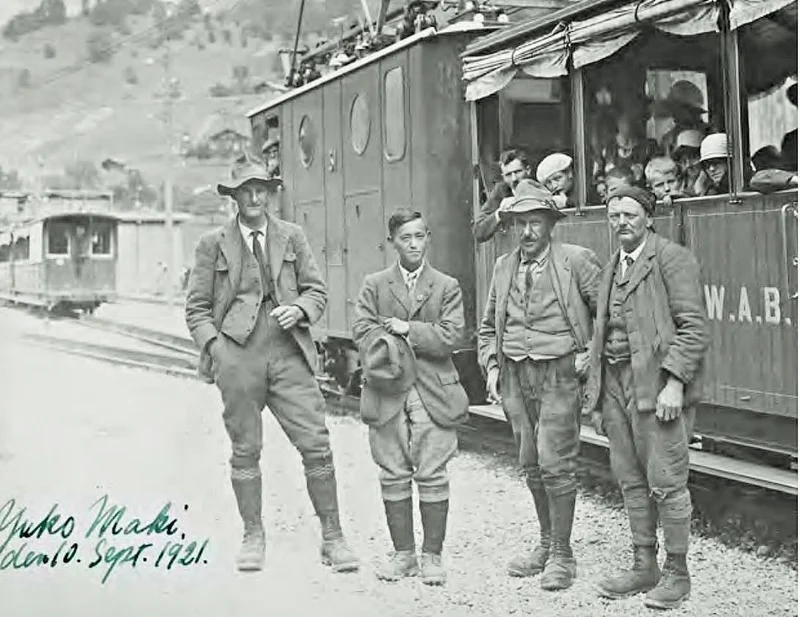
Aritsune Maki
Aritsune Maki (known widely as Maki Yūkō) was born on February 5, 1894, in Sendai, Miyagi Prefecture, Japan. Educated at Keio University, Maki developed into a brilliant technical rock climber in the Japanese Alps before traveling to Europe in 1919 to pursue advanced alpine mountaineering in Switzerland and Great Britain. In the Bernese Oberland, Maki turned his attention to the formidable and unclimbed Mittellegi Ridge of the Eiger—a razor-sharp, heavily corniced limestone crest that had repelled alpine climbers for decades. On September 10, 1921, Maki alongside Swiss guides Fritz Steuri, Samuel Brawand, and Fritz Amatter completed the historic first ascent of the Mittellegi Ridge. In gratitude, Maki donated 10,000 Swiss francs to build the Mittellegi Hut, providing vital refuge for subsequent mountaineers. In 1925, Maki led a groundbreaking expedition of the Japanese Alpine Club to the Canadian Rockies, achieving the first ascent of Mount Alberta (3,619 m), one of North America's most challenging peaks, where the team famously left a silver ice axe on the summit. In 1956, at age 62, Maki served as the visionary general leader of the triumphant Japanese expedition to Manaslu (8,163 m), which achieved Japan's first 8,000-metre summit conquest. Maki served as President of the Japanese Alpine Club from 1944 to 1946 and again from 1957 to 1963. He passed away on May 2, 1989, honored as the greatest international mountaineer in modern Japanese history.
Chōjirō Uji
Chōjirō Uji was born in 1841 in Oyama (present-day Kamiichi), Toyama Prefecture, Japan. Born into a mountain family, Chōjirō became a renowned matagi (traditional wilderness hunter) and expert guide across the rugged gorges of the Tateyama range and northern Hida Mountains. His ability to read snow conditions, survive extreme blizzards, and find safe routes across jagged precipices was legendary among mountain folk. In 1907, the Imperial Japanese Army Land Survey, directed to complete the definitive topographic mapping of Japan, tasked surveyor Yoshitaro Shibasaki with establishing a triangulation station atop Mount Tsurugi (2,999 m)—the only peak in Japan considered impossible to climb. Shibasaki recruited Chōjirō as the expedition's chief scout and guide. At age 66, possessing phenomenal physical vigor and route intuition, Chōjirō rejected the impassable rock faces of the front ridges, instead pioneering a route up a massive, hidden snow and ice couloir on the eastern flank, now known as Chōjirō Snow Gully (Chōjirō-setsu-kei). On July 13, 1907, Chōjirō led Shibasaki and the survey team safely to the summit crest of Mount Tsurugi, securing the historic first modern ascent. On the summit, they uncovered an ancient Shakujō (Buddhist bronze cane head) left by an ancient pilgrim, resolving centuries of myth. Chōjirō passed away in 1917, immortalized as one of the greatest natural mountaineers in Japanese history.
Jūji Tanabe
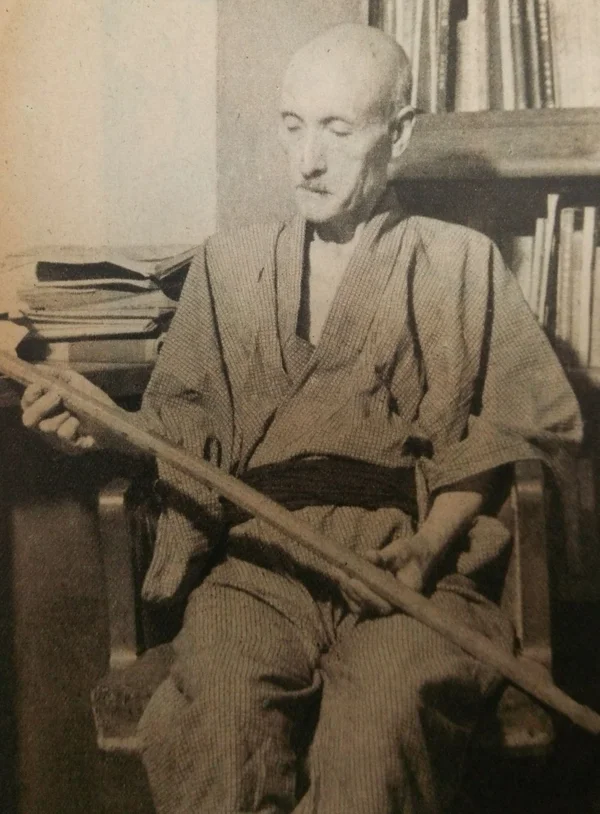
Jūji Tanabe was born on August 4, 1884, in Toyama Prefecture, Japan. A distinguished professor of English literature at Toyo University and Hosei University, Tanabe was a specialist in the romantic poetry of William Wordsworth. He brought this profound romantic reverence for wild nature into the heart of early Japanese alpine exploration. Tanabe was a pioneer of keikoku (mountain valley and river canyon) exploration, advocating that true mountain appreciation required ascending from the depths of primeval mountain gorges rather than merely collecting high summits. Between 1905 and the 1930s, Tanabe explored the deep ravines of the Kurobe River, the remote valleys of the Southern Alps surrounding Mount Kita, and the untracked ridges of the Okuchichibu range. In 1919, Tanabe published his celebrated masterpiece, Yama to Keikoku (Mountains and Keikoku / Mountains and Gorges). Blending lyrical nature writing with precise route-finding observations and philosophical meditations on solitude, the book became one of the most beloved classics in Japanese alpine literature, inspiring the foundation of Japan's famed mountaineering publishing house Yama-kei. Tanabe was a senior leader of the Japanese Alpine Club and continued hiking and writing well into his eighties. He passed away on September 22, 1972, leaving an indelible imprint on Japanese mountaineering culture.
Junko Tabei
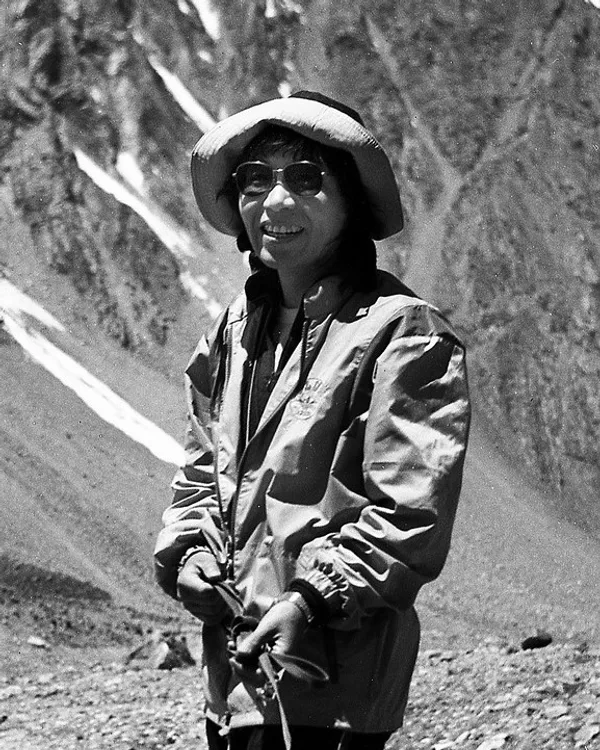
Junko Tabei (born Junko Ishibashi) was born on September 22, 1939, in Miharu, Fukushima Prefecture, Japan. Considered a frail, slender child in post-war Japan, Tabei discovered her passion for the mountains at age ten during a school ascent of Mount Nasu. After graduating with a degree in English literature from Showa Women's University, she immersed herself in alpine climbing, frequently encountering the entrenched male chauvinism of mid-twentieth-century Japanese mountaineering clubs. Refusing to be marginalized, Tabei established the Ladies Climbing Club: Japan (LCC) in 1969 with the defiant motto: 'Let's go on an overseas expedition by ourselves.' After achieving the first ascent of Annapurna III (7,555m) by an all-female team in 1970, Tabei organized the Japanese Women's Everest Expedition in the spring of 1975. Raising funds by sewing waterproof gloves from recycled car seats and securing sponsorship from the Yomiuri Shimbun, fifteen female climbers departed for the Himalayas. On May 4, 1975, disaster nearly terminated the expedition when a colossal avalanche swept down from the Western Cwm into Camp II (6,500m), burying Tabei and her teammates in their tents. Dug out unconscious by their Sherpa guides, Tabei suffered intense back pain and leg bruising. Defying doctor's orders to abandon the mountain, she rested for two days and resumed climbing. On May 16, 1975, accompanied by Sirdar Ang Tsering Sherpa, Tabei navigated the razor-thin ridge past the Hillary Step and stepped onto the 8,848-meter summit of Mount Everest, etching her name forever into global exploration history as the first woman atop the world. Tabei continued breaking barriers for four decades. In 1992, she became the first woman in history to complete the Seven Summits, scaling the highest peaks on all seven continents. As Director of the Himalayan Adventure Trust of Japan, she spearheaded international clean-up campaigns on Everest to tackle discarded rubbish. Junko Tabei passed away from peritoneal cancer on October 20, 2016, at age 77, remembered as a courageous trailblazer who dismantled patriarchal climbing conventions through quiet grace, iron endurance, and environmental stewardship.
Kojima Usui
Kojima Usui (born Kojima Hisayoshi) was born on December 29, 1873, in Yokohama, Japan. A distinguished banker at the Yokohama Specie Bank by trade, Kojima was a passionate essayist, literary critic, and pioneer alpinist who spearheaded the intellectual awakening of Japanese mountaineering at the turn of the twentieth century. Inspired by the writings of Reverend Walter Weston and the romantic tradition of landscape aesthetics, Kojima sought to elevate mountaineering from traditional ascetic devotion into a profound communion with nature and modern sporting exploration. In October 1905, along with a cadre of fellow climbing enthusiasts and writers, Kojima co-founded the Sangaku-kai (Japanese Alpine Club), serving as its first president and editing its influential alpine journal Sangaku. Kojima led numerous pioneering expeditions throughout the Northern and Southern Japanese Alps. In 1902 and 1904, he explored the rugged ramparts of Mount Kita and the Shirane Sanzan ridge, documenting the sublime beauty of the Akaishi range in lyrical prose. His major multi-volume masterpiece, Nihon Arupusu (The Japanese Alps), published between 1910 and 1915, combined rigorous geographic observation with exquisite literary essays, inspiring an entire generation of Meiji and Taisho-era Japanese climbers to venture into the high peaks. Kojima died on December 13, 1948, recognized as one of the towering cultural figures in Japanese mountaineering history.
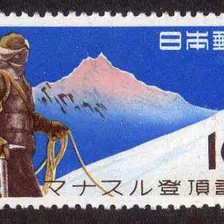
Toshio Imanishi
Toshio Imanishi was born on December 14, 1914, in Kobe, Japan. Educated at Kyoto Imperial University, Imanishi was a dedicated alpinist and founding member of the modern Japanese high-altitude climbing movement. Throughout the 1930s and 1940s, he forged demanding winter routes in the Northern Japanese Alps before focusing his ambition on the unclimbed giants of the Himalayas. Following Nepal’s post-war opening to foreign climbers, the Japanese Alpine Club (JAC) adopted Manaslu (8,163m)—the 'Mountain of the Spirit' in the Mansiri Himal—as Japan's national mountain objective. Imanishi served as a lead climber on the 1953 Japanese reconnaissance and the 1954 expedition. In 1954, the expedition was halted when local villagers from Sama Gompa barred their passage, believing previous foreign intrusions had provoked the mountain gods to unleash a devastating avalanche that destroyed their ancient monastery. Displaying immense cultural tact, patience, and diplomacy, Imanishi and team leader Aritsune Maki negotiated with local lamas, donating funds to rebuild the sacred monastery and securing permission to return. In the spring of 1956, the third Japanese expedition mounted a decisive assault up the Northeast Face. Teaming up with the formidable Nepalese Sherpa Sirdar Gyalzen Norbu, Imanishi established Camp VI at 7,800 meters. On the morning of May 9, 1956, using open-circuit oxygen equipment, Imanishi and Gyalzen Norbu navigated the steep, avalanche-swept snow plateau and climbed an extremely delicate, razor-thin snow crest. At 12:30 PM, both men stepped onto the pinnacle summit of Manaslu at 8,163 meters, claiming the eighth eight-thousander in human history. In Japan, the conquest of Manaslu created an overwhelming national sensation comparable to Britain's euphoria over Mount Everest, inspiring generations of Japanese climbers. Imanishi continued a distinguished industrial career while leading alpine initiatives, eventually serving as President of the Japanese Alpine Club from 1985 to 1989. He passed away on November 13, 1995, revered as one of the founding fathers of Asian high-altitude mountaineering.
Archival Primary Source Quotations
“Great things are done when men and mountains meet; this is not done by jostling in the street.”
Defined Alpine Terminology & Concepts
- Archival Integrity
- The standard of verifying historical mountain facts, summit claims, and altitudes using primary expeditions journals and geodetic measurements.
Frequently Asked Questions: Japan Mountaineering
What historical significance does this countrie hold?
Japan represents an essential chapter in global mountaineering heritage, verified through contemporary expedition journals and archival sources.
How are the facts and records for Japan verified?
All records are checked against peer-reviewed journals, national alpine clubs, geodetic surveys, and the Mountanity Archival Integrity Policy.