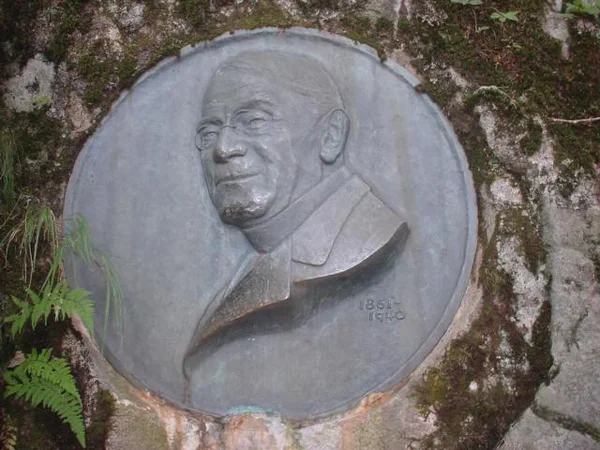
Walter Weston
Reverend Walter Weston was an English clergyman, missionary, and mountaineer who popularized modern sport alpinism in Japan during the late Meiji era. Between 1888 and 1915, he made pioneering ascents across the Hida, Kiso, and Akaishi mountain ranges, christening them the Japanese Alps and introducing European climbing ethics to Japan.
Mountain Safety & Conditions Disclaimer: High-altitude climbing, glacial travel, and technical ascents entail severe objective risks including avalanches, serac collapses, rapid weather collapse, and altitude illness. Historical route descriptions and summit claims on Mountanity reflect documented archival sources and must not be used as live operational safety assessments. Local regulations, permits, and physical glacial topography change continuously.
Peer Review: Senior Editorial Board & Historical Reviewers • Editorial Standards
Biographical Record & Archival Chronicle
Reverend Walter Weston was born on December 25, 1861, in Derby, England. Educated at Cambridge, Weston was an avid member of the British Alpine Club who honed his climbing craft in the Swiss Alps. In 1888, he traveled to Japan as an Anglican missionary of the Church Missionary Society, serving in Kumamoto, Kobe, and Yokohama.
Fascinated by the rugged topography of central Honshu, Weston spent his vacations exploring the untracked mountain ranges of central Japan. While traditional Japanese ascents were conducted primarily as sacred religious pilgrimages (Sangaku Shinkō) by ascetic yamabushi priests, Weston introduced the European ethos of mountaineering for athletic challenge, scientific curiosity, and aesthetic joy. Accompanied by local hunters and guides such as Kamijō Kamonji, Weston achieved first modern sporting ascents of major summits across the Hida Mountains (Northern Alps) and Akaishi Mountains (Southern Alps), including Mount Hotaka, Mount Kita, Mount Yari, and Mount Shirouma.
In 1896, Weston published his landmark book, Mountaineering and Exploration in the Japanese Alps, which introduced Japan's alpine wonderland to the Western world and popularized the term 'Japanese Alps' (originally coined by English mining engineer William Gowland). He also encouraged the foundation of the Japanese Alpine Club in 1905, becoming its first honorary member. Today, an annual memorial festival is held in his honor in Kamikochi, and he is universally revered across Japan as the father of modern Japanese mountaineering.
Notable Milestones & Ascents
- Pioneered modern sport alpinism in Japan between 1888 and 1915
- First modern sporting ascents of Mount Hotaka (3,190 m), Mount Kita (3,193 m), and Mount Yari (3,180 m)
- Popularized the term 'Japanese Alps' internationally through his 1896 landmark book
- Elected first honorary member of the Japanese Alpine Club (JAC) in 1906
- Awarded the Back Grant by the Royal Geographical Society in 1917 for his exploration of the Japanese Alps
Key Statistics & Topographic Figures
- Lifespan
- 1861–1940 (Aged 78)
- Nationality
- British (United Kingdom)
- Key Ascents
- Mount Hotaka, Mount Kita, Mount Yari
- Honors
- First Honorary Member of Japanese Alpine Club (1906)
- Annual Memorial
- Weston Festival in Kamikochi (Each June)
Archival Primary Source Quotations
“The Japanese Alps are among the finest playgrounds of the Far East, rich with majestic granite peaks and noble valleys.”
Defined Alpine Terminology & Concepts
- Pioneer Alpinism
- The exploratory era of mountaineering focused on first ascents of unmapped peaks using early hemp ropes and iron axes.
- Alpine Club
- The world's first mountaineering club, founded in London in 1857, of which Weston was an active member.
Frequently Asked Questions: Walter Weston
Who was Reverend Walter Weston?
An English clergyman, missionary, and alpinist known as the 'Father of Modern Mountaineering in Japan' for exploring the Japanese Alps.
What book did Walter Weston write about Japan?
He authored the landmark 1896 work 'Mountaineering and Exploration in the Japanese Alps', which introduced Japanese peaks to the world.
What first modern ascents did Walter Weston make in Japan?
Weston completed pioneering sporting ascents of Mount Hotaka (3,190 m), Mount Kita (3,193 m), and Mount Yari (3,180 m).
Associated Summits (2)
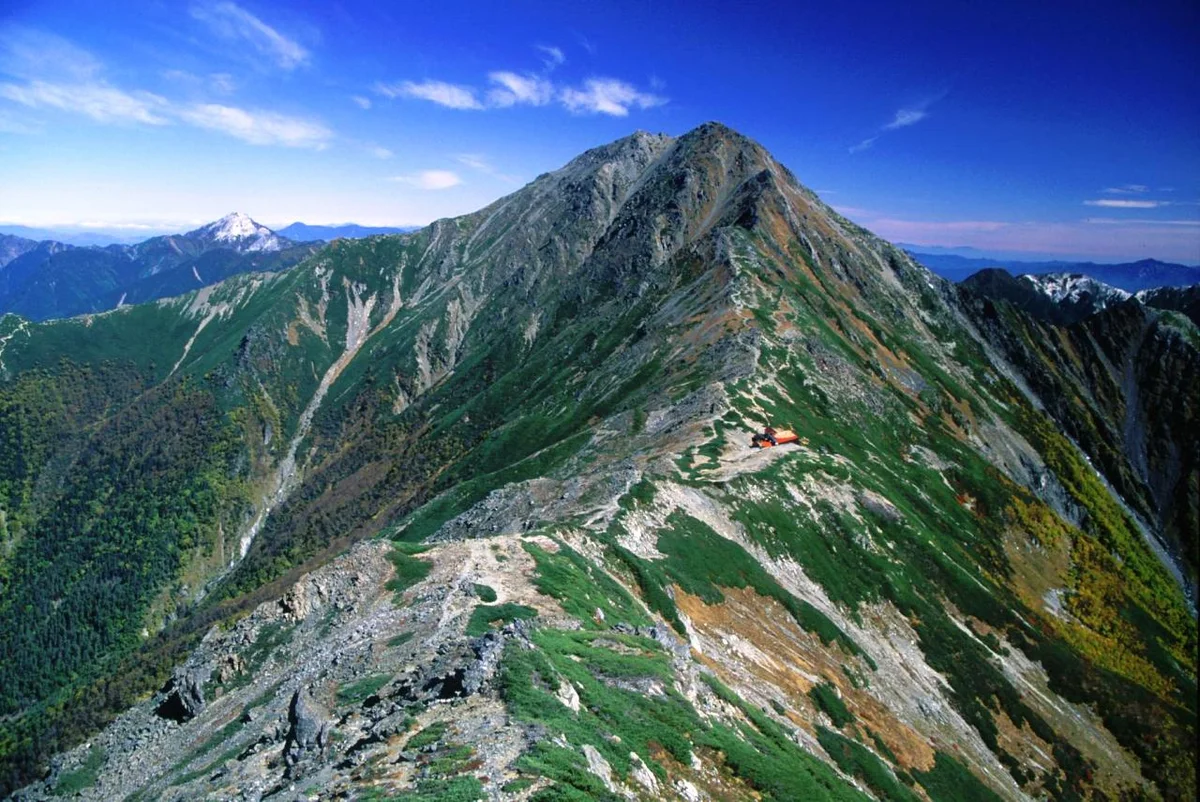

Mount Kita / Kitadake
Mount Kita, or Kitadake, is the second-highest peak in Japan at 3,193 metres (10,476 ft), standing proudly as the crown jewel of the Akaishi Mountains in Minami Alps National Park. Renowned for its sheer 600-metre east rock face (Kitadake Buttress)—one of Japan's most celebrated technical climbing arenas—and its rich endemism of rare alpine flowers (Kitadake-so), the mountain was explored in depth during the Meiji era by Reverend Walter Weston in 1902 and early members of the Japanese Alpine Club. The classic ascent follows the Shiraneo Dankan ridge from Hirogawara, providing breathtaking panoramas of Mount Fuji across the Kofu Basin.
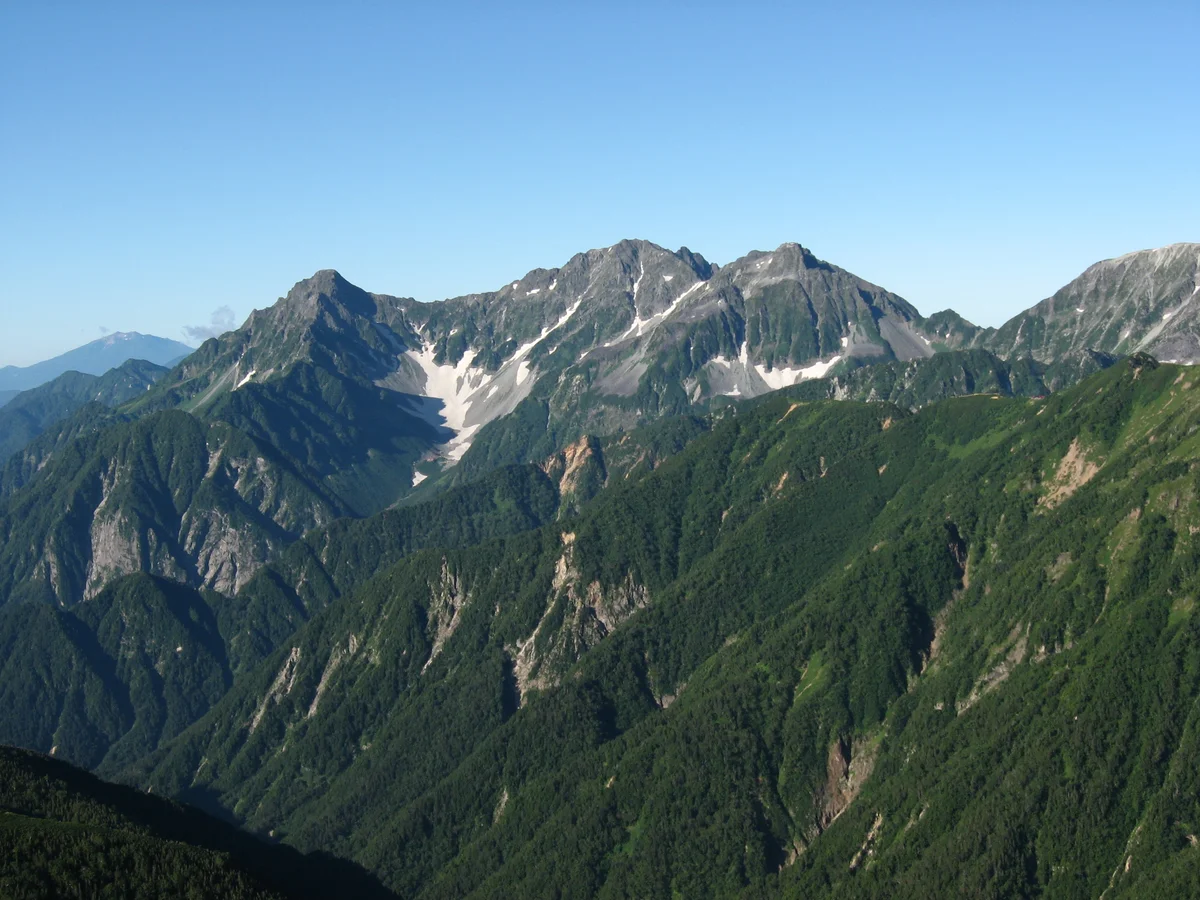
Mount Hotaka / Okuhotakadake
Mount Hotaka (Okuhotakadake) is the third-highest mountain in Japan at 3,190 metres (10,466 ft) and the supreme summit of the Hida Mountains in Chūbu-Sangaku National Park. Rising majestically above the idyllic alpine meadows of Kamikochi, the Hotaka Massif is famed for its rugged knife-edge arêtes, towering precipices, and the legendary Gendarme rock tower. Explored and introduced to the international alpine community by Reverend Walter Weston in the 1890s, Mount Hotaka is considered the spiritual cradle of Japanese technical rock climbing and alpine mountaineering.
Pioneered & Associated Routes (2)
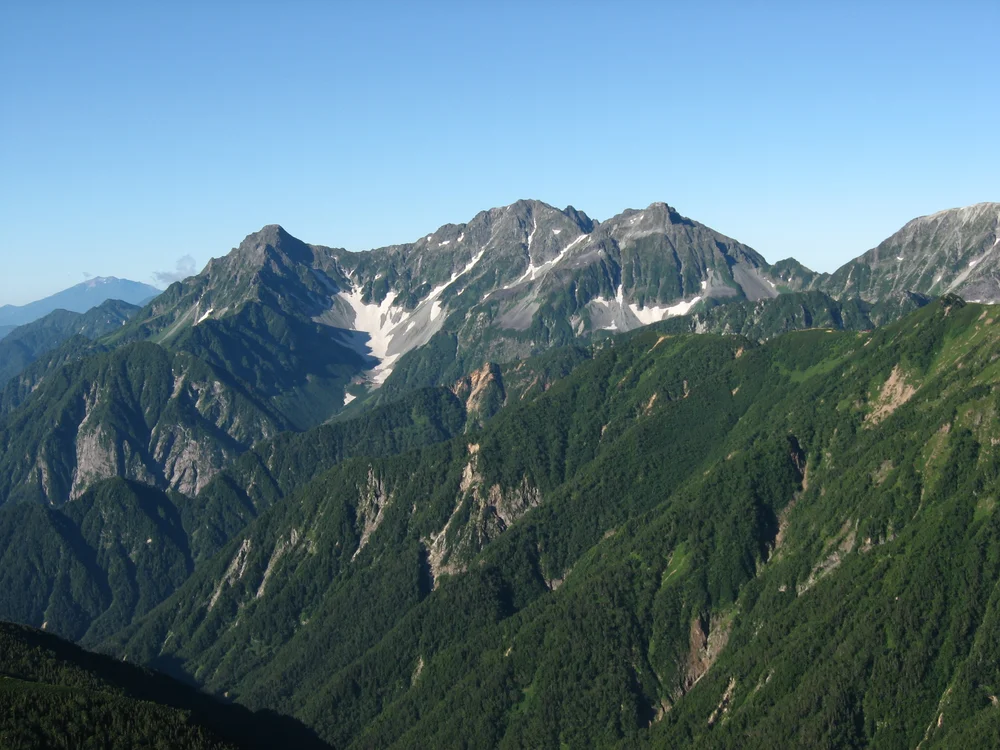
Mount Hotaka Shiradezawa & Gendarme Ridge Route
The Shiradezawa and Gendarme Ridge Route on Mount Hotaka represents one of Japan's most revered alpine mountaineering challenges. Starting from the forested haven of Kamikochi, climbers ascend through the Karasawa Cirque—famous for its dramatic amphitheater of precipitous cliffs—before tackling the sheer, chained headwalls leading to Hotakadake Sanso hut on the col. From the summit of Okuhotakadake (3,190 m), the route continues along an exposed, knife-edge rock traverse confronting the formidable Gendarme, a sheer 3,163-metre sentinel tower requiring steady nerves and expert rock scrambling.

Mount Kita Shiraneo & Dankan Chimney Route
The Shiraneo and Dankan Chimney Route is the classic climbing artery ascending Mount Kita from Hirogawara across the forested Okkanba valley to the alpine summit ridge. Traversing steep metamorphic moraines and technical rock ledges equipped with chains and timber ladders, the route climbs directly through the Shiraneo cirque beneath the soaring Kitadake Buttress. Above the tree line, climbers navigate narrow rocky couloirs to reach the airy summit ridge at 3,193 metres, offering panoramic vistas across the entire Southern Alps and the volcanic cone of Mount Fuji.
Documented Expeditions (2)
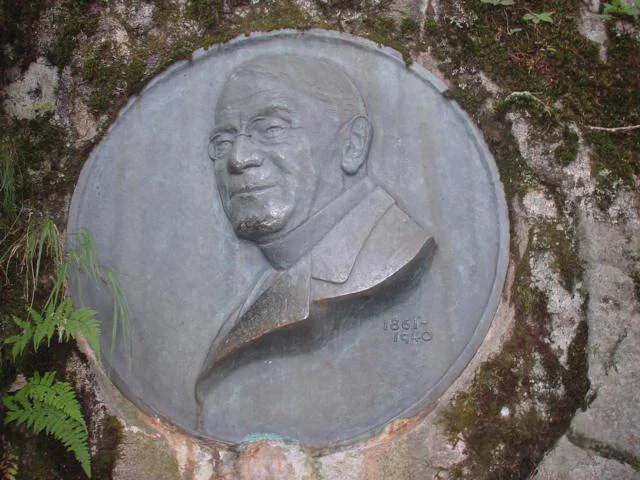
1894 Reverend Walter Weston Mount Hotaka & Hida Alps Exploration
In August 1894, English clergyman Reverend Walter Weston mounted an exploratory alpine expedition into the heart of the Hida Mountains (Northern Japanese Alps), ascending through the virgin primeval forests of Kamikochi to achieve the first modern sporting ascent of Mount Hotaka (3,190 m) with legendary hunter Kamijō Kamonji.
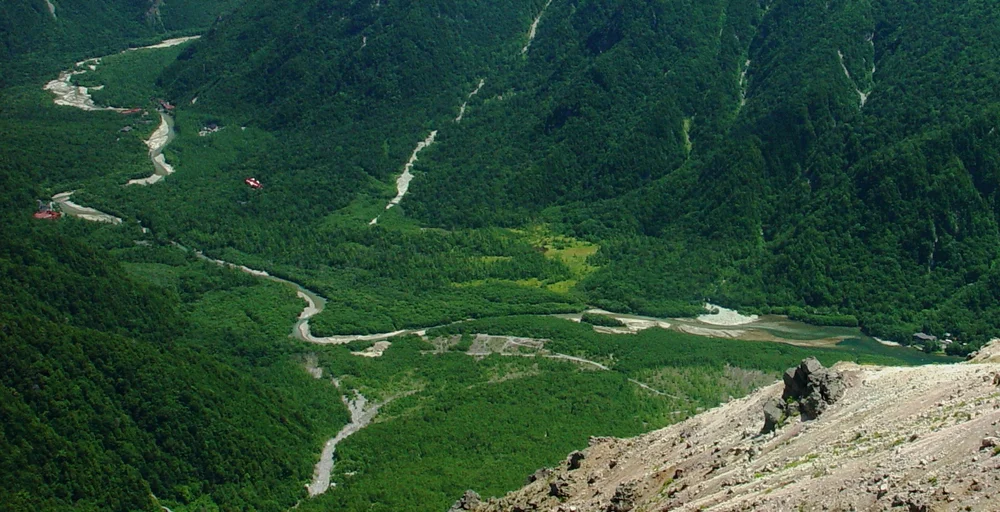
1905 Kojima Usui Mount Kita Traverse & Founding of the Japanese Alpine Club
In July 1905, literary pioneer Kojima Usui and fellow alpinists completed an exploratory traverse of Mount Kita (Kitadake, 3,193 m) in the Southern Japanese Alps, leading directly to the historic assembly in Tokyo on October 14, 1905, that founded the Sangaku-kai (Japanese Alpine Club).
Associated Chronicles & Stories (2)
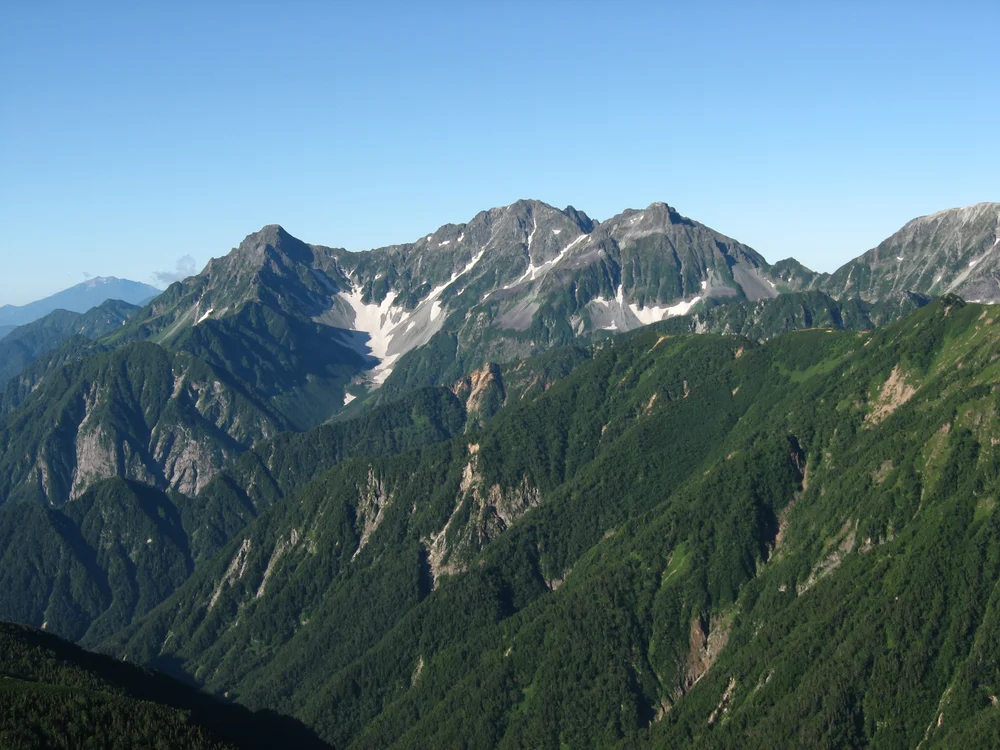
Awakening the Japanese Alps: Walter Weston's 1894 Hotaka Expedition
Reverend Walter Weston enters the untracked wilderness of Kamikochi and climbs Mount Hotaka (3,190 m), introducing modern sport alpinism to Japan.
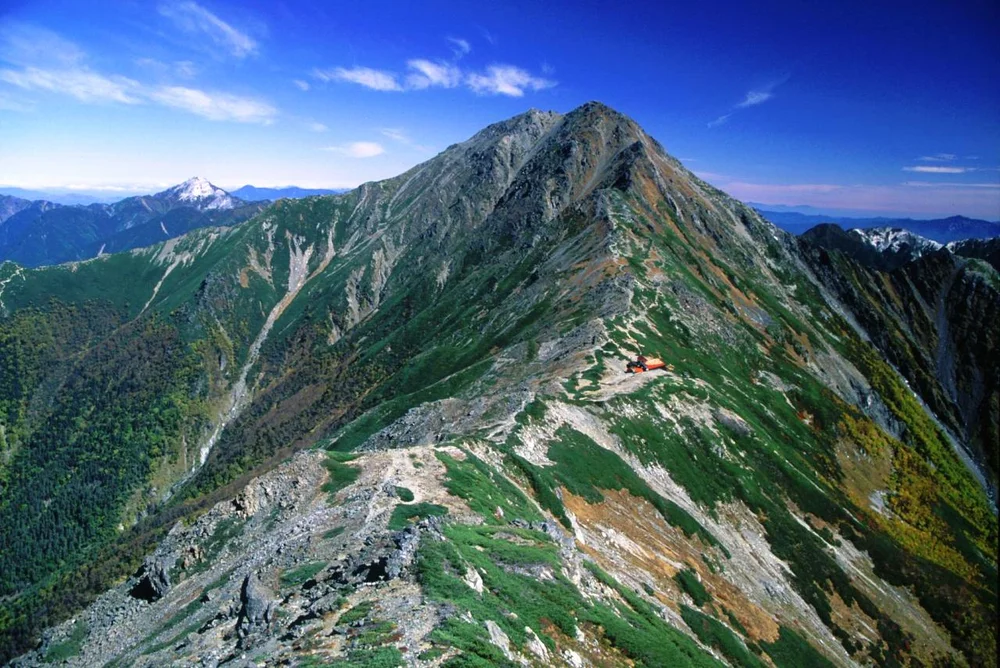
Birth of the Japanese Alpine Club: Kojima Usui and the Soul of Mount Kita
Kojima Usui traverses Mount Kita in the Southern Alps and rallies Japan's intellectual mountaineers to establish the Japanese Alpine Club in 1905.
Documented Sources & Archival Citations
- Mountaineering and Exploration in the Japanese Alps(John Murray, London / Walter Weston)
Supporting claim: Primary autobiographical exploration chronicles of the Hida and Akaishi Alps
Accessed/Documented: 1896 - The Playground of the Far East(John Murray, London / Walter Weston)
Supporting claim: Subsequent climbing records and memoirs of Japanese alpine journeys
Accessed/Documented: 1918