1905 Kojima Usui Mount Kita Traverse & Founding of the Japanese Alpine Club
In July 1905, literary pioneer Kojima Usui and fellow alpinists completed an exploratory traverse of Mount Kita (Kitadake, 3,193 m) in the Southern Japanese Alps, leading directly to the historic assembly in Tokyo on October 14, 1905, that founded the Sangaku-kai (Japanese Alpine Club).
Mountain Safety & Conditions Disclaimer: High-altitude climbing, glacial travel, and technical ascents entail severe objective risks including avalanches, serac collapses, rapid weather collapse, and altitude illness. Historical route descriptions and summit claims on Mountanity reflect documented archival sources and must not be used as live operational safety assessments. Local regulations, permits, and physical glacial topography change continuously.
Peer Review: Senior Editorial Board & Historical Reviewers • Editorial Standards
Official Expedition Narrative & Archival Record
By 1905, the burgeoning Meiji-era intellectual renaissance sparked a profound transformation in how Japanese scholars viewed their wild mountain landscapes. Inspired by Reverend Walter Weston's explorations and John Ruskin's alpine aesthetics, essayist Kojima Usui resolved to unite Japan's active climbers into a formal national alpine association. In July 1905, Kojima undertook an arduous expedition through the Akaishi Mountains (Southern Alps) to conquer Mount Kita (3,193 m), Japan's second-highest summit. Ascending from the Noro River valley, Kojima and his companions negotiated the towering precipices of the Kitadake Buttress and traversed the high, wind-blasted Shirane Sanzan ridge. Standing upon the summit with Mount Fuji floating upon an ocean of morning clouds, Kojima penned impassioned reflections celebrating mountains as sanctuaries of moral clarity and poetic truth. Returning to Tokyo, Kojima convened a gathering of visionary climbers, scientists, and writers—including Jūji Tanabe and Takazo Uno—at the Seiyōken restaurant on October 14, 1905. The assembly formally inaugurated the Sangaku-kai (later renamed the Japanese Alpine Club), electing Kojima as its inaugural president and Walter Weston as its first honorary member. The club launched the journal Sangaku, inaugurating the golden age of Japanese exploratory mountaineering.
Documented Team Composition
- Kojima Usui (Expedition Leader & JAC Founder)
- Jūji Tanabe (Alpine Scholar & Pioneer)
- Takazo Uno (Co-Founder, Japanese Alpine Club)
- Reverend Walter Weston (Honorary Advisor & Mentor)
Key Statistics & Topographic Figures
- Founding Date
- October 14, 1905
- Inaugural President
- Kojima Usui
- Pioneer Ascent Peak
- Mount Kita (3,193 m)
- Official Journal
- Sangaku (established 1906)
- First Honorary Member
- Reverend Walter Weston
Archival Primary Source Quotations
“The mountain does not belong to the ascetics of the past, nor to the cartographers of the state; it belongs to the free soul who climbs for love of the heights.”
Defined Alpine Terminology & Concepts
- Sangaku-kai
- The original Japanese name of the alpine society founded in 1905, later formally incorporated as the Japanese Alpine Club.
- Shirane Sanzan
- The three supreme crests of the Akaishi Mountains: Mount Kita (3,193 m), Mount Aino (3,189 m), and Mount Notori (3,026 m).
Frequently Asked Questions: 1905 Kojima Usui Mount Kita Traverse & Founding of the Japanese Alpine Club
When and where was the Japanese Alpine Club founded?
The Japanese Alpine Club (originally Sangaku-kai) was founded on October 14, 1905, at a historic meeting of intellectual mountaineers at the Seiyōken restaurant in Tokyo.
Who was the first president of the Japanese Alpine Club?
Author and literary critic Kojima Usui served as the inaugural president, having completed pioneering traverses of Mount Kita and the Akaishi Mountains.
Who was named the first honorary member of the Japanese Alpine Club?
Reverend Walter Weston was unanimously elected the first honorary member in recognition of his foundational role in inspiring modern Japanese mountaineering.
Ascent Route & Topography

Mount Kita Shiraneo & Dankan Chimney Route
The Shiraneo and Dankan Chimney Route is the classic climbing artery ascending Mount Kita from Hirogawara across the forested Okkanba valley to the alpine summit ridge. Traversing steep metamorphic moraines and technical rock ledges equipped with chains and timber ladders, the route climbs directly through the Shiraneo cirque beneath the soaring Kitadake Buttress. Above the tree line, climbers navigate narrow rocky couloirs to reach the airy summit ridge at 3,193 metres, offering panoramic vistas across the entire Southern Alps and the volcanic cone of Mount Fuji.
Target Objective Peak
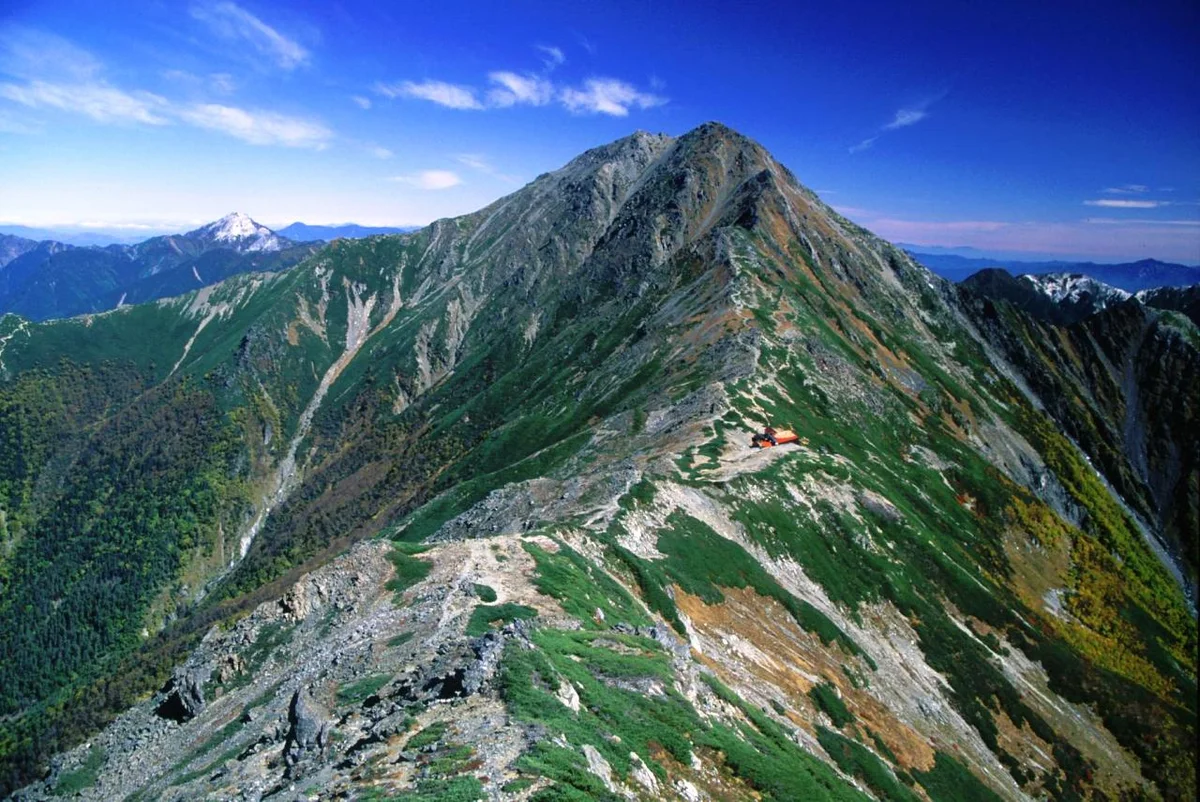

Mount Kita / Kitadake
Mount Kita, or Kitadake, is the second-highest peak in Japan at 3,193 metres (10,476 ft), standing proudly as the crown jewel of the Akaishi Mountains in Minami Alps National Park. Renowned for its sheer 600-metre east rock face (Kitadake Buttress)—one of Japan's most celebrated technical climbing arenas—and its rich endemism of rare alpine flowers (Kitadake-so), the mountain was explored in depth during the Meiji era by Reverend Walter Weston in 1902 and early members of the Japanese Alpine Club. The classic ascent follows the Shiraneo Dankan ridge from Hirogawara, providing breathtaking panoramas of Mount Fuji across the Kofu Basin.
Featured Expedition Climbers
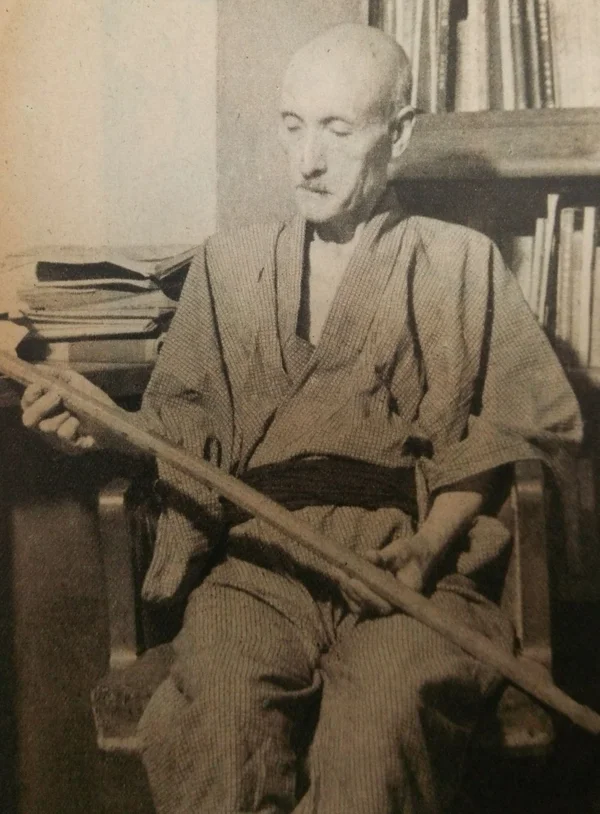
Jūji Tanabe
Jūji Tanabe was born on August 4, 1884, in Toyama Prefecture, Japan. A distinguished professor of English literature at Toyo University and Hosei University, Tanabe was a specialist in the romantic poetry of William Wordsworth. He brought this profound romantic reverence for wild nature into the heart of early Japanese alpine exploration. Tanabe was a pioneer of keikoku (mountain valley and river canyon) exploration, advocating that true mountain appreciation required ascending from the depths of primeval mountain gorges rather than merely collecting high summits. Between 1905 and the 1930s, Tanabe explored the deep ravines of the Kurobe River, the remote valleys of the Southern Alps surrounding Mount Kita, and the untracked ridges of the Okuchichibu range. In 1919, Tanabe published his celebrated masterpiece, Yama to Keikoku (Mountains and Keikoku / Mountains and Gorges). Blending lyrical nature writing with precise route-finding observations and philosophical meditations on solitude, the book became one of the most beloved classics in Japanese alpine literature, inspiring the foundation of Japan's famed mountaineering publishing house Yama-kei. Tanabe was a senior leader of the Japanese Alpine Club and continued hiking and writing well into his eighties. He passed away on September 22, 1972, leaving an indelible imprint on Japanese mountaineering culture.
Kojima Usui
Kojima Usui (born Kojima Hisayoshi) was born on December 29, 1873, in Yokohama, Japan. A distinguished banker at the Yokohama Specie Bank by trade, Kojima was a passionate essayist, literary critic, and pioneer alpinist who spearheaded the intellectual awakening of Japanese mountaineering at the turn of the twentieth century. Inspired by the writings of Reverend Walter Weston and the romantic tradition of landscape aesthetics, Kojima sought to elevate mountaineering from traditional ascetic devotion into a profound communion with nature and modern sporting exploration. In October 1905, along with a cadre of fellow climbing enthusiasts and writers, Kojima co-founded the Sangaku-kai (Japanese Alpine Club), serving as its first president and editing its influential alpine journal Sangaku. Kojima led numerous pioneering expeditions throughout the Northern and Southern Japanese Alps. In 1902 and 1904, he explored the rugged ramparts of Mount Kita and the Shirane Sanzan ridge, documenting the sublime beauty of the Akaishi range in lyrical prose. His major multi-volume masterpiece, Nihon Arupusu (The Japanese Alps), published between 1910 and 1915, combined rigorous geographic observation with exquisite literary essays, inspiring an entire generation of Meiji and Taisho-era Japanese climbers to venture into the high peaks. Kojima died on December 13, 1948, recognized as one of the towering cultural figures in Japanese mountaineering history.
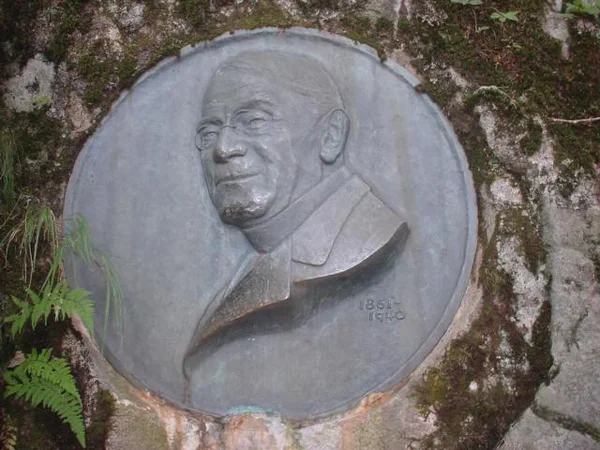
Walter Weston
Reverend Walter Weston was born on December 25, 1861, in Derby, England. Educated at Cambridge, Weston was an avid member of the British Alpine Club who honed his climbing craft in the Swiss Alps. In 1888, he traveled to Japan as an Anglican missionary of the Church Missionary Society, serving in Kumamoto, Kobe, and Yokohama. Fascinated by the rugged topography of central Honshu, Weston spent his vacations exploring the untracked mountain ranges of central Japan. While traditional Japanese ascents were conducted primarily as sacred religious pilgrimages (Sangaku Shinkō) by ascetic yamabushi priests, Weston introduced the European ethos of mountaineering for athletic challenge, scientific curiosity, and aesthetic joy. Accompanied by local hunters and guides such as Kamijō Kamonji, Weston achieved first modern sporting ascents of major summits across the Hida Mountains (Northern Alps) and Akaishi Mountains (Southern Alps), including Mount Hotaka, Mount Kita, Mount Yari, and Mount Shirouma. In 1896, Weston published his landmark book, Mountaineering and Exploration in the Japanese Alps, which introduced Japan's alpine wonderland to the Western world and popularized the term 'Japanese Alps' (originally coined by English mining engineer William Gowland). He also encouraged the foundation of the Japanese Alpine Club in 1905, becoming its first honorary member. Today, an annual memorial festival is held in his honor in Kamikochi, and he is universally revered across Japan as the father of modern Japanese mountaineering.
Associated Historical Chronicles & Stories
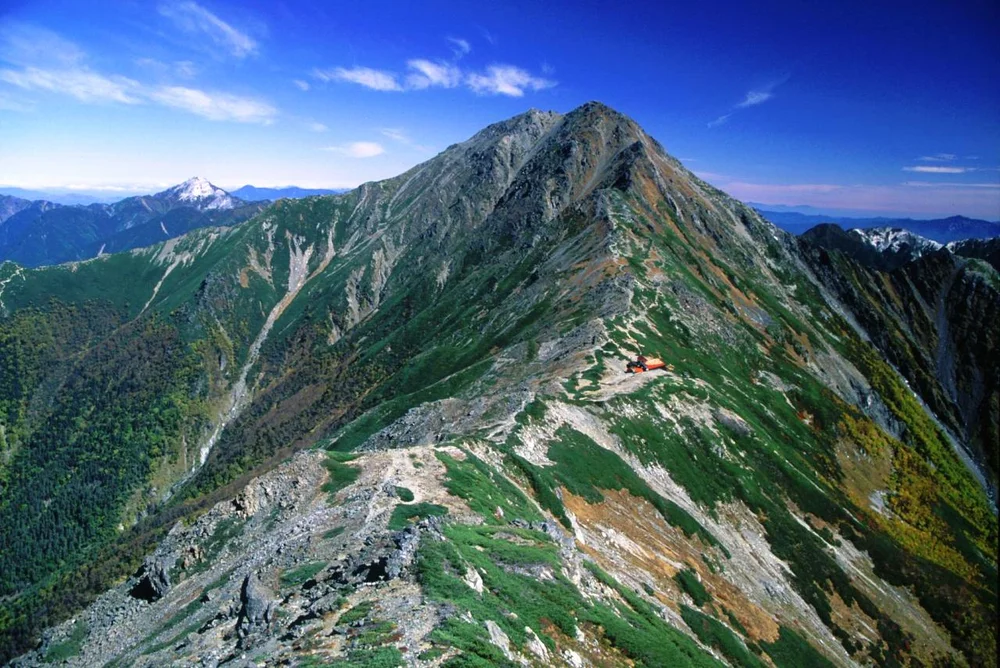
Birth of the Japanese Alpine Club: Kojima Usui and the Soul of Mount Kita
Kojima Usui traverses Mount Kita in the Southern Alps and rallies Japan's intellectual mountaineers to establish the Japanese Alpine Club in 1905.
Documented Sources & Archival Citations
- A Century of the Japanese Alpine Club: 1905–2005(Japanese Alpine Club, Tokyo)
Supporting claim: Comprehensive institutional chronicle of the club's founding and early Southern Alps ascents
Accessed/Documented: 2005