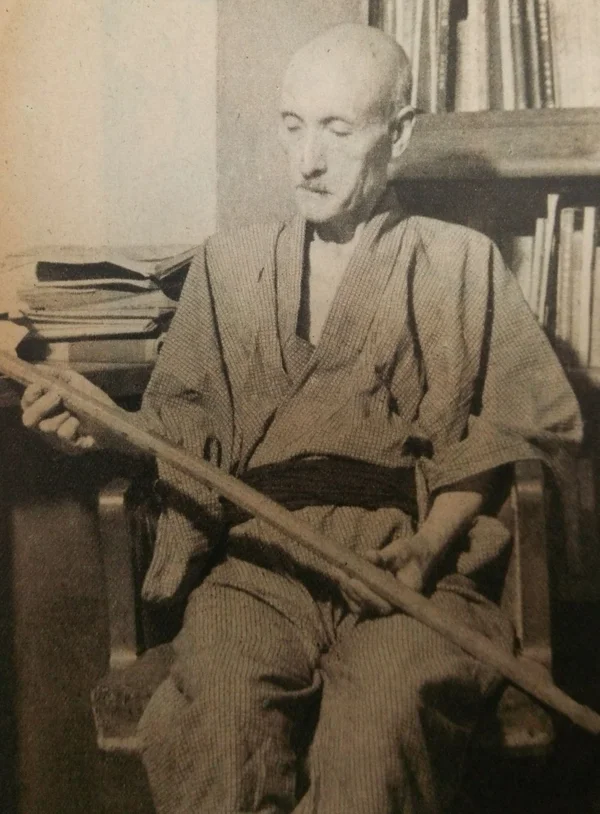
Jūji Tanabe
Jūji Tanabe was an influential Japanese literary scholar, alpine pioneer, and author whose landmark 1919 book Mountains and Keikoku defined Japanese mountain aesthetic philosophy. He pioneered deep canyon ascents, valley traverses, and high ridge crossings throughout the Japanese Alps and Chichibu Mountains.
Mountain Safety & Conditions Disclaimer: High-altitude climbing, glacial travel, and technical ascents entail severe objective risks including avalanches, serac collapses, rapid weather collapse, and altitude illness. Historical route descriptions and summit claims on Mountanity reflect documented archival sources and must not be used as live operational safety assessments. Local regulations, permits, and physical glacial topography change continuously.
Peer Review: Senior Editorial Board & Historical Reviewers • Editorial Standards
Biographical Record & Archival Chronicle
Jūji Tanabe was born on August 4, 1884, in Toyama Prefecture, Japan. A distinguished professor of English literature at Toyo University and Hosei University, Tanabe was a specialist in the romantic poetry of William Wordsworth. He brought this profound romantic reverence for wild nature into the heart of early Japanese alpine exploration.
Tanabe was a pioneer of keikoku (mountain valley and river canyon) exploration, advocating that true mountain appreciation required ascending from the depths of primeval mountain gorges rather than merely collecting high summits. Between 1905 and the 1930s, Tanabe explored the deep ravines of the Kurobe River, the remote valleys of the Southern Alps surrounding Mount Kita, and the untracked ridges of the Okuchichibu range.
In 1919, Tanabe published his celebrated masterpiece, Yama to Keikoku (Mountains and Keikoku / Mountains and Gorges). Blending lyrical nature writing with precise route-finding observations and philosophical meditations on solitude, the book became one of the most beloved classics in Japanese alpine literature, inspiring the foundation of Japan's famed mountaineering publishing house Yama-kei. Tanabe was a senior leader of the Japanese Alpine Club and continued hiking and writing well into his eighties. He passed away on September 22, 1972, leaving an indelible imprint on Japanese mountaineering culture.
Notable Milestones & Ascents
- Authored the seminal classic Yama to Keikoku (Mountains and Keikoku, 1919)
- Pioneered deep canyon and river valley exploration (keikoku-tozan) in the Japanese Alps
- Early pioneering traverses of the Akaishi Mountains and Kurobe Gorge in the Hida range
- Inspired the establishment of Japan's major alpine publishing house Yama-to-Keikoku-sha
- Honorary member and prominent leader of the Japanese Alpine Club
Key Statistics & Topographic Figures
- Lifespan
- 1884–1972 (Aged 88)
- Masterpiece
- Yama to Keikoku (Mountains and Keikoku, 1919)
- Academic Role
- Professor of English Literature (Wordsworth Scholar)
- Key Explorations
- Kurobe Canyon, Akaishi Valleys, Okuchichibu
- Club Role
- Senior Director, Japanese Alpine Club
Archival Primary Source Quotations
“To walk up a mountain valley is to enter a living temple of running water, primeval trees, and ancient stone.”
Defined Alpine Terminology & Concepts
- Keikoku
- Mountain valleys, river gorges, and ravine canyons explored as complete ecological and aesthetic corridors.
- Yama-to-Keikoku
- Literally 'Mountains and Valleys', the title of Tanabe's seminal book and Japan's flagship mountaineering media brand.
Frequently Asked Questions: Jūji Tanabe
Who was Jūji Tanabe?
An influential Japanese literary scholar, Wordsworth professor, and alpine pioneer who authored the 1919 classic 'Mountains and Keikoku'.
What is 'keikoku-tozan' popularized by Jūji Tanabe?
The exploration of mountains via their deep river valleys and wild canyons rather than merely climbing direct ridge routes to summits.
What major alpine institution was inspired by Jūji Tanabe's work?
Japan's prominent mountaineering publishing house Yama-to-Keikoku-sha took its name directly from Tanabe's 1919 book.
Associated Summits (2)
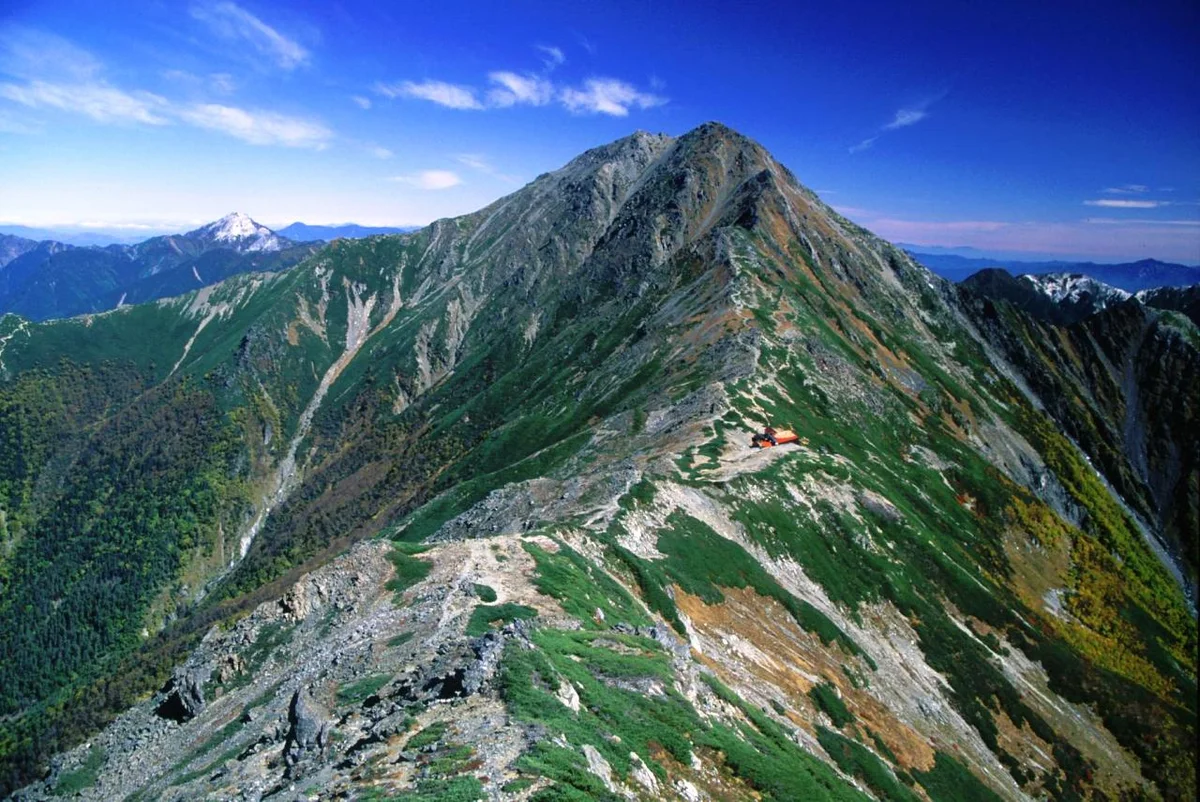

Mount Kita / Kitadake
Mount Kita, or Kitadake, is the second-highest peak in Japan at 3,193 metres (10,476 ft), standing proudly as the crown jewel of the Akaishi Mountains in Minami Alps National Park. Renowned for its sheer 600-metre east rock face (Kitadake Buttress)—one of Japan's most celebrated technical climbing arenas—and its rich endemism of rare alpine flowers (Kitadake-so), the mountain was explored in depth during the Meiji era by Reverend Walter Weston in 1902 and early members of the Japanese Alpine Club. The classic ascent follows the Shiraneo Dankan ridge from Hirogawara, providing breathtaking panoramas of Mount Fuji across the Kofu Basin.
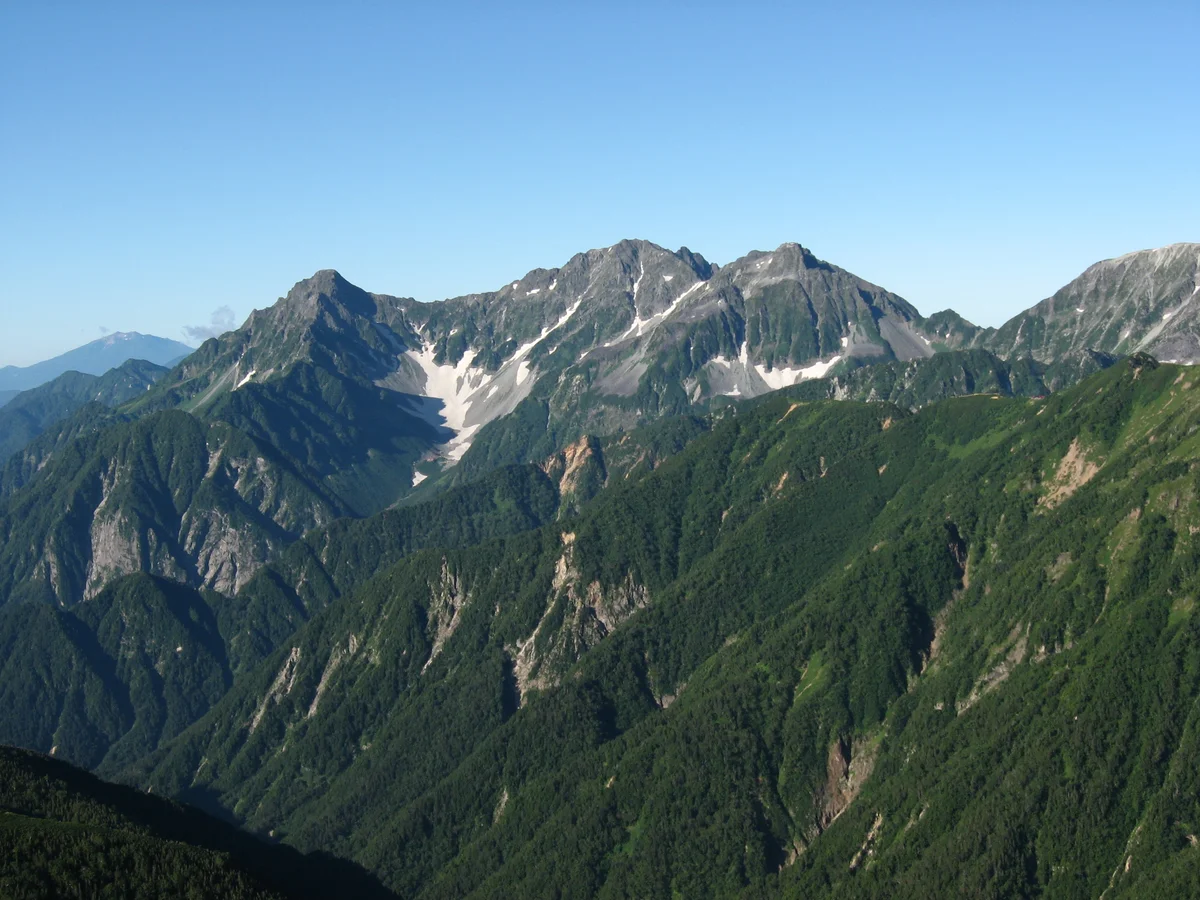
Mount Hotaka / Okuhotakadake
Mount Hotaka (Okuhotakadake) is the third-highest mountain in Japan at 3,190 metres (10,466 ft) and the supreme summit of the Hida Mountains in Chūbu-Sangaku National Park. Rising majestically above the idyllic alpine meadows of Kamikochi, the Hotaka Massif is famed for its rugged knife-edge arêtes, towering precipices, and the legendary Gendarme rock tower. Explored and introduced to the international alpine community by Reverend Walter Weston in the 1890s, Mount Hotaka is considered the spiritual cradle of Japanese technical rock climbing and alpine mountaineering.
Pioneered & Associated Routes (2)
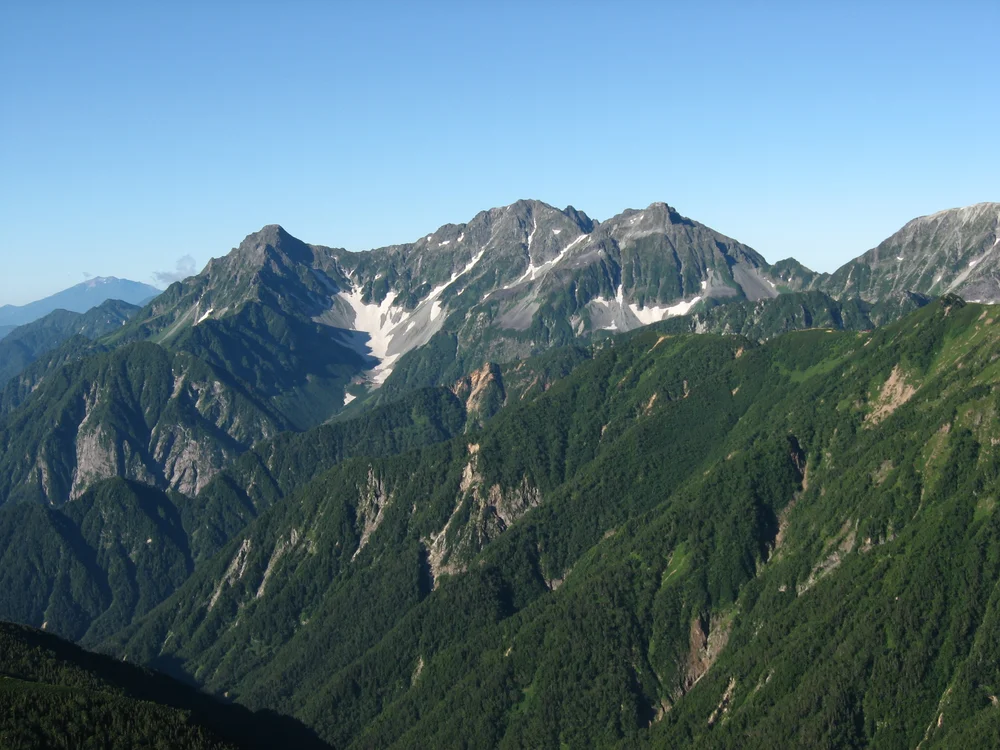
Mount Hotaka Shiradezawa & Gendarme Ridge Route
The Shiradezawa and Gendarme Ridge Route on Mount Hotaka represents one of Japan's most revered alpine mountaineering challenges. Starting from the forested haven of Kamikochi, climbers ascend through the Karasawa Cirque—famous for its dramatic amphitheater of precipitous cliffs—before tackling the sheer, chained headwalls leading to Hotakadake Sanso hut on the col. From the summit of Okuhotakadake (3,190 m), the route continues along an exposed, knife-edge rock traverse confronting the formidable Gendarme, a sheer 3,163-metre sentinel tower requiring steady nerves and expert rock scrambling.

Mount Kita Shiraneo & Dankan Chimney Route
The Shiraneo and Dankan Chimney Route is the classic climbing artery ascending Mount Kita from Hirogawara across the forested Okkanba valley to the alpine summit ridge. Traversing steep metamorphic moraines and technical rock ledges equipped with chains and timber ladders, the route climbs directly through the Shiraneo cirque beneath the soaring Kitadake Buttress. Above the tree line, climbers navigate narrow rocky couloirs to reach the airy summit ridge at 3,193 metres, offering panoramic vistas across the entire Southern Alps and the volcanic cone of Mount Fuji.
Documented Expeditions (1)
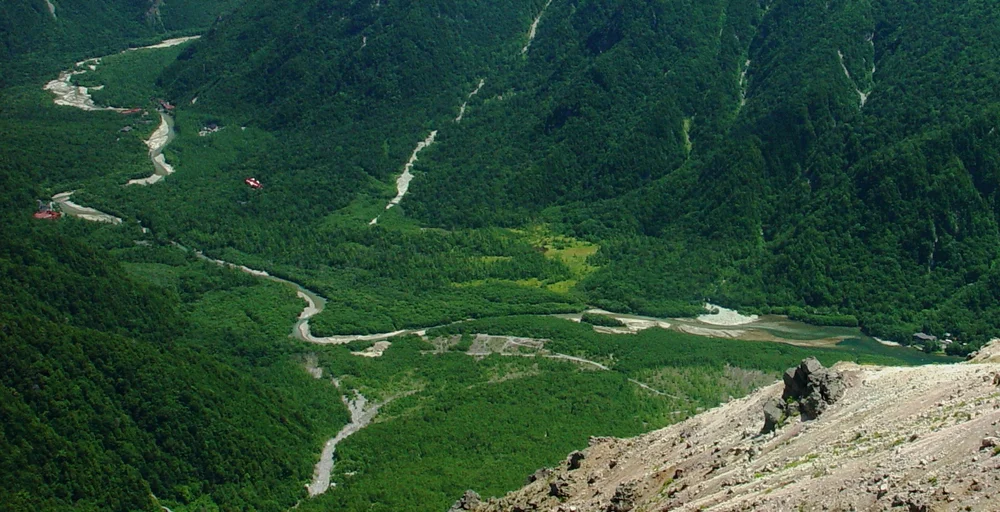
1905 Kojima Usui Mount Kita Traverse & Founding of the Japanese Alpine Club
In July 1905, literary pioneer Kojima Usui and fellow alpinists completed an exploratory traverse of Mount Kita (Kitadake, 3,193 m) in the Southern Japanese Alps, leading directly to the historic assembly in Tokyo on October 14, 1905, that founded the Sangaku-kai (Japanese Alpine Club).
Associated Chronicles & Stories (1)
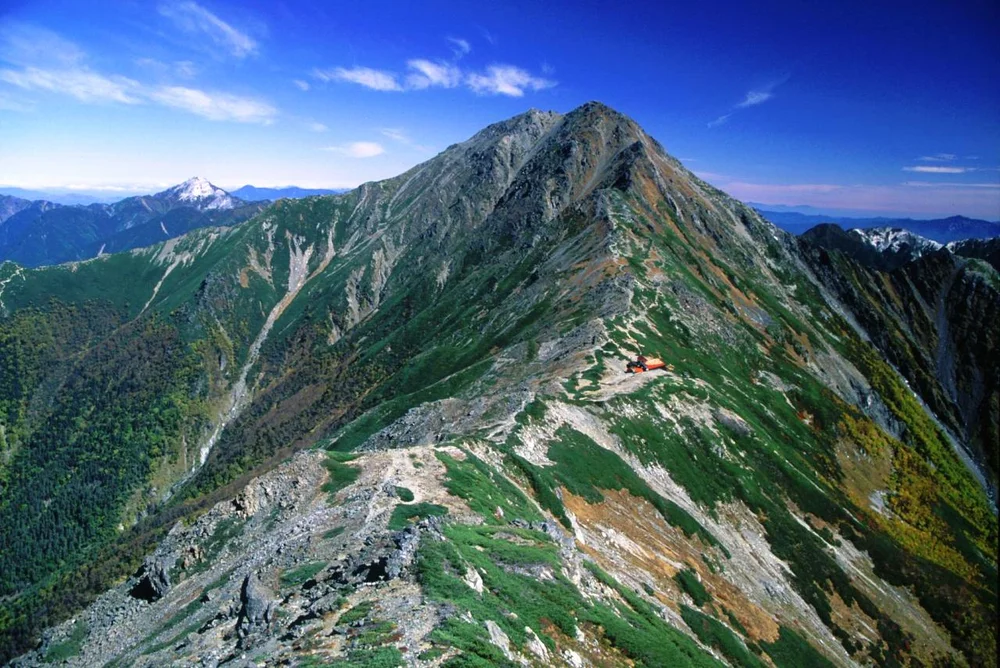
Birth of the Japanese Alpine Club: Kojima Usui and the Soul of Mount Kita
Kojima Usui traverses Mount Kita in the Southern Alps and rallies Japan's intellectual mountaineers to establish the Japanese Alpine Club in 1905.
Documented Sources & Archival Citations
- Yama to Keikoku (Mountains and Keikoku)(Yuzankaku / Yama-to-Keikoku-sha / Jūji Tanabe)
Supporting claim: Primary autobiographical narratives of canyon and alpine explorations across Japan
Accessed/Documented: 1919 - Japanese Mountain Literature and the Works of Jūji Tanabe(Japanese Alpine Club Library)
Supporting claim: Critical biographical survey and literary analysis
Accessed/Documented: 2026