Chōjirō Uji
Chōjirō Uji was an extraordinary Japanese mountain guide and hunter from Toyama who guided the Imperial Land Survey team to the maiden modern ascent of Mount Tsurugi on July 13, 1907. His incomparable knowledge of avalanche gullies, snow bridges, and granite cliffs enabled the conquest of Japan's most formidable alpine peak.
Mountain Safety & Conditions Disclaimer: High-altitude climbing, glacial travel, and technical ascents entail severe objective risks including avalanches, serac collapses, rapid weather collapse, and altitude illness. Historical route descriptions and summit claims on Mountanity reflect documented archival sources and must not be used as live operational safety assessments. Local regulations, permits, and physical glacial topography change continuously.
Peer Review: Senior Editorial Board & Historical Reviewers • Editorial Standards
Biographical Record & Archival Chronicle
Chōjirō Uji was born in 1841 in Oyama (present-day Kamiichi), Toyama Prefecture, Japan. Born into a mountain family, Chōjirō became a renowned matagi (traditional wilderness hunter) and expert guide across the rugged gorges of the Tateyama range and northern Hida Mountains. His ability to read snow conditions, survive extreme blizzards, and find safe routes across jagged precipices was legendary among mountain folk.
In 1907, the Imperial Japanese Army Land Survey, directed to complete the definitive topographic mapping of Japan, tasked surveyor Yoshitaro Shibasaki with establishing a triangulation station atop Mount Tsurugi (2,999 m)—the only peak in Japan considered impossible to climb. Shibasaki recruited Chōjirō as the expedition's chief scout and guide. At age 66, possessing phenomenal physical vigor and route intuition, Chōjirō rejected the impassable rock faces of the front ridges, instead pioneering a route up a massive, hidden snow and ice couloir on the eastern flank, now known as Chōjirō Snow Gully (Chōjirō-setsu-kei).
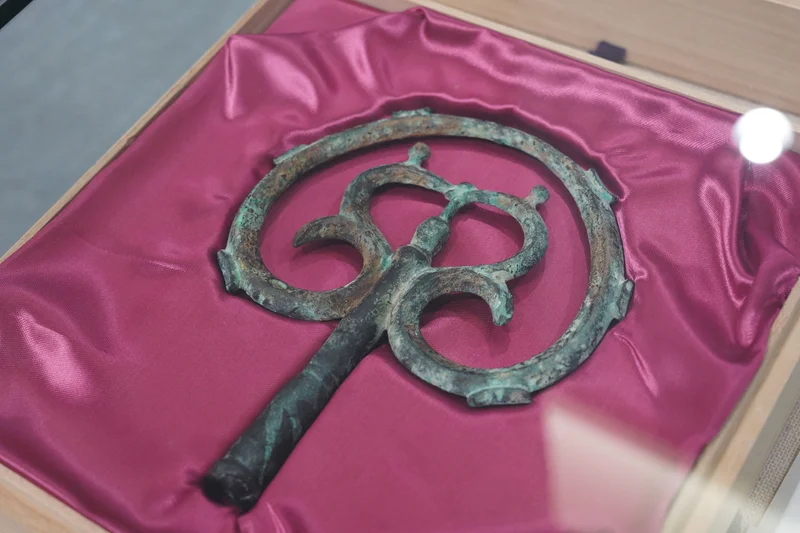
On July 13, 1907, Chōjirō led Shibasaki and the survey team safely to the summit crest of Mount Tsurugi, securing the historic first modern ascent. On the summit, they uncovered an ancient Shakujō (Buddhist bronze cane head) left by an ancient pilgrim, resolving centuries of myth. Chōjirō passed away in 1917, immortalized as one of the greatest natural mountaineers in Japanese history.
Notable Milestones & Ascents
- Guided the Imperial Land Survey team to the first modern ascent of Mount Tsurugi (2,999 m) on July 13, 1907
- Discovered and pioneered the Chōjirō Snow Gully route up Mount Tsurugi
- Discovered ancient 8th-century Nara/Heian Buddhist bronze relics atop the summit of Tsurugi
- Eponymous namesake of Mount Chōjirō and Chōjirō Snow Gully in the Northern Japanese Alps
Key Statistics & Topographic Figures
- Lifespan
- 1841–1917 (Aged 76)
- Historic Role
- Chief Guide, 1907 Mount Tsurugi First Modern Ascent
- Hometown
- Kamiichi, Toyama Prefecture, Japan
- Tradition
- Matagi (Master Traditional Mountain Hunter)
- Eponymous Landmark
- Chōjirō Snow Gully (Chōjirō-setsu-kei)
Archival Primary Source Quotations
“The mountain opens only to those who know when to listen to the snow and respect the quiet wisdom of the cliffs.”
Defined Alpine Terminology & Concepts
- Chōjirō-setsu-kei
- A massive glacial snow couloir on Mount Tsurugi's eastern face scouted and pioneered by Chōjirō Uji in 1907.
- Waraji
- Traditional Japanese woven straw sandals worn by hunters and climbers for traction on wet river rocks and alpine slabs.
Frequently Asked Questions: Chōjirō Uji
Who was Chōjirō Uji?
A legendary Toyama matagi hunter and mountain guide who guided the 1907 Imperial Land Survey team to the first modern ascent of Mount Tsurugi.
What is named after Chōjirō Uji in the Japanese Alps?
Chōjirō Snow Gully (Chōjirō-setsu-kei) and Mount Chōjirō, commemorating his historic route-finding on Mount Tsurugi.
How old was Chōjirō Uji during the 1907 Mount Tsurugi ascent?
Chōjirō was 66 years old when he guided the survey party to the summit on July 13, 1907.
Associated Summits (1)

Mount Tsurugi / Tsurugidake
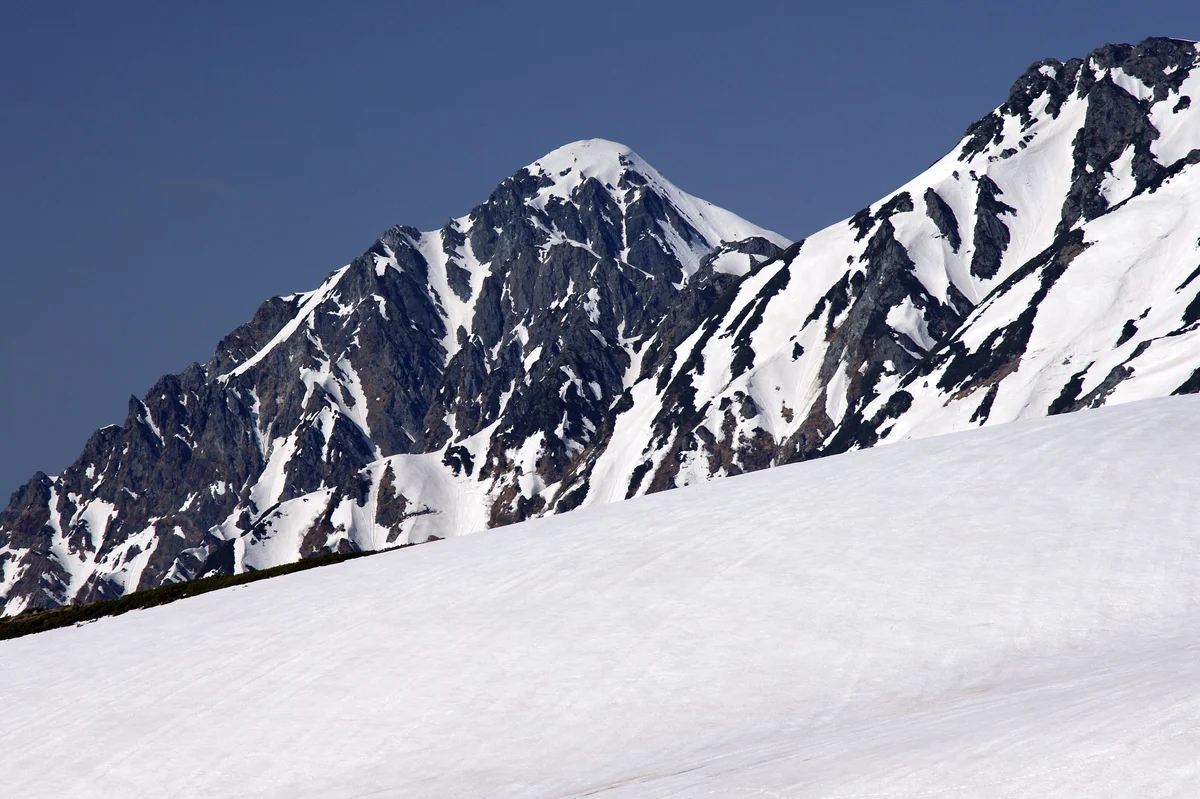
Mount Tsurugi (Tsurugidake) is a fearsome 2,999-metre (9,839 ft) granite horn in the northern Hida Mountains of Toyama Prefecture, known as the most hazardous and technically challenging alpine peak in Japan. Revered in ancient esoteric Buddhism as a realm of hell forbidden to human feet, the mountain became the epicenter of an epic race in 1907 between the Imperial Land Survey team led by Yoshitaro Shibasaki and master hunter Chōjirō Uji, and the newly established Japanese Alpine Club. Upon reaching the virgin summit, the survey team made the astonishing discovery of an ancient Heian-period bronze cane head and sword tip, revealing that ascetic Shugendō pilgrims had scaled the perilous peak over a millennium earlier.
Pioneered & Associated Routes (1)
Mount Tsurugi Bessan Ridge & Kani-no-Tatebai Route
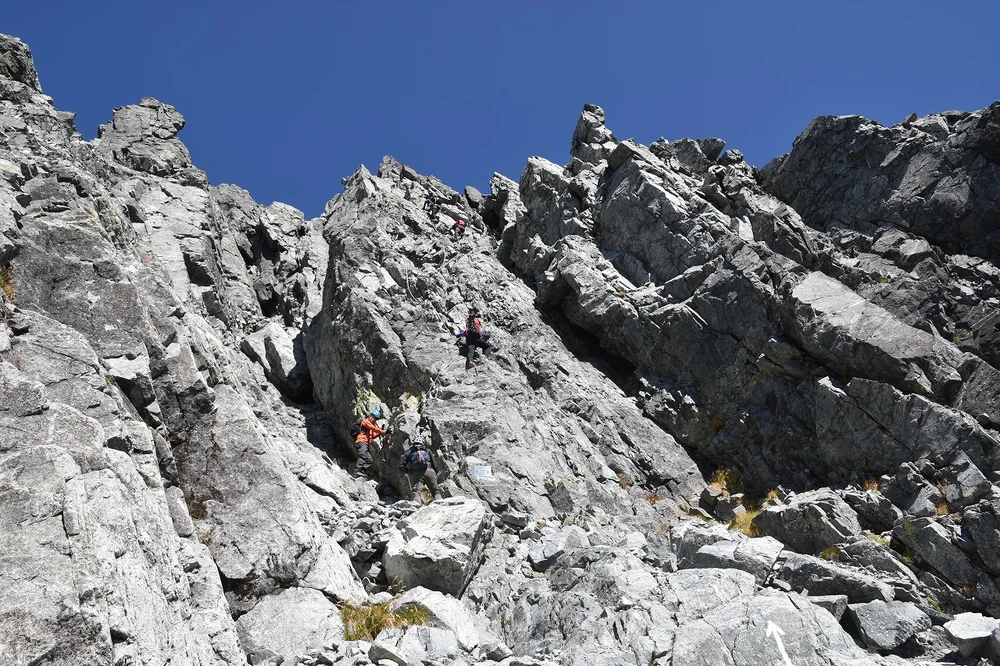
The Bessan Ridge and Kani-no-Tatebai Route is Japan's ultimate classic alpine rock scramble, leading to the razor-like 2,999-metre apex of Mount Tsurugi. Starting from Murodo across the Tateyama volcanic plateau, the route crosses Tsurugigozen col to follow a serrated granite arête featuring 13 distinct rock obstacles equipped with iron chains, bolts, and carved footholds. The crux of the ascent is the renowned Kani-no-Tatebai ('Crab's Vertical Crawl'), a sheer 50-metre near-vertical cliff face, while the descent requires overcoming the nerve-testing Kani-no-Yokobai ('Crab's Horizontal Traverse') across a sheer vertical void.
Documented Expeditions (1)
1907 Imperial Land Survey Historic First Modern Ascent of Mount Tsurugi
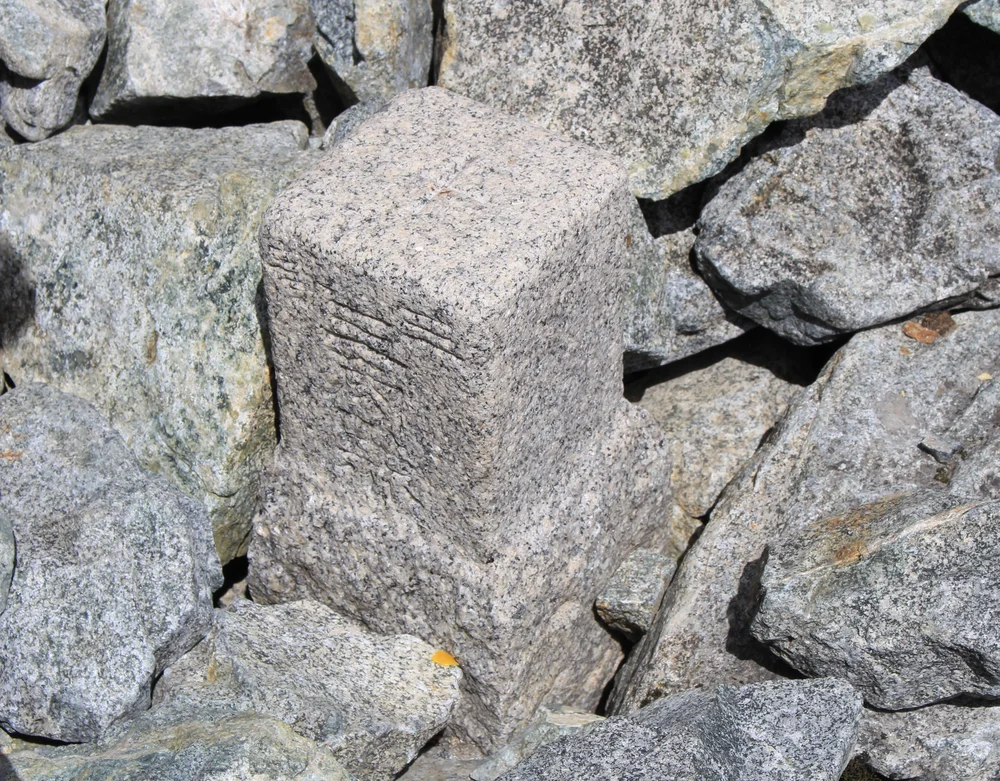
On July 13, 1907, an Imperial Japanese Army Land Survey team guided by master matagi hunter Chōjirō Uji achieved the historic first modern ascent of Mount Tsurugi (2,999 m), conquering Japan's most formidable alpine peak and discovering ancient Heian-period pilgrim relics on the summit.
Associated Chronicles & Stories (1)
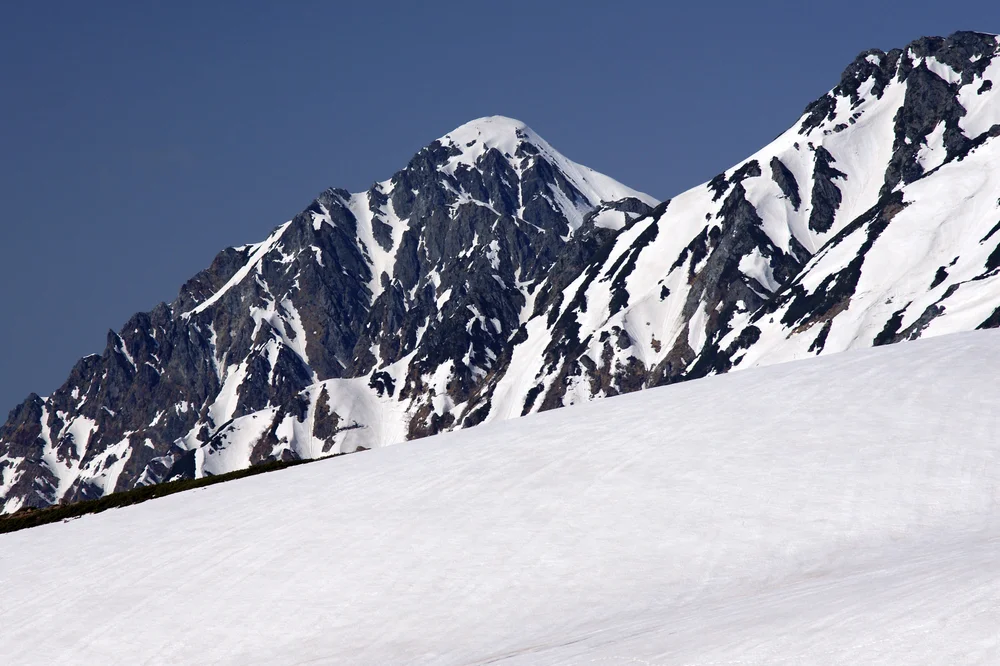
The Needle of Rock: Chōjirō Uji and the 1907 Conquest of Mount Tsurugi
Master matagi hunter Chōjirō Uji guides surveyor Yoshitaro Shibasaki up Mount Tsurugi's sheer walls in 1907, discovering ancient Heian relics on the virgin peak.
Documented Sources & Archival Citations
- Tsurugidake: Ten no Ki (The Summit: A Chronicle of Mount Tsurugi)(Bungeishunjū / Jirō Nitta)
Supporting claim: Biographical chronicle of Chōjirō Uji and the 1907 Tsurugidake survey expedition
Accessed/Documented: 1977 - History of Mountaineering in Toyama Prefecture(Toyama Prefectural Museum)
Supporting claim: Archival records and ethnographic documentation of Chōjirō Uji
Accessed/Documented: 2026