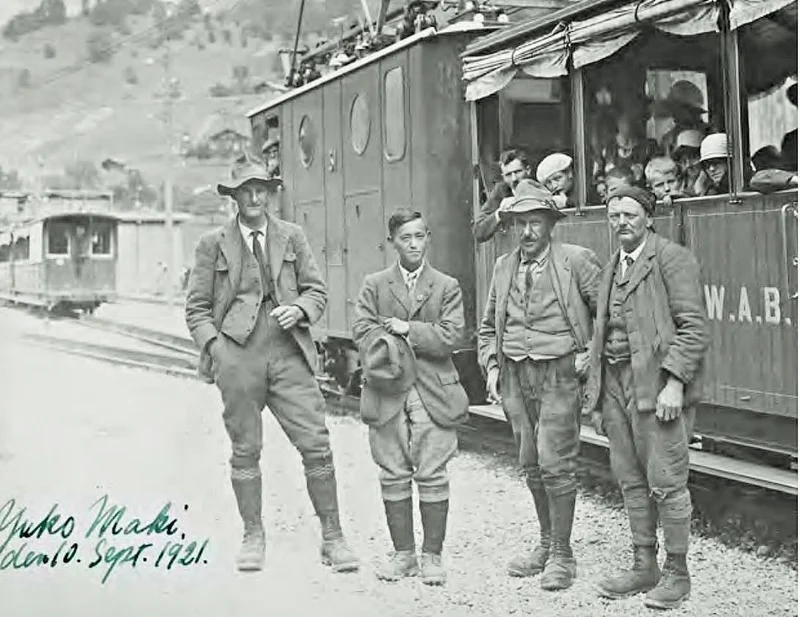
Aritsune Maki
Aritsune Maki was a legendary Japanese mountaineer who achieved international acclaim by pioneering the first ascent of the Eiger Mittellegi Ridge in 1921 and Canada's Mount Alberta in 1925. He later led the historic 1956 Japanese expedition that completed the maiden first ascent of Manaslu, securing Japan's place in Himalayan climbing history.
Mountain Safety & Conditions Disclaimer: High-altitude climbing, glacial travel, and technical ascents entail severe objective risks including avalanches, serac collapses, rapid weather collapse, and altitude illness. Historical route descriptions and summit claims on Mountanity reflect documented archival sources and must not be used as live operational safety assessments. Local regulations, permits, and physical glacial topography change continuously.
Peer Review: Senior Editorial Board & Historical Reviewers • Editorial Standards
Biographical Record & Archival Chronicle
Aritsune Maki (known widely as Maki Yūkō) was born on February 5, 1894, in Sendai, Miyagi Prefecture, Japan. Educated at Keio University, Maki developed into a brilliant technical rock climber in the Japanese Alps before traveling to Europe in 1919 to pursue advanced alpine mountaineering in Switzerland and Great Britain.
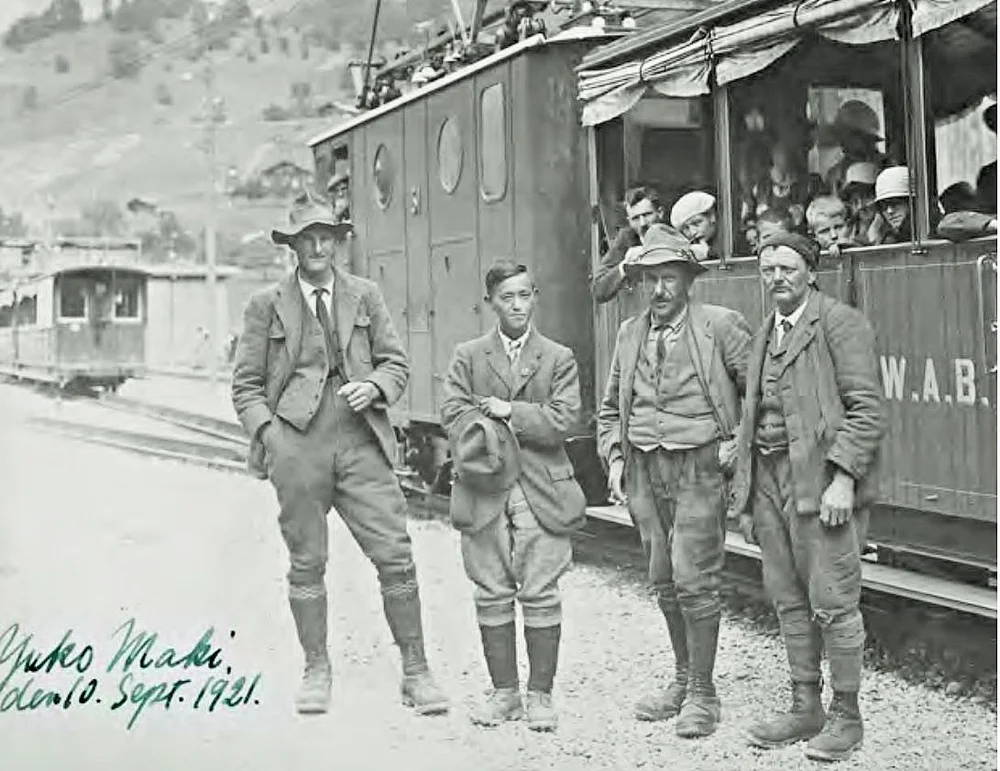
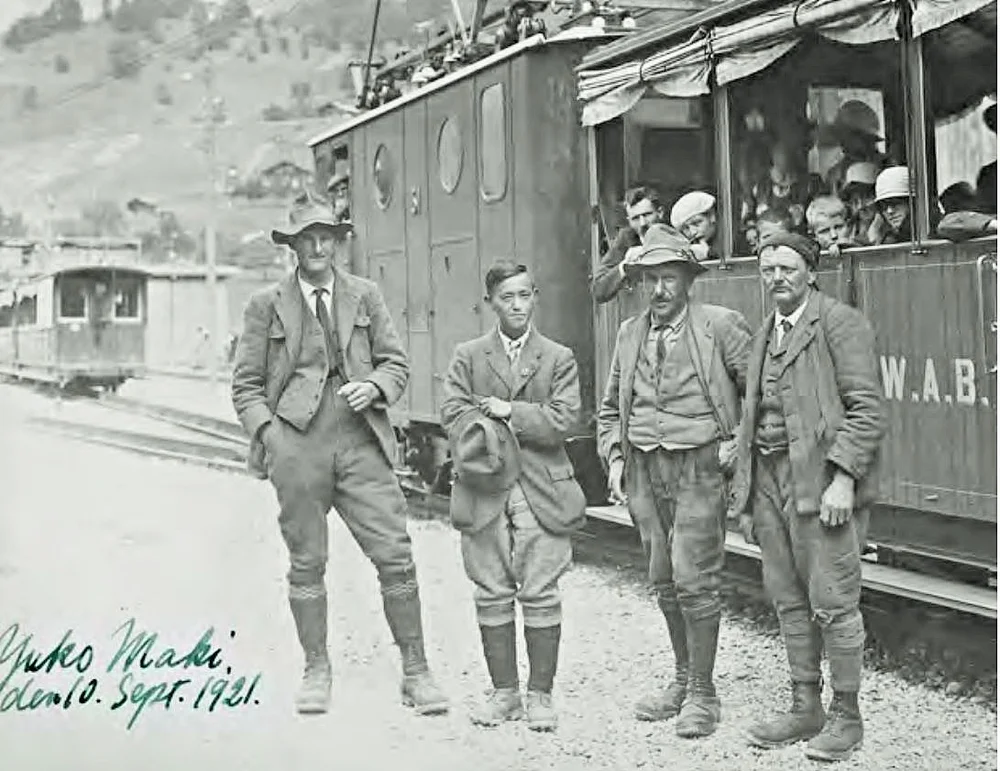
In the Bernese Oberland, Maki turned his attention to the formidable and unclimbed Mittellegi Ridge of the Eiger—a razor-sharp, heavily corniced limestone crest that had repelled alpine climbers for decades. On September 10, 1921, Maki alongside Swiss guides Fritz Steuri, Samuel Brawand, and Fritz Amatter completed the historic first ascent of the Mittellegi Ridge. In gratitude, Maki donated 10,000 Swiss francs to build the Mittellegi Hut, providing vital refuge for subsequent mountaineers.
In 1925, Maki led a groundbreaking expedition of the Japanese Alpine Club to the Canadian Rockies, achieving the first ascent of Mount Alberta (3,619 m), one of North America's most challenging peaks, where the team famously left a silver ice axe on the summit. In 1956, at age 62, Maki served as the visionary general leader of the triumphant Japanese expedition to Manaslu (8,163 m), which achieved Japan's first 8,000-metre summit conquest. Maki served as President of the Japanese Alpine Club from 1944 to 1946 and again from 1957 to 1963. He passed away on May 2, 1989, honored as the greatest international mountaineer in modern Japanese history.
Notable Milestones & Ascents
- First ascent of the Mittellegi Ridge of the Eiger (3,967 m) on September 10, 1921
- Donated the original Mittellegi Hut on the Eiger to the Grindelwald Guides Association
- First ascent of Mount Alberta (3,619 m) in the Canadian Rockies on July 21, 1925
- Overall Leader of the historic 1956 Japanese expedition achieving the first ascent of Manaslu (8,163 m)
- Awarded the Order of the Sacred Treasure and the Olympic Diploma of Merit
Key Statistics & Topographic Figures
- Lifespan
- 1894–1989 (Aged 95)
- Historic Ascents
- Eiger Mittellegi (1921), Mount Alberta (1925)
- Himalayan Triumph
- General Leader, 1956 Manaslu First Ascent (8,163 m)
- Leadership
- President, Japanese Alpine Club (Multiple Terms)
- Honors
- Olympic Diploma of Merit & Order of the Sacred Treasure
Archival Primary Source Quotations
“In mountaineering, the summit is never a victory over stone; it is a victory of human brotherhood over fear and solitude.”
Defined Alpine Terminology & Concepts
- Mittellegi Hut
- A legendary refuge clinging to the knife-edge arête of the Eiger built with funds gifted by Aritsune Maki.
- Eight-Thousander
- One of the 14 independent mountains on Earth exceeding 8,000 metres in height, such as Manaslu.
Frequently Asked Questions: Aritsune Maki
Who was Aritsune Maki (Maki Yūkō)?
A legendary Japanese mountaineer who made the first ascent of the Eiger Mittellegi Ridge (1921), Mount Alberta (1925), and led the 1956 Manaslu first ascent.
What did Aritsune Maki leave on the summit of Mount Alberta?
An imperial silver ice axe presented by Prince Chichibu, which stood on the summit for 23 years until recovered in 1948.
What hut on the Eiger was built with Aritsune Maki's donation?
The Mittellegi Hut (Mittellegihütte), constructed in 1924 with a donation of 10,000 Swiss francs from Maki.
Associated Summits (3)

Manaslu
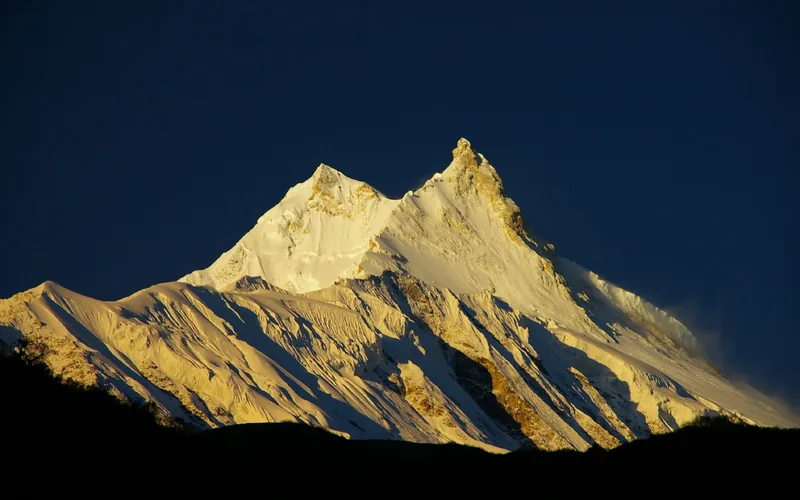
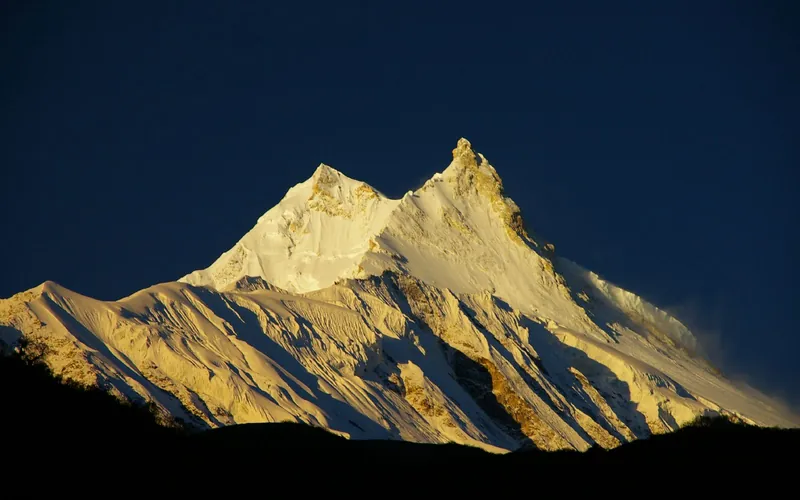
Manaslu, at 8,163 meters (26,781 ft), is the eighth-highest mountain in the world, situated in the Mansiri Himal of west-central Nepal. Known as the 'Mountain of the Spirit', its long ridges and valley glaciers offer dramatic topography culminating in a delicate, exposed knife-edge summit crest.

Eiger
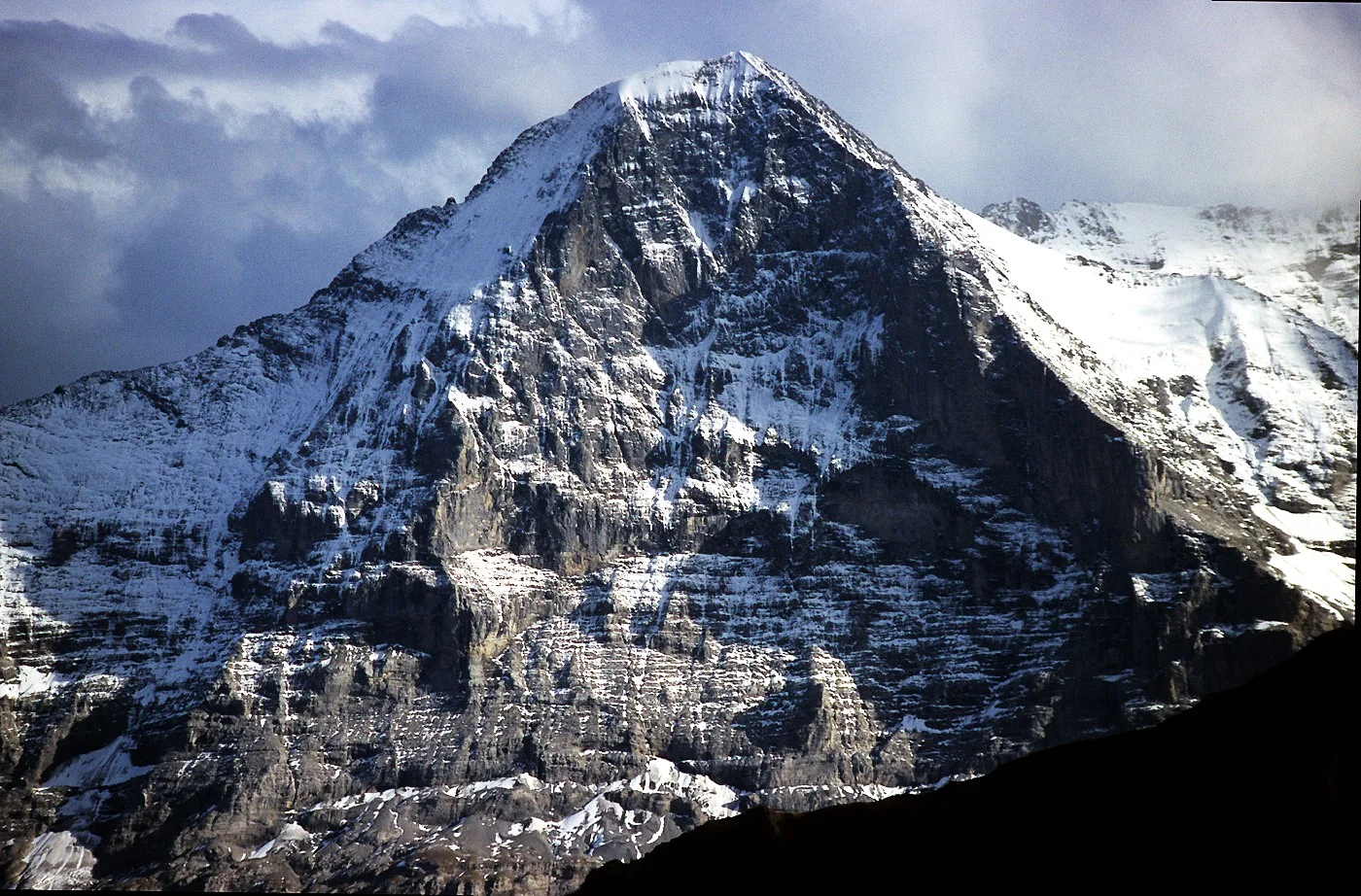
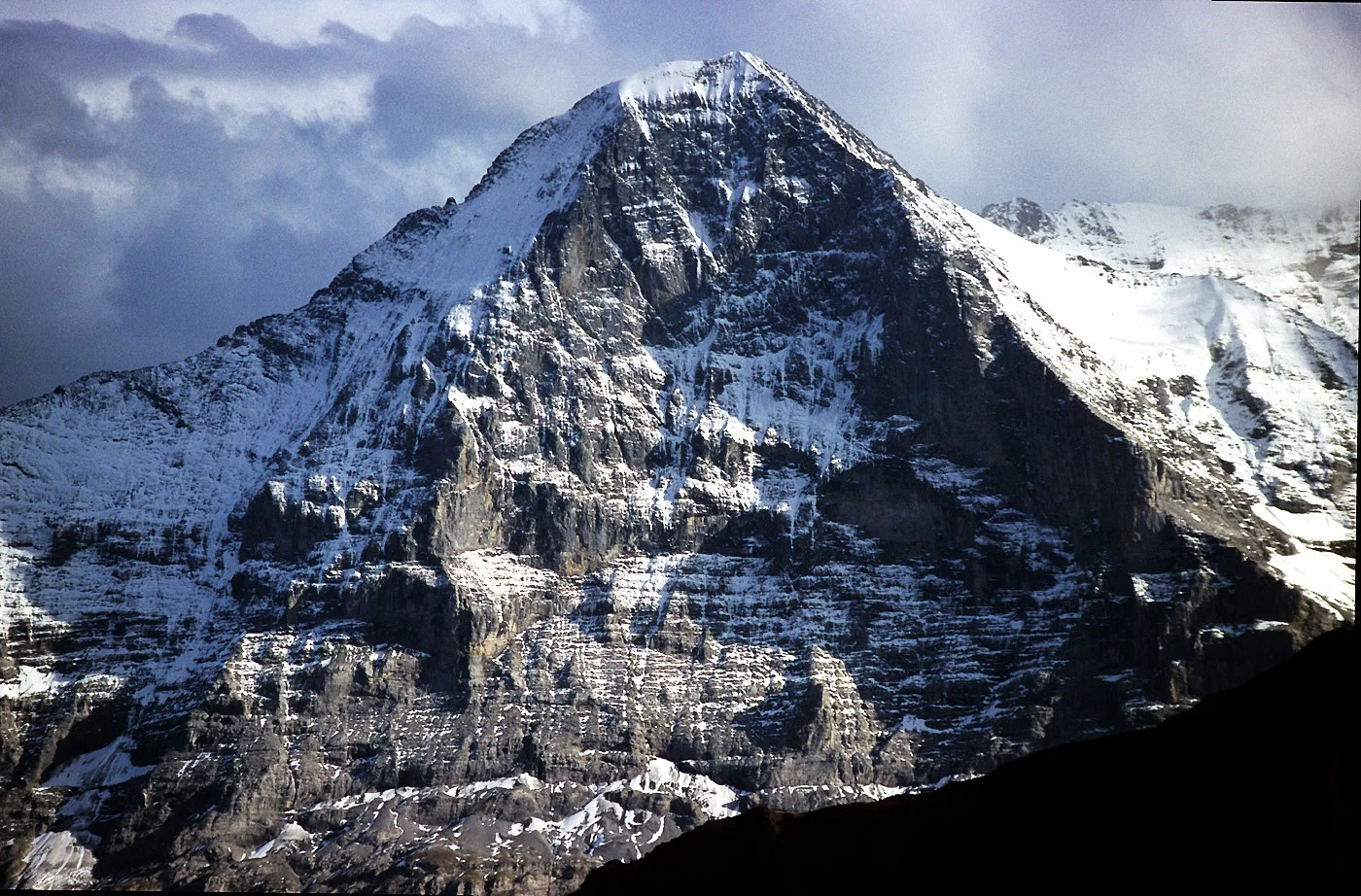
The Eiger, standing at 3,967 meters (13,015 ft) in the Bernese Alps of Switzerland, is globally renowned for its monstrous 1,800-meter (5,900 ft) sheer vertical North Face (the *Eiger-Nordwand*). Feared as the *Mordwand* ('Murder Wall') following catastrophic climbing tragedies in the 1930s, it remained the last great problem of the Alps until conquered in July 1938 by Anderl Heckmair, Ludwig Vörg, Heinrich Harrer, and Fritz Kasparek.
Mount Hotaka / Okuhotakadake
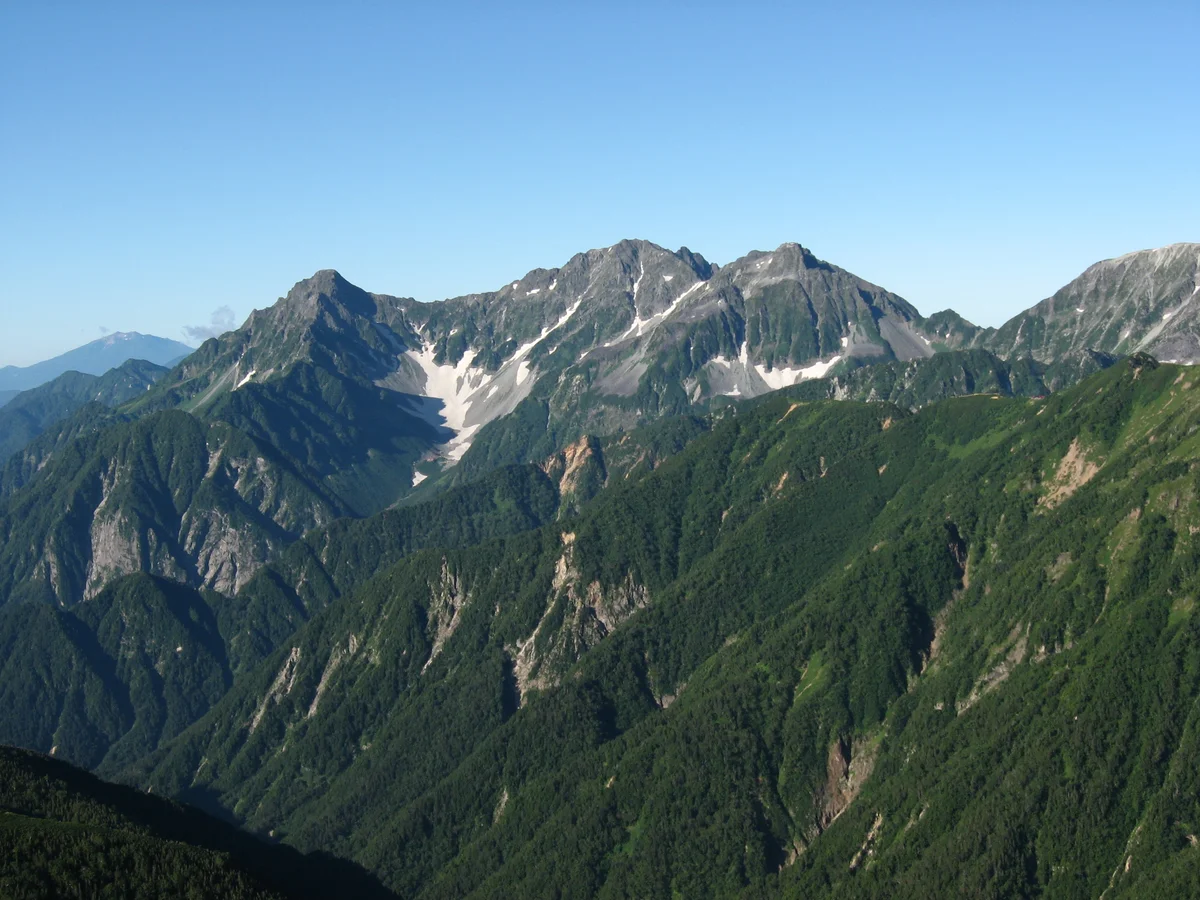
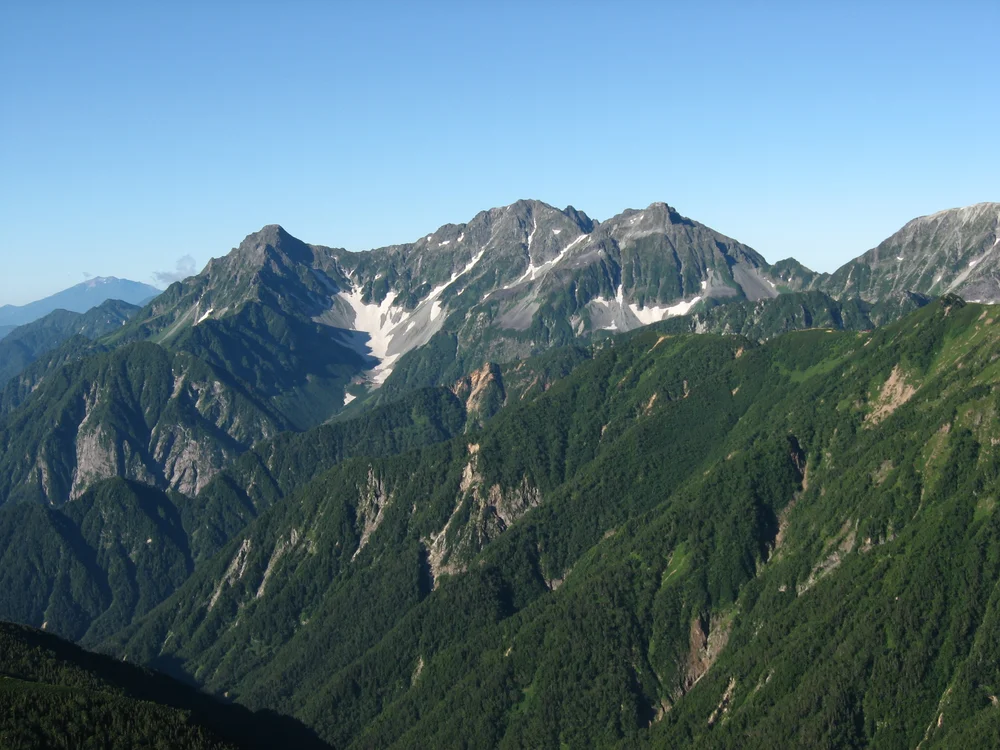
Mount Hotaka (Okuhotakadake) is the third-highest mountain in Japan at 3,190 metres (10,466 ft) and the supreme summit of the Hida Mountains in Chūbu-Sangaku National Park. Rising majestically above the idyllic alpine meadows of Kamikochi, the Hotaka Massif is famed for its rugged knife-edge arêtes, towering precipices, and the legendary Gendarme rock tower. Explored and introduced to the international alpine community by Reverend Walter Weston in the 1890s, Mount Hotaka is considered the spiritual cradle of Japanese technical rock climbing and alpine mountaineering.
Pioneered & Associated Routes (3)
Eiger North Face (1938 Heckmair Route)
The legendary 1,800-meter original route up the Eiger North Face (3,967m), first climbed between July 21 and 24, 1938, by Anderl Heckmair, Ludwig Vörg, Heinrich Harrer, and Fritz Kasparek. Negotiating an intricate, terrifying labyrinth of down-sloping limestone ledges, friable verglas, and hanging icefields, the route traverses the notorious Hinterstoisser Traverse, Swallow's Nest, the First and Second Icefields, the Death Bivouac, the Ramp, the Traverse of the Gods, and the sinister snowfield known as the White Spider before conquering the Exit Cracks to reach the summit.
Manaslu Northeast Face (Normal Route)
The Northeast Face is the standard route on Manaslu, first forged in 1956 by a Japanese expedition. Ascending from the Manaslu Glacier above the village of Samagaon, the route climbs through an active, heavily crevassed icefall between Camps 1 and 2, traverses wide snow plateaus up to Camp 4, and culminates in a delicate, exposed knife-edge snow arête leading to the true summit pin.
Mount Hotaka Shiradezawa & Gendarme Ridge Route
The Shiradezawa and Gendarme Ridge Route on Mount Hotaka represents one of Japan's most revered alpine mountaineering challenges. Starting from the forested haven of Kamikochi, climbers ascend through the Karasawa Cirque—famous for its dramatic amphitheater of precipitous cliffs—before tackling the sheer, chained headwalls leading to Hotakadake Sanso hut on the col. From the summit of Okuhotakadake (3,190 m), the route continues along an exposed, knife-edge rock traverse confronting the formidable Gendarme, a sheer 3,163-metre sentinel tower requiring steady nerves and expert rock scrambling.
Documented Expeditions (3)
1921 Aritsune Maki Historic First Ascent of the Eiger Mittellegi Ridge
On September 10, 1921, Japanese alpinist Aritsune Maki (Maki Yūkō) alongside Swiss guides Fritz Steuri, Samuel Brawand, and Fritz Amatter achieved the historic first ascent of the Eiger's Mittellegi Ridge, conquering one of the most formidable unclimbed arêtes in the Bernese Alps.
1925 Japanese Alpine Club Historic First Ascent of Mount Alberta
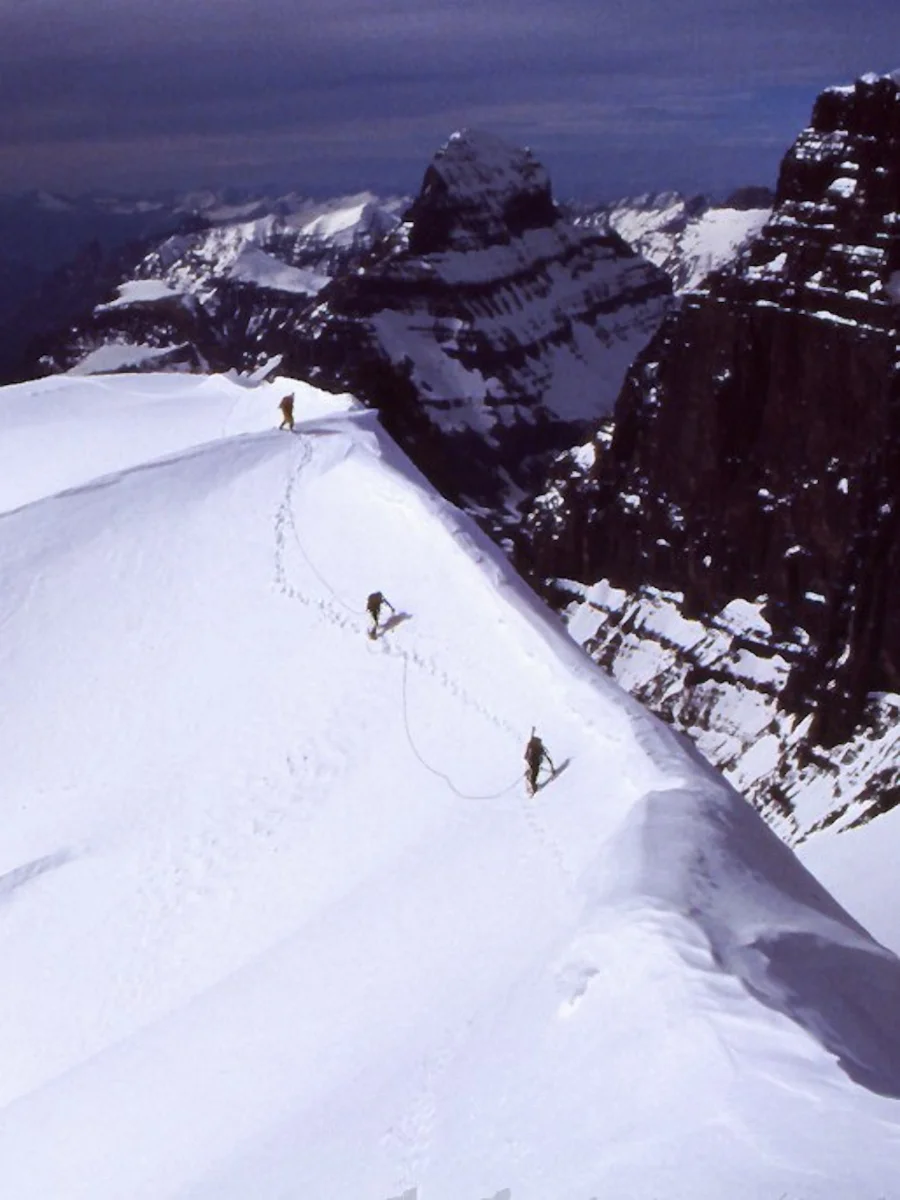
On July 21, 1925, an elite Japanese Alpine Club expedition led by Aritsune Maki, alongside Swiss guides Heinrich Fuhrer and Hans Kohler, conquered the forbidding, sheer limestone fortress of Mount Alberta (3,619 m) in the Canadian Rockies, famously leaving an inscribed silver ice axe on the summit.
1956 Japanese Manaslu Expedition
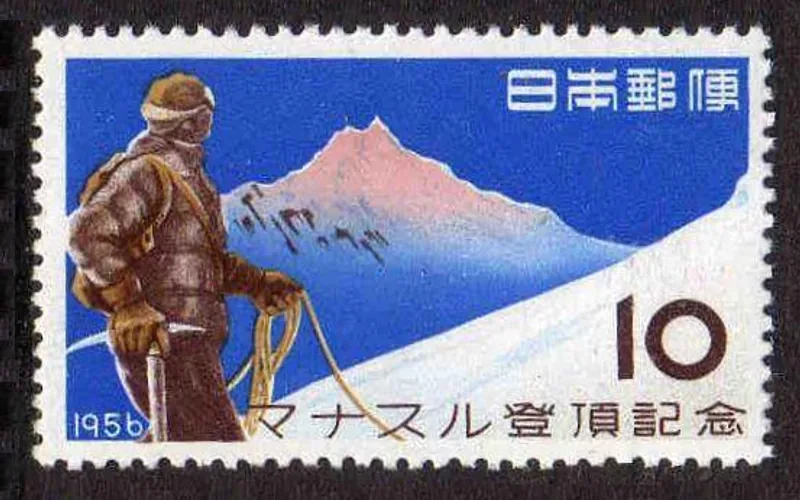
Led by Aritsune Maki, this historic Japanese Alpine Club expedition made the first ascent of Manaslu (8,163m) on May 9, 1956, when Toshio Imanishi and Sherpa Sirdar Gyalzen Norbu conquered the Mountain of the Spirit, followed two days later by Kiichiro Kato and Minoru Higeta.
Associated Chronicles & Stories (3)
Conquering the Ogre's Crest: Aritsune Maki and the 1921 Eiger Mittellegi Ridge
Japanese climber Aritsune Maki teams up with Swiss guides to achieve the legendary maiden first ascent of the Eiger's Mittellegi Ridge in September 1921.
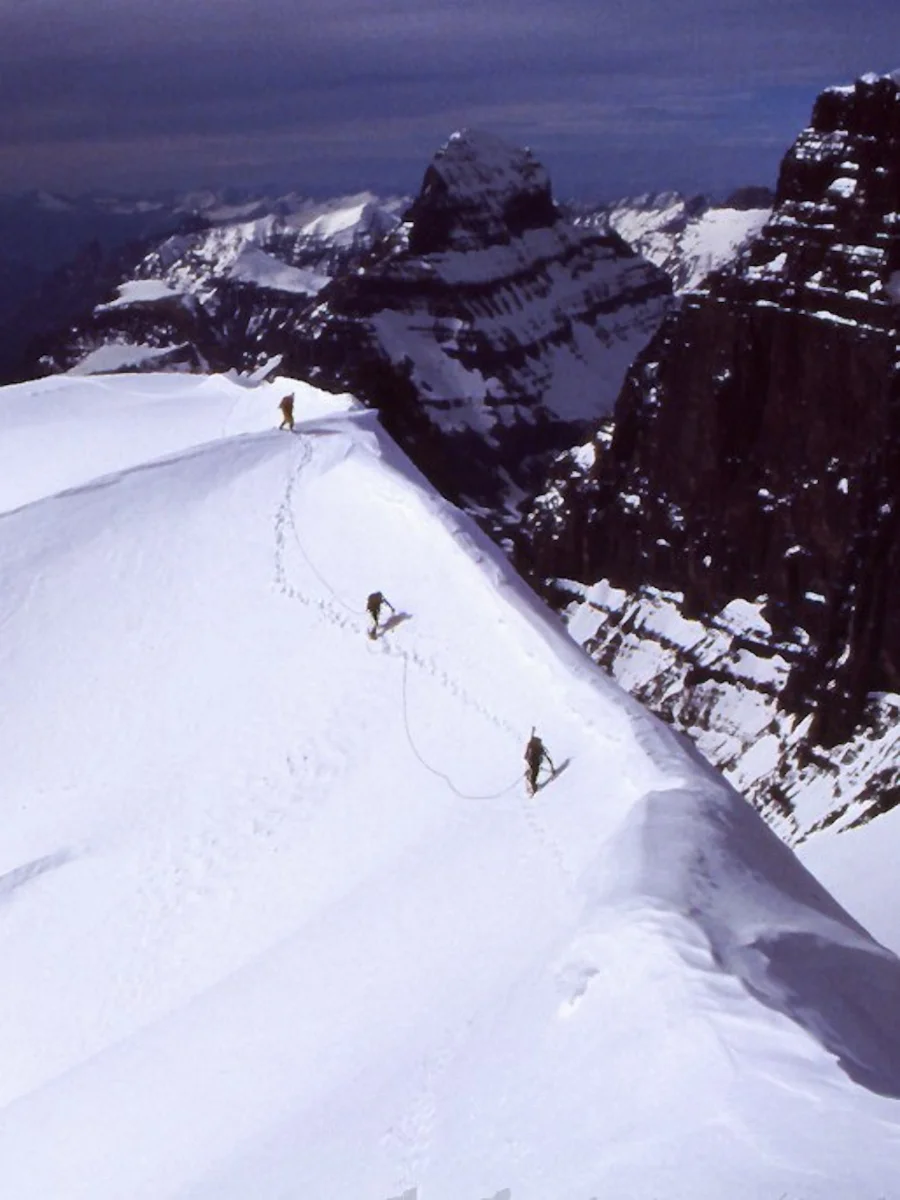
The Silver Ice Axe: Aritsune Maki and the 1925 First Ascent of Mount Alberta
Aritsune Maki leads an elite Japanese Alpine Club party to the Canadian Rockies in 1925 to conquer the sheer limestone citadel of Mount Alberta.
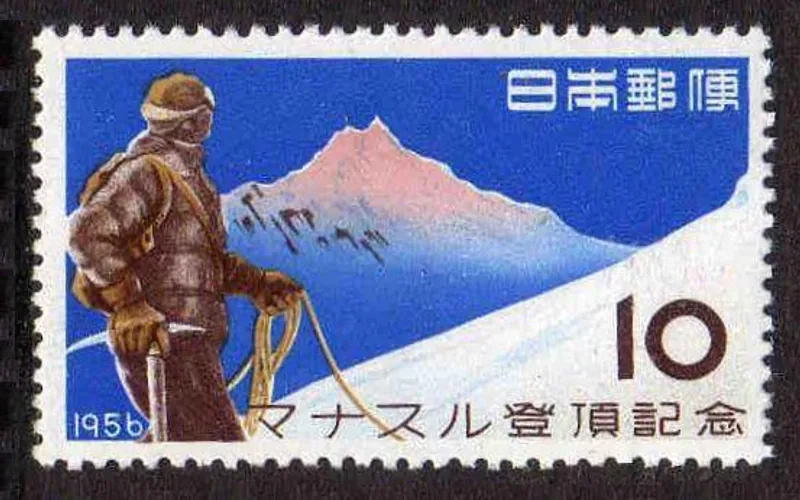
Manaslu 1956: The Japanese Triumph on the Mountain of the Spirit
On May 9, 1956, Toshio Imanishi and Sherpa Sirdar Gyalzen Norbu stood atop Manaslu (8,163m), overcoming years of cultural standoff and extreme high-altitude terrain to claim Japan's first eight-thousander.
Documented Sources & Archival Citations
- The Mittellegi Ridge of the Eiger(The Alpine Journal / Aritsune Maki)
Supporting claim: Primary first ascent account of the Eiger Mittellegi Ridge
Accessed/Documented: 1922 - Manaslu: The Japanese First Ascent 1956(Japanese Alpine Club / Aritsune Maki)
Supporting claim: Official expedition chronicle of the Manaslu conquest
Accessed/Documented: 1957