1921 Aritsune Maki Historic First Ascent of the Eiger Mittellegi Ridge
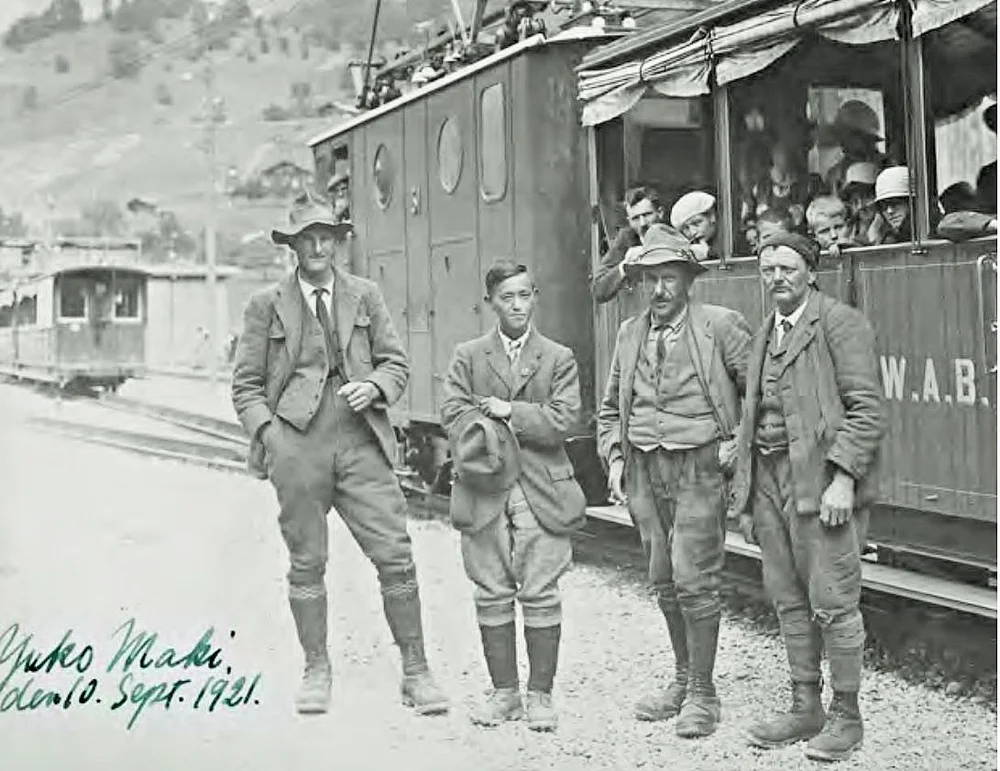
On September 10, 1921, Japanese alpinist Aritsune Maki (Maki Yūkō) alongside Swiss guides Fritz Steuri, Samuel Brawand, and Fritz Amatter achieved the historic first ascent of the Eiger's Mittellegi Ridge, conquering one of the most formidable unclimbed arêtes in the Bernese Alps.
Mountain Safety & Conditions Disclaimer: High-altitude climbing, glacial travel, and technical ascents entail severe objective risks including avalanches, serac collapses, rapid weather collapse, and altitude illness. Historical route descriptions and summit claims on Mountanity reflect documented archival sources and must not be used as live operational safety assessments. Local regulations, permits, and physical glacial topography change continuously.
Peer Review: Senior Editorial Board & Historical Reviewers • Editorial Standards
Official Expedition Narrative & Archival Record
For decades, the Mittellegi Ridge of the Eiger (3,967 m)—a terrifyingly knife-edged limestone knife blade sweeping up from the Mittellegi col toward the summit—had rebuffed the greatest climbers of Europe, earning a reputation as one of the last great unsolved problems of the Western Alps. In the summer of 1921, 27-year-old Japanese climber Aritsune Maki traveled to Grindelwald determined to test Asian mountaineering skill on the most extreme lines in the Alps. Maki assembled a legendary trio of Grindelwald mountain guides: Fritz Steuri, Samuel Brawand, and Fritz Amatter. Preparing meticulous logistics, the party hauled heavy hemp ropes, steel pitons, and wooden pickets onto the exposed col. On September 10, 1921, leaving their bivouac at dawn, Maki and his Swiss companions launched their assault up the razor-thin ridge. Confronting vertical towers of fractured limestone and dizzying 1,800-metre drops plunging directly down the Eiger North Face on one side and the South Face on the other, the team used lasso techniques to toss ropes over precarious rock horns. Overcoming extreme exposure and freezing alpine winds, Maki and his guides crested the final cornice at 7:15 PM to reach the summit of the Eiger. The triumph made international headlines, and in profound appreciation, Maki donated 10,000 Swiss francs to build the original Mittellegi Hut, which stands to this day as a monument to Swiss-Japanese alpine friendship.
Documented Team Composition
- Aritsune Maki (Lead Alpinist, Japan)
- Fritz Steuri (Senior Mountain Guide, Switzerland)
- Samuel Brawand (Mountain Guide & Future Swiss Statesman, Switzerland)
- Fritz Amatter (Mountain Guide, Switzerland)
Key Statistics & Topographic Figures
- Mountain & Elevation
- The Eiger (3,967 m / 13,015 ft)
- Summit Date
- September 10, 1921
- Lead Climber
- Aritsune Maki (Maki Yūkō, Japan)
- Swiss Guides
- Fritz Steuri, Samuel Brawand, Fritz Amatter
- Shelter Donated
- Mittellegi Hut (10,000 Swiss Francs)
Archival Primary Source Quotations
“We were dancing on a knife-edge between two abysses. Every footstep demanded absolute calm, for one slip would send a man down two thousand metres into the meadows of Grindelwald.”
Defined Alpine Terminology & Concepts
- Mittellegi Ridge
- The prominent knife-edge northeast arête of the Eiger connecting the Ostegg and Mittellegi col to the summit.
- Gendarme
- A steep, isolated pinnacle of rock on a mountain ridge that blocks the line of ascent and forces technical detours.
Frequently Asked Questions: 1921 Aritsune Maki Historic First Ascent of the Eiger Mittellegi Ridge
Who completed the maiden first ascent of the Eiger Mittellegi Ridge in 1921?
Japanese mountaineer Aritsune Maki and Swiss guides Fritz Steuri, Samuel Brawand, and Fritz Amatter completed the first ascent on September 10, 1921.
Why was the Mittellegi Ridge considered one of the Alps' greatest unsolved problems?
The razor-sharp limestone arête featured near-vertical rock towers and dizzying 1,800-metre precipices plunging directly down the Eiger North and South faces.
What did Aritsune Maki donate following the 1921 Mittellegi ascent?
Maki donated 10,000 Swiss francs to build the Mittellegi Hut, which was constructed on the ridge in 1924 to shelter future mountaineers.
Ascent Route & Topography
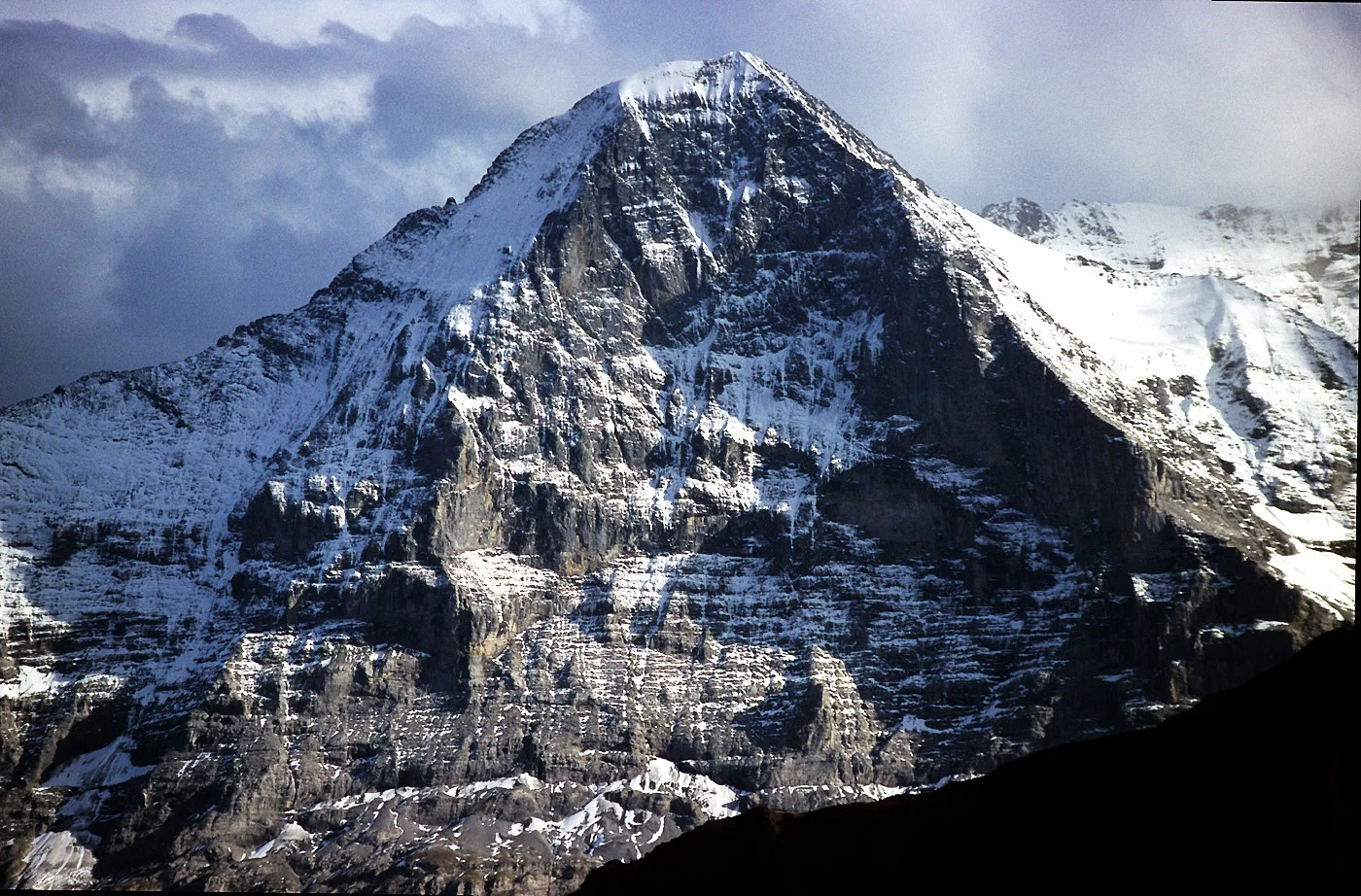
Eiger North Face (1938 Heckmair Route)
The legendary 1,800-meter original route up the Eiger North Face (3,967m), first climbed between July 21 and 24, 1938, by Anderl Heckmair, Ludwig Vörg, Heinrich Harrer, and Fritz Kasparek. Negotiating an intricate, terrifying labyrinth of down-sloping limestone ledges, friable verglas, and hanging icefields, the route traverses the notorious Hinterstoisser Traverse, Swallow's Nest, the First and Second Icefields, the Death Bivouac, the Ramp, the Traverse of the Gods, and the sinister snowfield known as the White Spider before conquering the Exit Cracks to reach the summit.
Target Objective Peak
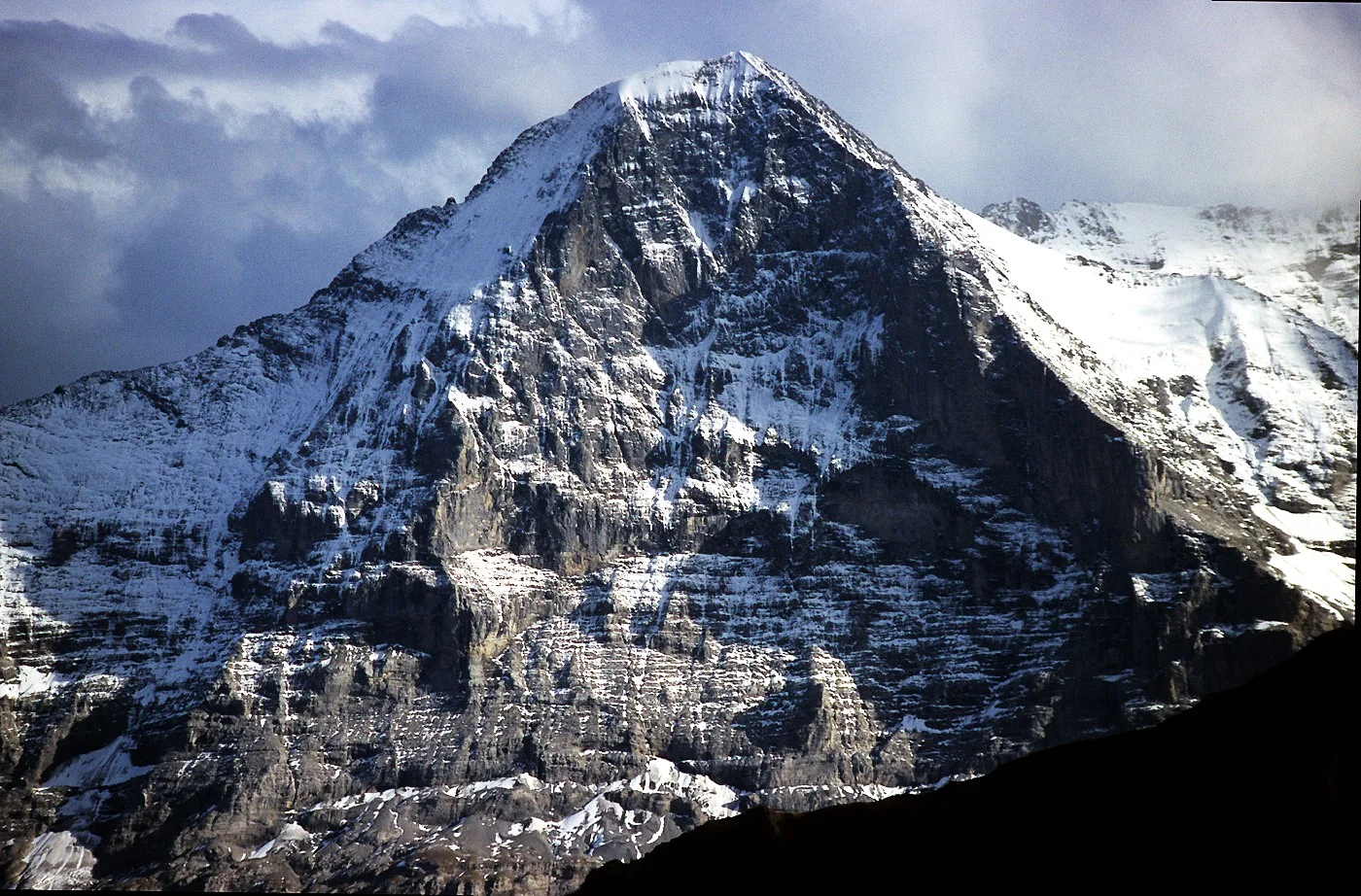

Eiger
The Eiger, standing at 3,967 meters (13,015 ft) in the Bernese Alps of Switzerland, is globally renowned for its monstrous 1,800-meter (5,900 ft) sheer vertical North Face (the *Eiger-Nordwand*). Feared as the *Mordwand* ('Murder Wall') following catastrophic climbing tragedies in the 1930s, it remained the last great problem of the Alps until conquered in July 1938 by Anderl Heckmair, Ludwig Vörg, Heinrich Harrer, and Fritz Kasparek.
Featured Expedition Climber
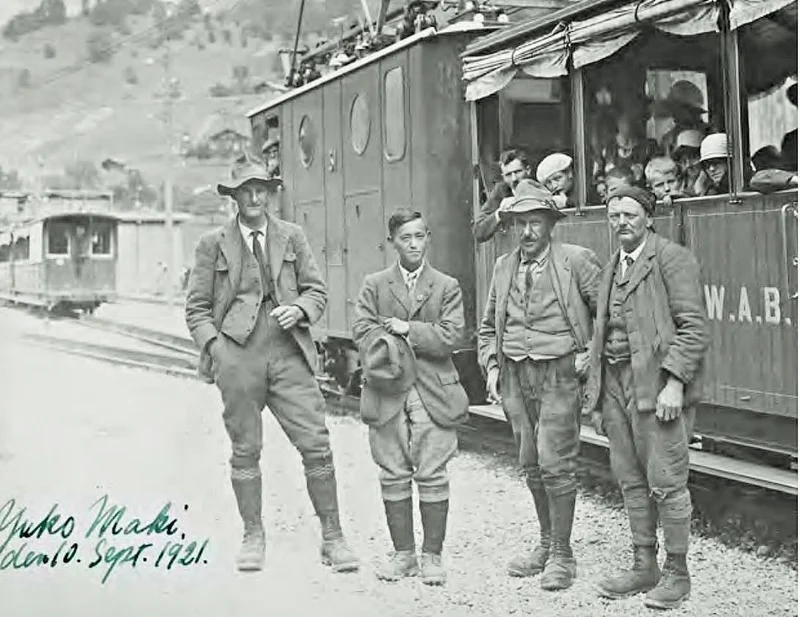
Aritsune Maki
Aritsune Maki (known widely as Maki Yūkō) was born on February 5, 1894, in Sendai, Miyagi Prefecture, Japan. Educated at Keio University, Maki developed into a brilliant technical rock climber in the Japanese Alps before traveling to Europe in 1919 to pursue advanced alpine mountaineering in Switzerland and Great Britain. In the Bernese Oberland, Maki turned his attention to the formidable and unclimbed Mittellegi Ridge of the Eiger—a razor-sharp, heavily corniced limestone crest that had repelled alpine climbers for decades. On September 10, 1921, Maki alongside Swiss guides Fritz Steuri, Samuel Brawand, and Fritz Amatter completed the historic first ascent of the Mittellegi Ridge. In gratitude, Maki donated 10,000 Swiss francs to build the Mittellegi Hut, providing vital refuge for subsequent mountaineers. In 1925, Maki led a groundbreaking expedition of the Japanese Alpine Club to the Canadian Rockies, achieving the first ascent of Mount Alberta (3,619 m), one of North America's most challenging peaks, where the team famously left a silver ice axe on the summit. In 1956, at age 62, Maki served as the visionary general leader of the triumphant Japanese expedition to Manaslu (8,163 m), which achieved Japan's first 8,000-metre summit conquest. Maki served as President of the Japanese Alpine Club from 1944 to 1946 and again from 1957 to 1963. He passed away on May 2, 1989, honored as the greatest international mountaineer in modern Japanese history.
Associated Historical Chronicles & Stories
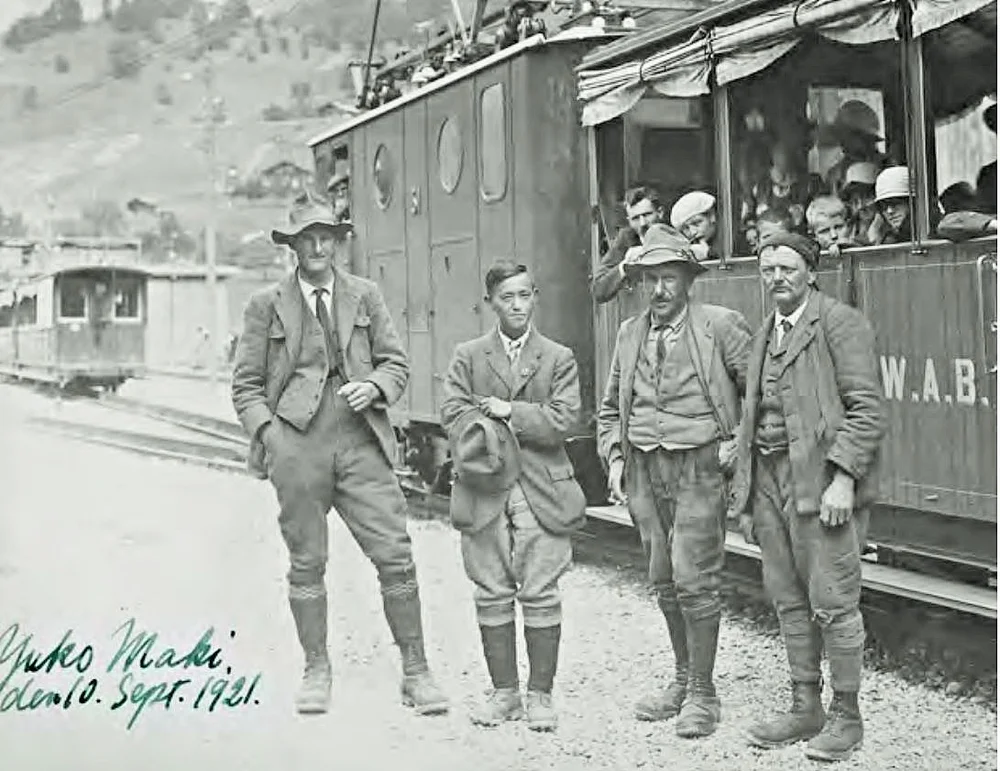
Conquering the Ogre's Crest: Aritsune Maki and the 1921 Eiger Mittellegi Ridge
Japanese climber Aritsune Maki teams up with Swiss guides to achieve the legendary maiden first ascent of the Eiger's Mittellegi Ridge in September 1921.
Documented Sources & Archival Citations
- The Mittellegi Ridge of the Eiger(The Alpine Journal / Aritsune Maki)
Supporting claim: Primary first-person ascent report published in the Alpine Journal
Accessed/Documented: 1922