Eiger
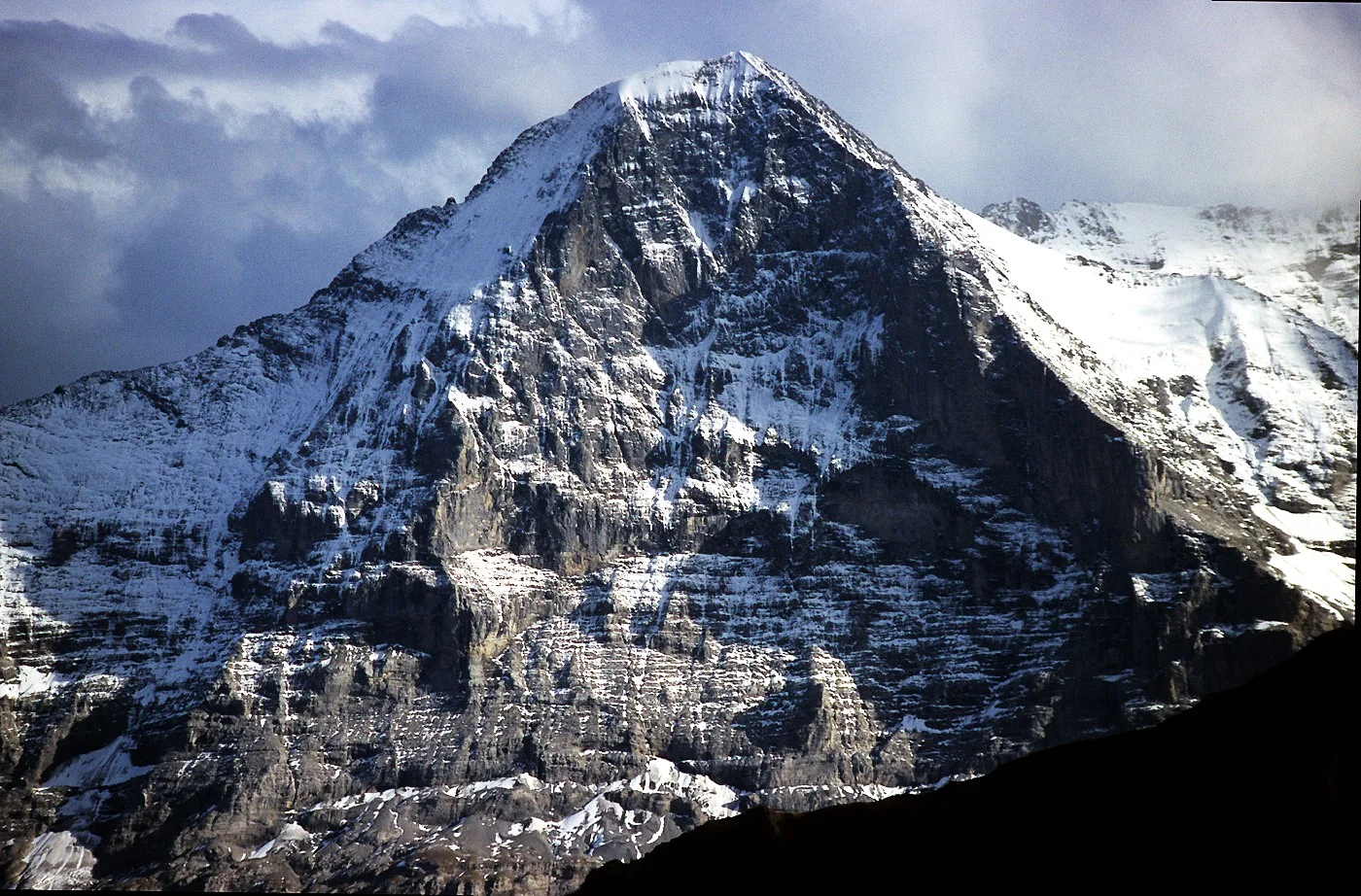
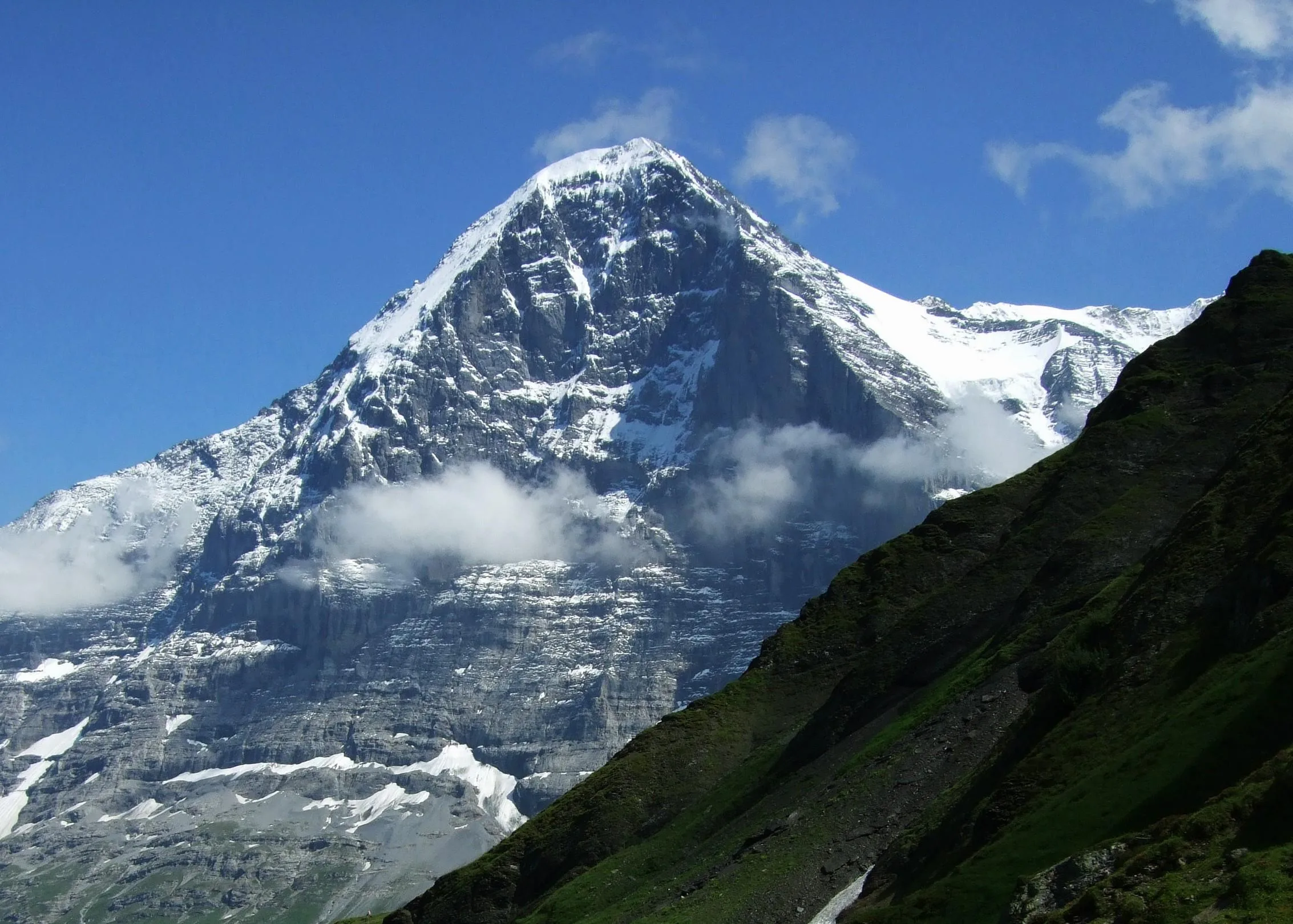
The Eiger, standing at 3,967 meters (13,015 ft) in the Bernese Alps of Switzerland, is globally renowned for its monstrous 1,800-meter (5,900 ft) sheer vertical North Face (the *Eiger-Nordwand*). Feared as the *Mordwand* ('Murder Wall') following catastrophic climbing tragedies in the 1930s, it remained the last great problem of the Alps until conquered in July 1938 by Anderl Heckmair, Ludwig Vörg, Heinrich Harrer, and Fritz Kasparek.

Mountain Safety & Conditions Disclaimer: High-altitude climbing, glacial travel, and technical ascents entail severe objective risks including avalanches, serac collapses, rapid weather collapse, and altitude illness. Historical route descriptions and summit claims on Mountanity reflect documented archival sources and must not be used as live operational safety assessments. Local regulations, permits, and physical glacial topography change continuously.
Peer Review: Senior Editorial Board & Historical Reviewers • Editorial Standards
Geographical Setting & Topography
Bernese Alps, towering directly above the alpine meadows of Kleine Scheidegg and the valley of Grindelwald in the Canton of Bern.
Historic First Ascent
Date: August 11, 1858
Ascent Team: Charles Barrington, Christian Almer, and Peter Bohren (West Flank)
Key Statistics & Topographic Figures
- Summit Elevation
- 3,967 meters (13,015 ft)
Bernese Oberland
- North Face Height
- 1,800 meters (5,900 ft)
Largest North Face in Alps
- First North Face Ascent
- July 24, 1938
Heckmair, Vörg, Harrer, Kasparek
- Normal Route First Ascent
- August 11, 1858
Barrington, Almer, Bohren
Archival Primary Source Quotations
“The Eiger is not a mountain to be climbed by force alone; it demands patience, cunning, and an unshakeable will to survive.”
Defined Alpine Terminology & Concepts
- Nordwand (Mordwand)
- The German term for North Face, grimly punned as "Mordwand" (Murder Wall) due to the high mortality rate among early pioneer climbers in the 1930s.
- Hinterstoisser Traverse
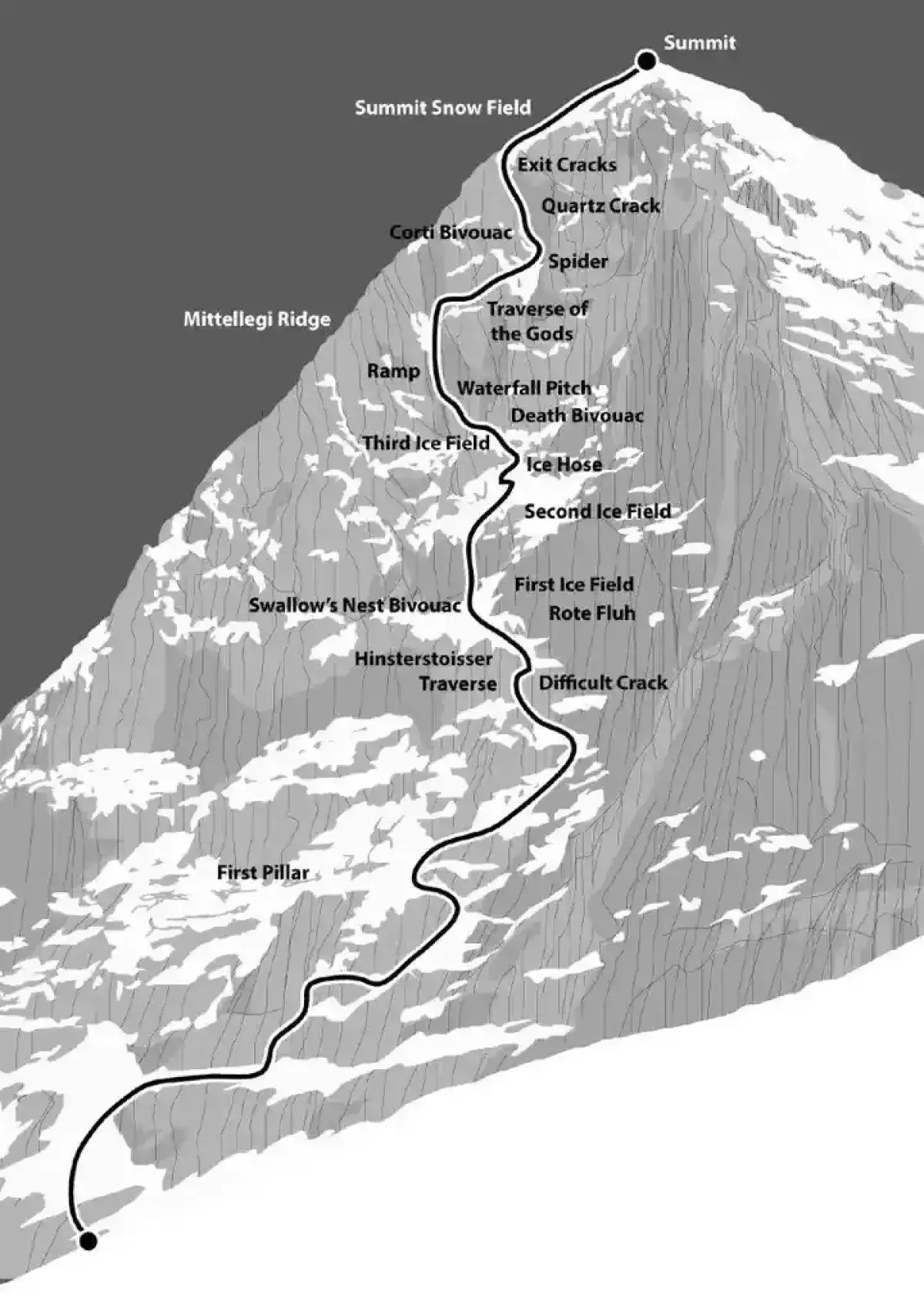
- A sheer 75-degree polished limestone pitch on the lower Eiger North Face, first negotiated by Andreas Hinterstoisser in 1936 using a tension rope swing.
Eiger Mountain Weather Forecast
Meteorological Feed Unavailable
Unable to reach meteorological station endpoint. Please verify your connection or retry.
Loading condition...
Target Elevation: 3,967 mSafe summit ridge climbing requires gusts below 40 km/h.
Evaluating thermal loss...
Tracking glacial freezing boundary...
Assessing whiteout and cloud immersion hazards...
High-altitude snow glare requires Category 4 glacier glasses to prevent snow blindness.
Evaluating oxygen partial pressure...
Detailed 14-Day Summit Window & Weather Timeline
Explore day-by-day summit push safety windows, wind shear analysis, and extended multi-day forecasts for Eiger.
Explore Eiger (3,967 m) in Interactive 3D
Inspect steep glacial walls, hanging seracs, ridge approaches, and elevation relief with 360° rotation and terrain tilt in WebGL.
Documented Climbing Routes (1)
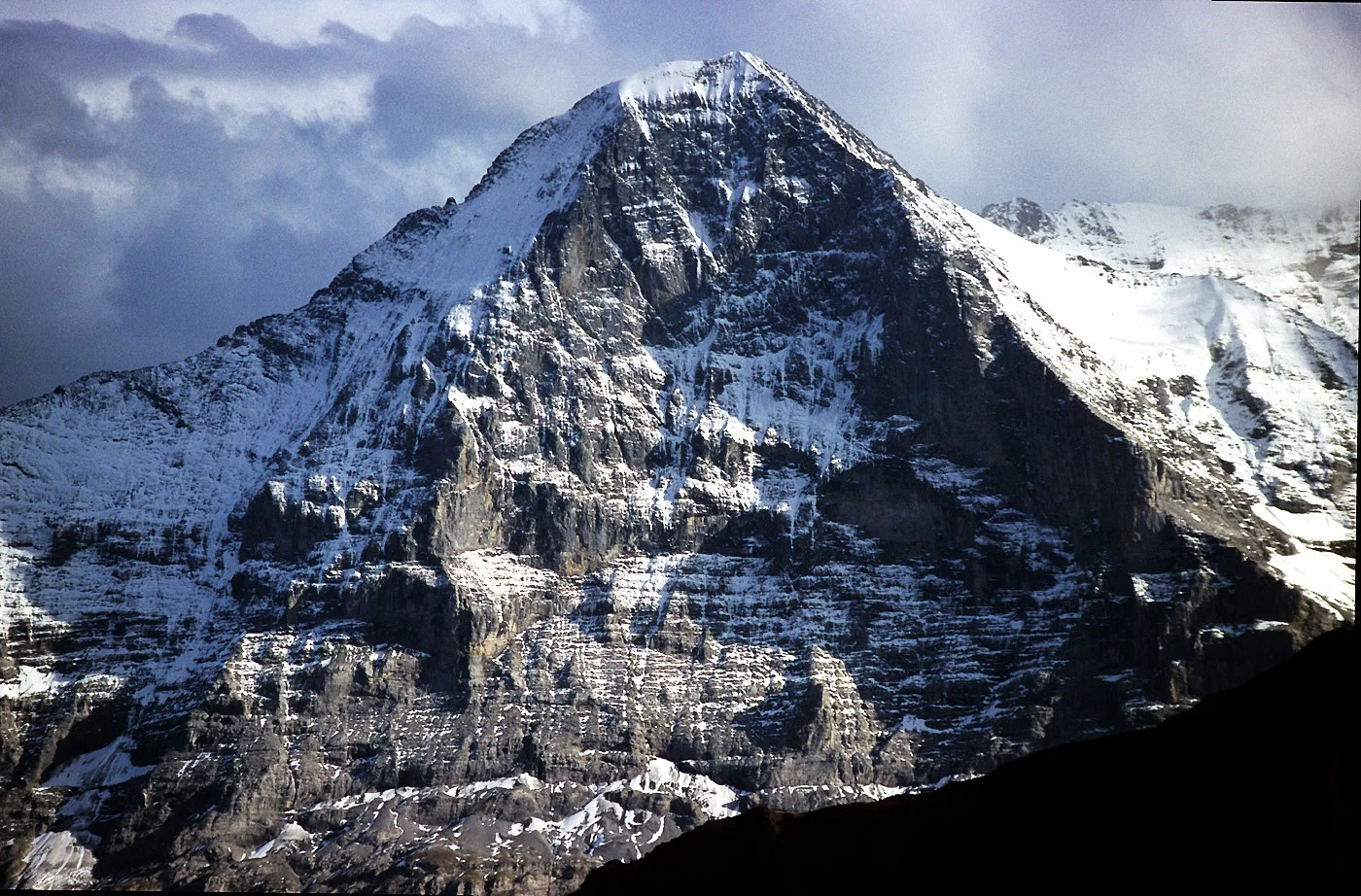
Eiger North Face (1938 Heckmair Route)
The legendary 1,800-meter original route up the Eiger North Face (3,967m), first climbed between July 21 and 24, 1938, by Anderl Heckmair, Ludwig Vörg, Heinrich Harrer, and Fritz Kasparek. Negotiating an intricate, terrifying labyrinth of down-sloping limestone ledges, friable verglas, and hanging icefields, the route traverses the notorious Hinterstoisser Traverse, Swallow's Nest, the First and Second Icefields, the Death Bivouac, the Ramp, the Traverse of the Gods, and the sinister snowfield known as the White Spider before conquering the Exit Cracks to reach the summit.
Historical Expeditions (7)
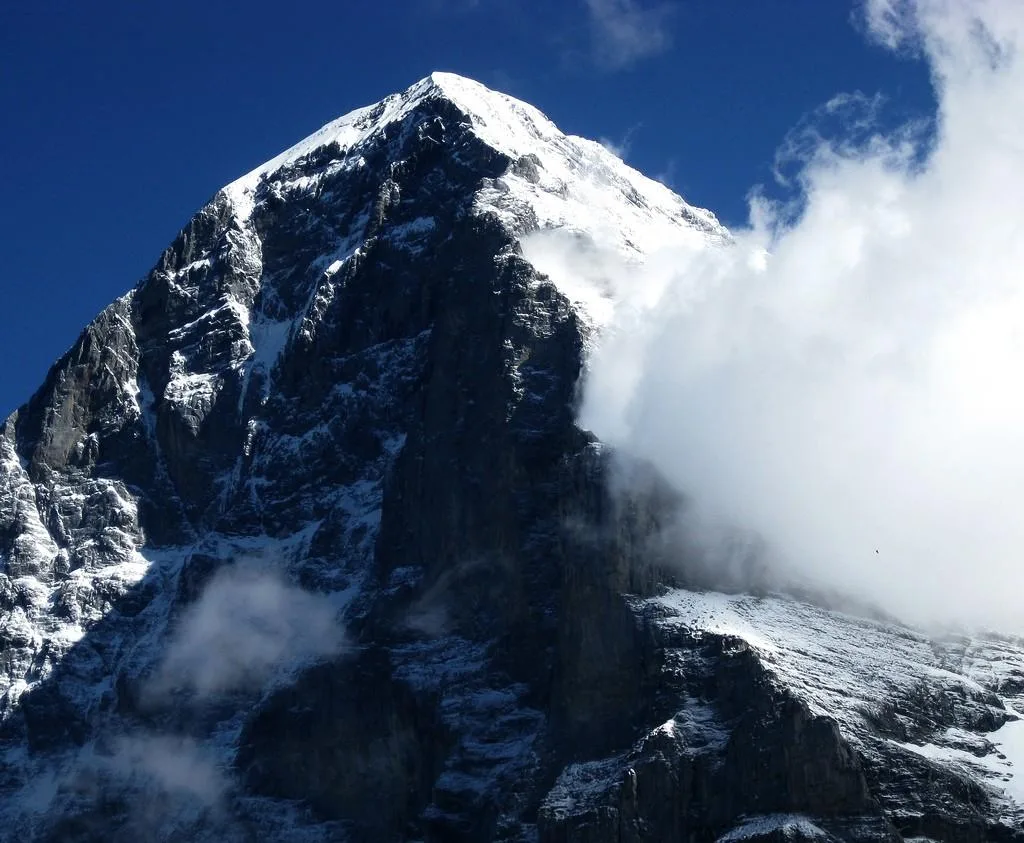
1858 Almer & Barrington Eiger West Flank First Ascent
On August 11, 1858, Irish landowner Charles Barrington and Grindelwald guides Christian Almer and Peter Bohren completed the first ascent of the Eiger via the straightforward West Flank, kicking off the Bernese Oberland's Golden Age of first ascents.
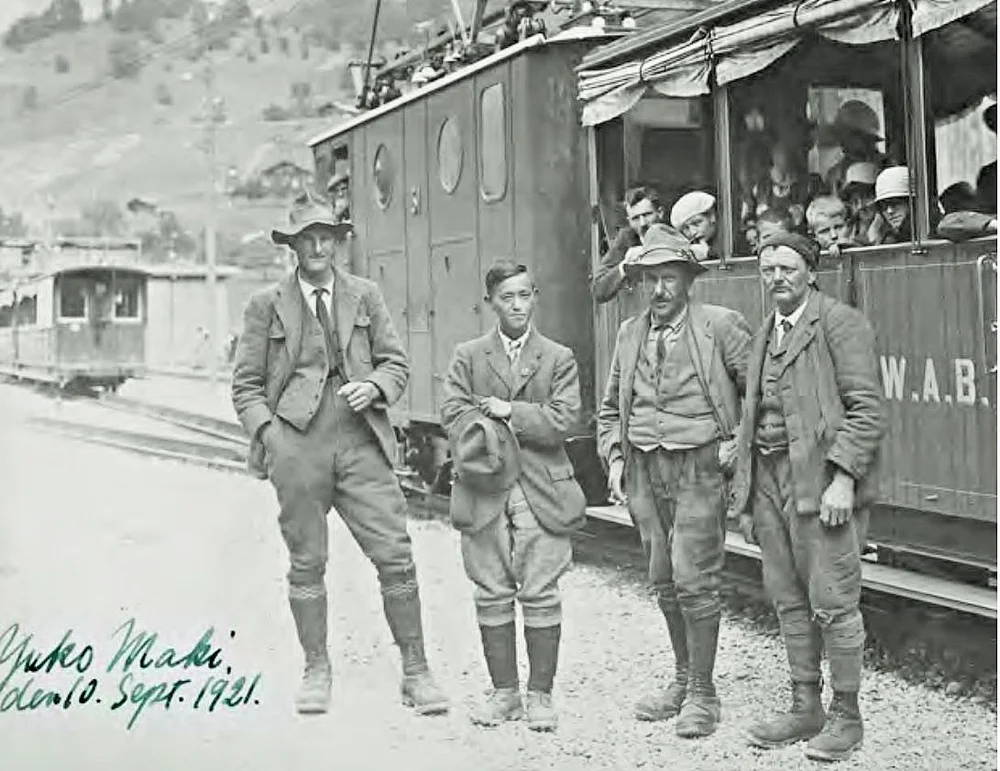
1921 Aritsune Maki Historic First Ascent of the Eiger Mittellegi Ridge
On September 10, 1921, Japanese alpinist Aritsune Maki (Maki Yūkō) alongside Swiss guides Fritz Steuri, Samuel Brawand, and Fritz Amatter achieved the historic first ascent of the Eiger's Mittellegi Ridge, conquering one of the most formidable unclimbed arêtes in the Bernese Alps.
1936 Hinterstoisser-Kurz Eiger North Face Tragedy
In July 1936, Bavarian climbers Andreas Hinterstoisser and Toni Kurz, with Austrian climbers Willy Angerer and Edi Rainer, pioneered the critical Hinterstoisser Traverse on the Eiger North Face before being trapped in a storm. Three died; Kurz survived alone on the wall for 24 hours before dying metres from rescue.
1938 German-Austrian Eiger North Face Expedition
The epic July 1938 expedition in which Bavarian alpinists Anderl Heckmair and Ludwig Vörg joined forces with Austrians Heinrich Harrer and Fritz Kasparek to conquer the terrifying 1,800-meter Eiger North Face over four grueling days of storms, rockfalls, and avalanches.
1992 Catherine Destivelle Eiger North Face Winter Solo
On March 9–10, 1992, 31-year-old French alpinist Catherine Destivelle made mountaineering history as the first woman to solo the 1,800-meter North Face of the Eiger in winter, ascending the Heckmair Route in just 17 hours of climbing.
2015 Tom Ballard Solo Winter Six North Faces of the Alps
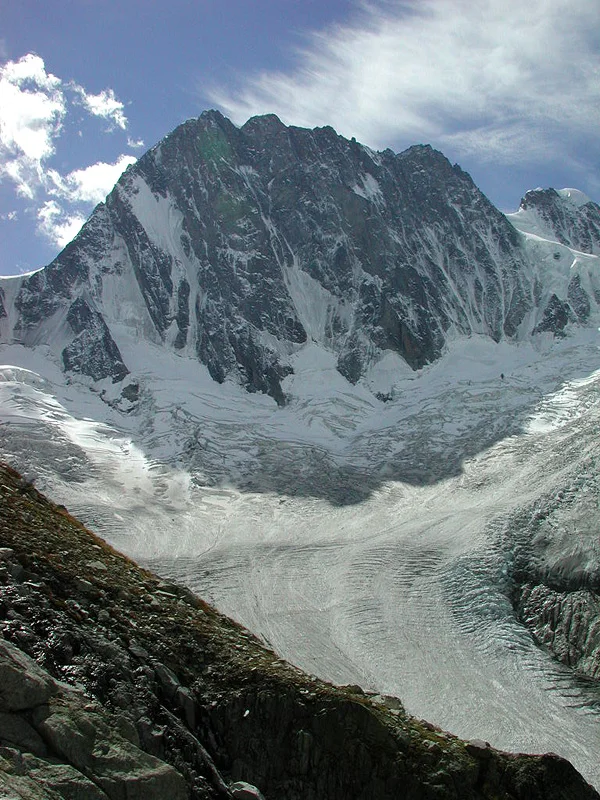
In the winter of 2014–2015, 26-year-old British solo alpinist Tom Ballard completed the historic 'Starlight and Storms' project, becoming the first person in mountaineering history to solo all Six Great North Faces of the Alps in a single calendar winter without support teams.
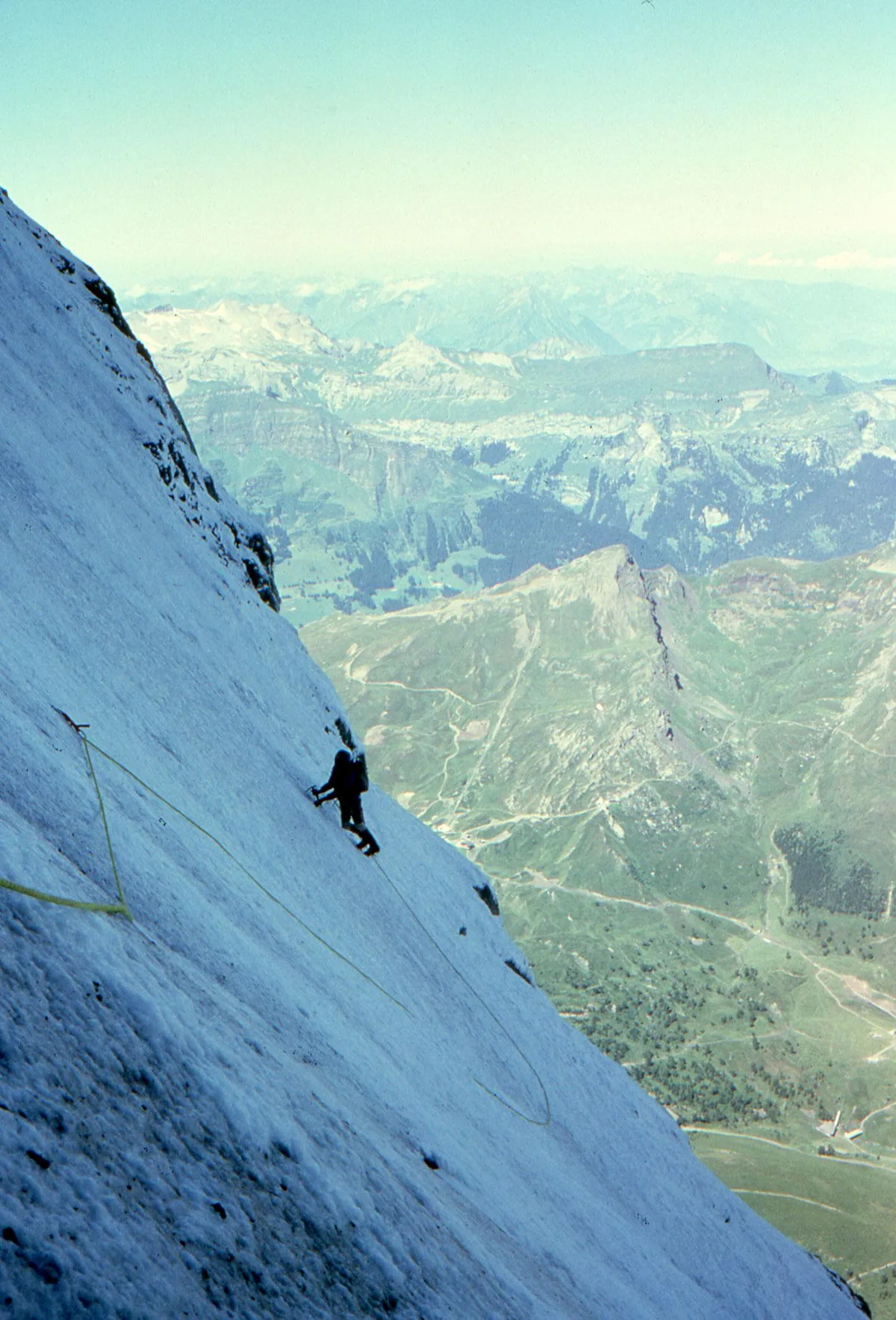
2015 Ueli Steck Eiger North Face Solo Speed Record
On November 16, 2015, Swiss speed climbing icon Ueli Steck shattered the solo speed record on the 1,800-meter North Face of the Eiger, ascending the historic Heckmair Route completely unroped in an astonishing 2 hours, 22 minutes, and 50 seconds.
Summit Chronicles & Stories (7)
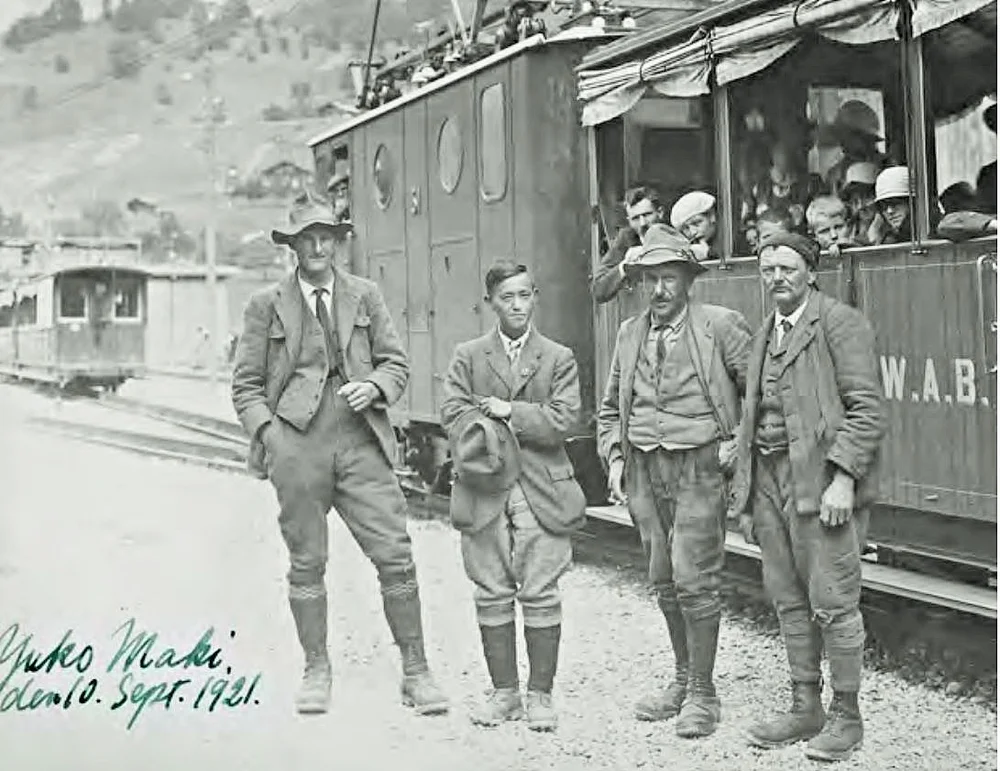
Conquering the Ogre's Crest: Aritsune Maki and the 1921 Eiger Mittellegi Ridge
Japanese climber Aritsune Maki teams up with Swiss guides to achieve the legendary maiden first ascent of the Eiger's Mittellegi Ridge in September 1921.
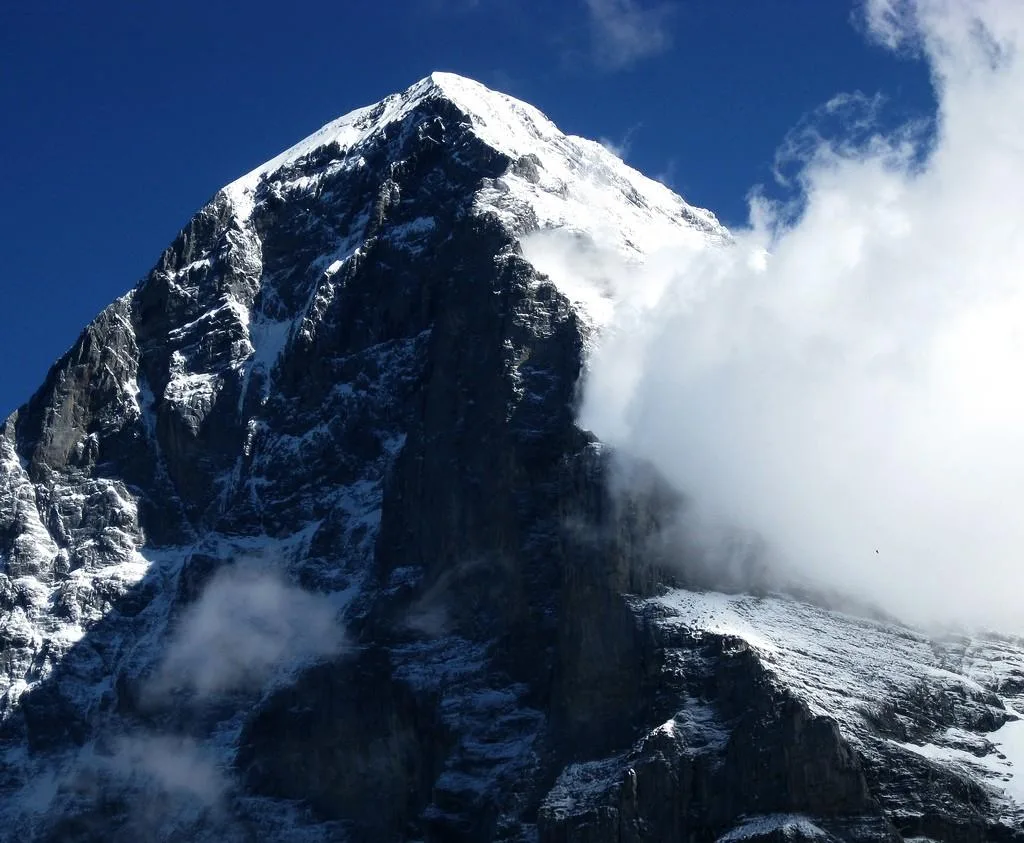
The Eiger Falls: Christian Almer and Charles Barrington 1858 West Flank First Ascent
On August 11, 1858, Irish climber Charles Barrington and Grindelwald guides Christian Almer and Peter Bohren completed the first ascent of the Eiger via the West Flank, opening the Golden Age of the Bernese Oberland.
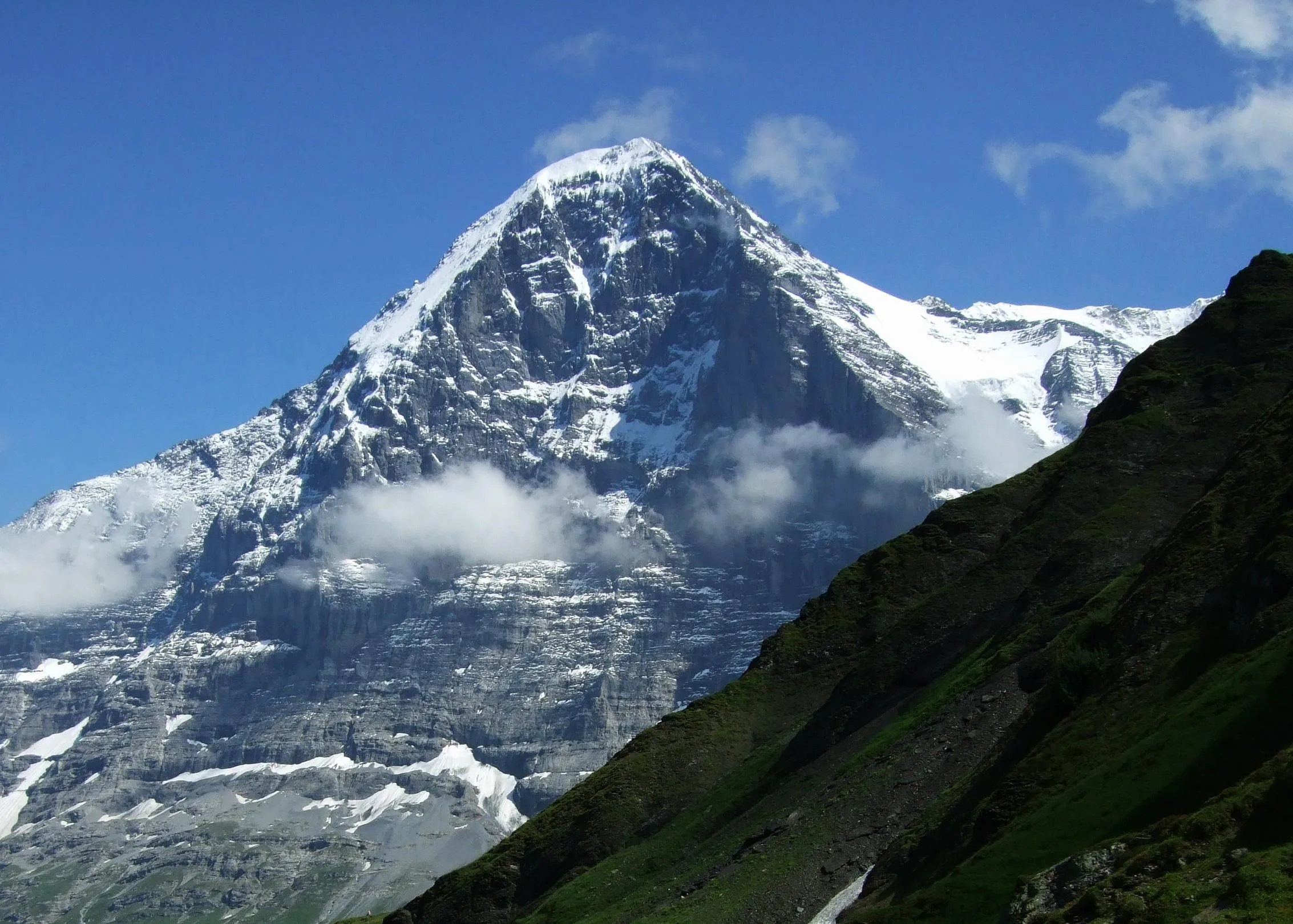
The Battle of the Nordwand: The 1936 Hinterstoisser-Kurz Eiger Tragedy
In July 1936, Andreas Hinterstoisser unlocked the Eiger North Face with his revolutionary pendulum traverse, but a ferocious storm trapped the team, leading to the tragic deaths of all four climbers with Toni Kurz perishing metres from rescue.
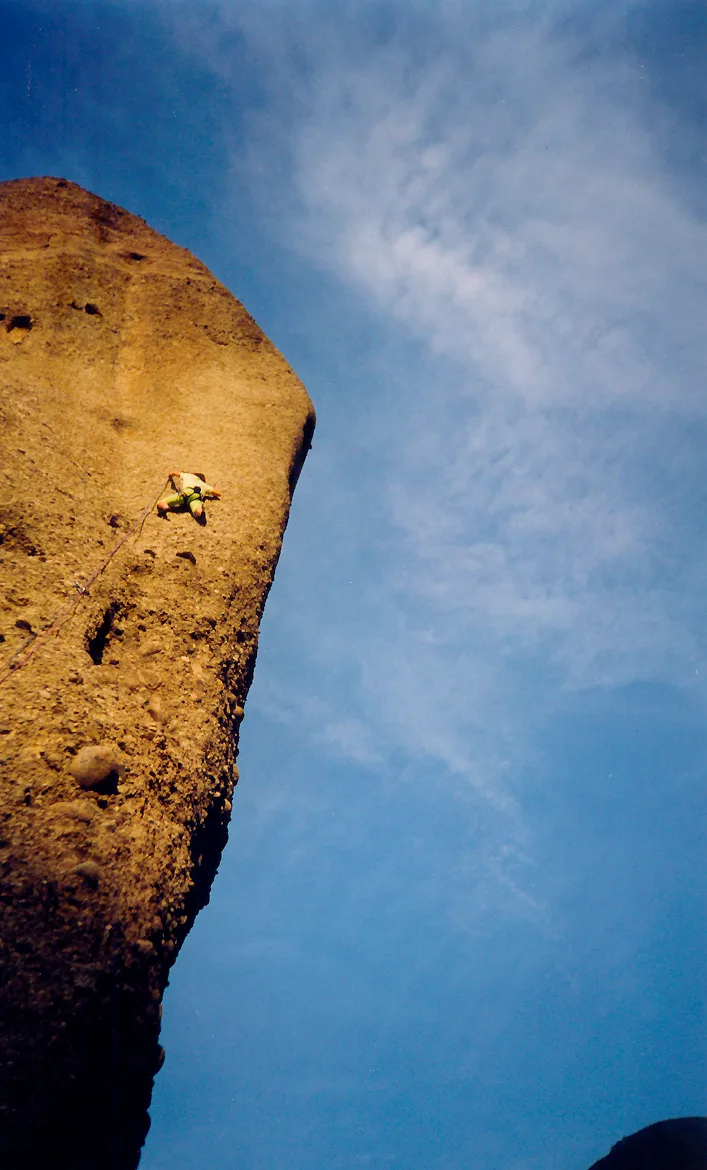
The Queen of the Ogre: Catherine Destivelle's Historic Solo Winter Ascent of the Eiger North Face
On March 9–10, 1992, French mountaineer Catherine Destivelle made history as the first woman to solo the 1,800-meter North Face of the Eiger in winter, conquering the Heckmair Route in 17 hours.
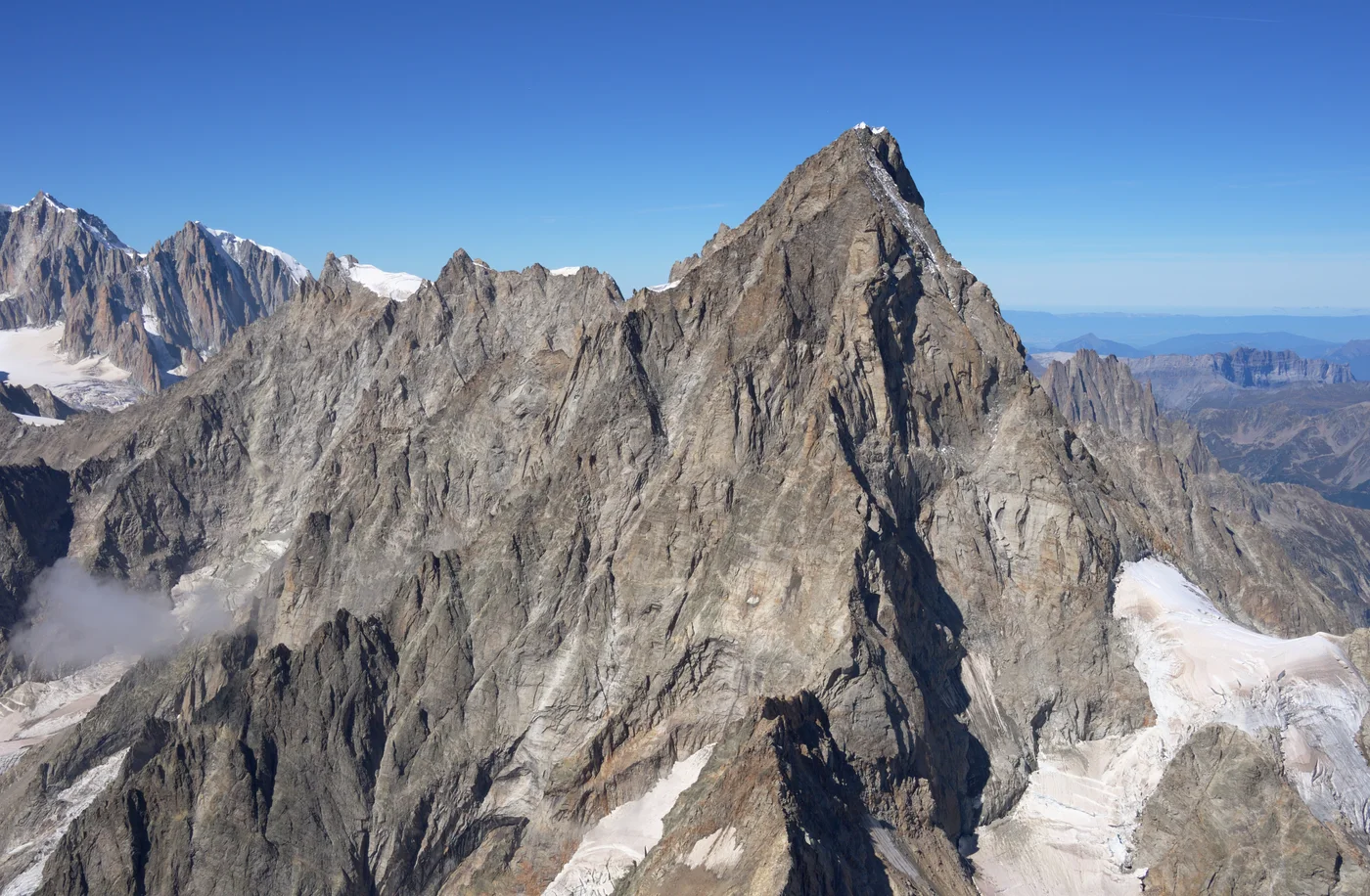
Starlight and Storms: Tom Ballard's Solo Winter Hexalogy of the Alps
In the winter of 2014–2015, British solo climber Tom Ballard made history by becoming the first person to solo all Six Great North Faces of the Alps in a single winter.
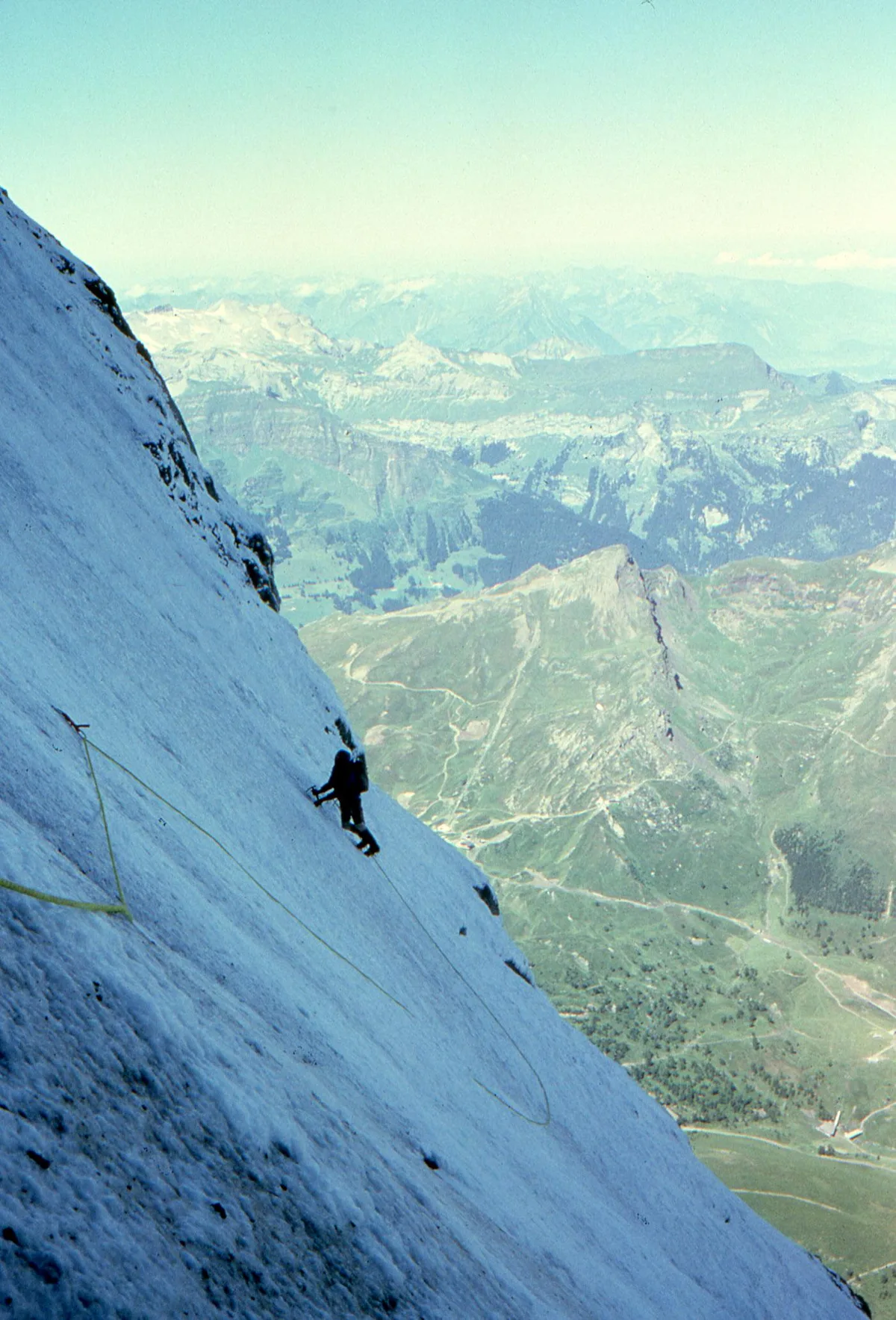
Two Hours and Twenty-Two Minutes: Ueli Steck's Unbelievable Solo Sprint Up the Eiger North Face
On November 16, 2015, Swiss speed climbing master Ueli Steck soloed the 1,800-meter Heckmair Route on the North Face of the Eiger in an astonishing 2 hours, 22 minutes, and 50 seconds.
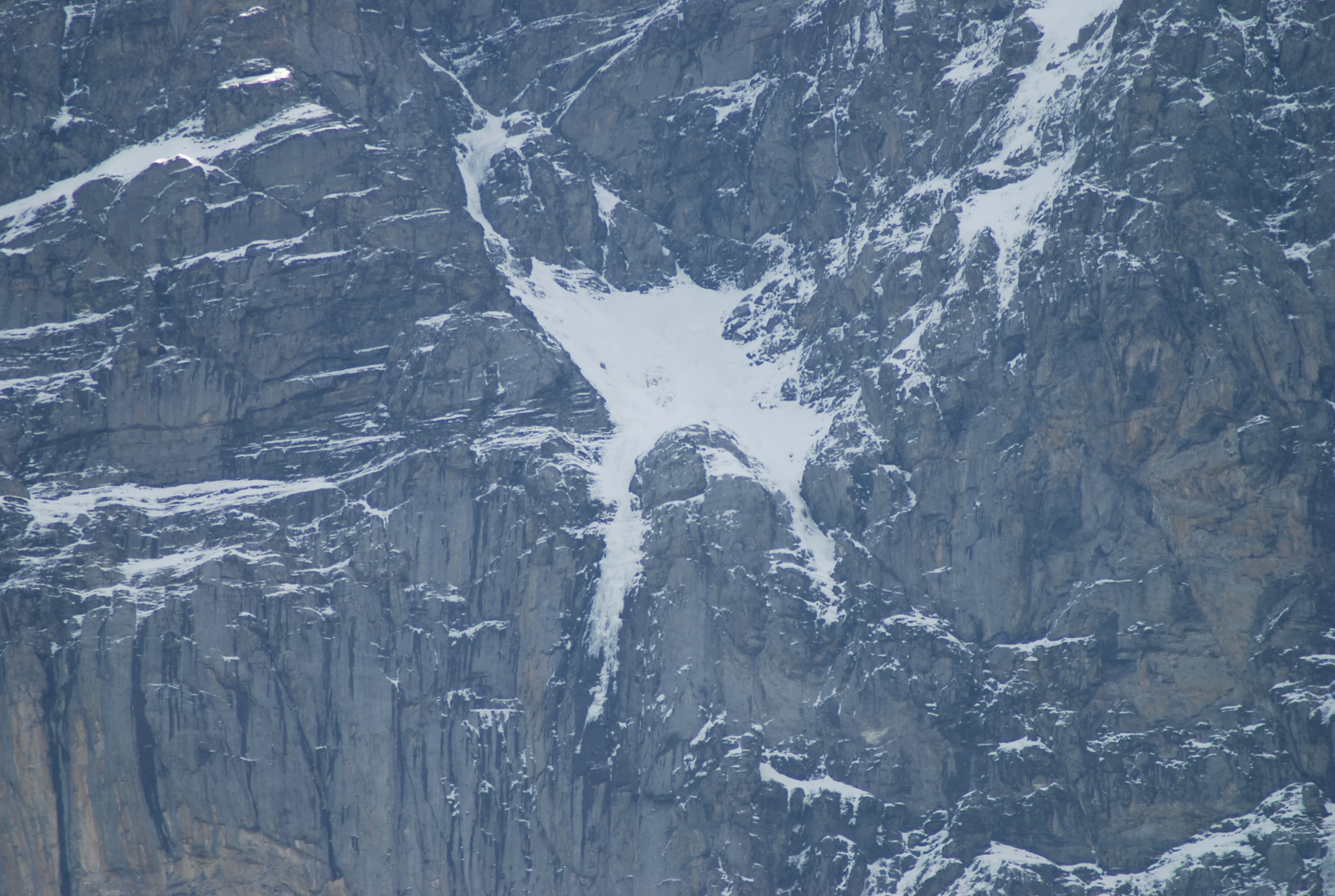
Eiger 1938: The Conquest of the Murder Wall and the White Spider
Between July 21 and 24, 1938, Anderl Heckmair and Heinrich Harrer led a four-man team up the terrifying 1,800-meter Eiger North Face, surmounting avalanches and the White Spider to solve the Last Problem of the Alps.
Frequently Asked Questions: Eiger
What is the official height of the Eiger?
The Eiger stands at an official elevation of 3,967 meters (13,015 feet) in the Bernese Alps of Switzerland, rising 1,800 meters vertically from its base.
Where is the Eiger located?
The Eiger is situated above the valleys of Grindelwald and Lauterbrunnen in the Bernese Oberland region of the Canton of Bern, Switzerland.
Why is the North Face of the Eiger famous?
The 1,800-meter sheer limestone wall (Eiger-Nordwand) is one of the steepest and most dangerous precipices in the world, nicknamed "Mordwand" (Murder Wall) following numerous tragedies.
Who first climbed the Eiger North Face and when?
Anderl Heckmair, Ludwig Vörg, Heinrich Harrer, and Fritz Kasparek achieved the historic maiden first ascent of the North Face between July 21 and 24, 1938.
What is the White Spider on the Eiger?
The White Spider (Die Weiße Spinne) is an upper 60-degree snow-and-ice basin whose radiating gullies resemble spider legs, channeling continuous avalanches down the face.
Who first climbed the Eiger via its normal route?
Irish climber Charles Barrington, guided by Christian Almer and Peter Bohren, achieved the mountain’s first recorded ascent via the West Flank on August 11, 1858.
What is the railway that runs through the inside of the Eiger?
The Jungfrau Railway (Jungfraubahn), opened in 1912, travels through a 7-kilometer tunnel bored directly through the bedrock of the Eiger, with observation windows carved into the North Face.
Why are modern ascents of the Eiger North Face done in winter?
Rising summer temperatures cause heavy rockfall on the friable limestone wall; modern climbers ascend in winter or early spring when sub-zero freezing cements the rock and ice.
Documented Sources & Archival Citations
- The White Spider: The History of the Eiger's North Face(Heinrich Harrer / Rupert Hart-Davis)
Supporting claim: Definitive historical and autobiographical chronicle of the early attempts and 1938 first ascent
Accessed/Documented: 1959 - My Life: Eiger North Face, Grandes Jorasses & Other Adventures(Anderl Heckmair / Vertebrate Publishing)
Supporting claim: Autobiographical account of the technical route leadership and crampon front-pointing on the North Face
Accessed/Documented: 2002 - The Alpine Journal Archive: The North Face of the Eiger(The Alpine Club UK)
Supporting claim: Official Alpine Club records and historical analysis of the 1938 ascent
Accessed/Documented: 2026