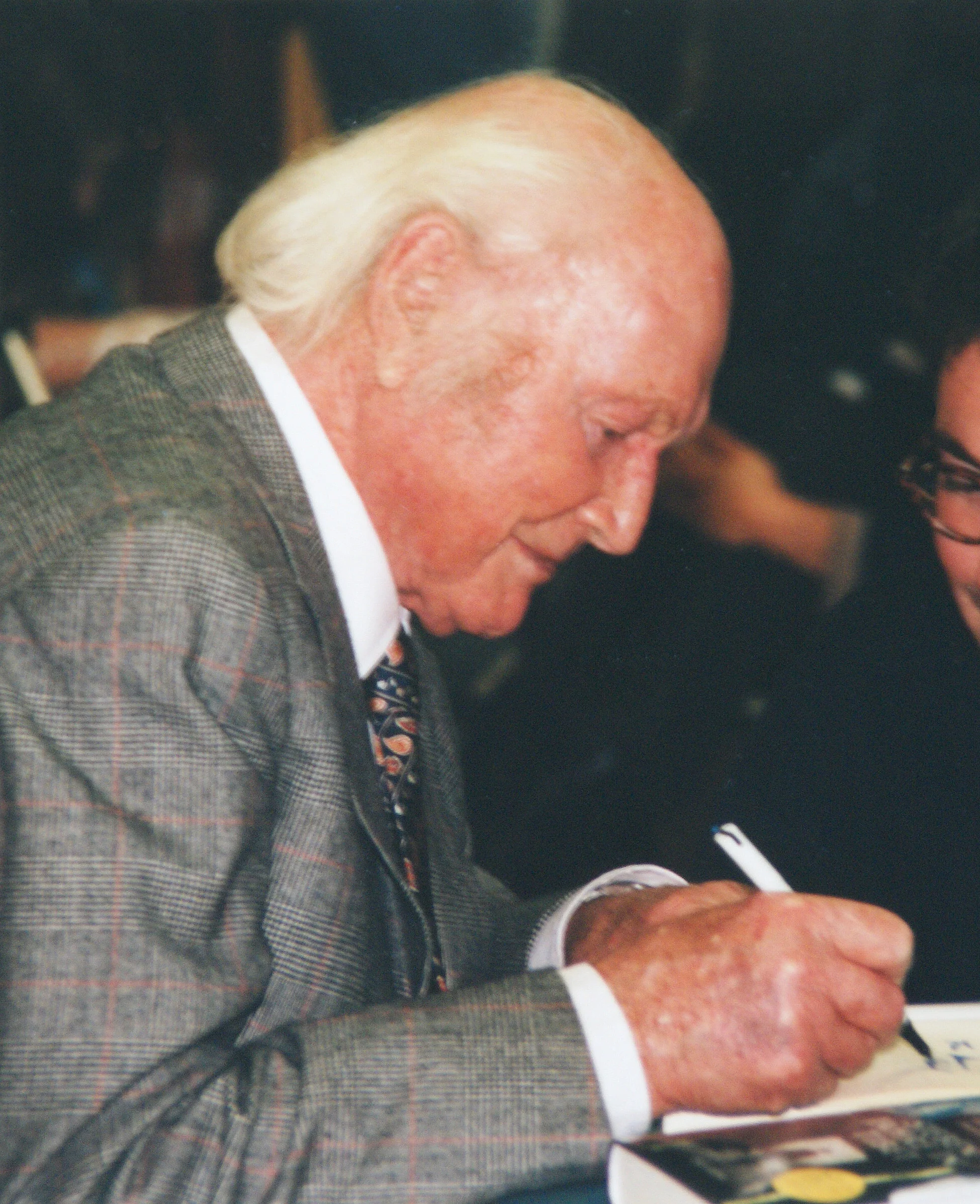
Heinrich Harrer
Heinrich Harrer was an internationally renowned Austrian mountaineer, Olympic athlete, geographer, and author who achieved the historic first ascent of the Eiger North Face in July 1938. His daring escape from a wartime internment camp into Tibet led to his role as tutor to the 14th Dalai Lama and his immortal memoir 'Seven Years in Tibet'.
Mountain Safety & Conditions Disclaimer: High-altitude climbing, glacial travel, and technical ascents entail severe objective risks including avalanches, serac collapses, rapid weather collapse, and altitude illness. Historical route descriptions and summit claims on Mountanity reflect documented archival sources and must not be used as live operational safety assessments. Local regulations, permits, and physical glacial topography change continuously.
Peer Review: Senior Editorial Board & Historical Reviewers • Editorial Standards
Biographical Record & Archival Chronicle
Heinrich Harrer was born on July 6, 1912, in Hüttenberg, Carinthia, Austria. A prodigiously gifted multi-sport athlete, Harrer studied geography and sports science at the University of Graz, competing in the 1936 Winter Olympics in Garmisch-Partenkirchen and winning the world championship in the downhill ski race. Drawn to extreme rock climbing in the Kaisergebirge and Julian Alps, Harrer resolved in 1938 to tackle the most formidable alpine objective in the world: the unclimbed 1,800-meter North Face of the Eiger.
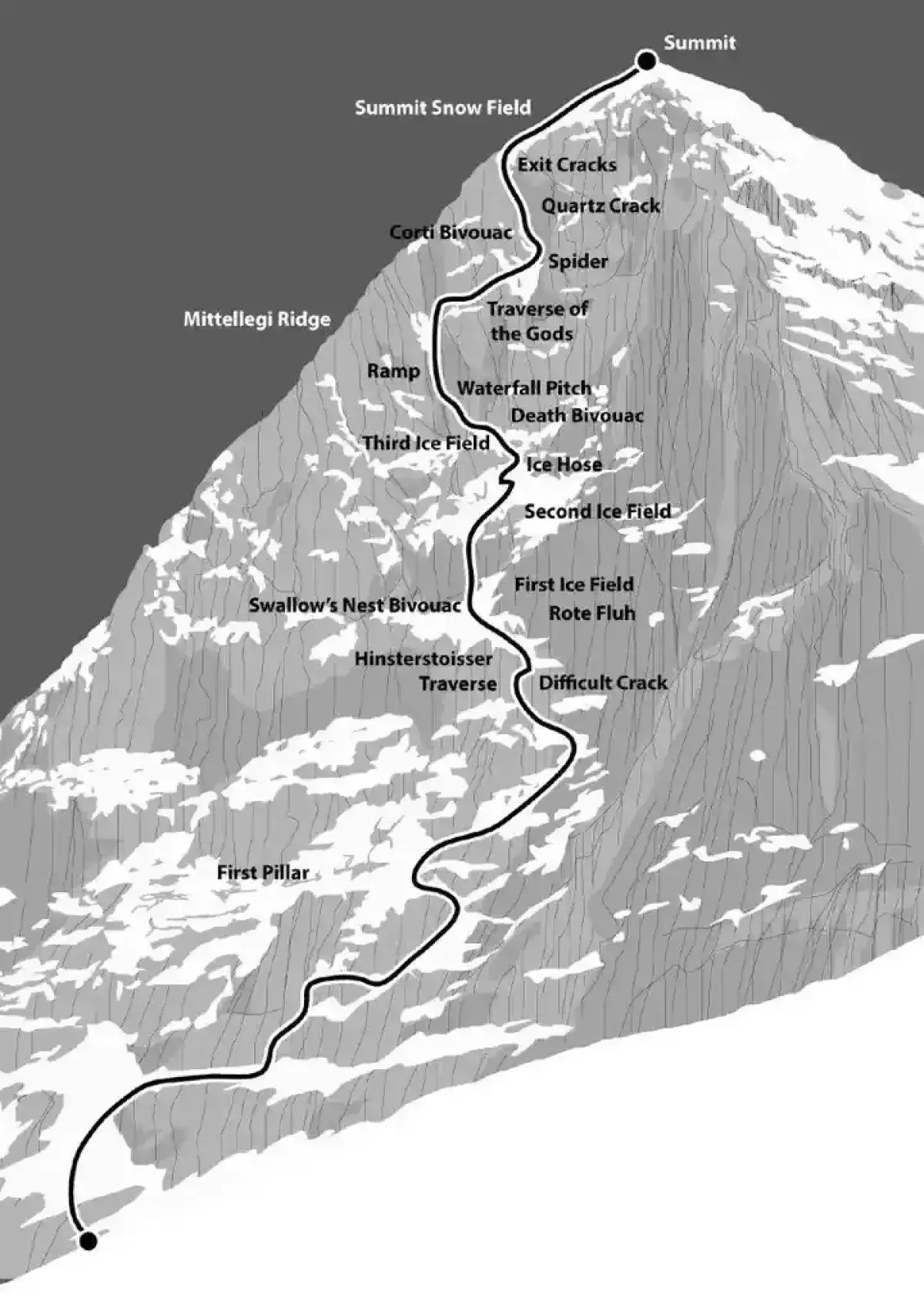
In July 1938, Harrer teamed up with Viennese climber Fritz Kasparek. Lacking modern 12-point crampons, Harrer wore traditional triple-nailed leather mountaineering boots. On the lower icefields, they were overtaken by Bavarian masters Anderl Heckmair and Ludwig Vörg. Realizing that cooperation meant survival, the two pairs joined ropes. Over four harrowing days of blizzards, rockfalls, and bivouacs, Harrer carried heavy support equipment and belayed Heckmair as the Bavarian led the treacherous pitches of the Ramp, the Traverse of the Gods, and the White Spider. On July 24, 1938, all four men stood upon the summit, conquering the 'Last Problem of the Alps'.
In 1939, Harrer joined the German reconnaissance expedition to Nanga Parbat in British India. Following the outbreak of the Second World War in September 1939, Harrer and his companions were arrested by British authorities and interned in the Dehradun prison camp near the Himalayas. After several failed attempts, Harrer and Peter Aufschnaiter escaped in May 1944, disguised as native laborers, and undertook a breathtaking 21-month trek across fifty high Himalayan passes into forbidden Tibet.
Arriving destitute in the holy city of Lhasa in January 1946, Harrer won the trust of the Tibetan nobility through his surveying and cartographic skills. He was introduced to the young 14th Dalai Lama (then 11 years old), becoming his personal tutor in English, geography, science, and Western culture. Their profound bond endured until Harrer's death. When Chinese forces entered Tibet in 1950, Harrer fled to the West, publishing his masterpiece *Seven Years in Tibet* (1952), which became an international publishing phenomenon translated into 53 languages and adapted into an acclaimed Hollywood film starring Brad Pitt. In 1959, Harrer published *The White Spider*, universally acknowledged as the definitive historical chronicle of the Eiger North Face.
In 1962, Harrer led the expedition that achieved the maiden first ascent of Carstensz Pyramid (Puncak Jaya, 4,884m) in West Papua (New Guinea), the highest peak in Oceania and one of the Seven Summits. He spent his later years founding the Heinrich Harrer Museum in Hüttenberg and promoting human rights for Tibet. He passed away on January 7, 2006, in Friesach at age 93.
Notable Milestones & Ascents
- Co-first ascent of the 1,800-meter Eiger North Face on July 21–24, 1938, with Heckmair, Vörg, and Kasparek
- Escaped British internment in India and trekked 21 months across the Himalayas into forbidden Tibet (1944–1946)
- Served as tutor in geography, science, and English to the young 14th Dalai Lama in Lhasa
- Authored 'Seven Years in Tibet' (over 4 million copies sold) and 'The White Spider' (definitive Eiger history)
- Achieved the maiden first ascent of Carstensz Pyramid (Puncak Jaya, 4,884m) in New Guinea in 1962
- Competed in alpine skiing in the 1936 Winter Olympic Games
Key Statistics & Topographic Figures
- Lifespan
- 1912–2006 (Age 93)
Carinthia, Austria
- Eiger First Ascent
- July 24, 1938
With Heckmair Team
- Oceania Summit
- Carstensz Pyramid (4,884m, 1962)
Maiden First Ascent
- Literary Classic
- Seven Years in Tibet (1952)
Translated into 53 Languages
Archival Primary Source Quotations
“The Eiger is not a mountain to be climbed by force alone; it demands patience, cunning, and an unshakeable will to survive.”
Defined Alpine Terminology & Concepts
- Carstensz Pyramid (Puncak Jaya)
- The highest island peak on Earth (4,884m) in West Papua, first climbed by Heinrich Harrer in 1962 and recognized as one of the Seven Summits.
- The White Spider (Die Weiße Spinne)
- The upper snow-and-ice funnel on the Eiger North Face whose radiating gullies resemble spider legs, immortalized as the title of Harrer’s 1959 alpine classic.
Frequently Asked Questions: Heinrich Harrer
Who was Heinrich Harrer?
Heinrich Harrer (1912–2006) was an internationally renowned Austrian mountaineer, Olympic skier, geographer, and author who achieved the 1938 first ascent of the Eiger North Face and wrote the worldwide bestseller "Seven Years in Tibet".
What mountain did Heinrich Harrer climb in 1938?
Harrer climbed the 1,800m North Face of the Eiger in the Swiss Alps alongside Anderl Heckmair, Ludwig Vörg, and Fritz Kasparek, climbing the entire face in traditional nailed mountain boots.
What is Heinrich Harrer’s book Seven Years in Tibet about?
It recounts Harrer’s daring wartime escape from a British internment camp in India, his 21-month trek across the Himalayas into Tibet, and his life in Lhasa as tutor to the 14th Dalai Lama.
How did Heinrich Harrer meet the Dalai Lama?
Living in Lhasa in the late 1940s, Harrer’s cartographic and scientific talents brought him to the attention of the Tibetan court; he was invited to the Potala Palace to become the personal tutor to the young 14th Dalai Lama.
What is Heinrich Harrer’s book The White Spider about?
Published in 1959, "The White Spider" is the definitive historical and autobiographical masterpiece chronicling the early tragedies, the 1938 first ascent, and subsequent ascents of the Eiger North Face.
What Olympic sport did Heinrich Harrer compete in?
Harrer competed as a downhill and combined alpine skier for Austria in the 1936 Winter Olympic Games in Garmisch-Partenkirchen, Germany.
What first ascent did Heinrich Harrer achieve in New Guinea in 1962?
In 1962, Harrer led the expedition that made the maiden first ascent of Carstensz Pyramid (Puncak Jaya, 4,884m) in West Papua, the highest peak in Oceania and one of the Seven Summits.
When did Heinrich Harrer pass away?
Heinrich Harrer died on January 7, 2006, in Friesach, Carinthia, Austria, at the age of 93, his funeral attended by international delegates and representatives of the Dalai Lama.
Associated Summits (2)
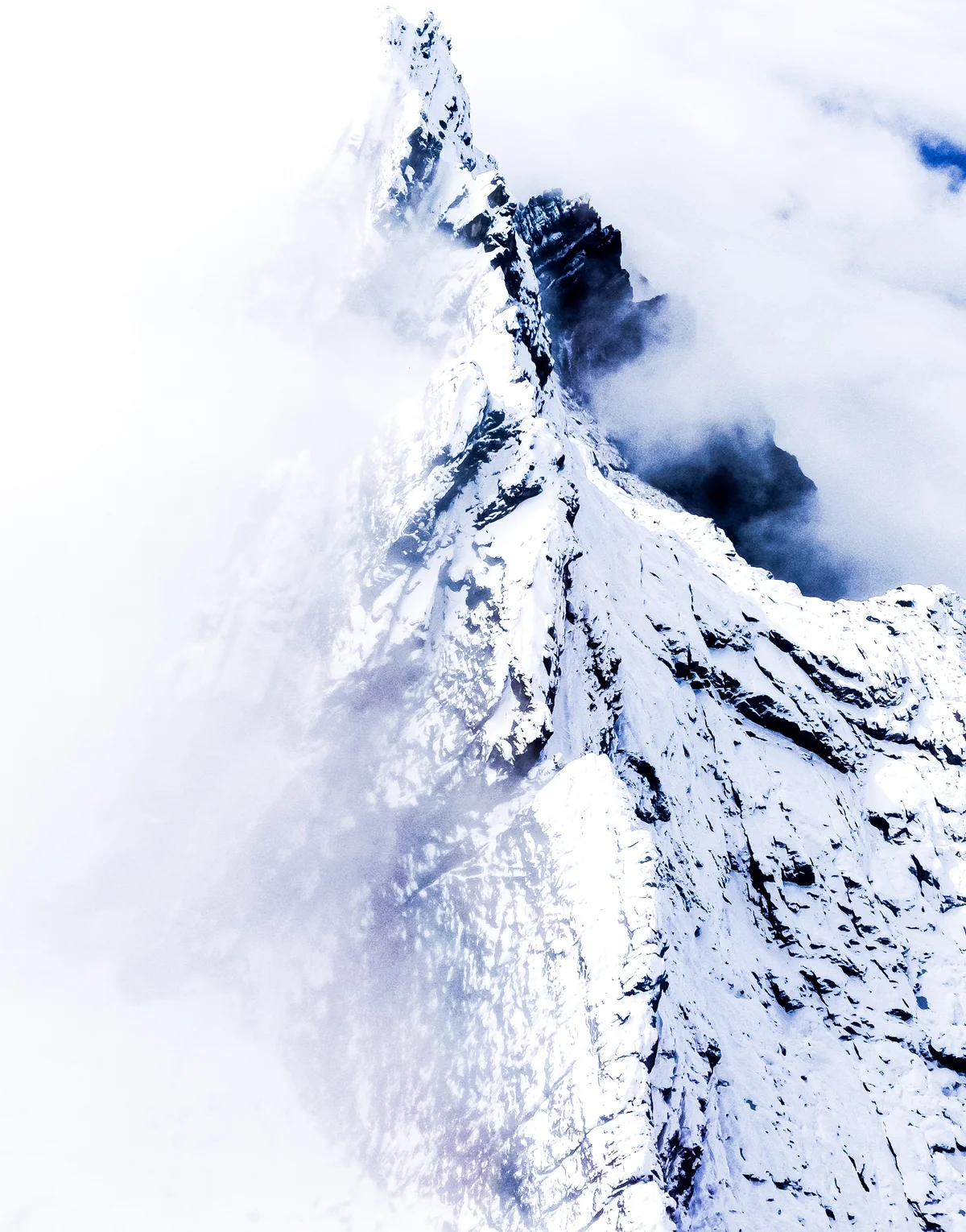

Carstensz Pyramid / Puncak Jaya
Carstensz Pyramid (Puncak Jaya / Nemangkawi) is the highest mountain in Indonesia, the highest island peak on Earth, and the highest summit in Oceania at 4,884 metres (16,024 ft). As one of the Seven Summits, it presents the unique challenge of technical limestone rock climbing above dense equatorial cloud forests and vanishing tropical glaciers. First climbed on February 13, 1962, by an expedition led by Austrian mountaineer Heinrich Harrer alongside Philip Temple, Russell Kippax, and Albertus Huizenga, Carstensz Pyramid requires ascending vertical limestone slabs and crossing a famous Tyrolean traverse across a sheer 15-metre chasm high on the summit ridge.
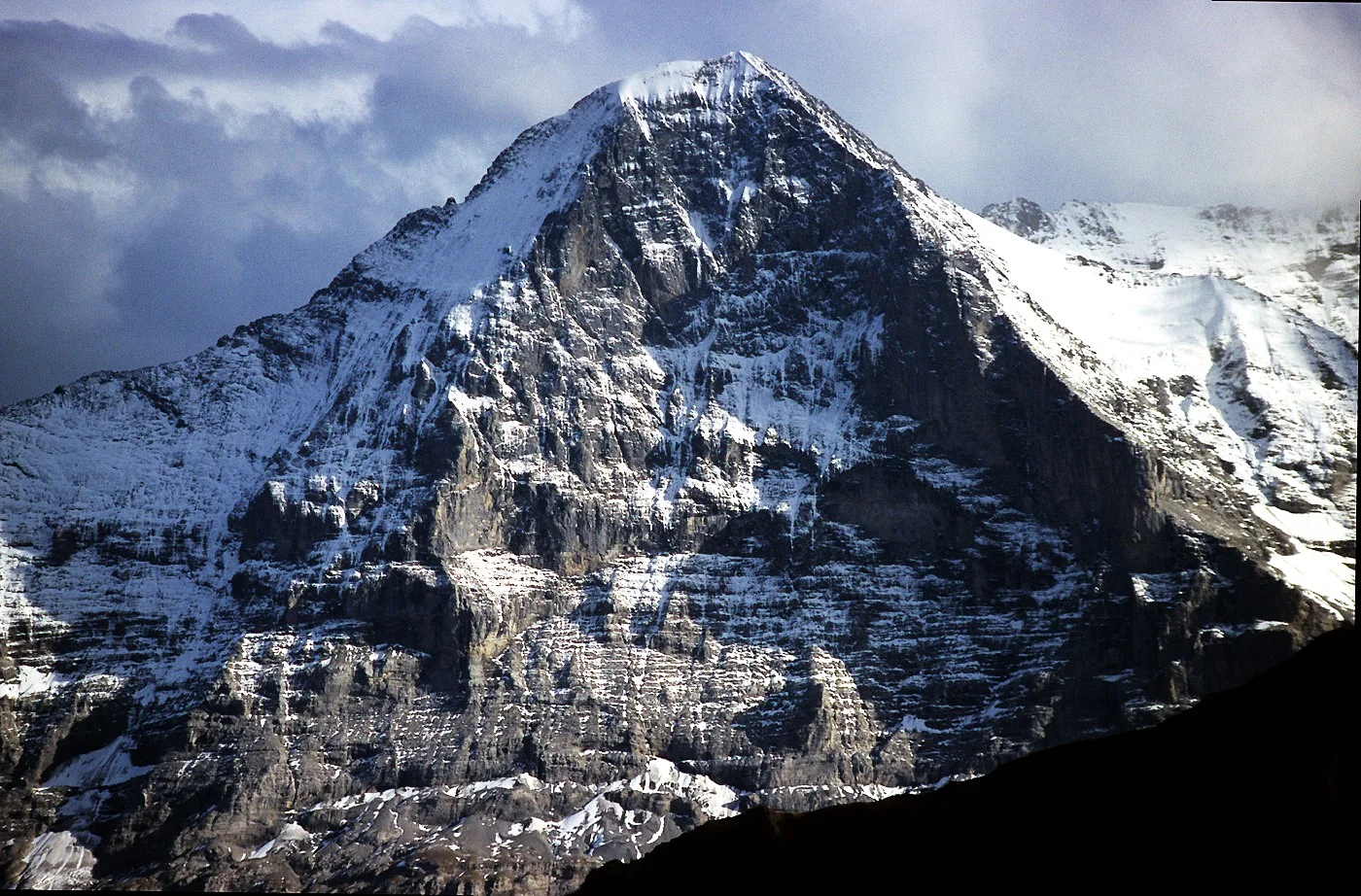

Eiger
The Eiger, standing at 3,967 meters (13,015 ft) in the Bernese Alps of Switzerland, is globally renowned for its monstrous 1,800-meter (5,900 ft) sheer vertical North Face (the *Eiger-Nordwand*). Feared as the *Mordwand* ('Murder Wall') following catastrophic climbing tragedies in the 1930s, it remained the last great problem of the Alps until conquered in July 1938 by Anderl Heckmair, Ludwig Vörg, Heinrich Harrer, and Fritz Kasparek.
Pioneered & Associated Routes (2)
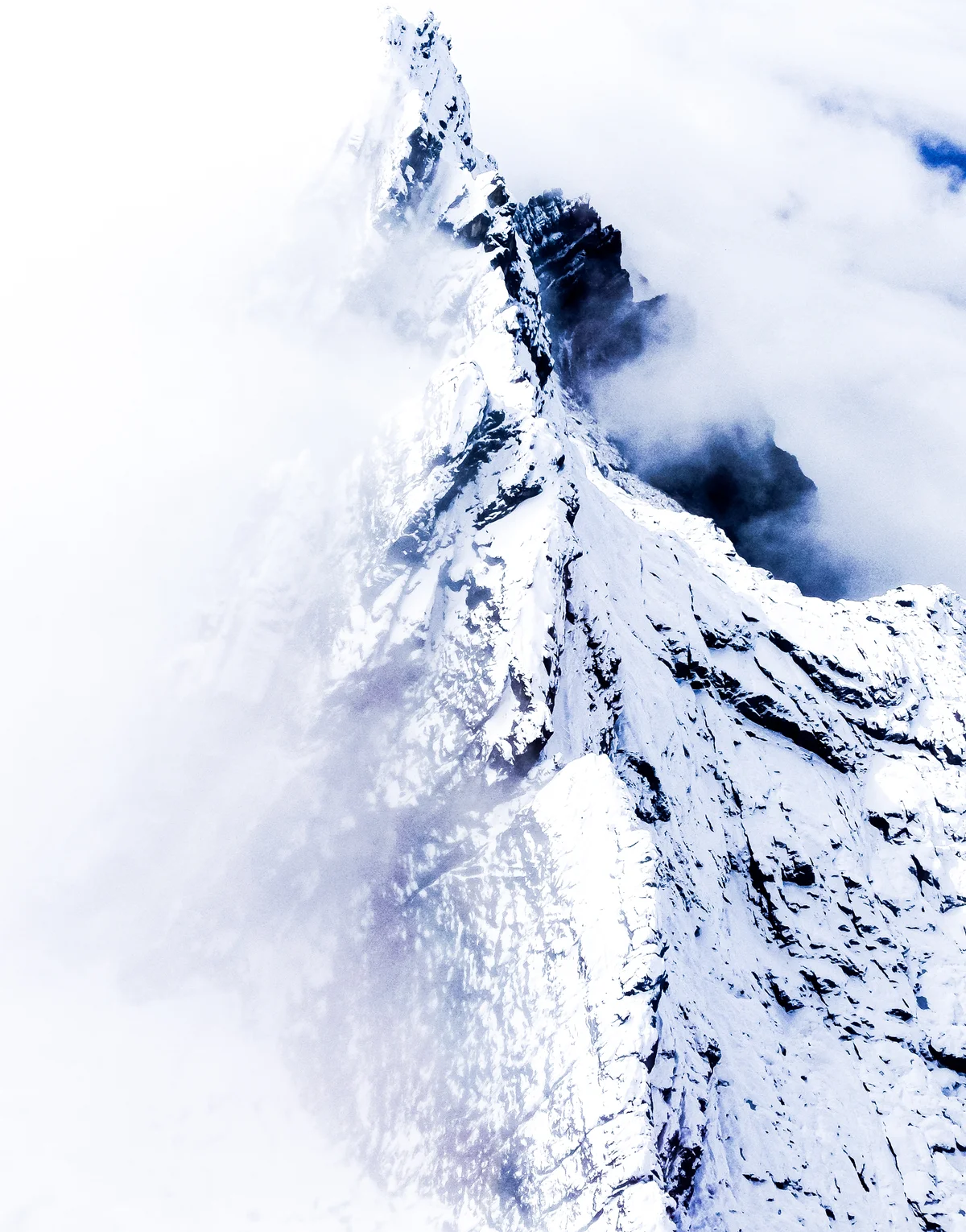
Normal Route of Carstensz Pyramid (Harrer Route)
The Normal Route (also known as the Harrer Route) is the historic standard line of ascent up Carstensz Pyramid / Puncak Jaya (4,884 m), the highest peak in Oceania. Rising from the Yellow Valley Base Camp, the route tackles the sheer northern limestone wall through steep gullies, fluted water-sculpted rock channels, and friction slabs (UIAA IV-V / 5.6-5.7). High on the summit ridge, climbers confront the world-famous Tyrolean Traverse: an exposed crossing on steel cables directly above a 15-metre-wide, 100-metre-deep vertical chasm. First established on February 13, 1962, by Heinrich Harrer, Philip Temple, Russell Kippax, and Albertus Huizenga, it is the only route among the Seven Summits requiring sustained technical multi-pitch rock climbing.
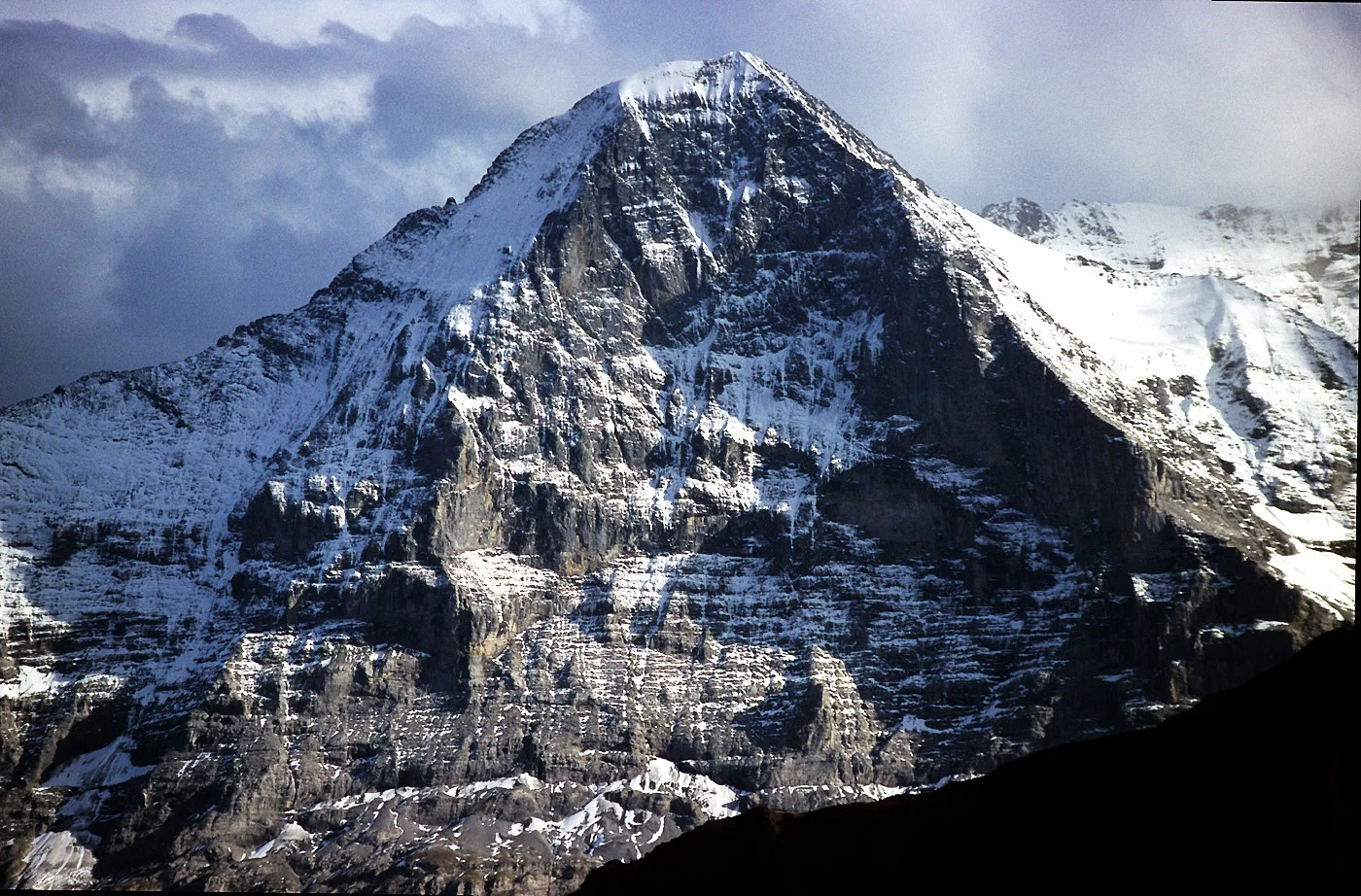
Eiger North Face (1938 Heckmair Route)
The legendary 1,800-meter original route up the Eiger North Face (3,967m), first climbed between July 21 and 24, 1938, by Anderl Heckmair, Ludwig Vörg, Heinrich Harrer, and Fritz Kasparek. Negotiating an intricate, terrifying labyrinth of down-sloping limestone ledges, friable verglas, and hanging icefields, the route traverses the notorious Hinterstoisser Traverse, Swallow's Nest, the First and Second Icefields, the Death Bivouac, the Ramp, the Traverse of the Gods, and the sinister snowfield known as the White Spider before conquering the Exit Cracks to reach the summit.
Documented Expeditions (2)
1938 German-Austrian Eiger North Face Expedition
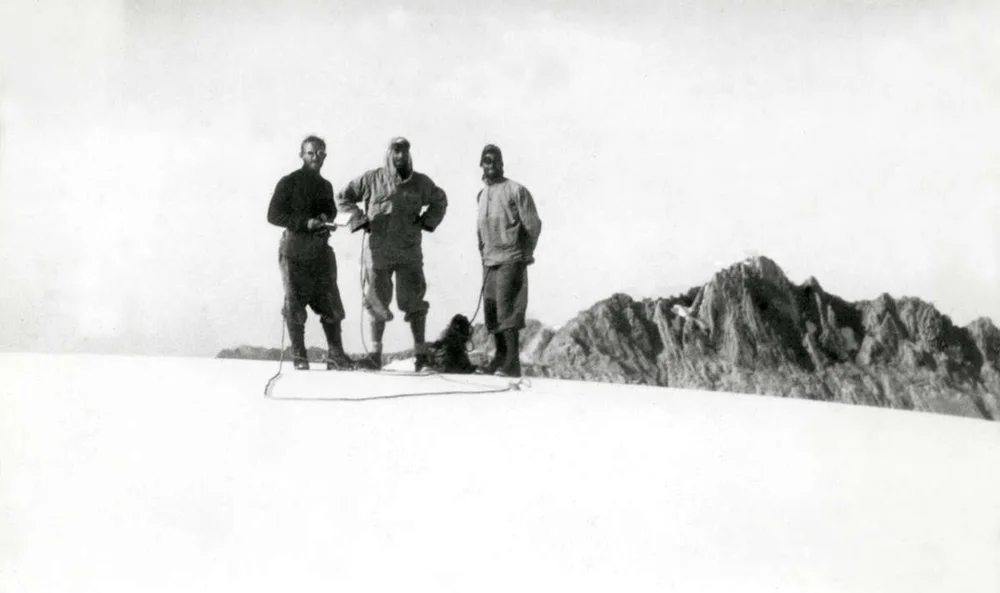
The epic July 1938 expedition in which Bavarian alpinists Anderl Heckmair and Ludwig Vörg joined forces with Austrians Heinrich Harrer and Fritz Kasparek to conquer the terrifying 1,800-meter Eiger North Face over four grueling days of storms, rockfalls, and avalanches.
1962 Heinrich Harrer and Philip Temple Historic First Ascent of Carstensz Pyramid / Puncak Jaya
On February 13, 1962, a four-man international expedition led by Austrian mountaineer Heinrich Harrer and New Zealander Philip Temple, accompanied by Australian Russell Kippax and Dutchman Albertus Huizenga, achieved the maiden first ascent of Carstensz Pyramid (4,884 m) in Western New Guinea. Conquering steep limestone slabs and rigging a cable traverse across an abyss, they claimed the highest island peak on Earth.
Associated Chronicles & Stories (3)
Conquering Begguya: Fred Beckey, Heinrich Harrer, and the West Ridge of Mount Hunter
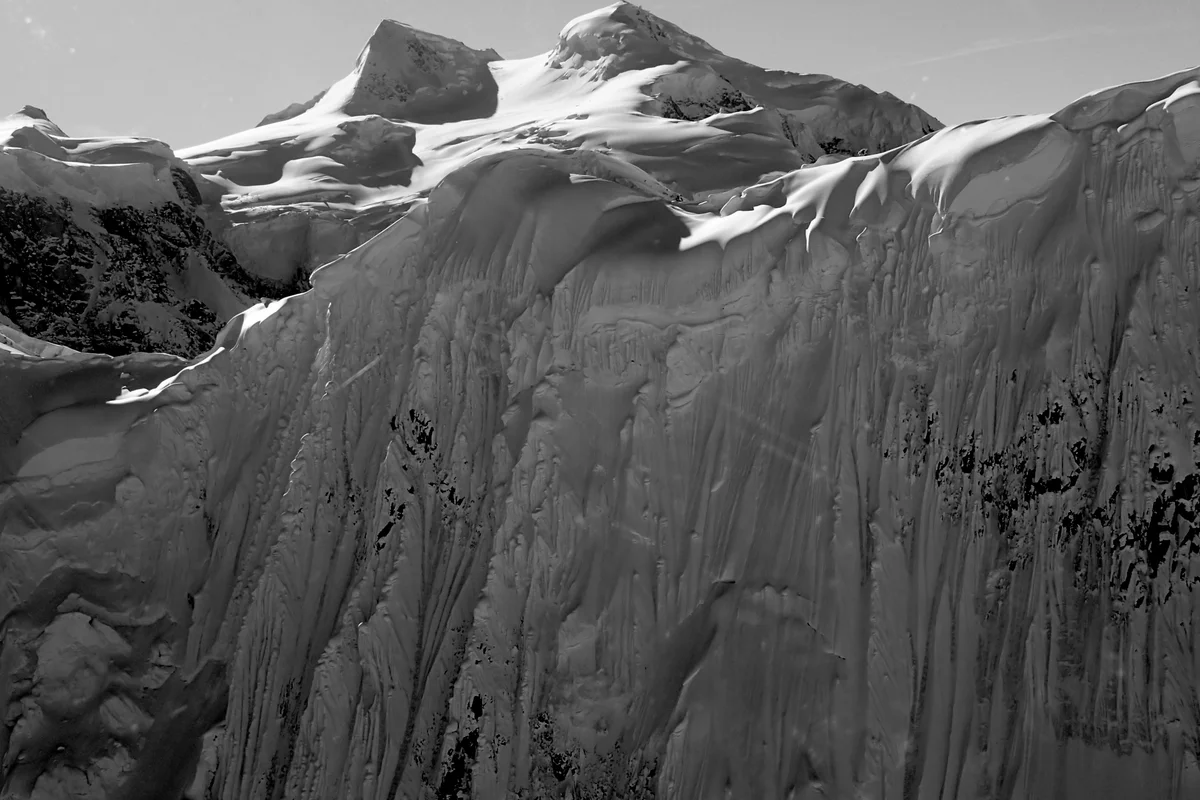
In July 1954, legendary North American first ascent king Fred Beckey joined Eigerwand conqueror Heinrich Harrer and Henry Meybohm to achieve the historic first ascent of Mount Hunter.
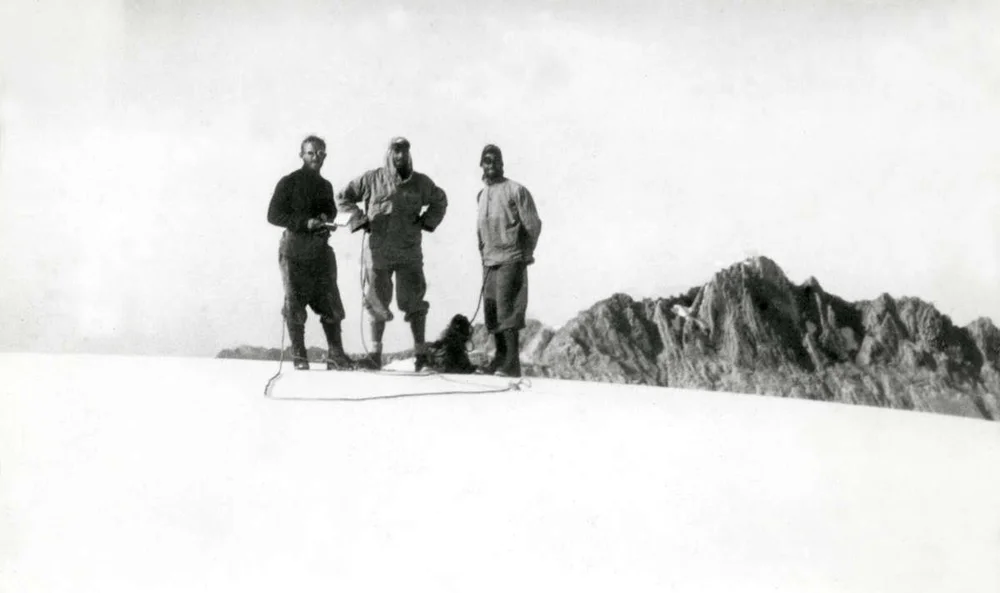
Chasm of the Equator: The 1962 First Ascent of Carstensz Pyramid
Through cannibal territory to equatorial glaciers: Heinrich Harrer and Philip Temple conquer the supreme summit of Oceania.
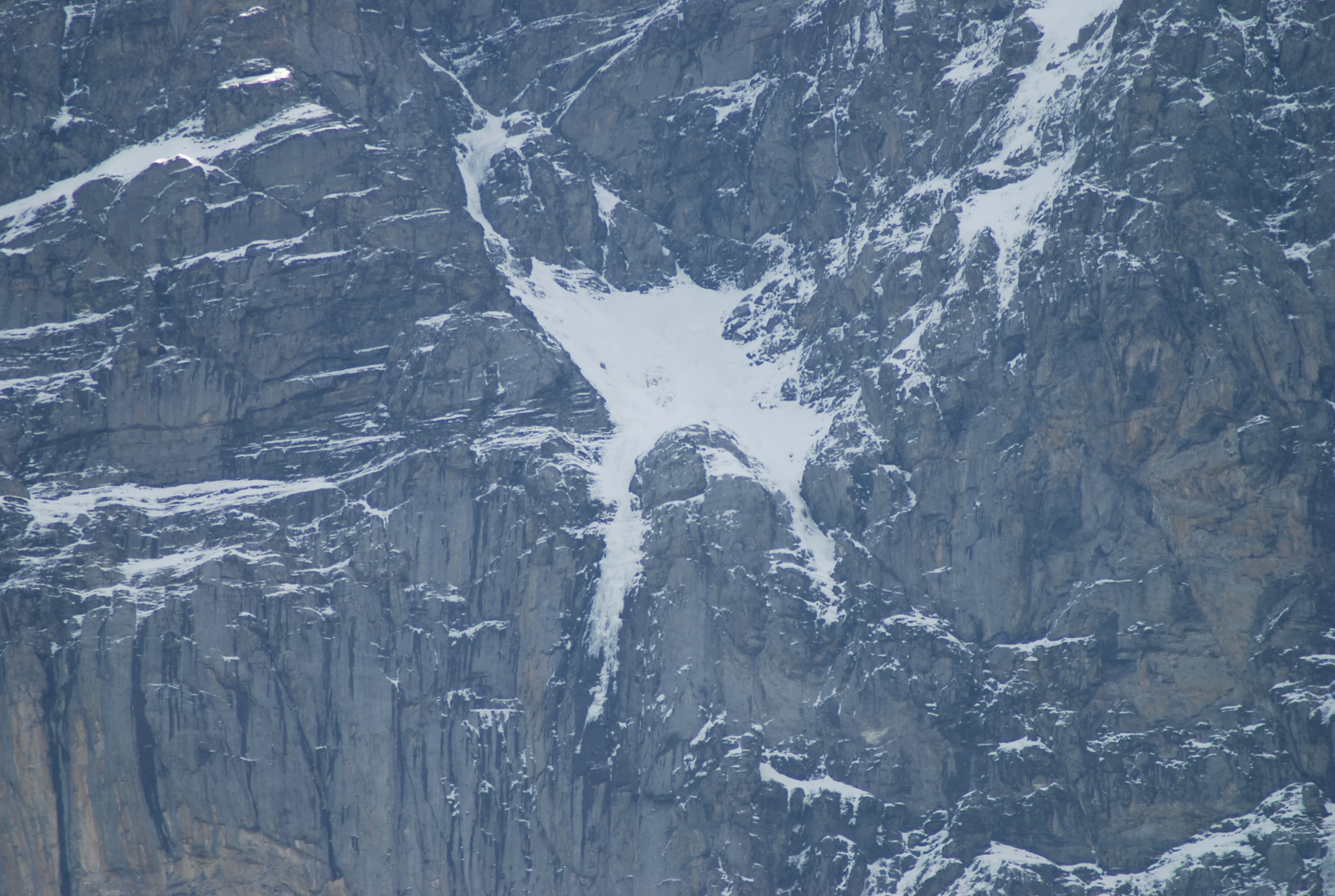
Eiger 1938: The Conquest of the Murder Wall and the White Spider
Between July 21 and 24, 1938, Anderl Heckmair and Heinrich Harrer led a four-man team up the terrifying 1,800-meter Eiger North Face, surmounting avalanches and the White Spider to solve the Last Problem of the Alps.
Documented Sources & Archival Citations
- The White Spider: The History of the Eiger's North Face(Heinrich Harrer / Rupert Hart-Davis)
Supporting claim: Autobiographical narrative and historical chronicle of the 1938 first ascent of the Eiger
Accessed/Documented: 1959 - Seven Years in Tibet(Heinrich Harrer / Rupert Hart-Davis)
Supporting claim: Classic autobiographical memoir of escape across the Himalayas and life in Lhasa with the Dalai Lama
Accessed/Documented: 1952 - Beyond Seven Years in Tibet: My Life Before, During, and After(Heinrich Harrer / Labyrinth Press)
Supporting claim: Complete retrospective covering the 1938 Eiger ascent, New Guinea expeditions, and humanitarian work
Accessed/Documented: 2007