1858 Almer & Barrington Eiger West Flank First Ascent
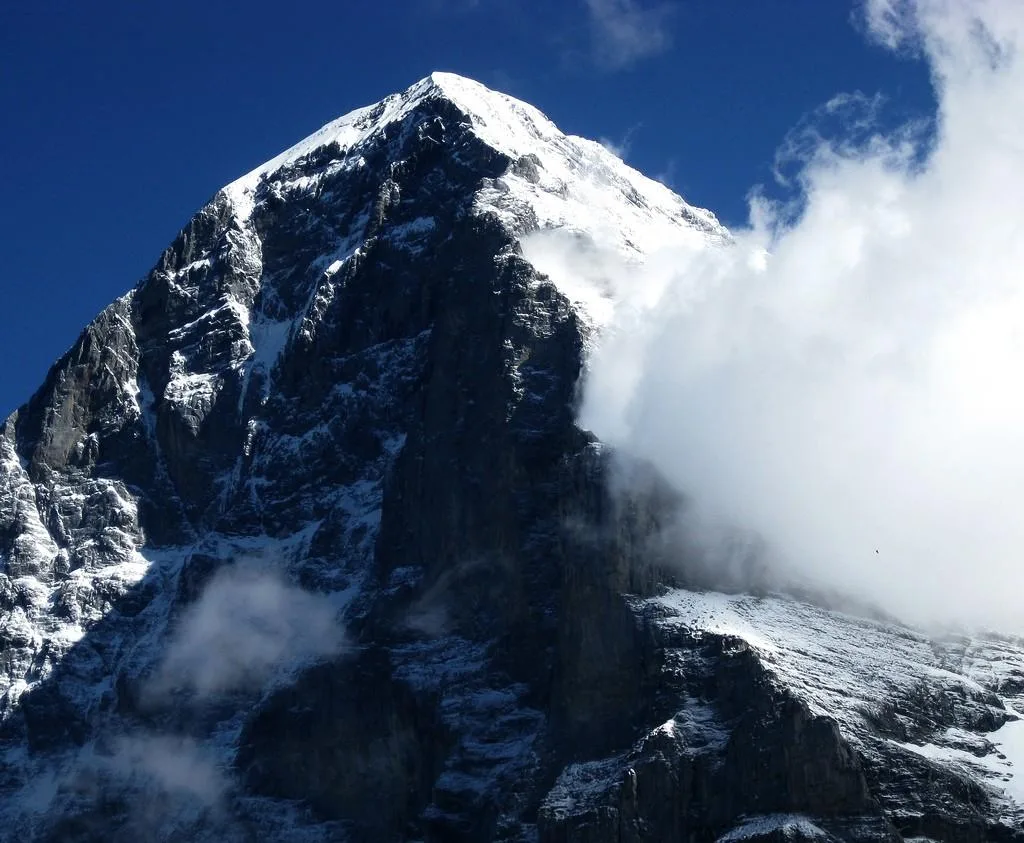
On August 11, 1858, Irish landowner Charles Barrington and Grindelwald guides Christian Almer and Peter Bohren completed the first ascent of the Eiger via the straightforward West Flank, kicking off the Bernese Oberland's Golden Age of first ascents.
Mountain Safety & Conditions Disclaimer: High-altitude climbing, glacial travel, and technical ascents entail severe objective risks including avalanches, serac collapses, rapid weather collapse, and altitude illness. Historical route descriptions and summit claims on Mountanity reflect documented archival sources and must not be used as live operational safety assessments. Local regulations, permits, and physical glacial topography change continuously.
Peer Review: Senior Editorial Board & Historical Reviewers • Editorial Standards
Official Expedition Narrative & Archival Record
The first ascent of the Eiger on August 11, 1858, was a product of Irish sporting ambition meeting Bernese guiding mastery. Charles Barrington, a twenty-five-year-old landowner and amateur athlete from County Meath who had never climbed in the Alps before that summer, arrived in Grindelwald in early August determined to attempt one of the great unclimbed summits of the Bernese Oberland. He engaged Christian Almer — already recognized as the finest and most technically gifted guide in Grindelwald — and Peter Bohren, a powerful and experienced local Bär guide. The three-man team departed the Kleine Scheidegg before dawn on August 11, picking their way across the moraine and upper glacier slopes below the Eiger's western face. Unlike the terrifying vertical limestone amphitheater of the North Face, the Eiger's west and south flanks are comparatively moderate: mixed snow slopes, loose rock gullies, and broad couloirs that demand stamina and careful route-finding rather than the technical virtuosity required on the north. Almer led the party upward through broken terrain, navigating patches of ice and scree with the methodical sureness that had already made him the most trusted man on a rope in the Bernese Alps. By mid-morning, the three men had passed the difficulties of the lower ridge and were moving steadily upward on the final steep snow slopes toward the summit. At approximately eleven in the morning, they stepped onto the highest point of the Eiger, 3,967 metres above the Grindelwald valley. The view opened in every direction: the Jungfrau and Mönch rose to the south, the green Bernese lowlands stretched north, and across the glaciers the great summit of the Wetterhorn shone in the August sun. The descent was made safely and the party returned to Grindelwald by afternoon. Barrington reportedly celebrated his ascent by purchasing the entire bar supply of the Kleine Scheidegg hotel. The climb was widely reported in the British press and helped crystallize public attention on the unclimbed summits that would fall in rapid succession during the Golden Age decade that followed.
Documented Team Composition
- Charles Barrington (Leader, Ireland)
- Christian Almer (Senior Guide, Switzerland)
- Peter Bohren (Guide, Switzerland)
Key Statistics & Topographic Figures
- Summit Date
- August 11, 1858
- Elevation Reached
- 3,967 m (13,015 ft) — Summit
- Route
- West Flank (Normal Route)
- Team Size
- 3 climbers (1 client, 2 Swiss guides)
Archival Primary Source Quotations
“As we stepped onto the highest snow ridge of the Eiger, Almer shook my hand in silence; the virgin peak was ours.”
Defined Alpine Terminology & Concepts
- West Flank
- The broken rock and snow slope on the western aspect of the Eiger leading from Kleine Scheidegg to the summit ridge.
- Kleine Scheidegg
- The high mountain pass at 2,061 m between Grindelwald and Lauterbrunnen beneath the Eiger North Face.
Frequently Asked Questions: 1858 Almer & Barrington Eiger West Flank First Ascent
What was the 1858 Almer and Barrington Eiger expedition?
On August 11, 1858, Irish climber Charles Barrington and Grindelwald guides Christian Almer and Peter Bohren made the historic first ascent of the Eiger.
What route was climbed during the 1858 Eiger first ascent?
The party pioneered the West Flank route from Kleine Scheidegg, avoiding the formidable North Face precipice.
How long did the 1858 Eiger ascent take?
The climbers departed before dawn and reached the 3,967-metre summit in approximately six hours under fine summer weather.
Did Christian Almer guide the 1858 Eiger ascent?
Yes, Christian Almer served as lead guide, navigating the complex rock bands and snow gullies with absolute mastery.
Why did Charles Barrington choose to climb the Eiger?
Barrington sought to summit an unclimbed Bernese Oberland four-thousander, having been advised that the Matterhorn was too distant.
What was the weather like on August 11, 1858?
The team enjoyed cloudless, stable skies, offering expansive views from the summit across the Jungfrau and Valais.
Where did the 1858 team celebrate their Eiger success?
The team returned safely by afternoon to the Kleine Scheidegg inn to celebrate the first conquest of the peak.
What is the historical significance of the 1858 climb?
It proved that the formidable limestone bastion of the Eiger could be safely summited via its moderate western glaciers.
Ascent Route & Topography
Eiger North Face (1938 Heckmair Route)
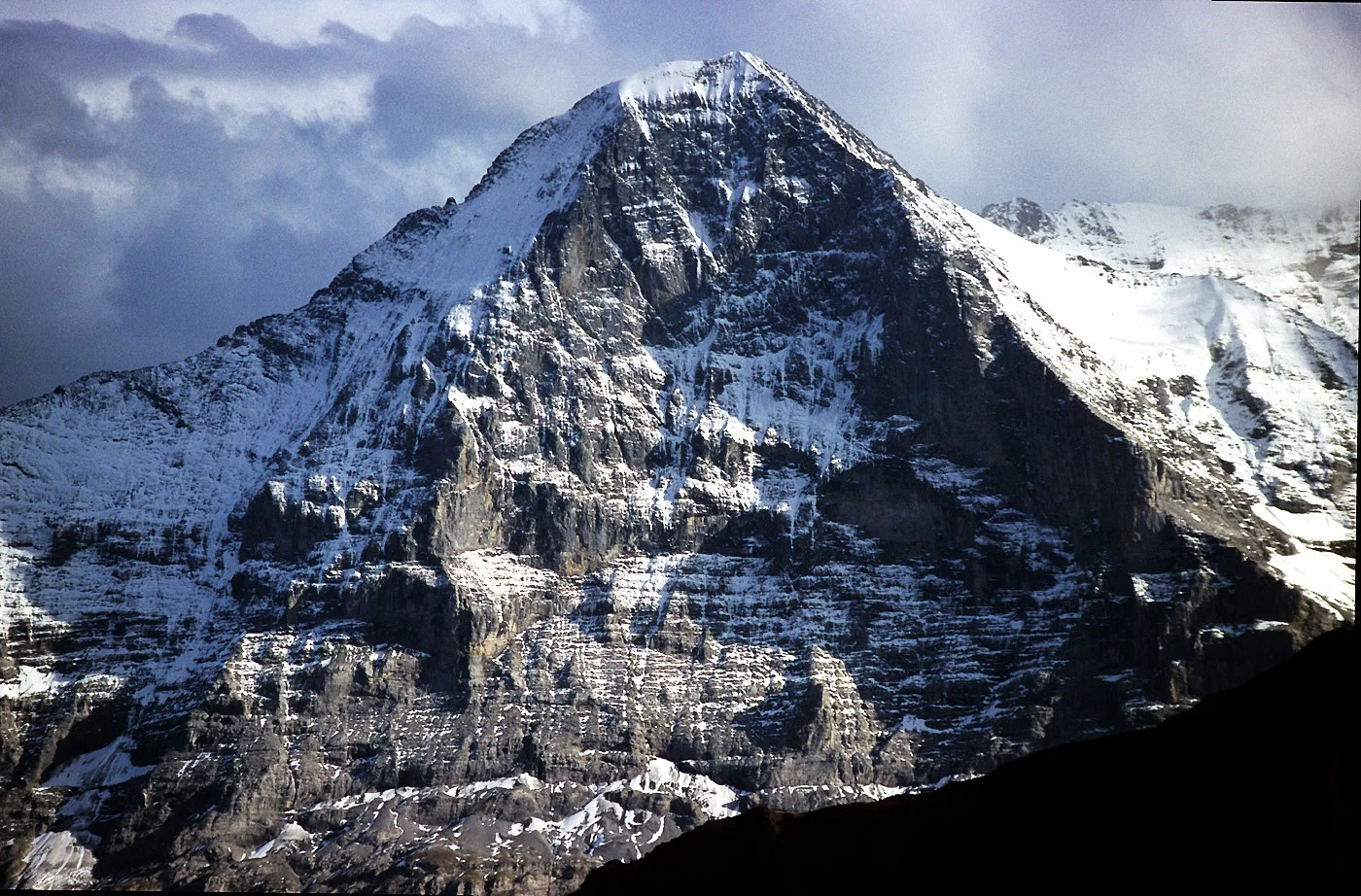
The legendary 1,800-meter original route up the Eiger North Face (3,967m), first climbed between July 21 and 24, 1938, by Anderl Heckmair, Ludwig Vörg, Heinrich Harrer, and Fritz Kasparek. Negotiating an intricate, terrifying labyrinth of down-sloping limestone ledges, friable verglas, and hanging icefields, the route traverses the notorious Hinterstoisser Traverse, Swallow's Nest, the First and Second Icefields, the Death Bivouac, the Ramp, the Traverse of the Gods, and the sinister snowfield known as the White Spider before conquering the Exit Cracks to reach the summit.
Jungfrau Rottalgrat (Rottal Ridge)
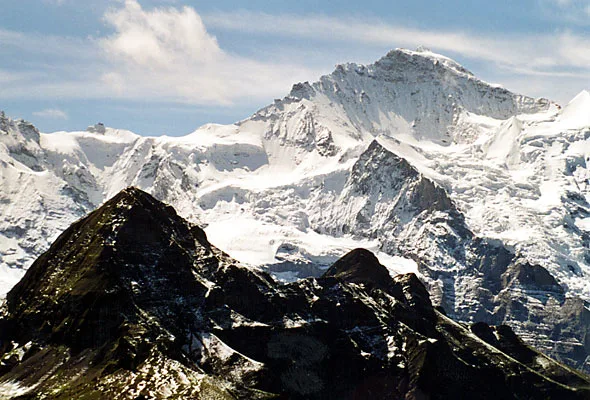
The Jungfrau Rottalgrat (Rottal Ridge) is the classic mountaineer's route to the Jungfrau summit (4,158 m), ascending from the Jungfraujoch railway station (3,454 m) via the Rottalsattel and the exposed south-west ridge to the summit snowfield. A serious high-alpine route at altitude, demanding crevassed glacier travel on the upper Jungfraufirn, steep mixed snow and rock on the Rottalgrat proper, and experienced navigation in frequent cloud or storm, the Rottalgrat is graded AD and represents the finest true mountaineer's day on the Jungfrau — distinct from the tourist ascent by the Jungfraujoch railway.
Target Objective Peaks

Jungfrau
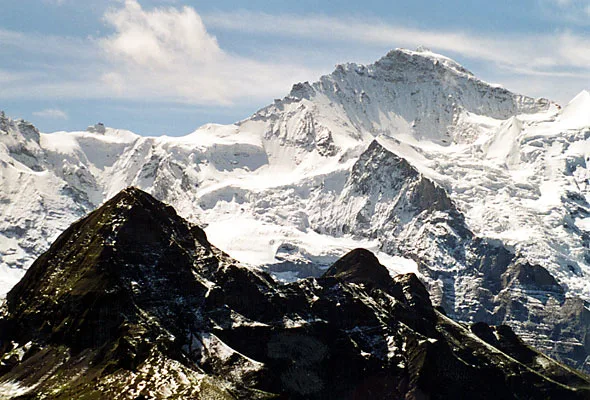
The Jungfrau (4,158 m / 13,642 ft) is the third-highest peak in the Bernese Oberland and one of the most iconic mountains in the world, forming the spectacular triumvirate with the Eiger and the Mönch above Grindelwald. Its name, meaning 'Young Woman' or 'Virgin,' was given by medieval monks who saw in the long white snowfields of its south face the outline of a white veil. First climbed on August 3, 1811, by Rudolf and Hieronymus Meyer guided by local chamois hunters Joseph Bortis and Alois Volker, the Jungfrau now hosts the Jungfraujoch, at 3,454 m the highest railway station in Europe, designated a UNESCO World Heritage Site.
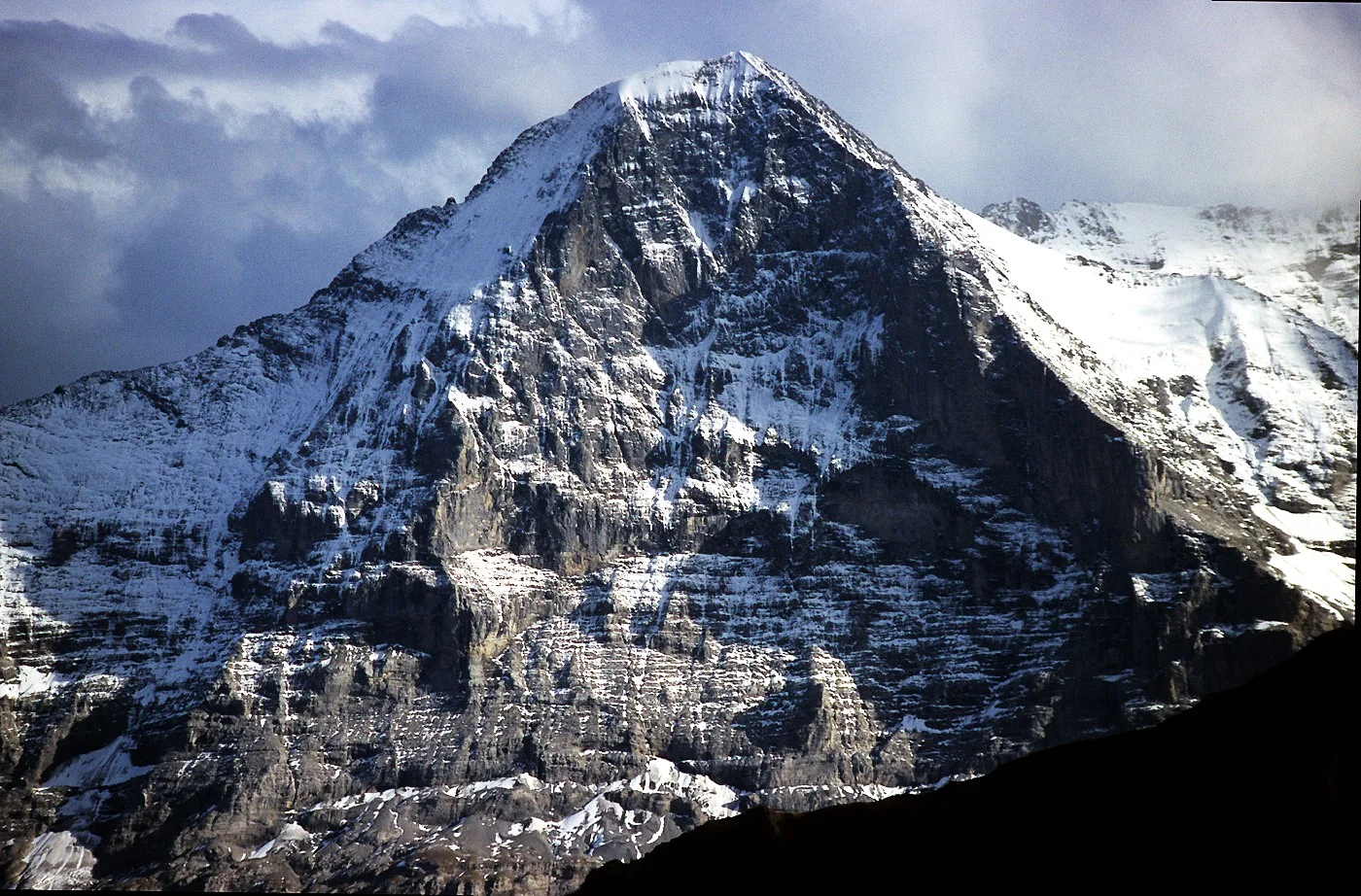
Eiger
The Eiger, standing at 3,967 meters (13,015 ft) in the Bernese Alps of Switzerland, is globally renowned for its monstrous 1,800-meter (5,900 ft) sheer vertical North Face (the *Eiger-Nordwand*). Feared as the *Mordwand* ('Murder Wall') following catastrophic climbing tragedies in the 1930s, it remained the last great problem of the Alps until conquered in July 1938 by Anderl Heckmair, Ludwig Vörg, Heinrich Harrer, and Fritz Kasparek.
Featured Expedition Climber
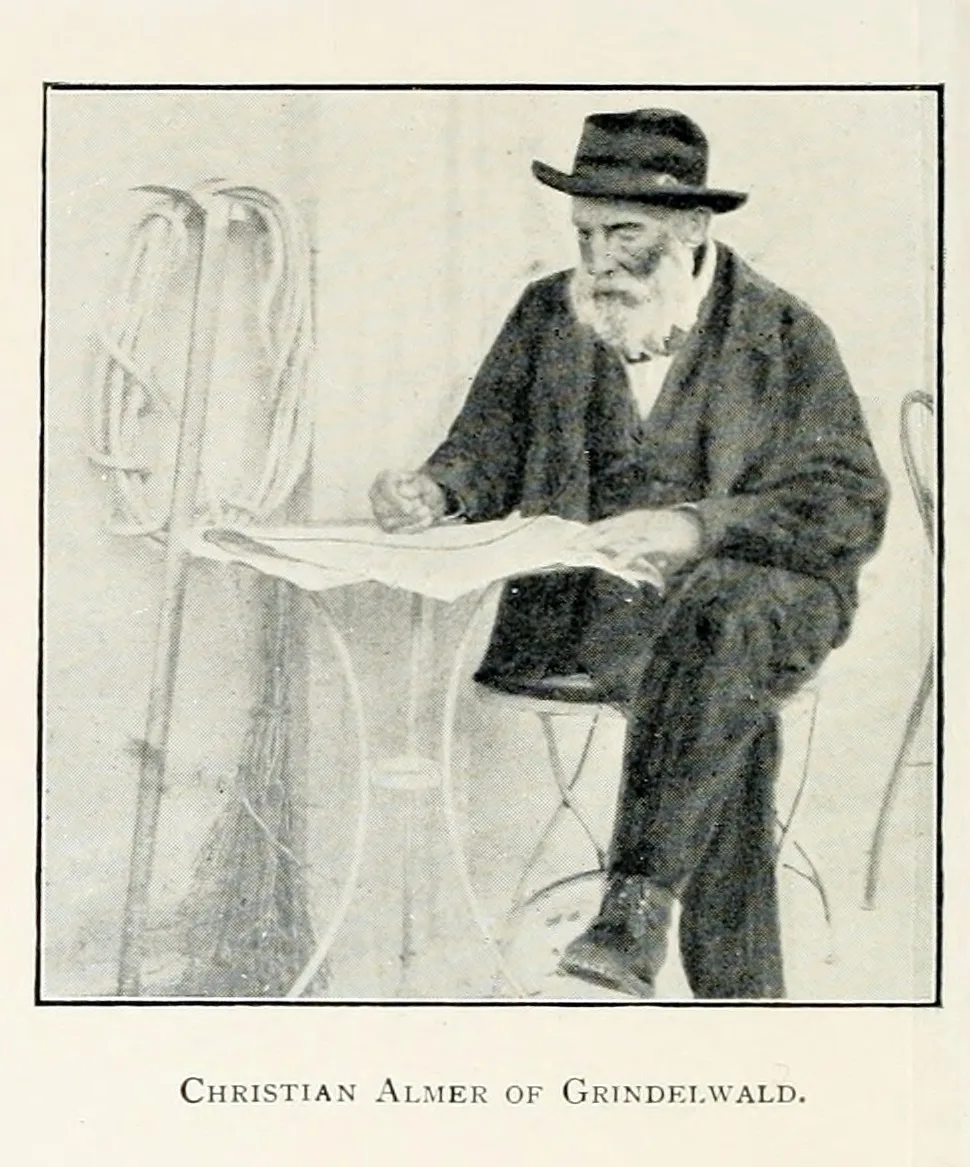
Christian Almer
Born on February 15, 1826, in Grindelwald at the foot of the Bernese Oberland's greatest limestone walls, Christian Almer grew up in a farming family whose sons had guided hunters and chamois stalkers across the high passes since the days of Napoleon. From his youth, Almer showed an uncanny instinct for snow and ice, learning the treacherous crevasse systems of the Grindelwald glaciers by heart before he was twenty. In 1854, Almer assisted Alfred Wills on the ascent of the Wetterhorn above Grindelwald, the climb widely credited with launching the Golden Age of Alpinism and inspiring the founding of the Alpine Club. Over the following twenty years, Almer became the most sought-after guide in the Alps, his calm authority and extraordinary physical strength drawing the most ambitious British climbers to Grindelwald at the start of each summer season. He made the first ascent of the Eiger's straightforward West Flank with Charles Barrington in 1858, and three years later pioneered a route up the fearsome Schreckhorn, one of the sharpest and most remote summits in the Bernese Alps. In August 1864, Almer joined Edward Whymper in the French Alps, and together they made the first ascent of the Barre des Écrins, the highest summit in the Dauphiné Alps. In the summer of 1865, during the extraordinary final culmination of the Golden Age, Almer guided Whymper's team up the Aiguille Verte above Chamonix, a spectacular ascent completed just days after Whymper's tragic Matterhorn triumph. Almer retired from active guiding in the 1890s and lived to the remarkable age of 72, surviving to see his grandsons continue his guiding dynasty. He died in Grindelwald on January 12, 1898, with an unmatched record of first ascents across the Bernese Oberland, Pennine Alps, and Dauphiné, all accomplished without a single client fatality.
Associated Historical Chronicles & Stories
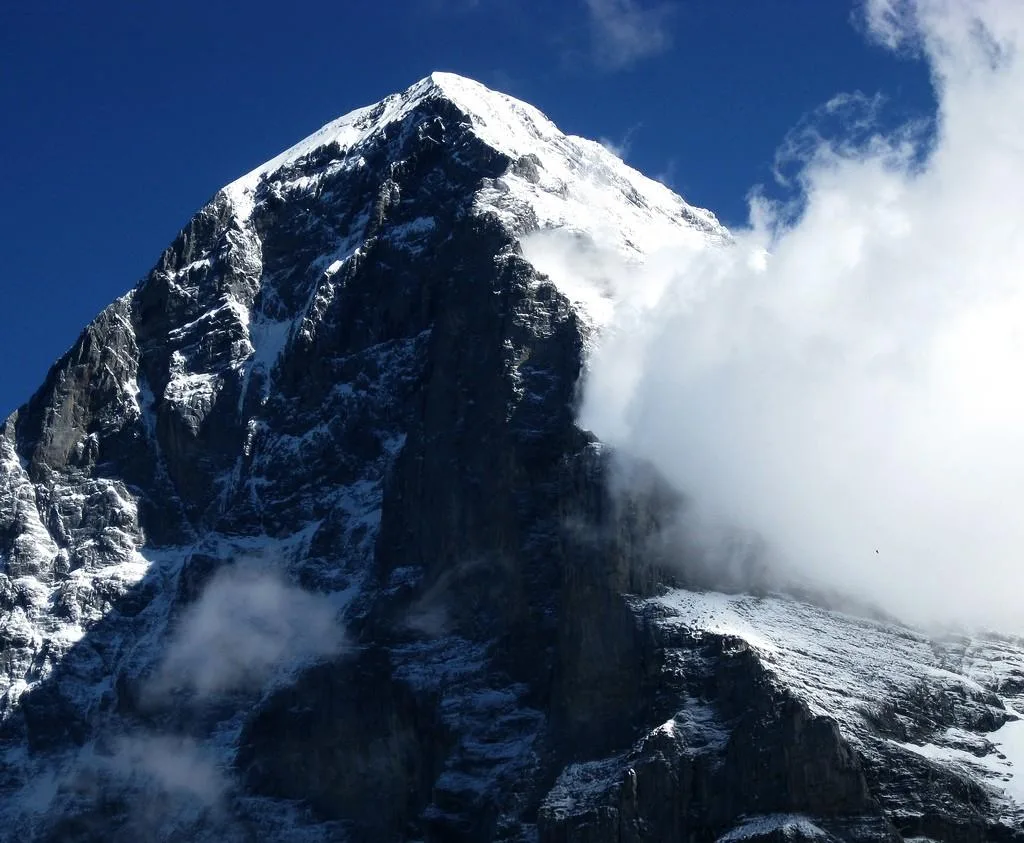
The Eiger Falls: Christian Almer and Charles Barrington 1858 West Flank First Ascent
On August 11, 1858, Irish climber Charles Barrington and Grindelwald guides Christian Almer and Peter Bohren completed the first ascent of the Eiger via the West Flank, opening the Golden Age of the Bernese Oberland.
Documented Sources & Archival Citations
- The Alpine Journal: First Ascent of the Eiger (Vol. 1, 1858)(The Alpine Club, London)
Supporting claim: Official Alpine Club record and Barrington's own report of the first ascent of the Eiger via the West Flank
Accessed/Documented: 2026 - The White Spider: The History of the Eiger's North Face(Heinrich Harrer / Rupert Hart-Davis)
Supporting claim: Historical background on Almer's role in Eiger and Bernese Oberland first ascents
Accessed/Documented: 2026