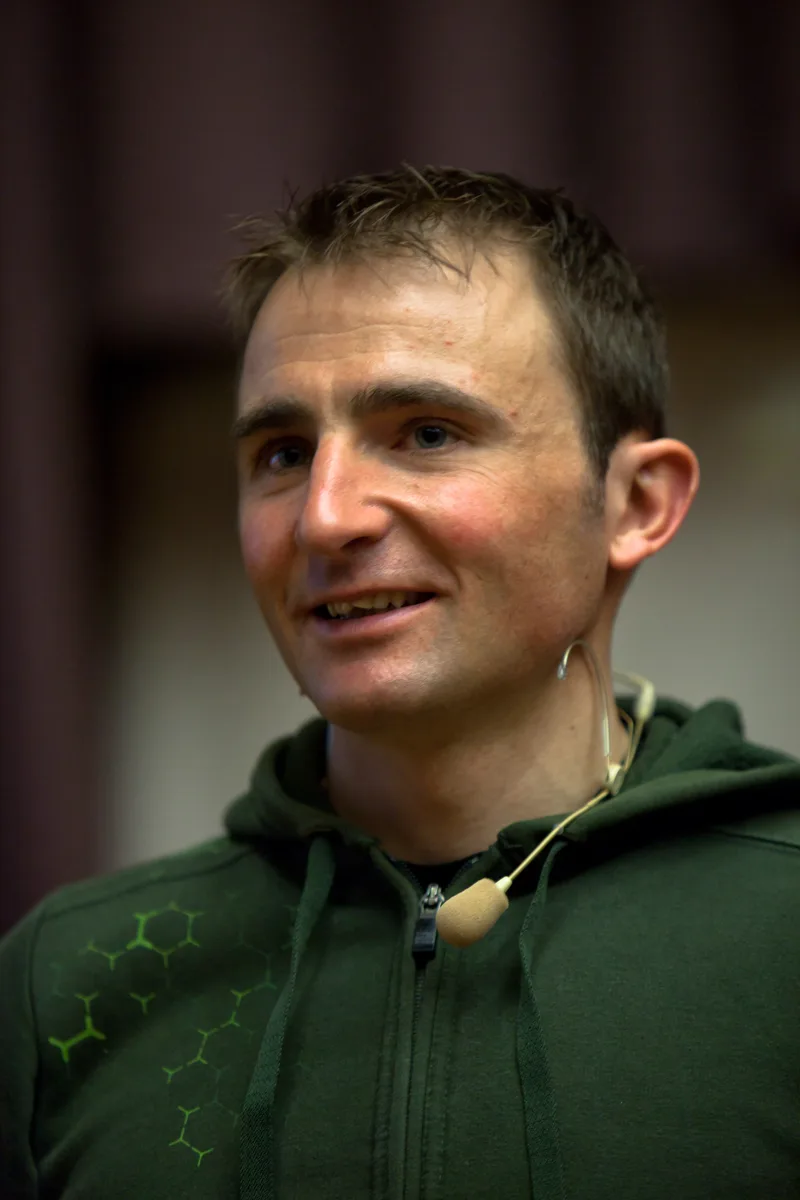
Ueli Steck
Ueli Steck (1976–2017), known worldwide as 'The Swiss Machine', was a revolutionary Swiss speed alpinist who redefined human limits on extreme mountain walls. Renowned for climbing colossal rock and ice faces with unprecedented athletic speed, Steck set the solo speed record of 2 hours and 22 minutes on the Eiger North Face and completed an astonishing 28-hour solo first ascent on the South Face of Annapurna.
Mountain Safety & Conditions Disclaimer: High-altitude climbing, glacial travel, and technical ascents entail severe objective risks including avalanches, serac collapses, rapid weather collapse, and altitude illness. Historical route descriptions and summit claims on Mountanity reflect documented archival sources and must not be used as live operational safety assessments. Local regulations, permits, and physical glacial topography change continuously.
Peer Review: Senior Editorial Board & Historical Reviewers • Editorial Standards
Biographical Record & Archival Chronicle
Ueli Steck was born on October 4, 1976, in Langnau im Emmental in central Switzerland. The third son of a copper craftsman, Steck played competitive youth ice hockey before discovering rock climbing at age twelve in the limestone cliffs of the Swiss Jura. Gifted with phenomenal natural agility and an obsessive training discipline, he progressed rapidly to extreme mixed climbing, soloing the formidable Heckmair Route on the North Face of the Eiger (3,967m) for the first time at age eighteen.
Steck revolutionized modern mountaineering by treating high-altitude alpinism as an elite endurance sport. Integrating cardiovascular interval training, meticulous weight reduction down to the gram, and mental conditioning, Steck approached giant walls not with traditional heavy bivouac gear, but in light-and-fast sprints. Between 2007 and 2015, he engaged in a friendly speed rivalry on the great north faces of the Alps (Eiger, Matterhorn, Grandes Jorasses). In November 2015, Steck set his definitive Eiger North Face solo speed record, climbing the entire 1,800-metre Heckmair Route completely unroped in an astonishing 2 hours, 22 minutes, and 50 seconds.
Steck brought this hyper-speed methodology to the Himalaya with breathtaking audacity. In 2011, he soloed the South Face of Shishapangma (8,027m) in just 10.5 hours. In October 2013, Steck pulled off what many consider the greatest solo climb in Himalayan history: climbing the 3,000-metre South Face of Annapurna I (8,091m) along the Lafaille Route alone and at night, reaching the summit and descending back to Base Camp in just 28 hours, for which he was awarded his second prestigious Piolet d'Or. In 2015, he completed the '82 Summits' challenge, climbing all 82 four-thousanders of the Alps in just 62 days, travelling exclusively by foot, bicycle, and paraglider. On April 30, 2017, while acclimatizing on Nuptse for an ambitious Everest-Lhotse traverse without oxygen, Steck fell to his death at age 40, leaving an indelible imprint on the history of fast-and-light alpinism.
Notable Milestones & Ascents
- Established the all-time solo speed record on the Eiger North Face (Heckmair Route) in 2 hours, 22 minutes, and 50 seconds on November 16, 2015
- Made a legendary solo first ascent of the 3,000-meter Annapurna I South Face in 28 hours round-trip in October 2013, winning the Piolet d'Or
- Soloed the South Face of Shishapangma (8,027m) in 10.5 hours round-trip from advanced camp in April 2011
- Climbed all 82 Four-Thousanders of the Alps in 62 days in summer 2015 using only human power (foot, bicycle, paraglider)
- Summited Mount Everest without supplemental bottled oxygen in May 2012
- Recipient of two Piolets d'Or (2009 for Tengkampoche North Face with Simon Anthamatten; 2014 for Annapurna South Face solo)
Key Statistics & Topographic Figures
- Lifespan
- October 4, 1976 – April 30, 2017
Langnau im Emmental, Switzerland
- Eiger Speed Solo Record
- 2 Hours 22 Minutes 50 Seconds
Heckmair Route (November 16, 2015)
- Annapurna South Face Solo
- 28 Hours Round-Trip
October 2013 (Piolet d’Or Winner)
- 82 Alpine 4,000ers
- 62 Days
Human-Powered Project (2015)
- Piolets d’Or
- 2 Wins (2009, 2014)
Highest Distinction in World Alpinism
Archival Primary Source Quotations
“Speed is not about rushing; speed is about precision, moving continuously without wasting a single second or breath.”
Defined Alpine Terminology & Concepts
- Speed Alpinism
- The practice of climbing technical big walls and high-altitude peaks at sprint pace using ultra-light gear and minimal or no protection.
- The Swiss Machine
- The international moniker of Ueli Steck, reflecting his mechanical precision and supreme cardiovascular endurance.
Frequently Asked Questions: Ueli Steck
What was Ueli Steck’s speed record on the Eiger North Face?
On November 16, 2015, Ueli Steck set the definitive solo speed record on the 1,800-meter Heckmair Route of the Eiger, completing it unroped in 2 hours, 22 minutes, and 50 seconds.
Why was Ueli Steck nicknamed The Swiss Machine?
He was nicknamed The Swiss Machine due to his relentless cardiovascular training, robotic precision, and ability to sprint up sheer rock and ice faces without error.
What did Ueli Steck accomplish on the South Face of Annapurna in 2013?
Steck completed a solo first ascent of the 3,000-meter South Face of Annapurna I alone at night in just 28 hours round-trip, winning his second Piolet d’Or.
How many Piolets d’Or did Ueli Steck win?
Steck won two Piolets d’Or: in 2009 for the first ascent of the North Face of Tengkampoche, and in 2014 for his solo climb of Annapurna’s South Face.
What was Ueli Steck’s 82 Summits project?
In summer 2015, Steck climbed all 82 four-thousanders in the Alps in just 62 days, travelling exclusively by foot, bicycle, and paraglider without motorized transport.
Did Ueli Steck summit Mount Everest without oxygen?
Yes, in May 2012, Ueli Steck summited Mount Everest without supplemental bottled oxygen alongside Sherpa Tenji.
How did Ueli Steck die?
On April 30, 2017, while acclimatizing on Nuptse for an Everest-Lhotse traverse without oxygen, Steck fell 1,000 meters to his death at age 40.
What was revolutionary about Ueli Steck’s climbing philosophy?
Steck merged elite endurance athletics, ultra-light gear, and extreme solo alpinism, demonstrating that giant walls could be climbed in hours rather than days.
Associated Summits (5)
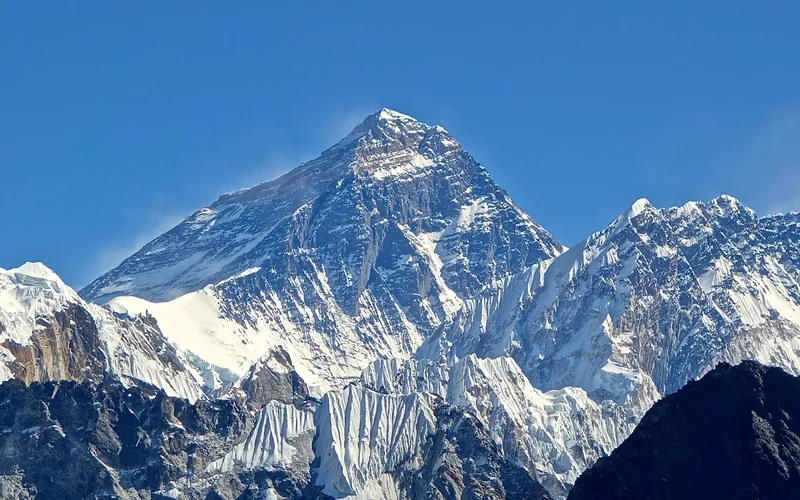


Mount Everest
Mount Everest is the highest mountain above sea level on Earth, standing at an official elevation of 8,848.86 meters (29,031.7 ft). Straddling the international frontier between Nepal and China, it is known locally as Sagarmatha in Nepali ('Goddess of the Sky') and Chomolungma in Tibetan ('Mother Goddess of the World'). The peak rises into the extreme upper troposphere, where oxygen levels drop to barely one-third of sea-level pressure. Climbers face hurricane-force jet stream winds, severe frostbite conditions, shifting ice crevasses in the Khumbu Icefall, and the dangerous Death Zone above 8,000 meters.
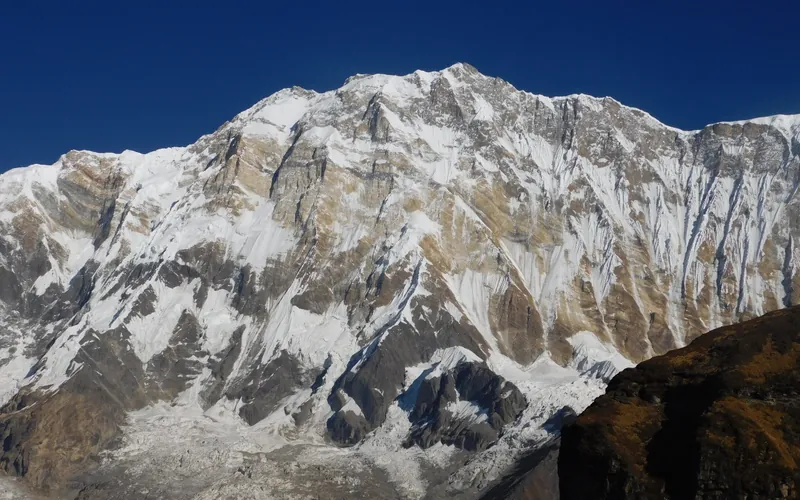
Annapurna I
Annapurna I, at 8,091 meters (26,545 ft), is the tenth-highest mountain in the world and historically the first 8,000-meter peak ever summited (June 3, 1950 by Maurice Herzog and Louis Lachenal). Rising above the Annapurna Sanctuary, its north and south walls present extreme avalanche and serac fall hazards.
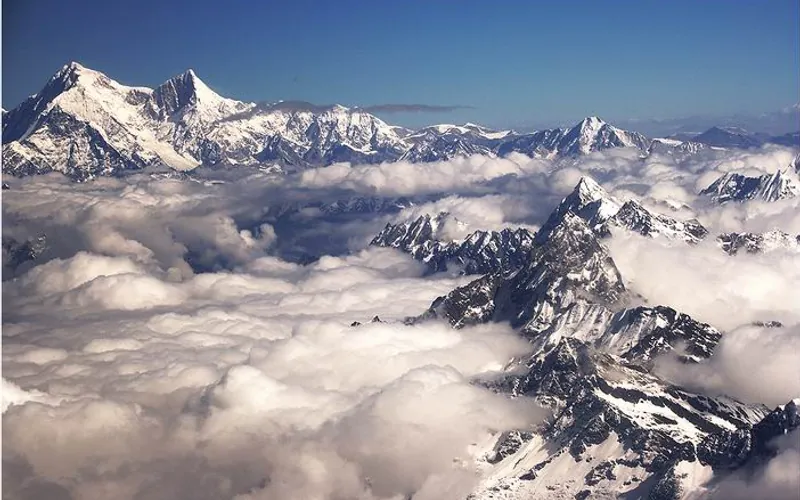
Shishapangma
Shishapangma, at 8,027 meters (26,335 ft), is the fourteenth-highest mountain on Earth and the only 8,000-meter peak situated entirely within Tibetan/Chinese territory. Due to geopolitical restrictions, it was the final eight-thousander to be climbed, summited by a Chinese expedition on May 2, 1964.
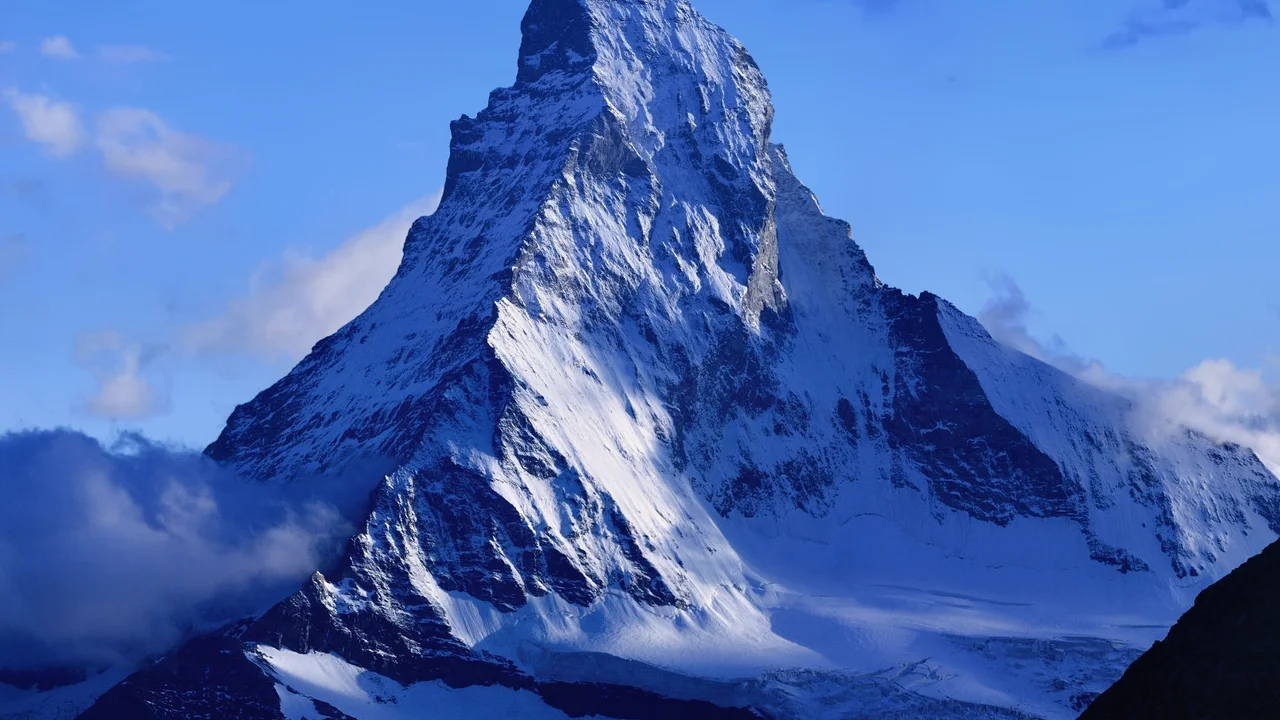


Matterhorn
The Matterhorn (Monte Cervino), at 4,478 meters (14,692 ft), is one of the most recognizable and dramatic pyramidal peaks in the world. Straddling the border between Zermatt, Switzerland, and Breuil-Cervinia, Italy, its four triangular faces match the cardinal points of the compass. Its historic first ascent by Edward Whymper on July 14, 1865, and the tragic fall of four teammates on the descent marked the end of the Golden Age of Alpinism.
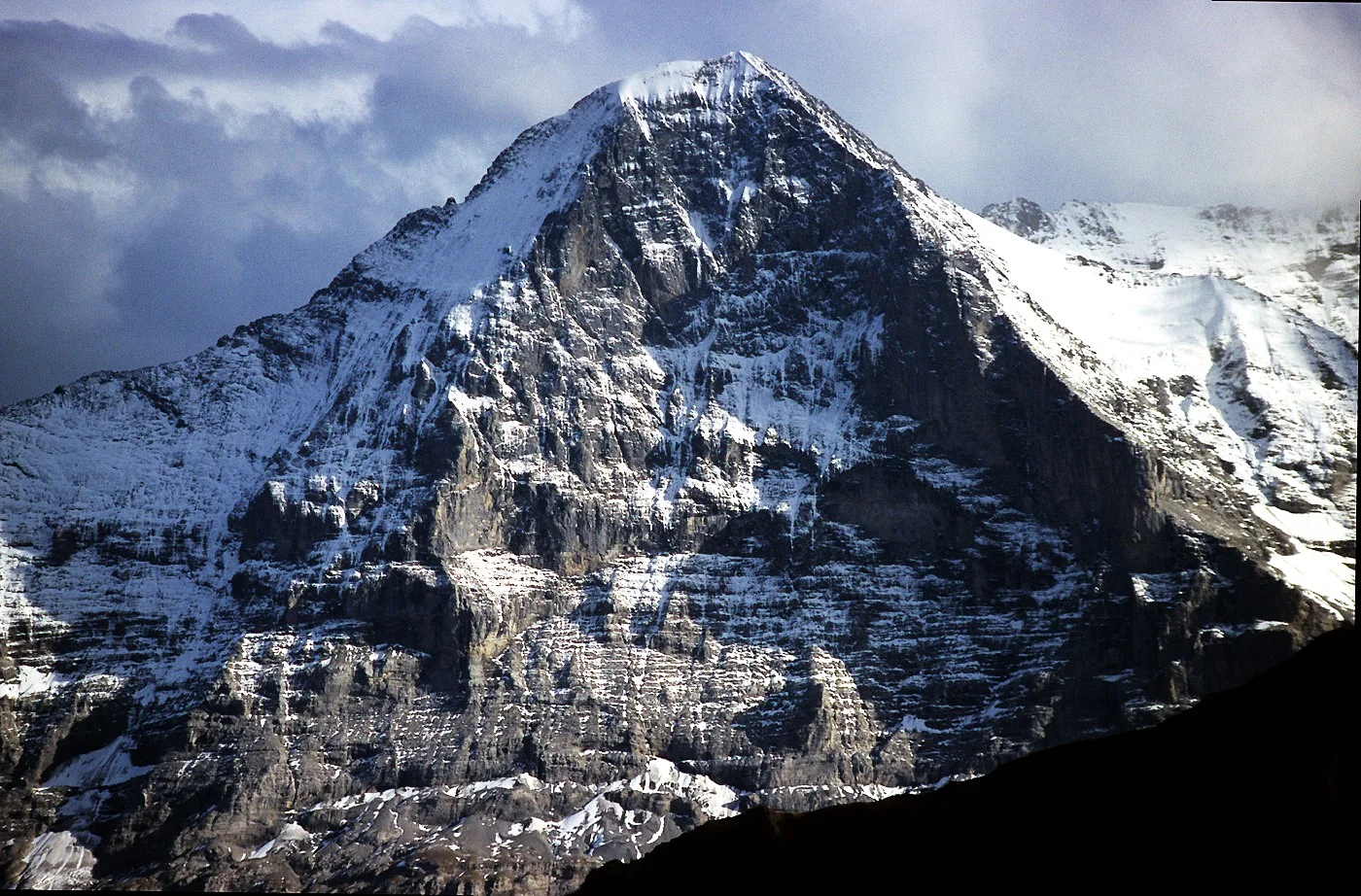
Eiger
The Eiger, standing at 3,967 meters (13,015 ft) in the Bernese Alps of Switzerland, is globally renowned for its monstrous 1,800-meter (5,900 ft) sheer vertical North Face (the *Eiger-Nordwand*). Feared as the *Mordwand* ('Murder Wall') following catastrophic climbing tragedies in the 1930s, it remained the last great problem of the Alps until conquered in July 1938 by Anderl Heckmair, Ludwig Vörg, Heinrich Harrer, and Fritz Kasparek.
Pioneered & Associated Routes (11)
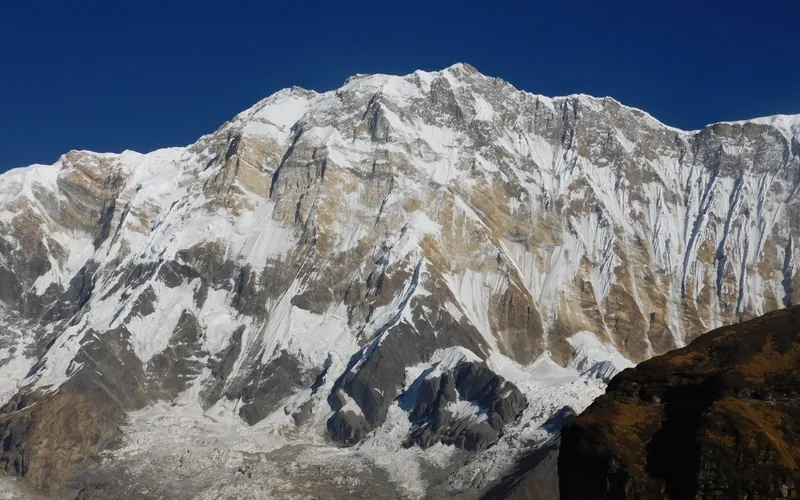
Annapurna I North Face (Herzog-Lachenal Route)
The North Face of Annapurna I is the historic first route ever climbed on an 8,000-meter peak, pioneered by French climbers Maurice Herzog and Louis Lachenal on June 3, 1950. Approached via the remote Miristi Khola valley, the route ascends the shattered North Annapurna Glacier, negotiates the terrifying avalanche-swept Sickle Glacier serac wall, and ascends steep snow gullies along the French Rib to gain the 8,091m summit.
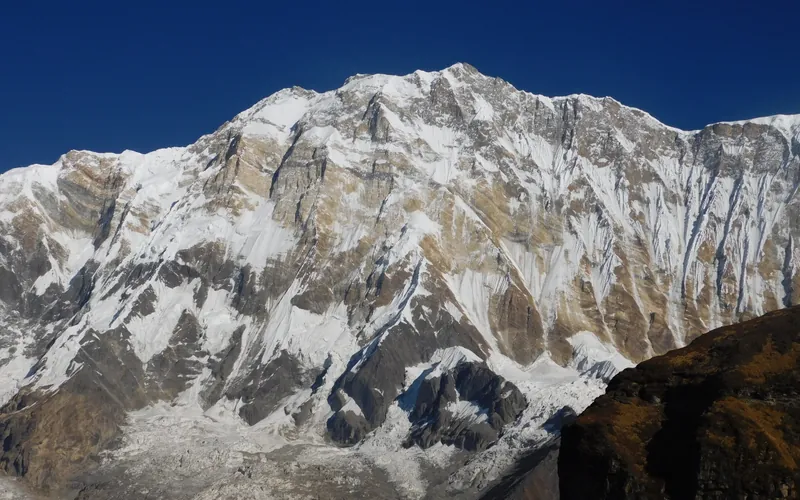
Annapurna I South Face (Bonington-Haston-Whillans Route)
The South Face of Annapurna I is one of the most formidable big-wall arenas in world mountaineering, rising 3,000 vertical metres of sheer rock, ice flutings, and overhanging bands directly from the Annapurna Sanctuary. First ascended via siege tactics by Dougal Haston and Don Whillans in 1970, it was later climbed in a revolutionary, lightweight solo push by Swiss alpinist Ueli Steck in October 2013 in just 28 hours round-trip.
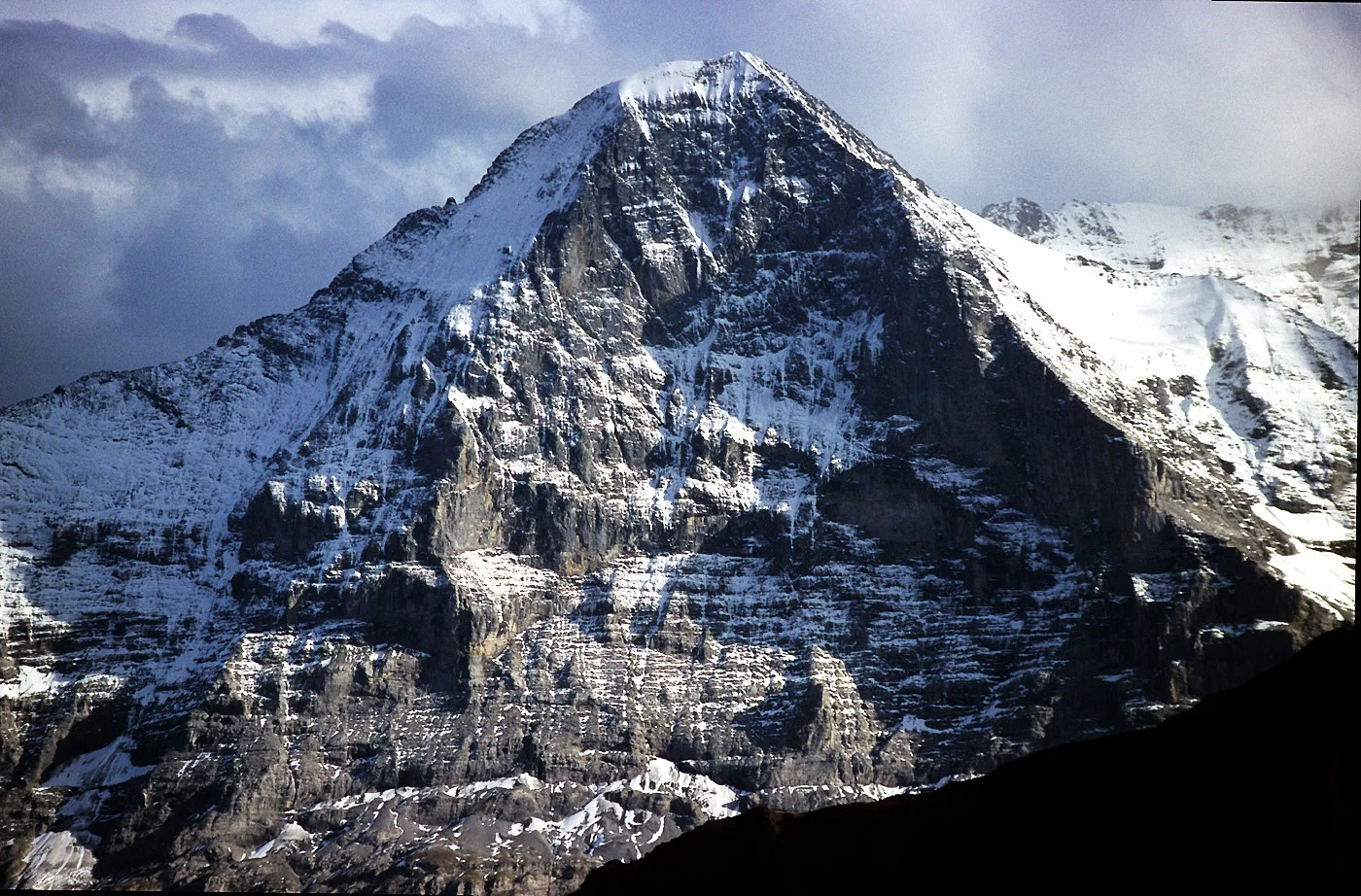
Eiger North Face (1938 Heckmair Route)
The legendary 1,800-meter original route up the Eiger North Face (3,967m), first climbed between July 21 and 24, 1938, by Anderl Heckmair, Ludwig Vörg, Heinrich Harrer, and Fritz Kasparek. Negotiating an intricate, terrifying labyrinth of down-sloping limestone ledges, friable verglas, and hanging icefields, the route traverses the notorious Hinterstoisser Traverse, Swallow's Nest, the First and Second Icefields, the Death Bivouac, the Ramp, the Traverse of the Gods, and the sinister snowfield known as the White Spider before conquering the Exit Cracks to reach the summit.
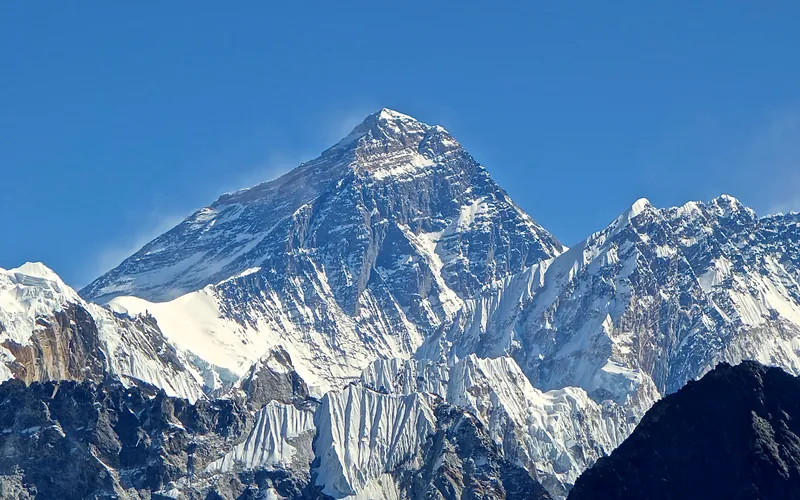
Mount Everest North Face (Hornbein Couloir Direct)
The North Face of Mount Everest via the Japanese Couloir and the sheer Hornbein Couloir is one of the most direct and formidable ice lines in the Himalayas. Rising 3,000 vertical meters from the Rongbuk Glacier to the summit, it funnels through a narrow 60-degree snow-and-ice cleft slicing straight through the Yellow Band and upper limestone cliffs of the North Face. In August 1986, Swiss alpinists Erhard Loretan and Jean Troillet executed one of the most audacious speed climbs in mountain history: climbing the entire face in a single 31-hour push at night without supplemental oxygen, tents, or fixed ropes. After summiting on August 30, they glissaded down the 3,000-meter face on their backs and buttocks in just 3.5 hours, completing the entire round trip in an astonishing 43 hours.
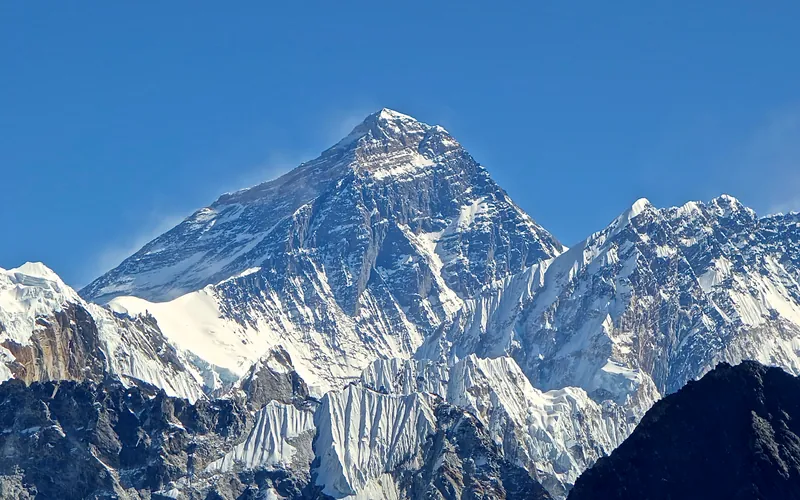
North Col & Northeast Ridge Route
The historic northern route on Mount Everest (8,848.86m), ascending from the Rongbuk and East Rongbuk glaciers to breach the icy wall of the North Col (7,020m). From the col, the route traverses the wind-blasted Northwest Ridge onto the North Face before joining the razor-like Northeast Ridge, navigating the notorious First, Second, and Third Steps in the Death Zone. This was the stage of George Mallory and Andrew Irvine's fateful 1924 climb and was first definitively surmounted on May 25, 1960, by Chinese climbers Wang Fuzhou, Qu Yinhua, and Gongbu.
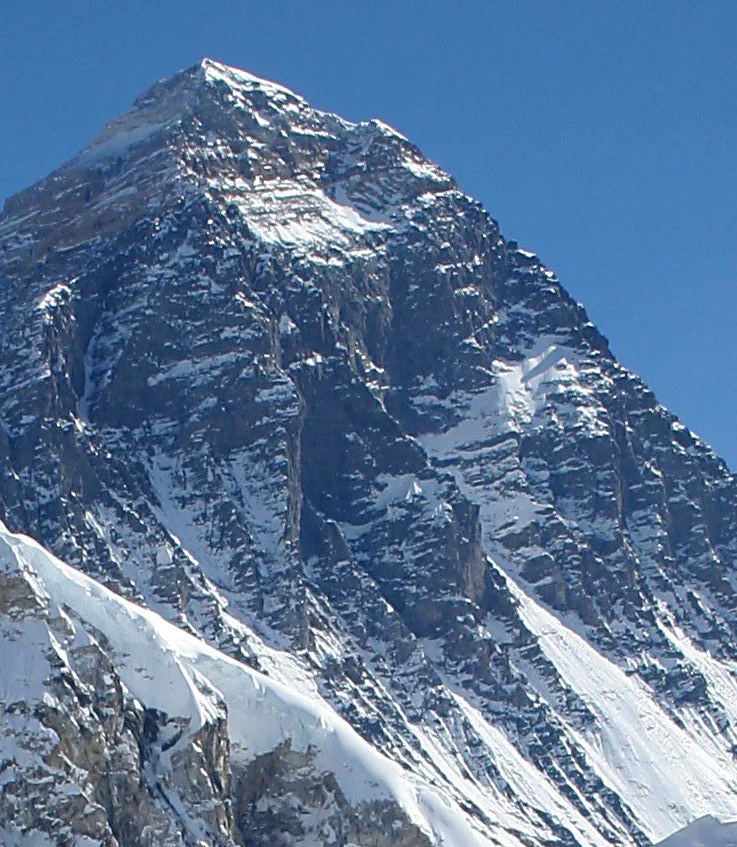
Mount Everest Southwest Face (Bonington Route)
The Southwest Face of Mount Everest (8,848.86m) rises 2,300 vertical meters from the Western Cwm to the summit, presenting one of the largest and most forbidding rock and ice faces in the world. Dominated by the vertical 300-meter 'Rock Band' at 8,200–8,500 meters, the face repelled six international attempts between 1969 and 1974. In autumn 1975, a legendary British expedition led by Chris Bonington breached the face when Paul Braithwaite and Nick Estcourt unlocked the key ramp through the Rock Band. On September 24, 1975, Doug Scott and Dougal Haston climbed to the South Summit and pushed on to the main summit, becoming the first Britons to conquer Everest. Trapped by nightfall during their descent, they survived an epic open bivouac at 8,760 meters without oxygen, sleeping bags, or frostbite.
Mount Everest Complete West Ridge (Yugoslav Direct)
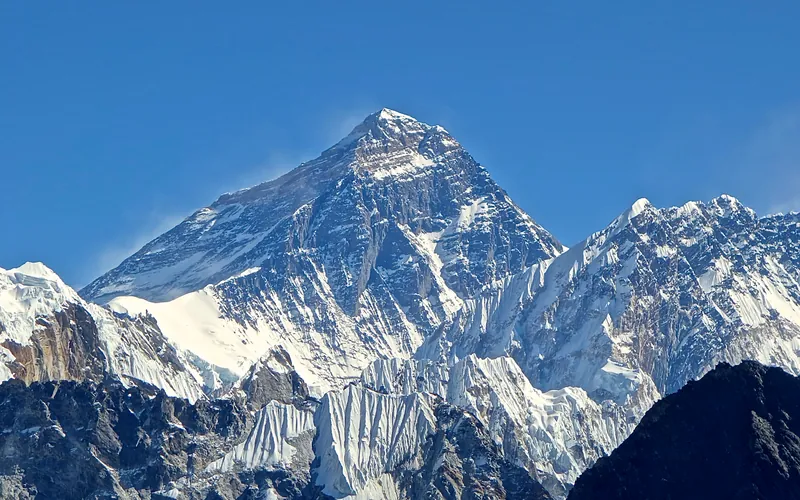
The Complete West Ridge of Mount Everest is one of the most formidable and sustained technical routes on the mountain. Pioneered in spring 1979 by an elite Yugoslav expedition led by Tone Škarja, the route tackles the integral knife-edge crest directly from the Lho La col (6,026m) all the way to the 8,848.86m summit. Unlike the 1963 American West Ridge route which diverted into the Hornbein Couloir from the North Face, the Yugoslav line stayed strictly along the razor-edge crest of the West Ridge, surmounting technical rock buttresses up to Grade V+ at extreme altitude before traversing around the Yellow Band. On May 13, 1979, Andrej Štremfelj and Nejc Zaplotnik achieved the first ascent of the complete ridge, followed two days later by Stane Belak, Marjan Manfreda, and Ang Phu Sherpa in one of the greatest feats in Himalayan history.
Hörnli Ridge (Normal Route)
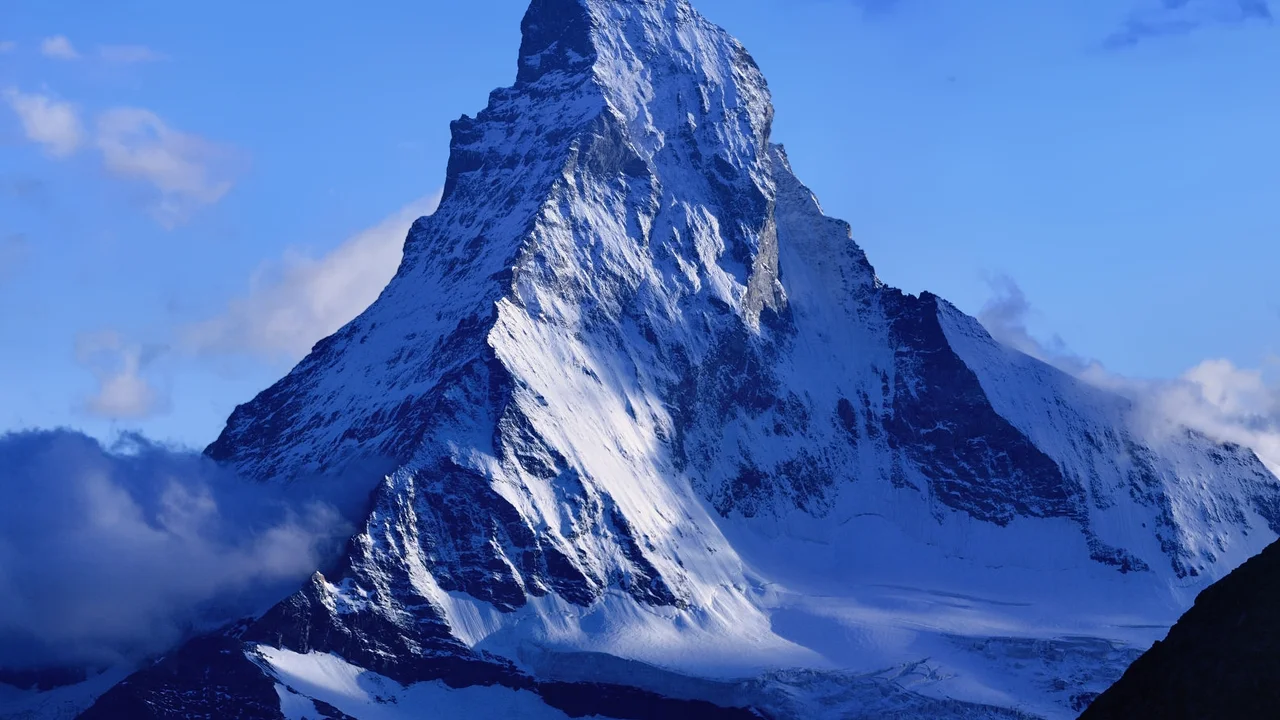
The Hörnli Ridge (Hörnligrat) is the northeast ridge of the Matterhorn and the standard normal route from Zermatt. Starting from the Hörnli Hut (3,260m), the route follows the sharp, crumbling crystalline schist ridge, traversing steep rock steps, the Solvay emergency refuge (4,003m), and the steep upper Moseley Slabs. Fixed ropes assist climbers over the steep summit headwall (the Shoulder) before reaching the knife-edge Swiss summit crest at 4,478 meters. First climbed on July 14, 1865, by Edward Whymper's party.
Matterhorn Lion Ridge (Cresta del Leone)
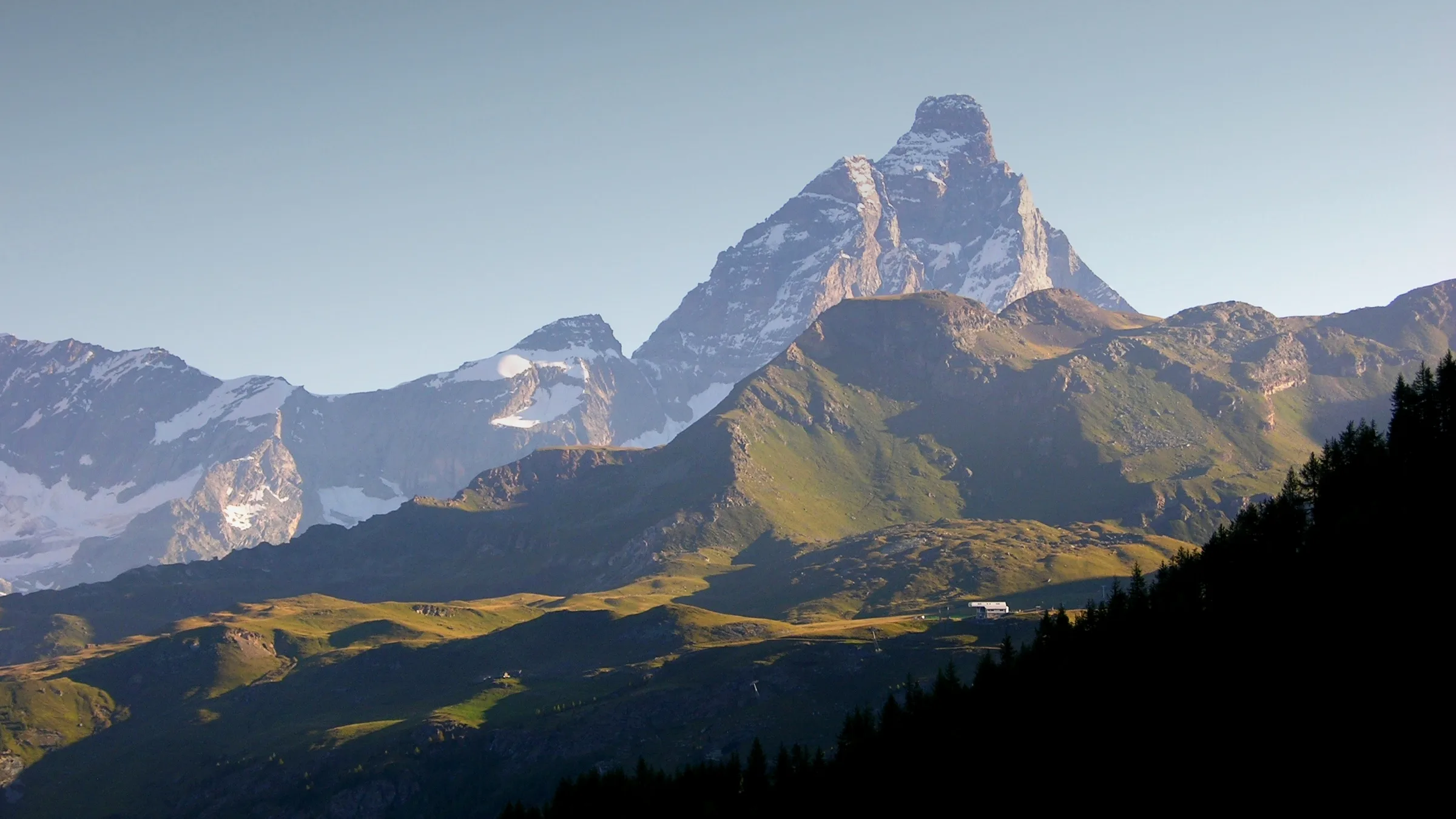
The Matterhorn Lion Ridge (Cresta del Leone / Italian Normal Route) is the historic Italian line to the Matterhorn summit, ascending from the Rifugio Theodul and Breuil-Cervinia on the Italian south-west face via the Col du Lion, the Tête du Lion, and the Great Tower. Pioneered by Jean-Antoine Carrel on July 17, 1865 — three days after Whymper's Hörnli ascent — the Lion Ridge remains the longer, more exposed, and more technically demanding of the two standard Matterhorn routes, graded AD+/D with sustained UIAA IV passages and dramatic 3,000-metre drops into the Valtournenche.
Shishapangma Northwest Ridge (Normal Route)
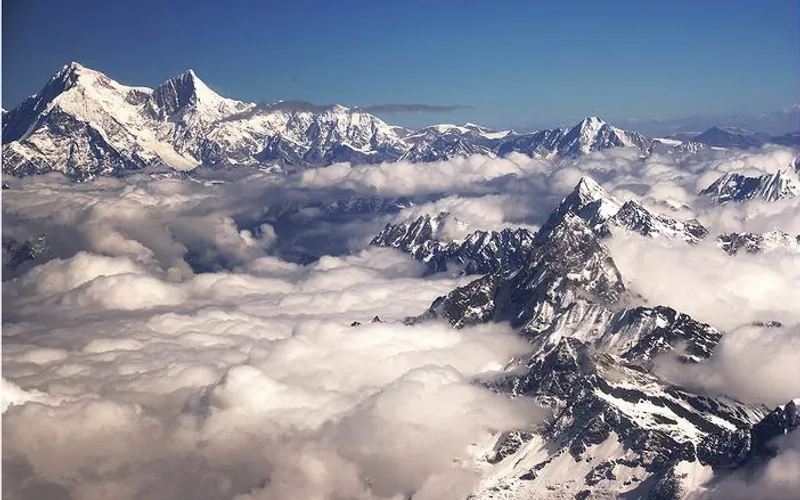
The Northwest Ridge is the standard route on Shishapangma, situated entirely in Tibet and first ascended by a Chinese expedition in 1964. Approached from the dry, high-altitude plateau of southern Tibet, the route climbs gently sloping glaciers to an upper plateau, gains the Central Peak (8,008m), and traverses a knife-edge snow arête with massive drop-offs to reach the true Main Summit at 8,027m.
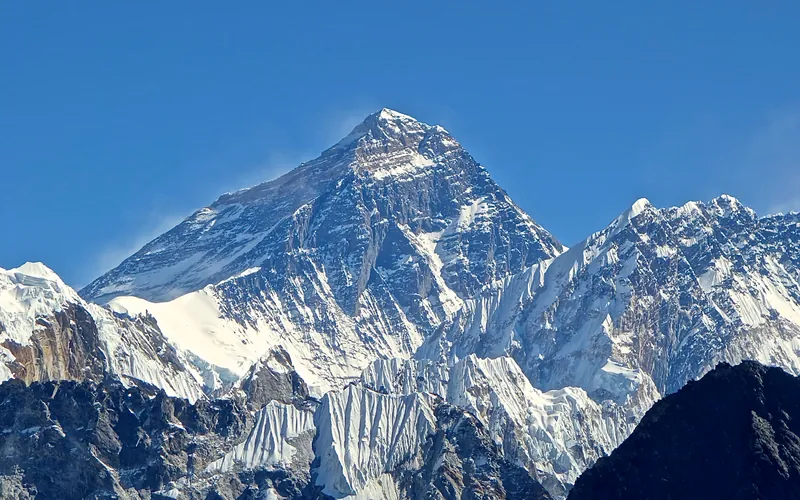
South Col & Southeast Ridge (Normal Route)
The South Col Route along the Southeast Ridge is the historic path of the 1953 first ascent and the most popular route on Mount Everest. Starting from Base Camp on the Khumbu Glacier in Nepal, climbers navigate the shifting seracs of the Khumbu Icefall into the Western Cwm. The route then scales the icy 45-degree slope of the Lhotse Face to the South Col at 7,925 meters, launching the final summit bid through the Balcony, South Summit, and Hillary Step to the summit of Earth at 8,848.86 meters.
Documented Expeditions (1)
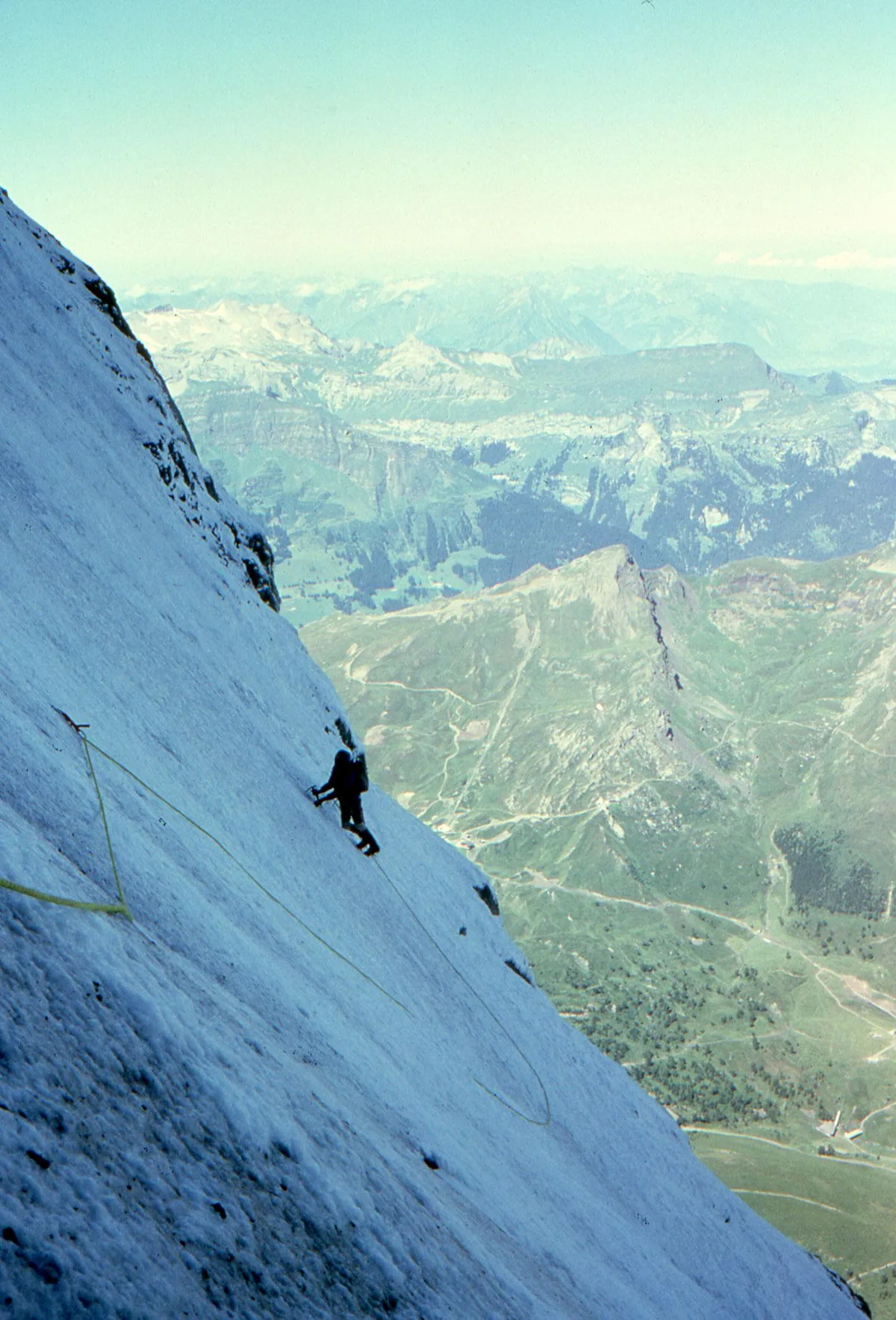
2015 Ueli Steck Eiger North Face Solo Speed Record
On November 16, 2015, Swiss speed climbing icon Ueli Steck shattered the solo speed record on the 1,800-meter North Face of the Eiger, ascending the historic Heckmair Route completely unroped in an astonishing 2 hours, 22 minutes, and 50 seconds.
Associated Chronicles & Stories (2)
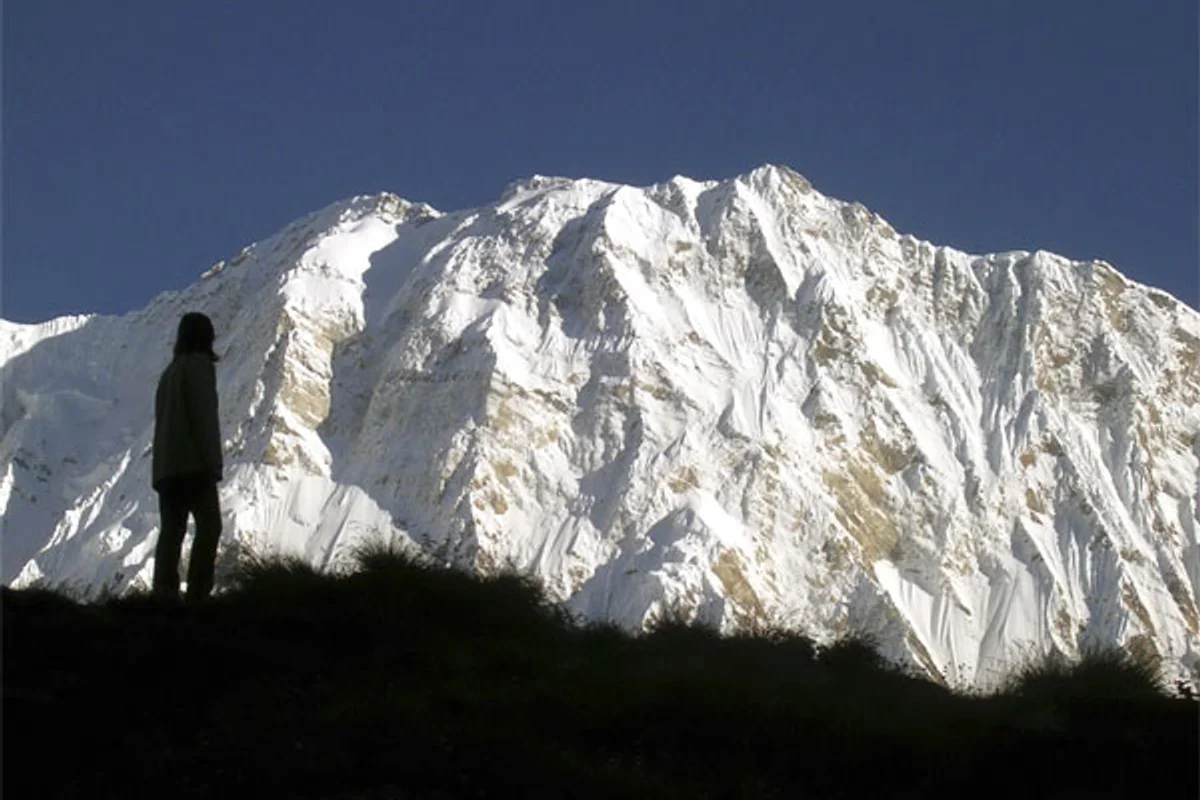
The Sacred Brotherhood: The Historic Annapurna Rescue for Iñaki Ochoa
In May 2008 on Annapurna's lethal South Face, elite international alpinists united in one of the most heroic rescue efforts in mountaineering history to save Iñaki Ochoa de Olza.
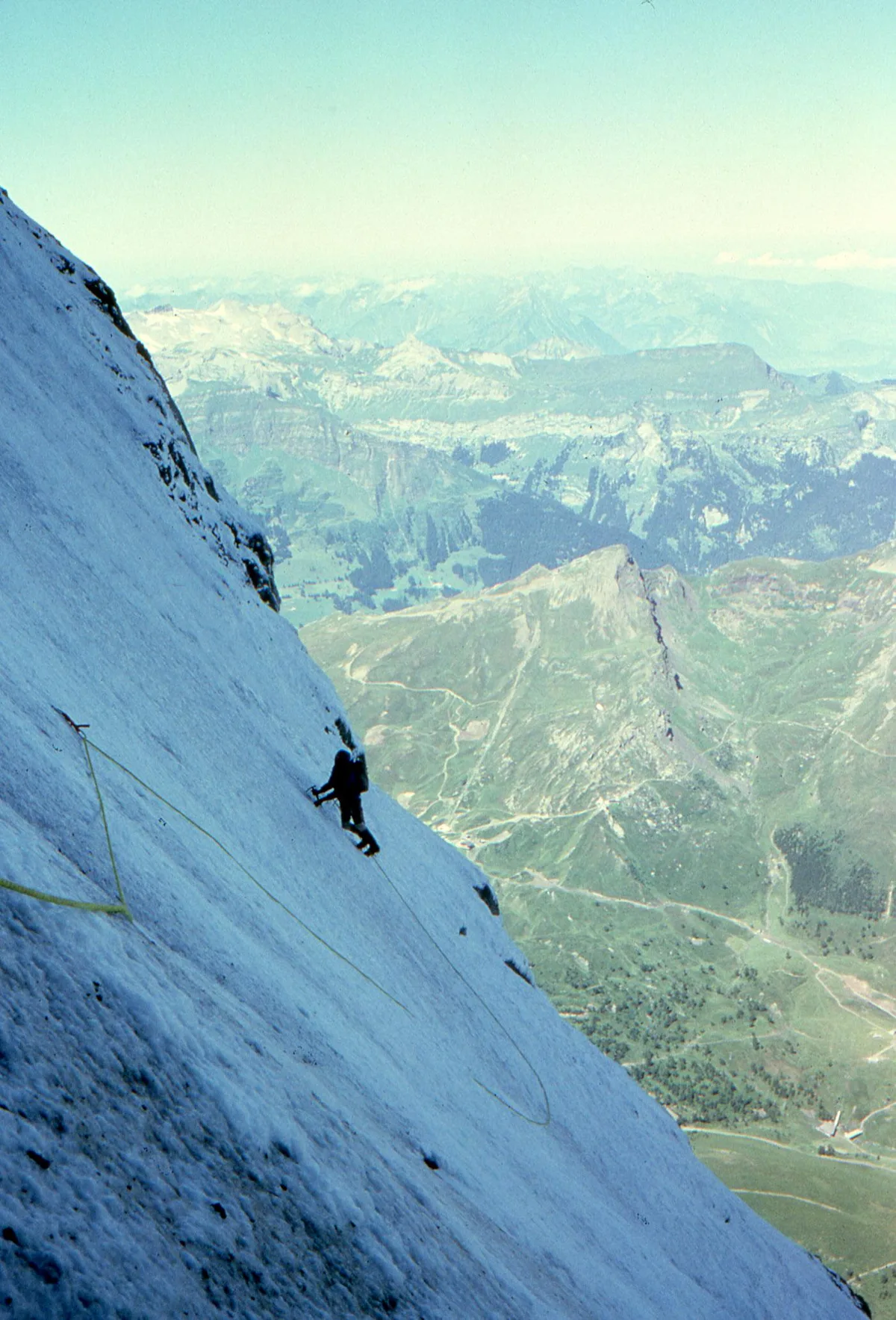
Two Hours and Twenty-Two Minutes: Ueli Steck's Unbelievable Solo Sprint Up the Eiger North Face
On November 16, 2015, Swiss speed climbing master Ueli Steck soloed the 1,800-meter Heckmair Route on the North Face of the Eiger in an astonishing 2 hours, 22 minutes, and 50 seconds.
Documented Sources & Archival Citations
- American Alpine Journal: Annapurna South Face Solo by Ueli Steck(American Alpine Club)
Supporting claim: Official verification of the 28-hour solo ascent of Annapurna I South Face and Piolet d'Or award
Accessed/Documented: 2014 - National Geographic: Ueli Steck Sets New Eiger Speed Record(National Geographic)
Supporting claim: Documentation of the 2h 22m 50s Heckmair Route solo ascent
Accessed/Documented: 2015-11-18 - The New York Times: Ueli Steck, Renowned Swiss Climber, Dies on Everest(The New York Times)
Supporting claim: Obituary and retrospective of athletic speed climbing revolution in the Alps and Himalaya
Accessed/Documented: 2017-04-30