2015 Ueli Steck Eiger North Face Solo Speed Record
On November 16, 2015, Swiss speed climbing icon Ueli Steck shattered the solo speed record on the 1,800-meter North Face of the Eiger, ascending the historic Heckmair Route completely unroped in an astonishing 2 hours, 22 minutes, and 50 seconds.
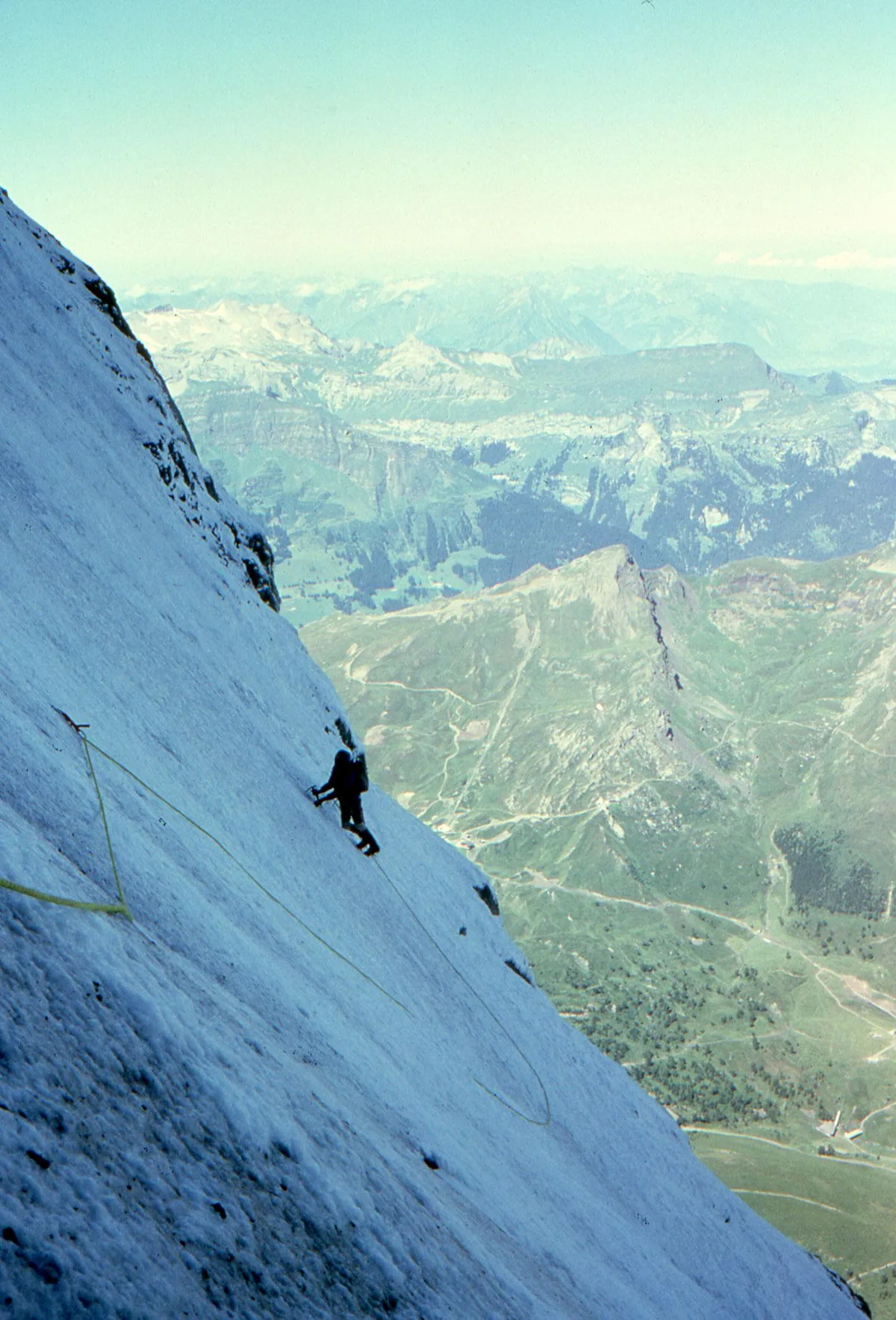
Mountain Safety & Conditions Disclaimer: High-altitude climbing, glacial travel, and technical ascents entail severe objective risks including avalanches, serac collapses, rapid weather collapse, and altitude illness. Historical route descriptions and summit claims on Mountanity reflect documented archival sources and must not be used as live operational safety assessments. Local regulations, permits, and physical glacial topography change continuously.
Peer Review: Senior Editorial Board & Historical Reviewers • Editorial Standards
Official Expedition Narrative & Archival Record
On a crisp autumn morning on November 16, 2015, 39-year-old Swiss alpinist Ueli Steck arrived at the foot of the Eigerwand above Kleine Scheidegg in the Bernese Oberland. Conditions on the notorious 1,800-meter wall were exceptional, with hard, consolidated neve filling the gullies. Carrying only lightweight carbon-shaft ice axes, crampons, a light helmet, and minimal safety gear, Steck clicked the start button on his stopwatch at 10:00 AM and began sprinting upwards unroped. Moving with flawless rhythm and machine-like cardiovascular efficiency, he bypassed the Difficult Crack, crossed the Hinterstoisser Traverse without pausing, and surged up the First and Second Icefields. While early pioneers took three to four days of grueling trench warfare to climb the wall, Steck arrived at the Death Bivouac in under an hour. Flowing up the icy Ramp, the Traverse of the Gods, and the fragile Spider icefield, Steck cleared the treacherous Exit Cracks and topped out onto the summit snow ridge. When he stopped the timer on the 3,967-meter summit, the clock read 2 hours, 22 minutes, and 50 seconds—reclaiming the world record by a staggering 25 minutes and establishing an athletic benchmark on the 'Wall of Death' that remains legendary.
Documented Team Composition
- Ueli Steck (Solo Speed Climber, Switzerland)
Key Statistics & Topographic Figures
- Record Time
- 2 Hours 22 Minutes 50 Seconds
All-Time Eigerwand Solo Speed Record
- Wall Height
- 1,800 Vertical Metres
North Face of the Eiger (3,967m)
- Date of Record
- November 16, 2015
Bernese Oberland, Switzerland
- Style
- Unroped Free Solo
Zero Ropes, Harnesses, or Protection
- Vertical Speed
- 750+ Metres per Hour
Extreme Athletic Output
Archival Primary Source Quotations
“I did not want to push past the limit; I wanted to be so well prepared that climbing fast was the safest way to move through danger.”
Defined Alpine Terminology & Concepts
- Heckmair Route
- The historic 1938 line on the 1,800-meter Eiger North Face traversing the Difficult Crack, Hinterstoisser Traverse, and White Spider.
- The White Spider (Die Weiße Spinne)
- A notorious snow and ice gully in the upper Eigerwand where multiple cracks radiate like legs, funnelling rockfall and spindrift.
Frequently Asked Questions: 2015 Ueli Steck Eiger North Face Solo Speed Record
What was Ueli Steck’s speed record time on the Eiger North Face in 2015?
On November 16, 2015, Ueli Steck climbed the 1,800-meter Heckmair Route of the Eiger North Face in an astonishing 2 hours, 22 minutes, and 50 seconds.
Did Ueli Steck use a rope during his 2015 Eiger speed ascent?
No, Ueli Steck climbed the entire 1,800-meter wall completely unroped and free-solo, relying on ice axes, crampons, and sheer athletic precision.
How much faster was Steck’s 2015 time than the previous Eiger record?
Steck shaved 25 minutes off the previous record of 2 hours and 47 minutes (and 5 minutes off Dani Arnold’s 2011 record), reclaiming the world record.
What gear did Ueli Steck carry on his 2015 Eiger speed climb?
He carried only two lightweight ice axes, crampons, a light climbing helmet, softshell clothing, and a GPS wristwatch, carrying no rope, harness, or water.
How fast did early pioneers climb the Eiger North Face compared to Steck?
The first ascent team in 1938 took nearly four days of grueling bivouacs; Steck completed the exact same route in less time than an ordinary movie.
What were the conditions on the Eigerwand during Steck’s 2015 record?
Conditions were exceptionally favorable, with autumn cold consolidating the rock and firm, frozen neve filling the gullies and the White Spider.
What was Ueli Steck’s average vertical climbing speed on the Eiger?
Steck averaged over 750 vertical meters per hour on technical Grade V and mixed Scottish 5 terrain at high altitude.
Why did Ueli Steck’s Eiger sprint revolutionize world alpinism?
Steck proved that extreme alpine faces could be climbed as an aerobic endurance sport, transforming mountaineering philosophy worldwide.
Ascent Route & Topography
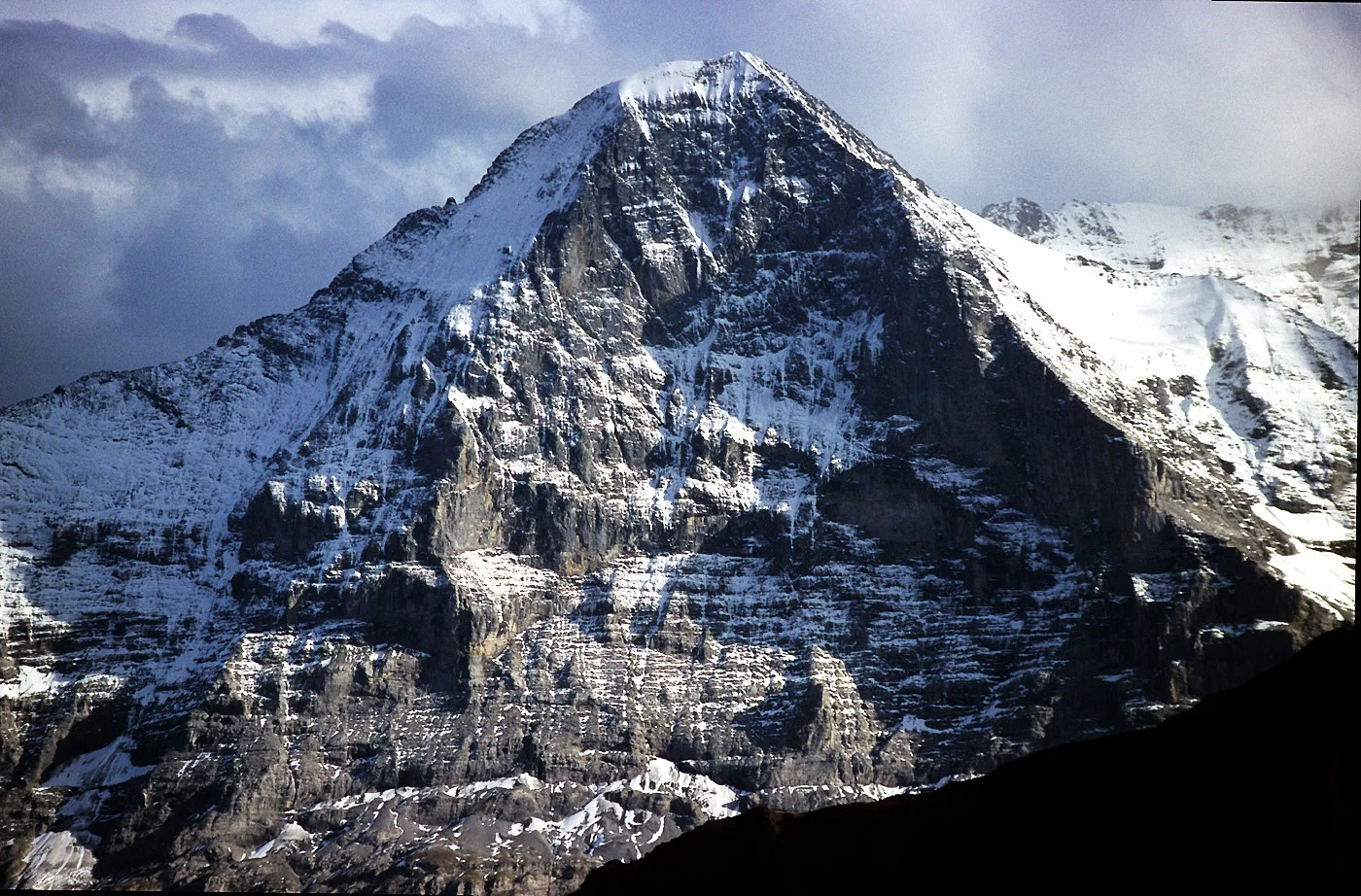
Eiger North Face (1938 Heckmair Route)
The legendary 1,800-meter original route up the Eiger North Face (3,967m), first climbed between July 21 and 24, 1938, by Anderl Heckmair, Ludwig Vörg, Heinrich Harrer, and Fritz Kasparek. Negotiating an intricate, terrifying labyrinth of down-sloping limestone ledges, friable verglas, and hanging icefields, the route traverses the notorious Hinterstoisser Traverse, Swallow's Nest, the First and Second Icefields, the Death Bivouac, the Ramp, the Traverse of the Gods, and the sinister snowfield known as the White Spider before conquering the Exit Cracks to reach the summit.
Target Objective Peak
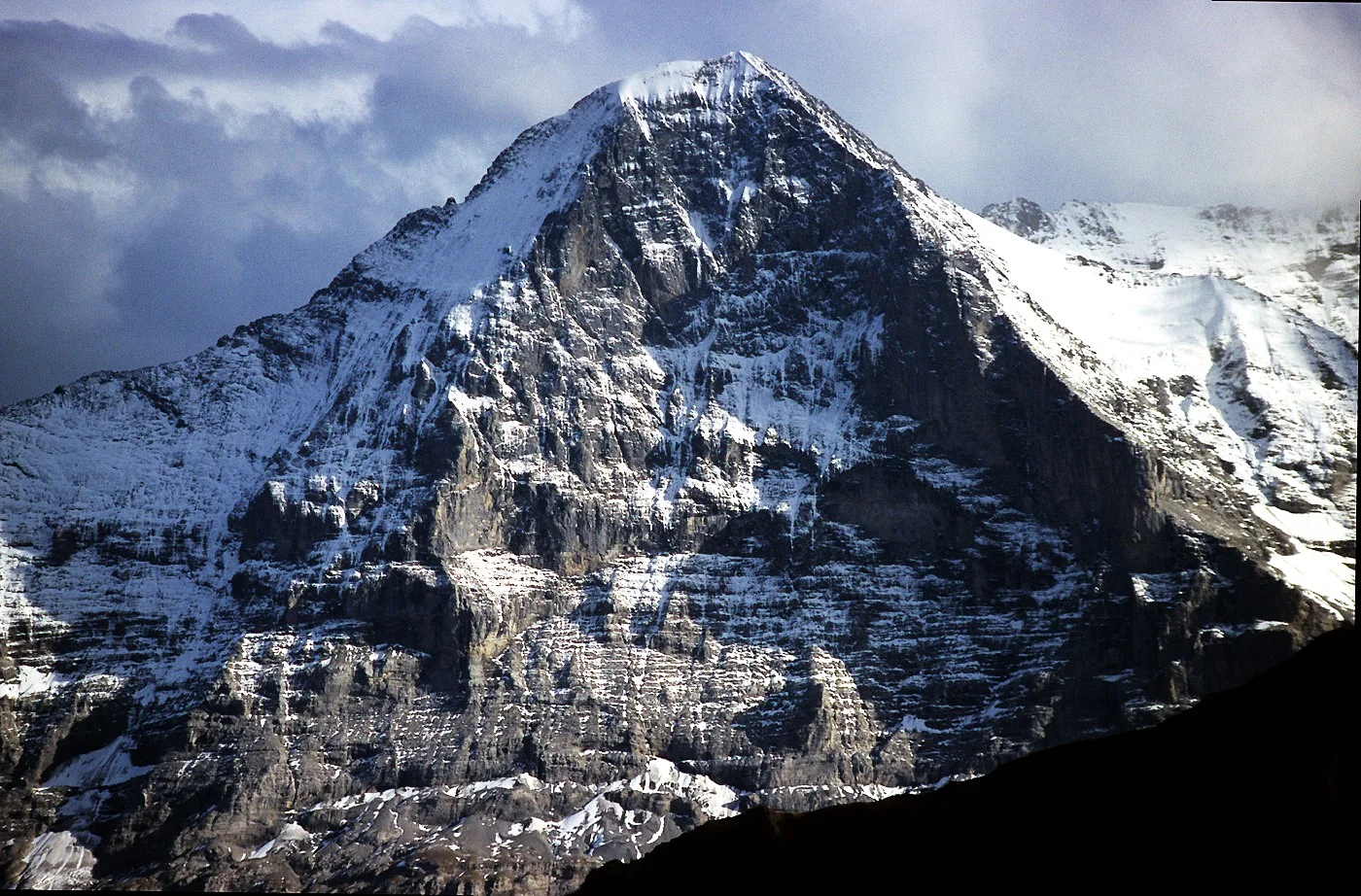

Eiger
The Eiger, standing at 3,967 meters (13,015 ft) in the Bernese Alps of Switzerland, is globally renowned for its monstrous 1,800-meter (5,900 ft) sheer vertical North Face (the *Eiger-Nordwand*). Feared as the *Mordwand* ('Murder Wall') following catastrophic climbing tragedies in the 1930s, it remained the last great problem of the Alps until conquered in July 1938 by Anderl Heckmair, Ludwig Vörg, Heinrich Harrer, and Fritz Kasparek.
Featured Expedition Climber
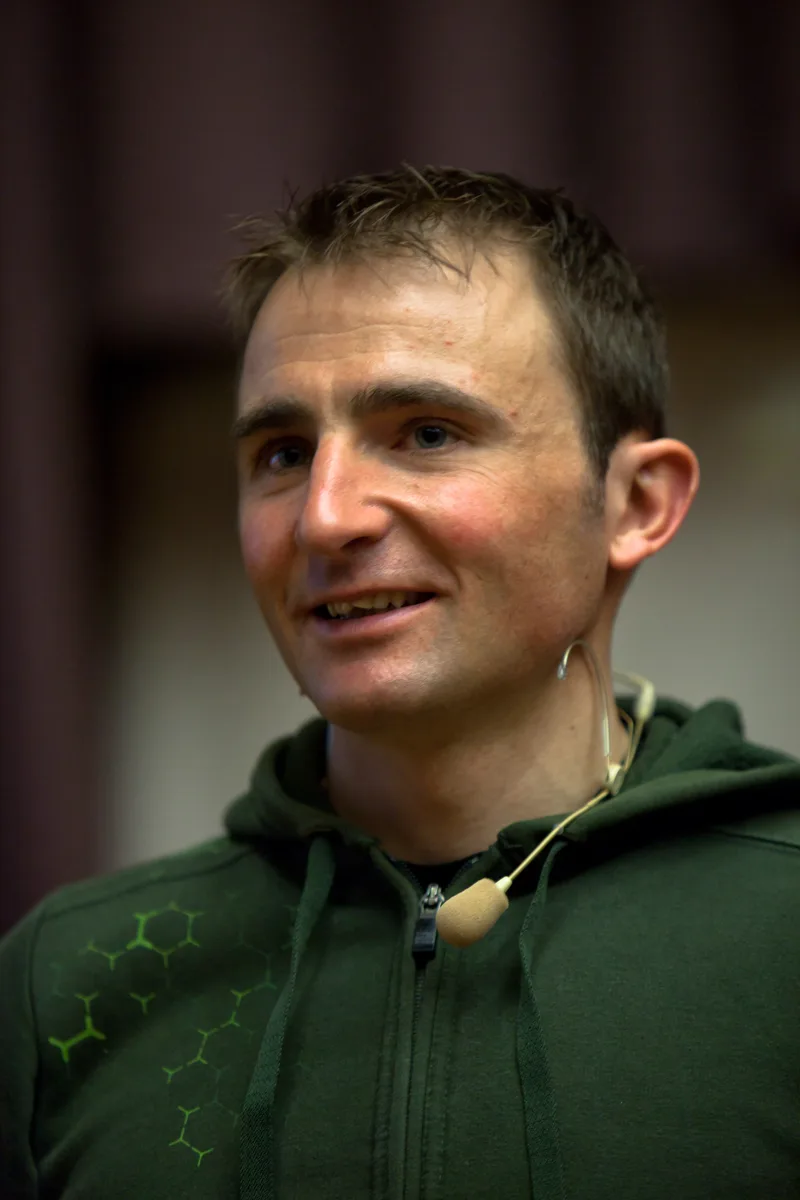
Ueli Steck
Ueli Steck was born on October 4, 1976, in Langnau im Emmental in central Switzerland. The third son of a copper craftsman, Steck played competitive youth ice hockey before discovering rock climbing at age twelve in the limestone cliffs of the Swiss Jura. Gifted with phenomenal natural agility and an obsessive training discipline, he progressed rapidly to extreme mixed climbing, soloing the formidable Heckmair Route on the North Face of the Eiger (3,967m) for the first time at age eighteen. Steck revolutionized modern mountaineering by treating high-altitude alpinism as an elite endurance sport. Integrating cardiovascular interval training, meticulous weight reduction down to the gram, and mental conditioning, Steck approached giant walls not with traditional heavy bivouac gear, but in light-and-fast sprints. Between 2007 and 2015, he engaged in a friendly speed rivalry on the great north faces of the Alps (Eiger, Matterhorn, Grandes Jorasses). In November 2015, Steck set his definitive Eiger North Face solo speed record, climbing the entire 1,800-metre Heckmair Route completely unroped in an astonishing 2 hours, 22 minutes, and 50 seconds. Steck brought this hyper-speed methodology to the Himalaya with breathtaking audacity. In 2011, he soloed the South Face of Shishapangma (8,027m) in just 10.5 hours. In October 2013, Steck pulled off what many consider the greatest solo climb in Himalayan history: climbing the 3,000-metre South Face of Annapurna I (8,091m) along the Lafaille Route alone and at night, reaching the summit and descending back to Base Camp in just 28 hours, for which he was awarded his second prestigious Piolet d'Or. In 2015, he completed the '82 Summits' challenge, climbing all 82 four-thousanders of the Alps in just 62 days, travelling exclusively by foot, bicycle, and paraglider. On April 30, 2017, while acclimatizing on Nuptse for an ambitious Everest-Lhotse traverse without oxygen, Steck fell to his death at age 40, leaving an indelible imprint on the history of fast-and-light alpinism.
Associated Historical Chronicles & Stories
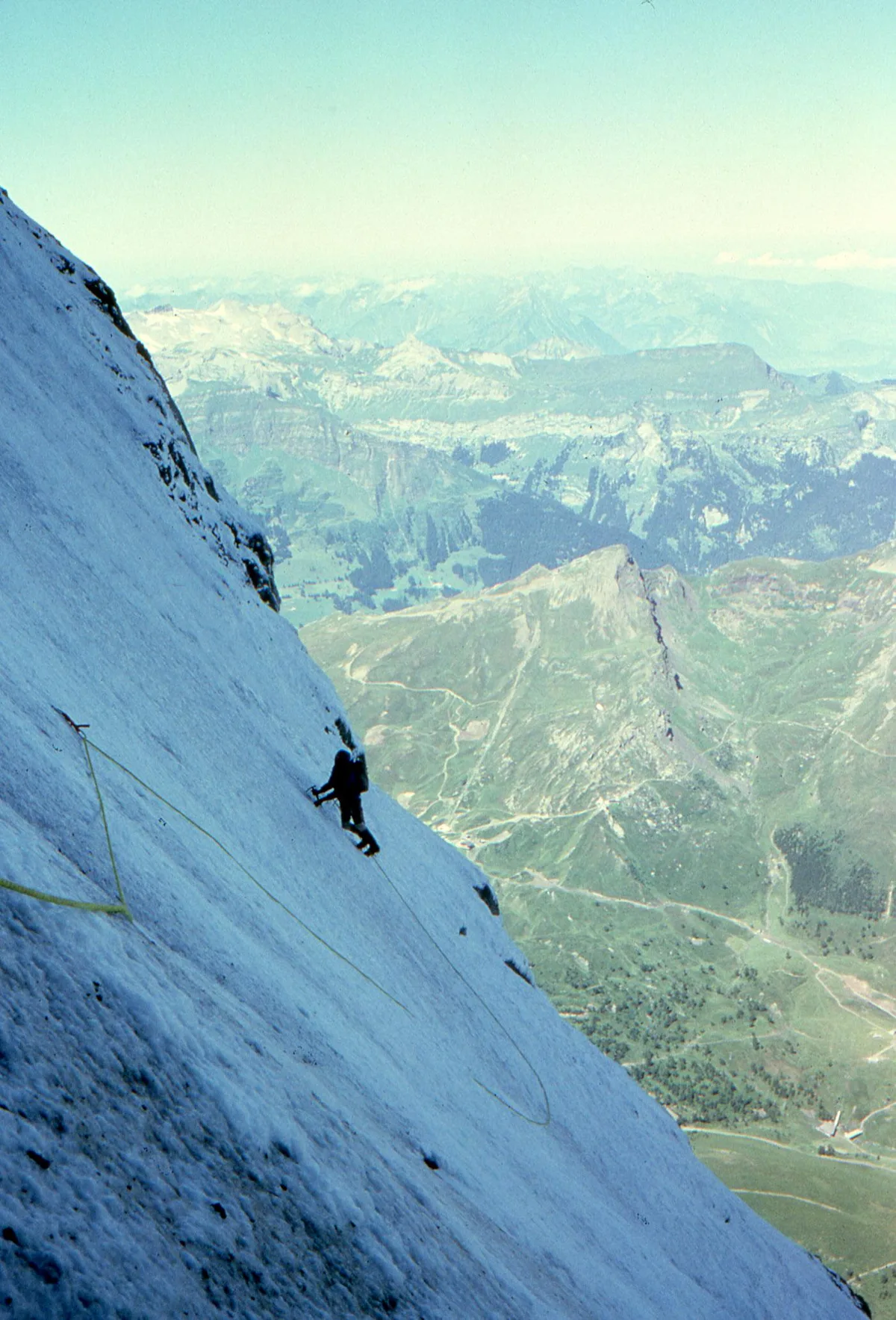
Two Hours and Twenty-Two Minutes: Ueli Steck's Unbelievable Solo Sprint Up the Eiger North Face
On November 16, 2015, Swiss speed climbing master Ueli Steck soloed the 1,800-meter Heckmair Route on the North Face of the Eiger in an astonishing 2 hours, 22 minutes, and 50 seconds.
Documented Sources & Archival Citations
- Swiss Alpine Club (CAS): Ueli Steck Eigerwand Speed Record(Die Alpen / Swiss Alpine Club)
Supporting claim: Official verification of the 2 hours, 22 minutes, 50 seconds solo ascent on November 16, 2015
Accessed/Documented: 2015 - National Geographic: Ueli Steck Reclaims Eiger Speed Record(National Geographic)
Supporting claim: In-depth interview and GPS tracking verification of the historic Heckmair Route sprint
Accessed/Documented: 2015-11-18 - Climbing Magazine: Steck Smashes Eiger Record in 2:22(Climbing Magazine)
Supporting claim: Technical breakdown of equipment, gear choices, and conditions during the speed ascent
Accessed/Documented: 2015-11-17